
A Guide to Aquarium Fish Food: Everything You Need to Know
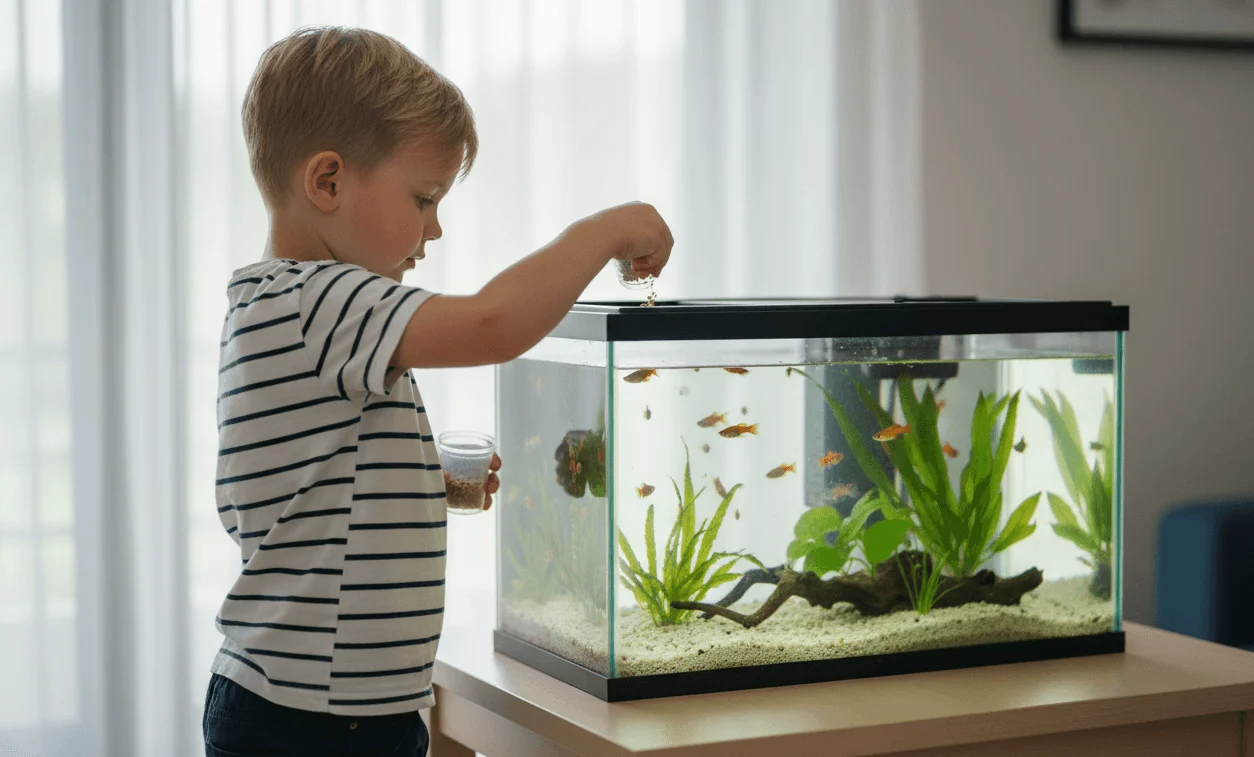
Choosing the right food for your aquarium fish is absolutely essential. It’s not just about giving your fish something to nibble on, but about the basic building block of their health, vitality, and beautiful coloration. Proper nutrition affects everything, from the immune system to behavior. There’s a huge range of fish foods on the market, so we’ve put together this complete guide to help you find your way around and choose the best option for your underwater pets.
Types of Pet Food by Form
Every aquarium is different, and its inhabitants are just as varied. That’s why manufacturers offer fish food in many forms, so it can meet the specific needs of different fish species.
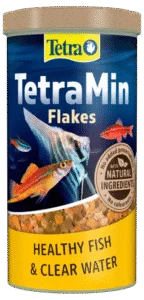
Flake food
Flake food is the most common and versatile type of fish food. It is ideal for most common fish species that stay in the middle and upper parts of the water column, such as livebearers, tetras, or barbs. Flakes remain on the surface for a short time and then slowly sink, which makes it possible to feed fish at different levels of the aquarium. One of their biggest advantages is that they can be easily crushed for smaller fish or fry.
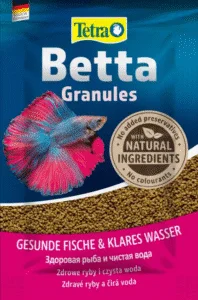
Granulated feed
Pellets are a great choice for medium-sized and larger fish, such as cichlids or goldfish. They come in a range of sizes, so you can easily pick the right one for your fish’s mouths. One key factor is their buoyancy — there are floating pellets for fish that feed at the surface, slow-sinking ones for those in the middle of the tank, and fast-sinking pellets for bottom dwellers. Pellets also hold their shape well and cloud the water less.
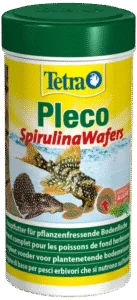
Tablets and chips
For bottom-dwelling fish, tablets or chips are the best choice. These types of food sink quickly and dissolve slowly, giving catfish, bristlenose plecos, and corydoras plenty of time to find their meal. Some tablets can even be stuck to the aquarium glass, which is not only fun to watch but also a practical way to feed fish in the middle part of the tank.
Frozen and live food
Frozen and live foods, such as bloodworms (midge larvae), brine shrimp, or daphnia (water fleas), are an excellent way to add variety to the diet. They are rich in protein and help support fish’s natural hunting instincts. Live food is the most natural option, but it also carries a risk of introducing parasites and disease. Frozen food is therefore a safer choice while still being a highly nutritious alternative.
Freeze-dried food
This type of food is a great middle ground between dried and live food. Freeze-drying preserves almost all of the original ingredients’ nutritional value while removing the risk of disease transmission. It’s a lightweight, easy-to-store way to treat your fish to foods like brine shrimp, bloodworms, or tubifex.
Special weekend and holiday feeds
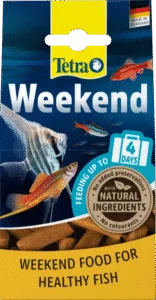
If you’re going away for a few days, weekend or vacation fish food can be a practical option. These are compressed food blocks that dissolve very slowly in the water and release food gradually over time. They’re better suited to shorter absences, because with longer use they can reduce water quality. For a longer holiday, an automatic fish feeder is the more reliable choice.
Key factors to consider when choosing
When looking at fish food packaging, focus on a few key details that will tell you whether it’s the right choice for your fish.
Composition of the feed
Quality ingredients are the absolute foundation. Look for foods with a high proportion of quality ingredients. The key things to focus on are:
- Proteins: Essential for growth and tissue repair. Carnivorous fish need a higher content (around 40%), while omnivores and herbivores do well with less (around 30%).
- Fats: An important source of energy. Their content should be between 5–10%.
- Fiber: Supports healthy digestion, which is especially important for herbivorous species.
- Vitamins and minerals: Vitamins such as C and E, along with minerals like calcium and phosphorus, are important for supporting immunity and overall health.
Digestibility
Easily digestible food is used more efficiently by fish and produces less waste. That means not only better condition for the fish, but also less water pollution in the aquarium. High-quality fish foods contain ingredients that the fish digestive system can process easily, which helps reduce the amount of ammonia and nitrites in the water.
Size and Shape
The size of the food should match the size of your fish’s mouth. Fry and small fish need fine powdered or micronized food, while large cichlids do best with larger granules or pellets. If the size is wrong, the fish may not be able to eat it, or smaller fish may be put off by oversized pieces.
Sink Rate
As already mentioned, how quickly the food sinks determines which part of the aquarium it will end up in.
- Floating: For fish that feed near the surface (for example, bettas and some tetras).
- Slow-sinking: Ideal for most fish feeding in the middle of the water column.
- Fast-sinking: Designed for bottom dwellers (catfish, Corydoras).
Supplementary substances
Some premium fish foods contain special additives. The most common are carotenoids and astaxanthin, which naturally support and enhance fish coloration. Other ingredients may help strengthen the immune system or support fertility.
Did you know that some fish are strict herbivores, while others need a meaty, protein-rich diet to grow and stay healthy? Understanding these differences is the first step toward a thriving aquarium.
How to Choose Fish Food by Fish Type
Each fish has different dietary needs. The basic categories are omnivorous, herbivorous, and carnivorous species.
For omnivorous fish
This includes most commonly kept species, such as livebearers (guppies, swordtails), tetras, and barbs. Their diet should be varied and well balanced, combining both animal and plant-based ingredients. A good-quality flake or pellet food works best as the staple, regularly supplemented with frozen or freeze-dried food.
For herbivorous fish
Bristlenose plecos, Malawi cichlids, or some livebearer species need a diet with a high proportion of plant-based ingredients. Look for foods that contain spirulina, chlorella or other algae and vegetables. A lack of plant matter in their diet can lead to digestive issues and cause these fish to nibble on aquarium plants.
For carnivorous fish
Bettas, most cichlids, and predatory catfish are carnivores and need food with a high animal protein content. Their staple diet should be pellets or flakes with a high proportion of fish meal, crustaceans, or insects. Their diet also needs regular variety in the form of frozen or live food, which helps support their natural instincts.
For fry and juvenile fish
The smallest fish have specific needs. They require very fine, almost dust-like food with a high protein content to support healthy growth. When raising fry, live foods such as brine shrimp or microworms are often essential. There are also specialized dry foods made for fry.
How to Feed and Store Properly
Less is sometimes more. That goes double when feeding aquarium fish.
Feeding frequency and portion size
Adult fish are best fed once or twice a day. Follow the golden rule: only feed as much as the fish can eat completely within 2–3 minutes. Overfeeding is one of the most common mistakes in fishkeeping. Uneaten food breaks down, pollutes the water, encourages algae growth, and can lead to health problems in fish.
A Varied Diet and a Fasting Day
Just like people, fish benefit from a varied diet. Rotate different types of food—for example, flakes one day, pellets the next, and a frozen treat at the weekend. It’s also a good idea to include a fasting day once a week. It won’t harm the fish; quite the opposite, it supports their digestive system and helps keep the aquarium cleaner.
Proper Storage
To help the food retain its nutrients and vitamins, it needs to be stored properly. Keep it in its original, tightly sealed packaging, in a dry, dark place. Moisture and light break down vitamins and can lead to mold growth. Never store pet food in the fridge, where it could absorb moisture.
The Best-Known Brands and Manufacturers
There are several well-established brands on the market that offer high-quality, research-backed products.
| Značka | Zaměření |
|---|---|
| Tetra | Jeden z největších a nejznámějších výrobců s širokým sortimentem pro všechny typy ryb, často považován za standard v oboru. |
| Sera | Německá značka s důrazem na vědecký přístup a přírodní složení. Nabízí širokou škálu specializovaných krmiv. |
| Hikari | Japonský specialista na prémiová krmiva, obzvláště pro cichlidy, závojnatky a KOI kapry. Známý pro vysokou kvalitu surovin. |
| Tropical | Polská značka, která si získala velkou popularitu díky skvělému poměru ceny a výkonu a velmi široké nabídce. |
| Dajana | Český výrobce nabízející širokou paletu krmiv pro běžné akvaristy za příznivé ceny. |
Prices and Budget Categories
Feed prices can vary quite a bit. In general, they can be divided into three categories:
- Budget fish foods: They usually contain lower-quality ingredients (for example, more grain meal) and may be less digestible, which puts a greater strain on the water.
- Mid-range: Offers a good balance between quality and price. Most reputable brands fall into this category and provide balanced nutrition for typical breeding operations.
- Premium fish foods: They are the most expensive, but they contain the highest-quality ingredients, such as whole fish meal, krill, or insect protein. They offer excellent digestibility and often include added ingredients to support health and coloration. They are especially worth the investment for breeding, sensitive, or expensive fish species.
Summary and a Final Tip
Choosing the right fish food is an investment in the health and beauty of your aquarium. Always take your fish species, their size, and their feeding habits into account. Don’t be afraid to combine different types of food to provide a varied and balanced diet. Watch your fish closely—their behavior, activity level, and coloration will tell you best whether the food you’ve chosen suits them.
The right fish food is the best investment in your fish’s health and appearance. We wish you lots of enjoyment with your underwater world.
🔍 Frequently Asked Questions (FAQ)
Can I feed fish kitchen scraps like bread?
Under no circumstances. Bread and other human foods contain ingredients that fish cannot digest and can cause serious digestive problems. On top of that, they heavily pollute the water. The only possible exception is blanched, thoroughly washed vegetables (such as cucumber, zucchini, or a spinach leaf) for herbivorous species like bristlenose plecos.
What should I do when I’m going on vacation?
For a weekend trip, it’s enough to leave the fish unfed; healthy adult fish can easily go a few days without food. For a longer holiday (a week or more), the best option is an automatic feeder that will dispense food regularly. Weekend feeding blocks are more of a backup option for 2–3 days.
My fish won’t eat new food — what should I do?
Fish can be set in their ways at times. Try introducing new food gradually. Mix a small amount of the new food with the old one they’re used to, then slowly increase the proportion of the new food. You can also skip feeding for a day so they’re hungrier and more willing to accept the change.