
Bike Under Power: Everything You Need to Know About E-Bikes
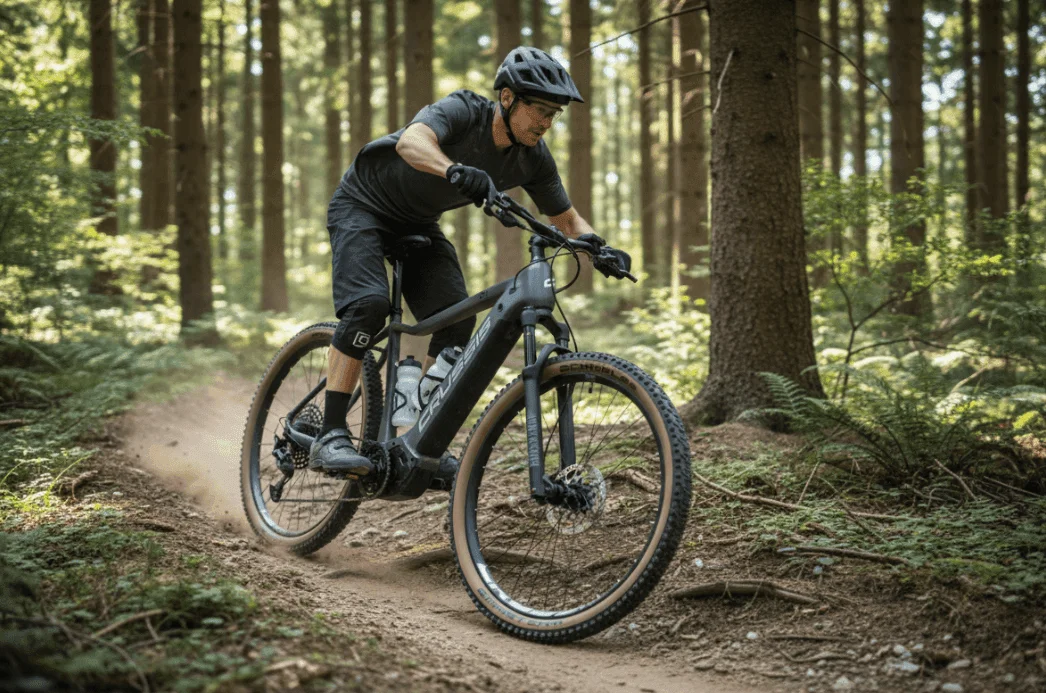
Electric bikes are no longer just for seniors or for people who do not feel like pedalling. They have become a modern means of transport, a great training tool and a perfect partner for exploring new places. Whether you want to commute to work without a sweaty T-shirt, keep up with fitter friends, or simply enjoy longer rides in nature, an e-bike will open up a whole new world of possibilities.
Did you know that a quality e-bike can boost your pedalling power by up to 400% and help you climb hills you would never have dreamed of tackling before?
How does an e-bike work? The heart and brain of the bike
At first glance it looks almost like a regular bike, but inside it hides a clever system that gives you extra power. Let’s take a look at the key components that form its heart and brain.
Motor
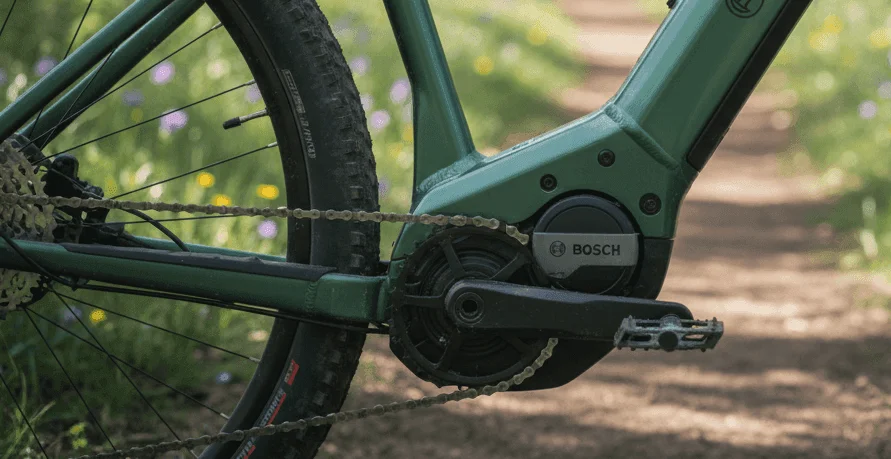
The motor is what makes an e-bike an e-bike. Its job is to help you while you pedal. Based on its position, there are two main types. A mid-drive motor is mounted around the bottom bracket, which is the best solution in terms of centre of gravity and handling. The weight is concentrated low and in the middle, so the bike is stable and easy to control. The motor drives the cranks directly, which lets you use the bike’s gears efficiently and makes the ride feel very natural. The second option is a hub motor, located in the front or rear wheel hub. It is a simpler and cheaper solution, typical for city and entry-level e-bikes, but it shifts the centre of gravity to one side and can slightly affect handling.
Battery
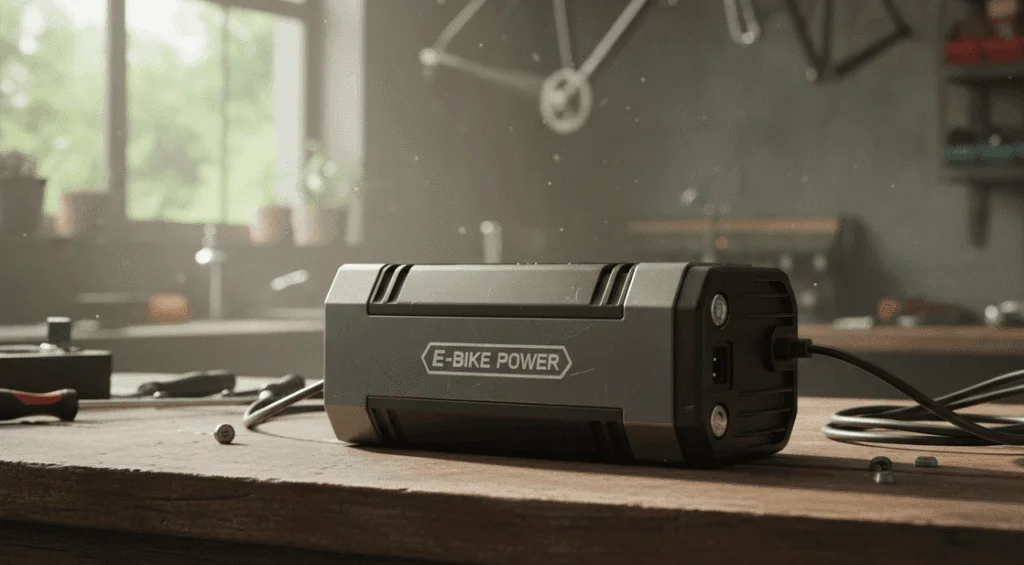
The battery is the power source for the motor. Modern e-bikes use lithium-ion batteries that offer high capacity at a low weight. The key figure is the capacity in watt-hours (Wh), which tells you how much energy the battery can store. The higher the value, the longer the theoretical range. Typical capacities range from 400 Wh to 750 Wh and more. The actual range, however, depends on many factors: rider weight, route profile, chosen assistance level, riding style, tyre pressure and even the outside temperature.
Pedal sensors
To know when and how much to assist, the motor uses sensors. A torque sensor, standard on mid-drive motors, measures how hard you push on the pedals. The harder you push, the more the motor helps, which creates a very intuitive and smooth ride. In contrast, a cadence sensor, used on cheaper models, only detects whether the pedals are turning. As soon as you start pedalling, the motor kicks in at the preset assistance level, regardless of how hard you push, which feels less natural.
Controller and display
The brain of the whole system is the controller, which regulates motor power based on sensor data. You interact with it via the handlebar control unit and display. The display shows key information such as speed, battery charge level, selected assistance mode and distance travelled. You can easily switch between modes, from eco for maximum range to turbo for conquering the steepest climbs.
Types of e-bikes: There is a perfect option for everyone
Just like regular bikes, e-bikes are divided into several categories depending on where and how you plan to ride. Choosing the right type is the first and most important step.
Electric mountain bikes (e-MTB)
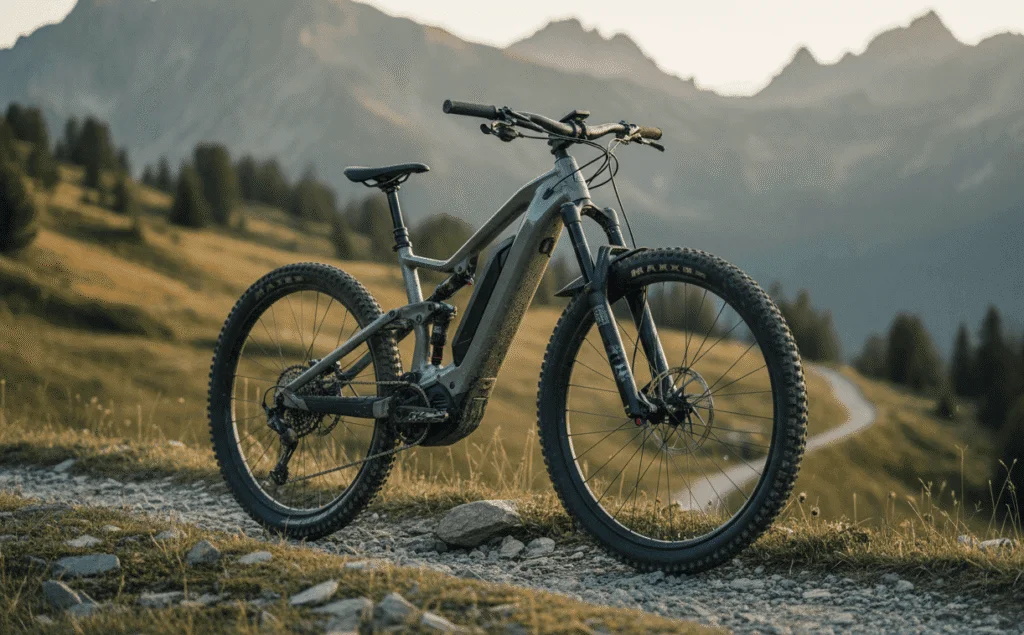
These bikes are built for riders who love adrenaline, nature and technically demanding trails. Thanks to a powerful motor and advanced suspension, they help you conquer tough climbs and enjoy descents to the fullest. They feature a robust frame, wide tyres with aggressive tread, powerful suspension (often full-suspension models) and a strong mid-drive motor.
| Advantages | Disadvantages |
|---|---|
| Can handle even the toughest terrain | Higher price and weight |
| Great riding experience uphill and downhill | Less suitable for road use |
Trekking and cross e-bikes
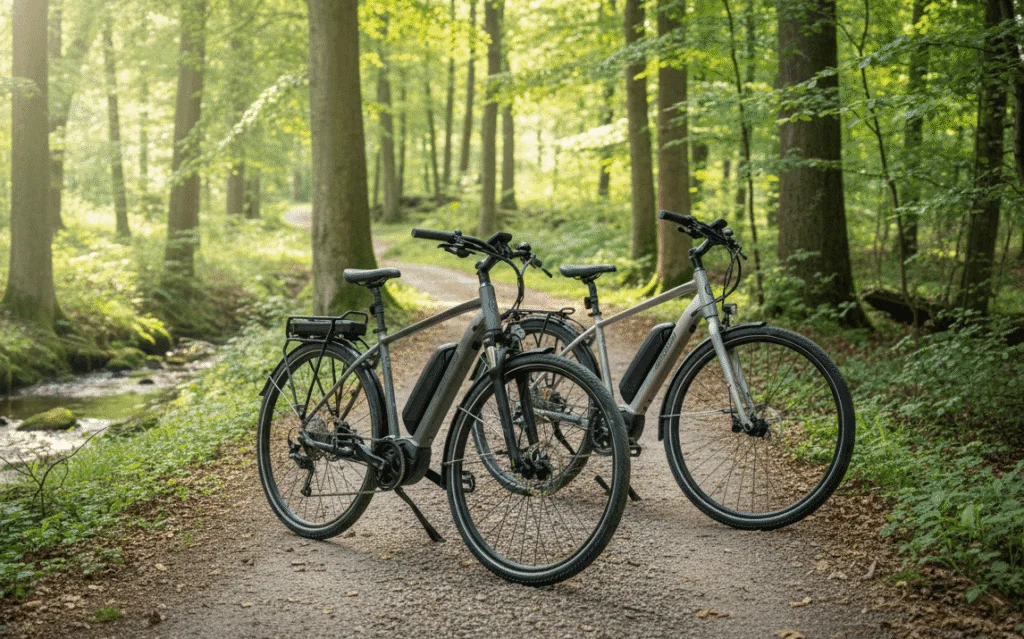
These are an ideal choice for leisure riders, families and anyone looking for a versatile bike for different surfaces. They are great companions on bike paths, roads and light off-road sections such as field or forest tracks. Their typical features are a comfortable frame geometry and all-round tyres. Trekking versions often come equipped with mudguards, a rear rack and lights.
| Advantages | Disadvantages |
|---|---|
| Very versatile | Limited in very rough terrain |
| Comfortable riding position for longer trips | Not as fast as road bikes |
City e-bikes
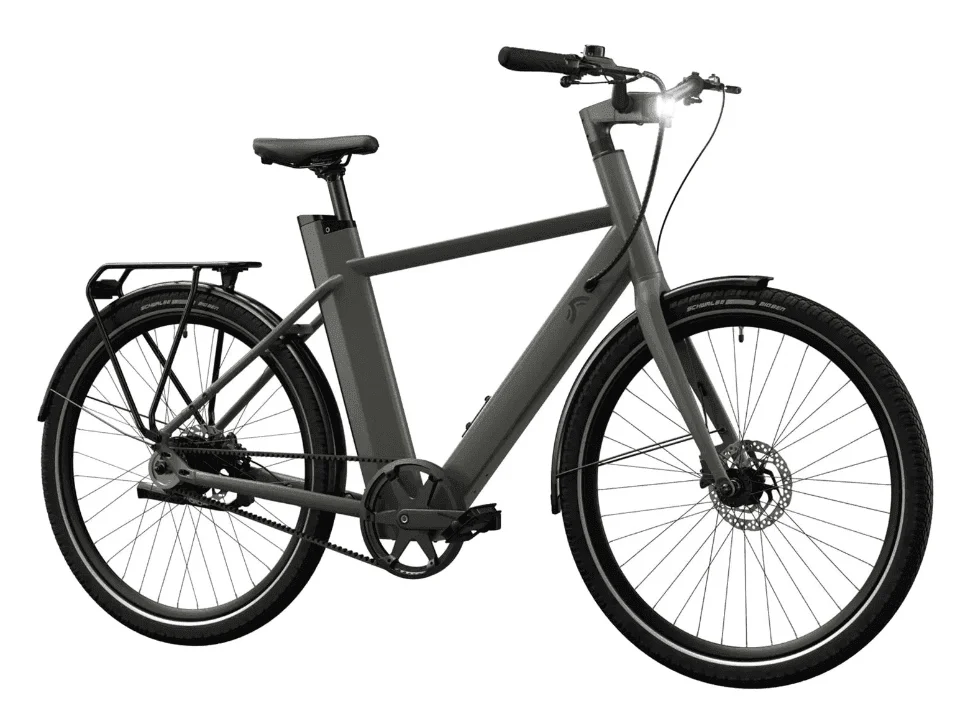
Designed for comfortable and quick urban commuting, they are a great option for commuters and seniors. They have an upright riding position and often a low-step frame for easy mounting and dismounting. They usually come fully equipped (mudguards, lights, rack, kickstand) and have smoother tyres for fast riding on tarmac.
| Advantages | Disadvantages |
|---|---|
| Maximum comfort and practicality | Not suitable for off-road |
| Easy to mount and handle | Usually a shorter range |
Folding e-bikes
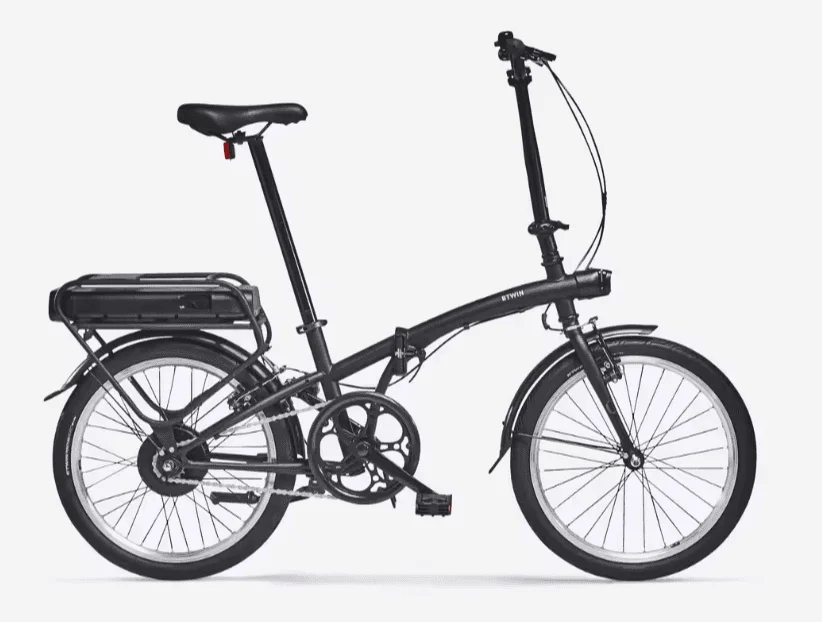
A perfect choice for travellers, people living in small apartments and those who combine cycling with public transport or a car. Their main strengths are small wheels (usually 20 inches), a simple folding mechanism and compact dimensions when folded, so you can turn them into a small package in no time.
| Advantages | Disadvantages |
|---|---|
| Excellent portability and storage | Lower riding comfort on rough surfaces |
| Ideal for mixed-mode commuting | Limited power and range |
Road and gravel e-bikes
This category targets sporty riders who want to push their limits, keep pace in a group or tackle demanding climbs. They provide only light, subtle assistance. They are characterised by a lightweight frame (often carbon), narrow tyres (road) or wider tyres with a fine tread (gravel) and a very compact, lightweight motor.
| Advantages | Disadvantages |
|---|---|
| Low weight and high speed | Higher price |
| Natural ride feel, similar to a classic bike | Less comfort on rough surfaces |
Key specs to look at: What the numbers mean
Technical specs can seem complicated, but they are exactly what determines how the bike rides. Here is an overview of the most important ones.
Motor: Torque (Nm)
Torque, measured in newton metres (Nm), is a much more important figure than power in watts (W). It shows how much force the motor can deliver. The higher the torque, the better the bike will cope with steep hills and tough terrain. For city bikes, around 40–50 Nm is enough, while powerful e-MTBs offer 85 Nm or more.
Battery: Capacity (Wh)
Capacity in watt-hours (Wh) directly affects range. The formula for an approximate calculation is simple: Capacity (Wh) = Voltage (V) × Capacity (Ah). To estimate real-world range, you can use online calculators that take all variables into account. However, “the more, the better” does not always apply. A bigger battery means more weight and a higher price. Think about the routes you will ride most often and choose the capacity accordingly.
Motor and battery placement
As already mentioned, the placement of components has a major impact on the bike’s centre of gravity and handling. A mid-drive motor and an integrated (or semi-integrated) battery in the down tube are the ideal combination for balanced riding characteristics. This setup keeps the weight low and centred, which ensures stability and easy handling.
Brakes: Hydraulic disc as standard
E-bikes are heavier and can reach higher speeds, so they need powerful brakes. Hydraulic disc brakes are now the standard and essentially a must. They offer strong braking power, great modulation and reliable performance in all weather conditions.
Frame material and size
The most common material is an aluminium alloy, which offers an excellent balance of strength, weight and price. More expensive, premium models may use a carbon frame, which is even lighter and stiffer. The right frame size is absolutely crucial for a comfortable and safe ride. Size is given in inches or centimetres and depends on your height and inseam length. Always follow the manufacturer’s size chart and, if you are between two sizes, it is best to test ride the bike in person.
Quality of other components
Do not overlook the rest of the bike either. A quality rear derailleur (for example from Shimano or SRAM) ensures smooth shifting, a good suspension fork (and a rear shock on e-MTBs) absorbs bumps and quality tyres provide grip and puncture protection.
How to choose the right e-bike for your needs
Theory is one thing, practice is another. Let’s look at specific scenarios to help you find your way around more easily.
E-bike for commuting
You want a fast, eco-friendly and reliable way to get around the city. A city or folding e-bike will be ideal. Focus on full equipment (mudguards, lights, rack), a comfortable upright position and, for use with public transport, a folding mechanism. A motor with around 50 Nm of torque and a 400–500 Wh battery will be more than enough.
E-bike for seniors for leisure rides
The priorities are comfort, safety and easy operation. A city or trekking e-bike with a low-step frame will work best. It makes getting on and off very easy. A clear display, intuitive controls and reliable hydraulic brakes are also important.
E-bike for sporty riding in tough terrain
You want to push your limits on trails and in the mountains. The obvious choice is a full-suspension electric mountain bike (e-MTB). Look for a strong mid-drive motor with high torque (85 Nm or more), a high-capacity battery (at least 600 Wh), quality suspension with sufficient travel and robust components designed for trail or enduro riding.
E-bike for family cycling holidays
You need a versatile bike that can handle bike paths, gravel roads and the occasional forest ride. A trekking or cross e-bike is ideal. Versions with full equipment (rack, mudguards) make packing for trips much easier. For a partner with lower fitness, it can be a great way to keep the same pace as the rest of the family.
Care, maintenance and service life
To keep your e-bike running reliably for years, it needs a bit of care. It is nothing complicated, you just need to follow a few basic rules.
How to take care of the battery
The battery is the most expensive part of an e-bike, so it deserves special attention. Modern batteries do not suffer from memory effect, so you can charge them anytime, ideally after every ride. It is important not to leave them fully discharged for a long time and to use only the original charger. If you are not using the bike for a longer period, for example in winter, store the battery in a dry place at room temperature, charged to about 40–60%. Avoid extreme temperatures and do not let it run completely flat.
Regular maintenance
Basic maintenance is the same as on a regular bike. Regularly clean and lubricate the chain, check the condition of the brake pads and maintain the correct tyre pressure. This will extend the life of the components and make your rides safer and more enjoyable.
What to watch out for
Be careful when washing your e-bike. Never use a pressure washer, as water can get into the motor electronics or bearings and cause irreversible damage. Wash the bike gently with a sponge or cloth and use dedicated bike cleaners.
Most popular motor and bike brands
The e-bike market is huge, but a few names clearly stand out.
Motor manufacturers
The key players in the motor segment include the German brand Bosch, which is synonymous with premium quality, reliability and top performance; its Performance Line CX motors rank among the very best in the e-MTB category. Then there is the Japanese Shimano, known for its finely tuned and reliable STEPS motors that work perfectly with the brand’s other components. Yamaha is one of the pioneers of mid-drive motors and its systems are known for their power and very natural ride feel. The Chinese brand Bafang has made a name for itself with an excellent price-to-performance ratio and its motors are often found on more affordable, yet still very capable e-bikes.
E-bike manufacturers
There are dozens of quality brands on the market. Some of the best-known and most popular include Czech brands Crussis and Apache, German Cube and Haibike, or American Specialized. Each brand has its own focus and strengths, from budget-friendly models to high-end race machines.
Price ranges and budgets
The price of an e-bike depends on the quality of the frame, components and, most of all, on the motor and battery capacity used.
In the entry-level category up to $1,600 you will mostly find city and basic trekking bikes, usually with a hub motor and a smaller battery. They are suitable for undemanding riding on paved paths and shorter distances.
The mid-range ($1,600 – $3,200) offers the best value for money. This category is dominated by quality mid-drive motors and batteries with enough capacity for longer trips. You will find well-equipped trekking and mountain e-bikes here.
The premium segment (over $3,200) is aimed at demanding riders who want the very best. Expect top-of-the-line mid-drive motors, high-capacity batteries, lightweight frames (often carbon), first-class suspension and the highest-grade components.
Summary and a final tip
Choosing an e-bike may look complicated, but there is no need to be intimidated. The most important thing is to be clear about how you will use the bike most often, what kind of terrain you will ride in and what range you expect.
Whenever possible, do not cut corners on the motor and battery. These two components are the heart and brain of an e-bike, they are the most expensive parts and their quality has a huge impact on how the bike rides. Investing in a proven motor brand and a battery with sufficient capacity will pay off in reliability, smooth performance and a smile on your face every time you head out.
Whichever e-bike you choose, the most important thing is the joy of riding and the new horizons it opens up for you.
Frequently asked questions (FAQ)
Do I need a driving licence or insurance for an e-bike?
If an e-bike meets the European EPAC standard (Electrically Power Assisted Cycles), it is legally treated as a regular bicycle. This means the motor only assists while you are pedalling, its rated power does not exceed 250 W and the assistance cuts off once you reach 25 km/h. For such an e-bike, you do not need a driving licence, registration or mandatory liability insurance.
Can I ride an e-bike if the battery runs out?
Yes, absolutely. If the battery runs flat or you switch the motor off, you can keep riding just by pedalling, like on a normal bike. Keep in mind, though, that an e-bike is heavier because of the motor and battery, so riding without assistance is harder work, especially uphill.
How long does an e-bike battery last and how much does a new one cost?
The service life of modern Li-Ion batteries is usually given in charging cycles and is typically between 500 and 1,000 full cycles. For most riders, this translates to roughly 3 to 8 years, depending on how intensively the bike is used and how well the battery is cared for. Over time, the battery gradually loses capacity, which shows up as a shorter range. The price of a new battery varies by brand and capacity, but generally ranges from about $480 to $1,000 or more.