Discover the world of barefoot shoes and give your feet natural movement and freedom
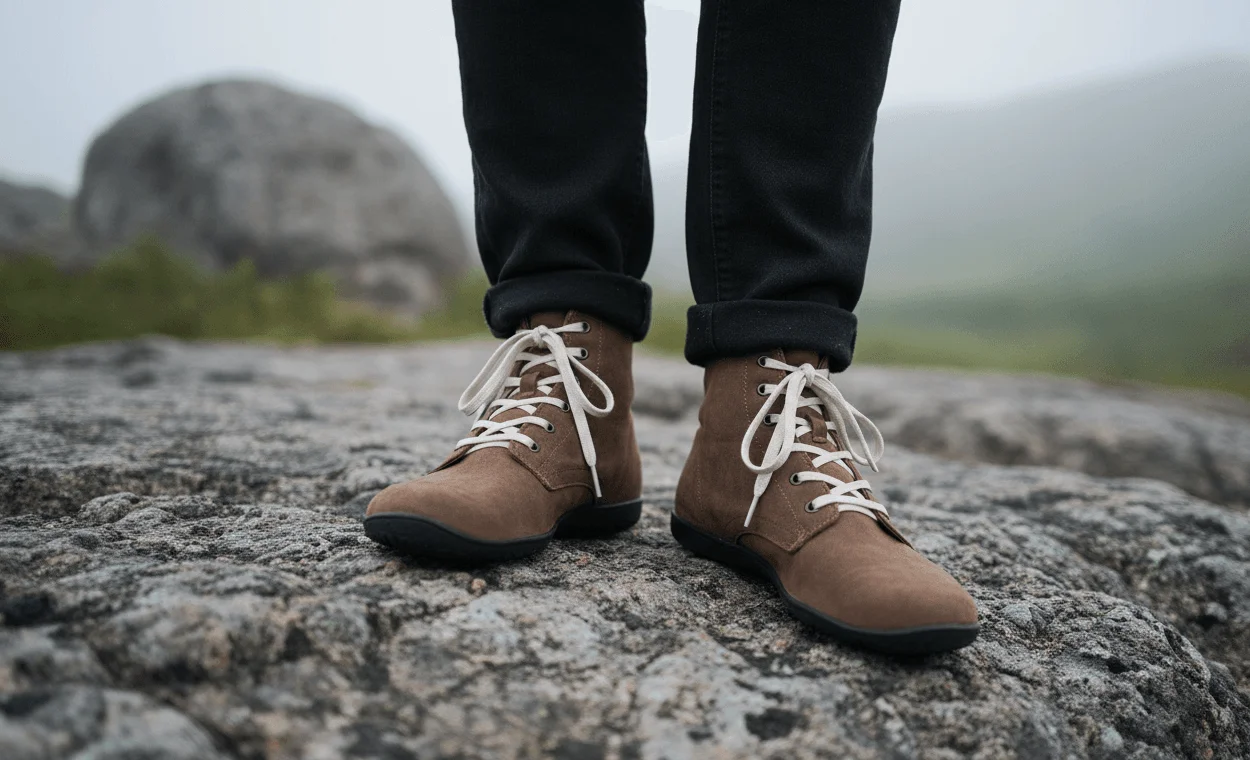
Welcome to a world where shoes are not a tight mold, but protection that lets your feet work the way nature intended. Barefoot shoes are becoming an increasingly popular alternative to traditional footwear, and for good reason. Their core idea is to let the foot function as naturally as possible, as if it were barefoot, which helps support the health of the whole body. This guide will walk you through everything you need to know about them—from the basic principles to choosing the ideal pair.
What are barefoot shoes and what are their benefits?
The term “barefoot” comes from English and simply means “a bare foot.” So barefoot footwear is not just “a shoe with a thin sole,” but a broader approach focused on restoring the foot’s natural function. These shoes are designed to mimic walking barefoot while still protecting your feet from injury and bad weather. Wearing them can bring a range of health benefits, something supported by a growing number of experts and studies.
Main health benefits:
- Strengthening the foot muscles and arch: Unlike regular shoes with arch support, which can cause the muscles to weaken over time, barefoot shoes make the foot muscles work actively with every step. This helps strengthen the natural arch and improves the overall resilience of your feet.
- Improved stability and balance: The thin sole lets you feel the ground better, which stimulates the nerve endings in the feet and improves so-called proprioception – the body’s ability to sense its position in space. This leads to better balance and movement coordination.
- Prevention and support for foot deformities: Thanks to the wide toe box, which follows the foot’s natural shape, your toes have plenty of room to move freely. This helps prevent and ease issues such as bunions (hallux valgus) or hammer toes, which are often caused by narrow footwear.
- More natural posture: With no heel lift (zero drop), your body stays in a natural position, which distributes weight more evenly and reduces strain on the joints and spine. This can help ease back and knee pain.
Did you know the human foot has 26 bones, 33 joints, and more than 100 muscles, tendons, and ligaments? Regular shoes often restrict how they work and leave them feeling “numb.” Barefoot shoes, by contrast, free up this complex structure and bring it back to life.
Key Features and Principles of Barefoot Footwear
A true barefoot shoe is defined by three core principles it needs to meet. It’s not just about one feature, but how they work together.
Anatomically shaped toe box
This is the hallmark of a true barefoot shoe. Unlike conventional footwear, which often narrows toward the toe and squeezes the toes out of shape, a barefoot shoe follows the natural shape of the foot. It gives your toes plenty of room to splay naturally, which is essential for proper push-off and stability.
Zero drop
The term “drop” refers to the height difference between the heel and the toe. Barefoot shoes have zero drop, which means the sole is completely flat. Any heel, even the slightest one, tilts the body forward, shifts its center of gravity, and negatively affects posture, shortens the calf muscles, and puts extra strain on the spine. Zero drop supports a natural stance and proper muscle chain engagement.
Thin, flexible sole
The sole of barefoot shoes is not only thin (usually around 3–6 mm), but above all as flexible as possible in every direction. This allows the foot to feel the surface it is walking on and adapt to it naturally. That flexibility supports the active work of muscles and tendons that would remain passive in a stiff shoe.
Types of Barefoot Shoes by Use
It’s no longer true that barefoot shoes are just unattractive “slippers.” Today’s market offers a wide range of styles for every occasion.
Urban and everyday barefoot shoes
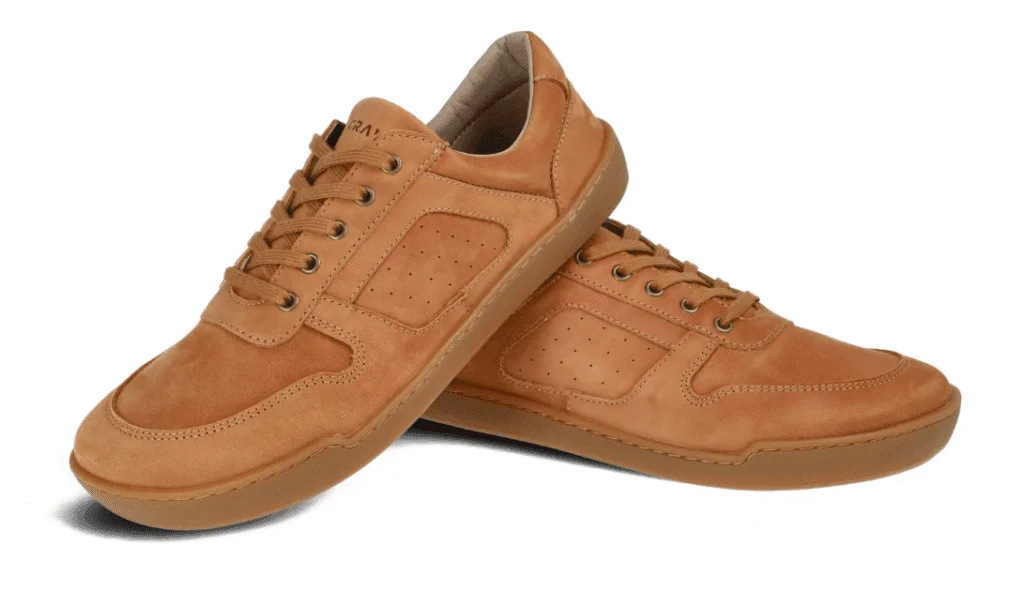
These are the most versatile models and are an ideal choice for beginners. They work well for anyone looking for comfortable shoes for everyday wear to work, around town, or for easy walks. They typically feature a casual design in the form of sneakers, low shoes, or ballet flats, and are usually made from leather, textile, or modern vegan materials. Their main strengths are excellent versatility and a stylish look that pairs easily with everyday outfits. On the downside, the sole tends to be less durable on very rough surfaces compared with specialized outdoor models.
Sports barefoot shoes
These shoes are designed for specific movement-based activities and are especially appreciated by runners, gym-goers, and athletes who want to strengthen their feet and improve their movement technique. They are usually extremely lightweight and breathable, and their sole offers excellent grip for the given sport. They also often feature practical quick lacing. Wearing them significantly improves running technique with a midfoot strike and better ground feel. However, they require a slow and patient transition, because with poor technique or starting too quickly, there is a risk of overuse injuries.
Hiking and Outdoor Barefoot Shoes
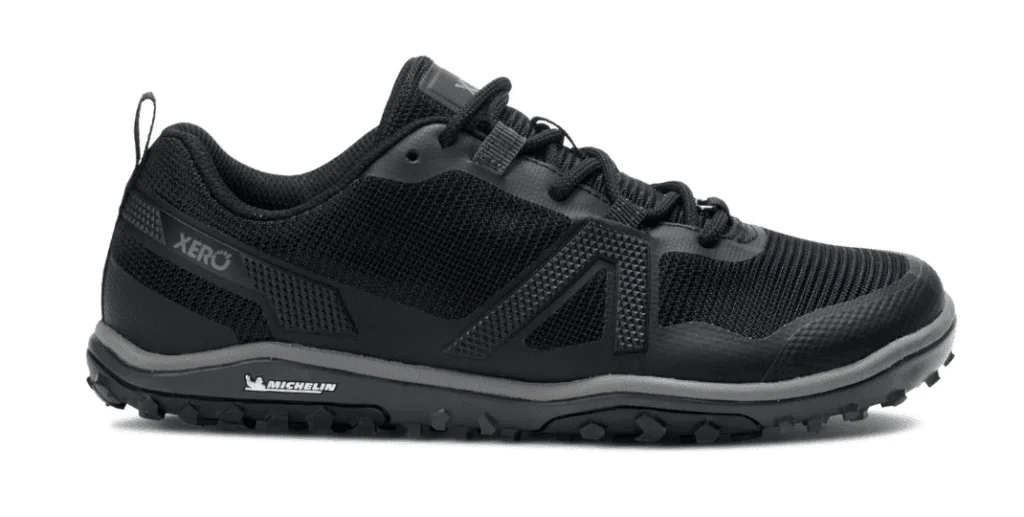
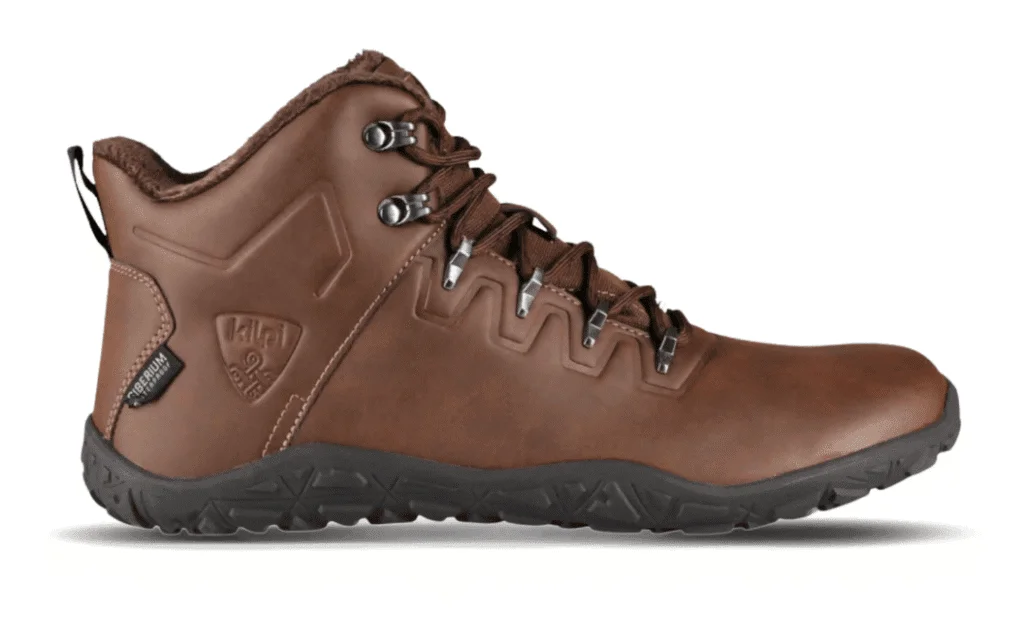
For nature lovers, hikers, and outdoor enthusiasts who head into more demanding terrain, these shoes are the right choice. They often feature an ankle-high design for better protection, a deeper, more durable tread pattern for excellent traction, and are usually made from water-resistant materials, sometimes with a membrane. Their biggest advantage is excellent ground feel and added stability on uneven surfaces. For some people, though, the thin sole may feel less comfortable on routes with very sharp rocks.
Dressy barefoot shoes
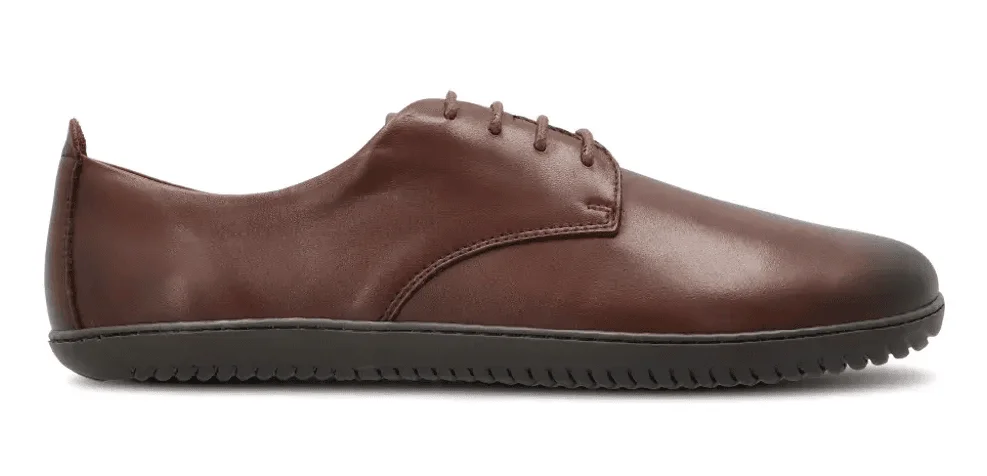
Dress styles prove that elegance doesn’t have to come at the expense of health and comfort. They are designed for both men and women for formal occasions, such as business meetings, trips to the theatre, or weddings. In terms of design, they are close to classic dress shoes, loafers, or pumps (without the heel, of course) and are made from premium materials, most often high-quality smooth leather. They let you maintain a polished, professional look while still giving your feet plenty of room and comfort. That said, the selection is still somewhat more limited than with casual models.
Kids’ barefoot shoes
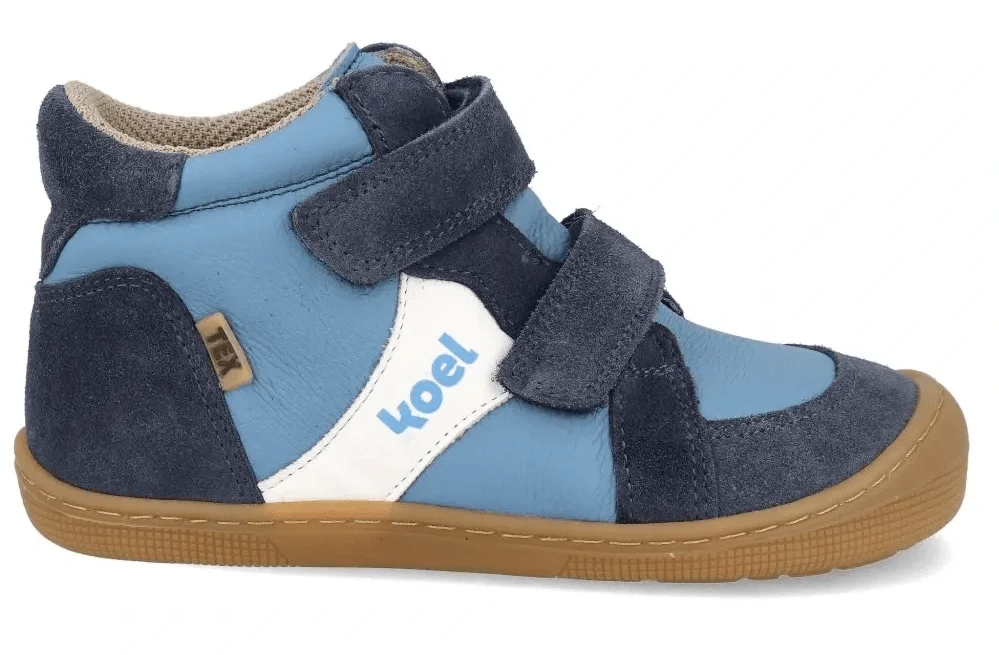
These shoes are absolutely essential for the healthy development of a child’s foot, which is why they are recommended by pediatricians and physiotherapists alike. They are designed for children from their very first steps. What sets them apart is that they are as light and flexible as possible, with a very wide toe box that does not restrict the natural growth and shaping of the arch. Wearing them supports the proper development of motor skills, balance, and overall posture. The only downside is the need to check the size regularly and often, because a child’s foot grows very quickly and a shoe that is too small could cause harm.
Barefoot sandals and water shoes
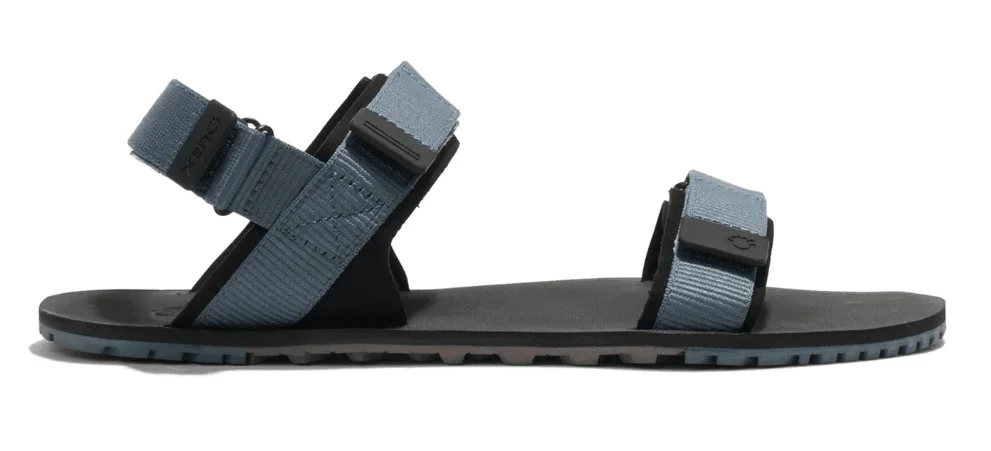
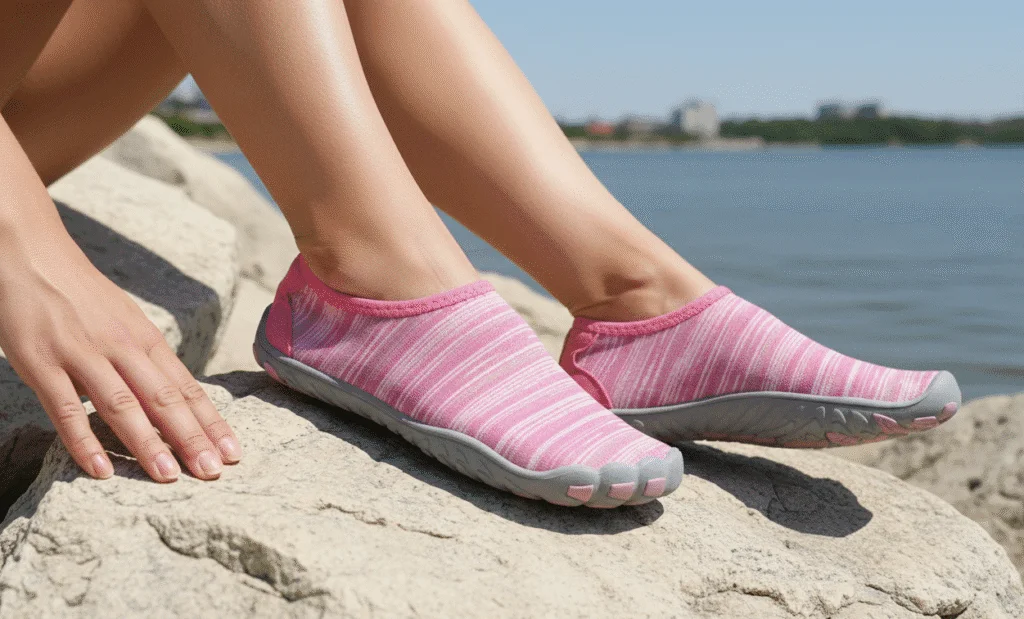
This category is an ideal choice for the summer months and any water-related activities. They are useful for anyone during leisure time, at the beach, or for water sports. They stand out for their minimalist design, often made up of just a few straps and a thin sole. They are highly breathable, lightweight, and quick-drying. Their main advantage is the feeling of maximum freedom and walking almost barefoot. Naturally, though, they offer less protection against mechanical damage, such as stubbing your toes.
Key parameters to consider when choosing
Choosing the right barefoot shoes is key. Focus on the following factors to make sure the shoes fit you perfectly.
Upper material
The choice of material depends on what you’re buying the shoes for. Leather is durable, breathable, and molds to your foot, making it a great fit for year-round and dressier styles. Textile and mesh are ideal for summer and athletic shoes thanks to their breathability. Synthetic materials, such as softshell, offer water resistance and are easy to maintain.
Sole material and tread pattern
The sole should be flexible, but also durable. A smoother tread works well in the city, while a deeper, more aggressive tread pattern is better for the outdoors, where it gives you better grip and traction.
Shoe Fit and Width
Barefoot shoes are not all the same. Some brands specialize in models for wide feet, while others are a better fit for narrower feet or a low instep. Always check that the shoe is wide enough in the toe box so your toes are not being squeezed.
Type of fastening
Laces allow for the most precise fit across the instep. Velcro is practical and quick, especially popular on children’s shoes. Quick lacing (an elastic lace with a toggle) is a great choice for sports models where you need a fast, secure fit.
Weight
One of the defining features of barefoot shoes is their very low weight. You’ll barely feel them on your feet, which adds to the sense of freedom and natural movement.
Removable insole
Many models come with a removable insole. That’s a big plus. It lets you adjust the space inside the shoe—removing it gives you more room—or ease into a stronger barefoot feel over time. It also makes the shoes easier to maintain and dry.
How to Choose the Right Barefoot Shoes – A Practical Guide
Buying your first pair of barefoot shoes can feel uncertain, but with this approach, you’ll handle it just fine.
How to measure your foot correctly and choose the right size
Forget your usual size. With barefoot shoes, accurate measurement is key, because nothing should restrict your foot.
- Preparation: Take an A4 sheet of paper, a pencil, and a ruler.
- Measuring: Place a sheet of paper on the floor against a wall. Stand on it so your heel lightly touches the wall. Distribute your weight evenly across both feet.
- Tracing: With the pencil held perpendicular to the paper, make a mark in front of the longest toe (it may not be the big toe). Also measure the width at the widest part of the foot.
- Repeat: Repeat the process on the other foot as well, since the lengths may differ. When choosing a size, use the measurement of the longer foot.
- Adding extra room: Add the so-called toe allowance to the measured length – the free space in front of the toes that is essential for the foot to function naturally.
| Typ uživatele | Doporučený nadměrek |
|---|---|
| Dospělí | 5–10 mm |
| Děti | 9–12 mm |
Recommendations for Beginners
Switching to barefoot shoes should be gradual, so your muscles and tendons can adapt to the new kind of strain.
- Start slowly: At first, wear barefoot shoes only for short walks (for example, 1–2 hours a day) and gradually increase the time.
- Rotate your footwear: Don’t wear barefoot shoes all day right away. Alternate them with your regular shoes.
- Listen to your body: If you feel muscle soreness, that’s normal. Give your feet time to recover. If you feel sharp pain, take the shoes off and consult a specialist.
- Suitable terrain: Start on softer surfaces such as grass or forest trails. Hard urban pavement is more demanding at the beginning.
Most Common Mistakes When Choosing
- Wrong size: The most common mistake is not leaving enough extra room or choosing a shoe that’s too narrow and squeezes the toes.
- Transitioning too quickly: Trying to wear barefoot shoes all day right away can lead to overuse and pain.
- The wrong type for the activity: Wearing city sneakers on a mountain hike can lead to quick wear and tear and not enough protection.
Switching to barefoot shoes, care, and durability
How to transition to barefoot shoes step by step
The key is patience. Alongside gradually working the shoes into your daily routine, you can support the transition with foot exercises, such as picking up small objects with your toes, walking on tiptoes, or using a ball for massage. This helps activate muscles that have been inactive for a long time.
How to Care for Shoes
Proper care will help your shoes last longer. Leather shoes should be cleaned regularly with a brush, treated with a nourishing cream, and waterproofed to help repel water. Textile shoes should be cleaned with a damp cloth and also waterproofed. Never dry shoes directly on a heat source, such as a radiator, as this can damage them.
Lifespan of barefoot shoes
Lifespan depends on how often you wear them, what activities you do, and how well you care for them. Because the sole is thinner, it may wear out faster than on regular shoes, especially if you often walk on rough city pavement. It’s time to replace the shoes when the sole is noticeably worn down, the tread is fading, or cracks start to show on the upper.
Price and Budget Categories
The price of barefoot shoes varies depending on the brand, materials, and type.
- Lower price range (around $65–$109): In this price bracket, you’ll find basic textile models, sandals, or shoes from lesser-known brands. The materials and workmanship may not feel as premium, but they can still be good enough to try out.
- Mid-range (around $109–$174): This is where you’ll find the widest selection of quality shoes from most established brands. You can expect good materials, including leather, and solid workmanship.
- Premium category (over $174): This category includes specialized models (for example, winter shoes with a membrane) or footwear from premium brands that use top-quality materials and place strong emphasis on design and ethical production.
Investing in better-quality shoes often pays off, as they offer better materials, last longer, and provide greater comfort.
Summary and a Final Tip
Choosing barefoot shoes is an investment in your health. The key is to keep three basic principles in mind: plenty of room for your toes, zero drop, and maximum flexibility. Most importantly, the shoe should fit perfectly and allow your foot to move naturally. Don’t go by the size number alone—focus on the exact measurements and how the shoe feels on your foot.
Choosing your first barefoot shoes is a step toward healthier, happier feet. Listen to your body, give yourself time to adjust, and enjoy every step with the freedom your feet deserve.
Frequently Asked Questions (FAQ)
Are barefoot shoes suitable for people with flat feet?
Yes, for many people with functionally flat feet, barefoot shoes can be beneficial. By making the foot muscles work, they can help strengthen the arch. However, the transition needs to be very gradual and ideally discussed with a physiotherapist, because the foot has to get used to working actively again. For structural or rigid deformities, consulting a specialist is essential.
Can I use orthotic insoles in barefoot shoes?
Putting a traditional orthopedic insole into a barefoot shoe goes against the core principles of barefoot footwear: zero drop, flexibility, and plenty of room. An insole makes the shoe stiffer and often raises the heel, which takes away the main benefits. In some cases, though, a custom-adjusted, thin, functional insole can serve as a temporary compromise during the transition period or when dealing with specific issues. Even then, it should always be used only after consulting a specialist who understands both foot function and the principles of barefoot footwear.
What is the ideal extra room for adults, and what about for children?
For adults, an extra length allowance of 5 to 10 mm is generally recommended. For children, whose feet are still growing, the allowance should be larger, usually 9 to 12 mm, to leave enough room for growth and free toe movement. For sandals and ballet flats, a smaller allowance is usually better (around 5 mm) so the shoe stays securely on the foot and helps prevent tripping.