
Mouthwashes: How to Choose, Use, and Understand Their Ingredients
In caring for your teeth and gums, mechanical cleaning comes first – toothbrush, toothpaste, and interdental tools. Even though you can’t do without them, more and more people are adding an extra step that makes oral care much more effective: mouthwash. Mouthwash shouldn’t be seen as a replacement, but as a necessary final step in a complete oral hygiene routine.
Its goal is to reach every corner of the mouth where a toothbrush and interdental brush cannot get and deliver active ingredients to the surface of the teeth, gums, and tongue. This significantly helps fight dental plaque, gum inflammation, and tooth decay.
There are many types of mouthwash – from those designed mainly to freshen breath (cosmetic) to those with a high concentration of active ingredients that have a specific therapeutic effect and are used on a dentist’s recommendation (therapeutic). Understanding these differences is the key to choosing the right one.
Did you know that…
The condition of your mouth is closely linked to your overall health? Chronic gum inflammation (periodontitis) may be associated with a higher risk of cardiovascular disease and type 2 diabetes. That’s why gum care is so important – and mouthwash can help effectively reduce inflammation.
How has mouthwash evolved? A brief look at history and innovation
The predecessors of modern mouthwashes appeared as early as in ancient civilizations, where mixtures of herbs, salts, and vinegar were used to clean and freshen the mouth. The modern era, however, began only in the 19th century with the discovery that oral problems are caused by bacteria.
A major breakthrough came with the discovery of substances with proven antiseptic and therapeutic effects. The first real milestones in the development of modern mouthwashes were:
- Fluoride (around the mid-20th century): After discovering the effect of fluoride on enamel resistance to acids, it became an essential part of most toothpastes and many anti-cavity mouthwashes (remineralisation).
- Chlorhexidine (CHX – 1960s): The discovery of chlorhexidine digluconate revolutionised the treatment of gum inflammation and periodontitis. It is the strongest antiseptic for the oral cavity, binding to tooth surfaces and releasing over a longer period, which provides a prolonged antibacterial effect. However, it is used only short term because it can stain the teeth.
In recent years, there has been a strong trend towards eliminating alcohol from formulas. Alcohol was originally used as a solvent and preservative, but its drying and irritating effect has led to the development of alcohol-free alternatives that are gentler on the oral mucosa.
How mouthwash works: Mechanism of action
The effectiveness of mouthwash lies in the ability of its active ingredients to reach areas that a toothbrush cannot access and to disrupt biochemical processes in the mouth.
Antibacterial and anti-plaque action (therapeutic effect)
The main mechanism is the destruction or inhibition of bacteria that form dental plaque. Active substances (e.g. Chlorhexidine, Cetylpyridinium chloride – CPC, essential oils) disrupt bacterial cell walls, which reduces their ability to adhere to tooth surfaces and multiply. This leads to less plaque and reduced gum inflammation.
Enamel remineralisation and anti-cavity protection
Substances such as fluoride settle on the tooth enamel surface after rinsing. They chemically bind to its structure and create a stronger, more resistant protective layer (fluorapatite), which is less prone to damage from acids produced by bacteria. This lowers the risk of tooth decay.
Freshening breath (cosmetic and partly therapeutic effect)
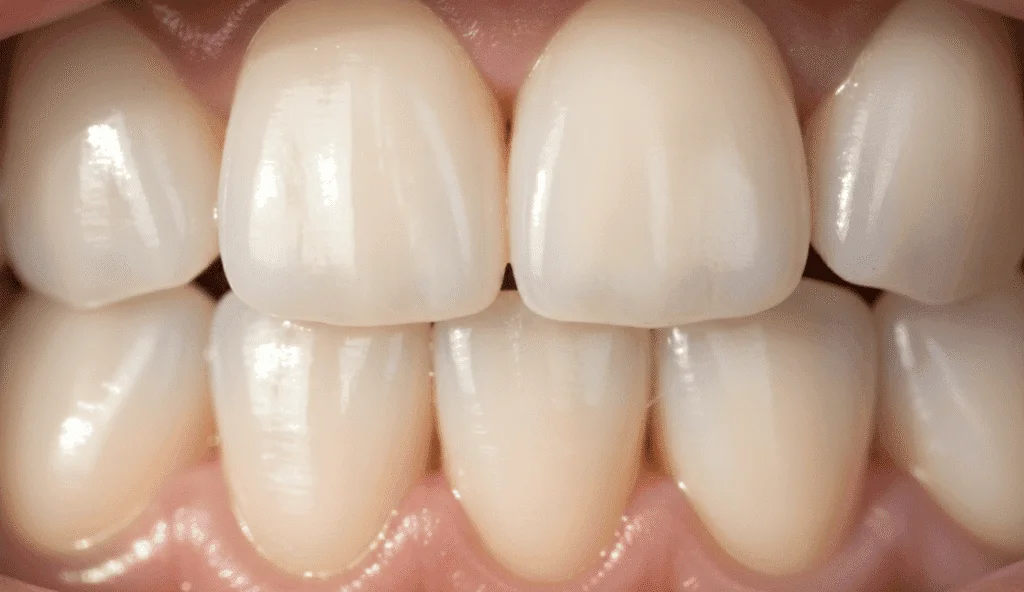
Most mouthwashes mainly mask bad breath (halitosis) with a strong mint or other flavour. High-quality products go a step further: they contain ingredients that actually neutralise volatile sulphur compounds, which are the main cause of bad breath, or directly reduce the number of bacteria that produce these compounds.
Types of mouthwash: Choose the right one
Your choice of mouthwash depends entirely on your specific needs. Here are the main types:
Cosmetic mouthwashes (refreshing)
Best for: Everyday use, quick breath freshening.
These mouthwashes have a low, often negligible concentration of therapeutic ingredients. Their main role is to provide a pleasant feeling and fresh breath. They often contain essential oils or flavourings. They are not designed to treat serious problems, but work well as a pleasant extra step in a complete care routine.
Therapeutic with fluoride (anti-cavity)
Best for: People with a higher risk of tooth decay, orthodontic patients (braces), people with exposed, sensitive root surfaces.
They contain a higher concentration of fluoride than regular cosmetic mouthwashes. The main purpose is to remineralise and strengthen enamel in high-risk areas. For daily use, a fluoride concentration of around 250 ppm is usually recommended. Special concentrated solutions (e.g. 900 ppm and more) are intended only for occasional use, typically once a week.
Therapeutic with Chlorhexidine (CHX – medicinal)
Best for: Patients with severe gum inflammation (gingivitis, periodontitis), after tooth extraction, after oral surgery.
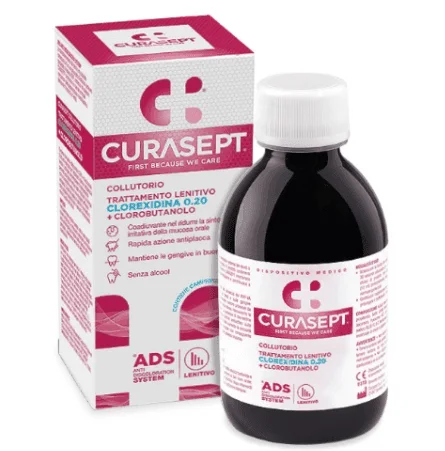
Chlorhexidine digluconate is the strongest antibacterial agent available. Use is strictly short term and only on the recommendation of a dentist or dental hygienist. Concentrations vary (most often 0.06%, 0.12% or 0.2%). The maximum continuous use is usually 10 to 14 days because of the risk of temporary tooth staining and changes in taste perception.
For sensitive teeth
Best for: People who experience sharp sensitivity to hot, cold, or sweet stimuli (dentine hypersensitivity).
These mouthwashes contain active ingredients (e.g. potassium, strontium chloride, or arginine) that help block tiny channels (dentine tubules) leading to the tooth nerve. This reduces stimulus transmission and eases painful reactions. They often also contain fluoride.
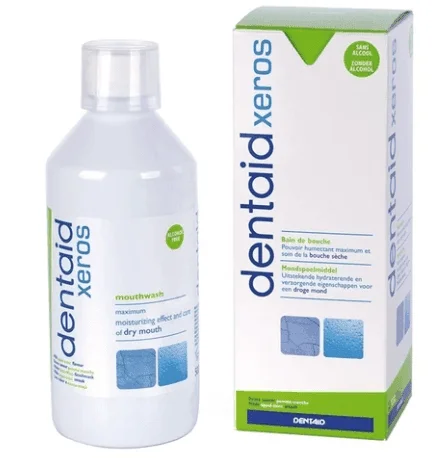
For dry mouth (xerostomia)
Best for: People suffering from a lack of saliva (e.g. due to medication, diseases such as Sjögren’s syndrome, or after radiation therapy).
The special formula focuses on hydrating the mucosa and often contains enzymes and proteins that replace or stimulate the natural function of saliva. This protects teeth from the increased risk of cavities (reduced protective role of saliva) and relieves the unpleasant feeling of dryness.
Key parameters: What to focus on when choosing
When choosing, don’t focus only on taste and price. These parameters matter most:
Active ingredient and its concentration
This is the most important factor that determines the purpose and effectiveness of a mouthwash.
Fluoride: The concentration is given in ppm (parts per million).
- Daily cavity prevention: 100–250 ppm.
- Intensive weekly care (for adults): 500–900 ppm.
Chlorhexidine (CHX): The concentration is given in percent (%).
- Treating inflammation: 0.06% (mild) to 0.2% (strong).
Cetylpyridinium chloride (CPC): An antibacterial ingredient with a milder but longer-lasting anti-plaque effect than CHX. Suitable for daily care when you have gum issues, but without the risk of staining.
Essential oils: A blend of components such as eucalyptol, menthol, methyl salicylate, and thymol. They have a natural antiseptic effect and are the basis of traditional formulas.
Alcohol content (ethanol)
Alcohol is added to mouthwash as a solvent for active ingredients (e.g. essential oils) and as a preservative.
Why to avoid it for daily use: Alcohol can dry out the oral mucosa (contributes to xerostomia), cause a burning sensation, and potentially disrupt the balance of the oral microbiome. It can also interact with some toothpaste ingredients (e.g. reduce the effect of foaming agents). For everyday use, alcohol-free mouthwashes are recommended.
pH value
The ideal is neutral pH (around 7). If a mouthwash is too acidic (low pH, e.g. below 5.5), long-term use may contribute to enamel erosion, especially if used immediately after brushing. Make sure your daily mouthwash has a pH as close to neutral as possible.
Pack size and price per ml
Larger bottles (e.g. 500 ml or 1000 ml) are usually more cost-effective per millilitre than small ones. For daily mouthwashes with high consumption, it pays to buy a large pack. For therapeutic solutions (CHX), focus only on the volume needed for short-term treatment.
Colour and taste/flavour
Colourants and strong flavours improve the user experience but do not affect effectiveness. Some artificial colourants can be potential allergens. In combination with CHX, colourants can also increase the risk of tooth staining. Avoid colourants if you choose a CHX-based mouthwash.
How to choose the right mouthwash: Recommendations for different needs
For everyday prevention and fresh breath
Look for alcohol-free mouthwashes with a low, preventive fluoride concentration (max. 250 ppm). It’s important that they have a neutral pH and do not contain strong synthetic additives that might irritate the mucosa.
For gum problems (without acute inflammation)
Look for ingredients with an anti-plaque effect, such as CPC or blends of essential oils. These mouthwashes help keep plaque levels low and ease early inflammation, while still being safe for long-term daily use.
For children
In children, the main risk is swallowing mouthwash, which can lead to excessive fluoride intake.
- Up to 6 years: Mouthwashes are not recommended.
- From 6 years: Use only children’s mouthwashes with a very low fluoride concentration (e.g. 100 ppm) and always under supervision. A pleasant taste that motivates regular use is important, as well as the absence of alcohol.
When you need to see a dentist
If you have acute gum inflammation (bleeding, swelling), periodontitis, dry mouth (xerostomia), or have had surgery/extraction, you need to consult a professional. Only a dentist or hygienist can recommend a special therapeutic CHX solution and set the right concentration and length of treatment.
Myths and common buying mistakes
- Myth: Strong taste = better effect. The intense burning sensation in your mouth is often caused by alcohol or strong essential oils, which do not automatically mean better plaque control. Burning does not mean cleaner teeth.
- Mistake: Long-term use of medicinal mouthwashes. Mouthwashes with CHX are not intended for everyday prevention. Long-term use leads to unwanted tooth staining and may disrupt the natural oral microflora.
- Myth: Mouthwash can replace brushing. Never. Mouthwash is only a supplement; it cannot remove plaque that must be cleaned off mechanically.
Proper use, dosing, and shelf life
Even the best mouthwash won’t work if you don’t use it correctly.
When and how long to rinse: The golden 30-minute rule
The most important rule: Never use mouthwash immediately after brushing your teeth with fluoride toothpaste!
The fluoride from the toothpaste needs time to bind to the enamel and protect it. If you rinse your mouth with mouthwash right after brushing (even if it also contains fluoride), you reduce the fluoride concentration from the toothpaste.
- Recommendation: Use mouthwash half an hour after brushing your teeth or at a different time of day (for example after lunch, or only in the evening before bed if you brushed your teeth in the morning, or vice versa).
- Rinsing time: It’s recommended to rinse for 30 to 60 seconds so the active ingredients have enough time to work fully.
Proper dosing
Most manufacturers recommend 10 to 20 ml per use. Always use the supplied measuring cup or cap.
Warnings
- Do not eat or drink for at least 30 minutes after using mouthwash so the active ingredients are not washed away immediately.
- Do not swallow! There is a risk of excessive fluoride intake or ingestion of other substances.
- Children: As mentioned, do not use in children under 6 years of age.
Storage and expiry date
Store at room temperature. Most mouthwashes keep for 12 months after opening, but always check the symbol on the packaging (an open jar with a number inside, e.g. “12M”). After this period, the effectiveness of preservatives may decrease.
Price ranges and what to expect from them
The price of a mouthwash depends mainly on its formula and purpose.
| Category | Approximate price (per 500 ml) | Typical formula and purpose |
|---|---|---|
| Budget | Under $6 | Cosmetic mouthwashes. Mainly for breath freshening, basic fluoride (low concentration), often contain alcohol and cheap colourants. |
| Mid-range (standard care) | $6–$12 | Daily therapeutic mouthwashes. Alcohol-free, optimal fluoride concentration (around 250 ppm), essential oils or CPC. Good price/performance ratio for prevention. |
| Premium and specialised | $12 and above | Specialised medicinal or natural mouthwashes. High concentrations of active ingredients (CHX, high fluoride, special components for sensitivity/dryness). The higher price reflects a more advanced, functional formula. |
When it pays to spend more: For specific problems (sensitivity, dry mouth), it’s worth investing in premium, clinically tested formulas that can actually address the issue. With therapeutic CHX solutions, it’s not the place to cut corners – you need the recommended concentration.
Most popular and trusted brands
Each brand has its own philosophy and focus:
Listerine
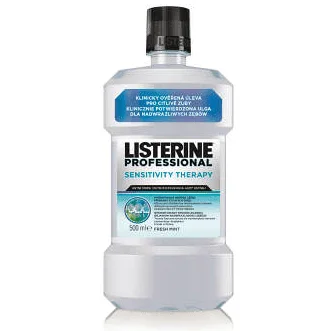
A traditional, very strong formula based on essential oils, often with alcohol. Known for its intense, “burning” sensation. Its strength lies in the powerful antibacterial effect of essential oils. They also produce alcohol-free ranges.
Curaprox (Curasept, Perio Plus)
A Swiss brand focused on gentleness and quality. It stands out mainly for special therapeutic CHX solutions that contain a special system (ADS) to minimise the risk of tooth staining. These are among the products most often recommended by hygienists.
Elmex
Focused on anti-cavity care and sensitivity. Most products are alcohol-free and contain highly effective forms of fluoride (amine fluoride) that bind easily to enamel and strengthen it. Ideal for cavity and sensitivity prevention.
Parodontax/Corsodyl
Both brands are strongly associated with gum care. Corsodyl is a line of therapeutic CHX solutions, while Parodontax focuses on everyday care for bleeding gums using ingredients such as CPC or fluoride.
Final summary
Mouthwash is an effective tool that helps you achieve optimal oral hygiene. Be selective when choosing it. Always be clear about the purpose: Do you want fresher breath (cosmetic), or targeted treatment/prevention (therapeutic)? Focus on active ingredients – fluoride for remineralisation, CPC for plaque reduction, and CHX for acute treatment. Avoid alcohol for everyday use and remember the 30-minute rule after brushing with toothpaste.
Once you know what you expect from a mouthwash and how to read the ingredients list, you can’t really go wrong. Keep in mind that even the best product works only if you use it correctly. Make mouthwash a regular part of your routine so you can smile with a healthy, confident smile.
Frequently asked questions (FAQ)
Can mouthwash cause tooth staining?
Answer: Yes, but only mouthwashes that contain Chlorhexidine (CHX), and only with long-term or incorrect use. CHX has a strong tendency to temporarily stain the surface of teeth, fillings, the tongue, and also plaque. This is why CHX mouthwashes are used only on a dentist’s recommendation and for a maximum of 10–14 days. The staining is usually harmless and can be removed during professional dental hygiene.
Is it better to use mouthwash before or after brushing?
Answer: It’s best to use mouthwash half an hour after brushing. Using mouthwash right after brushing with fluoride toothpaste will rinse off and dilute the fluoride from the paste (which you want to leave on the teeth for as long as possible). If you want to rinse with mouthwash in the morning and evening, it’s ideal to brush your teeth with toothpaste and interdental brushes, for example right after waking up and then in the evening, and use mouthwash after lunch and/or at another time of day.
Can mouthwash help with canker sores or cold sores in the mouth?
Answer: Yes, some types of mouthwash can ease the symptoms. Mouthwashes containing Chlorhexidine or ingredients such as hyaluronic acid can be effective. CHX helps keep the lesion sterile and prevents secondary infection, while hyaluronic acid supports hydration and regeneration of the mucosa. For treating canker sores, local gels are usually preferred, but mouthwash can be useful for overall rinsing and disinfecting of the oral cavity. Always discuss your choice with a pharmacist.