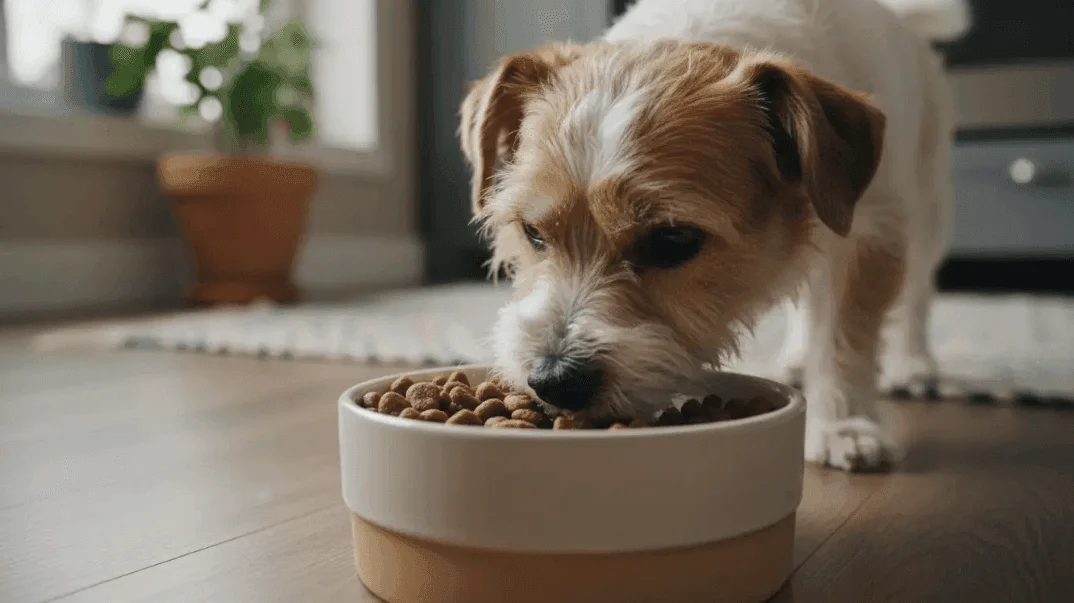
Complete guide to choosing a dog collar: Everything you need to know
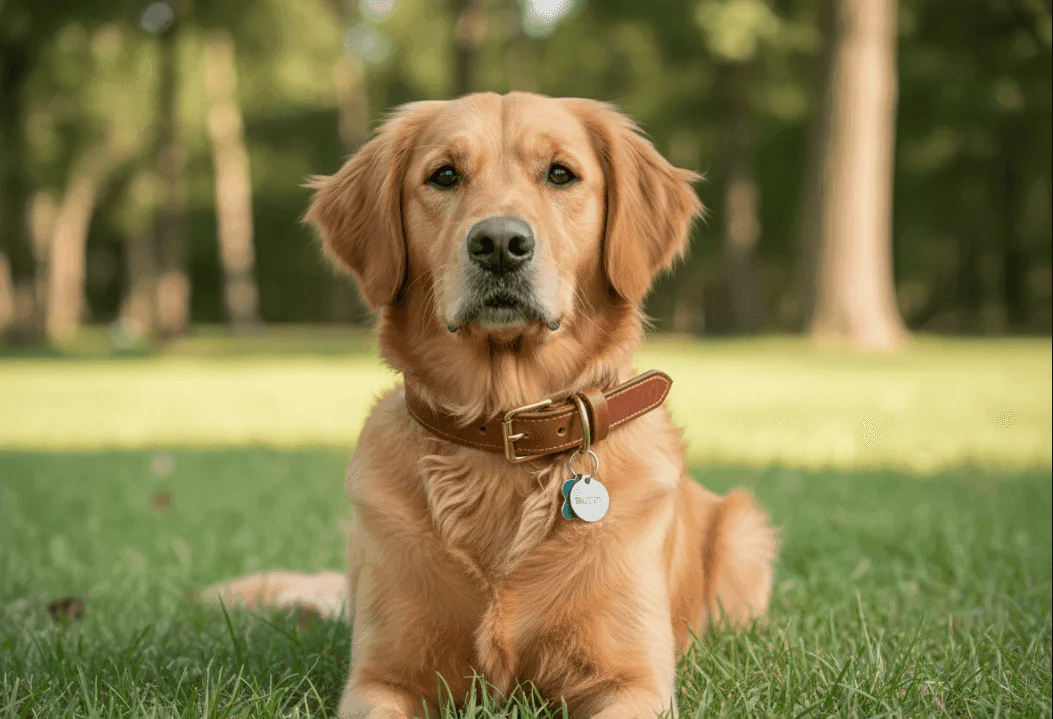
A dog collar is much more than a fashion accessory or a simple “leash holder”. It is a cornerstone of every dog’s gear and plays a key role in their safety, identification, training, and comfort. Choosing the right one is essential for your dog’s health and for stress-free everyday life together. The market is full of different types, materials, and sizes, so picking the right collar can be tricky. This guide walks you through everything you need to know to choose the best collar for your dog.
Did you know that the first collars were used in ancient Egypt not only for handling dogs, but also as protection and decoration? Even today, a collar serves several functions at once. Let’s take a closer look at them so you can navigate all the options.
Types of dog collars: Which one is right?
Every dog is unique and has different needs. That’s why there are several basic types of collars, each designed for a slightly different purpose.
Classic flat collars
This is the most common and most versatile type of collar, suitable for most dogs for everyday wear and regular walks. It comes in a variety of materials and fastens with a plastic or metal buckle. It’s a good choice for almost all breeds and sizes with a calmer temperament, who don’t pull and don’t try to slip out. The design is simple – a flat strap with a D-ring for attaching the leash and often a separate loop for an ID tag. Be careful with dogs whose neck is wider than their head (such as sighthounds) or with dogs that panic and try to back out of the collar, as this style may not be safe enough for them.
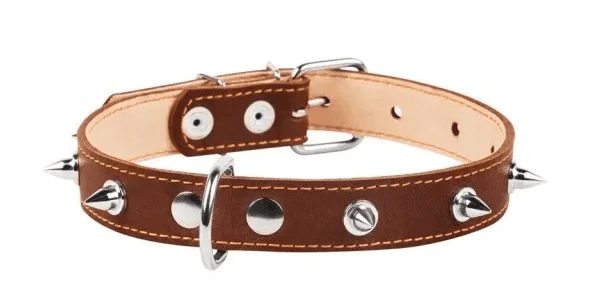
| Advantages | Disadvantages |
|---|---|
| Wide choice of designs and materials | Not suitable for dogs that slip out of collars |
| Easy to put on and take off | Can put pressure on the trachea when the dog pulls hard |
| Budget-friendly | May tangle the coat in long-haired breeds |
Half-slip and Martingale collars
These collars are designed to tighten slightly when the leash is pulled, but only up to a certain point, so they do not choke the dog. They are an excellent choice for dogs that easily slip out of classic flat collars. They are ideal for breeds with a narrow head and wide neck, such as sighthounds or bull terriers, but they work well for any dog that tends to back out of a collar. They consist of two parts – a fixed loop and a tightening loop. When choosing one, it’s crucial to adjust the size correctly so that the collar sits comfortably when loose and does not choke when tightened.
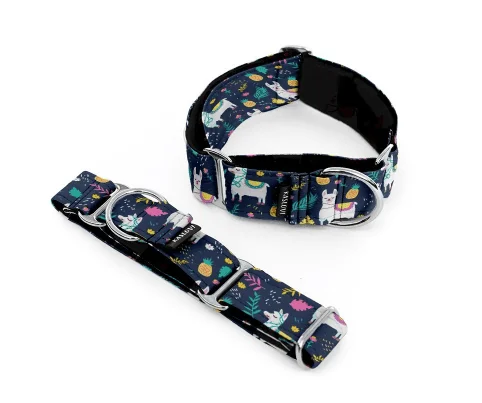
| Advantages | Disadvantages |
|---|---|
| Very secure against slipping out | Can be a bit tricky to set up correctly at first |
| Gentler on the neck than fully tightening collars | Not intended for constant unsupervised wear |
| Effective tool for leash-walking training |
Training collars (chain, prong, and electronic)
IMPORTANT WARNING: These collars are strictly training tools that should only be used by experienced trainers and professionals. Incorrect use can cause pain, injury, and psychological harm to the dog. They are intended only for specific training scenarios under professional supervision and should never be used as everyday collars. Chain collars fully tighten when pulled, while prong collars have inward-facing prongs. It is strongly recommended to consult a professional dog trainer who uses modern, ethical methods, as there are many positive alternatives for dealing with behavior issues.
Light-up and reflective collars
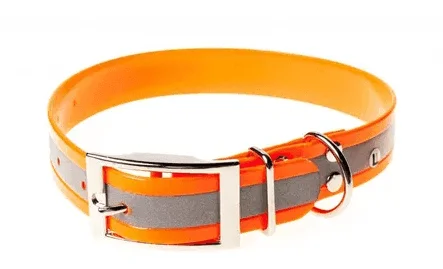
These collars are designed to improve your dog’s visibility and safety at dusk, in the dark, or in bad weather. They are an essential accessory for evening walks for every dog. They are either covered with reflective material that bounces light back or fitted with LED lights that actively shine, often with a flashing mode. With LED collars, you need to remember regular charging or battery replacement so they can do their job properly.
GPS collars (smart collars)
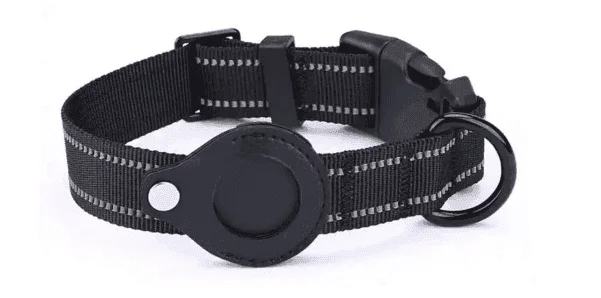
Modern technology in action. GPS collars allow you to track your dog’s location in real time through a mobile app. They’re ideal for owners of dogs that tend to run off, for adventures in unfamiliar terrain, or for anyone who wants full oversight. They usually contain an integrated GPS module and a rechargeable battery. Keep in mind that they are more expensive, heavier, and need regular charging. A monthly data subscription is often required as well.
Anti-bark and electronic collars
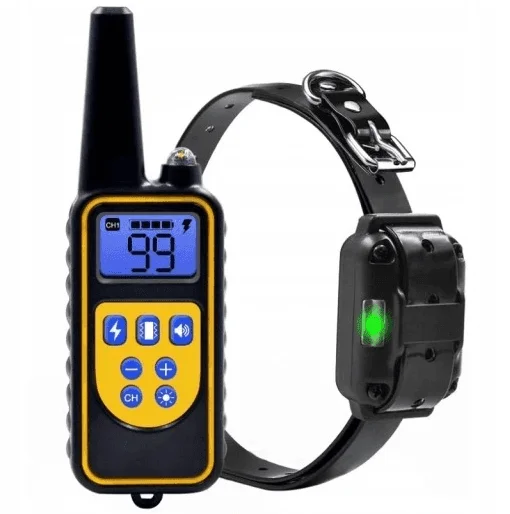
These collars are used to correct unwanted behavior, such as excessive barking, using vibrations, sound, or a static pulse. Their use is controversial and should be a last resort after consulting a canine behavior specialist. Incorrect use can make the problem worse or cause anxiety in the dog, so you should think very carefully before using them.
Key parameters to consider
Once you know which type of collar you’re looking for, it’s time to focus on the details that determine comfort, safety, and durability.
Nylon collars
Nylon is the most popular choice thanks to its low price, easy care, and huge range of colors and patterns. These collars are lightweight, fairly water-resistant, and easy to wash, which makes them a practical option for daily wear.
Leather collars
Leather is a classic, stylish, and very durable material. With proper care, a leather collar can last your dog a lifetime. Over time it becomes softer and more comfortable. It does, however, require regular maintenance with dedicated leather care products and is not ideal for dogs that spend a lot of time in the water.
Biothane collars
Biothane is a modern alternative to leather. It’s a polyester webbing coated with PVC that is 100% waterproof, extremely durable, and very easy to clean. It does not absorb odors and is perfect for active dogs that love water and mud.
Collars with neoprene
Neoprene is often used as a soft lining on nylon or fabric collars. It feels very comfortable, dries quickly, and is ideal for dogs with sensitive skin, as it helps prevent chafing and irritation.
Metal collars
Metal is mainly used for chain training collars. It can be heavy and is not suitable for long-haired breeds, as it tends to tangle and pull out the hair around the neck.
Width and thickness
As a general rule: the bigger and stronger the dog, the wider the collar should be. A wider collar distributes pressure on the neck better when the dog pulls and is safer. A small Chihuahua will do fine with a narrow, lightweight collar (0.4–0.6 in), while a Rottweiler needs a wide, sturdy collar (1.6–2 in).
Size and correct measuring
Getting the right size is absolutely crucial. A collar that’s too tight can choke and cause chafing, while one that’s too loose increases the risk of slipping out. To measure correctly, use a soft tape measure and measure your dog’s neck where the collar normally sits. Then apply the two-finger rule: you should be able to slide two fingers side by side comfortably under the tape (and later under the fastened collar). This ensures the collar is neither too tight nor too loose.
Type of fastening
The most common option is a plastic side-release buckle, which is quick to use and ideal for small and medium-sized dogs. For strong dogs, a metal buckle similar to a belt buckle is a safer choice, as it’s much more robust. Some plastic buckles also feature a safety lock to prevent accidental opening.
Additional features
Quality collars have a strong D-ring for the leash, ideally welded and securely stitched in. A very practical detail is a separate loop for the ID tag, which helps avoid clipping the leash to the tag by mistake. Finally, reflective elements in the form of sewn-in strips or threads significantly improve safety in the dark.
How to choose the right collar step by step
Let’s sum everything up into a practical checklist to help you decide.
By breed and dog size
For small breeds like Chihuahuas or Yorkies, choose lightweight, narrow collars made of nylon or soft leather. For medium breeds, such as Beagles, you have a wide choice of nylon and leather collars 0.8–1.2 in wide. For large and giant breeds, such as German Shepherds, always go for a wide (1.2 in and more), sturdy collar with a metal buckle. For breeds with atypical necks (for example sighthounds), special wide Martingale collars work best.
By temperament and activity level
For a calm dog on regular walks, a classic flat collar is enough. If you have a strong puller, consider a wider collar with a metal buckle, or even a harness for better control. For sporty dogs and water lovers, Biothane or nylon with a neoprene lining is the clear winner, as both are tough and quick-drying. A dog in training can, after consulting a trainer, benefit from a half-slip collar for teaching polite leash walking.
By age
A puppy needs a light, soft, and easily adjustable collar that can grow with them. Don’t forget to check the fit regularly. For an adult dog, you choose based on their final size and lifestyle. For a senior dog, comfort comes first, so pick soft, lightweight materials.
Common mistakes when choosing
The most frequent mistake is the wrong size – a collar that’s too loose is unsafe, one that’s too tight is uncomfortable. Watch out for materials that don’t match your dog’s activity level, the wrong collar type for the job, and poor build quality in cheap models that may break when you need them most.
Care, use, and lifespan
With the right care, you can extend the life of the collar and keep it safe to use.
How to care for different materials
Nylon can be washed by hand in soapy water or in the washing machine on a gentle cycle. Leather should be wiped regularly with a damp cloth and, once dry, treated with a leather balm. Biothane is practically maintenance-free – just wipe it down with a cloth.
Checks and safety
Ideally, check the collar once a week for signs of wear – cracks, frayed edges, or damage to the buckle. If you find any damage, replace the collar immediately.
Tips for proper use
An ID tag with your dog’s name and your phone number is an absolute must. It’s also recommended to take the collar off when your dog is unsupervised, especially during play with other dogs, to reduce the risk of snagging and strangulation.
Overview of popular brands
There are many quality manufacturers on the market. Here are a few examples for inspiration:
| Brand | Focus |
|---|---|
| Hunter | German quality, wide range from leather to nylon. |
| Ruffwear | Durable collars for outdoor and sports activities. |
| Non-stop dogwear | Gear for sporting dogs, ergonomic and functional. |
| Manmat | Czech manufacturer specializing in dog sports equipment. |
| Dogtrace | Well-known manufacturer of electronic and GPS collars. |
Prices and budget
Collar prices vary depending on the material, brand, and features.
In the up to $12 range, you’ll find basic nylon collars, great for puppies or as backups. Between $12–$32 you can get quality nylon, entry-level leather, or Biothane collars, which usually offer the best value for money. At $32 and above you’ll find premium leather, designer, and specialized collars, as well as GPS trackers. Investing in a more expensive collar pays off for large, strong dogs, where maximum durability is crucial.
Summary and final tip
Choosing the right collar is one of the most important decisions you’ll make as a dog owner. Always keep three key points in mind: the right size, a suitable material, and the right type for the job. Your final choice should always put your dog’s comfort and safety first. A collar is not just a piece of gear – it’s a symbol of the bond between you and your four-legged friend.
Whatever collar you choose for your dog, make sure it fits well and does what you need it to do – whether that’s a relaxed walk in the park or a big adventure in the mountains.
Frequently asked questions (FAQ)
How often should I check the collar fit on a growing puppy?
For puppies, you need to check the collar fit at least once a week, and even more often during growth spurts. Puppies grow in bursts, and a collar that fit on Monday can already be tight by Friday.
Can a dog wear a collar 24/7?
In general, this is not recommended. It’s a good idea to take the collar off at night so the skin underneath can rest and breathe. This helps prevent moisture rash, chafing, and matting of the coat. If your dog needs to wear a collar all the time for identification, choose a very light, breathable model and check the condition of the skin underneath regularly.
What is better for my dog – a collar or a harness?
It’s a common question, and the answer is: it depends. A collar is great for everyday wear, identification, and for dogs that don’t pull. A harness is a better choice for dogs with health issues, brachycephalic breeds, and strong pullers because it spreads the pressure across the chest. It’s also essential for sports activities and car travel. Ideally, you’ll own both and use them as needed.