The Complete Guide to the World of Watches: How to Choose the Right One
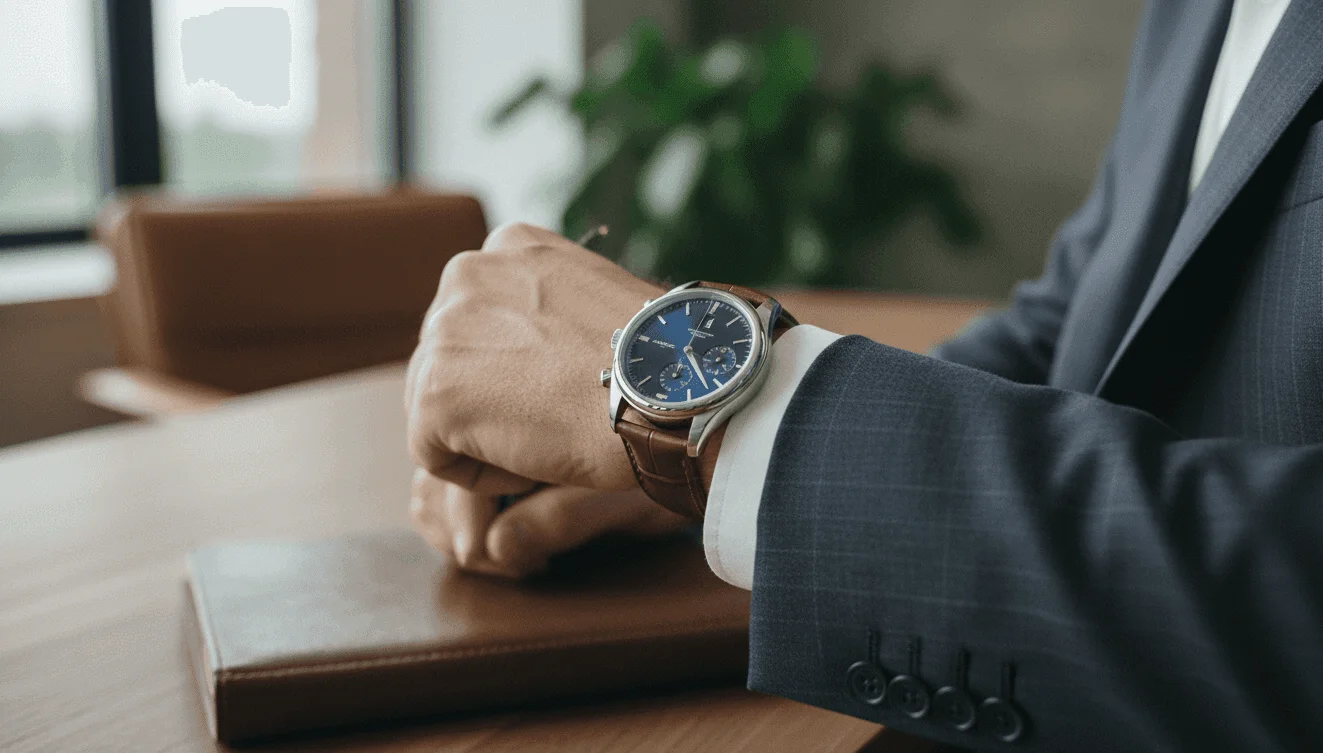
A wristwatch is much more than just a practical tool for telling time. It’s a personal piece of jewelry, a fashion accessory, in some cases a status symbol, and above all a showcase of fascinating mechanical craftsmanship. The world of watches is huge – it ranges from affordable and reliable pieces to luxury investment models that can grow in value over time.
Did you know that the first wristwatches were originally women’s jewelry? Men wore pocket watches – it wasn’t until the trenches of World War I that it became clear wristwatches were far more practical.
The heart of a watch: Movement type
The first and most important decision that affects the price, accuracy, and maintenance of your future watch is the choice of its internal mechanism, or movement. Each type has its own unique charm and advantages.
Quartz (battery-powered)
This is the most common and most accurate and virtually maintenance-free type of movement. Its heart is a quartz crystal that vibrates at a precise frequency when an electric current from a small battery passes through it. These vibrations control the hands, which usually move in one-second steps. The battery is replaced every few years, and apart from that you don’t need to worry about anything. It’s an ideal choice if you want a reliable, accurate, and affordable watch with zero hassle.
Mechanical with automatic winding
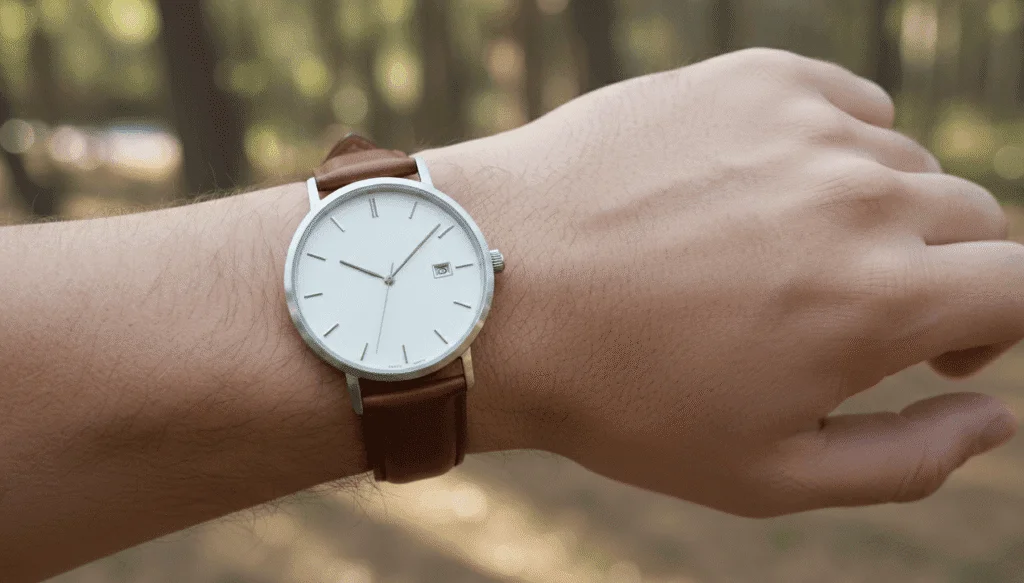
Here we enter the world of traditional watchmaking. The movement is made up of hundreds of tiny, precisely assembled components and is powered by a coiled mainspring. This spring winds automatically with the movement of your wrist during everyday wear. What makes these watches so captivating is the smooth, gliding motion of the seconds hand and often a transparent caseback that lets you watch the mechanism in action. They’re made for enthusiasts who appreciate complexity, tradition, and the “soul” that mechanical watches have.
Mechanical with manual winding
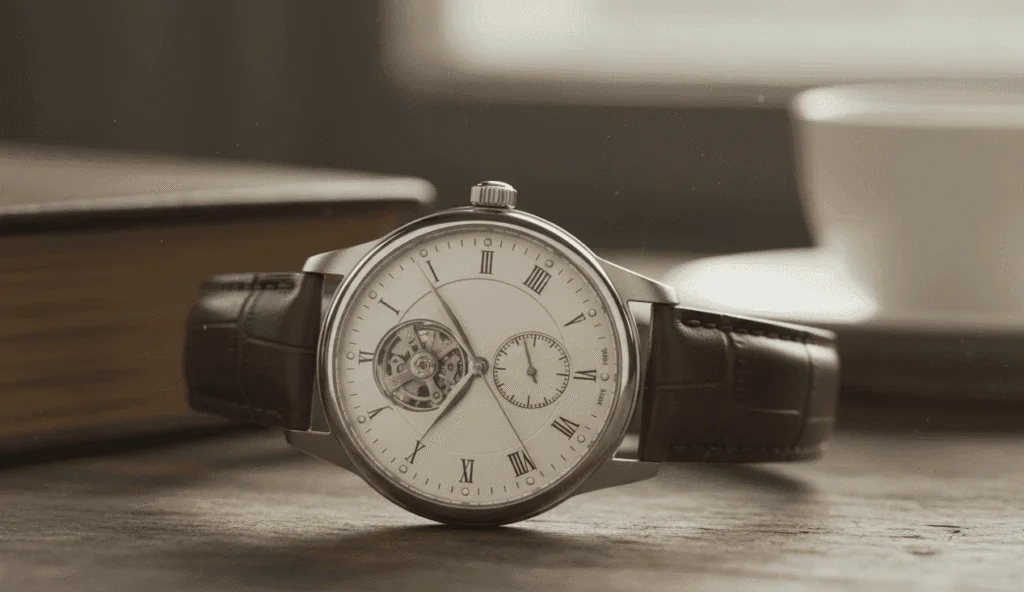
This is the most classic and purest form of watchmaking for true aficionados. Just like an automatic movement, it is powered by a mainspring, but you have to wind it regularly by turning the crown (usually once a day). This daily ritual creates a very strong and personal bond between the owner and their watch. It’s the choice for purists who want to enjoy hands-on interaction with their timepiece and value its historical heritage.
Solar-powered
Solar power is an extremely practical and eco-friendly solution. At its core, it’s a quartz movement whose battery (more precisely, a rechargeable cell) doesn’t need to be replaced, because it is constantly charged by light (natural or artificial). Light falls onto a solar panel that’s neatly hidden under the dial. These watches combine quartz accuracy with the benefit of an almost endless energy source, making them a great choice if you’re after maximum convenience and a greener option.
Watch styles: Match them to your lifestyle
Your watch should suit the occasions you plan to wear it for. Here are the main categories you’ll come across.
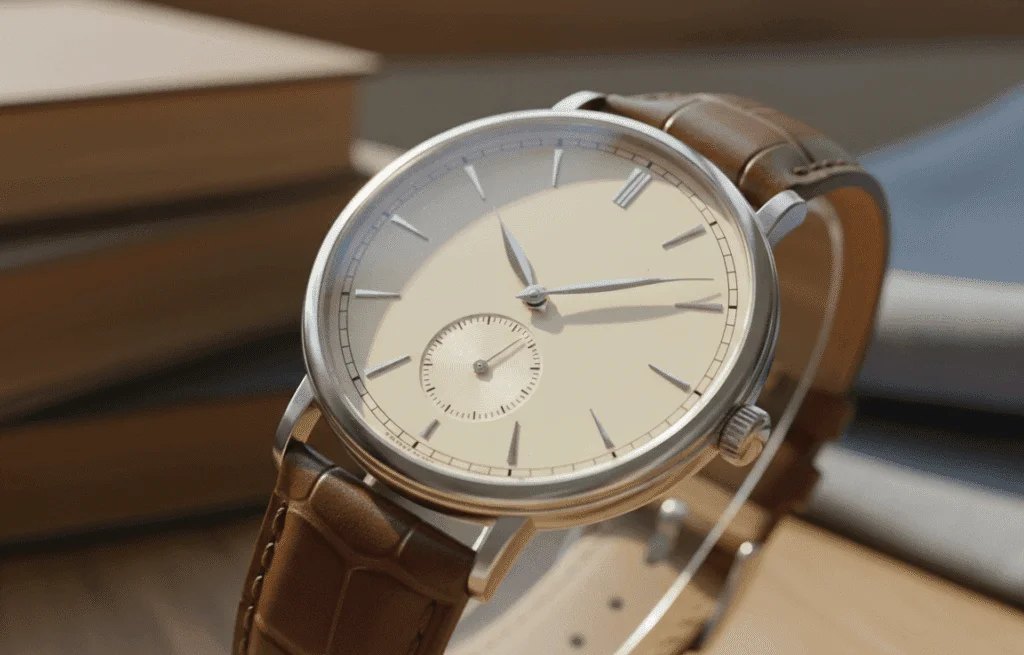
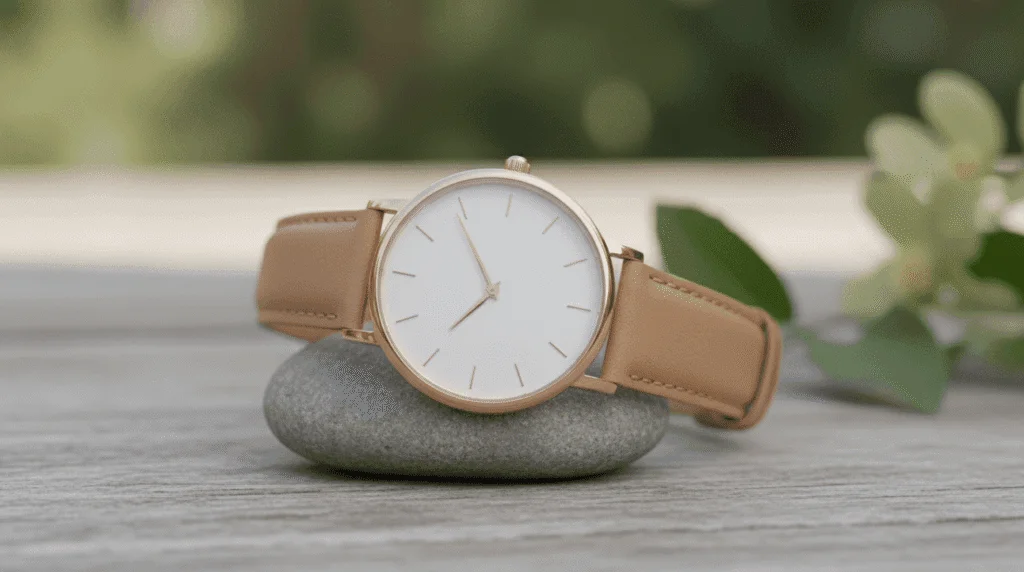
Dress watches
They are defined by an elegant, minimalist design, slim case, and a clean, easy-to-read dial. They usually come on a leather strap. They’re an ideal choice with a suit, in the office, or for any formal event where the watch should complement your look in a subtle way.
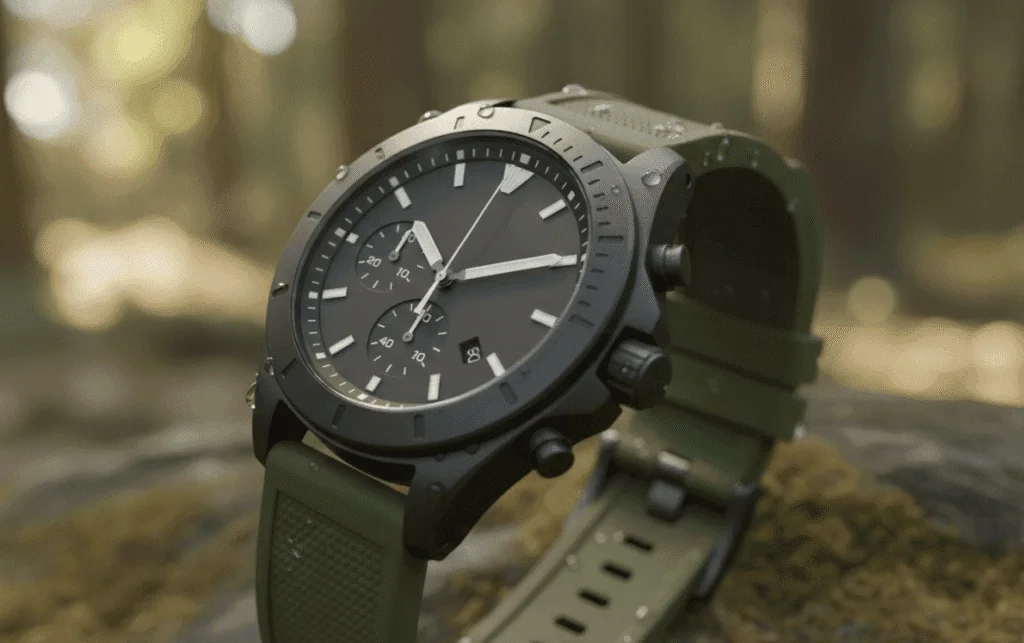
Sports watches
They typically feature a robust construction, higher water resistance, and excellent legibility in all conditions. They often offer extra functions such as a stopwatch (chronograph) or a tachymeter for measuring speed. Thanks to their versatility and toughness, they’re perfect for everyday wear and casual activities.
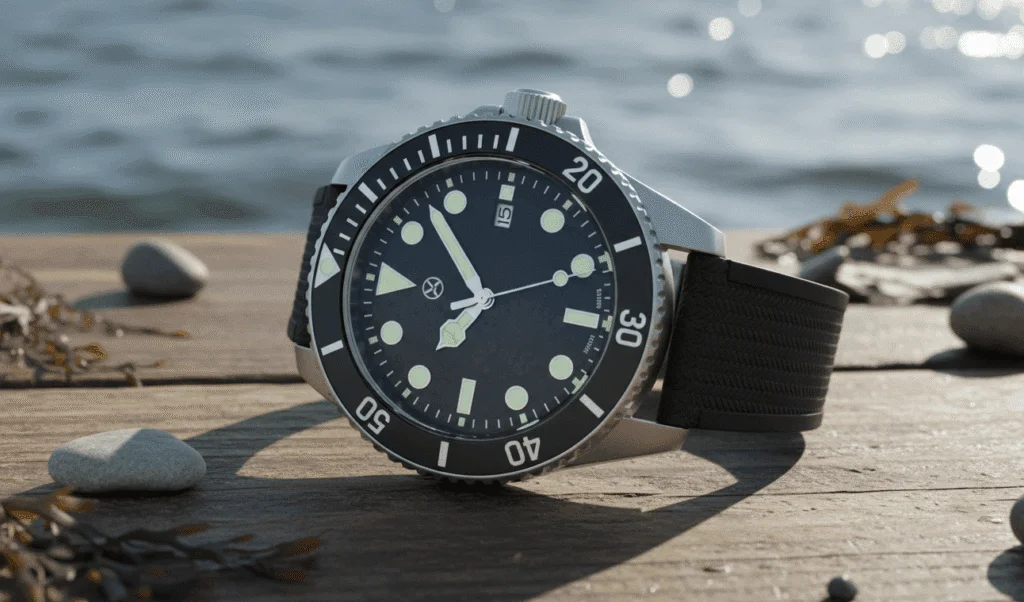
Dive watches
This subcategory of sports watches is defined by high water resistance (at least 200M / 20 ATM), a unidirectional rotating bezel for tracking dive time, and strong lume for perfect legibility underwater. Thanks to their rugged and attractive look, they’re now extremely popular for everyday wear on dry land as well.
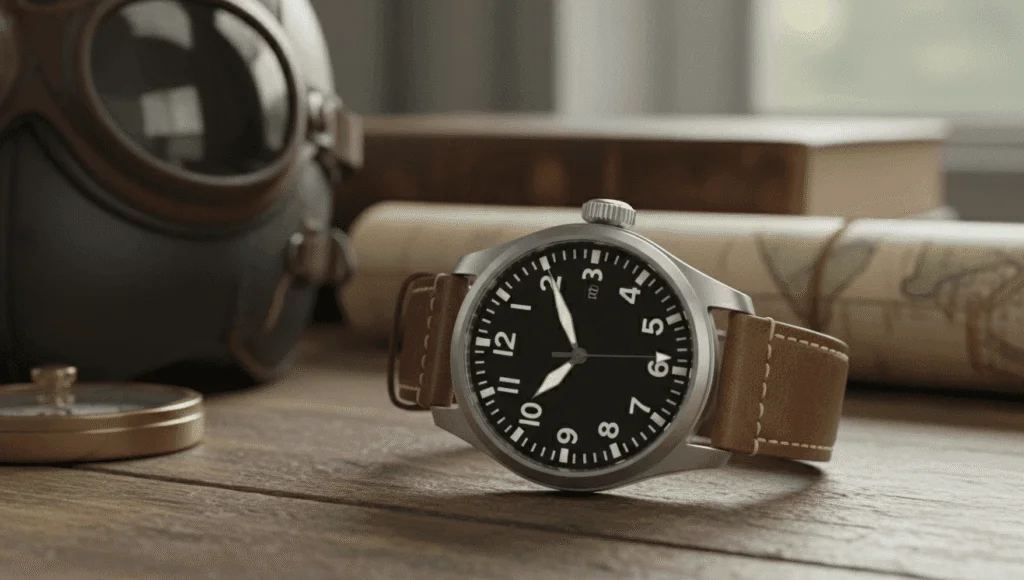
Pilot watches
Historically they were designed for pilots, so their main feature is a large, extremely legible dial with bold numerals and markers. They often have an oversized crown that could be operated even with gloves on. They’re a great option if you like technical and historically inspired design.
Fashion watches
With these watches, the main focus is on current trends and design, often from well-known fashion brands. Features and technical specs are secondary. They work great as a bold accessory to complete a specific outfit.
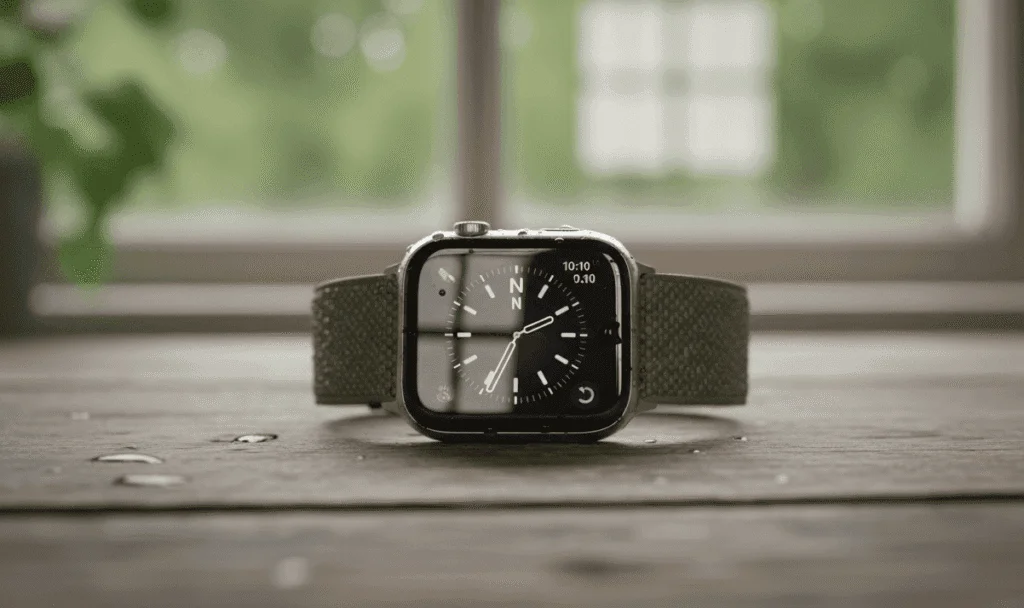
Smart watches
A modern category that blends traditional timekeeping with digital tech. They offer connection to your smartphone, notification alerts, sports tracking, and health monitoring. They’re aimed at tech enthusiasts and active people who want to keep an eye on their data.
Key parameters to consider
When choosing a watch, you’ll come across several technical specs that are worth understanding.
Case material
The most common is stainless steel, which is durable, affordable, and hypoallergenic. Titanium is much lighter, extremely strong, and ideal for people with sensitive skin. Ceramic is very hard, highly scratch-resistant, and offers a modern look. Premium materials like gold or bronze sit in a higher price bracket, with bronze developing a unique patina over time.
Crystal
The most common is a mineral crystal, which is resistant to shattering but can scratch. The best option you should prioritize is a sapphire crystal. It’s extremely hard and practically scratch-proof (only a diamond can scratch it), which ensures your watch will still look like new even after years of use.
Case size
Always choose the case diameter in proportion to your wrist. The watch shouldn’t look too small or overly large. For a smaller men’s wrist, 38–40 mm is generally recommended, for an average wrist 40–42 mm, and for larger wrists 43 mm and above.
Water resistance
This spec often causes confusion. Use this simple guide:
- 30M / 3 ATM: Only splash and rain resistant (hand washing). Do not swim with these.
- 50M / 5 ATM: Suitable for showering.
- 100M / 10 ATM: Suitable for swimming and snorkeling.
- 200M / 20 ATM and above: Suitable for recreational diving.
Strap vs. bracelet
A leather strap is elegant and comfortable. A steel bracelet is versatile, very durable, and works with both sports and dress watches. A silicone or rubber strap is ideal for sports because it’s water-resistant and easy to clean. A textile (NATO) strap is casual, comfortable, and lets you change the look of your watch easily and cheaply.
How to choose a watch step by step
- Set your budget: How much are you willing to invest in a watch?
- Define the main purpose: Will you wear it daily to work, mainly for sports, or just for special occasions?
- Choose the movement type: Do you want a hassle-free and accurate quartz movement, or a mechanical piece with more character and history?
- Pick a style that suits you: Are you more of an elegant, sporty, or bold type?
- Check the key specs: Make sure the size fits your wrist and that it has a sapphire crystal and enough water resistance for your activities.
Overview of popular brands by category
This overview will help you get your bearings on the market.
| Category | Example brands |
|---|---|
| Affordable and reliable | Casio, Festina, Timex, Fossil |
| Japanese quality (great value for money) | Seiko, Citizen, Orient |
| Entry-level Swiss | Tissot, Certina, Hamilton, Traser |
| Luxury and premium brands | Omega, Rolex, Breitling, TAG Heuer, Longines |
Maintenance and care
To keep your watch running well for many years, give it some basic care. Wipe the case and bracelet regularly with a soft, dry cloth to remove dust and sweat. For mechanical watches, a professional service (cleaning and lubrication of the movement) is recommended about every 3–5 years. For quartz watches, timely battery replacement by a watchmaker is usually all you need.
Summary and final tip
Choosing a watch is a very personal decision. Focus on a mix of a design you enjoy, a movement that fits your lifestyle, and features you’ll actually use. Don’t be afraid to invest in a quality sapphire crystal and adequate water resistance – in the long run, these features pay off many times over and keep your watch looking great for longer.
Whatever watch you choose, remember you’re not just wearing a timekeeper, but a story. The story of the brand, the craft, and most importantly your own. Wear it with pride.
💬 Frequently asked questions (FAQ)
What does the “Swiss Made” label mean?
It’s a globally recognized and legally protected mark of quality. It guarantees that the movement is Swiss, it was cased up in Switzerland, and the final quality control also took place in Switzerland. It’s synonymous with high quality, accuracy, and prestige.
What is the difference between a chronograph and a chronometer?
These two are often confused. A chronograph is a function of the watch – it’s simply a stopwatch operated by pushers on the side of the case. A chronometer, on the other hand, is a precision certificate. Watches marked “Chronometer” have passed demanding 15-day testing at an independent institute (COSC) and have a guaranteed maximum rate deviation.
Can I change the strap myself?
Yes, with the vast majority of watches it’s very easy. All you need is a small tool called a spring bar tool, which costs just a few dollars. With it, you can swap the strap in under a minute. It gives you a great way to change the look of your watch quickly and cheaply to match your mood or outfit.