From Teflon to Cast Iron – A Guide to Pans Worth Having at Home
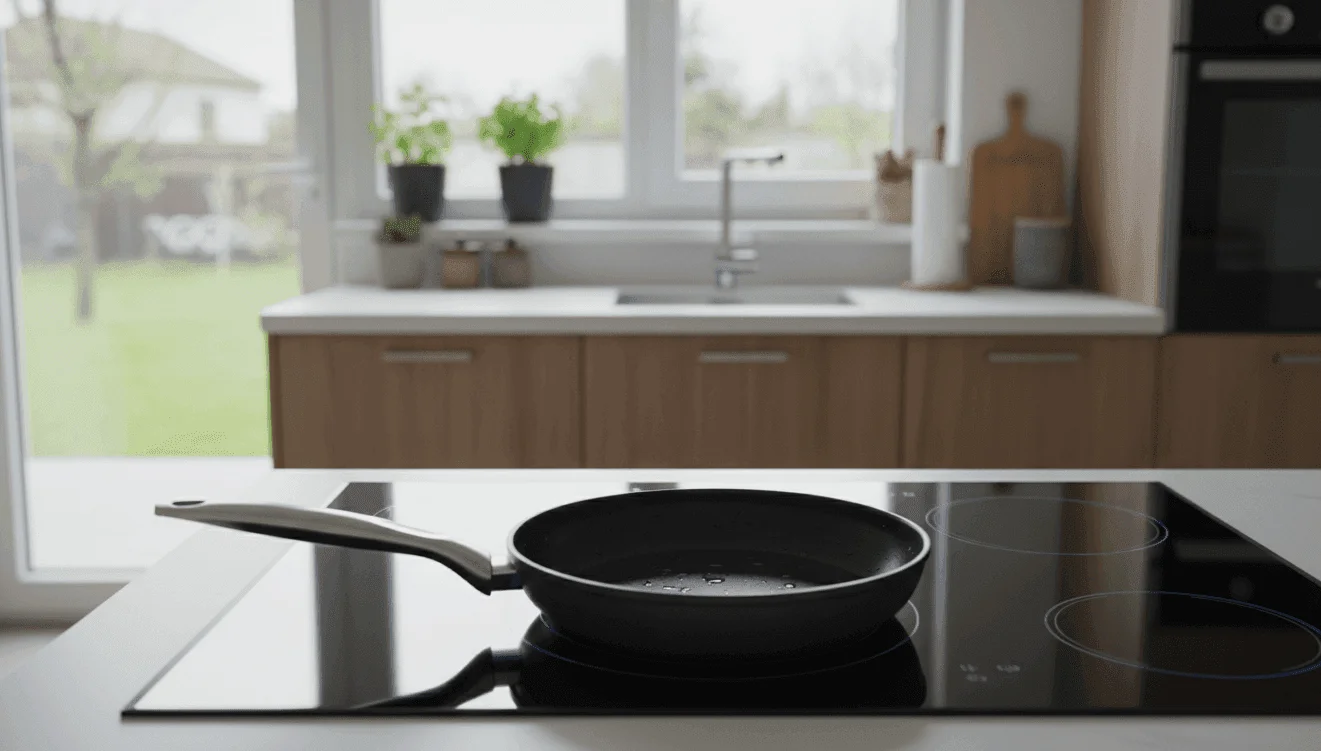
A frying pan is without a doubt one of the essential and most hard‑working tools in any kitchen. Whether you’re a beginner or an experienced home chef, the right pan has a huge impact on the final taste, texture, and overall quality of your food. The market, however, is packed with countless types, materials, and coatings, which can be hard to navigate. This guide will walk you through everything you need to know to choose a pan that will become your reliable kitchen partner for many years.
Did you know that a properly preheated pan is the key to a perfect steak, and that professional chefs often use several different pans when preparing just one dish?
Types of pans by use
There is no single pan that can handle absolutely everything. Different cooking methods require different features, so pans vary in shape, rim height, and material. Let’s look at the most common types.
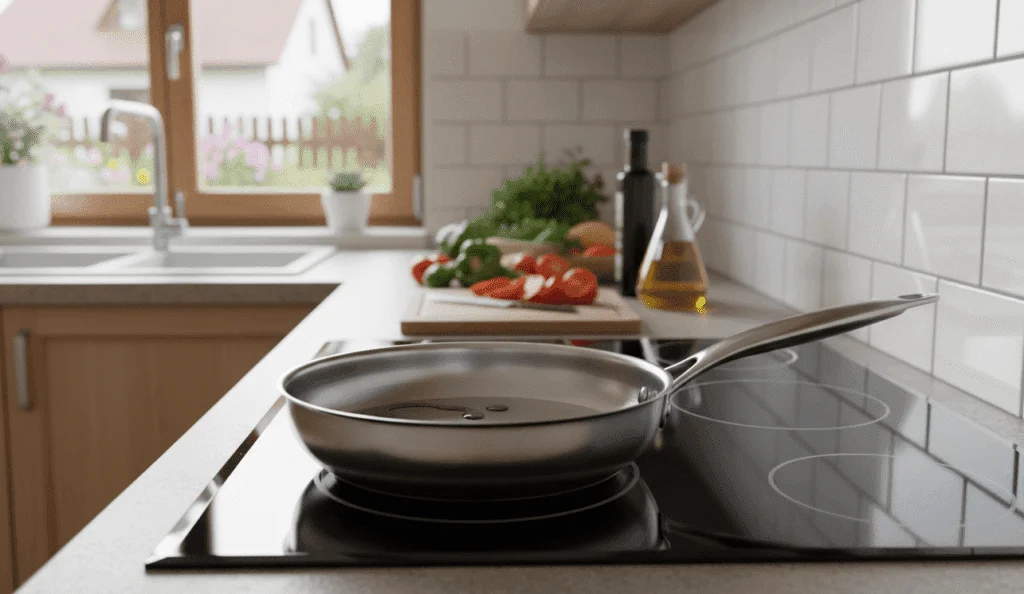
Universal (frying) pan
The classic pan with a flat base and slightly sloped, low sides is the cornerstone of any cookware set. Its versatility makes it suitable for almost every cook, from complete beginners to professionals. It’s easy to handle and works well for small to medium portions, from breakfast eggs to sautéed meat. Its main advantage is its wide range of uses, but the low sides can be a drawback when making sauces or larger quantities of food, where splattering is more likely.
Grill pan
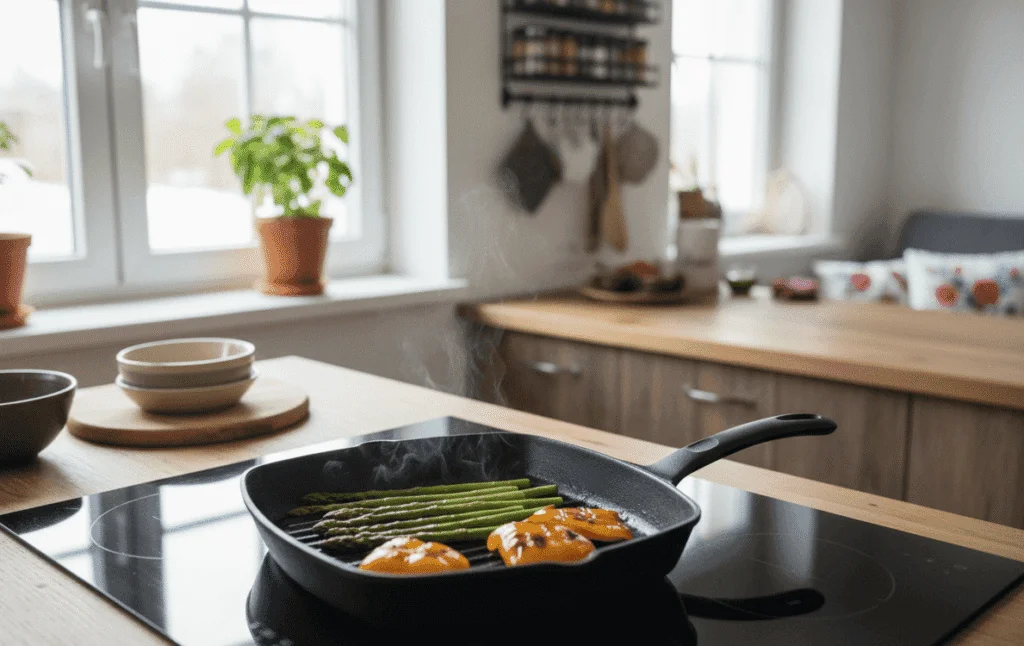
This pan is defined by its ridged or grooved base, which drains excess fat and leaves those typical grill marks on your food. It’s ideal for steak lovers and fans of grilled vegetables and fish who want that outdoor barbecue flavour at home. Its solid construction, often made of cast iron, holds and distributes high heat extremely well. The ridges prevent meat from stewing in its own juices, helping to create a crisp crust and a juicy centre. The main downside is that cleaning can be more demanding because of the structured surface.
Wok pan
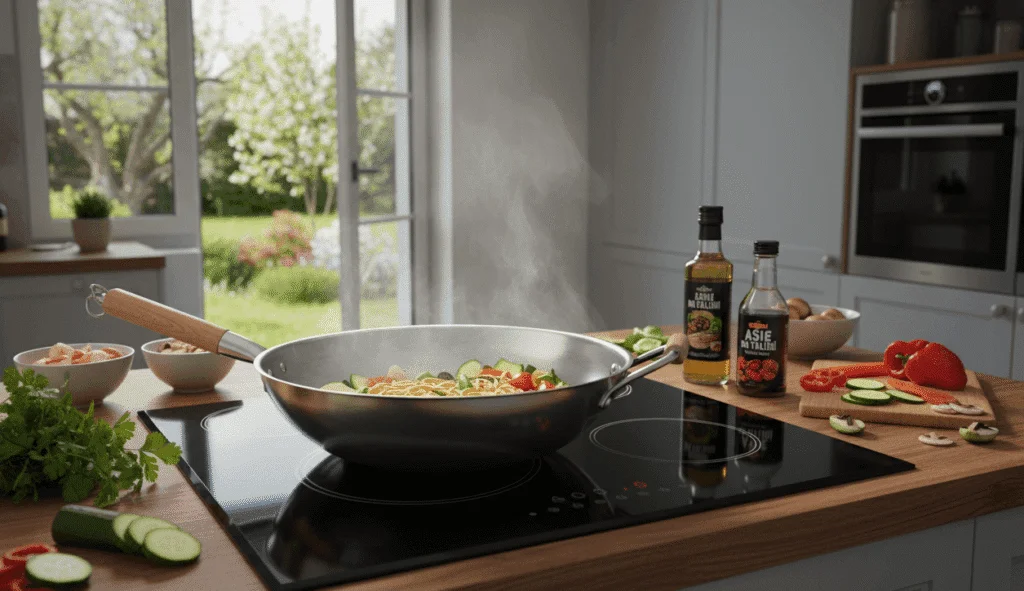
This deep, conical pan with a small flat base and high, wide sides is a must‑have for fans of Asian cuisine and quick one‑pan dishes like stir‑fries. Its unique shape spreads heat evenly across the surface, which is ideal for quickly searing small pieces of food at high temperatures with very little oil. The high sides make constant tossing and stirring easier. Its main strength is fast, healthy cooking, but it’s not the best choice for traditional shallow frying, such as schnitzels.
Crepe pan (and pancake pan)
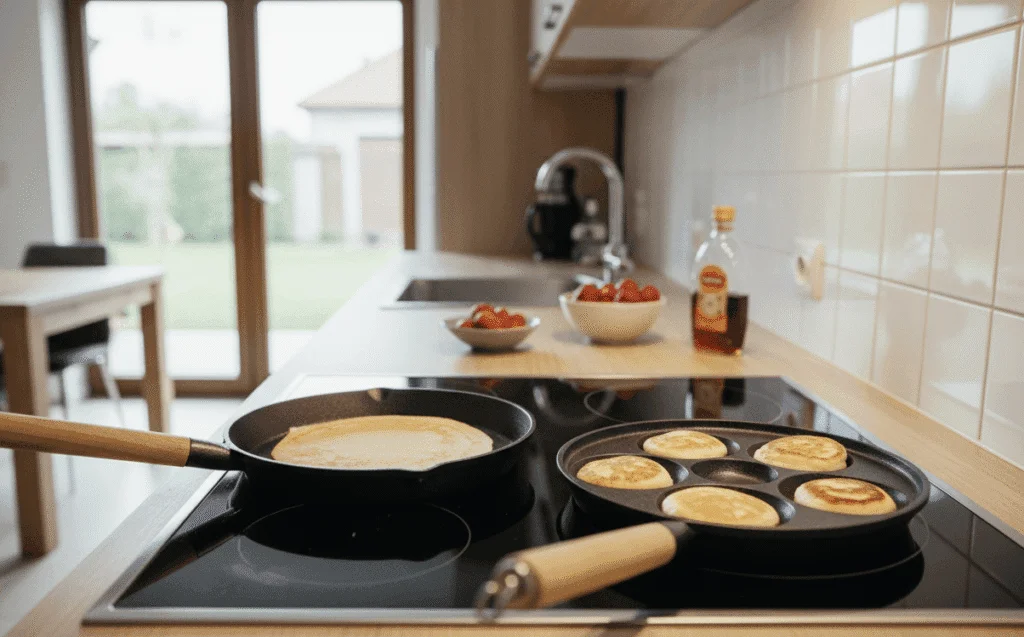
You’ll recognise it at a glance. It has very low, almost no sides and a completely flat base so you can flip crepes, omelettes, or potato pancakes with ease. It’s perfect for anyone who makes these dishes regularly. The construction is usually light and features a quality non‑stick coating for low‑fat or fat‑free cooking. The big plus is how easy it is to handle, while the main downside is its very specific, single‑purpose use. The variant known as a pancake pan has several shallow, round moulds in the base for perfectly shaped small pancakes.
Deep (sauté) pan
As the name suggests, this pan has higher and often straighter sides than a standard frying pan and usually comes with a lid. It’s ideal for sauces, sautés, ragouts, and braised dishes with more liquid. Its larger volume helps minimise splattering and it’s often suitable for oven use as well. In this way, it combines the benefits of a pan and a pot. Its versatility is a big advantage, but it can be heavier and more awkward to store than a classic frying pan.
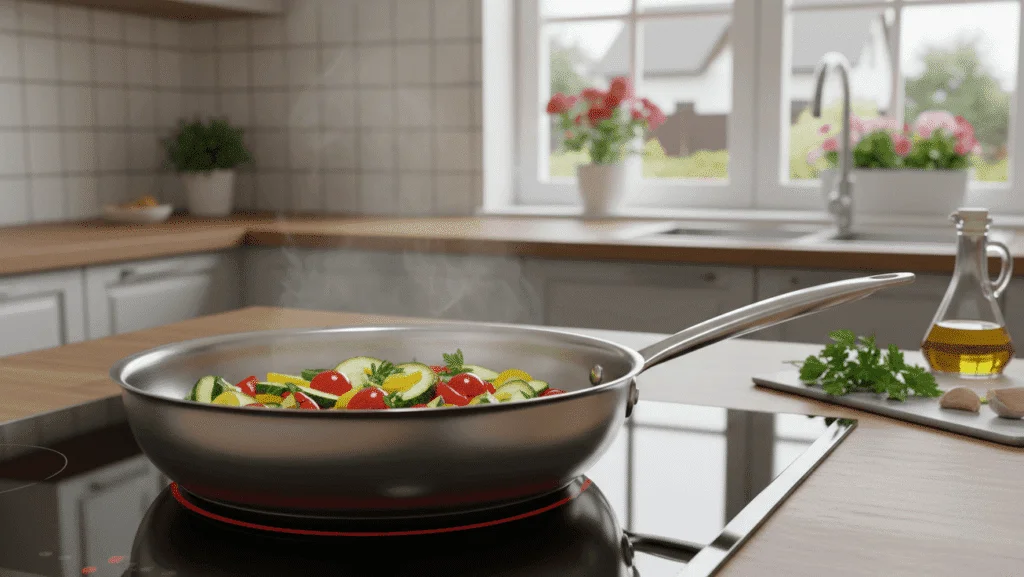
Fish pan (oval)
This pan stands out thanks to its oval shape, designed so that a whole fish fits inside without needing to cut it into pieces. It’s ideal for fish lovers who like to cook fish whole. The elongated shape allows the entire fish to cook evenly, and the surface is often non‑stick to protect the delicate flesh. The clear advantage is being able to cook a whole fish at once, but the shape means it takes up more space on the hob and in your cupboards.
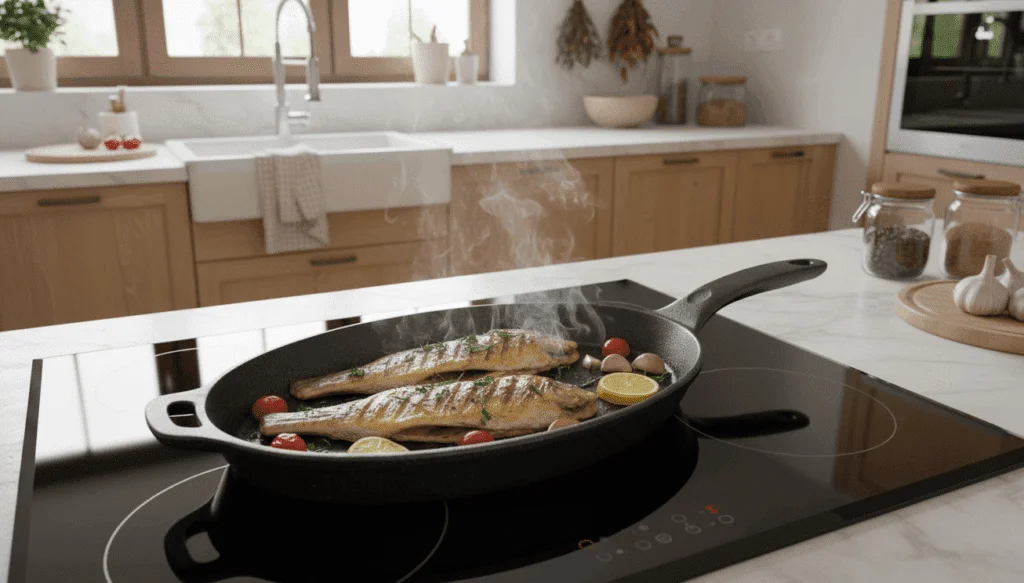
Key selection criteria: Material and coating
The material is the heart of every pan. It determines how well it conducts heat, how durable it is, and how much care it will need.
Materials
Aluminium is very light and an excellent heat conductor, so the pan heats up quickly and evenly. Pure aluminium is not very durable, which is why it’s often used as cast aluminium, which is thicker and more dimensionally stable. It almost always comes with a non‑stick coating.
Stainless steel is extremely durable, hygienic, and long‑lasting. It conducts heat less efficiently, so quality stainless pans tend to have a multi‑layered sandwich base (for example an aluminium or copper core between steel layers) to improve heat distribution. It’s ideal for searing meat and creating fond for sauces.
Cast iron is a heavy, solid material with excellent heat retention and even heat distribution. It’s practically indestructible and, with proper care, its natural non‑stick properties improve over time. It’s fantastic for steaks, grilling, and oven baking. The downsides are its higher weight and the need for specific maintenance.
Copper is the best heat conductor, giving the cook incredibly precise temperature control. Copper pans are a favourite among professionals, but they are also the most expensive and demanding to maintain. The inner surface is usually lined with stainless steel or tin to prevent reactions with food.
Titanium itself is not used to make full pans, but it’s a key component of modern, highly durable non‑stick coatings. Titanium pans usually have an aluminium core, making them light, scratch‑resistant, and excellent at conducting heat.
Non‑stick coatings
Teflon (PTFE) is the classic and still very popular non‑stick coating. It allows you to cook with very little fat and is easy to clean. However, it’s prone to scratching, so you should always use wooden or plastic utensils.
Ceramic coating, made from natural‑based materials, is more resistant to high temperatures and scratching than Teflon. Its non‑stick properties can, however, weaken over time or with improper use, so it needs more gentle handling.
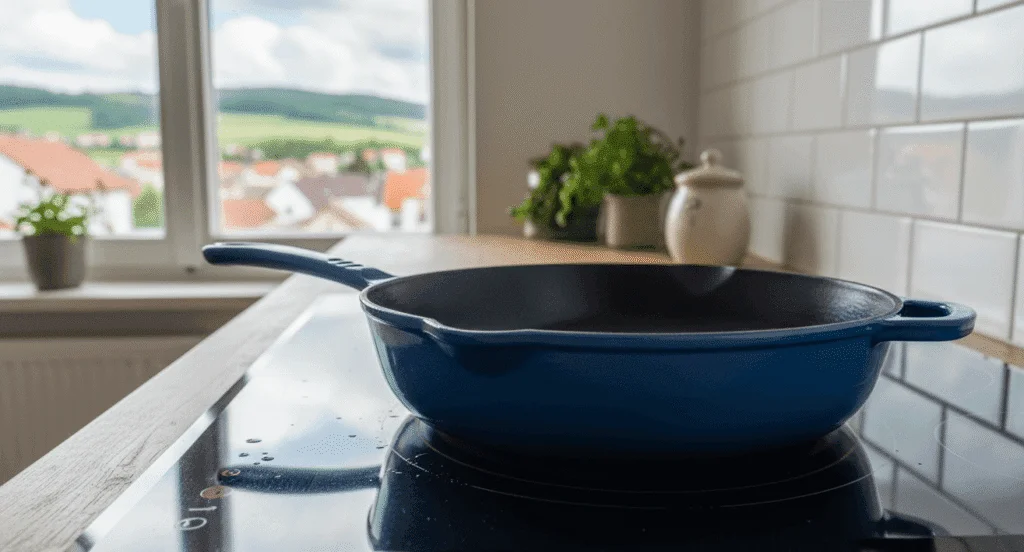
Enamel coating is a glass‑like layer most often applied to cast‑iron cookware. Enamel protects the cast iron from corrosion, makes cleaning easier, and unlike raw cast iron it doesn’t need to be seasoned to create a usable surface.
“Stone” or “marble” appearance is typical of synthetic non‑stick coatings (often PTFE‑based) that are enhanced with mineral particles. These particles increase mechanical resistance and lifespan and give the pan an attractive look.
Pans without special coatings, such as raw cast iron and stainless steel, don’t come with a factory non‑stick layer. With cast iron, you create it yourself through seasoning. With stainless steel, the key to reducing sticking is proper preheating and using enough fat.
Key selection criteria II: Other important features
Besides the type and material, there are a few practical parameters you should consider.
Size and diameter
The size of the pan should match the number of portions you usually cook. Small pans with a diameter of 20–24 cm are suitable for singles or for breakfast dishes like eggs or small crepes. The most universal and best‑selling size is 26–28 cm, which is ideal for a two‑ to four‑person household. Large pans with a diameter of 30 cm or more are great for bigger families or anyone who often cooks one‑pan meals.
Hob compatibility
Not every pan works on every type of hob. Pay the most attention with induction hobs, which require cookware with a ferromagnetic base (containing iron). Cast iron, stainless steel, and specially adapted aluminium pans meet this requirement. Always check compatibility by looking for the induction coil symbol on the base or in the product description.
Handle
The handle should be ergonomic and comfortable to hold. The material also matters – plastic handles are light, but not suitable for the oven. Metal and cast‑iron handles can go in the oven, but they may get hot on the hob. Detachable handles are a great solution, saving storage space and making the pan safer and easier to use in the oven.
Oven use
Being able to move a pan straight from the hob to the oven is a huge advantage for gratins, baked dishes, or finishing steaks. This is usually possible with all‑metal or cast‑iron pans. Always check the maximum temperature the pan and its handle can withstand.
Lid
A lid is essential for braising, keeping food warm, and reducing fat splatter. Glass lids let you keep an eye on the food without lifting them, which saves both energy and time.
Heat spot / Temperature indicator
Some brands, the best‑known being Tefal with its Thermo‑Spot, equip their pans with an indicator in the centre of the base. When it changes colour, it tells you the pan has reached the ideal temperature for frying, helping you achieve better results and protecting the non‑stick coating from overheating.
How to choose the right pan for your needs
Theory is one thing, everyday cooking another. Let’s look at which pan works best for different types of cooks.
For beginners and first homes
If you’re just starting out or setting up your first kitchen, the best choice is a single quality universal pan with a non‑stick coating and a diameter of 26–28 cm. It’s versatile, easy to maintain, and more forgiving of beginner mistakes. An aluminium pan with a “stone” coating is a great compromise between price and durability.
For families and everyday cooking
For family cooking, you should start with a larger universal pan and a deep (sauté) pan with a lid, which lets you prepare sauces and one‑pot meals for several people. Over time, you can add a wok if you enjoy Asian dishes, or a crepe pan, which kids will definitely appreciate.
For passionate cooks and foodies
If you love cooking, it pays to invest in specialised pans and higher‑end materials. The core of your kit should be a set of stainless‑steel pans in different sizes for perfect searing and sauce making. You’ll also want a heavy cast‑iron grill pan for steaks and slow braising experiments. A copper pan is then the cherry on top for absolute control over heat and cooking.
What to watch out for when buying (common mistakes and marketing tricks)
When buying a pan, avoid a few common pitfalls. Be careful with very thin and ultra‑light pans, which can easily warp when heated and distribute heat unevenly. Don’t be swayed only by marketing buzzwords like “professional” or “healthy” without further details; always look at the actual material, coating type, and overall build quality. It’s often better to invest in one or two quality pans you’ll really use than in a large “all‑in‑one” set at a suspiciously low price, where quality is usually compromised.
Care, use, and lifespan
Proper care can extend the life of your pan by many years.
How to care for different types of surfaces
Care always depends on the material. Non‑stick coatings should be washed by hand with a soft sponge; avoid dishwashers and abrasive cleaners. Don’t overheat them when empty and use gentle utensils made of wood, silicone, or plastic.
Stainless steel is very tough and can handle the dishwasher and even a scouring pad. Burnt‑on residue can be removed by soaking or by briefly boiling water with vinegar in the pan.
Cast iron needs specific care: never put it in the dishwasher and don’t leave it soaking in water. After use, wash it with hot water, dry it thoroughly, and coat it with a thin layer of cooking oil to prevent rust.
How to season a cast‑iron pan
The seasoning process creates a natural non‑stick layer on raw cast iron. Start by washing and drying the pan thoroughly. Then rub a very thin layer of vegetable oil with a high smoke point, such as linseed or rapeseed oil, over the inside and outside. Place the pan upside down in an oven preheated to 220–250 °C and “bake” it for about an hour. After that, turn off the oven and let the pan cool completely inside. For a durable coating, it’s best to repeat this process several times.
When it’s time to replace your pan
Replace your pan if the base is warped or bowed, as this leads to uneven cooking. You should also get a new one if the non‑stick coating is visibly scratched, flaking off, or has changed colour. A loose handle that can’t be tightened is a safety risk and another clear sign it’s time for a new pan.
Most popular brands and manufacturers
The market offers a number of trusted manufacturers providing quality at different price levels. Tefal is one of the best‑known brands, famous for its innovative non‑stick coatings and Thermo‑Spot temperature indicator, and offers a wide range of pans for everyday home cooking. The Czech brand Tescoma has a portfolio of affordable pans with a good price‑to‑performance ratio. For professionals and demanding home cooks, there’s the French brand De Buyer, specialising in traditional steel and copper pans with an almost unlimited lifespan. German manufacturer Woll is known for premium titanium pans with highly durable coatings, while French legend Staub excels in enamelled cast‑iron cookware. A synonym for quality and design is the German brand WMF, producing top‑class stainless‑steel and non‑stick pans.
| Brand | Typical focus |
|---|---|
| Tefal | Innovative non‑stick coatings, affordability |
| Tescoma | Wide range, good price/performance ratio |
| De Buyer | Traditional steel and copper pans for professionals |
| Woll | Premium titanium and cast pans |
| Staub | Luxury enamelled cast iron |
| WMF | High‑quality stainless steel and durable non‑stick coatings |
Prices and budget categories
The price of a pan usually reflects the quality of the materials and technologies used. In the lowest category, up to 500 Kč, you’ll find cheap pans suitable for occasional cooking, typically thinner aluminium pieces with basic non‑stick coatings, where you can’t expect a long lifespan. The sweet spot for most households is the mid‑range between 500 and 2,000 Kč. Here you’ll find quality aluminium, stainless‑steel, and entry‑level cast‑iron pans from established brands, offering good durability and performance. The premium category above 2,000 Kč is an investment for demanding and passionate cooks. This includes multi‑layer stainless‑steel pans, premium titanium coatings, enamelled cast iron, or copper cookware that can last for decades with proper care.
Summary and final tip
Choosing the right pan isn’t rocket science, but it does call for a bit of thought. First, be clear about what you cook most often, for how many people, and on what type of hob. Based on that, pick the right type and size. Then choose a material that fits your cooking style and how much care you’re willing to put into maintenance. Remember that investing in one quality, universal pan is often a much better decision than buying a whole set of cheap, low‑quality pieces. A good pan will make cooking more enjoyable for many years, and you’ll taste the difference in every meal.
💬 Frequently asked questions (FAQ)
Is it possible to repair a scratched Teflon surface?
Unfortunately, a scratched Teflon (PTFE) surface cannot be effectively and safely repaired at home. Once the coating is damaged, the pan loses its non‑stick properties and tiny particles of the surface may start to flake off into your food. From a safety point of view, it’s best to retire such a pan and replace it with a new one.
Why does food keep sticking to my new stainless‑steel pan?
The most common mistake when cooking with stainless steel is not preheating the pan properly and adding ingredients too early. The key is the so‑called water‑drop test: the pan is hot enough when a drop of water doesn’t sizzle and spread out, but forms a small ball that “dances” across the surface. Only then add the oil, let it heat briefly, and afterwards put in the meat or other ingredients. This creates a barrier that helps prevent sticking.
Are modern non‑stick coatings (without PFOA) safe?
Yes, modern non‑stick coatings from reputable manufacturers are considered safe. In the past, concerns focused on PFOA, a substance used in Teflon production. Its use has been banned in the EU since 2015. PTFE (Teflon) itself is inert and safe as long as the pan is not overheated to extremely high temperatures (above 260 °C), when fumes could be released. Under normal cooking conditions, these temperatures are very hard to reach.