Women's jackets that look great and last – types, tips, and inspiration
A women’s jacket is much more than just a piece of clothing that keeps you warm. It’s a core wardrobe essential that works as your personal shield against the weather, defines your style, and adds practical features for any activity. The right jacket is an investment in your comfort, health, and confidence. Whether you’re standing on a mountain peak, rushing to work in the rain, or just looking for a stylish piece for the city, there is a perfect jacket for every occasion.
The goal of this guide is to walk you through the world of women’s jackets from A to Z. You’ll get a clear overview of the different types, materials, technical specs, and you’ll learn how to choose a jacket that fits your needs perfectly and how to take proper care of it.
Did you know? Modern performance jackets, especially those with a membrane, can actively support your body’s temperature regulation. Thanks to microscopic pores in the surface (smaller than water droplets but larger than water vapour molecules), they let sweat escape while blocking rain from getting in.
Main types of women’s jackets by purpose and style
Choosing a jacket always starts with its main purpose. We usually distinguish four key categories that serve as a basic guide.
Outdoor and sports jackets
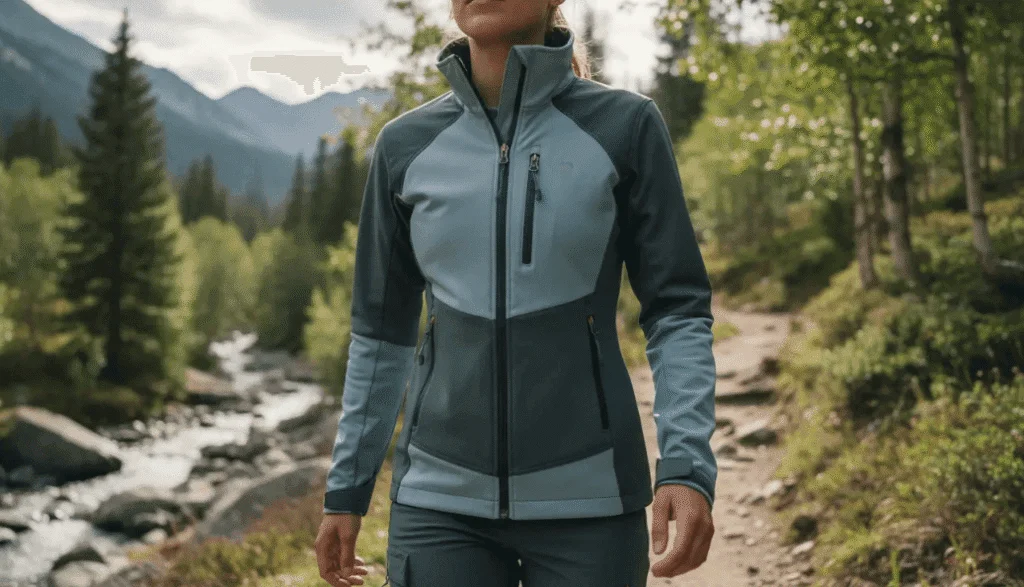
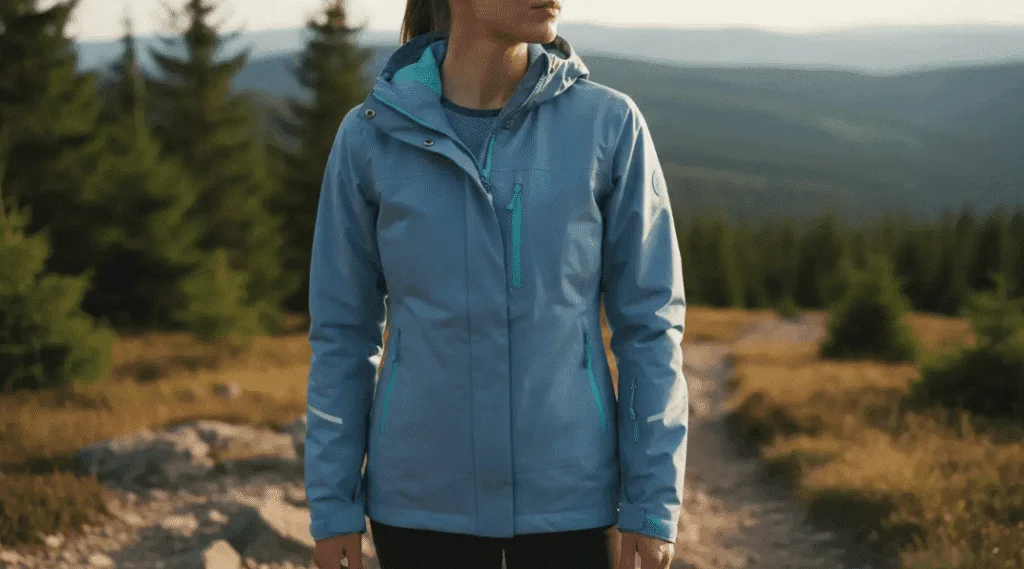
This category is all about performance, durability, and freedom of movement. These jackets are designed for hiking, mountaineering, running, and any activity where you need maximum protection and mobility. Key features include water resistance, wind resistance, and high breathability.
Hardshell: This is the outer protective shell with a waterproof membrane. It’s ideal for bad weather and protects you from heavy rain and snow. A hardshell is thin and its main job is not to keep you warm, but to shield you from the elements. It’s perfect for demanding hikes and climbing, where you need to layer clothing underneath.
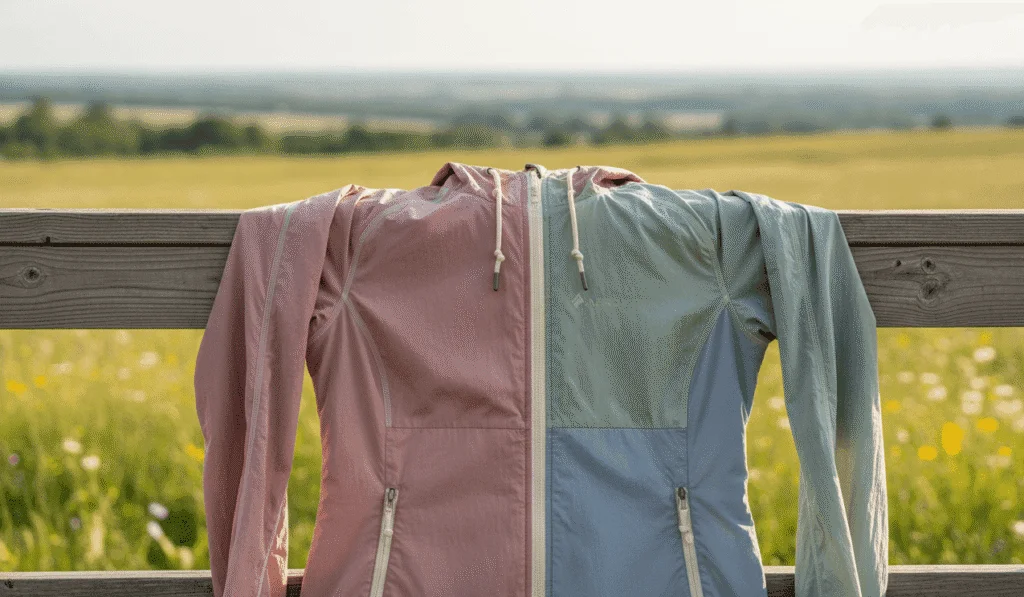
Softshell: Softer, more flexible, and more comfortable to wear than a hardshell. It offers an excellent balance of breathability and light insulation. It’s ideal for high-intensity activities (such as running or cycling), where you may not face heavy rain but still need wind protection and moisture management.
Insulated and winter jackets
Their main purpose is to keep you warm in cold weather. The focus is on the insulating layer and a cut that minimises heat loss.
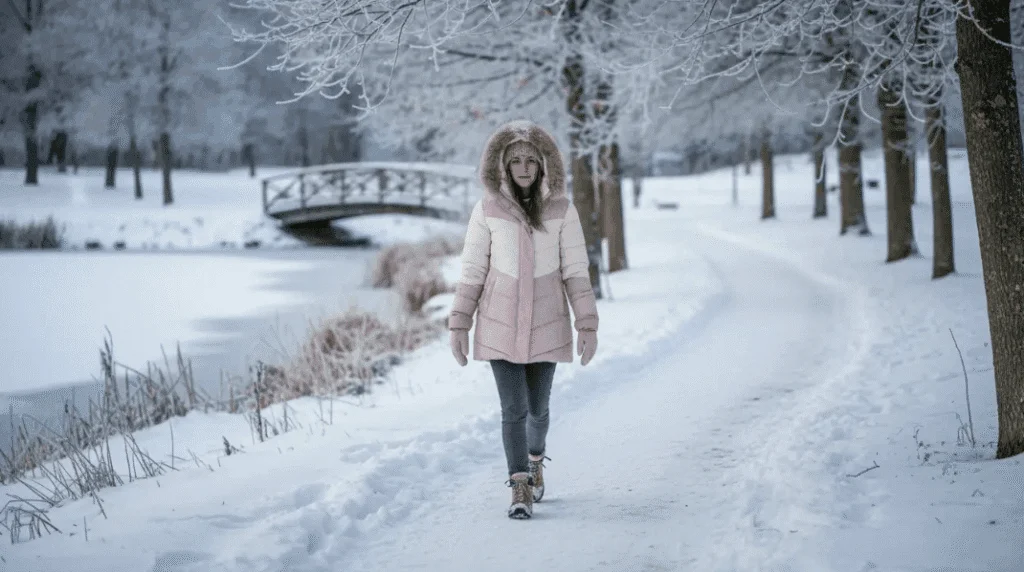
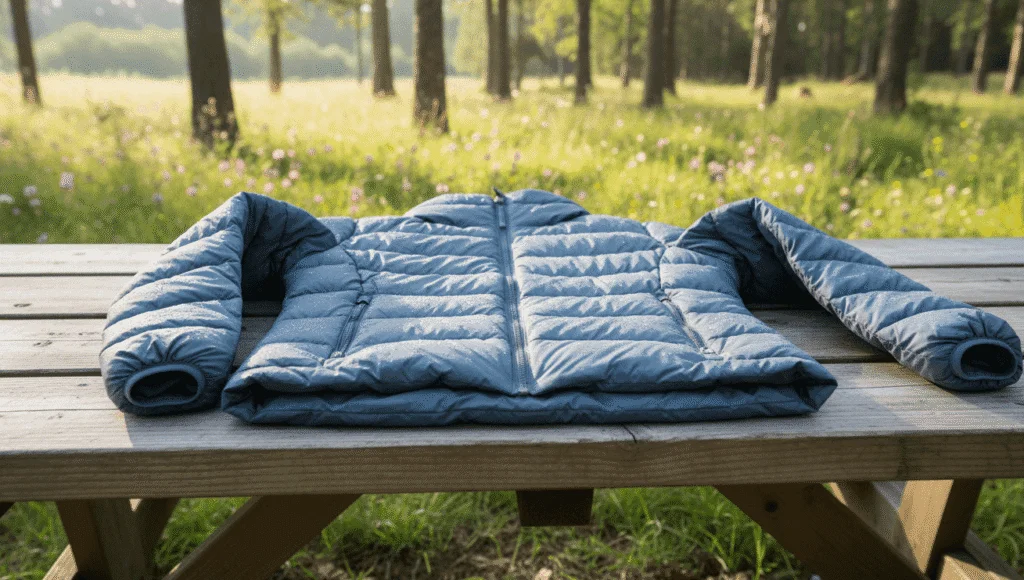
Down jackets: The lightest and most efficient insulation. They offer an unbeatable warmth-to-weight ratio and are ideal for dry, freezing conditions. Their downside is sensitivity to moisture – once wet, they lose much of their insulating power and take a long time to dry.
Quilted jackets (with synthetic fill): These use synthetic insulation, which is bulkier than down but keeps its insulating properties even when damp and dries quickly. They’re a great choice if you spend time in changeable, wet winter weather.
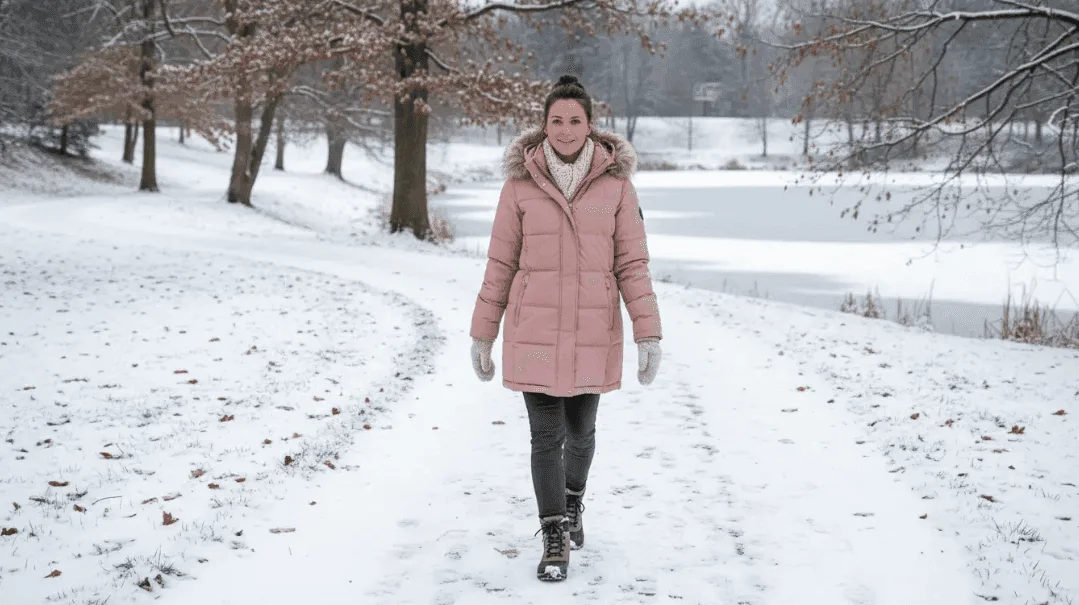
Parkas: Long, relaxed-fit jackets, often with a faux fur–trimmed hood. Originally military pieces, they’re now popular for maximum warmth and a stylish urban look. They usually have synthetic insulation and a tough outer shell.
Fashion and lifestyle jackets
These focus mainly on style, cut, and versatility for everyday wear. Function (like water resistance) is often secondary.

Křiváky (Biker Jacket): An iconic jacket made of leather or faux leather. A symbol of rebellious elegance, perfect for autumn days and great for adding edge to any outfit.
Denim jackets: A timeless classic for spring and cooler summer evenings. Highly versatile, they work with dresses and trousers alike and are easy to layer.
Trenčkoty (Trench Coats): A lightweight, elegant coat that adds a polished touch and suits both formal and casual occasions. Traditionally made from cotton with a water-repellent finish.
Transitional and lightweight jackets
These protect you from light wind and rain in spring and autumn, when a full winter jacket would be too warm.
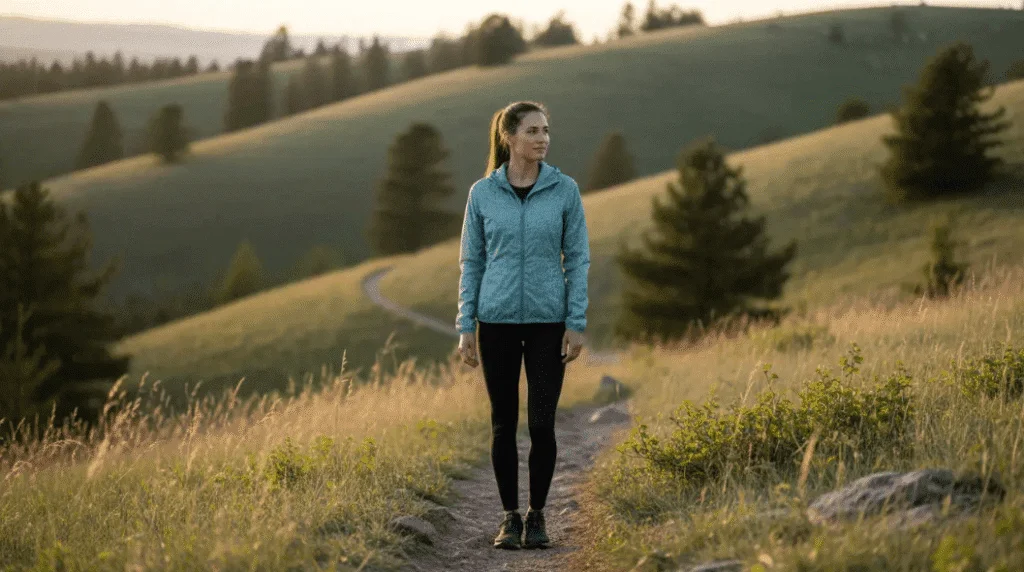
Větrovky (Windbreakers): Extremely lightweight and packable jackets. Their main job is to block the wind. Ideal for early-morning runs, cycling, or as a backup layer in your backpack.
Bomber jackets: Originally designed for pilots, now a stylish piece with a relaxed cut and ribbed cuffs and hem. They work well with casual and sporty outfits.
Clear comparison of the main categories
| Category | Key characteristics and purpose |
|---|---|
| Winter/Insulated | Maximum thermal insulation (down/synthetic fill), longer cuts (parkas), protection from frost. |
| Outdoor/Sports | High performance (membranes), breathability, low weight and freedom of movement, protection from rain and wind. |
| Fashion/Lifestyle | Focus on cut, style, and material (leather, denim), everyday versatility, less emphasis on technical performance. |
Materials, insulation, and membranes (How a jacket works)
Understanding materials is key to choosing a functional jacket. It’s not just about thickness, but about smart construction and finishes that determine water resistance, warmth, and breathability.
Outer fabrics and finishes
Nylon and polyester: The most common synthetic fabrics for performance and lifestyle jackets. They are abrasion-resistant, lightweight, and quick-drying. Polyester is often used for insulation, nylon for tougher outer shells.
Cotton: Comfortable and breathable, but absorbent. Mainly used in fashion and lifestyle jackets (such as trench coats or denim jackets), where heavy rain isn’t the main concern.
DWR finish (Durable Water Repellent): A chemical treatment applied to the outer fabric that causes water to bead up and roll off the surface instead of soaking in. This finish is crucial for protecting the membrane and needs to be refreshed regularly.
Membranes and water column
A membrane is a thin layer placed under the outer fabric that provides water resistance and breathability.
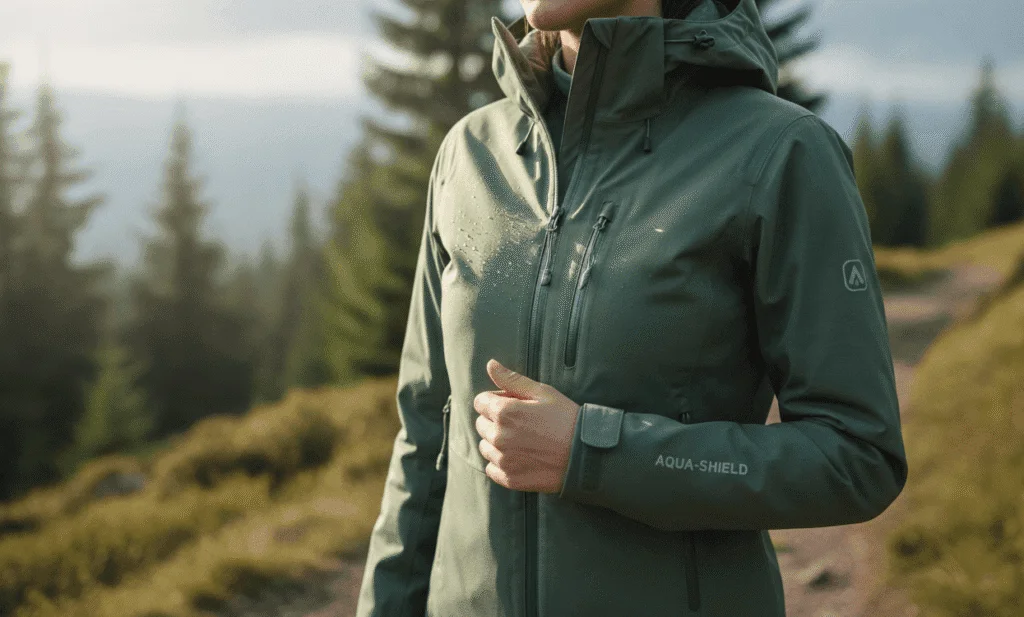
How it works: The membrane (for example Gore-Tex or a PU coating) is filled with billions of microscopic pores. These pores are small enough to stop liquid water (rain) from getting in, but large enough to let water vapour (sweat) escape. This ensures waterproof protection from the outside and breathability from the inside.
Water column (mm): Measured in millimetres, this indicates the level of waterproofing. The higher the value, the longer the jacket can withstand water pressure (for example in heavy rain or under a heavy backpack). For everyday use, look for at least 10,000 mm; for demanding outdoor activities, aim for 20,000 mm or more.
Breathability (g/m²/24h): Measured in grams, this shows how much water vapour (sweat) can pass through one square metre of fabric in 24 hours. High breathability is crucial during physical activity to prevent overheating and later getting chilled.
Insulating fills
Down insulation: The most efficient natural insulation. It’s made from down (goose or duck) and works by trapping air.
Fill power (CUIN): Indicates the quality of the down and the volume it can loft to. It’s measured in cubic inches (CUbic INches). The higher the number (e.g. 600, 750, 900 CUIN), the better the down, providing more warmth at a lower weight. It’s worth investing in for expeditions and extreme cold.
Synthetic insulation (Synthetics): Includes materials such as Primaloft, Thinsulate, or hollow fibre. Compared to down, they have the huge advantage of staying warm even when damp and drying much faster. They’re ideal for high-intensity sports and for cold, wet conditions.
Key parameters and details to focus on
Choosing a jacket means paying attention to the details that determine comfort and long-term durability.
Fit and silhouette
The right fit is crucial not only for how the jacket looks, but also for how it performs, especially when layering.
Slim Fit: A close-fitting cut suitable for lifestyle jackets or as an inner insulating layer. Not ideal if you plan to wear thick sweaters underneath.
Regular Fit: A classic straight cut that allows moderate layering and provides good freedom of movement.
Relaxed Fit: A loose, oversized cut, ideal for parkas or whenever you need to comfortably fit several warm layers underneath. Length matters too – longer cuts (parkas, trench coats) offer better protection for your lower back and hips from cold and wind.
Functional details
These elements often separate cheap jackets from truly technical models.
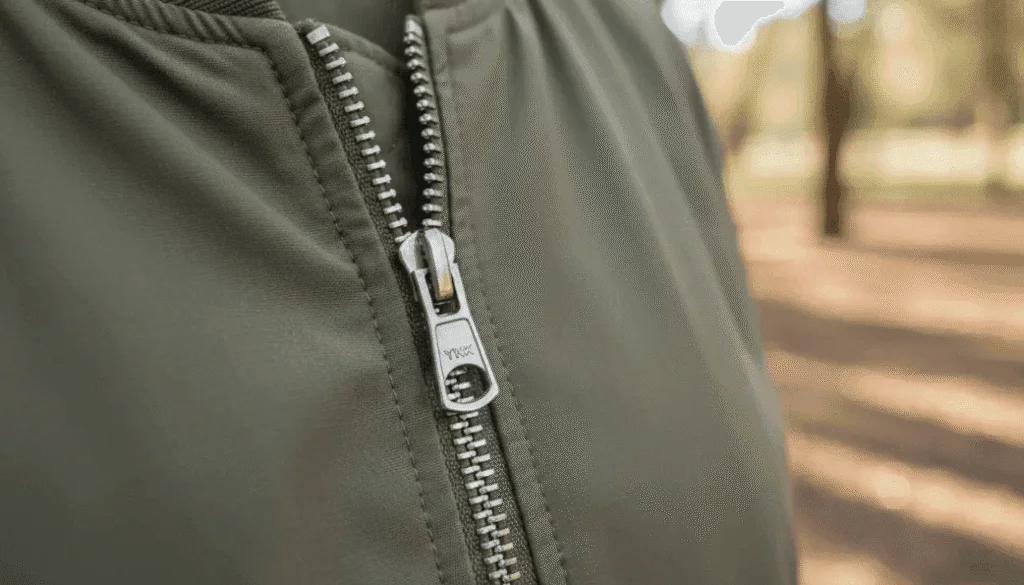
Zip quality (YKK): Zips are one of the most common failure points. Zips from reputable brands like YKK are a safe bet for durability and smooth operation, often with an added coating for water resistance.
Taped seams: On waterproof jackets, it’s essential that all seams are sealed from the inside with special tape. Without taped seams, even the best membrane will leak, because needle holes compromise the fabric’s waterproofness.
Adjustable hood and cuffs: The hood should be adjustable in at least two directions so it fits well even in strong wind and over a helmet (for outdoor models). Adjustable cuffs help prevent heat loss and stop cold air or snow from getting in.
Ventilation openings: Most often located under the arms (“pit zips”). On technical jackets, they allow quick release of excess heat and moisture during intense activity without having to unzip the whole jacket.
Weight and packability
For travel and hiking jackets (such as windbreakers or lightweight down jackets), low weight and the ability to pack the jacket into a small stuff sack or its own pocket are crucial. Weight becomes important when the jacket spends more time in your backpack than on your body.
Sizing and layering
When trying on a jacket, always think about what you’ll wear underneath. For winter and outdoor jackets, choose a size that comfortably fits a thin base layer and a mid insulating layer (such as a fleece or lightweight down jacket) without feeling tight or restricting your movement. Sleeves and hem should be long enough to cover your lower back.
How to choose the right jacket
When it comes to the final decision, it helps to follow a few simple but effective rules.
Choosing by season
Winter (frost/snow): A heavily insulated jacket (parka, down jacket) with high fill power or quality synthetic insulation. Focus on protecting your face and neck, and on water resistance if you expect wet snow.
Spring/Autumn (transitional weather): Softshell, lightweight quilted jacket, trench coat, or bomber. Wind protection and resistance to light rain are key; breathability matters more than maximum insulation.
Summer (cool mornings/mountains): A windbreaker or lightweight hardshell. Go for light, easily packable models that you only pull out when the weather turns.
Choosing by activity
Sports/Hiking (outdoor): A hardshell with a high water column (at least 15,000 mm) and breathability (at least 15,000 g/m²/24h). Ventilation zips are a must.
City/Work (casual): A parka, trench coat, stylish quilted jacket, or biker jacket. Here the focus is on cut, colour, and overall look. Technical parameters (breathability) are less critical.
Travel/Trekking: An extremely lightweight and packable down or synthetic jacket with a good DWR finish. Minimising bulk in your luggage is the priority.
What to watch out for when buying
Underestimating breathability: If you’re buying a waterproof jacket for active use, cheap models with low breathability (below 5,000 g/m²/24h) will trap sweat and leave you soaked from the inside. You’ll end up feeling cold. It’s better to choose a balanced compromise between water resistance and breathability.
Myths about waterproofing: Even the best membrane jacket will stop working properly without regular DWR maintenance. Once the outer fabric gets saturated, the membrane clogs and stops breathing. The jacket may not leak, but you’ll feel as if it did because the moisture stays trapped inside.
Cutting corners on zips: Cheap, low-quality zips often snag, break, or let water through. Always check how smoothly the zip runs and whether it’s properly covered.
Price ranges and what to expect from them
The price of a jacket reflects the quality of materials, technologies, construction, and brand.
Budget (up to 2,500 CZK): Typically offer basic protection from wind and light rain. Waterproofing is usually provided by a cheap PU coating with lower durability and weaker breathability. Suitable for undemanding city wear or as a backup jacket.
Mid-range (2,500–6,000 CZK): Here you’ll find solid synthetic insulation, durable outer fabrics, and entry- to mid-level membranes (e.g. 10,000/10,000). Suitable for regular hiking, skiing, and everyday wear. They offer a good price-to-performance ratio.
Premium (6,000+ CZK): These jackets feature top-tier membranes (Gore-Tex Pro, eVent), high-quality down (750+ CUIN), excellent workmanship, and refined details (such as laser-cut pockets or YKK AquaGuard zips). It’s worth paying extra if you do high-altitude trekking, expeditions, or need uncompromising performance in extreme conditions. Here you’re paying for safety and reliability.
Proper care and maintenance
Poor care can ruin a jacket’s performance. With the right maintenance, you extend the life of the membrane and the insulation.
Washing membrane and insulated jackets
Always use special detergents designed for technical clothing. These do not contain enzymes or bleach that could damage the membrane. Before washing, close all zips and hook-and-loop fasteners.
No fabric softener: Fabric softener is the enemy of technical clothing. Its ingredients clog the membrane’s microscopic pores, permanently blocking them and destroying breathability.
Down jackets: Wash them with a minimal amount of dedicated down detergent. After washing, they must be tumble-dried on low heat with tennis balls, which break up clumps of down and help it regain its original loft (fill power).
Restoring water resistance (reproofing)
Once water stops beading up and the outer fabric starts soaking it in, it’s time to renew the DWR finish.
When and how often to reproof: You should reproof the jacket after every 3–5 washes or whenever you notice a drop in water repellency. You can use either spray-on products (applied to a damp jacket) or wash-in treatments for the washing machine.
Storage
Never store down jackets compressed in stuff sacks during the off-season. Down needs space to retain its loft. Ideally, hang them loosely in a wardrobe. Store technical jackets clean and completely dry.
Most popular brands and what they specialise in
The jacket market is broad, and each brand has its own focus and signature style.
The North Face (TNF) / Mammut: Premium outdoor and expedition segment. Specialists in high-fill down jackets and hardshell models with Gore-Tex.
Patagonia: Combines technical performance with a strong focus on sustainability. Frequently uses recycled materials and ethically sourced down with certifications.
Barbour / Mackintosh: Traditional lifestyle brands. Known for stylish waxed jackets and classic trench coats with timeless designs and long service life.
Columbia / Alpine Pro: Mass-market outdoor brands with a very good price-to-performance ratio. They offer reliable, affordable jackets with proprietary technologies (such as Columbia’s Omni-Heat) for everyday outdoor use.
Summary and final tip
Choosing the ideal women’s jacket should always start with two basic questions: Where will I wear it and what do I expect it to do?
Key points to keep in mind:
- Type (purpose): Sports = Hardshell, freezing winter = down jacket, city/wet weather = parka/synthetic insulation.
- Material (function): For technical models, always check water column and breathability.
- Fit (comfort): Choose a cut that matches how much you want to layer underneath.
Expert tip: Don’t buy a jacket just for the worst-case scenario you face once a year. Instead, focus on a model that works perfectly for 80% of your time and use smart layering for the rest. There’s no single perfect jacket for everything, but a three-layer system (base, insulating, and protective layer) will prepare you for almost any situation.
Frequently asked questions
What are hybrid jackets and who are they for?
Hybrid jackets combine different materials in different body zones to maximise performance. For example, the shoulders and hood can be made from waterproof Hardshell, while the torso is insulated with lightweight, breathable fleece or synthetic fill. They’re ideal for active sports such as ski touring or running in cold weather, where you need to protect exposed areas and at the same time ensure maximum breathability and heat release.
How can I tell if down is ethically sourced?
Ethically sourced down is an important consideration today. Look for certifications such as RDS (Responsible Down Standard). This standard guarantees that the down and feathers come from animals that have been treated humanely. In particular, the certification bans force-feeding and live-plucking, which is crucial for many consumers.
Is it better to have one very warm jacket or two lighter ones for layering?
In general, a layering system is far more practical and versatile. One extremely warm jacket is suitable mainly for low-activity situations in frost (such as waiting for a bus). Two lighter jackets (for example a thin down jacket under a light Softshell or Hardshell) allow you to fine-tune your temperature and ventilation as your activity level and the weather change. Layering gives you better temperature control and faster drying.