Fuel Additives: A Complete Guide to Selection, Use, and Comparison
Fuel additives are still a big mystery for many drivers. Some people see them as a waste of money, others swear by them. The truth, as usual, lies somewhere in the middle. A well‑chosen additive, used regularly, is not a placebo, but effective chemistry that can extend engine life, lower fuel consumption and prevent expensive repairs. In this complete guide, we will look at everything you need to know to give your car the best care.
Why even care about fuel additives?
Think of additives as vitamins for your engine. Even though basic fuels (petrol and diesel) must meet strict standards, their quality can differ. Modern engines are also more complex, more sensitive to fuel quality and more likely to build up deposits. Fuel additives are special chemical products that are added in a small amount into the tank to improve the properties of petrol or diesel. Their main job is to keep the fuel system clean, protect it from corrosion, improve combustion and lubricate key engine parts.

There are many kinds of additives, from those focused on cleaning injectors, through products for winter protection, to special products that increase performance. The aim of this article is to guide you through the world of additives so you understand how they work, what types exist and how to choose the right product for your vehicle.
Did you know that premium fuels at filling stations differ from regular fuels mainly in the quality and amount of added additives? By adding your own additives, you can achieve similar, and sometimes even better, results for a fraction of the price.
How additives work and what happens in the engine
To understand the benefits of additives, you need to know what happens inside the engine and what they actually fight against. Their effect is based on a mix of several key components.
Detergents (cleaning components)
When fuel burns, solid carbon deposits are formed. These soot particles slowly settle on sensitive engine parts such as injector nozzles, intake valves, and even pistons and the combustion chamber. Dirty injectors then spray fuel badly, which leads to poor combustion, higher fuel use, loss of power and higher emissions. Quality additives contain detergents (most often based on PEA – polyetheramine) that can slowly dissolve these deposits and keep the fuel system clean.
Lubricity additives
This part is very important mainly for diesel engines. Modern diesel fuel has a very low sulphur content, which is good for the environment, but bad for mechanical parts of the fuel system such as the high‑pressure pump. Sulphur used to give natural lubricity. Additives replace the missing lubricating ability of diesel fuel, which greatly extends the life of the injection system and protects it from early wear.
Corrosion inhibitors
Because of temperature changes, water can condense in the fuel system. Water together with oxygen from the air causes corrosion of metal parts such as the tank, fuel lines or pump components. Corrosion inhibitors in additives create a protective film on metal surfaces that prevents contact with water and oxygen, and so protects the whole system from rust.
Combustion modifiers
These substances affect the speed and quality of burning of the fuel‑air mix. In diesel engines, they are cetane number improvers, which make diesel easier to ignite. The result is a quieter and smoother engine, better cold starts and lower emissions. In petrol engines, octane number improvers are used, which prevent unwanted self‑ignition (called engine knocking) and allow the engine to work safely under higher load.
Types of additives: Division by fuel and purpose
The fuel additive market is huge, so it is important to know what exactly you are looking for. Additives are divided mainly by fuel type and by their main purpose. Never mix up diesel and petrol additives!
Diesel additives
Diesel engines are generally more sensitive to fuel quality than petrol engines, so regular use of additives is especially important here.
Winter additives
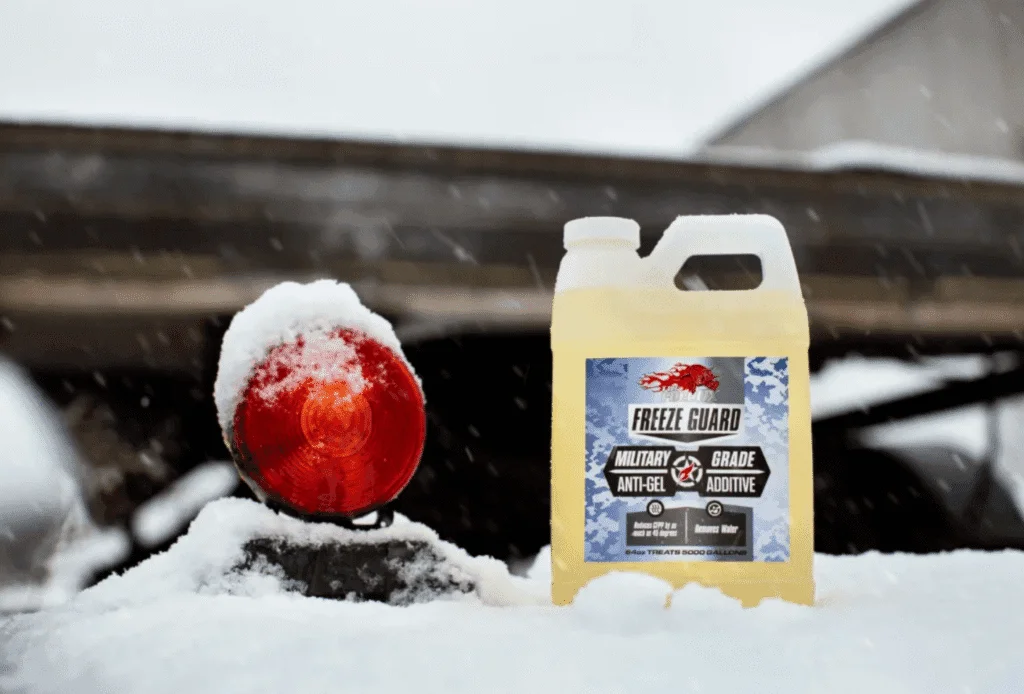
An absolute must for every diesel driver in the winter months. At low temperatures (already around -7 °C), diesel starts to thicken – this is called paraffin waxing, when small paraffin crystals form in the fuel. These crystals clog the fuel filter and prevent the engine from starting. Winter additives contain so‑called depressants that stop these crystals from forming and keep diesel liquid even at very low temperatures (down to -20 °C and below).
Summer additives
In warm months, diesel does not freeze, but the engine still needs care. Summer additives focus mainly on increasing lubricity, thorough cleaning of injectors and the fuel system and raising the cetane number. The result is lower fuel consumption, smoother engine running and protection from expensive repairs of the injection system.
All‑season (universal) additives
These are a compromise between summer and winter versions. They contain components for cleaning and lubrication and at the same time give basic protection against freezing. They are ideal for drivers who want to use one product all year round and live in areas where temperatures rarely fall far below zero.
Petrol additives
Even though petrol engines are seen as more resistant, modern engines with direct injection are very prone to carbon build‑up.
Injector and fuel system cleaners
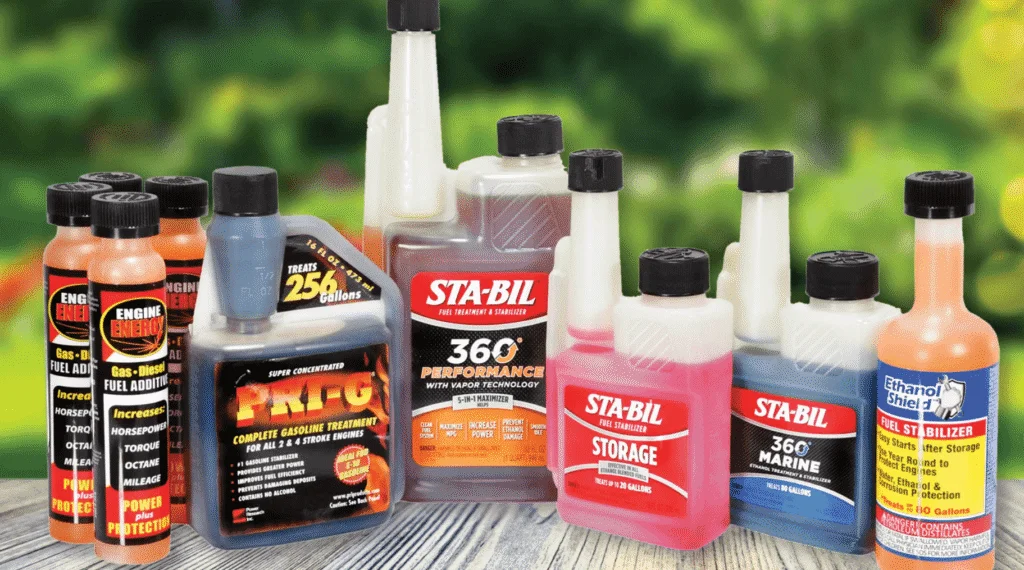
They are key mainly for engines with direct injection (marked as GDI, TSI, FSI, EcoBoost etc.). In these engines, petrol is injected directly into the combustion chamber and does not wash the intake valves, so they suffer from heavy build‑up of carbon deposits. Regular use of quality cleaning additives with PEA keeps injectors and the combustion area clean, which ensures optimal power and fuel consumption.
Octane boosters
These products are meant mainly for sports and high‑performance cars whose engines are designed for fuels with a higher octane number (98 and more). Using them in a normal car usually does not bring a clear benefit. They are also useful for owners of older cars that need high‑octane petrol which is no longer commonly sold.
Petrol stabilizers
Ideal for seasonal vehicles such as motorbikes, classic cars, lawn mowers or boat engines. Petrol (especially modern fuel with bio‑components) gets worse during long storage, loses its properties and can form resin‑like deposits in the fuel system. A stabilizer slows this ageing process and keeps the fuel fresh for several months.
Special additives
Additives for cleaning DPF/FAP filters
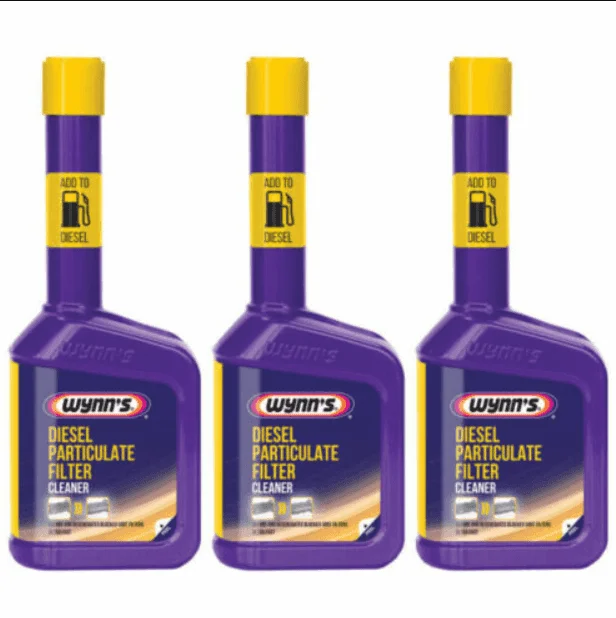
Diesel particulate filters (DPF) are the weak spot of modern diesels, especially when the car is often driven on short trips. DPF cleaning additives lower the temperature needed to burn soot trapped in the filter, and so help its regeneration even in city traffic. They are great prevention against expensive clogging of the filter.
Additives for older engines
Classic cars and older vehicles whose engines were built for leaded petrol need special care. Additives with lead substitute protect valve seats from wear.
Key parameters and composition – how to choose
When you look at a shelf full of additives, they may all seem the same. The opposite is true. Quality is determined by the composition and concentration of active substances.
Compatibility with the engine
Basic rule: always use an additive made for your engine type (diesel vs. petrol). Then check if the product is safe for the specific technologies in your car, such as diesel particulate filters (DPF) in diesel engines or direct injection (GDI) in petrol engines. Well‑known manufacturers always state this information on the label.
Cetane/octane number
As already said, the cetane number shows how easily diesel ignites, while the octane number shows how resistant petrol is to self‑ignition. A higher cetane number in diesel means a shorter delay between injection and ignition, which results in a quieter engine, less smoke and better cold starts. Raising the octane number in petrol is useful mainly for powerful engines, because it lets them work more efficiently and without risk of damage.
Lubricity additives
For diesel additives, this is one of the most important parameters. Modern low‑sulphur diesel without extra additives does not lubricate the sensitive parts of the injection system enough, which leads to faster wear. A quality additive can greatly improve lubricity and protect an investment worth many thousands of crowns.
Detergency (cleaning ability)
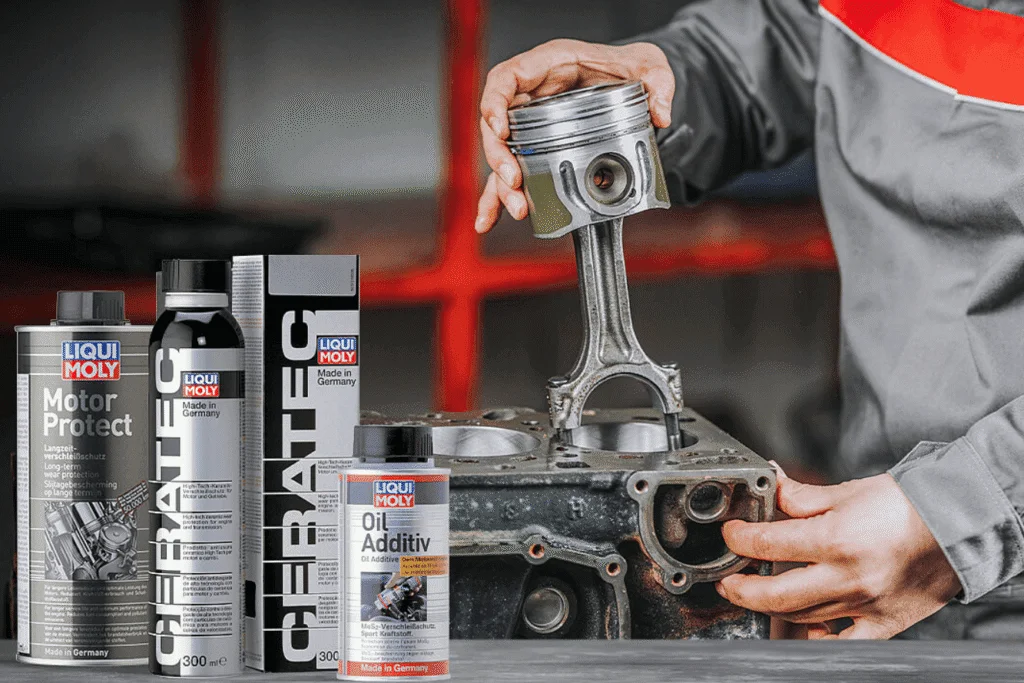
The ability to clean the engine is key. Look for additives that contain modern and effective detergents such as PEA (polyetheramine). This component is seen as one of the most effective for removing even tough carbon deposits, both in petrol and diesel engines.
Dosing
Always follow the dosing recommended by the manufacturer. A common dilution ratio is 1:1000 (for example 50 ml of additive for 50 litres of fuel). Using less will lower the effect, while over‑dosing can sometimes cause problems. With quality additives, the risk from a slight overdose is minimal.
How to choose the right additive for your car
The choice depends on the condition of your car, your driving style and the problem you want to solve.
For drivers with a new car
If you have a new or nearly new car, focus on prevention. By regularly using a quality all‑season additive (for diesel) or cleaner (for petrol), you keep the fuel system in perfect condition from the start and prevent slow build‑up of deposits in the engine.
For owners of an older car
In older cars with higher mileage, there is probably already a lot of deposits in the engine. Here it is good to start with an intensive cleaning treatment using a more concentrated cleaning additive. After this “treatment”, it is best to switch to regular preventive dosing.
For drivers who drive short trips
Short trips, especially in city traffic, are the hardest on engines. The engine does not have time to warm up properly, which leads to faster carbon build‑up and, in diesels, to problems with DPF regeneration. For these drivers, regular use of cleaning additives and DPF support additives is almost a must.
When buying a used car
You never know how the previous owner cared for the car. After buying a used car, it is therefore very wise to do a thorough engine decarbonization with a special, highly concentrated cleaning additive. This often solves problems like rough idling, poor starting or increased smoke.
What to watch out for when buying? Avoid suspiciously cheap products and additives that promise miracles (for example, a 20% power increase). A quality additive is based on chemistry, not magic.
Correct use and dosing
To make an additive work properly, you need to apply it the right way.
When to add the additive
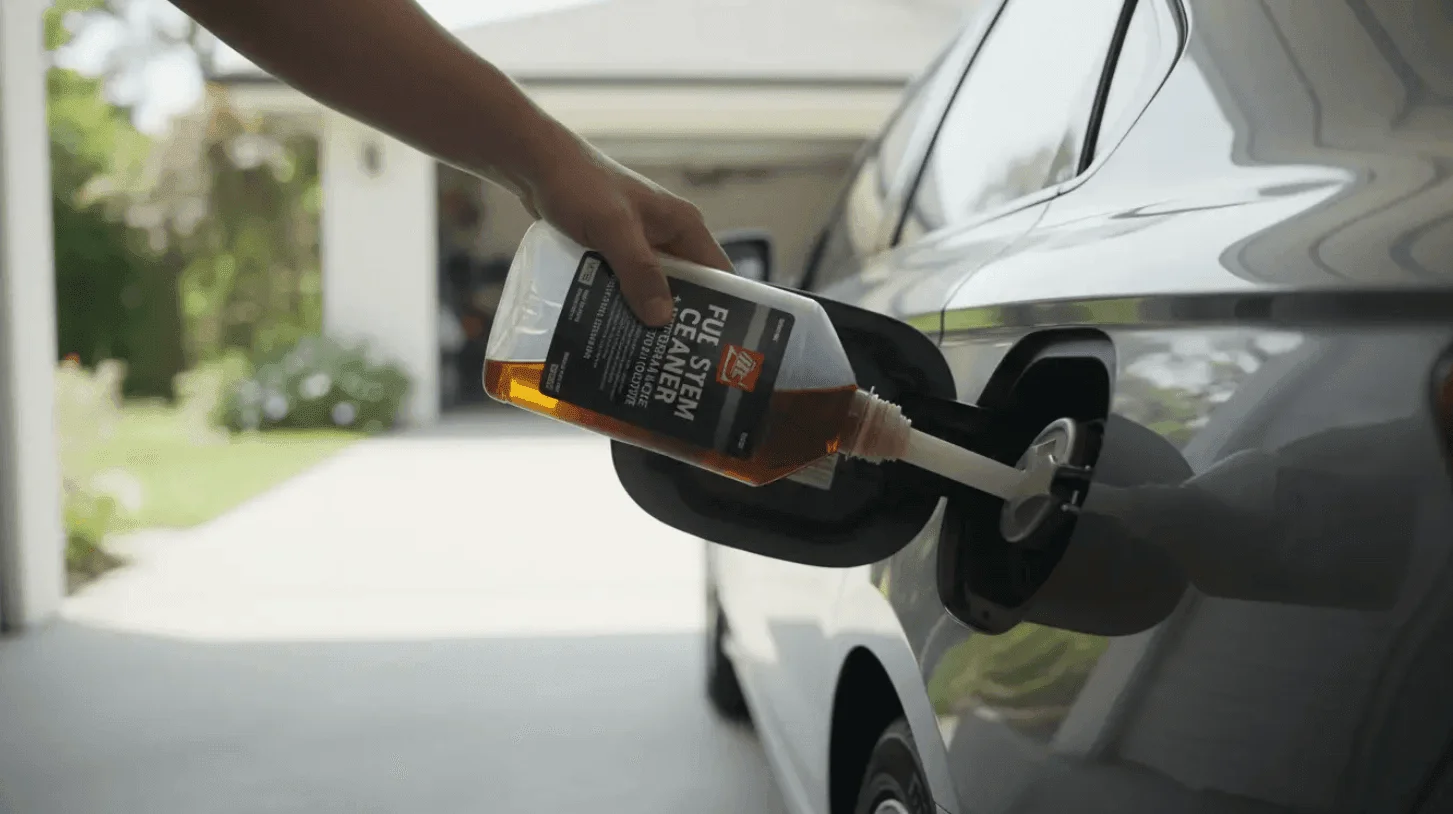
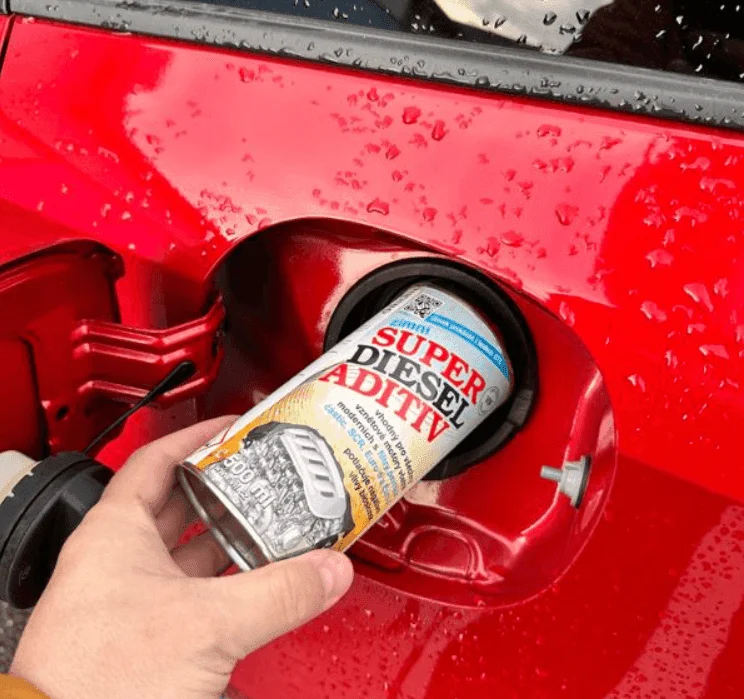
The most important rule is: Always pour the additive into the tank BEFORE filling up with fuel. Filling up afterwards makes sure the additive mixes perfectly with the whole amount of fuel. If you poured it into a full tank, it would not spread evenly and its effect would be weaker.
How often to use it
We can tell two basic approaches:
- One‑time cleaning treatment: Used for very dirty engines. Usually a higher concentration of additive is used in one or two fuel tanks in a row.
- Regular preventive use: This is ideal. At every fill‑up, you add the recommended amount of additive. In this way, you keep the engine always clean and protected.
Tips for safe handling
Additives are chemicals, so handle them carefully. Store them out of reach of children, in a dry and dark place. When using them, avoid contact with skin and car paint. If you spill additive on the paint, wipe it off with a cloth right away.
The best‑known brands and manufacturers on the market
On the Czech market, there are several trusted brands with which you will not go wrong.
VIF
Czech manufacturer that is the absolute leader on the domestic market. Its products such as Super Diesel Aditiv or Super Benzin Aditiv often win independent tests and offer an unbeatable price‑to‑performance ratio. It is a safe choice for normal and demanding drivers.
Liqui Moly
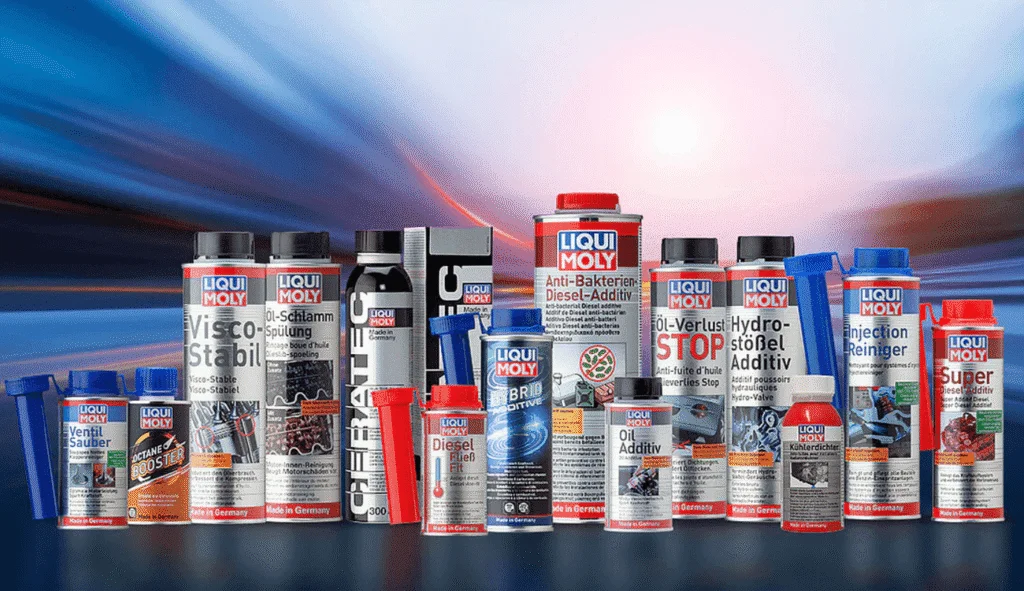
This German brand is a synonym for premium quality. It offers a very wide range of products for solving specific problems – from DPF cleaning and intake port decarbonization to special additives for LPG engines. Their products are more expensive but very effective.
STP
An American classic with a long history. The STP brand focuses strongly on cleaning and performance additives, especially for petrol engines. Their injector cleaners are among the most popular and effective products on the market.
Millers Oils
British premium brand with strong roots in motorsport. Their additives are often developed for maximum performance and engine protection in extreme conditions. If you are looking for uncompromising quality and performance, Millers Oils is a great choice.
| Brand | Typical focus |
|---|---|
| VIF | Best price/performance ratio, universal use |
| Liqui Moly | Premium quality, specialized problem solving |
| STP | Strong cleaning effect, products for American cars |
| Millers Oils | Performance and motorsport, premium composition |
Summary
A well‑chosen additive is a medicine for the engine, not just a placebo. It helps keep the engine in good shape, lowers the risk of expensive failures and in the long run can slightly reduce fuel consumption. The most important rule you must remember is to strictly separate diesel and petrol additives, because their composition and function are completely different. When choosing, follow mainly your engine type, your driving style and the goal you want to reach, whether it is prevention, cleaning or winter protection. Whatever brand you choose, your engine will repay you for regular care with reliability and quieter running.
Frequently asked questions (FAQ)
Can I damage the engine or DPF filter with an additive?
If you use a quality branded additive and follow the correct dosing, the risk of damage to the engine or its parts (including the DPF) is almost zero. Problems can occur if you use the wrong type of additive (petrol additive in diesel and the other way round) or if you massively overdose low‑quality products.
Does it make sense to add additives to premium fuels (Verva, V-Power)?
Yes, but to a smaller extent. Premium fuels already contain an above‑standard package of additives from the refinery. By adding another quality additive, you can still boost their effect, especially in terms of diesel lubricity or cleaning ability. Many drivers use half the normal dose of additive even with premium fuels for maximum protection.
Will I notice a difference in engine running right after the first use?
An immediate and strong effect is rather rare and usually happens only with very neglected engines. Normally, the effects appear step by step. You may notice better cold starts or a quieter diesel engine already after the first tank. Full cleaning effect will show only after several tanks with additive, when older deposits are slowly removed. The key to success is patience and regular use.