Windshield Washer Fluid: A Complete Guide to Safe Driving
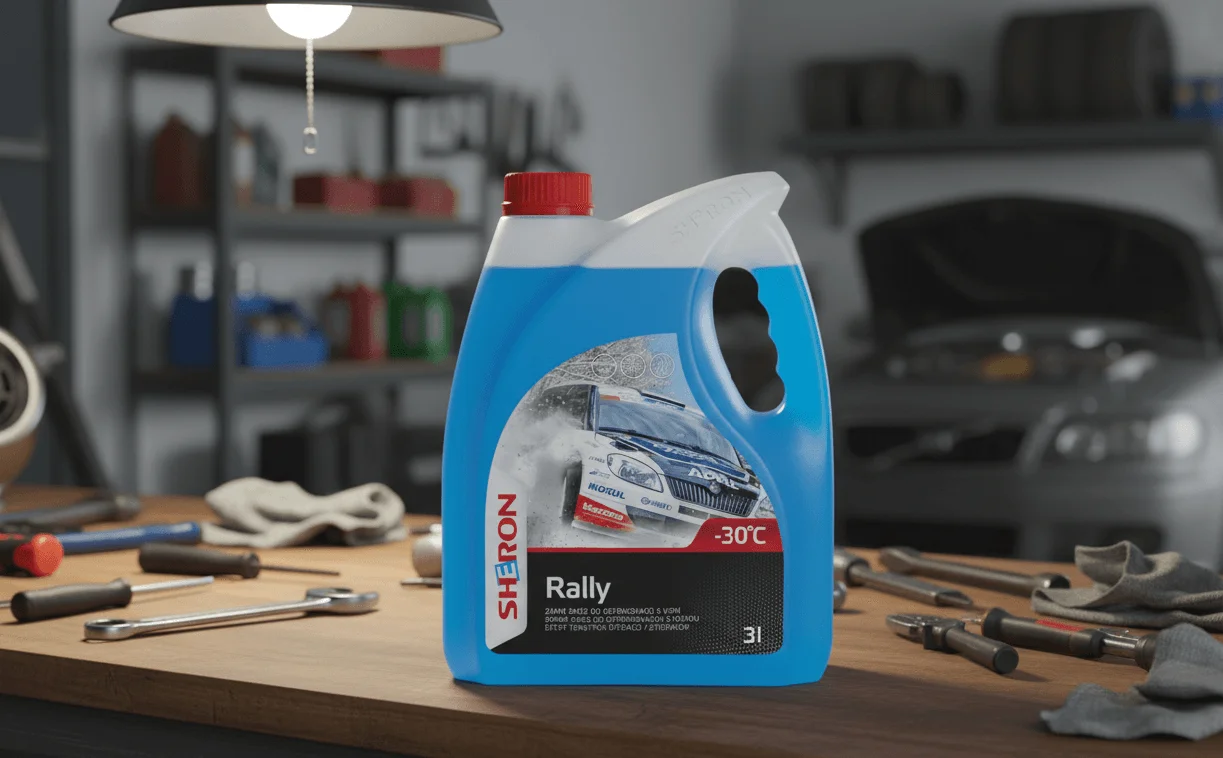
Washer fluid is not just colored liquid, but a key part of every vehicle’s active safety. Many drivers underestimate its importance, even though it plays a direct role in how well you can see the road in critical moments. A clean windshield is the absolute foundation of good visibility, quick reactions, and ultimately safe driving for you and your passengers. Choosing the wrong fluid can therefore lead not only to practical issues, but also to serious safety risks. Did you know, for example, that driving with an empty washer fluid reservoir can be fined in some countries as operating a vehicle that is not in roadworthy condition?
Types and options: Summer, winter, or all-season?
There are several main types of washer fluid on the market, and each one is designed for specific conditions. The right choice depends mainly on the season and the climate you drive in.
Summer Blends
These blends are designed for temperatures above freezing. Their formula is specially developed for effectively removing organic dirt such as insect residue, pollen, dust, and bird droppings. They do not contain antifreeze components, so they are completely unsuitable for winter use.
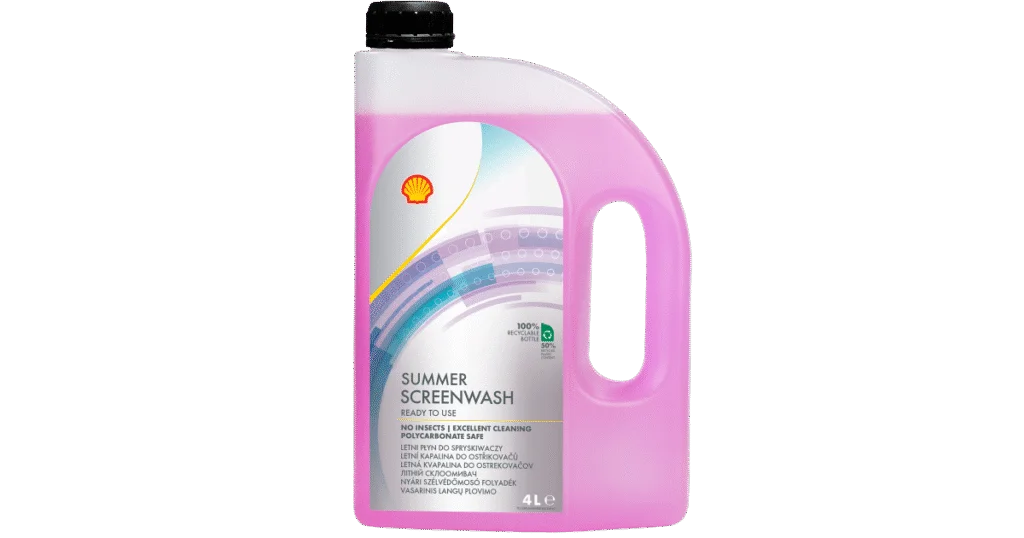
They’re an ideal choice for drivers during the warmer months of the year, usually from spring through autumn, when they have to deal with typical summer grime. Their main advantages are excellent cleaning performance against insect residue and pollen, along with a usually lower price. The downside is that they freeze immediately at temperatures below 0°C.
Winter Blends
The key feature of winter blends is their low freezing point, which ranges from -20°C down to an extreme -80°C in concentrated versions. They contain a high proportion of alcohols, most often ethanol or isopropanol, which prevent the fluid from freezing in the reservoir, hoses, and on the windshield itself. They handle salt, slush, and other typical winter grime with ease.
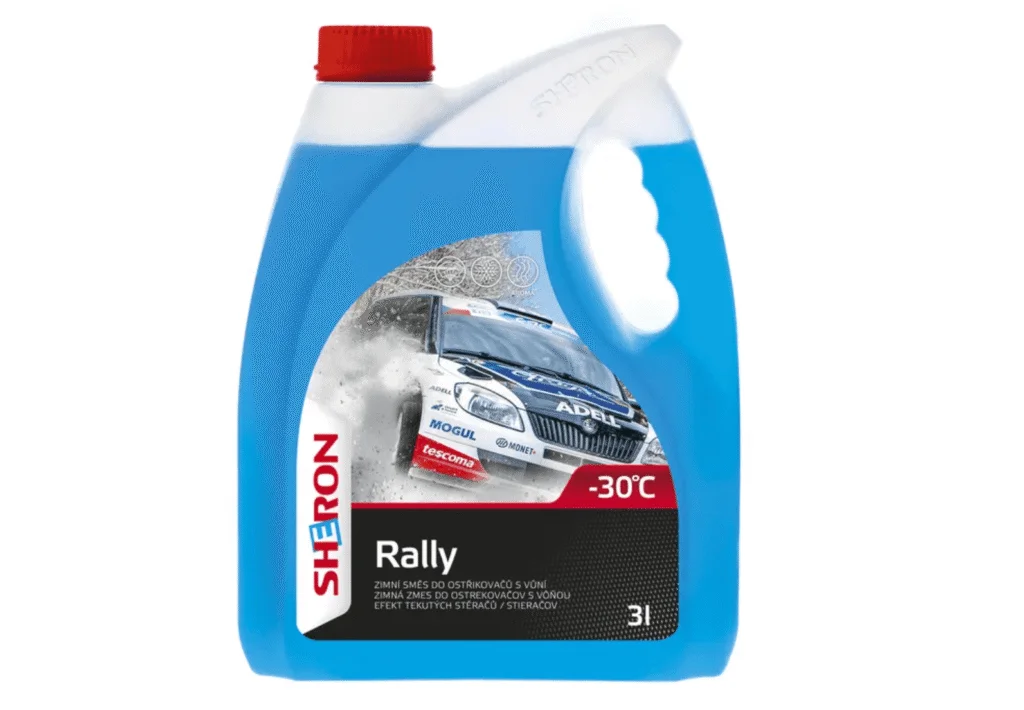
They are an absolute must for all drivers during the winter months, as soon as outdoor temperatures start to drop below 5°C. Their main advantage is frost resistance and strong cleaning performance against road salt and winter grime. A possible downside is the higher price due to the alcohol content, and in summer they can be slightly less effective on dried-on insects.
Year-Round Mixes
They strike a balance between summer and winter formulas. Their freezing point usually ranges from 23°F to 14°F. At the same time, they contain ingredients that help remove insect residue, but they are not as effective as specialized summer blends.
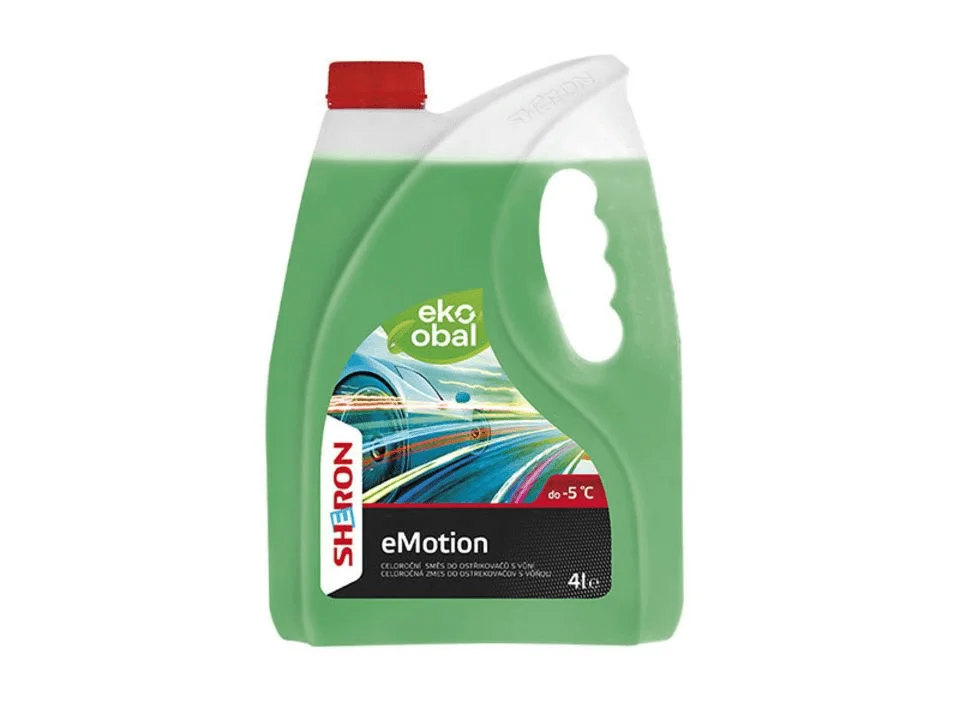
They are a good fit for drivers in areas with mild winters and no severe frost, or for those who do not want to deal with seasonal fluid changes and drive less often. Their main advantage is versatility, since there is no need to switch them seasonally. The downside is that they may not be enough in very cold weather, and in summer they may not be fully effective against insects.
Concentrates vs. Ready-Made Mixes
Ready-made mixtures are designed for immediate use — just pour them into the reservoir. Concentrates, on the other hand, need to be diluted before use, ideally with distilled (demineralized) water, in the ratio specified by the manufacturer. This dilution also lets you adjust the final freezing point to suit your current needs.
Concentrates are a more economical and compact option for those who don’t mind a bit of prep. Ready-made mixes offer maximum convenience and speed.
Did you know that some modern premium vehicles come with heated washer nozzles, or even a system that warms the washer fluid itself just before it sprays onto the windshield?
Key factors to consider when choosing
When buying windshield washer fluid, focus on a few key features that determine its quality and how well it performs.
Freezing point
This is the most important parameter for winter and all-season washer fluid. It indicates the temperature at which the liquid freezes and becomes unusable. It is strongly recommended to choose a fluid with a sufficient safety margin. If temperatures around -10 °C are common in your area, go for a fluid with a freezing point of at least -20 °C. That way, the system will keep working even during sudden temperature drops or when driving at higher altitudes.
Cleaning performance
A quality washer fluid should do more than just wash the glass — it needs to clean it properly. Its performance comes from surfactants and other active additives, which can effectively break down and remove grease, insect residue (in summer), and built-up salt and grime (in winter). Poor-quality and cheap mixtures often just smear the dirt across the glass, which can create dangerous glare and streaks in the dark when facing the headlights of oncoming cars.
Gentle on materials
Modern cars are full of sensitive materials. A good washer fluid must not damage the body paint, rubber window seals, wiper blades, or polycarbonate headlight covers. Cheap, harsh fluids made with low-quality alcohols can etch these surfaces, make them brittle, cause fading, or leave behind permanent stains.
Scent
Although it may seem like a small detail, scent is something you should not overlook. Washer fluid vapors can pass through the ventilation system straight into the vehicle cabin. If the fragrance is too strong, harsh, or overly chemical, it can become very unpleasant on longer drives and may even cause headaches. Reputable manufacturers usually go for light, subtle scents, often with citrus notes or a fresh ocean-style fragrance.
What is the blend made of, and how does it work?
The composition of windshield washer fluids is a carefully designed chemical blend, with each ingredient playing an essential role.
- Water: It makes up the main volume of the fluid. You should always use demineralized (distilled) water, which, unlike tap water, contains no minerals. Otherwise, they could build up and clog the washer system’s fine nozzles with limescale.
- Alcohol (Ethanol, Isopropanol): It is a key ingredient in winter blends, where it serves an anti-freeze function. The rule is simple: the higher the alcohol content, the lower the liquid’s freezing point.
- Glycols: These substances are added to improve performance. They slow down the rapid evaporation of alcohol from the glass surface, which helps prevent so-called "cold shock" and refreezing, while also improving wiper blade lubrication and overall cleaning effectiveness.
- Surfactants (Detergents): These are active cleaning agents that work on a similar principle to soap. They surround particles of grease and dirt, lift them off the glass, and make them easy to wipe away.
- Colorants and fragrances: Colorants are used to visually distinguish the different types (typically blue for winter fluid, and pink, green, or yellow for summer fluid), while fragrance makes it more pleasant to use.
How to choose the right one and what to watch out for
To avoid problems and unnecessary costs, keep a few practical tips in mind when shopping.
Follow the season, not the price
The biggest mistake is using summer washer fluid in winter. That will inevitably lead to the fluid freezing throughout the entire system. In the best-case scenario, your washers simply won’t work. In the worst case, ice can crack the reservoir, split the hoses, or damage the expensive washer pump, and replacing it can be costly.
How do you dilute the concentrate properly?
When diluting the concentrate, always use distilled water. Tap water contains dissolved minerals that will build up over time and reliably clog the fine washer nozzles. Carefully follow the dilution ratio shown on the packaging to achieve the required freeze protection. For example, to reach a freezing point of -20°C, the ratio may be 1:1, while for -8°C it will be 1:2.
Watch out for suspiciously cheap products
Extremely cheap, often unbranded blends can be risky. One reason for the low price may be the presence of toxic methanol, which is banned in the EU for sale to the public at concentrations of 0.6% and above. Methanol is not only harmful to your health when you breathe in fumes inside the cabin, but it can also be harsh on paintwork, plastics, and rubber seals. Choosing a trusted brand is an investment in safety and in protecting your car.
Price and budget: How much should you pay for quality?
Prices vary depending on the manufacturer, pack size, formula, and of course the freezing point. To make things easier to compare, here is the approximate price range recalculated per 1 liter of ready-to-use mixture.
| Cenová kategorie (za 1 litr hotové směsi) | Co očekávat |
|---|---|
| Nízká (do 25 Kč/l) | Základní produkty, často prodávané ve velkých baleních. U zimních směsí je třeba počítat se základní mrazuvzdorností (obvykle -20 °C). Vůně může být pronikavější a chemická. Je zde vyšší riziko použití levnějších surovin. |
| Střední (25–50 Kč/l) | Zlatý standard. Osvědčené značky (např. Sheron, Coyote, Carlson), spolehlivý a garantovaný bod mrazu, velmi dobré čisticí schopnosti a zaručená šetrnost k laku, gumě i plastům. |
| Vysoká (nad 50 Kč/l) | Prémiové produkty (např. Sonax, Auto Finesse) se speciálními aditivy, například s hydrofobním účinkem (tzv. „tekuté stěrače“), které odpuzují vodu. Nabízejí maximální čisticí sílu, příjemnou a nevtíravou vůni a naprostou šetrnost k citlivým materiálům. |
Summary and a Final Tip
When choosing windshield washer fluid, think first about the season, and in winter go for a mix with a freeze point that gives you a safe margin. Don’t cut corners on quality, because a cheap, low-grade fluid can end up damaging your vehicle or, even worse, seriously compromise your visibility in a critical situation.
Whether you go for a convenient ready-made mix or a more budget-friendly concentrate, the key is always to match your choice to the current conditions. That’s the only way to keep your windshield perfectly clean and drive safely in any weather.
Frequently Asked Questions (FAQ)
Can I mix summer and winter windshield washer fluid?
Yes, from a chemical standpoint, mixing them is possible. But keep in mind that it will significantly change the properties of the final mixture. If you top up leftover summer fluid with winter fluid, you dilute it and reduce its frost resistance. The resulting freezing point cannot be predicted. During transitional seasons, this may not be an issue, but before hard frosts arrive, it’s best to use up the summer mixture completely and replace it with pure winter fluid.
What happens if I use summer washer fluid in winter?
As soon as the temperature drops below freezing, the summer fluid throughout the entire system will freeze. As the ice expands, it can cause serious and costly damage: the washer fluid reservoir can crack, the hoses can split, or the washer pump can fail. Beyond the damage to the car itself, this is above all a major safety risk. If the washers stop working, they can leave you completely blind at a critical moment and make it impossible to continue driving.
Why shouldn’t I use water with dish soap instead of the original fluid?
This “homemade” mix is completely unsuitable for several reasons. Dishwashing liquids foam excessively, which can overwhelm the system, so only foam with minimal cleaning power reaches the glass. The formula of these products is not designed for cars and can be harsh on the paintwork, plastics, and the rubber wiper blades, which then harden and stop wiping properly. Last but not least, plain water freezes in winter, and the limescale it contains can clog the nozzles over time.