New Zealand: A Traveler's Guide
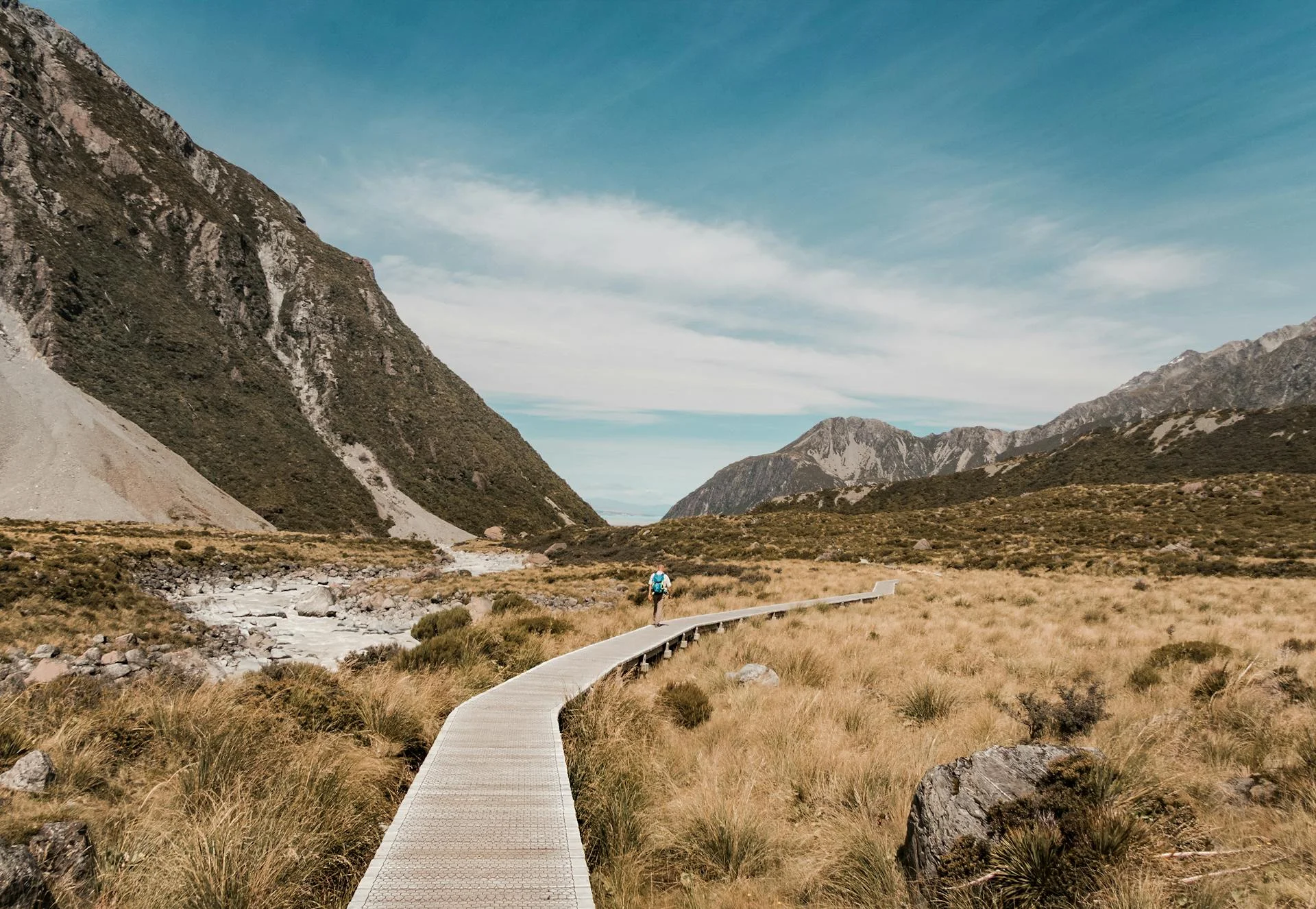
On the other side of the world, there’s a country that feels as if nature has kept it aside just for the boldest travellers. New Zealand is a destination where, in just a few hours, you can go from the tropical North Island to the alpine landscapes of the South Island, spend the evening soaking in geothermal hot springs, and wake up the next morning to discover fjords that look like they belong in a fantasy world.
This remote island nation isn’t just a traveller’s dream – it’s a place where every type of traveller finds something to love, from adrenaline-fuelled adventure sports and peaceful nature hikes to diving deep into rich Māori culture. In this guide, you’ll find everything you need to plan a trip to New Zealand completely on your own, without a single doubt about what to do next.
Did you know that New Zealand is the only country in the world where, while travelling, you can see more bird species than mammals?
History of New Zealand
Arrival of the Polynesians and the rise of Māori culture
The story of New Zealand is one of the most fascinating settlement stories in human history. While the first contacts of Polynesians with the islands took place around the year 1280, the main wave of settlement – now known as the “Great Migration” – happened between 1320 and 1350. These bold seafarers later became known as the Māori, named after the giant flightless birds called moa that once lived on the islands in large numbers. During the first few centuries, Māori quickly spread across both islands and began building permanent settlements, including fortified villages. Over time, distinct tribes – called iwi in the Māori language – emerged and often clashed with one another in battle. This development led to a rich and stratified Māori society with a complex hierarchy, where each tribe fiercely protected its territory and traditions.

A key part of Māori identity was the tattooing tradition known as tā moko, which carried deep social and spiritual meaning. These tattoos were far more than decoration – they were a visual record of a person’s genealogy and status within the tribal hierarchy, carved into the face or body with special bone chisels. Men commonly wore moko on their faces, buttocks and thighs, while women were mainly tattooed on their lips and chins. Knowledge and traditions were passed down orally by selected members of the tribe, known as tohunga, who were dedicated to preserving historical records.
Arrival of Europeans and British colonisation
A major turning point in New Zealand’s history came in the 18th century, when the first European sailors arrived. From then on, the islands saw a growing influx of British settlers, who brought with them weapons and diseases that gradually decimated the Māori population and their traditions. The first missionary to reach New Zealand was the Englishman Samuel Marsden in 1814. Step by step, the country moved towards a crucial moment – the year 1840 – which would change everything.
In 1840, a key treaty was signed at Waitangi between representatives of roughly 500 Māori tribes and the British Crown. Under this treaty, New Zealand was to fall under British rule, while Māori were to be guaranteed ownership of their land, forests and water. For non-Māori, the British used the word Pākehā. Reality, however, turned out to be very different. Over time, the British became far more aggressive and systematically began to strip Māori of their ancestral lands.
In the Taranaki region in particular, where war broke out around 1864, large areas of Māori land were confiscated as a form of “punishment”. These historical injustices still resonate strongly in Māori communities today. It was not until the second half of the 20th century – specifically in the 1970s – that an indigenous rights movement emerged, culminating in 1975 with the “Treaty of Waitangi Act”, which granted Māori the right to reclaim land they had owned at the time the original treaty was signed.
Location, geography and climate
Location and geography
New Zealand is located in the Southern Hemisphere, roughly 2,000 kilometres (about 1,240 miles) southeast of Australia, in the Pacific Ocean. The country consists of two main islands – the North Island and the South Island – separated by Cook Strait. New Zealand’s total area is about 267,000 square kilometres, making it roughly the same size as Great Britain. The North Island, home to the largest city Auckland and the capital Wellington, has around 3.7 million inhabitants and is generally seen as more developed and easier to get around.
The South Island, slightly larger but more sparsely populated, is famous for its dramatic natural scenery – especially the Southern Alps, which run the length of the island. Geographically, New Zealand is shaped by mountains and volcanoes, with the Southern Alps reaching heights of over 3,700 metres. The North Island has several active volcanoes, the best known being Mt. Tongariro (famous as “Mount Doom” from The Lord of the Rings film trilogy) and Mt. Ngauruhoe. Beyond the mountains, there are also lakes – the largest is Lake Taupo on the North Island and Lake Wakatipu near Queenstown in the South. New Zealand’s coastline is incredibly varied – from sandy beaches and rocky headlands to fjords, the most famous of which is Milford Sound, with its sheer cliffs rising straight out of the sea.
Climate and weather
New Zealand lies in a temperate climate zone, with the northernmost areas reaching into a subtropical climate. A key – and often surprising – factor is that the seasons in the Southern Hemisphere are reversed, so when it’s winter in the Czech Republic, it’s summer in New Zealand. The mild oceanic climate keeps temperatures in a comfortable range – winters are not extremely cold and summers are not unbearably hot. The warmest months are December, January, and February (summer), while the coldest are July and August (winter).
Prevailing westerly winds bring plenty of rainfall throughout the year, especially to the western side of the islands. Because of the geography, the climate varies a lot between regions – the North Island is generally warmer and more humid, while the South Island tends to be cooler and more changeable. The South Island is strongly influenced by Antarctica, which means snow is possible in winter, especially in the mountains. The west coast of the South Island is home to some of the rainiest places on Earth.
Table: Monthly temperatures and weather
| Month | Average daytime temperature (°C) | Average night-time temperature (°C) | Typical weather | Season |
|---|---|---|---|---|
| January | 20–25 | 13–18 | Warm, sunny, long days | Summer |
| February | 19–24 | 13–17 | Warm, occasional rain | Summer |
| March | 17–22 | 12–16 | Pleasant, gradually cooler | Autumn |
| April | 14–19 | 10–14 | Changeable, cooler | Autumn |
| May | 11–16 | 8–12 | Cool, more rain | Autumn |
| June | 8–13 | 5–10 | Cold, occasional snow in the mountains | Winter |
| July | 8–13 | 5–10 | Coldest month, snow possible | Winter |
| August | 9–14 | 5–11 | Still cold, nature starts to wake up | Winter |
| September | 11–17 | 7–12 | Cool, but sunnier | Spring |
| October | 14–21 | 9–14 | Warm, everything in bloom | Spring |
| November | 16–23 | 11–16 | Mild, sunny | Spring |
| December | 19–25 | 13–17 | Warm, start of summer | Summer |
When to go: The best time to visit
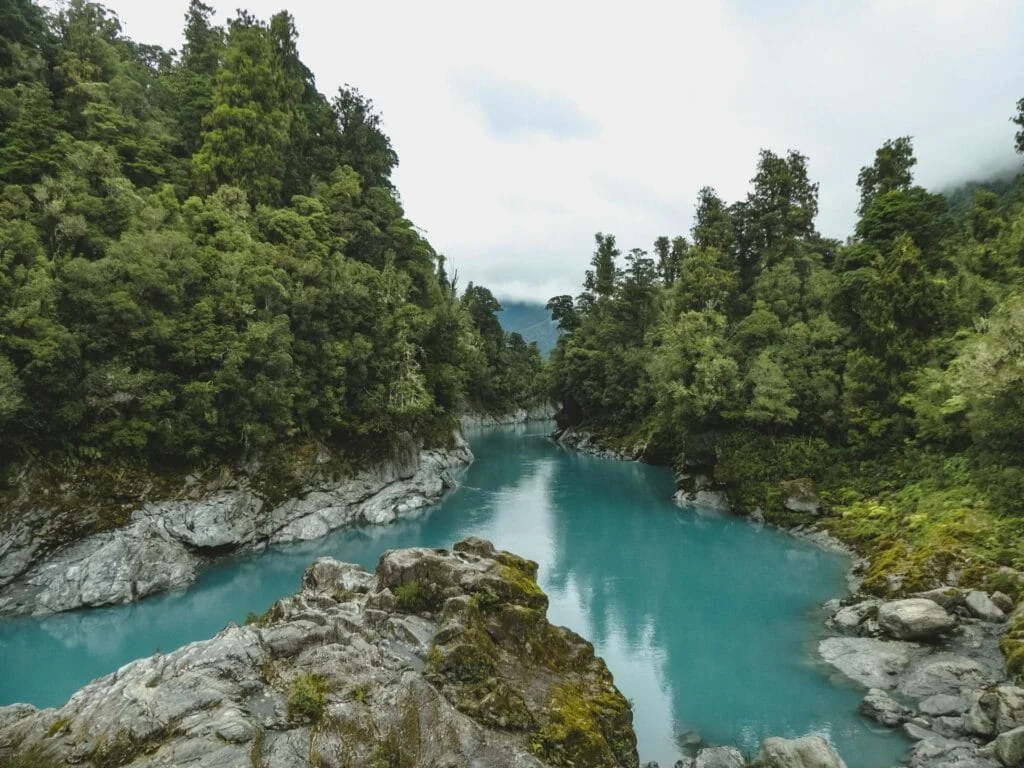
The best time to visit New Zealand depends on the activities and experiences you’re after. For most travelers, the ideal time is from September to November (spring) and from March to May (autumn), when the weather is pleasant, temperatures are mild, and the landscape is either bursting into bloom or glowing with autumn colors. There are also fewer tourists than in peak season, so it’s easier to find flights, book accommodation, and enjoy nature without the crowds.
The summer months (December to February) are the busiest and most expensive, but they offer long sunny days, perfect conditions for camping, and every kind of water activity. It’s also when New Zealand has school holidays. For Czechs who want to spend Christmas in summer, this period is an ideal choice.
For mountain sports and skiing enthusiasts, winter (June to August) is unbeatable, when some alpine resorts – especially Queenstown and Wanaka on the South Island – offer excellent skiing conditions. If you’re considering a Working Holiday visa (which the Czech Republic offers to young travelers), you should know that the quota usually opens at the beginning of March and is often filled within a few hours, so make sure you’re prepared in advance.
Regions and types of destinations
North Island: Culture, volcanoes, and beaches
For a first trip to New Zealand, the North Island is often the best place to focus on. It’s home to the country’s two most important cities – Auckland in the north and Wellington in the south – which are New Zealand’s cultural and commercial hubs. Auckland is the largest city in New Zealand with around 1.6 million residents. It’s a modern, vibrant city with a fascinating restaurant scene, museums, and distinctive architecture. The capital city Wellington, located on the southwestern tip of the North Island on the shores of the Cook Strait, is the southernmost capital city in the world. Wellington is noticeably smaller and calmer than Auckland, but makes up for it with a lively cultural scene, galleries, and excellent local restaurants.
Between the two cities lies the inland North Island, home to unique natural phenomena and cultural treasures. The town of Rotorua in particular is a center of Māori culture and one of the largest geothermal areas in the world. The North Island is also home to several national parks and famous hiking routes, including the Tongariro Northern Circuit and Lake Waikaremoana.
South Island: Nature at its most spectacular
The South Island is widely seen as the heart of New Zealand’s natural beauty. It offers a dramatic landscape of fjords, glaciers, and the towering peaks of the Southern Alps, which rise straight out of the sea and feel like something from a fantasy world. Christchurch, the largest city on the South Island, is the main hub for exploring the southern region. Queenstown, a small town surrounded by mountains and lakes, has in recent decades become synonymous with adrenaline sports and outdoor adventures. Milford Sound, a fjord in the southwest of the island, ranks among the most stunning natural wonders on the planet and is often described as one of those places you have to see to feel truly alive.
Most famous landmarks and cities
Auckland: Gateway to New Zealand
For most travellers, Auckland is their first taste of New Zealand. The city stretches between two harbours and offers plenty of attractions – from the Sky Tower dominating the skyline, to museums and galleries, through to beautiful parks and nearby beaches. Key highlights include the Auckland War Memorial Museum and a trip to Mission Bay, where you can swim and unwind.
Wellington: A city with soul and creative energy
Wellington is not just the capital – it’s one of New Zealand’s most cultural cities. It’s closely tied to art, film, and music. Visitors enjoy its museums (including Te Papa, the national museum), cafés, wine bars, and restaurants. The view from the Cable Car offers a stunning panorama of the city and the surrounding hills.
Rotorua: A hub of Māori culture and geothermal wonders
Rotorua is a must-visit if you want to understand Māori culture. The city is known for the sulphur smell from its geothermal springs and locals call it “Sulphur City”. Here you’ll find geothermal areas such as Wai-O-Tapu with strikingly colourful pools and geysers, including the famous Champagne Pool and the Lady Knox geyser. Māori villages around Rotorua offer authentic cultural experiences, including traditional evenings with music, haka dance, and local customs. Hāngī – a Māori dish cooked in an earth oven – is a unique experience you really shouldn’t miss here.
Christchurch: A city of renewal
Christchurch was hit by a devastating earthquake in 2011 that destroyed a large part of the city. Today it is slowly coming back to life and shaping a new identity. The city centre is now a more modern space with container shops and galleries, while the surrounding neighbourhoods and the botanic garden are well worth a visit. Christchurch is also the main starting point for exploring the South Island.
Queenstown: The adrenaline capital
Queenstown is a town that has made it its mission to deliver unforgettable adrenaline experiences to travellers. Bungee jumping, paragliding, jet boating and mountain biking are just a few of the activities on offer here. The town is also surrounded by stunning scenery – Lake Wakatipu and The Remarkables mountain range are incredibly photogenic spots. The Ben Lomond Trek is a one-day hike that takes you to a 1,748-metre summit with a 360° panorama.
Natural wonders and national parks
Milford Sound: The most beautiful fjord in the world
Milford Sound, a fjord in the southwest of the South Island, is probably the most photogenic place in New Zealand. It lies in Fiordland National Park, which is part of the Te Wāhipounamu UNESCO World Heritage Area. The fjord is a deep inlet carved out by glaciers in the past. Sheer cliffs rise straight out of the sea to more than 1,000 metres, and when it rains, powerful waterfalls such as Lady Bowen Falls and Stirling Falls tumble down their faces. The best way to experience Milford Sound is on a boat cruise through the fjord. The access road, Milford Road, is 119 kilometres long and is considered one of the most scenic drives in the world.
Tongariro National Park: Mount Doom
Tongariro National Park, established in 1887, is the oldest national park in New Zealand and the fourth oldest in the world. The entire area is protected by UNESCO. The park is home to the volcanoes Mt. Tongariro and Mt. Ngauruhoe – two New Zealand icons you may recognise from The Lord of the Rings films as “Mount Doom”. The Tongariro Alpine Crossing is one of the most famous one-day hikes in New Zealand – the 19.4-kilometre route leads through a volcanic landscape past the Blue Lake, the Emerald Lakes and other spectacular viewpoints. The hike usually takes 7–8 hours and, due to the elevation and rocky terrain, is physically demanding, but the views more than make up for the effort.
Fiordland National Park: Canyons and glaciers
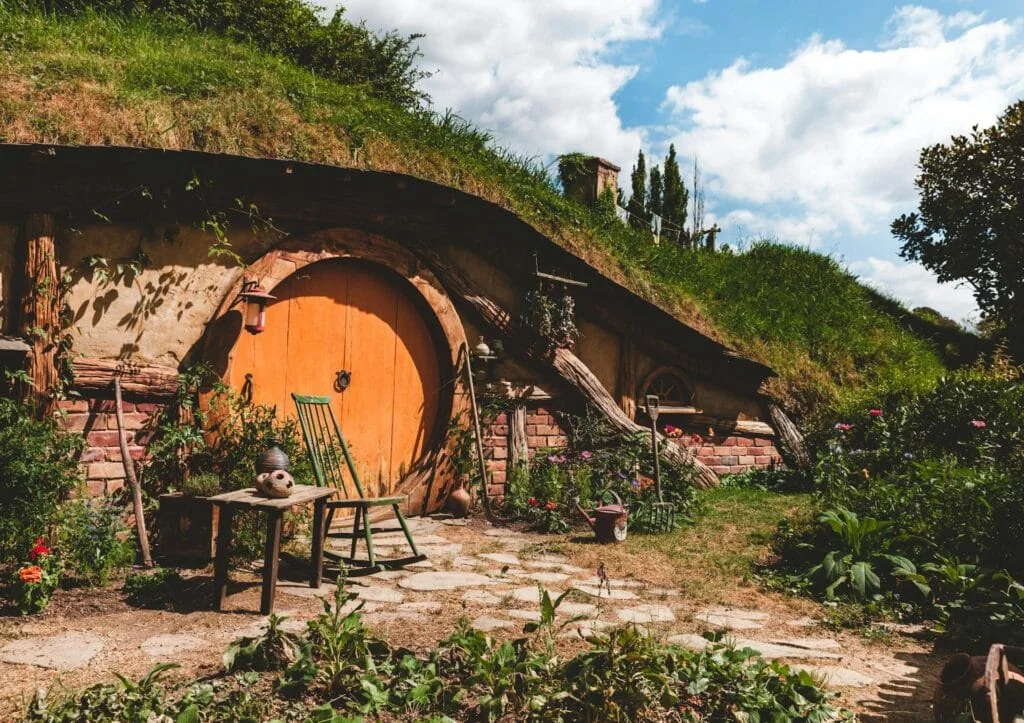
Fiordland is one of the largest national parks in New Zealand and is home not only to Milford Sound, but also to several other fjords and glaciers. Doubtful Sound and Dusky Sound are two more gateways into this remote wilderness. The Milford Track, a 60-kilometre hike over 3–4 days, is one of the best-known multi-day treks in New Zealand and finishes right at the famous Milford Sound. The track is extremely popular and spots need to be booked months in advance.
Abel Tasman National Park: Beaches and forest landscapes
Abel Tasman National Park, covering just 225 square kilometers, is the smallest yet one of the most visited national parks in New Zealand. It lies on the northern coast of the South Island and is famous for its golden beaches, rugged shoreline, and lush forest scenery. The Abel Tasman Coast Track is a 60-kilometer hike that’s suitable even for less experienced walkers, as most of the route follows the coastline at sea level and runs along the beaches. You can shorten parts of the trail by taking a water taxi or going by kayak. The park is also home to seals and dolphins, which you can often spot on boat trips.
National Parks – Nature Conservation
New Zealand has a total of 13 national parks, each offering something unique. Their main purpose is to protect native flora and fauna and provide a safe habitat for endangered species.
The Most Beautiful Beaches
Piha Beach: Black Sand and Raw Power
Piha, a beach not far from Auckland on the North Island, is known for its black volcanic sand and powerful surf. This isn’t a place for lazy sunbathing – it’s a place that buzzes with energy. The beach is ideal for surfers, but also for regular travelers who want to experience the wilder side of New Zealand’s coastline. Strong currents and big waves make this beach truly breathtaking.
Beaches in Northland: Sand Dunes and Peace
In the far north of the North Island you’ll find many beaches with huge sand dunes, which you can explore on foot or try sandboarding. These beaches are much more relaxed and welcoming than Piha.
Akaroa: Historic Charm
Akaroa, a small harbour town near Christchurch on the South Island, offers picturesque beaches and a historic feel. The surrounding waters are home to dolphins and seals, which you can see on organized boat tours.
Onetahuti Beach in Abel Tasman: Golden Perfection
Abel Tasman National Park is dotted with stunning beaches, and Onetahuti Beach is one of the very best. Its golden sand, turquoise water, and quieter atmosphere with fewer visitors make it an ideal spot to unwind.
Activities and Fun
Trekking and Hiking
New Zealand is a paradise for trekking enthusiasts. The “Great Walks” are the country’s most famous and scenic multi-day trails. They include the Tongariro Alpine Crossing (a one-day hike), the Milford Track (3–4 days), Lake Waikaremoana (3 days), and the Whanganui Journey (3–5 days by kayak). Beyond these iconic routes, there are hundreds of other tracks, from short two-hour walks to multi-day adventures.
Bungee jumping and extreme sports
Queenstown is the world’s bungee jumping capital. Kawarau Bridge Bungy is the place where this thrill first started. Nearby you’ll find Shotover Canyon Swing, which gives you a real free-fall sensation. Paragliding, rafting and jet boating are more high-adrenaline experiences you can try here.
Water sports and kayaking
Kayaking in Abel Tasman National Park or paddling on the lakes are very popular activities. You can also explore Milford Sound by boat or by kayak.
Wildlife watching
Kaikōura on the South Island is world-famous for whale watching. Here you can buy tickets for organised cruises where you’ll see sperm whales and dolphins. Stewart Island is one of the best places to spot New Zealand’s iconic kiwi bird in the wild.
Mountain biking
New Zealand is a real mecca for cyclists. Queen Charlotte Track and Heaphy Track rank among the most popular cycling routes. The mountains and bush are perfect terrain for mountain biking.
Winter sports
Besides skiing in Queenstown and Wanaka, there’s a lot more to do in winter – snowboarding, snowmobiling and even “snow rafting”.
Food and culture
Typical food and drinks
Hāngī is a traditional Māori dish cooked in an earth oven. A pit is dug, stones are heated until they’re red hot, and wrapped meat and vegetables are placed on top. Everything is then covered and left to cook for several hours. The result is incredibly tender, fragrant meat with a deep, smoky flavour.
Fish and chips is a go-to takeaway meal that you’ll find almost everywhere. A local favourite is the corn dog on a stick – a deep-fried sausage coated in batter. Pies – puff pastry pies with a savoury filling – are ideal for a quick snack. The most common options are Mince and Cheese or Steak and Kidney. Hokey Pokey is a local ice cream classic you really shouldn’t skip. It’s vanilla ice cream with crunchy chunks of honeycomb toffee.
New Zealand fruit is outstanding – golden kiwifruit is sweeter and smoother than the green variety and is well worth trying. Feijoa, an exotic fruit with a flavour reminiscent of strawberries and pineapple, is grown mainly in New Zealand and South America. New Zealand wine is highly regarded worldwide, especially Sauvignon Blanc from the Marlborough region. The local beer scene is strong as well. New Zealand lamb is fresh, top quality and highly valued by restaurants. Whitebait is a seasonal delicacy – tiny fish that are fried and served as a tasty snack.
Dining tips
In restaurants you usually wait to be seated by the staff. Breakfast is typically served from about 7–8 a.m., lunch starts around noon and dinner from 6–7 p.m. In New Zealand, coffee is often served as a small, strong coffee called a flat white. Tipping is neither automatic nor required. If you feel the service was outstanding, you can leave a few dollars, but it’s not standard practice.
Māori culture and festivals
Māori culture is a key part of New Zealand’s identity. Haka is a traditional war dance you may have seen performed by the New Zealand rugby team (the All Blacks) before a match. In cultural centres you can experience the haka in an authentic setting. Hongi is a traditional Māori greeting where people press their foreheads and noses together – it symbolises a meeting of souls and mutual respect.
Tā moko – Māori tattooing – is once again a popular way to express cultural identity, although it is no longer done with traditional bone chisels but with modern tattoo machines. Tamaki Māori Village and Mitai Māori Village are places where you can immerse yourself in authentic Māori culture, try traditional food and watch traditional dances.
Key practical information
Currency and payments
The local currency is the New Zealand dollar (NZ$ or NZD). One New Zealand dollar is divided into 100 cents. Coins come in 10, 20 and 50 cent denominations, as well as 1 and 2 dollar coins. Banknotes are available in 5, 10, 20, 50 and 100 dollar values. The exchange rate is roughly around $0.07–$0.08 for 1 NZD (rates change, so check the current rate before you fly).
Card payments are very common and VISA and MasterCard are widely accepted. ATMs are available in every larger town and increasingly in smaller villages too. It’s still a good idea to carry some cash, as a few smaller places may only accept cash payments. Tipping is not compulsory and is not a common habit as it is in some other countries.
Entry requirements and visas
Czech citizens do not need a visa for a short tourist trip to New Zealand, but they must obtain an electronic travel authorisation called NZeTA (New Zealand Electronic Travel Authority) in advance. You apply for NZeTA online via the Immigration New Zealand website. A tourist tax is included as part of the process. Once approved, NZeTA is valid for two years and allows multiple entries. However, each stay must not exceed 90 days.
Documents you will need:
- A valid passport (valid for at least 3 months after your planned departure)
- Proof of return flight purchase
- Proof of sufficient funds
- An approved NZeTA
You’ll usually get a response within 72 hours. If you forget to arrange your NZeTA before you travel, you won’t be allowed to board the plane!
If you want to work and travel for up to 12 months, you can apply for a Working Holiday visa. The Czech Republic has 1,200 visas available per year, the quota usually opens at the beginning of March and is often gone within a few hours. You must prove that you have at least 4,200 NZD in your account plus enough money for a return ticket.
Safety and local customs
New Zealand is one of the safest countries in the world. Serious crime and attacks on tourists are very rare. Still, as everywhere else, it’s wise to use common sense and not leave valuables unattended in your car or campervan.
There are no venomous snakes or dangerous insects in New Zealand. The only real nuisance are sandflies – their bites itch far more than mosquito bites and take much longer to heal. They are most common on the West Coast of the South Island in summer. Use insect repellent for protection.
Earthquakes are common in New Zealand, but they usually don’t pose a serious risk. There are also several active volcanoes, but they do not represent an immediate threat to travellers. New Zealand culture is very informal and friendly. It’s normal for people to call each other by their first names, even in professional settings.
Healthcare and vaccinations
There are no tropical diseases in New Zealand. No vaccinations are mandatory, but it’s recommended to have basic vaccinations against hepatitis A and B. Healthcare is high quality but can be expensive for visitors, so it’s strongly recommended to have travel insurance. In an emergency, call 111 or go to the nearest hospital.
Fauna and flora
New Zealand is home to unique wildlife that evolved in isolation from the rest of the world. The most famous animal is the kiwi – a flightless, nocturnal bird with a long beak and feathers that look more like fur. The kiwi is a national symbol of New Zealand, but sadly it is threatened by introduced predators.
Other unique birds include the kea – a mountain parrot that lives in the cold alpine regions of the South Island and is known for its intelligence and curiosity. The kakapo is one of the most endangered bird species on Earth. The tuatara is a rare reptile similar to a lizard that lives only in New Zealand.
When it comes to mammals, there were almost none in New Zealand’s original wildlife – except for bats. After the arrival of the Polynesians and later Europeans, species like stoats, ferrets, hedgehogs and rodents were introduced – and all of them became invasive. Interestingly, the invasion of the brushtail possum turned out to be such a serious problem that there are now over 30 million of these animals in New Zealand. Controlling their numbers is essential to keep nature in balance. In the sea you can encounter dolphins, seals and whales. The highest concentration of whales is around Kaikōura, where organised whale-watching cruises are available.
Basic phrasebook
| Czech phrase | English translation |
|---|---|
| Hello | Good morning/afternoon |
| Good evening | Good evening |
| Good night | Good night |
| How are you? | How are you? |
| Thank you | Thank you |
| Please | Please |
| Sorry | Sorry/Excuse me |
| I don't speak English | I don't speak English |
| How much does it cost? | How much does it cost? |
| Where is the toilet? | Where is the toilet? |
| Help! | Help! |
| Danger | Danger |
| Water | Water |
| Food | Food |
| Beer | Beer |
| Coffee | Coffee |
| Tea | Tea |
| Bus | Bus |
| Taxi | Taxi |
| Hotel | Hotel |
| Beach | Beach |
| Mountains | Mountains |
Transport and logistics
How to get to the country
The main airports for arriving in New Zealand are Auckland International Airport (on the North Island) and Christchurch International Airport (on the South Island). Auckland is traditionally the main gateway because it has more international connections. Christchurch is a good choice if you plan to spend more time on the South Island.
A flight from the Czech Republic to New Zealand usually takes 20–30 hours including layovers, most often via Dubai, Singapore or Kuala Lumpur. A return ticket typically costs around $1,050 to $1,400, depending on the season and how far in advance you book. If you buy your ticket 6 months ahead, you can save a lot.
Transport within the country
Renting a car is the most popular way to travel around New Zealand because it gives you maximum freedom. You can rent a car at the airport or in individual cities. Rental companies like Thrifty, Avis and others have branches all over the country.
Rental prices range from roughly $22–35 per day for a small car up to $65 and more per day for an SUV. Prices go up in peak season (December to February). October is usually the cheapest month to rent.
Important information about driving:
- Driving is on the left
- An International Driving Permit or an official translation of your Czech driving licence is required
- Speed limits: 50 km/h in towns and cities, 100 km/h on highways
- Parking in city centres is usually paid
- Fuel is sold by the litre and is more expensive than in the Czech Republic
Many travellers choose to buy or rent a campervan – a motorhome that also serves as your accommodation. Rental prices vary by size and season. Buying a campervan is often better value for long-term travel (3+ months). Countless travellers buy a vehicle and sell it on to another traveller at the end of their trip.
Intercity buses connect all major cities and many smaller destinations. The best-known company is Intercity. Prices range from 20 to 100 NZD depending on distance. Buses are budget-friendly, but journeys take longer.
New Zealand has limited rail connections, but some routes are very scenic and popular. TranzAlpine is a famous route between Christchurch and Greymouth, takes about 5 hours and is considered one of the most beautiful train journeys in the world.
Ferries connect the North and South Islands. The main route runs between Wellington (North Island) and Picton (South Island). Prices are usually around 50–150 NZD depending on the vehicle and number of passengers.
Domestic flights between cities are relatively cheap and an efficient way to cover long distances. Air New Zealand and Jetstar are the main airlines.
Costs and trip budget
Budget categories
New Zealand is not a cheap destination, but prices vary a lot depending on your travel style.
Daily budget: roughly 50–70 NZD per person
- Hostel accommodation (backpacker): 25–35 NZD/night
- Self-catered food (supermarkets): 20–30 NZD/day
- Activities: free (hikes, beaches, parks)
Note: This budget assumes you’ll be camping or staying in hostels, cooking for yourself, and skipping more expensive activities.
Daily budget: around 100–150 NZD per person
- Motel or private room: 80–120 NZD/night
- Food: mix of eating out and cooking (40–60 NZD/day)
- Activities and entrance fees: 20–40 NZD/day
Daily budget: roughly 250+ NZD per person
- Hotel: 150+ NZD/night
- Quality restaurants: 80+ NZD/day
- Paid activities and attractions: 50+ NZD/day
Sample prices
- Glass of beer: 8–12 NZD
- Cup of coffee: 5–6 NZD
- Main course in a restaurant: 30–50 NZD
- Museum entry: 15–25 NZD
- Bungee jump in Queenstown: 200+ NZD
- Car rental (small car): 50–70 NZD/day
Money-saving tips
- Book your flight well in advance.
- Travel outside the peak season (December–February).
- Stay in hostels or campsites.
- Cook your own meals.
- Look for activity bundles and discounted entry tickets.
- Use shared transport options.
How to plan the perfect trip
Choosing the right region for your travel style
I recommend starting on the North Island, where destinations are less physically demanding and the city infrastructure is better. Your itinerary could look like this: Auckland (2 days) → Rotorua (3 days for Māori culture and geysers) → Wellington (2 days) → ferry to the South Island → Christchurch (2 days) → Queenstown (3–4 days).
Focus on less physically demanding activities, quieter beaches, and museums. Abel Tasman is a great choice, as well as some of the lower-altitude hikes.
Hostels are an ideal place to meet other travellers. A working visa lets you stay longer and work while you travel. Socialising here usually happens very naturally.
Focus on calmer activities, beaches, and cities. Renting a car is more comfortable than a campervan. Wellington and Auckland have good public transport.
Common mistakes
- Mistake: “I have to see everything in 2 weeks.” Reality: New Zealand is large and you lose a lot of time on long drives. It’s better to spend more time in fewer places.
- Mistake: “Summer is always best.” Reality: Summer is the most expensive and the busiest. Spring and autumn are just as beautiful and much quieter.
- Mistake: “I don’t need to book accommodation in advance.” Reality: In peak season, accommodation sells out very quickly. Book at least a few weeks ahead.
- Mistake: “I can rent a car without knowing the rules.” Reality: People drive on the left. Spend the first few minutes getting familiar with the car and the local road rules.
Sample itineraries
Days 1–2: Auckland, visit Sky Tower, beaches
Days 3–4: Rotorua, Wai-O-Tapu geysers and Māori culture
Days 5–6: Wellington, Te Papa museum, coffee scene
Day 7: Ferry from Wellington to Picton
Days 8–9: Abel Tasman National Park, coastal hike
Days 10–11: West Coast (glaciers) or Christchurch
Days 12–14: Queenstown, Milford Sound, adventure sports
You can add more time in each place, visit Tongariro National Park and Lake Waikaremoana on the North Island, spend longer in Fiordland, visit Kaikōura for whale watching, and fit in more hikes and activities.
Start in September/October (spring), work during the season (fruit picking, hotel jobs), and travel in spring and summer. This lets you stay longer and keep your costs down.
Summary and final tip
New Zealand is a traveller’s dream that can easily become reality if you plan it well. This country offers natural beauty you won’t find anywhere else – from dramatic fjords and volcanic landscapes to remote, empty beaches. At the same time, you can experience rich Māori culture in an authentic way, not just through museums. There’s an endless list of activities and experiences, so every type of traveller will find something that fits.
When planning your trip, keep in mind that you don’t have to see everything at once – New Zealand is a place worth visiting more than once. Give yourself enough time, don’t set overly ambitious itineraries and leave some room for surprises along the way. The Māori greeting Hongi – touching foreheads and noses – symbolises the meeting of souls, and that’s exactly the spirit in which you should set out. Whichever region you choose, the main thing is that your trip helps you relax, discover new places and create memories that will stay with you for the rest of your life.
Kategorie:
Články (Nejnovější / Podobné)
Mauritius: A Guide to Paradise with White Beaches and Turquoise Water
9/28/2026

AdBlue made simple and clear: What every driver should know
9/25/2026
Cape Verde: Islands of Sun, Sand and Wind
9/23/2026
Seychelles: An Island Paradise in One Guide
9/21/2026
Thailand: A Complete Guide to the Land of Smiles
9/16/2026