Morocco: A Guide to the Land of Spices, Deserts and Ancient Medinas
Morocco is a country where oriental mystique meets modern energy, deserts meet mountains, and ancient medinas stand side by side with world-class resorts. This North African country, lying directly across the Strait of Gibraltar from Spain, has become one of the world’s most popular travel destinations over the past few decades.
For Czech travellers, Morocco offers an ideal mix – affordable flights, a pleasant climate, rich culture, low prices and an incredibly diverse landscape that changes within just a few hours of driving. From the blue streets of Chefchaouen and the majestic Atlas Mountains to the buzzing night-time markets of Marrakech – Morocco is ready to welcome you with the promise of an unforgettable trip.
Did you know that Morocco is the only African country whose shores are washed by both the Atlantic Ocean and the Mediterranean Sea?
History of the country – A mosaic of cultures and influences
Morocco has one of the richest histories on the African continent, which has shaped its modern face and fascinating cultural identity. The area of today’s Morocco was inhabited by Berber tribes thousands of years before the first Arab conquerors arrived. When Arab armies moved west in the 7th century, they brought Islam and the Arabic language, but the Amazigh – the original people of North Africa – never completely lost their identity. It is exactly this cultural symbiosis, where the Berber and Arab worlds have blended into an inseparable mosaic, that makes Morocco so unique.
The medieval Almohad Empire and later the Alaouite dynasty shaped the idea of Moroccan statehood. More than three centuries of French and partly Spanish colonial rule left a clear mark on the country – from architectural details to administrative traditions. After gaining independence in 1956, Morocco transformed into a modern kingdom that has cleverly combined tradition with progress. Today, Morocco proudly embraces its Arab-Berber identity, Islamic heritage and European influences, making it a fascinating bridge between continents and cultures.
For travellers, understanding these historical layers is key – when you walk through the medina of old Fez or see the massive ramparts of Essaouira, you realise that every street tells a story that has been unfolding for centuries.
Location, geography and climate
Location and geography
Morocco stretches across the northwestern corner of Africa, right where the continental landmass ends and the endless ocean waves begin. It borders Spain (across the Strait of Gibraltar), Mauritania to the south, and Algeria to the east. With an area of roughly 446,500 km², it ranks among the larger countries on the continent – it’s about the same size as Spain and around six times bigger than the Czech Republic. Morocco’s coastline runs for more than 3,000 kilometers and offers dramatic cliffs, sandy beaches, and historic port cities.
The Atlas mountain range – one of the most striking natural landmarks in North Africa – cuts through the middle of the country from the northeast to the southwest. The highest peak of the Atlas, Jebel Toubkal, reaches 4,165 meters and is a popular challenge for experienced hikers and climbers. To the east of the Atlas lies the vast Sahara with its stunning dunes, while to the west the landscape turns into greenery and fertile plains. The Draa and Ziz rivers are lifelines that bring water to the desert regions, and their valleys rank among the most exotic places travelers can experience in Morocco.
Climate and weather for travelers
Thanks to its geographical variety, Morocco has a very diverse climate. The coastal areas, especially around Tangier and Essaouira, have a mild Mediterranean climate with fairly stable temperatures all year round. The interior, particularly the lowlands around Marrakech and Fez, has a continental climate with bigger temperature swings – hot summers and cooler winters. The high Atlas mountains are covered in snow in winter and are noticeably colder, while the southern desert is extreme – unbearably hot during the day and cold at night.
The best time to visit depends on what you want from Morocco. If you’re after sunny days and strolls through the medina without sweltering heat, plan your trip between September and November or from March to May. During these months, the weather is excellent across most of the country. Summer (June to August) is very hot, especially in the desert and inland, but if you love the heat and stick to the coastal cities, you can still enjoy it. Winter (December to February) brings rain to the northern and western regions, but daytime temperatures usually stay pleasant.
| Period | Best regions | Weather | Ideal for |
|---|---|---|---|
| March–May (Spring) | All regions | Warm days (20–28 °C), mild nights | Hiking, city breaks, beaches |
| June–August (Summer) | Coast, mountains | Very hot (35–40 °C), almost no rain | Beaches, mountain trekking (higher altitudes) |
| September–November (Autumn) | All regions | Warm days (20–32 °C), pleasant nights | Desert trips, hiking, photography |
| December–February (Winter) | Coast, south (Sahara) | Mild days (15–22 °C), rain in the north | Coastal cities, Sahara without extreme heat |
Weather and when to go – Month‑by‑month guide
The weather in Morocco changes a lot from month to month – here’s a practical overview of what to expect:
| Month | Average daytime temperature | Average night temperature | Sea temperature | Note |
|---|---|---|---|---|
| January | 15–20 °C | 8–12 °C | 14 °C | Cool, occasional rain; snow in the mountains |
| February | 16–21 °C | 9–13 °C | 14 °C | Winter is ending; first signs of spring |
| March | 18–24 °C | 11–15 °C | 15 °C | Ideal weather; flowers in the mountains |
| April | 21–28 °C | 14–18 °C | 17 °C | Beautiful weather; perfect for all activities |
| May | 25–32 °C | 18–22 °C | 19 °C | Warm but not scorching; last fully ideal month |
| June | 30–38 °C | 22–26 °C | 21 °C | Very hot; summer starts; the desert is blazing |
| July | 32–40 °C | 24–28 °C | 22 °C | Hottest month; suitable mainly for coast and mountains |
| August | 32–39 °C | 23–27 °C | 23 °C | Still very hot; slowly cooling down |
| September | 28–35 °C | 20–24 °C | 22 °C | Still warm, but summer is fading |
| October | 23–30 °C | 16–20 °C | 20 °C | Autumn is stunning; ideal weather returns |
| November | 19–25 °C | 12–16 °C | 18 °C | Lovely days; cooler nights |
| December | 15–20 °C | 9–12 °C | 15 °C | Cool; winter begins; snow in the mountains |
Regions and types of destinations – Discover Morocco’s many faces
Morocco is divided into several clearly distinct regions, each with its own feel and character. When planning your trip, first decide which side of Morocco you want to experience – will you be exploring cities and culture, chasing beaches and sunshine, or heading for the mountains and wild nature?
Northern Morocco – Tradition and Coastline
Northern Morocco starts with the city of Tangier, a historic port that served as an international zone for centuries. Today, Tangier is a modern, dynamic city where oriental bazaars meet European architectural style. The city is an ideal entry point, especially if you are arriving from Spain, but you will not find as much exotic atmosphere here as further south. The real charm of the north lies in the blue medina of Chefchaouen – a town where every building is painted in different shades of blue. It is probably the most photographed place in Morocco, and for good reason – the narrow alleys and blue walls transport you to a completely different world.
You will also find the historic city of Tetouan here, with its impressive medina, or you can relax on the beaches in Asilah. The northern region is ideal for travelers who want a mix of traditional Orient with comfort and easy access.
Imperial Cities – Fes and Meknes
Fes is the oldest imperial city in Morocco and home to one of the oldest universities in the Islamic world. The medina in Fes is the largest and most complex in the country – a maze of thousands of alleys, markets, craft workshops, and palaces. When you head into the Old Medina for a day, be ready to get lost – that is exactly the point. Shops selling everything from traditional leather goods to medieval weapons will be calling you in at every step. For anyone interested in history and Islamic culture, Fes is an essential destination.
Meknes, the second imperial city, is more orderly and its medina is easier to explore. There are fewer tourists, which makes it feel more authentic. The city was founded in the 17th century and its walls and gates rank among the most impressive in Morocco.
Central Region – Marrakech and the Atlas
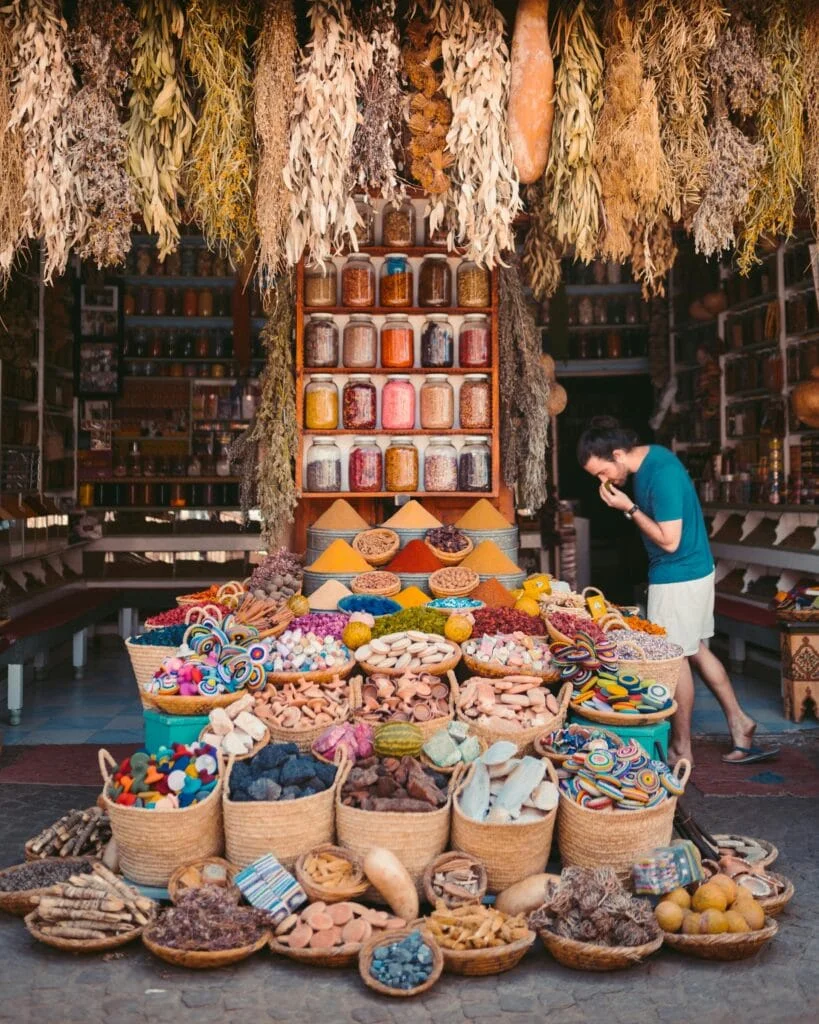
Marrakech is, for many people, synonymous with Morocco. This central city is full of energy, great food, beautiful parks, and a medina that is without question one of the most fascinating places in the country. Djemaa el-Fna square is the beating heart of the city – this is where travelers’ stories are born. The medina is packed with riads (traditional houses with inner courtyards), luxury hotels, and restaurants. Marrakech is also the main starting point for exploring the Atlas Mountains.
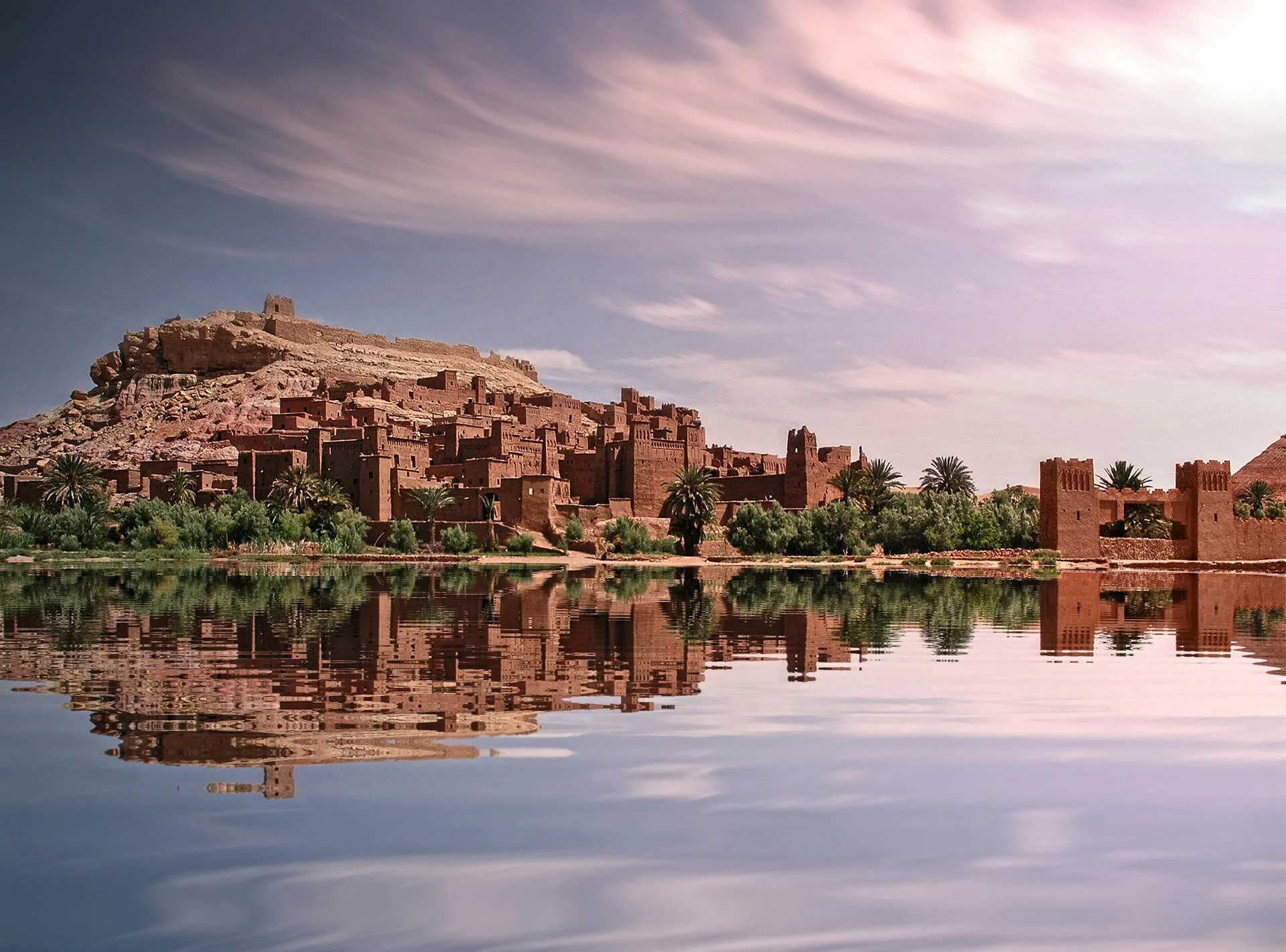
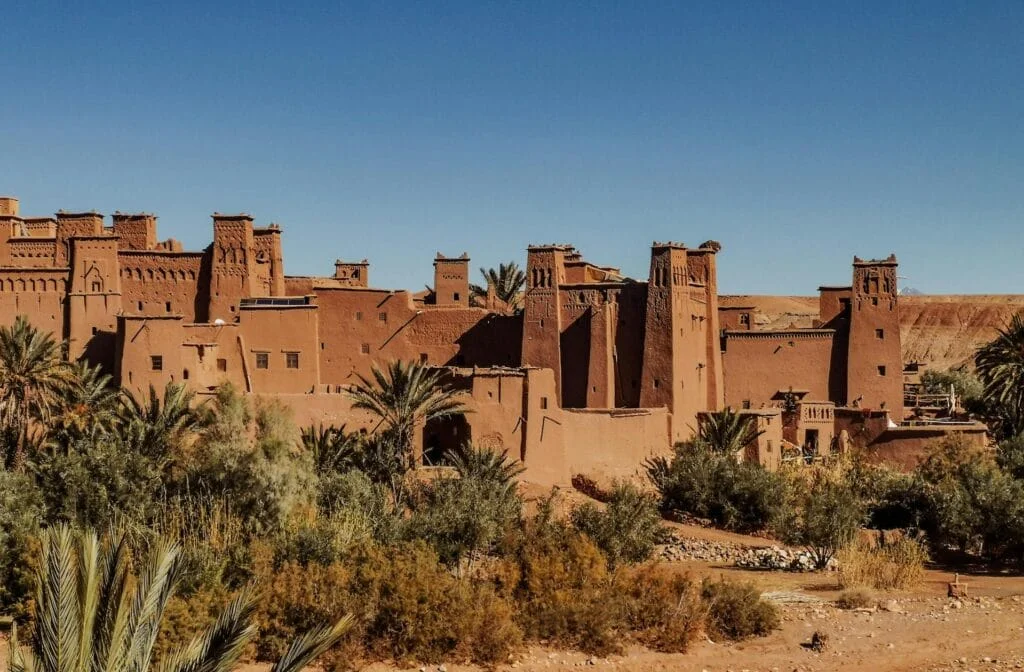
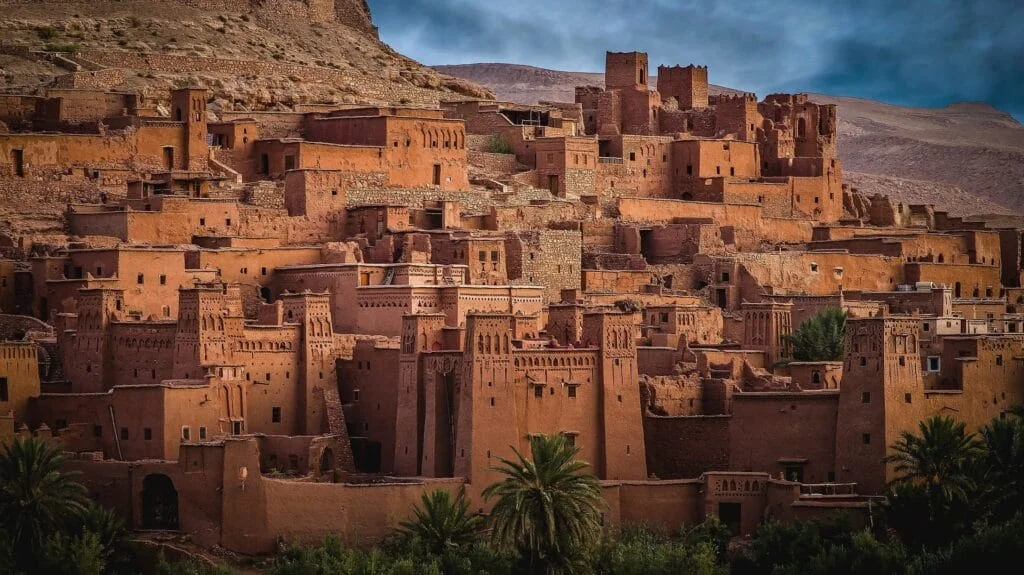
The mountain passes and valleys of the Atlas show a completely different side of Morocco. The kasbah of Aït Benhaddou – an old Moroccan town built from clay – looks like something out of a fairy tale (and many films have actually been shot here). The Draa Valley, with its lush palm groves in the middle of the desert, is a magical place for relaxing and walking.
Southwest Coast – Essaouira and Beyond
Essaouira is a coastal town with a unique charm – the breeze, relaxed vibe, and strong Atlantic wind set it apart from other places in Morocco. The town has historic fortifications, beautiful beaches, and countless restaurants serving fresh fish. It’s an ideal place to unwind and take a break from the hustle of the inland cities.
Further south lies Agadir, a large resort city with long sandy beaches that has become a popular destination for a laid-back beach holiday. Although it feels less authentic, it offers every comfort for those who mainly want sun and sea.
Southern Morocco – Sahara and Todra Gorge
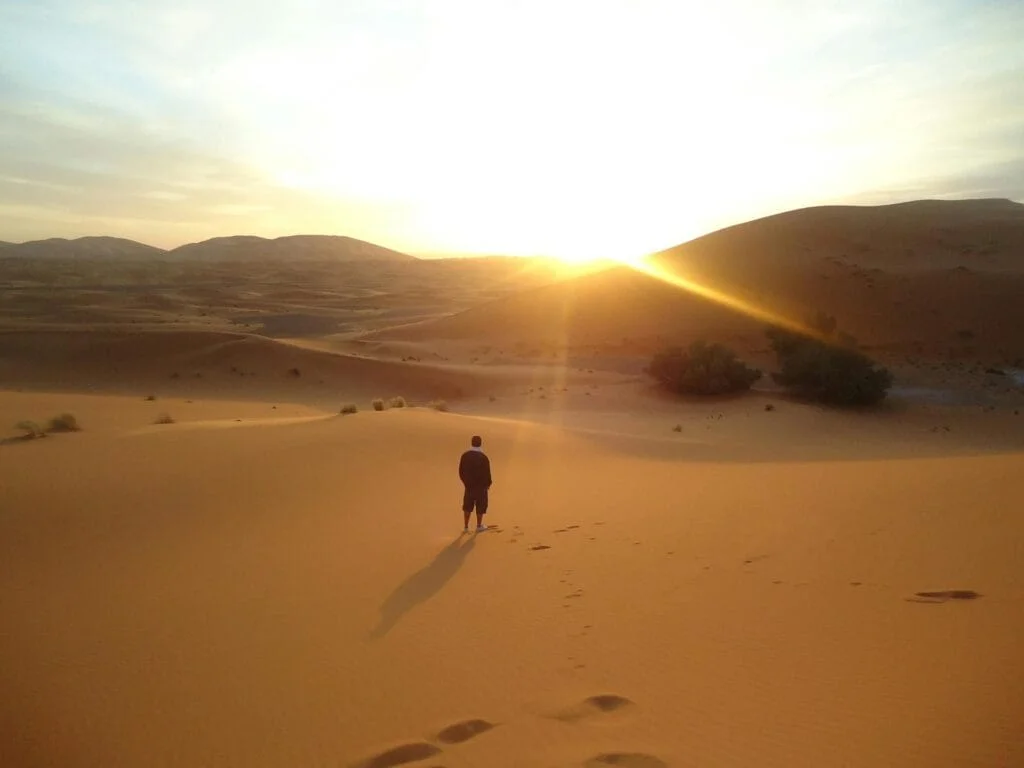
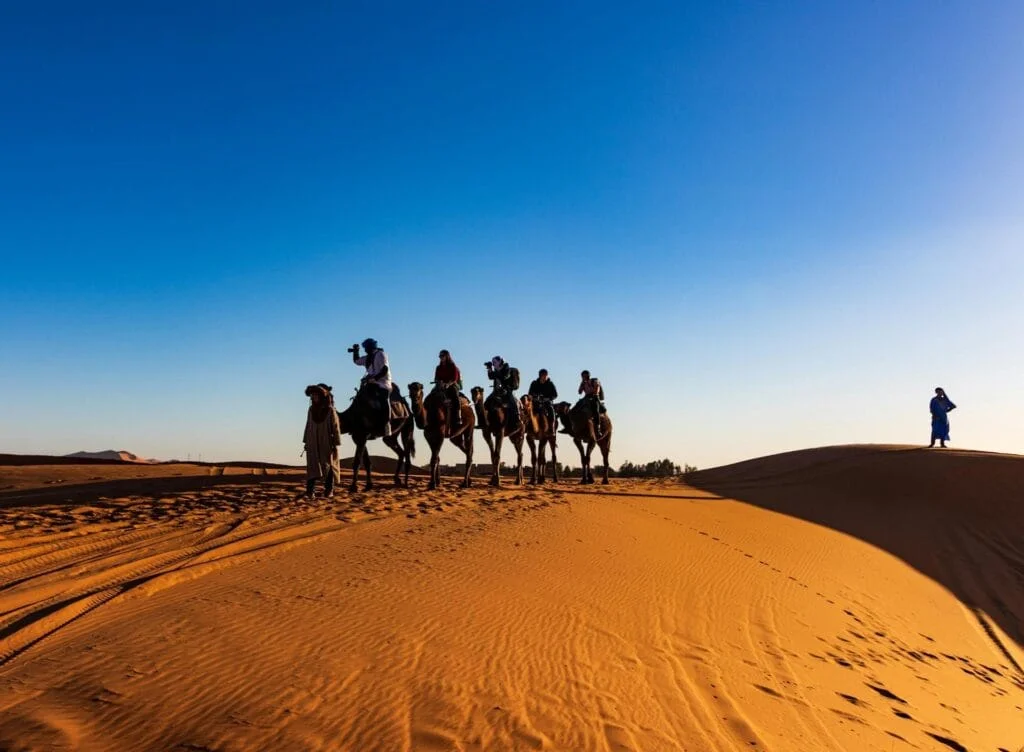
The Todra Valley is a spectacular gorge with towering red cliffs – a stunning spot for hiking and photography. Nearby you’ll find the Dadès Valley with similarly dramatic scenery. To the southeast stretches the Sahara, which you can explore from the towns of Merzouga or Zagora. Spending the night in a Bedouin tent under the stars and riding a camel across the dunes are experiences you’ll remember for the rest of your life.
Most famous landmarks and cities
The medina in Marrakech is one of the best-preserved medieval cities in North Africa. The red walls surrounding the old town stretch for 19 kilometers, and its gates rank among the most impressive structures in the country. A walk through the maze of narrow streets leads to traditional riads, which once served as residences of wealthy merchants and are now often converted into hotels and restaurants. Djemaa el-Fna, the main square of the medina, is one of the liveliest places on earth – you can buy traditional tea here, watch snake charmers, and get swept up in the energy of thousands of visitors and locals. UNESCO has rightly listed it as a World Heritage Site.
The medina in Fes, founded in the ninth century, is the largest and oldest medina in Morocco. Walking here feels like stepping back in time – the streets are too narrow for cars, and traditional artisans continue the same crafts as they did centuries ago. Tanning is one of the most famous trades – leather has been processed here using traditional methods for thousands of years. It’s almost impossible to walk through the medina without a guide and not get lost, but that very sense of wandering is part of the experience – it’s about exploring and discovering. Thanks to its cultural richness, Fes is sometimes called the “Athens of Morocco”.
Chefchaouen, often called the “Blue City”, is a northern Moroccan town born from legends. Every building is painted in different shades of blue – from pale sky blue to deep royal blue. The city was founded in the fifteenth century as a refuge for displaced people and has kept its ancient character to this day. You’ll get the best photos early in the morning, when the town is quiet and the light is soft. Local cafés serve ginseng tea and traditional Moroccan mint tea. Chefchaouen is also a popular spot for trekking fans, as Mount Jebel el-Kelaa offers stunning views.
Aït Benhaddou is an ancient kasbah (fortified village) built from mudbrick using traditional construction methods. This UNESCO-listed site is the archetype of a traditional North African settlement and was once home to wealthy merchants. When you visit, you’ll get a sense of how medieval towns were built and how people adapted their lives to such an unpredictable climate. Terraces and narrow lanes were designed to maximise shade and keep the heat down. Today, Aït Benhaddou is a popular film location and a major draw for travellers.
In the heart of Marrakech stands the Koutoubia Mosque with its iconic 77-metre minaret, visible from many parts of the city. The mosque was built in the twelfth century and is one of the most important landmarks in Marrakech. Although non-Muslims are not allowed inside, the exterior and surrounding gardens are beautiful.
Bahia Palace in Marrakech is a showcase of traditional Islamic architecture. The palace was built in the nineteenth century and features elegant courtyards, intricate decoration and spacious rooms. Its size makes it one of the largest palaces in Marrakech and offers a glimpse into how wealthy Moroccan families once lived.
Taourirt Kasbah in Ouarzazate was the residence of the local pasha, who held significant power in the region. The kasbah is a stunning example of traditional architecture with tall towers and an intriguing layout. The building reflects the wealth and influence of central Morocco in the nineteenth century.
Natural wonders and national parks
Atlas Mountains – Jebel Toubkal and trekking
The Atlas Mountains stretch across central Morocco and offer some of the country’s most dramatic scenery. Jebel Toubkal, the highest peak in the Atlas at 4,165 meters, is a bucket-list goal for trekkers from all over the world. The ascent of Jebel Toubkal usually takes two days and is technically straightforward, although physically demanding. The view from the summit is stunning – on a clear day you can almost imagine seeing both the Atlantic and the Mediterranean. The region around Jebel Toubkal is home to Berber communities that have preserved their traditional culture. Along the trail you’ll pass small villages with basic accommodation, and local families are often happy to host travelers.
Draa Valley – Oasis and Date Palm Groves
The Draa Valley is one of the longest valleys in North Africa, winding its way through the desert. The Draa River, which flows through the valley, has created beautiful oases where palm groves and lush greenery stand in sharp contrast to the surrounding desert. The villages in the valley maintain a traditional way of life, and travelers often feel they’ve reached the “real” Morocco here. Walks through the valley bring you into contact with local people and give you the chance to experience Berber culture directly from those who live it every day.
Todra Gorge – Canyon of Sheer Rock Walls
Todra Gorge is a spectacular canyon with pink and red rock walls rising up to 300 meters high. A river runs along the bottom of the gorge, creating an incredibly scenic setting. Walks through Todra Gorge are relatively easy and suitable for all ages. It’s a fantastic spot for photography, and local restaurants serve fresh trout from the river.
Sahara – Merzouga and Erg Chebbi
The Sahara here is exactly the kind of desert most people picture – endless dunes fading into the horizon. Merzouga is the most convenient gateway to the Sahara for travelers coming from Marrakech. Erg Chebbi is home to the highest dunes in Morocco, reaching up to 150 meters. Spending the night in a Bedouin-style tent (bivouac) has become a classic part of a Morocco itinerary. Riding a camel deep into the dunes and watching the Milky Way at night are the sort of experiences that stay with you for life.
Toubkal National Park
Toubkal National Park surrounds Jebel Toubkal and offers a network of beautiful trekking routes. The park is home to the very rare Barbary leopard, Barbary sheep, and a wide range of bird species. The plant life here has adapted to the high altitude, creating a unique mountain ecosystem.
Ifrane National Park
This park, known as the “Little Switzerland” of Morocco, lies in the Middle Atlas and is famous for its cedar forests and Barbary macaques. Its landscape is strikingly different from the rest of Morocco and offers a noticeably cooler climate.
Blue Lagoon – Legzira Beach
Not far from the coastal town of Sidi Ifni lies the stunning Legzira Beach, famous for its monumental red rock arches. Although one of the arches collapsed in 2016, it still ranks among the most beautiful spots on the Moroccan coast, perfect for relaxing and taking photos.
Best beaches – Relaxing by the sea
Essaouira – Atlantic waves and wind
Essaouira is a port city with a long history and a wonderful atmosphere. The beach here is long and open, ideal for anyone who loves wind and waves. The town is also popular with surfers and fans of windsurfing and kitesurfing. A walk along the historic fortress walls and the port is an essential part of any visit. Local restaurants serve excellent fresh fish and seafood.
Agadir – Resort coastline
Agadir is a modern resort with wide sandy beaches and a wide range of hotels for every budget. The city is modern and easier to navigate than some of the more traditional destinations. It’s ideal for families and for anyone who wants sunny days without too much adventure. The seafront promenade is perfect for evening strolls.
Asilah – Artistic town
Asilah is a small coastal town known for its art scene and whitewashed houses. The beach is peaceful here and ideal if you want to escape the noise of big cities. The historic medina is small but charming. Asilah is a favourite hideaway for artists and writers.
Safi – Historic port
Safi is a less touristy city, but it has its own charm. Its historic fortifications and traditional fishing industry make it an interesting place to visit. The beach is frequented more by locals than by tourists.
Dakhla – Lagoon and water sports
Dakhla is located in the southernmost part of Morocco and enjoys beautiful sunny weather all year round. The lagoon is a prime spot for kitesurfing and windsurfing. The town is also a starting point for travellers continuing on to Mauritania.
Activities and entertainment – Explore Morocco actively
Morocco offers an endless range of activities for every type of traveller. History lovers can spend days exploring medinas and historic palaces. If you prefer nature, there are trekking routes in the Atlas Mountains. Photographers will be captivated by the colours of Chefchaouen, the energy of Djemaa el-Fna square in Marrakech, and the dramatic scenery of the Todra Gorge.
Water sports are very popular in coastal towns. Surfing in Essaouira is suitable for both beginners and more advanced surfers. Kitesurfing in Dakhla is perfect for adrenaline lovers. Diving is also available in some coastal areas.
The Bedouin experience – a camel ride in the Sahara – is a traditional activity you can enjoy in Merzouga. Spending the night under the stars in a Bedouin tent with a traditional dinner and live music is an unforgettable experience.
Trekking is one of the most popular activities in Morocco. Hikes in the Atlas Mountains come in many forms, from easy day walks to multi-day routes. Jebel Toubkal is very popular, but there are also lesser-known trails that offer the same beauty without the crowds.
Cultural tours and workshops – you can learn traditional Berber cooking, try pottery, or explore other traditional arts and crafts.
Gastronomy and culture – The scents and flavors of Morocco
Typical food and drink – Flavor in every bite
Moroccan cuisine is one of the most renowned in North Africa and blends Arab, Berber, and French influences. Tagine is the most famous Moroccan dish – a slow-cooked stew prepared in a traditional clay pot of the same name. Tagine can be made with chicken, beef, lamb, or fish, often with dried fruit such as apricots or dates, and spiced with warm aromatics like cinnamon and turmeric. The flavor is delicate and well-balanced rather than hot.
Couscous is a staple of the Moroccan diet – steamed semolina made from durum wheat, served with a meat or vegetable stew. On Fridays – the holy day for Muslim families – couscous is traditionally served as the main course.
Harira is a traditional soup made from chickpeas, lentils, meat, and aromatic herbs and spices. It is often eaten during Ramadan at iftar – the evening meal that breaks the fast. It is warming, filling, and full of flavor.
Pastilla (sometimes B'stilla) is a classic example of Moroccan cuisine that combines sweet and savory flavors. It is a pie made from thin pastry filled with chicken or pigeon, almonds, and egg, then dusted with powdered sugar and cinnamon. The mix of sweet and savory is surprising but outstanding.
Mint tea, also known as “Moroccan whisky”, is a traditional drink served almost everywhere. Green tea is brewed with fresh mint and a generous amount of sugar. It is served in small glasses and is a key part of traditional Moroccan hospitality. Drinking mint tea is a social ritual.
Argan oil is a traditional Moroccan oil made from the nuts of the argan tree, which grows only in southern Morocco. The oil is used both in cooking and in cosmetics. It has a mild, nutty, and very distinctive flavor.
Dining tips – Etiquette and customs
In Morocco, people usually have a light breakfast in the morning, a bigger main meal at lunchtime, and dinner, which can be either light or quite hearty depending on family habits. During Ramadan, adjust to local customs – people do not eat in restaurants during the day and many places are closed. After sunset, families prepare iftar – a generous meal that breaks the daily fast.
In traditional restaurants, especially in the medina, people eat with their hands – bread is used instead of a spoon. This is not considered rude; it is the traditional way of eating. In more modern restaurants, you will get regular cutlery. Tips are not mandatory, but it is customary to leave 5–10% of the bill, especially in sit-down restaurants with table service.
Alcohol is not banned in Morocco, but it is not commonly available in traditional places. In tourist areas, hotels, and some restaurants, you can order wine, beer, or spirits. During Ramadan, alcohol is traditionally not drunk in public, especially during the day.
Cultural customs and festivals
Morocco has a rich cultural heritage that comes to life in its festivals and celebrations. Every year in May, the Rose Festival takes place in Kelaat M'Gouna – a three-day celebration of the rose harvest with dancing, music, and parades. In Essaouira, the Gnaoua Music Festival is held in June, attracting international artists and celebrating traditional Moroccan music.
During Ramadan, the atmosphere in the country changes – the pace of life is slower during the day, while at night markets come alive and people gather for iftar. The mood is warm and very engaging. If you travel during Ramadan, be prepared for some restaurants to stay closed during the day.
Music is an essential part of Moroccan culture. Traditional styles include gnaoua – spiritual music with chanting and drumming. Handicrafts are also deeply rooted in the culture – carpet weaving, textiles, and artistic metalwork are skills passed down from generation to generation.
Key practical information – Everything you need to know
Currency and payments
The official currency of Morocco is the Moroccan dirham (MAD). One euro is roughly equal to ten to eleven dirhams (the rate changes over time). It is best to exchange money at banks or withdraw from ATMs, where you usually get a better rate than at the airport. In cities, ATMs are easy to find and payment cards (Visa, Mastercard) are accepted in larger restaurants and shops. On traditional markets and in small villages, cash is preferred. Tipping is customary in restaurants and taxis – usually 5–10%. For guides, it is common to tip around 50–100 dirhams per person per day.
Entry requirements and visas
Czech citizens can travel to Morocco with a valid passport without a visa for up to 90 days. Your passport should be valid for at least six months after your planned departure date from the country. At the airport, you will be asked to fill in an arrival form with basic personal details. Luggage may be checked when entering Morocco. It is forbidden to export historical items without official permission.
Safety and local customs
Morocco is a relatively safe country, but as in any popular tourist destination, watch out for pickpockets in crowded medinas. Keep an eye on your valuables and be careful at night in less busy areas. Locals are generally very friendly and welcoming to visitors. When it comes to behavior in public, modest clothing is recommended, especially outside major tourist resorts. Women should avoid revealing outfits, particularly in traditional villages and during Ramadan. Most mosques are closed to non-Muslims, but you can still admire their exteriors. Taking photos of people without their consent is considered inappropriate.
Healthcare and vaccinations
Before traveling to Morocco, it is a good idea to consult your doctor. There are generally no mandatory vaccinations, but vaccination against hepatitis A and typhoid is recommended. For longer stays, consider additional vaccines. Healthcare in large cities is of a good standard, but in the mountains and remote regions medical services can be limited. Having travel insurance is essential. Tap water in major cities is usually chlorinated, but to be on the safe side, it is better to drink bottled water.
Fauna and flora
Morocco is home to a fascinating range of plants and animals. In the Sahara you may come across fennec foxes and other desert species. In the Atlas Mountains lives the rare Barbary leopard. In the cedar forests of the Middle Atlas you can see wild Barbary macaques. Local vegetation is adapted to the dry climate – palm groves in oases, acacias in the desert, and cedars in the mountains. The argan tree grows endemically only in southwestern Morocco and produces valuable argan oil.
Basic phrasebook – Practical phrases
The official languages of Morocco are Arabic and Berber. Most people, however, speak Moroccan Arabic (Darija) and French. In tourist areas you can usually get by in English as well. Here are some basic phrases:
| Czech phrase | Translation into Arabic (Darija) | Translation into French |
|---|---|---|
| Dobrý den | Salám alejkum | Bonjour |
| Dobrý večer | Mesá el-chír | Bonsoir |
| Děkuji | Šukran | Merci |
| Prosím | Min fadlak (muži) / Min fadlik (ženě) | S'il vous plaît |
| Promiňte | Smah-lí | Pardon |
| Kolik to stojí? | Bšhal hada? | Combien ça coûte? |
| Mluvíte anglicky? | Ke-tkellem engliziya? | Parlez-vous anglais? |
| Kde je toaleta? | Fín húwa l-bét l-má? | Où sont les toilettes? |
| Jednu kávu, prosím | Wahid kahwa, áfak | Un café, s'il vous plaît |
| Pivo | Bírra | Bière |
| Voda | L-má | Eau |
| Ano | Ijeh / Na'am | Oui |
| Ne | La | Non |
| Kolik je hodin? | Šhal f-sá'a? | Quelle heure est-il? |
Transport and logistics – How to get there and get around
How to get to the country
The main international airport in Morocco is Mohammed V Airport in Casablanca (CMN). Other major airports include Marrakesh-Menara (RAK) and Fes-Saïs (FEZ). Return flights from Prague to Morocco usually start at about $130–$220, most often with a layover on airlines such as Lufthansa, Air France, or low-cost carriers. Direct flights are not very common.
Arriving by train from Europe is not practical. Taking a ferry is a better option. If you have a car, you can take it on the ferry from Spain (Tarifa or Algeciras) to Tangier or Ceuta. Ferries should be booked in advance, especially during the summer season.
Transport within the country
Buses are the most commonly used way to travel between cities. Companies like Supratours and CTM offer comfortable, air-conditioned buses. Prices are low – a trip from Marrakesh to Fes (about 500 km) costs around 200 dirhams (about 20 euros) and takes 8–10 hours.
Trains operated by ONCF connect the main cities. Trains are more comfortable than buses, but tickets are a bit more expensive. The train ride from Casablanca to Marrakesh takes about 3 hours. A high-speed train, Al Boraq, runs between Tangier and Casablanca.
Taxis are common in every city. In Marrakesh and Fes, it is best to use official taxis with the meter turned on or agree on the price in advance to avoid being overcharged. In major cities, apps like Uber or Careem are also available.
Renting a car is a great option if you want full independence. The price is around €30 per day for a small car. You drive on the right-hand side (same as in France and Czechia) and the main roads are generally in good condition. Parking inside the medinas is not possible – cars are not allowed to enter. Petrol is widely available and the price is similar to Czechia. You must have valid car insurance.
Public transport in cities
In the medinas of Marrakech and Fez, the best way to get around is on foot, but it’s a maze and you can easily get lost. Local small taxis (petit taxi) are cheap and run throughout the cities. In the modern parts of town (Nouvelle Ville), getting around is much easier.
In larger cities there are also local bus lines. A ticket costs roughly 3–7 dirhams. Buses are often crowded, but they’re cheap and give you a real feel for local life.
Prices and travel budget – How much will you spend?
Morocco is a very budget-friendly destination, even if you’re travelling on a tight budget. Prices vary depending on your travel style and where you go. In suburbs and smaller towns, prices are lower than in tourist hotspots like Marrakech or Essaouira.
Budget travel
For backpackers, Morocco is one of the best choices in North Africa. A bed in a hostel costs roughly €5–10 per night. Food in local restaurants is cheap – a tagine is around €4–6, couscous about €3–5. Water and local soft drinks cost about €0.50–1. Bus travel between cities is inexpensive. Entry to historical sites and museums is usually between €3–10. With a daily budget of around €30–40 you can cover a hostel, local food, sightseeing and a few paid attractions.
Mid-range travel
For travellers who want more comfort, a mid-range budget is roughly €60–100 per day. This will get you a simple hotel or riad (from €20–40 per night), meals in better restaurants (main courses from €10–20) and more activities. With this budget you can afford a trekking guide, visits to several paid sights and more comfortable transport.
Luxury travel
Luxury travel means staying in high-quality riads or hotels (from €50 per night and up), dining in top restaurants (meals around €30–50), hiring a car with a driver and booking private guides. A luxury travel budget usually comes to about €150–300 per day.
When it’s worth paying extra
If you’re renting a car, it’s worth investing in full insurance. It will save you a lot of hassle if you have an accident. A hotel with a view – for example of the medina in Marrakech – doesn’t have to be much more expensive, and the atmosphere is far better. A guide – when visiting more complex places like the medina in Fez, it’s worth hiring a guide (around 10–20 euros for 2–3 hours) to explain the history and show you hidden spots.
How to plan the perfect trip – Strategy by traveler type
For first-timers
If Morocco is your first African country, it’s a good idea to start with the main cities. Fly into Marrakech, which is a great place to get used to the country. Spend 2–3 days here and explore the medina (for the first time, ideally with a guide so you can ease into the oriental atmosphere). Then head to Essaouira (3 hours by bus) and enjoy the coast. Fly back out of Marrakech again. This itinerary takes about 7–10 days and is simple enough for beginners.
For families with children
Families with kids can enjoy relaxing on the beach and easier sightseeing. Agadir is a good choice for families with small children – it’s safe, the beach is calm, and you’ll find all the comforts you need. Spend 3–4 days here and then continue to Marrakech. In Marrakech, children usually love the atmosphere of the medina and Djemaa el-Fna square. Later you can head into the Atlas Mountains for an easy walk (the village of Imlil is a good starting point). Avoid long bus rides, which can be stressful for kids.
For solo travelers
Solo travelers can be more flexible and venture a bit further off the beaten path. Start in Marrakech and connect with other travelers in hostels, which are great places to meet people. Then head to Chefchaouen (it’s a long journey, but worth it) – the town is safe and you’ll meet plenty of solo travelers there. From there, you can continue to Fez or to the Sahara (with a group and a guide, so you won’t feel on your own).
For seniors and travelers with reduced mobility
Seniors can enjoy Morocco too, but should choose more comfortable options. Consider renting a car with a driver, which is very convenient. Pick just a few cities and spend more time in each. Essaouira is ideal – it has a relaxed atmosphere, great food, and it’s safe. Marrakech also works well, but the medina can be demanding – hire a guide to show you around. Avoid long and physically demanding hikes in the mountains.
Typical planning mistakes
One of the most common mistakes is trying to visit too many cities in a short time. Morocco is bigger than it looks and journeys between cities take a long time. If you only have a week, stick to 2–3 places and really get to know them. Another mistake is visiting in peak season (May to September) without reservations – hotels and attractions get crowded. Also keep an eye on prices – in touristy areas you’re expected to bargain. Always agree the taxi fare in advance.
Sample itineraries
- A week in the imperial cities (7 days): Day 1–2: Arrival in Fes, sightseeing. Day 3: Meknes. Day 4–6: Marrakech (medina, Djemaa el-Fna, Bahia Palace). Day 7: Departure from Marrakech.
- 10 days by the sea and in the mountains: Day 1–3: Arrival in Marrakech, exploring the city. Day 4–6: Atlas Mountains (trekking, Aït Benhaddou kasbah). Day 7–9: Essaouira (beach, relaxation). Day 10: Departure from Marrakech.
- Sahara adventure (10 days): Day 1–2: Marrakech. Day 3–4: Ouarzazate and Aït Benhaddou. Day 5–7: Merzouga and the Sahara (camel ride, overnight in a desert camp). Day 8–9: Todra Gorge and Dades Valley. Day 10: Return to Marrakech and departure.
Summary and final tips – Why you should visit Morocco
Morocco is a country that offers you everything – history, culture, natural beauty and warm local hospitality. From the blue streets of Chefchaouen and the buzz of Marrakech to the peaceful beaches of Essaouira and the majestic Atlas Mountains – every region has its own charm and story. Morocco is not just a destination, it’s an experience that can change the way you look at the world and at travel itself. The culture of the Berber people, which has thrived here for centuries, gives you a glimpse into a way of life very different from our own.
From a practical point of view, Morocco is a travel destination that’s budget-friendly, relatively safe and incredibly diverse. You don’t need to worry too much about the language – in tourist areas you can get by in French and English, and locals will usually try to help. Prices are low, so you can afford more than you might expect. Transport is straightforward and there’s accommodation for every budget.
When planning your trip, check the best time to visit based on the activities you’re interested in. Don’t forget to arrange travel insurance, book your flights in advance and bring enough cash – not every place accepts cards.
Whether you choose mountain adventures, a desert night under the stars, a beach break, or a cultural deep dive into medinas and historic sites – Morocco will give you unforgettable memories and stories you’ll be telling for many years to come.
Kategorie: