Japan: A Guide Between Geisha and Robots
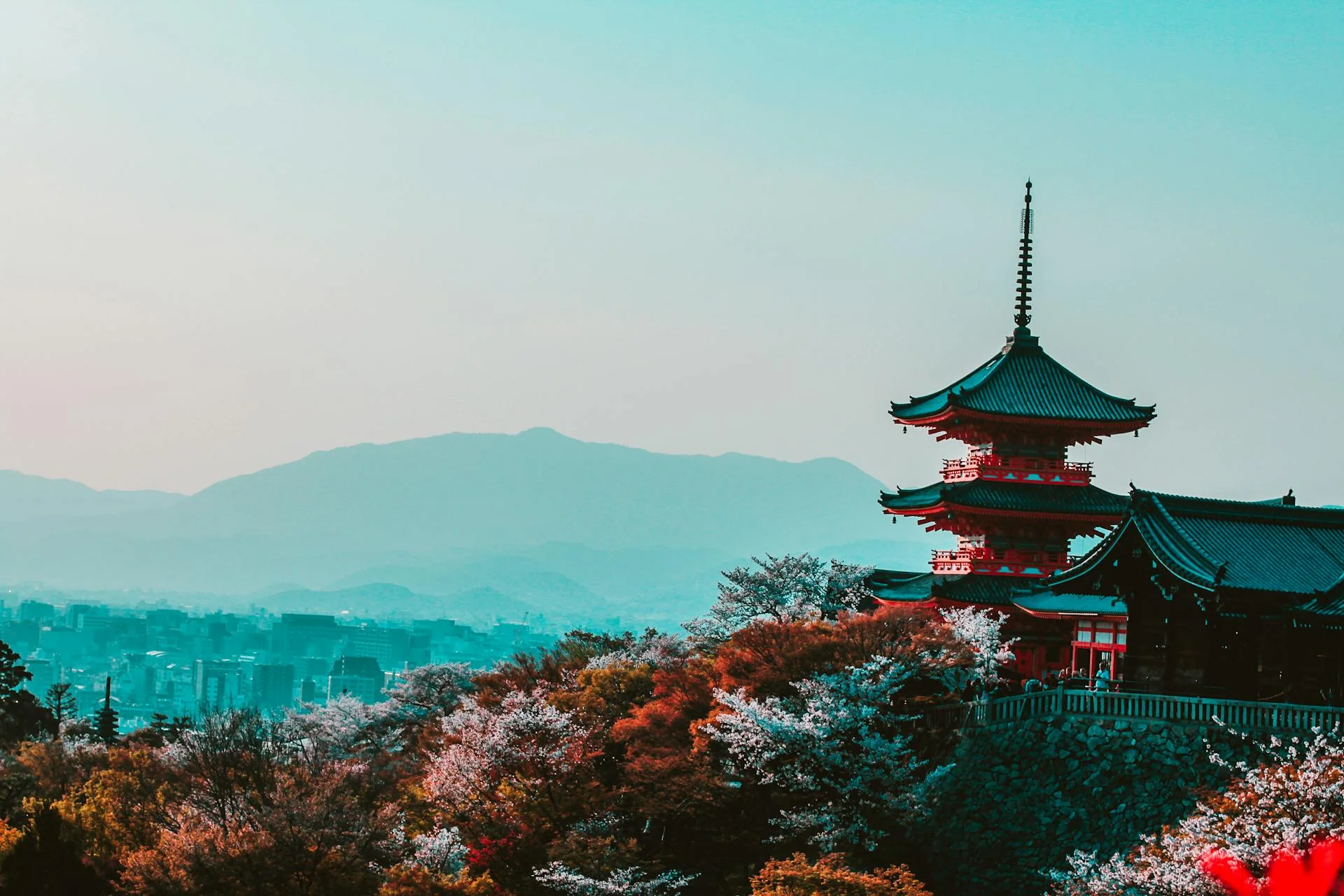
Japan is one of the most fascinating destinations in the world. With its unique mix of ancient traditions, futuristic technology, natural beauty, and authentic culture, it attracts millions of travelers every year. This island nation in East Asia offers countless experiences – from centuries-old shrines and temples in Kyoto and the ultra-modern metropolis of Tokyo to unspoiled beaches and hot springs on Hokkaido.
Whether you’re planning your first trip or your tenth, Japan will surprise you with its variety and rich cultural heritage. Japan is a country where tradition and the future live side by side, and that’s exactly the magic you’ll want to experience for yourself.
Did you know that Japan has more than 14,121 islands? Only four of them are considered main islands – Honshu, Hokkaido, Kyushu, and Shikoku – which means exploring this country can practically go on forever.
History of Japan: From ancient times to the modern era
The history of Japan is a story of remarkable transformation, where an isolated island culture grew into one of the most advanced and influential civilizations in the world. The first human settlement in Japan dates back as far as 36,000 years to the Paleolithic era, when people arrived via land bridges that connected the islands to the Asian continent during the ice ages. While Western civilizations were only just beginning to take shape, the Japanese were already carving out their own path.
The earliest and most important cultural layer was the Jomon culture, which developed from around 10,000 BC. At a time when the territory of today’s Czech Republic was still deep in the Ice Age, people in Japan were already inventing pottery – and with such skill that Jomon pottery is considered the oldest in the world. Beautiful ceramic vessels with rope-like patterns and small clay figurines called dogu were used for religious purposes and show the deep spiritual connection the Japanese had with nature.
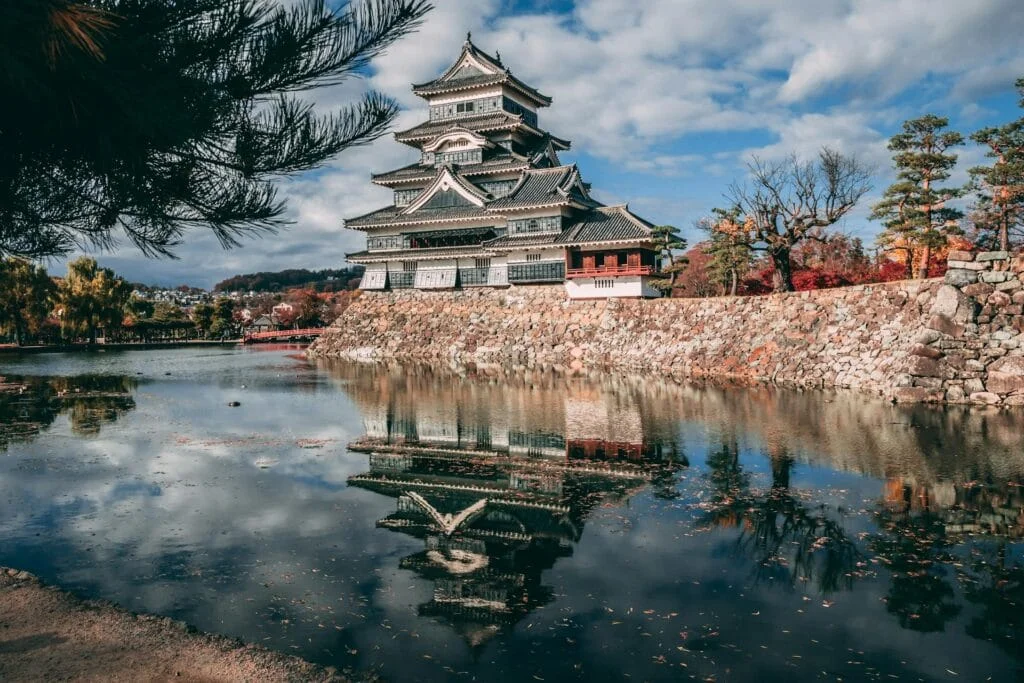
Around 300 BC, Japan changed dramatically with the arrival of the Yayoi culture, which brought new farming techniques, especially wet-rice cultivation. Society became more complex – people lived in permanent agricultural villages, built the first wooden and stone structures, and a clear social hierarchy began to emerge. During this period, Chinese writing also started to be used, which had a huge impact on education and administration.
The period from the late 3rd to the mid-6th century, known as the Kofun era, brought the unification of the islands under the Yamato clan. Around the 6th century, the Asuka period began with the arrival of Buddhism and the official adoption of Chinese writing and an administrative system. This was revolutionary – the Japanese not only created, but also adopted, adapted, and then refined foreign influences. Buddhist temples started to appear all over Japan, the most famous being Hōryū-ji, one of the oldest wooden buildings in the world.
The Heian period (794–1185) was the age of the poetic spirit of Japanese culture. The imperial court built a new capital, Heiankyō, which later became Kyoto and remained the heart of traditional Japanese culture for more than a thousand years. This era saw a boom in literature – it gave rise to “The Tale of Genji,” the first novel in literary history, written by the court lady Murasaki Shikibu. At the same time, exquisite artistic styles developed in architecture, garden design, and painting.
During the medieval period, Japan came under the rule of shoguns, powerful military leaders, while the emperor remained more of a symbolic figure. This shogunate system lasted until the 19th century. The longest-lasting shogunate was the Tokugawa period (1603–1868), during which Japan voluntarily isolated itself from the rest of the world for more than two centuries. Although turbulent at first, this era allowed Japan to develop a distinctive, stable, and harmonious culture that largely shaped what the country is today.
When in 1853 the American fleet of Commodore Perry forcibly “opened” Japan to international trade, the country was compelled to accept a foreign presence. This, however, led to one of the most remarkable historical transformations – the Meiji Restoration of 1868. Young Japanese reformers decided that Japan would not be colonized like other Asian countries, but would modernize on its own terms. In record time, they introduced industry, railways, education, and a modern military based on European models. In just five decades, Japan transformed from a medieval agrarian society into one of the most progressive industrial powers in the world.
Japan’s modern history in the 20th century includes imperial ambitions with tragic consequences in the form of World War II, followed by occupation and the stunning economic boom of the second half of the century. Today, Japan is the world’s third-largest economy and a technological trailblazer.
Location, geography, and climate
Location and geography
Japan lies on the northeastern edge of Asia in the western Pacific Ocean, bordered by the Sea of Japan to the west and stretching from the Sea of Okhotsk in the north to the East China Sea in the south. The country forms an island archipelago with a total area of 377,835 km², roughly the size of Italy, which makes it comparable in size to a medium-sized European country.
Japan is made up of four main islands: Honshu, the largest one where the capital Tokyo is located, Kyushu in the south, Hokkaido in the north, and Shikoku in the south. On top of these four, there are more than 14,000 smaller islands, the most famous being the Okinawa archipelago in the far southern waters. This incredible number of islands makes Japan one of the most geographically diverse countries in the world.
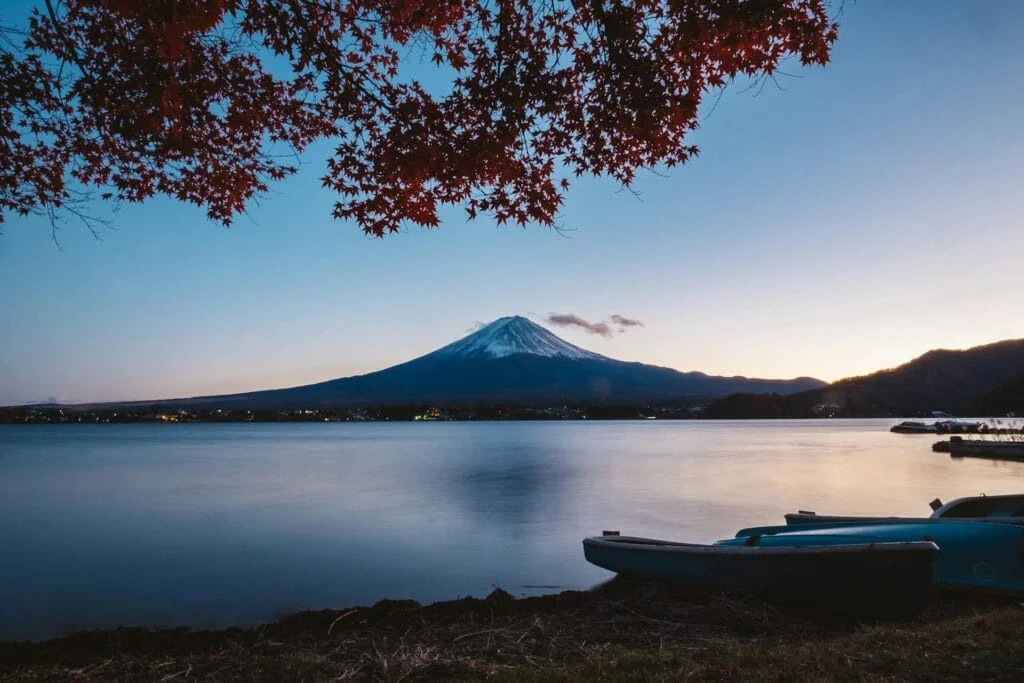
The Japanese landscape is surprisingly mountainous – roughly three quarters of the country is mountainous and densely forested. As a result, most of the roughly 123 million inhabitants live along the eastern coastal plains. The most famous mountain is of course Mount Fuji (3,776 m), which is not only a geographic icon, but also a sacred site in Japanese culture and art. Other important ranges include the Japanese Alps in central Honshu and several volcanic chains, especially on Hokkaido and Kyushu.
Japan’s coastline is stunning – the total length of all its shores reaches 33,889 km, thanks to the large number of islands, bays, and peninsulas. This makes Japan one of the most varied countries in terms of coastal types – from sandy beaches and pebble shores to dramatic rocky cliffs.
Climate and weather for travelers
Japan stretches across several climate zones. Part of the country lies in the temperate zone with a humid subtropical climate, while the southern areas, such as Okinawa, have a more tropical feel. This variety means that weather conditions differ a lot from north to south and also change significantly throughout the year.
The northern island of Hokkaido has a cooler continental climate – winters are snowy with temperatures dropping below -10 °C, while summers are pleasantly mild at around 20–25 °C. Central Honshu, where Tokyo and Kyoto are located, has a temperate climate with four distinct seasons – winters are dry and fairly mild, summers are hot and humid. Southern Honshu, Shikoku, and Kyushu are warmer, with hot summers and milder winters. Finally, Okinawa and the Ryukyu Islands enjoy warm weather almost all year round, with average winter temperatures around 15–20 °C and summer temperatures climbing above 30 °C.
A typical feature of the Japanese summer is the rainy season called tsuyu (literally “plum rain”), which usually lasts from the end of May to mid-July. During this time, rainfall is heavy, humidity is very high, and conditions are not ideal for travel. Japan also has to deal with occasional typhoons, especially in late summer and autumn (August to September), when travelers should stay alert and follow weather updates.
Weather and when to go – a month‑by‑month guide
| Month | Average daytime temperature | Average night temperature | Sea temperature | Description and recommendations |
|---|---|---|---|---|
| January | 5–10 °C (Tokyo) | 0–5 °C | 10–13 °C | Winter month, chilly, snow in Hokkaido, ideal for winter sports. |
| February | 6–11 °C | 1–6 °C | 10–12 °C | Similar to January, still snow in the north, cherry blossoms sometimes start in the south. |
| March | 10–15 °C | 4–10 °C | 11–14 °C | The water starts to warm up, spring festivals begin. First sakura in the south. |
| April | 15–20 °C | 9–15 °C | 14–17 °C | Ideal month to visit, cherry blossoms at their peak, pleasant weather. |
| May | 20–25 °C | 14–20 °C | 16–20 °C | Warm and sunny, perfect for hiking and outdoor activities. |
| June | 23–28 °C | 18–23 °C | 20–24 °C | Start of the rainy season (cuju), hot and humid, fewer tourists. |
| July | 27–33 °C | 21–27 °C | 24–27 °C | Hottest month, extreme heat, very high humidity, frequent rain. |
| August | 28–34 °C | 22–28 °C | 25–28 °C | The heat continues, rainy season ends, Obon festival, risk of typhoons. |
| September | 24–29 °C | 18–23 °C | 24–26 °C | Growing risk of typhoons, the weather calms down towards the end of the month. |
| October | 18–23 °C | 12–17 °C | 20–23 °C | Excellent month, autumn maples (momiji), pleasant weather, fewer tourists. |
| November | 12–17 °C | 6–12 °C | 17–20 °C | Cooler, stunning autumn colours, great for photography. |
| December | 7–12 °C | 2–7 °C | 13–16 °C | Dry and sunny, little rainfall, pre-Christmas atmosphere in the cities. |
The best time to visit Japan is traditionally from March to May (spring, cherry blossoms) and from September to November (autumn, momiji). These periods offer ideal weather, lower humidity and beautiful natural scenery. The winter months (December to February) are great if you enjoy colder weather and winter sports, but they are not ideal if you prefer a warm, sunny holiday.
Regions and types of destinations
Japan naturally breaks down into several distinct regions, each with its own character, culture and appeal. Choosing the right region to match your travel style is one of the most important decisions when planning your trip.
Kantō – The heart of modern Japan
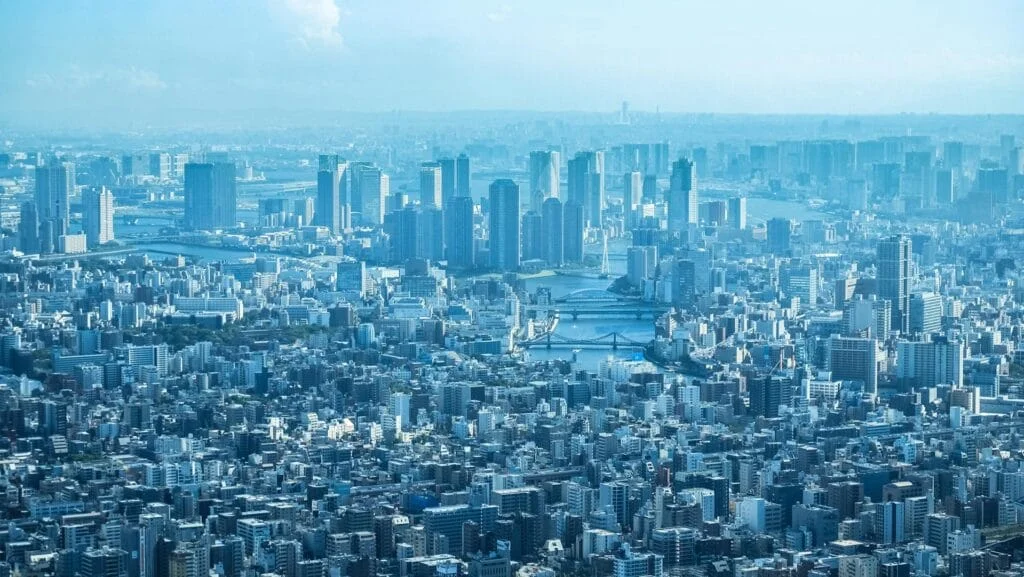
The Kanto region, which surrounds Tokyo, is the economic and political center of Japan. If you’re looking for a vibrant modern metropolis full of energy, technology, and neon lights, then Tokyo is the place for you. It’s not just a city – it’s an experience that hits all your senses. Alongside Tokyo, you’ll find Narita and Haneda airports in this region, which are the main gateways into Japan. The Kanto region is ideal for a first visit, but it’s not the best idea to spend your entire trip here.
Kanto Region – Tokyo
Tokyo is not just a metropolis, but the beating heart of Japan, where tradition and technology meet in a one-of-a-kind blend. This capital city with around 14 million residents (over 37 million in the metropolitan area) is one of the largest cities in the world. The contrasts will fascinate you – Shinjuku, with its skyscrapers and millions of flickering neon lights, sits right next to peaceful temples and traditional gardens.
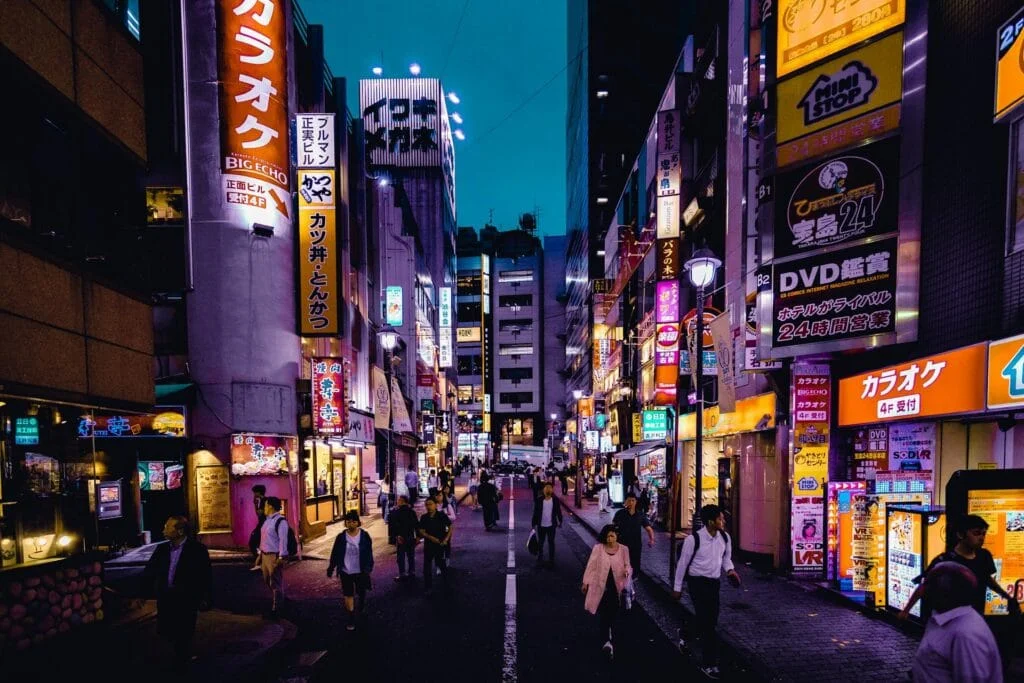
Tokyo is alive 24 hours a day – crowds weave across Shibuya Crossing, the busiest intersection in the world, where up to 2,500 people cross during a single green light. Among the most famous sights is the Sensō-ji Temple with its iconic red Kaminarimon lantern towering over the Asakusa district. The Imperial Palace Kōkyo and its gardens offer a green oasis in the middle of this giant city. Tokyo Skytree, completed in 2012, stands 634 meters tall and is the second-highest structure in the world.
You need to plan your visit to Tokyo strategically, because the city is packed with information and experiences. If you only have three days, focus on the districts of Shibuya, Shinjuku, and Ginza; if you have a week, you can also explore Ueno with its National Museum and Harajuku, a stylish neighborhood full of designer hair salons and cafés. The nightlife in Roppongi and Shinjuku is legendary.
Kansai – The Heart of Old Tradition
The Kansai region in central Japan includes three major cities – Kyoto, Osaka, and Kobe. While Tokyo represents the future, Kansai, and especially Kyoto, embodies the soul of old Japan. This region is a must-visit for anyone who wants to truly understand Japanese culture.
Kyoto – City of Temples and Tradition
Kyoto was the capital of Japan for more than a thousand years, until 1868, and you can feel this legacy at every turn. The city is known as the “Millennial Capital” and traditional Japanese architecture is carefully preserved here; some streets look as if you’ve stepped back into the feudal era. Kyoto is home to more than 1,700 temples and shrines, more than any other city in Japan.
Must-see spots include Kiyomizu-dera, an impressive temple built on a mountain slope without a single nail, standing on a massive system of wooden pillars. Ryōan-ji Temple is famous for its meditative rock garden with exactly 15 stones set in moss – but from any angle, you can only ever see 14 of them. Fushimi Inari Shrine is breathtaking – known for its thousands of red torii gates that lead up the mountain and form a tunnel. Kinkaku-ji Temple, or the Golden Pavilion, is one of the most photographed places in Japan thanks to its stunning reflection in the lake.
Kyoto is also home to geisha – head to the Gion or Pontocho districts, where you can still spot elegant women in kimono hurrying to their engagements. Kyoto also hosts some of Japan’s most famous festivals, such as Gion Matsuri in July and Jidai Matsuri in October. Plan to spend at least 3–5 days in Kyoto and focus on temples, traditional restaurants, and day trips around the area.
Osaka – Gateway to the West
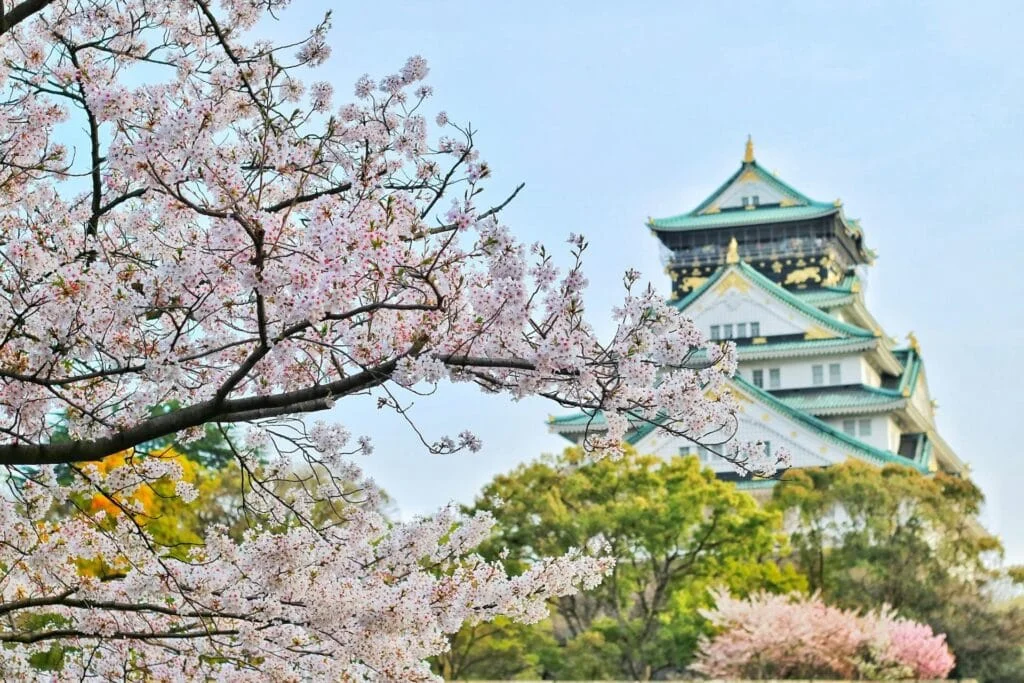
Osaka, Japan’s third-largest city, has a very different character from Kyoto or Tokyo. While Tokyo is business-focused and Kyoto is historic, Osaka is fun and loud, buzzing with nightlife and fantastic street food. Osaka Castle dominates the city skyline, although after being rebuilt during World War II it is now a reconstruction. Osaka is also one of the best places for shopping in Japan – shopping districts like Dotonbori are legendary for both their stores and their atmosphere.
Kobe – An elegant port city
Kobe, an elegant port city, stretches along the mountain slopes and sits right on the sea. It has a cosmopolitan feel thanks to its history of international trade and is famous for its beef. The Chinatown district and the harbor at night offer great photo opportunities and a unique atmosphere.
Hokkaido – Wild nature of the north
If you are looking for natural beauty, frozen lakes, hot springs, and mountain panoramas, Hokkaido is the place for you. This northern island, Japan’s second largest, is noticeably colder and cleaner than the rest of the country. Hokkaido is home to the indigenous Ainu people, who still maintain their traditions here.
Akan National Park is home to beautiful lakes – Lake Kussharo, Lake Mashu (the clearest lake in Japan, with visibility up to 40 meters), and Lake Akan with its green marimo algae balls. In winter, you can see fascinating ice formations in the park and enjoy various winter sports.
Daisetsuzan National Park, covering 2,300 km², is the largest national park in Japan and offers stunning hiking trails, hot springs, and pristine alpine scenery. Mount Asahidake is the central peak of the park and is popular for its hot springs.
Sapporo, the capital of Hokkaido, is the coldest major city in Japan, but it’s famous for its snow festival and winter fun. You’ll also find excellent ramen and great beer halls across the city.
Kyushu – Volcanic land steeped in history
Kyushu, the southernmost of the four main islands, is volcanically active and famous for its hot springs (onsen). Mount Aso is the largest active volcano in Japan, and its gigantic caldera is visible from the air. The city of Beppu is a hot spring hotspot – it’s home to seven “hells” (jigoku), which are natural hot springs in different colors and temperatures.
Nagasaki, which played a key role in World War II, is now a welcoming city with a Peace Park and an interesting Dutch quarter. Kumamoto is known for its impressive castle.
Kyushu offers a faster route into traditional Japan – its smaller towns are friendly and far less crowded than Tokyo.
Okinawa – The Hawaii of Japan
If you’re after beaches, the sea, and a subtropical vibe, Okinawa (and the surrounding Ryukyu Islands) is the place to go. This island chain in the far south has its own distinct culture (the former Ryukyu Kingdom) and unique climate.
Okinawa is known for its stunning coral reefs, turquoise sea, and white-sand beaches. Snorkeling and diving are among the most popular activities here. Shuri Castle, the former palace of the Ryukyu Kingdom, offers a great insight into local history. Churaumi Aquarium is one of the largest in the world and features an impressive collection of corals and fish.
Most famous landmarks and cities
Mount Fuji – Japan’s sacred icon
Mount Fuji (3,776 m), a perfectly symmetrical peak capped with snow in winter, is Japan’s most famous natural symbol and has inspired artists and writers for centuries. The mountain is a sacred site in the Shinto tradition, and tens of thousands of people climb it every year, mainly in summer (July–August) during the short climbing season. The ascent is traditionally done overnight so you reach the summit at sunrise – this experience, called “goraiko”, feels nothing short of magical.
Todai-ji Temple – One of the largest wooden buildings in the world
Todai-ji Temple in Nara is one of the largest wooden structures in the world and is listed as a UNESCO World Heritage Site. Dating back to the 8th century, the temple houses a massive bronze statue of Buddha and is considered a cradle of Buddhist culture in Japan.
Himeji Castle – A fairytale Japanese fortress
Himeji Castle is one of the best-preserved Japanese castles and stands out for its appearance – it is so beautiful and symmetrical that it looks like something out of a fairy tale. Built on a hill, the castle has five floors and its white color has earned it the nickname “White Heron Castle” (Hakujō).
Natural beauty and national parks
Nikkō National Park – A healing and energizing place
Nikkō National Park in Tochigi Prefecture is one of the oldest national parks in Japan and combines religious shrines (including Nikkō Tōshōgū with its dazzling roofs) with stunning natural scenery. Lake Chūzenji and Kegon Falls, one of the three tallest waterfalls in Japan, are the main highlights. The park is especially beautiful in autumn, when the colors of the trees create a spectacular landscape.
Yoshino-Kumano National Park – Pilgrimage routes and spiritual tourism
This park in Wakayama Prefecture includes the ancient Kumano Kodo pilgrimage trail, walked by pilgrims for centuries. Waterfalls and valleys create a poetic landscape. It is a place where natural beauty meets spiritual meaning.
Setonaikai National Park – The Inland Sea
Setonaikai is a national park focused on the sea and islands, with more than 1,000 small islands scattered across the Inland Sea. It is an ideal area for boat trips and exploring rural villages.
Best beaches
Okinawa – A beach paradise
The most famous beach in Okinawa is Jonaha Maehama, which has repeatedly won the title of “best beach in Japan” thanks to its fine white sand and crystal-clear turquoise water. The beach is great for swimming and light diving, although it can get crowded in peak season.
Zanpa Beach and Ura Maeda Beach are quieter alternatives with rocky cliffs and a more natural setting.
Tokashiki and the Kerama Islands – The Blue Cave
Tokashiki Island, accessible by ferry from Okinawa, is famous for the Blue Cave, which you can explore while snorkeling. The water is so clear and intensely blue that the experience feels almost surreal. Aharen Beach on this island offers powdery white sand and ideal conditions for snorkeling.
Activities and entertainment
Japan offers an endless range of activities for every type of traveler. History lovers can spend days visiting temples and castles. Nature enthusiasts will enjoy trekking in national parks, snorkeling in Okinawa, or skiing in Hokkaido. Foodies can dive into cooking classes and traditional cuisine. Night owls will fall in love with the nightlife in Tokyo or Osaka.
Standout activities include a traditional tea ceremony in Kyoto, onsen (hot springs) in Beppu or Hakone, geisha spotting in Gion, traditional kabuki theater in Tokyo, meditation in Buddhist temples, surfing in Shikoku, skiing in Nagano or Niseko, and much more.
One of the most popular winter sports is skiing in Hokkaido, known for some of the best snow conditions in Asia. Coastal areas are ideal for water sports like SUP (Stand Up Paddleboarding) and kayaking. Travelers also love joining traditional festivals, which take place across Japan in huge numbers throughout the year.
Gastronomy and culture
Typical food and drinks
Japanese cuisine is famous for being healthy, beautifully presented, and focused on fresh ingredients. The core principles of Japanese cooking are the use of seasonal ingredients, simplicity, and harmony of flavors. The best-known Japanese dish is without a doubt sushi – artful bites of rice with fish, seafood, and vegetables. Sushi is not just food; it is a form of art with clearly defined rules.
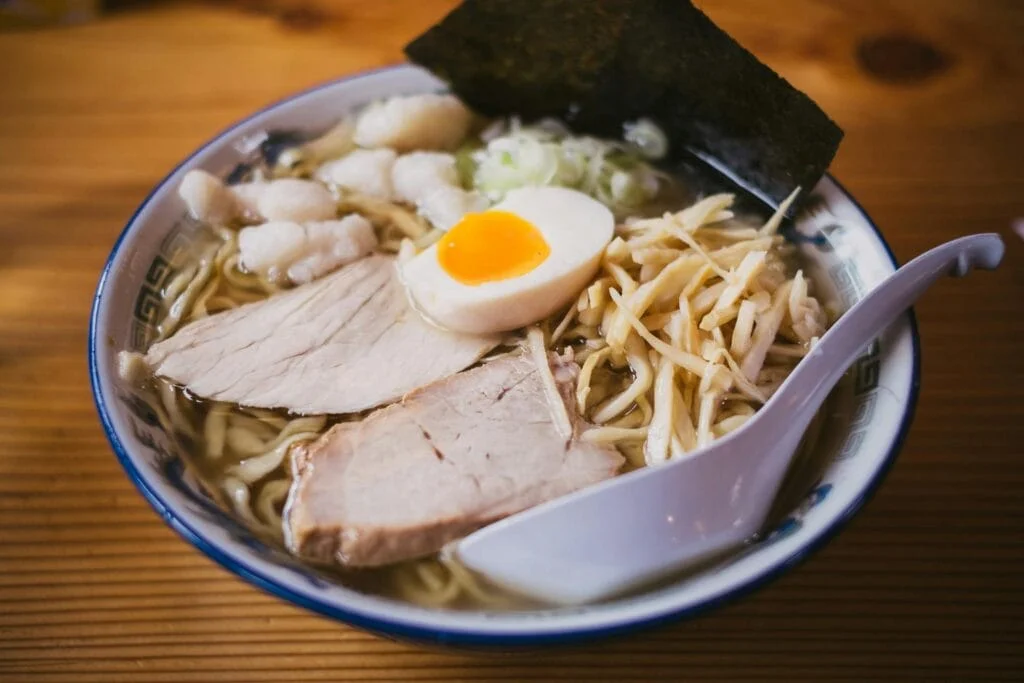
Ramen is a classic “comfort food” – a noodle soup that varies from region to region, where the broth is the star of the show and each restaurant guards its recipe as a secret. Local ramen bars take pride in their unique broth, often perfected over many years.
Tempura – lightly battered and fried vegetables and seafood – is another staple, where the quality of the oil and precise timing are crucial.
Okonomiyaki is a savory pancake that you cook on a hot griddle right at your table – the name means “what you like” (okonomi) and “grill” (yaki).
Udon and soba noodles are traditional noodle dishes – udon made from wheat flour, soba from buckwheat. Both can be served hot in soup or cold with a dipping sauce.
Donburi are rice bowls topped with various dishes – katsudon (breaded pork cutlet), gyudon (beef), and many others.
No trip would be complete without tasting sake (rice wine) and beer (Japanese beer is renowned worldwide). Among non-alcoholic drinks, there is green tea (matcha), which plays a key role in the traditional tea ceremony.
When it comes to meal times, Japanese people usually have breakfast around 7–8 a.m., lunch around 12–1 p.m., and dinner around 7–8 p.m. In big cities, however, restaurants are open almost any time.
In restaurants, it is polite to take off your shoes when entering a tatami room. Tipping is not customary. It is normal (and even encouraged) to slurp when eating noodles – it shows that you are enjoying your food.
Cultural customs and festivals
Japanese culture is still very much alive, and traditions are respected and actively practiced. Some of the most important festivals include:
Shōgatsu (New Year) – the biggest holiday in Japan – is celebrated for three days from 1 to 3 January. During this time, families get together, clean their homes, visit shrines and temples, and enjoy special New Year dishes (osechi ryōri). It is a time of renewal and fresh starts.
Hanami (Cherry Blossom Festival) in April – often called the most beautiful Japanese festival – is when millions of people gather under blooming cherry trees. Locals bring food and drinks for a picnic and feast under the trees, a custom known as “hanami”.
Obon (Festival of Souls) in July/August is a Buddhist festival when, according to tradition, the spirits of deceased ancestors return. Families come together, clean graves, and dance the traditional Bon Odori. It is also a time when many Japanese people travel back to their hometowns.
Gion Matsuri in Kyoto in July is one of Japan’s most famous festivals, featuring lavishly decorated floats parading through the streets and special dances held at night.
Tanabata Matsuri in July celebrates the legendary meeting of two stars (Vega and Altair) across the Milky Way, which takes place once a year. During the festival, people hang paper wishes on bamboo branches.
Beyond the major festivals, Shinto shrines host many smaller ceremonies and celebrations throughout the year, while Buddhist temples serve as places for meditation and spiritual renewal.
Key practical information
Currency and payments
The currency in Japan is the Japanese yen (¥, JPY). One euro is roughly equal to 160–170 yen (the rate changes daily). Cash is still very important in Japan – although cards are widely used, many smaller shops, restaurants, and public transport accept only cash. It’s a good idea to withdraw money from an ATM after you arrive, usually at a better rate than you’d get at an exchange office.
ATMs in 7-Eleven stores and Japanese banks generally accept foreign cards. Withdrawals usually cost a fee of 100–200 JPY.
Tipping is not expected in Japan – it simply isn’t done. Listed prices are final and already include tax (the tax rate is 8% on food and 10% on other goods and services). If you want to show appreciation for good service, the best way is to say thank you.
Card payments are becoming more common, especially in big cities, but they’re still not available everywhere. Apple Pay and Google Pay are great alternatives wherever they’re accepted.
There are also local rechargeable cards such as Suica and Icoca, which you can use not only for transport but also for shopping in stores and vending machines – you can buy these cards at airports and train stations.
Entry formalities and visas
Czech citizens can travel to Japan without a visa for up to 90 days for tourism or leisure. The only requirements are:
- A valid Czech passport that is valid for at least the duration of your stay.
- A return or onward ticket (even though it’s not always checked, it’s a practical requirement).
- Proof that you have enough funds to cover your stay.
When you arrive at an international airport (Narita, Haneda in Tokyo, Kansai in Osaka), you’ll go through immigration, where they will take a digital photo of your face and scans of both index fingers. You’ll receive an entry stamp in your passport, confirming you are a “Temporary Visitor” for 90 days.
If you want to use a JR Pass during your stay, you must ask the immigration officer to give you a “Temporary Visitor” stamp – without it, your JR Pass cannot be activated.
Safety and local customs
Japan is one of the safest countries in the world. Overall crime levels are very low – pickpocketing and theft are extremely rare. Even in tourist areas, you won’t usually encounter scams or prices inflated just for foreigners. You can safely leave your valuables in the hotel.
Natural risks are more common – earthquakes occur in Japan almost every day, but they’re usually so weak you won’t even notice them. Japan is well prepared for stronger quakes and the warning systems work very reliably. In summer and autumn, there is a risk of typhoons, especially in the southern regions. If a typhoon is approaching during your stay, you should stay in safe accommodation and follow local news and updates.
Local customs that are good to respect:
- On escalators in Tokyo and the surrounding area, stand on the left (in Osaka it’s the opposite – stand on the right).
- Always join the queue, no matter what you’re waiting for, including the metro.
- Don’t speak loudly in public, especially on public transport.
- Eating while walking is considered very rude.
- When entering certain places (temples, traditional restaurants), you should take off your shoes.
- When eating, don’t stick your chopsticks upright into rice – this gesture is associated with funeral rites.
- Don’t touch objects in temples or statues without permission.
- Don’t photograph people without their consent – it’s considered very rude.
Healthcare and vaccinations
The Japanese healthcare system is very high-quality and modern, but it’s expensive for foreign travellers. Without travel insurance, medical care can be extremely costly – a hospital stay can run into hundreds of dollars per day.
Recommendations before you travel:
- Travel insurance with high medical coverage is absolutely essential.
- Your basic vaccinations (tetanus, diphtheria, whooping cough) should be up to date.
- Vaccination against hepatitis A and B is not mandatory, but it is recommended.
- Vaccination against Japanese encephalitis is usually not necessary for regular tourists, but discuss your trip with your doctor.
In an emergency, call 119 for an ambulance and fire services. In large cities you’ll find English-speaking doctors, but outside them the language barrier can be an issue. Pharmacies stock basic over-the-counter medicines.
Fauna and flora
Japan’s original rich wildlife and plant life has been partly damaged by industry and intensive farming, but what remains is protected in nature reserves and national parks. Typical wild animals include:
Mammals: Brown bears in Hokkaido, Asiatic black bears in central and western Japan, sika deer, wild boar, foxes, raccoon dogs (tanuki), and Japanese macaques.
Birds: Golden eagle, nightingale, various species of herons and cranes, especially in wetlands and around lakes. In winter, tens of thousands of migratory birds flock to Japan.
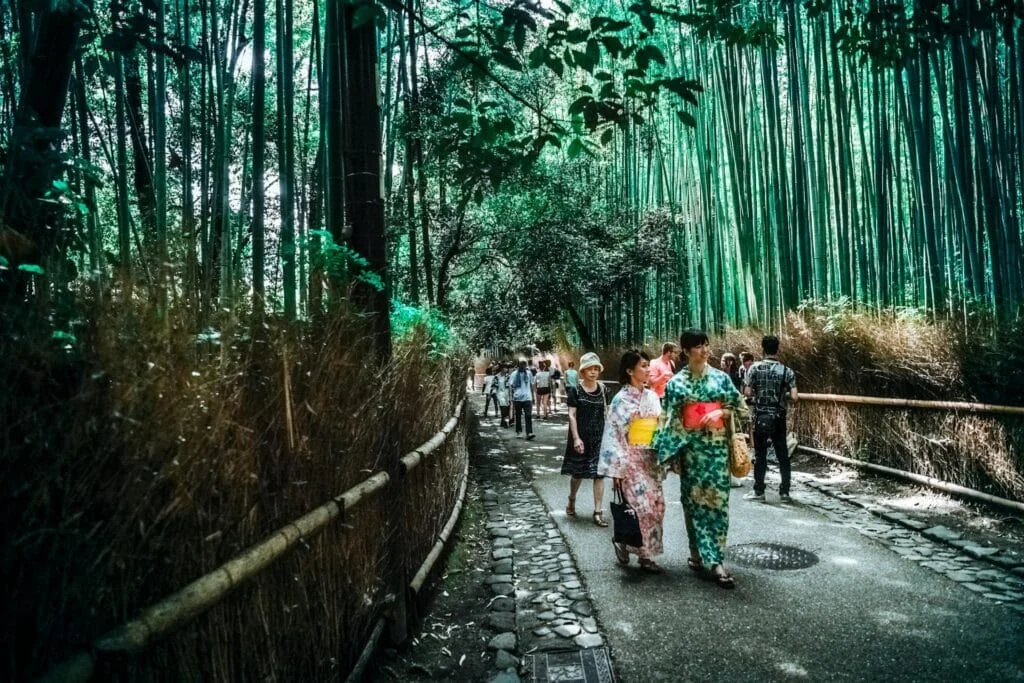
Plants: Bamboo groves are important (the Arashiyama bamboo forest in Kyoto is very popular), as well as camellias, anemones and of course the famous cherry trees and maples that give Japan its seasonal colors.
Endangered wildlife: Japanese black bear, Japanese serow, various species of amphibians and corals.
Basic phrasebook
| Czech phrase | Japanese translation |
|---|---|
| Hello / Good day | Konničiwa (こんにちは) |
| Good evening | Konbanwa (こんばんは) |
| Thank you | Arigató gozaimasu (ありがとうございます) |
| Please | Onegaišimasu (お願いします) |
| Excuse me / Sorry | Sumimasen (すみません) |
| Yes | Hai (はい) |
| No | Íe (いいえ) |
| How much is it? | Ikura desu ka? (いくらですか?) |
| Do you speak English? | Eigo o hanasemasu ka? (英語を話せますか?) |
| I don't speak Japanese | Nihongo ga hanasemasen (日本語が話せません) |
| More slowly, please | Jukkuri onegaišimasu (ゆっくりお願いします) |
| Where is the toilet? | Toire wa doko desu ka? (トイレはどこですか?) |
| Friend / friends | Tomodači (友達) |
| Tea | Oča (お茶) |
| Water | Mizu (水) |
| Beer | Bíru (ビール) |
| Food | Tabemono (食べ物) |
Transport and logistics
How to get to the country
Japan has three main international airports:
Narita Airport (NRT) is the main airport for Tokyo, located 60 km from the city center. It is one of the busiest airports in the world.
Haneda Airport (HND) has become a popular choice in recent years. It is closer to central Tokyo (15 km) and is much better connected to the city by monorail and express trains. This airport is often recommended.
Kansai Airport (KIX) serves the Osaka, Kyoto and Kobe region and is a good entry point if you plan to visit western Japan.
There are also flights to Fukuoka (Kyushu), Nagasaki and several smaller airports.
From the Czech Republic, you can fly with European, Middle Eastern or Asian airlines, with total travel times ranging from 12 to 20 hours. There are no direct flights, so you will always have at least one layover.
Transport within the country
The Japanese transport network is excellent – reliable, clean, and modern. That’s one of the main reasons why it’s so easy to travel around Japan.
Trains are the best option for travelling between cities. The Shinkansen (high-speed train) reaches speeds of up to 320 km/h and connects the major cities. A ticket from Tokyo to Osaka costs around 13,500 JPY and the ride takes 2.5 hours. The JR Pass is a discounted pass for foreign visitors that covers many trains and buses – it’s a great investment if you plan to travel a lot.
The subway in Tokyo, Osaka, and Kyoto is perfect for getting around the city. Timetables are accurate to the minute and the system is intuitive, with English signs. A single ride typically costs 170–210 JPY, depending on the distance.
Buses are used for local transport and are cheaper than the subway, but less convenient for tourists.
Car rental is available, but not recommended for foreigners without experience driving in Japan. People drive on the left, road signs are in Japanese, and parking fees are very high. If you do rent a car, you’ll need an international driving permit.
You can also use taxis, which are expensive (the starting fare is around 600 JPY) and drivers often don’t speak English. Uber and similar apps are not widely available for regular rides in Japan.
Prices and travel budget
For an Asian country, Japan is relatively expensive, but still manageable. Prices vary a lot depending on your travel style.
Accommodation:
- Hostel (bed in a shared dorm): 3,000–4,500 JPY/night ($20–$30)
- Hostel (private room): 5,000–7,000 JPY/night ($35–$50)
- Business hotel (mid-range): 8,000–12,000 JPY/night ($55–$80)
- Traditional ryokan: 15,000–30,000 JPY/night ($100–$200)
- Luxury hotel: 20,000+ JPY/night
Food:
- Cheap restaurant / ramen bar: 800–1,500 JPY/meal ($5–$10)
- Mid-range restaurant: 2,000–3,500 JPY/meal ($15–$25)
- Sushi bar: 3,000–6,000 JPY/meal ($20–$40)
- Fine dining / kaiseki: 8,000–15,000 JPY/meal ($55–$100)
Transport:
- City metro: 170–210 JPY/ride ($1.70–$2.10)
- Intercity train: 5,000–15,000 JPY ($50–$150)
- JR Pass (7 days): 29,650 JPY (about $296)
Entrance fees:
- Temple / shrine: 300–1,000 JPY ($3–$10)
- Museum: 1,000–1,500 JPY ($10–$15)
- Hot springs (onsen): 500–2,000 JPY ($5–$20)
Total daily budget:
- Budget traveler: 5,000–7,000 JPY/day ($50–$70) – hostels, cheap eats, public transport
- Mid-range: 10,000–15,000 JPY/day ($100–$150) – business hotels, mid-range restaurants, a few paid attractions
- Luxury: 25,000+ JPY/day ($250+) – good hotel, quality restaurants, special experiences
How to plan the perfect trip
Choosing the right region for your travel style
For first-timers and beginners: Focus on the Tokyo–Kyoto–Osaka triangle. It’s a classic route that gives you a taste of many different sides of Japan. A week here is the bare minimum; two weeks is ideal.
For nature lovers: Hokkaido, national parks, and rural areas. Winter is perfect for skiing and drift ice, summer for hiking.
For culture enthusiasts: Kyoto and Nara – you can easily spend a month in these cities, exploring history and traditions without getting bored.
For beaches and relaxation: Okinawa or the surrounding islands. The best time to visit is May–June and September–October, when the weather is pleasant but not too hot.
For families with kids: A mix of cities and nature, for example Tokyo + Fuji + Kyoto with built-in rest days.
For seniors: A slower pace with less walking. Japan is very senior-friendly, with plenty of discounts and excellent, accessible public transport.
For adrenaline seekers: Surfing in Shikoku, hiking in Hokkaido, diving in Okinawa.
Common planning mistakes
- Overly ambitious plan – trying to see everything from Hokkaido to Okinawa in a single week. It’s not realistic; travel between cities takes a lot of time.
- Not booking accommodation and transport in advance – flights, trains, and hotels sell out in popular months. Book 2–3 months ahead.
- Underestimating the weather – especially the rainy season in June and July and typhoons from August to September.
- Ignoring local customs – Japanese people really appreciate any effort to understand their culture.
- Too little time in each place – it’s better to spend 3 days in Kyoto and explore it properly than rush through 10 temples in a single day.
Sample itineraries
5 days – Tokyo and surroundings (ideal for a first visit)
- Day 1–2: Tokyo (Shibuya, Shinjuku, Ginza, Sensō-ji Temple)
- Day 3: Nikkō National Park (full-day trip)
- Day 4: Hakone and views of Mount Fuji
- Day 5: Return to Tokyo, last-minute shopping
7 days – Classic route (Tokyo–Kyoto–Osaka)
- Day 1–2: Tokyo
- Day 3: Train to Kyoto (2.5 hours)
- Day 4–5: Kyoto (temples, Gion geisha district, Arashiyama Bamboo Grove)
- Day 6: Nara (full-day trip), evening transfer to Osaka
- Day 7: Osaka (castle, Dōtonbori, shopping)
10 days – Extended version with nature
- Day 1–2: Tokyo
- Day 3–4: Kyoto
- Day 5: Osaka + Kobe
- Day 6: Train to Kyushu – Fukuoka
- Day 7–8: Beppu (hot springs) and Mount Aso
- Day 9–10: Nagasaki or Kumamoto
14 days – Epic trip (all regions)
- Day 1–2: Tokyo
- Day 3–4: Kyoto
- Day 5: Osaka
- Day 6–7: Hokkaido (Sapporo, Akan National Park)
- Day 8–9: Kyushu (Fukuoka, Beppu, Aso)
- Day 10–11: Okinawa (beaches, snorkeling)
- Day 12–14: Back to Tokyo and final sightseeing
Summary and final tip
Japan is a country that deserves more time than you’ll probably have. Whichever region you choose, you’ll find a unique mix of ancient traditions, cutting-edge technology, stunning nature, and authentic local culture. The Japanese are welcoming, it’s an extremely safe country, and the infrastructure is outstanding. The key to a great trip to Japan is preparation – allow enough time for each place, learn a few basic Japanese phrases, and respect local customs. Whether you go for a week in Tokyo, a month exploring traditions in Kyoto, or a relaxing break on the beaches of Okinawa, Japan will give you experiences you’ll remember for the rest of your life. Japan is not just a destination – it’s a journey into the heart of a different culture that holds on to its values while ranking among the most advanced countries in the world. Don’t hesitate to set off on this incredible trip.
Kategorie:
Články (Nejnovější / Podobné)
Mauritius: A Guide to Paradise with White Beaches and Turquoise Water
12/20/2025
Cape Verde: Islands of Sun, Sand and Wind
12/18/2025
Seychelles: An Island Paradise in One Guide
12/16/2025
Thailand: A Complete Guide to the Land of Smiles
12/14/2025
Vietnam: The Secrets of Phở, Strong Coffee, and Chaotic Streets
12/11/2025