Vietnam: The Secrets of Phở, Strong Coffee, and Chaotic Streets
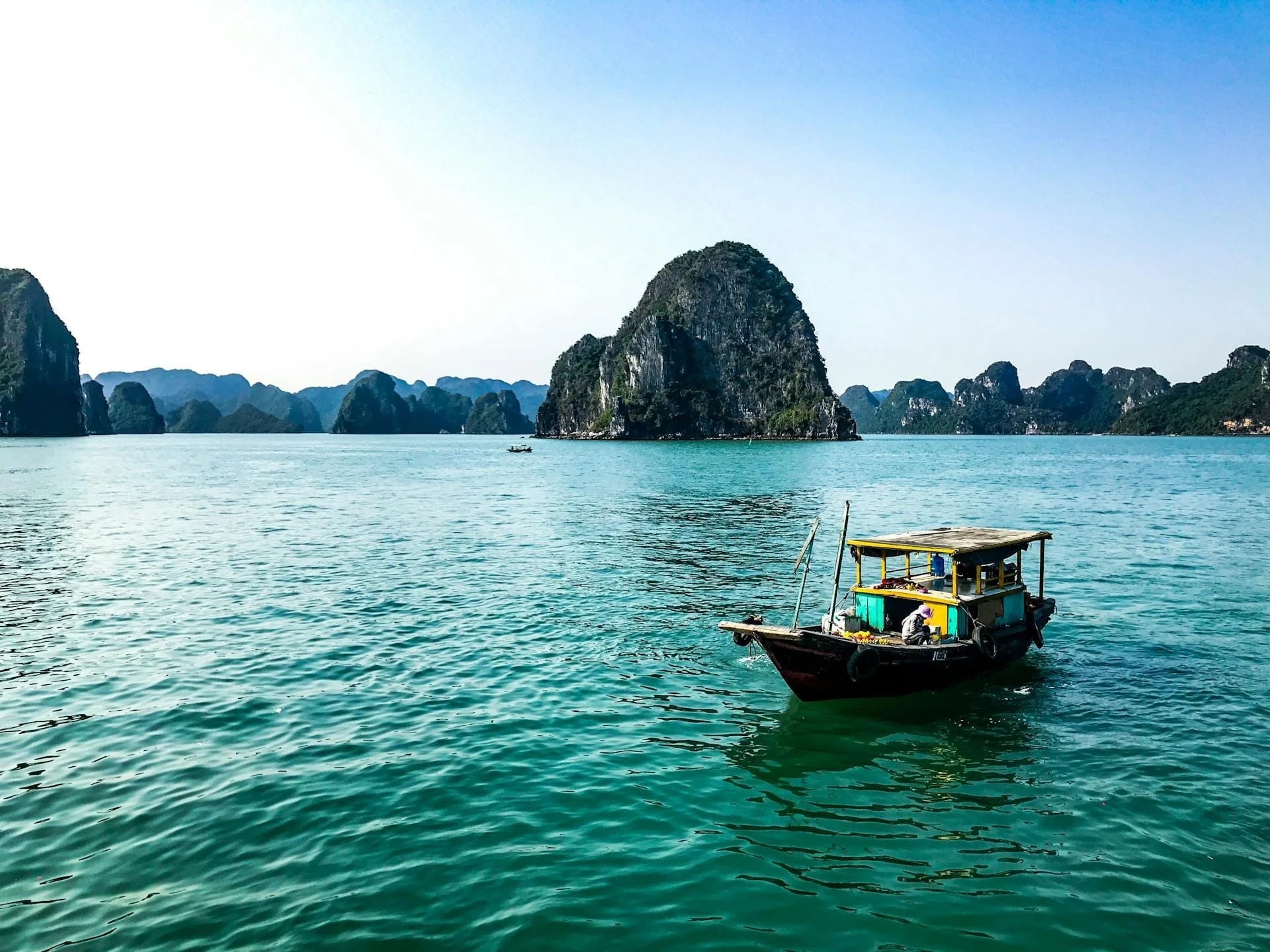
Vietnam is one of the most fascinating destinations in Asia. It blends a turbulent history, world-class natural scenery, and an authentic culture that has kept its unique character despite the modern world. From the northern mountain landscapes with the picturesque Ha Long Bay, through historic central cities like Hoi An and Hue, to the southwestern Mekong Delta and the sunny beaches of Phu Quoc Island, Vietnam offers an incredible range of experiences for every traveler. Whether you’re a recent graduate exploring the world, a family looking for a safe and affordable destination, or a senior traveler who values comfort and cultural richness, Vietnam has you covered.
What makes Vietnam so appealing is its ability to combine deep history with natural beauty, traditional values with rapid development, and authentic experiences with modern comfort – all at surprisingly budget-friendly prices.
History of Vietnam: From kingdom to modern republic
Ancient and medieval period
The history of Vietnam stretches back thousands of years and ranks among the longest and richest in Asia. Legendary tradition speaks of the kingdom of Văn Lang, said to have been founded in 2879 BC. As with many ancient civilizations, the line between myth and reality is blurred, but archaeological finds confirm that the area of today’s Vietnam was inhabited as early as the Neolithic period.
A major turning point came in 938, when General Ngô Quyền defeated the Chinese fleet on the Bạch Đằng River, ending a thousand years of Chinese rule that had lasted since 111 BC. This moment marked the birth of an independent Vietnam. The following Ngô dynasty ruled only briefly, but it paved the way for future development. It was replaced by the Lý dynasty (1009–1225), which moved the capital to Thăng Long (modern Hanoi) and turned it into the new center of Vietnamese power. The Lý era was marked by the flourishing of Buddhism, culture, and a more sophisticated administrative system.
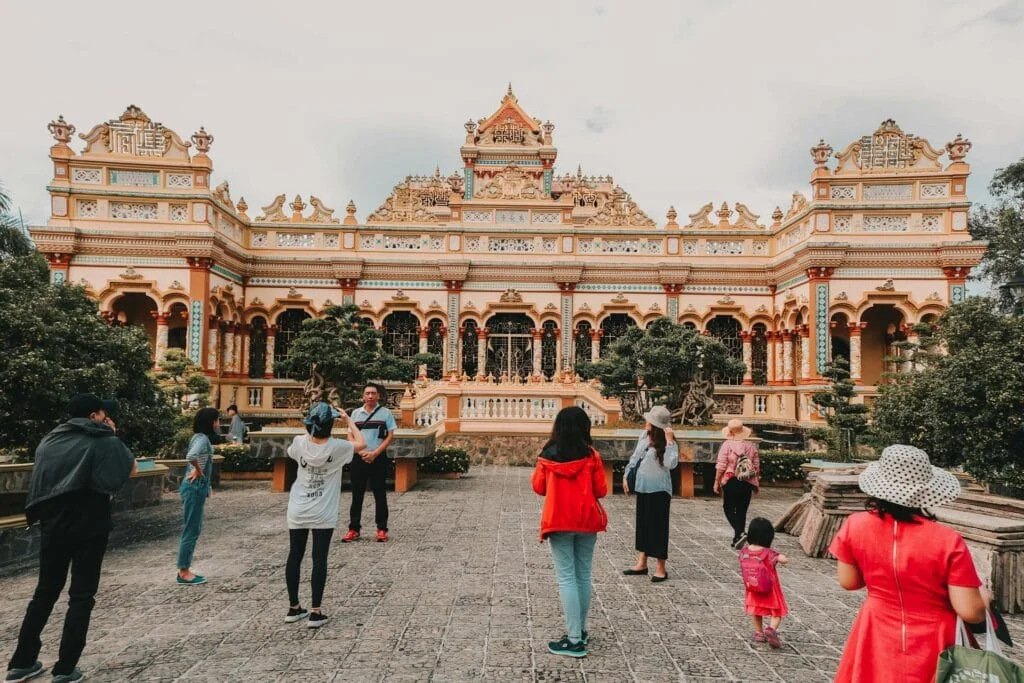
The following Trần dynasty (1225–1400) became famous for repelling three Mongol invasions (1258, 1285, and 1288). General Trần Hưng Đạo became a national hero when his troops used an innovative tactic – wooden stakes planted in the Bạch Đằng River – to destroy the Mongol fleet. These periods shaped the foundations of Vietnamese national identity and its strong resistance to foreign domination.
Colonial era and French Indochina
In the 16th and 17th centuries, the first European traders and missionaries arrived in Vietnam. A key figure was the French Jesuit Alexandre de Rhodes, who created the Vietnamese writing system based on the Latin alphabet (Chữ Quốc Ngữ), which is still used today. This step had a profound impact on Vietnamese culture and education.
During the 19th century, French colonial influence gradually grew stronger, and in 1887 Vietnam finally came under French control as part of French Indochina. The colonial period lasted for more than 50 years and was marked by the exploitation of natural resources and labor, but it also brought the development of infrastructure and modern education. During World War II, Vietnam was occupied by Japan, which further weakened France’s position.
Independence and the Vietnam War
Immediately after Japan’s defeat in September 1945, Ho Chi Minh proclaimed the Democratic Republic of Vietnam and declared independence at Ba Đình Square in Hanoi. France, however, refused to recognize it. This led to the First Indochina War (1946–1954), which lasted eight years and culminated in France’s famous defeat at the Battle of Điện Biên Phủ in 1954. This victory forced France to withdraw from Vietnam.
The 1954 Geneva Accords divided Vietnam into a communist North led by Ho Chi Minh and a pro‑American republic in the South. The division was meant to be temporary, but it became permanent. The next eighteen years were marked by growing tension between the two parts and increasing U.S. military involvement, which escalated into the Vietnam War (1955–1975). This war became one of the most devastating conflicts of the 20th century and claimed millions of lives on both sides.
In 1975, North Vietnam prevailed and reunified the country under a communist government. The subsequent fall of the Khmer Rouge regime in neighboring Cambodia (1978–1979) drew Vietnam into conflict with China, which had supported the Khmer Rouge.
Modern Vietnam: Reforms and Opening to the World
The turning point came in 1986, when the Communist Party launched the Đổi Mới (“renovation”) policy. This reform package gradually introduced market mechanisms, allowed private ownership, encouraged foreign investment, and expanded international trade. Vietnam slowly but steadily opened up to the world, while maintaining its communist political system.
These reforms transformed Vietnam from a poor and isolated country into one of the most dynamic economies in Asia. Today, Vietnam is one of the fastest‑growing economies in the region and attracts millions of tourists every year who come to explore its rich history, natural beauty, and authentic culture.
Location, geography and climate
Location and geography
Vietnam is located in Southeast Asia and is defined by its long, narrow shape along the South China Sea. The country stretches for more than 1,900 kilometers from north to south, but its average width is only about 250 kilometers. In the north it borders China, in the west it borders Laos and Cambodia, while the northeastern coastline is washed by the Gulf of Tonkin. The total area of the country is 331,210 square kilometers, which is roughly four times the size of the Czech Republic.
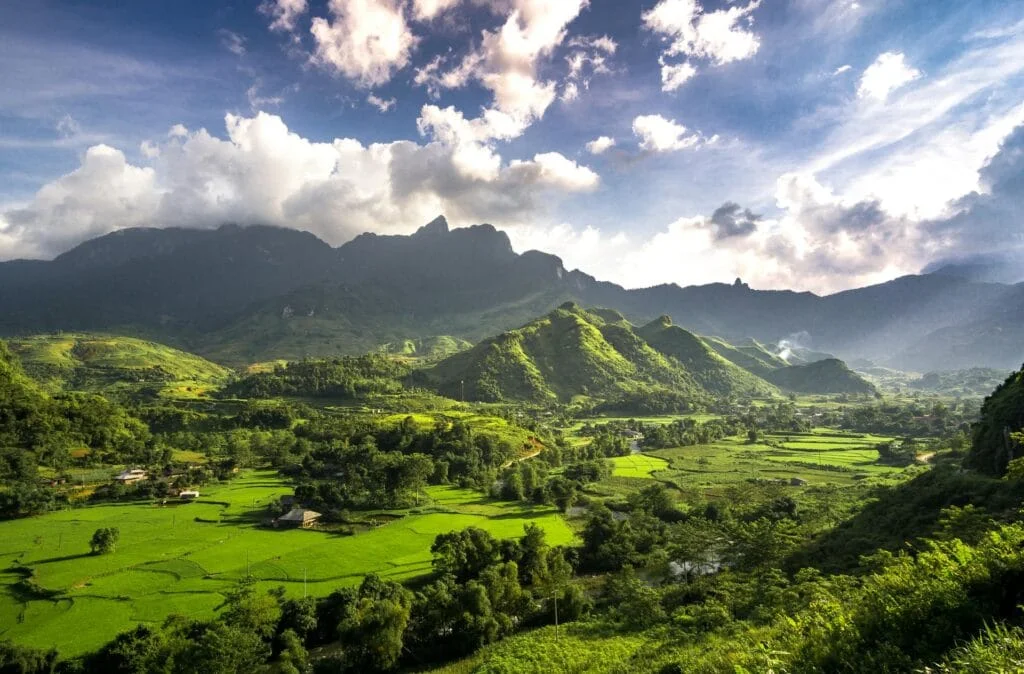
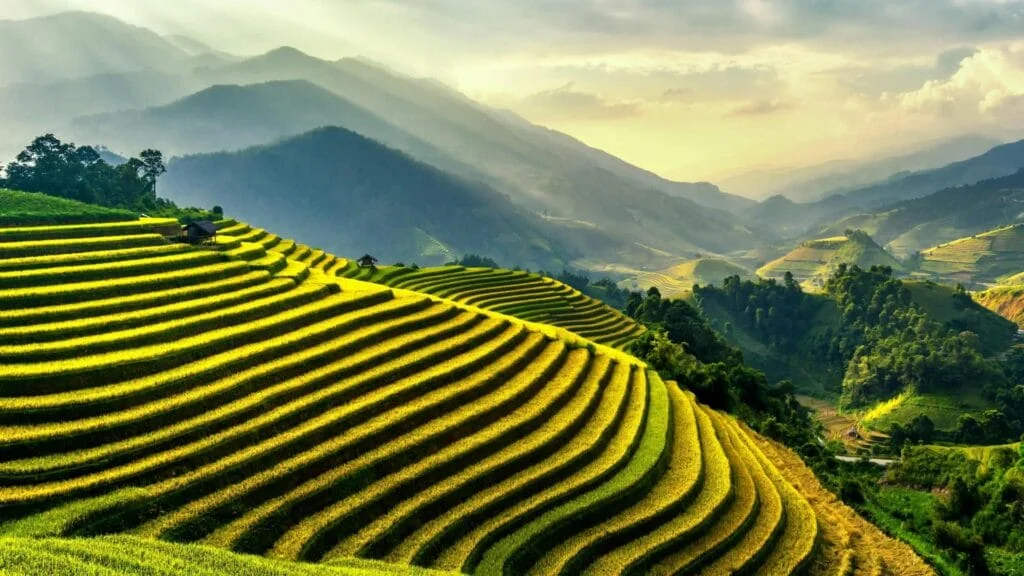
Vietnam is geographically diverse, with clear contrasts between the north and the south. Northern Vietnam is dominated by mountain ranges, especially the Hoang Lien Son range in the northwest, home to Vietnam’s highest peak, Fansipan (3,143 meters). This region is home to many ethnic minorities and is famous for its terraced rice fields and scenic landscapes. In the north you will also find the Red River Delta, the cradle of Vietnamese civilization and the location of the capital city, Hanoi.
Central Vietnam is a narrow strip of land between the Gulf of Tonkin in the east and the mountains in the west. This area includes the historically important city of Hue and the beautiful ancient town of Hoi An. The central coast is known for its sandy beaches and is home to several of the country’s most popular resorts.
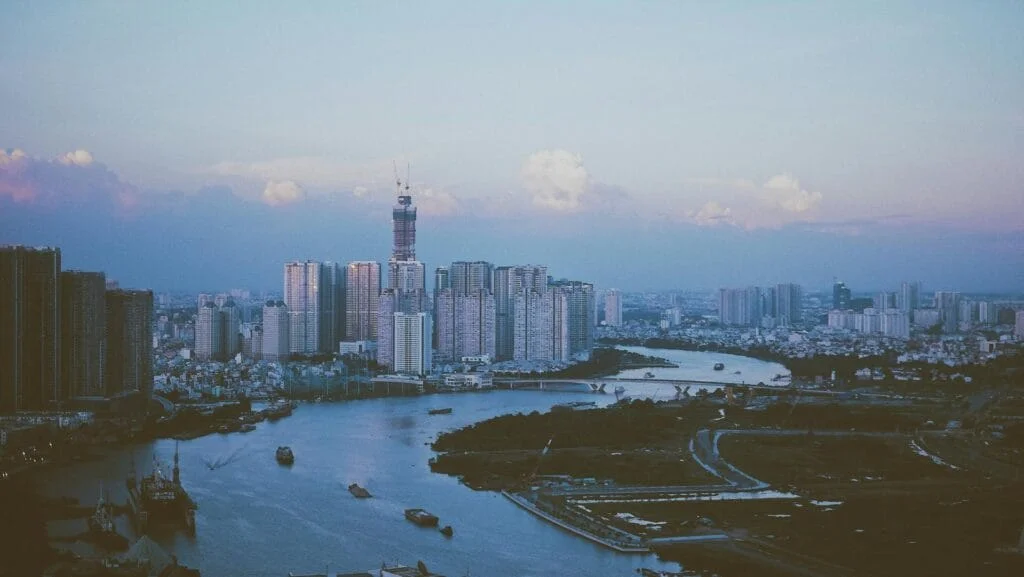
Southern Vietnam is shaped by the vast Mekong Delta, one of the largest river deltas in the world and the main rice bowl of the entire region. This is also where you’ll find the metropolis of Ho Chi Minh City (formerly Saigon), the economic hub of the country. The coastline is dotted with small islands and beaches, including the highly rated island of Phu Quoc, Vietnam’s most important resort destination.
Climate and weather for travelers
Vietnam lies in both tropical and subtropical zones, and its climate varies significantly by region and season. In general, Vietnam can be divided into three main climate zones.
In the north (the Hanoi and Ha Long Bay area) you’ll find a subtropical climate with cooler winters (night temperatures can drop to 10–15 °C) and hot, humid summers. The best months to visit are February to April, when temperatures are a pleasant 20–25 °C. From May to September the monsoon season brings high humidity and frequent rain.
In Central Vietnam (Hue, Hoi An, Da Nang) the climate is tropical with two main seasons. The dry and hot season runs from February to August. The rainy season arrives with the northeast monsoon from September to January, with the heaviest rainfall and highest typhoon risk in October and November. The best time to visit is from February to June, when temperatures usually range between 25–32 °C.
In the south (the Ho Chi Minh City area and the Mekong Delta), there is a tropical climate with two main seasons. From December to April it’s the dry season, with pleasant weather and temperatures around 25–30 °C. From May to November it’s the rainy season, with frequent showers that are usually short but intense. Even during this time, the south is still a good place to visit.
| Month/Period | Note |
|---|---|
| January–March | The best time to visit the whole of Vietnam, dry weather, pleasant temperatures (20–28°C), very little rain. |
| April–May | Transitional period, temperatures rise (25–35°C), still a good time to go, but heat and humidity increase. |
| June–August | Peak summer heat and humidity (30–38°C), the rainy season is at its height in both the north and the south. |
| September–November | Rainy season and typhoons, especially in Central Vietnam (October, November). |
| December–January | Warm and dry weather (20–28°C), ideal for beaches in the south, main tourist season. |
Regions and types of destinations
Northern Vietnam: History, mountain landscapes and natural wonders
Northern Vietnam is ideal for travelers looking for a mix of authentic history, natural beauty and culture. This region is defined by mountain ranges, traditional villages and some of the country’s most famous sights.
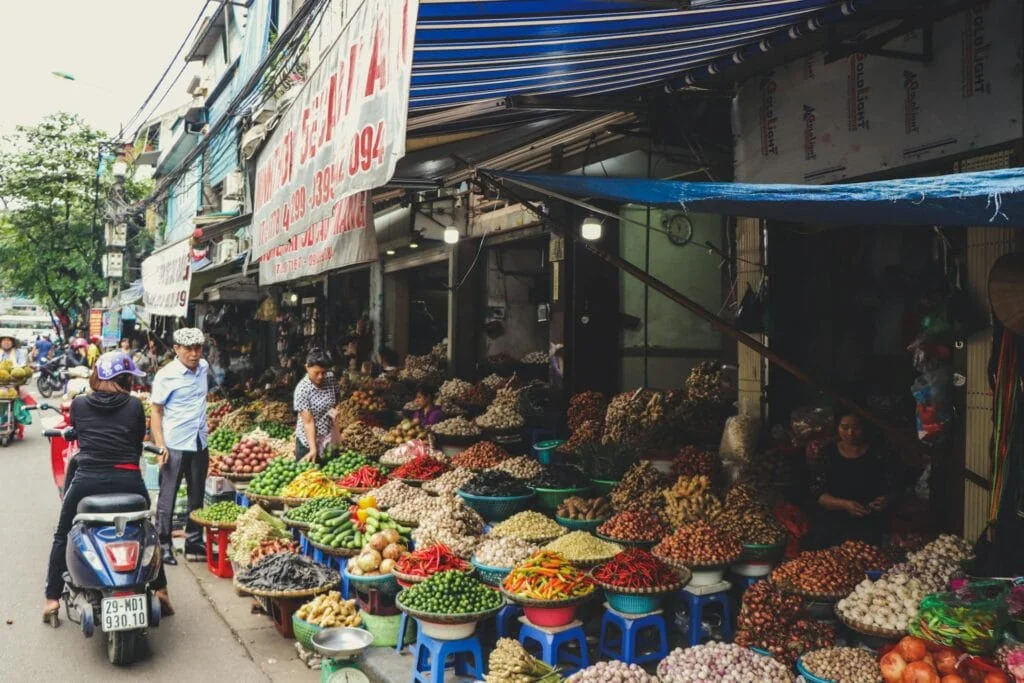
Hanoi, the capital of Vietnam, is the heart of the northern region. This thousand-year-old city is without doubt one of the most romantic and vibrant cities in Asia. In Hanoi, the narrow lanes of the Old Quarter contrast with French colonial buildings and ancient temples. The Old Quarter, with its buzzing chaos of motorbikes, busy markets and the aromas of street food, is an experience you won’t forget. Hanoi is home to a thousand years of history – from ancient Thăng Long, through the French colonial era, to modern Vietnam. The city offers fascinating museums, the peaceful Hoan Kiem Lake in the very center, and an excellent food scene.
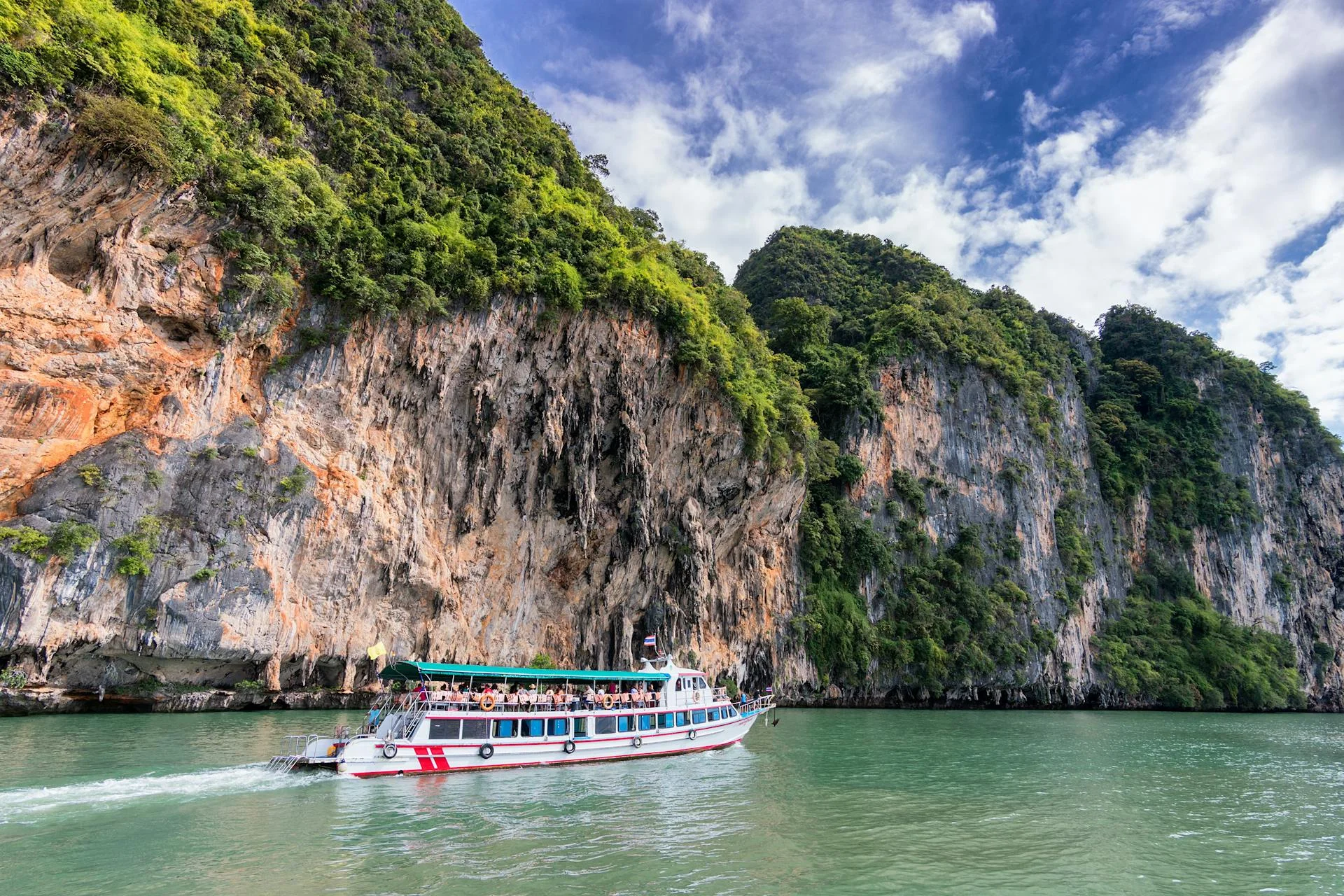
Ha Long Bay (Vịnh Hạ Long) is one of the world’s most famous natural wonders and without a doubt the most photographed spot in Vietnam. Located 170 kilometers from Hanoi, this UNESCO site is made up of more than 1,900 limestone islets and karsts rising from an emerald-clear sea. The name “Ha Long” means “the place where the dragon descends into the sea”, and according to local legend these stunning islands were carved out by the tail of a mighty dragon. A visit to Ha Long Bay usually includes a boat cruise weaving between the islets, exploring caves such as Thien Cung (Heavenly Palace Cave) and Sung Sot (Surprise Cave), and sometimes swimming in the calm waters or relaxing in floating villages. Cruising through Ha Long Bay is a one-of-a-kind experience you’ll remember for the rest of your life.
Ninh Binh is one of the most beautiful hidden gems in northern Vietnam. It’s often called “Ha Long on land” because it offers a similar landscape – limestone cliffs rising from rice fields instead of the sea. Ninh Binh is ideal for travelers who prefer a quieter setting without crowds. A boat ride along the rivers in Trang An or Tam Coc between the limestone cliffs is a magical experience. The region is also home to ancient temples and pagodas and is perfect for hiking and cycling.
Sapa is a mountain town in the Hoang Lien Son range near the Chinese border. It’s a great choice for travelers looking for cooler weather and a more relaxed atmosphere. Sapa is famous for its terraced rice fields and visits to traditional villages of ethnic minorities (Hmong, Zao, Tay), which makes Sapa irresistible for culture and nature lovers. Sapa is also the starting point for climbing Fansipan, the highest mountain in Vietnam and a popular trekking destination. In the winter months, Sapa can even see snowfall, which is a big draw for visitors from the tropical parts of Vietnam.
Central Vietnam: Imperial seat, ancient towns and beaches
Central Vietnam offers a perfect mix of cultural heritage, historical landmarks and natural beauty. This region was the historical heart of Vietnam, and its architectural treasures reflect its rich imperial traditions.
Hue was the seat of the Nguyen imperial dynasty and the capital of Vietnam for more than 140 years (1802–1945). The city is split by the Perfume River (Sông Hương) and its most important landmark is the Imperial Citadel (Hoàng Thành) with the Forbidden City (Tử Cấm Thành), which in the past was accessible only to the emperor and his family. Although many buildings were destroyed during the war, the citadel remains one of the most important sites in Vietnamese history. Around Hue you’ll also find several of the most beautiful royal tombs of the Nguyen dynasty, scattered across the hilly landscape and considered architectural masterpieces. Hue is also renowned for its culinary tradition and excellent street food.
Hoi An is an ancient town that flourished as an important trading port from the 15th to the 19th century. Unlike many historic cities that were destroyed during wars, Hoi An has managed to keep its authentic look and was one of the first places in Vietnam to be listed as a UNESCO World Heritage Site. The historic center is lined with yellow-painted houses featuring Chinese, Japanese, and French architectural styles. The most famous landmark is the Japanese Covered Bridge (Chùa Cầu), which connects the town’s main districts. In Hoi An, you can have custom-made clothing tailored by local dressmakers, take a boat ride on the river among lanterns, or simply relax in one of the many cafés and restaurants. Hoi An is also a great place to combine culture with beach time at nearby An Bang Beach.
Da Nang is a modern port city and the main gateway to Central Vietnam. Although it is not as rich in history as Hue or Hoi An, Da Nang is home to some of the most beautiful beaches in Vietnam and is perfect for a relaxing stay. The city lies close to My Son, an ancient Cham temple complex that is another UNESCO site and offers a glimpse into an early civilization. Near Da Nang you will also find the Marble Mountains (Ngũ Hành Sơn), which, according to legend, represent the five natural elements – wood, fire, earth, metal, and water.
Nha Trang is a popular beach resort that has become one of the key destinations for summer holidays. The city stretches along a long sandy coastline and attracts large numbers of both international and domestic visitors. Nha Trang is known for its lively nightlife, water sports (diving, snorkeling), and a wide range of hotels in every price bracket. For travelers looking for an active beach holiday, Nha Trang is an excellent choice.
Southern Vietnam: Metropolises, the delta, and tropical islands
Ho Chi Minh City (HCMC, formerly Saigon) is the largest city in Vietnam and the country’s economic powerhouse. With a population of over 9 million, it is a dynamic, high-energy city that is constantly evolving and changing. Ho Chi Minh City is ideal for travelers who enjoy urban buzz, food experiences, and shopping. The city is also home to key historical landmarks such as the Reunification Palace (the former Presidential Palace), where the Vietnam War came to an end, and the War Remnants Museum. Just outside the city are the Cu Chi Tunnels, an extensive network of underground passages used during the war, which today rank among the most popular tourist attractions.
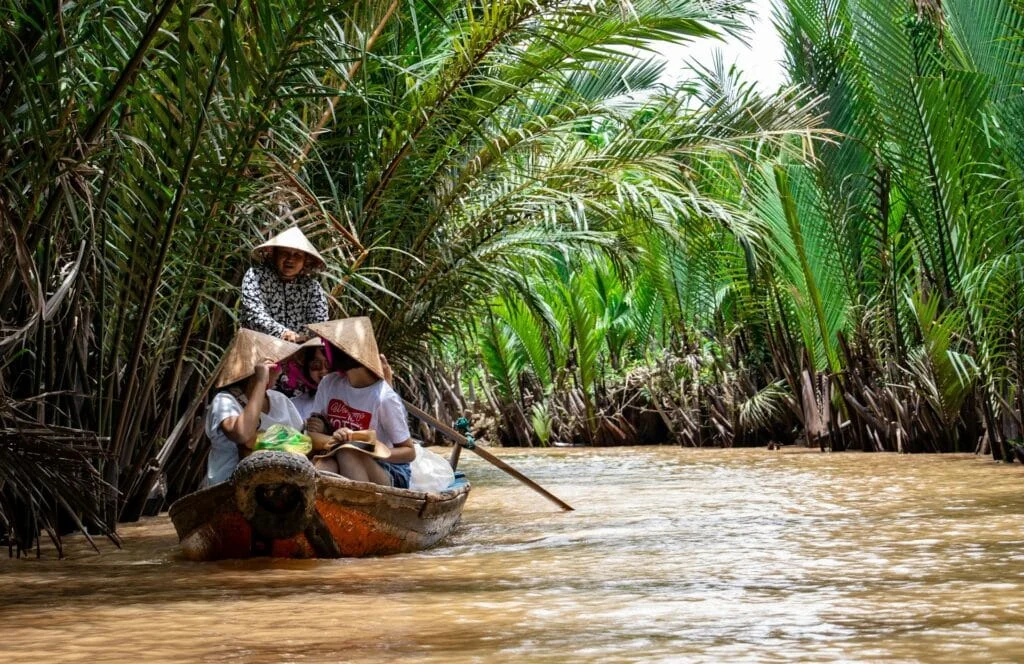
The Mekong Delta is the agricultural heartland of Vietnam and offers a completely different experience from the hectic city. This vast region is a maze of rivers, canals, and small villages where locals still live in a traditional way. Travelers can visit the floating markets (Cai Rang), where vendors sell fruit and vegetables straight from their boats, watch traditional crafts, or spend time in local villages. The Mekong Delta is the best place for anyone seeking a genuine encounter with local culture.
Phu Quoc is the largest and best-known island in Vietnam, long regarded as the “pearl of the Orient.” It’s home to some of the most beautiful beaches in the country, especially Long Beach (Bai Truong), a 20-kilometre stretch lined with coconut palms. Phu Quoc is perfect for unwinding, lazy days on the beach, and water sports. The island is also famous for producing fish sauce (nước mắm), a staple ingredient in Vietnamese cuisine. Czech travellers can enter Phu Quoc without a visa for up to 30 days (under certain conditions).
Con Dao is a small, lesser-known archipelago with soft white sand and remarkably well-preserved nature. The islands offer some of the best spots for diving and snorkelling in Vietnam. Con Dao is ideal for travellers looking for quiet, unspoilt beaches and natural beauty without tourist crowds.
Most famous landmarks and cities
Ha Long Bay: A UNESCO natural wonder
Ha Long Bay is without a doubt the most photographed landmark in Vietnam and one of the world’s best-known natural wonders. The bay covers more than 1,500 square kilometres and includes almost 2,000 limestone islets and rock formations. Whether you believe the dragon legend or not, Ha Long is one of the most breathtaking places on Earth. A visit usually includes an overnight boat cruise and stops at key sites such as the Thien Cung and Sung Sot caves. During the cruise you can swim in calm coves, go kayaking between the rocks, or simply relax in floating villages. In 2023, Ha Long Bay together with the nearby Cat Ba archipelago was recognised by UNESCO as a World Natural Heritage site.
Imperial Complex of Hue: Seat of the Nguyen dynasty
The complex of monuments in Hue includes the Imperial Citadel (Hoàng Thành), which was the centre of Vietnamese imperial power from 1802 to 1945. Inside the citadel is the Forbidden City (Tử Cấm Thành), once accessible only to the imperial family. Although many buildings were destroyed during the war, the remaining structures and their reconstructions still captivate visitors. The area around Hue is also home to several of the most beautiful royal tombs of the Nguyen dynasty. The most famous tomb belongs to Emperor Tu Duc and is considered an architectural masterpiece. In 1993, this complex was added to the UNESCO World Heritage List.
Hoi An: A medieval trading port
The ancient town of Hoi An is one of the best-preserved examples of a Southeast Asian trading port from the 15th to the 19th century. The town is famous for its yellow-painted houses that reflect Chinese, Japanese, and French architectural influences. One of the most iconic landmarks is the Japanese Covered Bridge (Chùa Cầu). Hoi An was one of the first cities in Asia to be added to the UNESCO World Heritage List in 1999. This beautiful town is perfect for strolling around, taking photos, shopping in traditional craft stores, and enjoying local food in riverside restaurants. Hoi An is also very popular for having tailor-made clothing sewn by local tailors at very reasonable prices.
My Son: Ancient Cham temple complex
My Son is an ancient complex of Cham temples and one of the most important historical sites in Southeast Asia. The temples, set in hilly terrain between Da Nang and Hoi An, once formed the religious center of the Champa Kingdom. The complex was built between the 4th and 13th centuries. Many temples were destroyed during the war, but the remaining ruins still showcase the sophisticated architectural skills of the ancient Cham civilization. My Son was added to the UNESCO list in 1999.
Imperial Citadel of Thang Long: The heart of Hanoi
The Imperial Citadel of Thang Long in Hanoi is one of the city’s oldest and most important landmarks. The citadel was built in 1010 and served as the seat of Vietnam’s ruling elite for more than a thousand years. Key sights include the Flag Tower (Cột Cờ), a symbol of Hanoi, and the Doan Mon Gate. The citadel was inscribed as a UNESCO World Heritage Site in 2010. A visit to Thang Long Citadel helps you grasp the historical depth of Vietnam and see the place where the country’s future was once decided.
Natural wonders and national parks
Phong Nha-Ke Bang: Mountains, caves, and untouched nature
Phong Nha-Ke Bang National Park is located in central Vietnam and is home to one of the most impressive karst landscapes in the world. This UNESCO-protected park hides hundreds of caves and underground rivers. The most famous cave is Son Doong, the largest cave on Earth, complete with its own river and jungle. Access to Son Doong is very limited and requires a special expedition. Another major cave is Phong Nha, which you can visit by boat along the river. The park is ideal for travelers looking for outdoor experiences and adventure.
Pu Luong: Nature reserve and trekking
Pu Luong Nature Reserve lies in northern Vietnam and is known for its mountain ridges, rice terraces, and traditional villages. The reserve is perfect for travelers interested in trekking in nature and meeting local ethnic communities. During your trek, you can watch local farmers at work, see traditional techniques in practice, and gain insight into everyday life in rural Vietnam.
Cuc Phuong: The oldest national park in Vietnam
Cuc Phuong National Park is the oldest national park in Vietnam and home to rich biodiversity, including several endangered species. The park is covered in dense jungle stretching from valleys up into the mountains. It’s an ideal destination for travelers looking for immersive nature experiences and a chance to see Vietnam’s wildlife and plant life. The park is also home to rescue centers for primates and pangolins.
Best beaches
Long Beach, Phu Quoc: The pearl of Vietnam
Long Beach (Bai Truong) on Phu Quoc Island is without a doubt one of the most beautiful beaches in Vietnam. This 20-kilometer stretch of sand is lined with coconut palms and offers soft white sand and crystal-clear blue water. It’s perfect for swimming, sunbathing, and unwinding. Restaurants and bars are scattered along the shore, serving everything from traditional Vietnamese dishes to international cuisine.
My Khe Beach, Da Nang: A world-class beach
My Khe Beach in Da Nang was named one of the most attractive beaches in the world by the American magazine Forbes. This long beach stretches along the Da Nang coastline and offers views of the Marble Mountains. It’s ideal for swimming, surfing (especially in the winter months when the waves are stronger), and sunbathing. Some of the best-equipped hotels and resorts in Vietnam are located around the beach.
Nha Trang Beach: A Vietnamese coastal classic
Nha Trang Beach is a classic Vietnamese beach that has been a popular destination for travelers for decades. This six-kilometer beach is lined with golden sand and overlooks a bay dotted with islands. It’s a place where modern hotels and restaurants blend with natural beauty. Nha Trang is ideal for travelers who want a mix of beach relaxation and lively nightlife.
An Bang Beach, Hoi An: Quiet and picturesque
An Bang Beach is a quieter beach near the ancient town of Hoi An. It’s lined with casuarina trees and has a more laid-back vibe than Nha Trang. The beach is perfect for travelers looking for peace and the chance to combine downtime with a visit to historic Hoi An.
Bai Sao, Phu Quoc: Clear waters and white sand
Bai Sao is a smaller beach in the south of Phu Quoc Island, known for its crystal-clear turquoise water and powdery white sand. It’s less visited than Long Beach and offers a more tranquil setting. It’s ideal for swimming and snorkeling.
Activities and fun
Vietnam offers an endless range of activities for every type of traveler. For adventurers, there is trekking in the mountains of Sapa, kayaking in Ha Long Bay, or exploring caves in Phong Nha-Ke Bang. For culture lovers, you can visit the ancient town of Hoi An, the imperial city of Hue, and the Old Quarter of Hanoi. For nature enthusiasts, there is trekking in the Pu Luong Nature Reserve or wildlife watching in Cuc Phuong National Park. If you prefer an active beach holiday, you can go surfing in Da Nang, try water sports in Nha Trang, and unwind on Phu Quoc. Vietnam’s tourism scene also includes cooking classes, shopping at local markets, visiting floating markets in the Mekong Delta, and joining traditional activities such as fishing or working in a rice field.
Gastronomy and culture
Typical food and drinks
Vietnamese cuisine is one of the most famous in Asia and is known for its balance of flavors, fresh ingredients, and generous use of herbs. Unlike some other Asian cuisines, Vietnamese food is not usually very spicy and is often surprisingly light and refreshing.
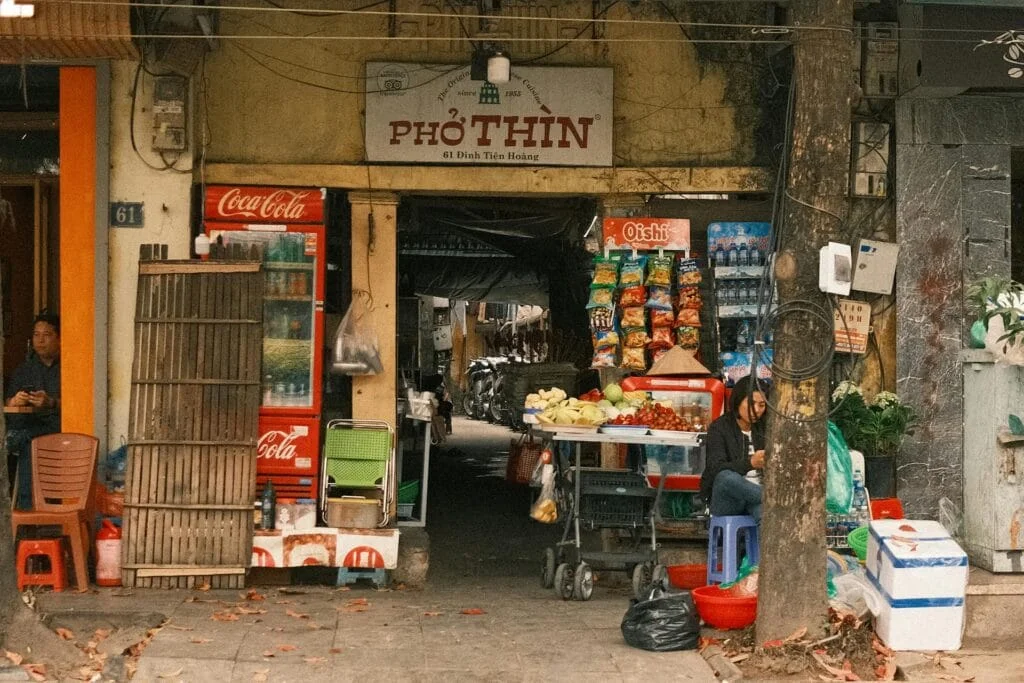
Phở is the iconic Vietnamese soup and the national dish. It is made with a long-simmered beef or chicken broth, wide rice noodles, thin slices of meat, and fresh herbs such as coriander, mint, and basil. Every region prepares phở a bit differently – the Hanoi version is more traditional with a simpler broth, while the Saigon version tends to be sweeter.
Bánh Mì is a Vietnamese sandwich and a clear example of the French influence on local food. It is a crispy baguette filled with grilled pork, pâté, pickled vegetables (carrot, radish), fresh herbs, and various sauces. Bánh Mì is a popular street food that you can buy on almost every corner for about $0.90–$1.80.
Bún Chả is a traditional Hanoi dish made of grilled pieces of pork served with rice noodles, herbs, and a sweet-and-sour dipping sauce. In Hanoi, it is traditionally eaten for lunch and is one of the most popular dishes among locals.
Bánh Xèo is a crispy Vietnamese pancake made from rice flour and filled with pork, shrimp, bean sprouts, and herbs. You eat it by wrapping pieces of the pancake in lettuce leaves with herbs and dipping them in a sweet-and-sour sauce. Bánh Xèo is especially popular in central and southern Vietnam.
Spring rolls (Gỏi cuốn and Nem rán) are popular starters. Fresh spring rolls (Gỏi cuốn) are filled with shrimp, meat, noodles, and herbs, while fried spring rolls (Nem rán) have a crunchy texture.
Vietnamese drinks include Vietnamese coffee (Cà phê), which is known for its strength. It is traditionally brewed using a small metal filter (phin) and is often served with sweetened condensed milk. Trà Đá (iced tea) is a popular refreshing drink during the hot months.
Dining tips
In Vietnam, breakfast is usually served between 6 and 7 a.m., lunch around noon, and dinner from 6 to 7 p.m. Many street stalls close early in the afternoon and reopen in the evening. Restaurants are usually open until 10–11 p.m.
Restaurant etiquette is fairly informal. When ordering, you can simply point to the dishes in the photos on the menu. Tipping is not traditionally expected in Vietnam, but in tourist-oriented restaurants people often leave 5–10%. For street food, tips are not expected.
Cultural customs and festivals
Vietnam has a rich cultural heritage that comes to life in many festivals and customs. Tết, the Vietnamese New Year, is the biggest festival in the country and is usually celebrated at the end of January or the beginning of February. During Tết, cities are decorated with red and gold ornaments, families gather, prepare traditional dishes, and honor their ancestors.
The Mid-Autumn Festival (Tết Trung Thu) is another major celebration, held in September and dedicated to the harvest and the Moon. During the festival, people traditionally eat mooncakes and children play with lanterns.
Buddhist festivals are also important in Vietnam, the best-known being Vesak, which celebrates the birth of Buddha and takes place in May.
Ancestor worship is deeply rooted in Vietnamese culture. In many homes you will find a family altar with photos of deceased relatives, where offerings of food and incense sticks are placed.
Key practical information
Currency and payments
The official currency of Vietnam is the Vietnamese dong (VND). One US dollar is equal to roughly 25,000 dong, one Czech crown to about 1,000 dong (the exchange rate changes). Banknotes are available in denominations from 1,000 up to 500,000 dong.
Payment cards are accepted in most hotels, higher-end restaurants, and large shops, especially in big cities. In smaller villages and at street stalls you will need to pay in cash. ATMs are widely available in Hanoi, Ho Chi Minh City, and other tourist hubs. Watch out for foreign withdrawal fees.
Entry formalities and visas
Since 15 August 2023, citizens of the Czech Republic can travel to Vietnam for tourism without a visa for stays of up to 45 days. You only need a passport that is valid for at least 6 months from the date you enter the country.
If you plan to stay longer than 45 days or you are travelling for another purpose (work, study), you must arrange an electronic visa (e-visa) in advance. You apply for the e-visa through the official immigration portal and it allows you to stay for up to 90 days (with single or multiple entry). The fee is 25 USD (single entry) or 50 USD (multiple entry). Processing usually takes 3–5 working days.
When entering Vietnam, have your passport and the address of your first accommodation ready.
Safety and local customs
Vietnam is considered a relatively safe destination in Asia and is suitable even for first-time travellers. Local people are usually very hospitable. Still, it is sensible to follow some basic safety rules:
Keep an eye on your belongings, especially in busy places such as markets, train and bus stations, and city centres. Pickpocketing occurs mainly in Ho Chi Minh City and Hanoi.
When riding a motorbike or in a taxi, keep your bags and phones secure.
Always agree on the price in advance (for example with cycle rickshaws), or insist on using the taximeter. In big cities, use apps such as Grab.
Road traffic in Vietnam is chaotic. Be very careful when crossing the street. The safest way is to cross at a steady, slow pace so drivers can see you and go around you.
It is advisable to avoid talking about local politics. Drug laws in Vietnam are very strict and carry severe penalties.
Healthcare and vaccinations
There are no mandatory vaccinations required for travel to Vietnam. However, it is recommended to be up to date with your tetanus shot and to consider vaccination against hepatitis A and typhoid fever. For longer stays in rural areas, consult your doctor about vaccination against rabies and Japanese encephalitis.
Good-quality medical care is available at private clinics in major cities. In rural areas, the standard of care is lower. Treatment costs are relatively low. It is strongly recommended to take out comprehensive travel insurance that will cover any medical expenses.
Fauna and flora
Vietnam is home to rich biodiversity. Animals you may encounter include various species of monkeys, elephants, and a large number of birds and reptiles. Although Vietnam’s nature was heavily affected by war and deforestation in the past, the remaining wilderness is slowly recovering. The vegetation includes tropical rainforests, mangroves, and bamboo groves. The Vietnamese landscape is known for its terraced rice fields in the north and vast waterways in the Mekong Delta.
Basic phrasebook
| Czech phrase | Vietnamese |
|---|---|
| Hello / Good day | Xin chào (sin čao) |
| Thank you | Cảm ơn (kam on) |
| Please | Xin vui lòng (sin vuj long) |
| How are you? | Bạn khỏe không? (ban chwe khong) |
| My name is... | Tên tôi là... (ten toj la) |
| I don’t speak Vietnamese | Tôi không nói tiếng Việt (toj khong noj tieng viet) |
| How much is this? | Cái này bao nhiêu tiền? (kaj naj bao niu tien) |
| That’s too expensive | Đắt quá (dat kwa) |
| The bill, please | Tính tiền (tin tien) |
| Beer, please | Cho tôi một bia (čo toj mot bia) |
| Water | Nước (nuok) |
| Excellent! | Tuyệt vời! (tujet voj) |
| Goodbye | Tạm biệt (tam biet) |
Transport and logistics
How to get to the country
Vietnam is easy to reach by air from Europe. The main international airports are Noi Bai Airport (HAN) in Hanoi and Tan Son Nhat Airport (SGN) in Ho Chi Minh City. The average flight time from Prague is around 14–18 hours with one stopover (usually in Istanbul, Dubai or Doha). Airlines such as Turkish Airlines, Qatar Airways and Emirates operate these routes.
Return tickets usually range from about $720 to $1,000 depending on the season and how far in advance you book. The cheapest fares are typically available in the shoulder seasons (September–November, April–May).
Getting around the country
Domestic flights are the fastest way to travel between distant cities. Vietnamese airlines such as Vietnam Airlines, VietJet Air and Bamboo Airways offer affordable domestic routes. A one-way ticket from Hanoi to Ho Chi Minh City usually costs between $40 and $80.
Trains are a comfortable option for medium-distance journeys. The main railway line, known as the “Reunification Express”, connects Hanoi and Ho Chi Minh City. The trip takes roughly 30–35 hours. You can buy tickets in different classes (seats, soft and hard sleepers). Night trains are a great way to save both time and a night’s accommodation.
Bus transport is the most common and cheapest way to get around. Buses run almost everywhere. For longer distances, sleeper buses are ideal, as they let you travel overnight in relatively decent comfort. Recommended companies include The Sinh Tourist, FUTA Bus Lines (Phuong Trang) and Hoang Long.
Taxis and Grab are a good choice for short trips within cities. In major cities you can use the Grab app (similar to Uber), which offers both car rides and motorbike rides (Grab Bike), a fast and inexpensive way to get around.
Motorbike rental is a popular option for travellers who want more flexibility. Rental costs around $4–$8 per day. If you decide to ride, be extremely careful, as Vietnamese traffic is very chaotic. An international driving licence is officially required.
Prices and trip budget
Budget traveller
A budget traveller will stay in a hostel for about $6–$10 per night or in a simple guesthouse (Nha Nghi). They will mostly eat street food for $1–$3 per meal. The total daily food budget comes to roughly $6–$10. Local bus transport is very cheap.
Approximate daily budget: $24–$36 per person.
Mid-range budget
A mid-range traveller will stay in a three-star hotel for $28–$60 per room per night. They will eat in restaurants, where meals cost $3–$8. For transport, they can combine buses, trains, Grab and the occasional domestic flight.
Approximate daily budget: $48–$80 per person.
Luxury budget
A high-budget traveller will stay in a five-star hotel with prices starting at about $100 per night. They will dine in upscale restaurants and use private transfers and domestic flights for transport.
Approximate daily budget: from $160 per person.
Two-week stay
For a two-week budget trip, expect to spend around $320–$520 per person (excluding flights).
For a two-week mid-range trip, expect costs of about $680–$1,120 per person.
For a two-week high-end trip, expect to spend from $2,000 per person.
How to plan the perfect trip
Choosing the right region
For first-time visitors I recommend: Hanoi (2 days), Ha Long Bay (2 days), Hoi An (3 days), and Ho Chi Minh City (2 days). This route gives you a great overview of Vietnamese culture, nature, and history.
For families with children I recommend: Hoi An (3–4 days) with some beach time, Nha Trang (3–4 days) for calm beaches and theme parks, and Phu Quoc (3–4 days) for a relaxing finish. This itinerary is safe and not too physically demanding.
For senior travelers I recommend: Hanoi (2 days), a cruise in Ha Long Bay (2 days, ideally with higher-standard accommodation on the boat), Hoi An (3 days), and the Mekong Delta (1–2 days). Avoid physically demanding trekking.
For adventurous travelers I recommend: Ha Giang Province (3–4 days by motorbike), Sapa (2–3 days with trekking), Phong Nha-Ke Bang National Park (2–3 days for cave exploration), and the Con Dao archipelago (2–3 days).
Typical planning mistakes
Many travelers mistakenly think Vietnam is a small country you can cover in just a few days. In reality, Vietnam is long and travel between destinations takes a lot of time. It’s better to choose fewer places and spend more time in each one than to try to see everything.
Another common mistake is traveling in peak season (December–February) without booking accommodation and transport in advance. During these months, prices go up and places fill up quickly.
Don’t underestimate planning your journeys between cities. It’s a good idea to buy tickets a day or two ahead, especially on popular routes.
Sample itineraries
One week in Northern Vietnam: Days 1–2 in Hanoi (Old Quarter, Hoan Kiem Lake). Days 3–4 in Ha Long Bay (overnight cruise). Days 5–6 in Ninh Binh (boat trip in Trang An, hike up to the Hang Mua viewpoint). Day 7 return to Hanoi.
Two weeks across Vietnam (classic route): Days 1–3 in Hanoi. Days 4–5 in Ha Long Bay. Day 6 flight to Hue and city sightseeing. Days 7–9 in Hoi An (ancient town, beach). Day 10 flight to Ho Chi Minh City. Days 11–12 in Ho Chi Minh City (city tour, Cu Chi Tunnels). Day 13 trip to the Mekong Delta. Day 14 departure.
Summary and final tip
Vietnam is one of the most impressive and affordable destinations in Asia, offering an incredible mix of history, culture, natural beauty, and authentic experiences. From ancient dynasties through the French colonial era and wartime period to modern renewal, Vietnam has grown into a fascinating destination you really need to experience in person. The natural scenery from Ha Long Bay to the Mekong Delta, historic sites from Hanoi to Hoi An, and delicious Vietnamese food are just some of the highlights waiting for you here.
Whichever region you choose – whether you’re an adventurer, culture lover, nature enthusiast, or you simply want to unwind on the beach – Vietnam will give you unforgettable experiences. The key to a great trip is picking the right regions for your travel style, allowing enough time in each place, and staying open to the local culture. With low prices, friendly people, and a wide range of things to do, Vietnam is an ideal destination for both first-time visitors and seasoned travelers. Most importantly, enjoy the downtime, the discoveries, and the inspiration that Vietnam will undoubtedly bring.
Kategorie: