Nuts and Seeds Made Simple – How to Choose, Store, and Use Them to the Full
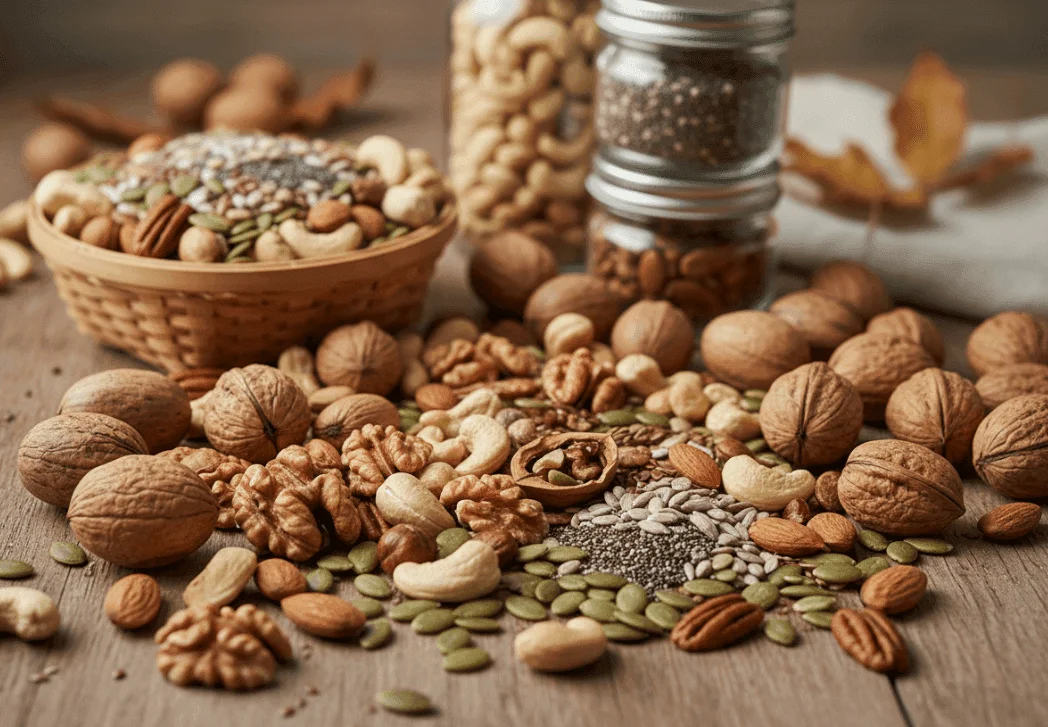
Nuts and seeds are nature’s little treasures, literally packed with nutrients. They’re an excellent source of healthy fats, protein, fiber, vitamins, and minerals that our bodies need to work properly. There’s a huge variety of types, each with its own unique flavor and specific health benefits. Regularly eating nuts and seeds can support heart health, brain function, and overall vitality.
Did you know that…
…peanuts are not botanically nuts but actually legumes?
And that cashew nuts actually grow at the end of a fruit called a cashew apple?
The most popular types of nuts
Every nut is unique. Get to know the most popular ones and discover what makes each of them special.
Almonds
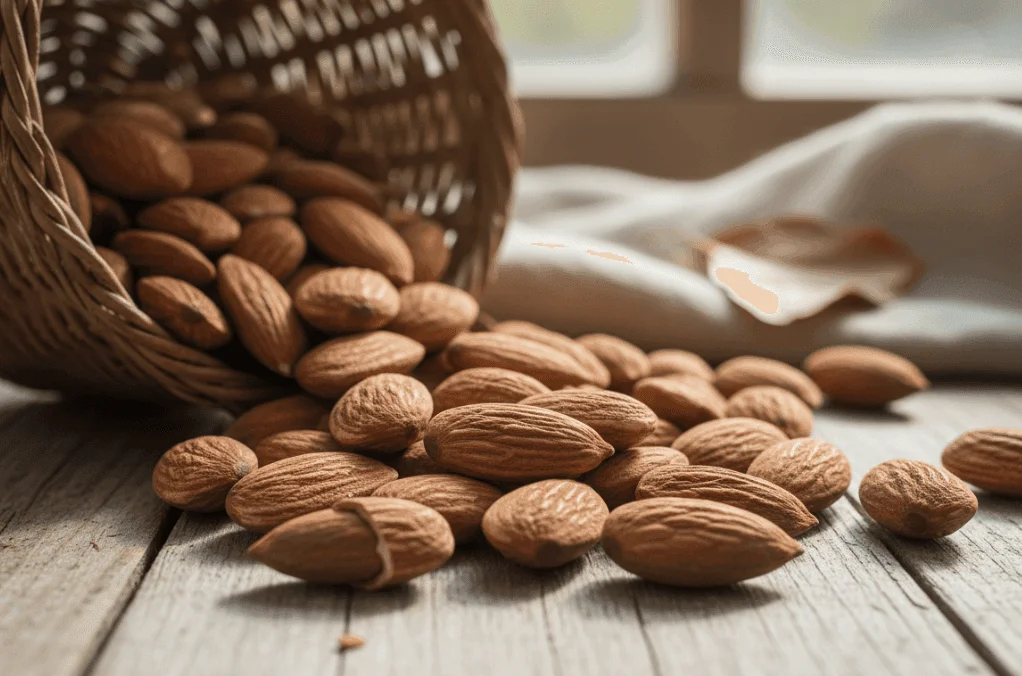
Almonds are among the most popular nuts of all. They have a mildly sweet, buttery flavor and are incredibly versatile. They’re a fantastic source of vitamin E, a powerful antioxidant, and also magnesium, which is important for proper muscle and nerve function. Thanks to their high protein and fiber content, they keep you full for a long time. In the kitchen, you can use them whole as a snack, chopped in salads, as flakes to decorate desserts, or as almond flour for gluten-free baking.
Walnuts
Their shape resembles the human brain, and it’s fascinating that they’re especially beneficial for the brain itself. They have a distinct, slightly bitter taste. They are one of the richest plant sources of omega-3 fatty acids, which support heart health and cognitive function. In the kitchen, they’re perfect for baking, such as cakes and strudels, but also for savory dishes, for example in salads with cheese and pears or in homemade pesto.
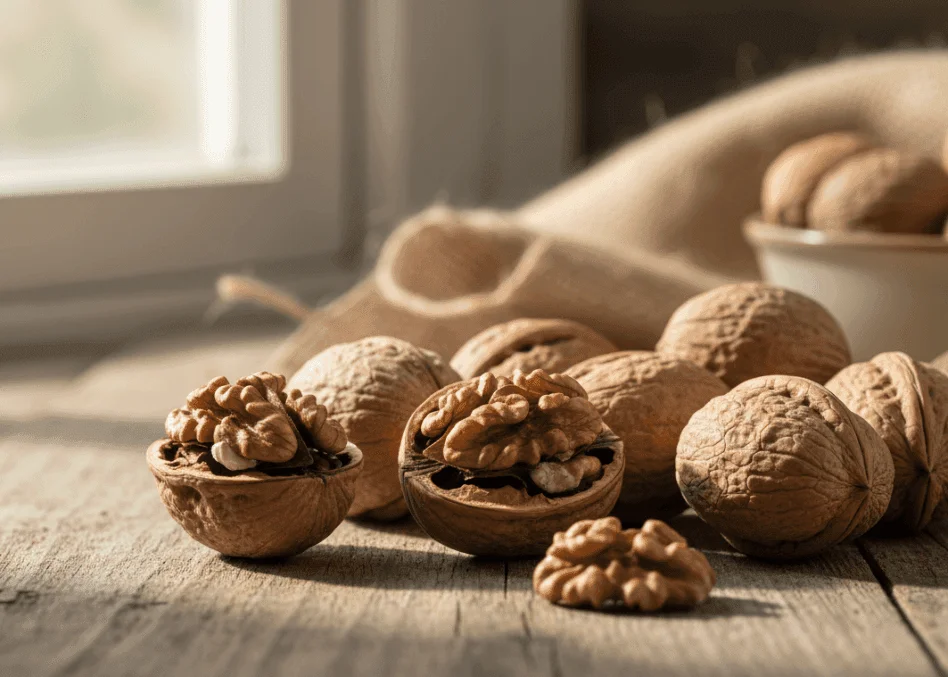
Hazelnuts
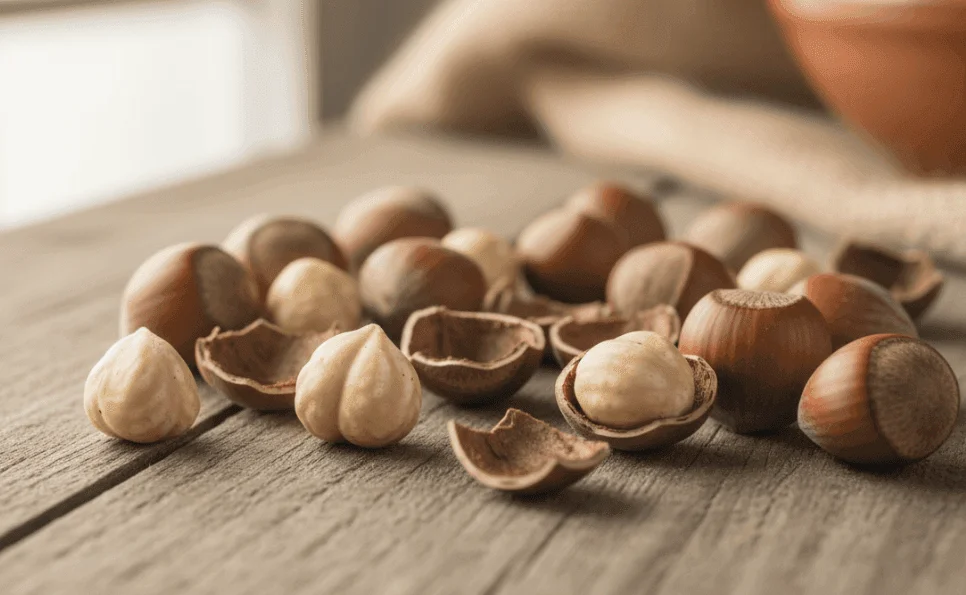
Hazelnuts have a sweet, slightly earthy flavor that becomes even more intense when roasted. They’re rich in monounsaturated fats, vitamin E, and manganese, which supports bone health. They’re a classic pairing with chocolate in many spreads and desserts. They’re great in granola, chopped in cookies, or as a base for homemade nut butter.
Cashews
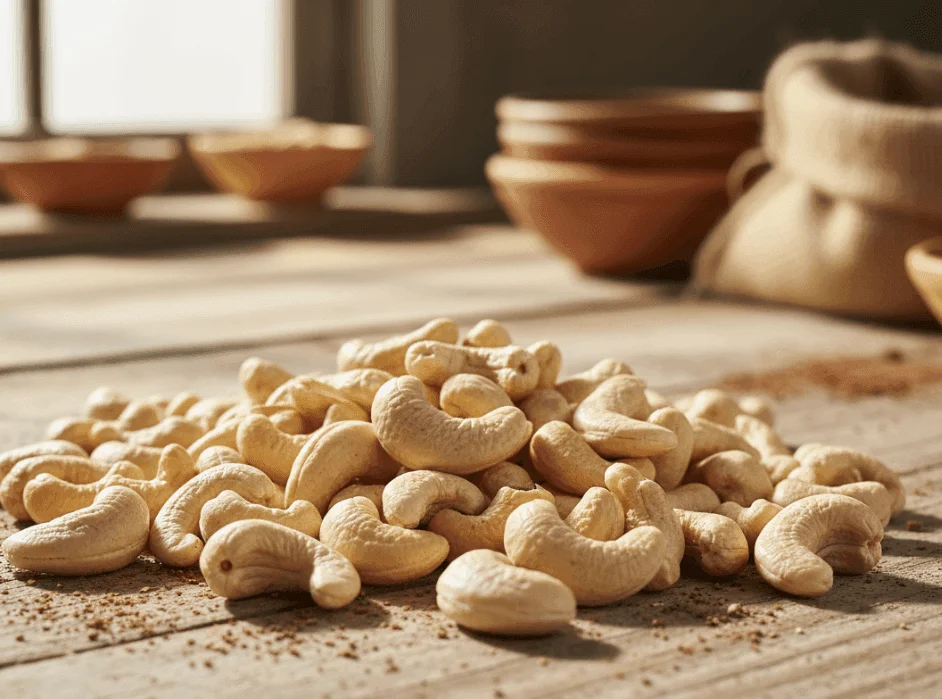
Cashews have a mild, creamy, naturally sweet taste. They’re a great source of copper, magnesium, and zinc. Thanks to their texture, they’re ideal for making vegan cheeses, creamy sauces, and desserts. They’re also lower in calories than many other nuts. They taste excellent on their own, roasted with salt, or as part of Asian dishes.
Pistachios
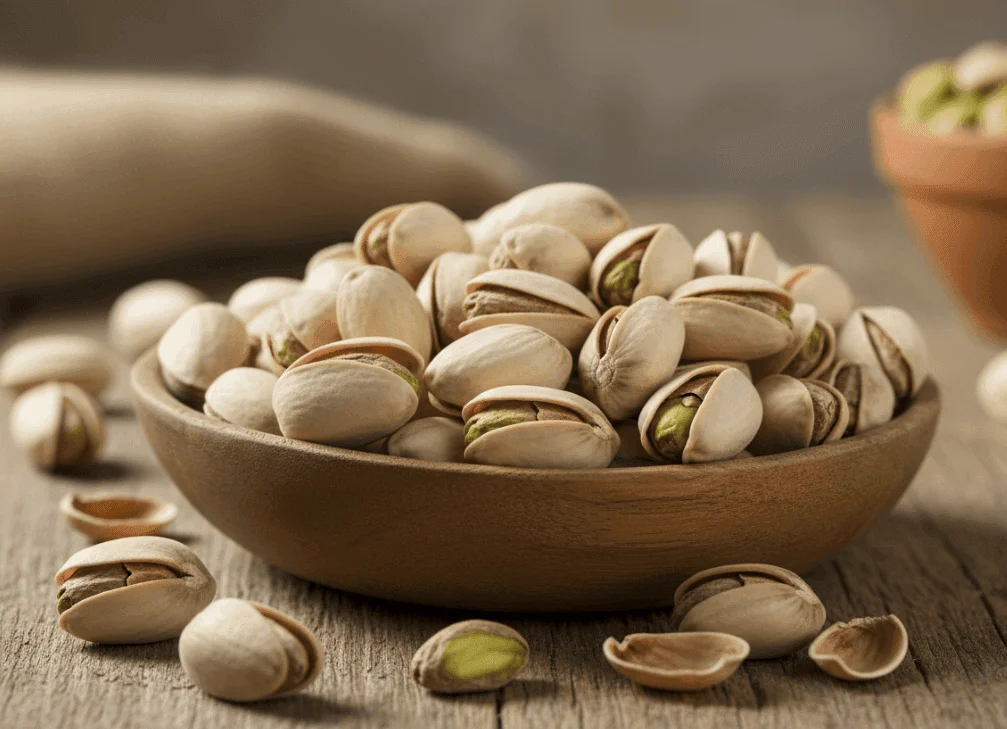
You can recognize pistachios by their green color and slightly sweet, distinct taste. They’re a good source of protein, fiber, and antioxidants. They also contain lutein and zeaxanthin, which support eye health. They’re often eaten as a salty snack, but they’re also fantastic in ice cream, baklava, or as a topping for both savory and sweet dishes.
Brazil nuts
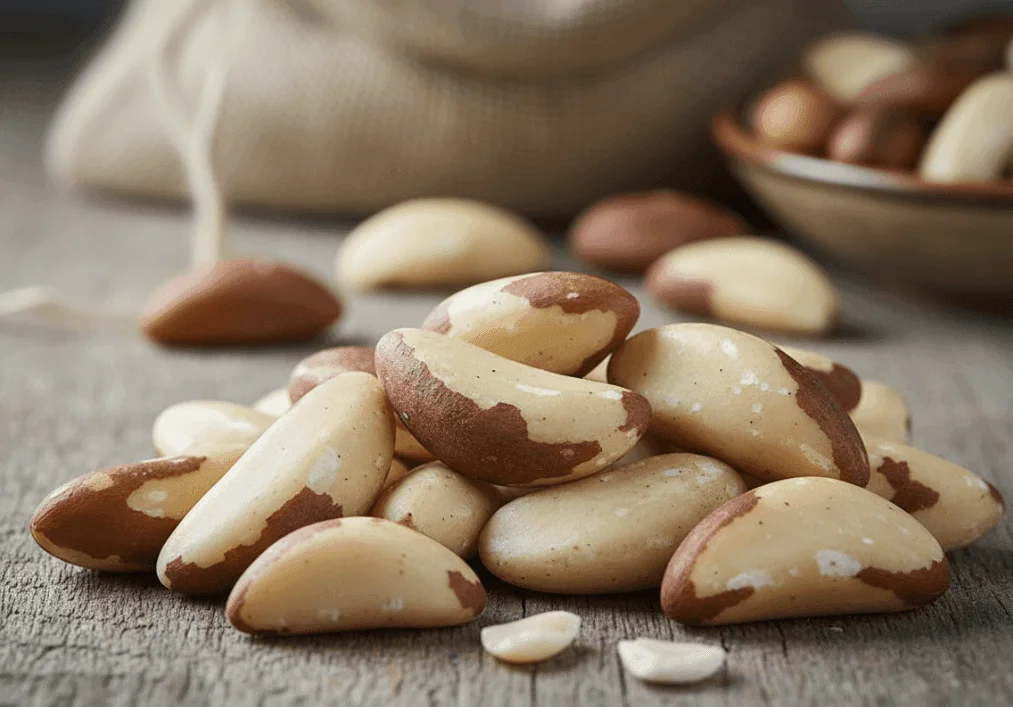
These large nuts with a buttery taste are absolute champions when it comes to selenium content. Selenium is a key mineral for thyroid function and the immune system. Just one to two Brazil nuts a day cover the recommended daily intake of selenium. Because of the very high selenium concentration, it’s not recommended to eat more than that. They’re great as a quick, nutrient-dense snack.
Pecans
Pecans are sweeter and milder than their relatives, walnuts. They have a high content of monounsaturated fats and are a source of zinc, which supports the immune system. They’re the star of the famous pecan pie, but they’re also excellent in maple syrup over pancakes, in salads, or as a crunchy topping on desserts.

Macadamia nuts
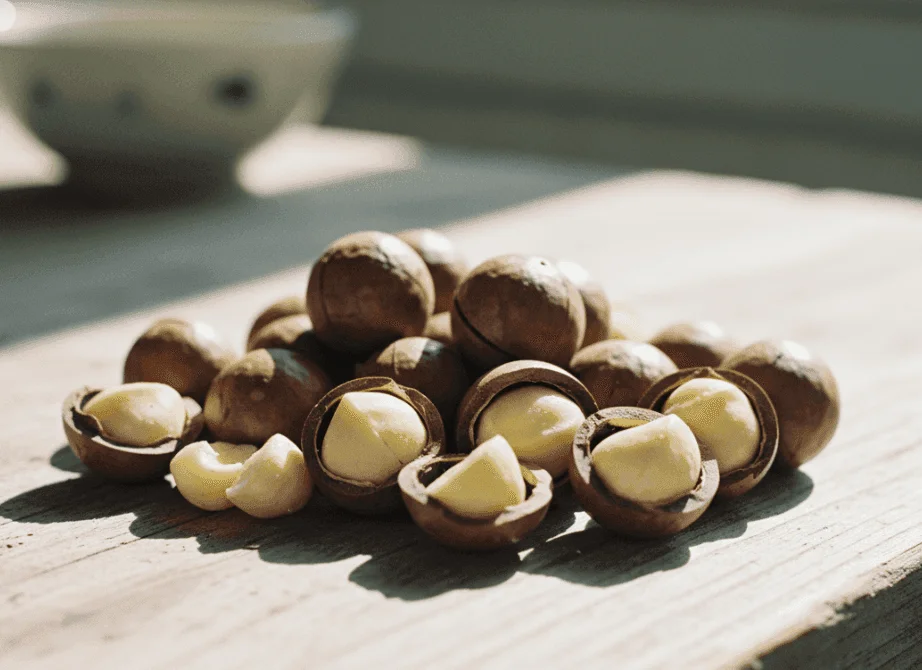
Often called “royal nuts” thanks to their rich, buttery flavor and delicate texture. They’re among the most expensive nuts, mainly because they’re difficult to grow. They’re high in monounsaturated fats that benefit heart health and are also a source of thiamine (vitamin B1). They’re best on their own, but they add a luxurious touch to white chocolate, cookies, or exotic dishes.
Overview of nuts and their nutritional benefits
| Name of nut | Key beneficial nutrients |
|---|---|
| Almonds | Vitamin E, magnesium, protein, fiber |
| Walnuts | Omega-3 fatty acids, antioxidants |
| Hazelnuts | Monounsaturated fats, vitamin E, manganese |
| Cashews | Copper, magnesium, zinc, protein |
| Pistachios | Protein, fiber, lutein and zeaxanthin |
| Brazil nuts | Selenium (in high concentration) |
| Pecans | Monounsaturated fats, zinc, antioxidants |
| Macadamia nuts | Monounsaturated fats, thiamine (vitamin B1) |
The most popular types of seeds
Seeds may be tiny, but their nutritional power is huge. Let’s take a look at the most common ones.
Chia seeds
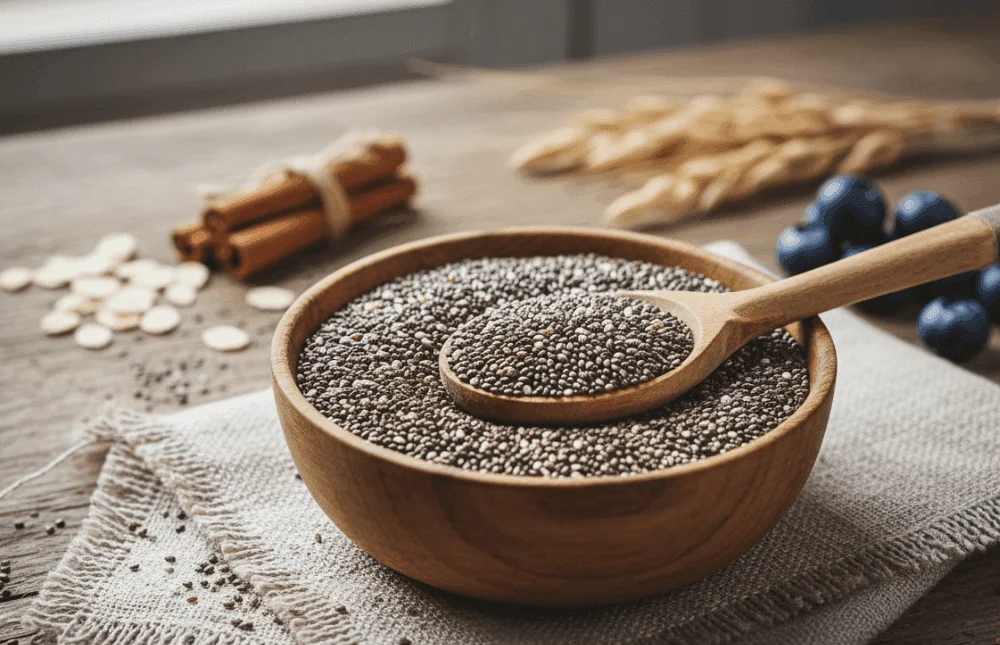
These small black seeds are known for their unique ability to form a gel. When soaked in liquid, they create a jelly-like texture, which is ideal for making healthy puddings and thickening smoothies. They’re a great source of omega-3 fatty acids, fiber, and calcium.
Flaxseeds
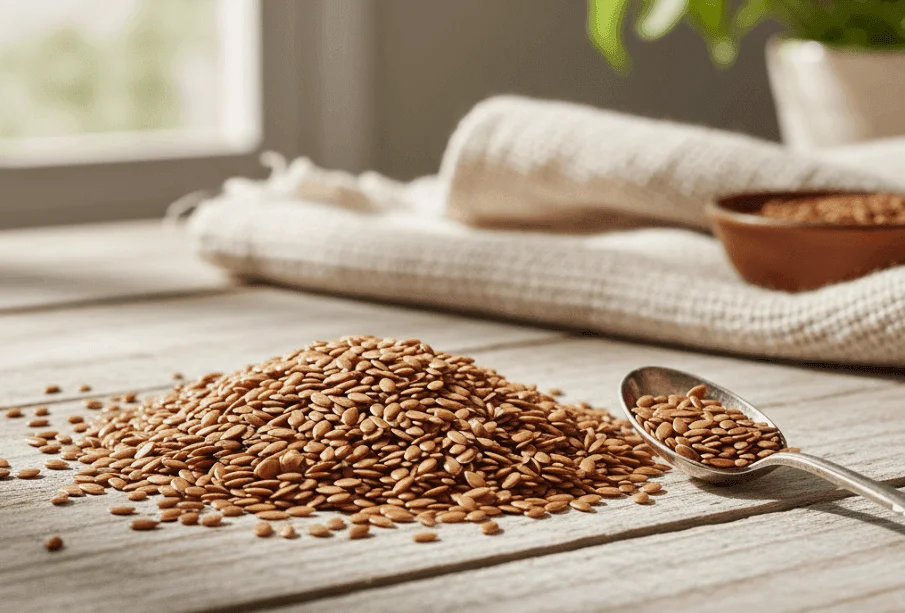
Flaxseeds are another superfood rich in omega-3 fatty acids and fiber. To get the most nutrients from them, they need to be crushed or ground before eating, because whole seeds pass through the digestive tract almost unused. Add them to yogurt, porridge, or use them as an egg substitute in baking (when mixed with water, they form a gel).
Sunflower seeds
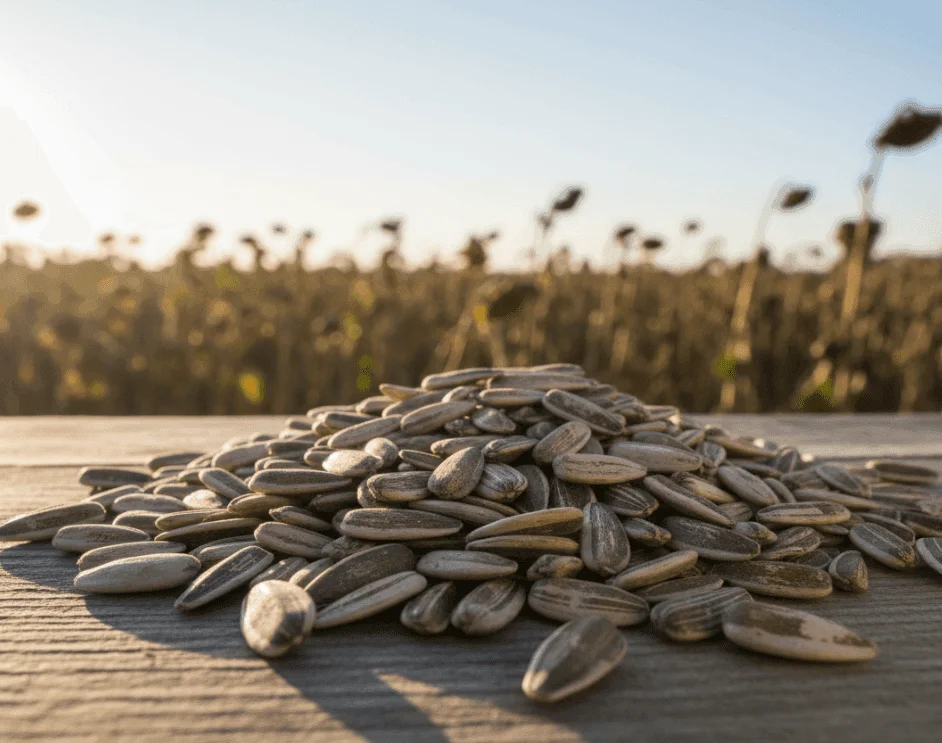
Sunflower seeds are affordable and tasty. They have a mild nutty flavor and are an excellent source of vitamin E and magnesium. They’re great sprinkled over salads, in homemade bread, or as a base for a seed paste similar to tahini.
Pumpkin seeds
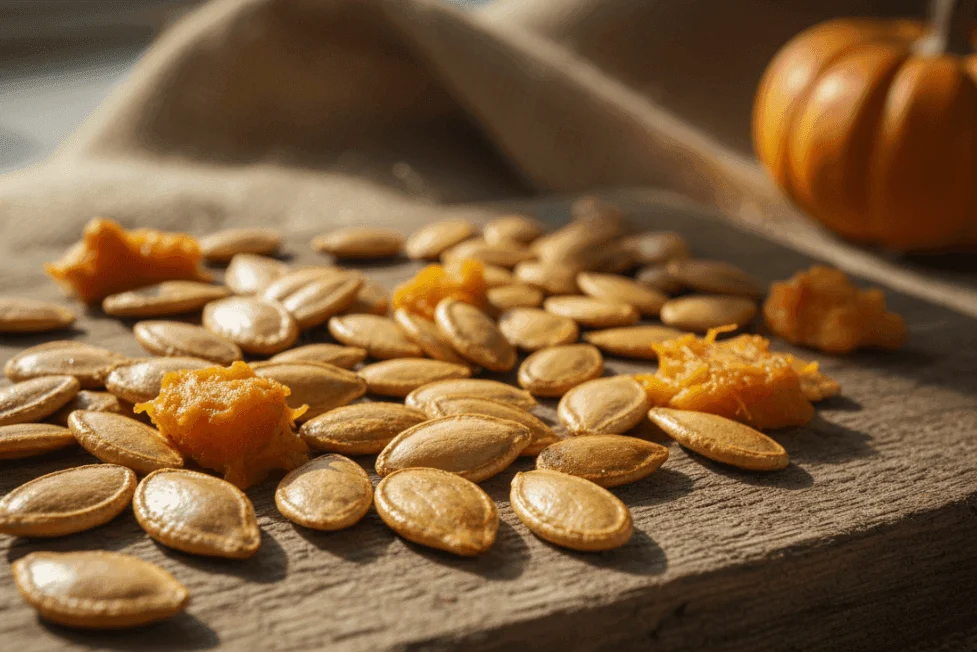
These green seeds taste great on their own, especially lightly roasted. They’re one of the best plant sources of zinc, which is important for the immune system, and magnesium, which supports relaxation and sleep. They’re a perfect addition to salads, soups, or homemade granola.
Sesame seeds
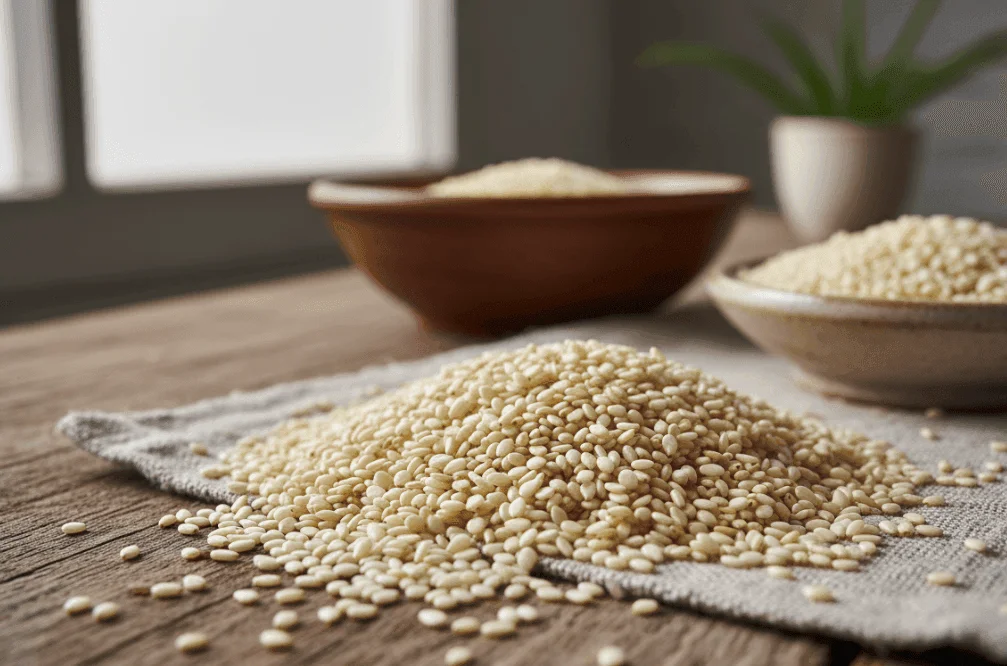
Sesame seeds, best known as the main ingredient in tahini, have a strong nutty flavor. They’re a good source of calcium, iron, and magnesium. They’re used to top baked goods, in Asian dishes, or as part of various dressings and sauces.
Hemp seeds
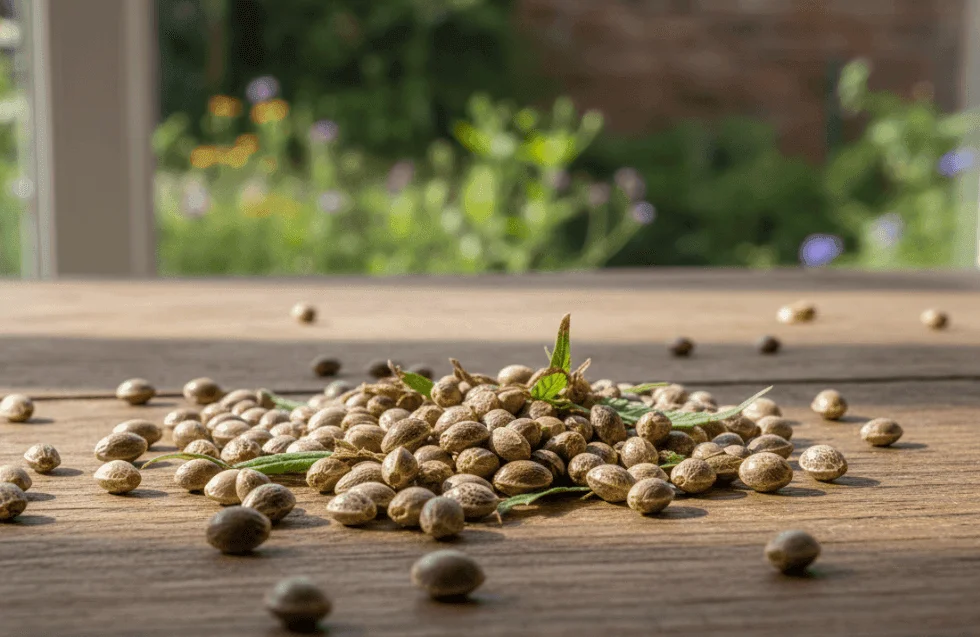
Hulled hemp seeds have a mild nutty taste and are considered a complete source of protein because they contain all essential amino acids. They’re also rich in healthy fats. They’re ideal in smoothies, porridge, salads, or sprinkled over almost any meal to boost the protein content.
Overview of seeds and their nutritional benefits
| Name of seed | Key beneficial nutrients |
|---|---|
| Chia seeds | Omega-3 fatty acids, fiber, calcium |
| Flaxseeds | Omega-3 fatty acids, fiber |
| Sunflower seeds | Vitamin E, magnesium |
| Pumpkin seeds | Zinc, magnesium |
| Sesame seeds | Calcium, iron, magnesium |
| Hemp seeds | Complete protein (all essential amino acids), healthy fats |
How to recognize quality and choose the right form
If you want to get the most out of nuts and seeds, it’s important to know what to look for when buying them.
Processing method
- Natural: This is the best option if you want maximum nutrients and flexibility in the kitchen. These are nuts and seeds without any additional processing.
- Roasted: Roasting brings out the flavor and adds crunch. It’s good to distinguish between dry roasting (the healthier option) and roasting in oil. Some heat-sensitive nutrients can be lost during roasting.
- Salted and flavored: These are a popular snack, but you need to watch the amount of salt, sugar, and other additives. Always read the ingredient list.
Shelled vs. unshelled
Unshelled nuts (in the shell) generally have a longer shelf life because the shell protects them from external factors. Shelled nuts are of course more convenient for immediate use. For some types, such as almonds or hazelnuts, the skin contains a significant amount of fiber and antioxidants.
How to tell if they’re fresh
Freshness is key because nuts and seeds with a high fat content can easily turn rancid.
- Appearance: The nuts and seeds should be whole, free from mold, and evenly colored.
- Smell: Fresh nuts have a pleasant, mild nutty aroma. Any musty or rancid smell is a bad sign.
- Taste: The taste should be rich and buttery. A bitter or sharp taste means the nuts are old and oxidized.
How to choose based on how you’ll use them
Different situations call for different types of nuts and seeds.
For a quick snack and for athletes
For quick energy and extra protein, almonds, cashews, or pistachios are ideal. They’re easy to carry with you and keep you full for longer.
For cooking and baking
Walnuts are a classic for cakes and strudels. Pecans are outstanding in pies. Almond flour is a great gluten-free alternative for cake bases and cookies.
For heart and brain health
Thanks to their high omega-3 content, walnuts and flaxseeds are top choices.
For salads and as a topping
To add crunch and nutrients, pumpkin seeds, sunflower seeds, or pine nuts work perfectly. Lightly toasted, they give any dish a whole new dimension.
For smoothies and porridge
For a creamy texture and an extra hit of protein and fiber, add chia seeds (let them soak for a while) or hemp seeds.
Proper storage and preparation tips
To keep nuts and seeds fresh for as long as possible, you need to follow a few simple rules.
Protecting them from heat, light, and air is crucial. These three factors speed up the rancidity of fats. Ideally, store them in an airtight container (glass is best) in a cool, dark place such as a pantry. For long-term storage, the fridge or even the freezer works very well.
Why and how to soak nuts
You may have heard of “activating” nuts. This means soaking raw nuts in water for several hours. This process helps neutralize enzyme inhibitors and phytic acid, which can improve digestibility and increase the absorption of some minerals, such as zinc and iron. After soaking, rinse the nuts thoroughly. You can eat them right away or dry them in a dehydrator or in the oven at a low temperature until they’re crunchy.
How to roast nuts at home
Roasting nuts at home is easy, and the result is far better than most store-bought versions.
- On the stovetop: Roast nuts or seeds in a dry pan over medium heat, stirring constantly, until they become fragrant and lightly golden.
- In the oven: Spread them in a single layer on a baking tray and roast in a preheated oven at 160–180 °C (320–355 °F) for about 5–10 minutes. Watch them closely, they burn easily!
Prices and shopping tips
Prices of nuts and seeds can vary a lot. Some types are more expensive because they’re harder to grow, require hand harvesting, or are imported from distant regions (for example macadamia or pine nuts).
| Category | Examples |
|---|---|
| Most affordable | Sunflower seeds, peanuts, pumpkin seeds |
| Mid-range | Almonds, walnuts, cashews, hazelnuts |
| Premium and more expensive | Macadamia, pecans, pine nuts, Brazil nuts |
Shopping tip: Buying larger packs is often more cost-effective. Always check the best-before date and, if possible, the appearance and smell so you know you’re getting fresh products.
Summary and final tip
Adding a handful of nuts and a spoonful of seeds to your daily diet is one of the easiest ways to make a real difference to your health. They’re full of beneficial nutrients your body will appreciate. Keep an eye on freshness, proper storage, and above all variety. Rotate different types so you get the broadest possible range of nutrients.
Don’t be afraid to experiment, add nuts and seeds to your favorite meals, and discover new flavors. Your body will thank you.
💬 Frequently asked questions (FAQ)
How many nuts and seeds should I eat per day?
The recommended daily serving is about one handful (around 30 grams). Because they’re quite calorie-dense, it’s a good idea not to go much over this amount, especially if you’re watching your weight.
Do I really have to soak nuts before eating them?
It’s not essential, but soaking (activation) can improve digestibility and reduce antinutrients, which is particularly helpful for people with more sensitive digestion. It depends on your personal preference and how you tolerate them.
Which nuts are best for weight loss?
Even though nuts are high in calories, their combination of protein, fiber, and healthy fats is very filling, which can help prevent overeating. All types can be suitable in reasonable amounts. Almonds are often recommended for their balanced nutrient profile, and pistachios and cashews are among the less calorie-dense options.