The World of Tequila: From Agave to Glass
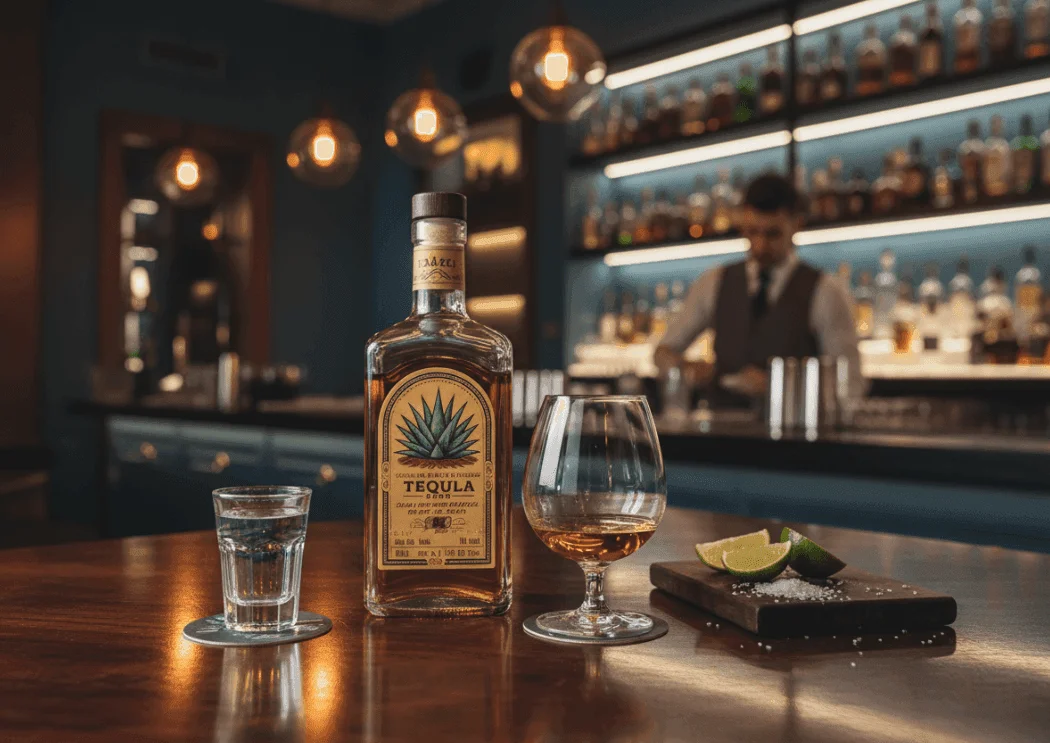
Tequila, the iconic Mexican spirit, is becoming increasingly popular all over the world. The days when it was seen only as a quick party shot with salt and lime are long gone. Today, tequila is recognized as a complex and refined drink with a rich history and a wide range of flavors, comparable to quality whisky or cognac. This guide will walk you through everything you need to know to navigate the world of tequila, choose the right bottle, and enjoy it to the fullest.
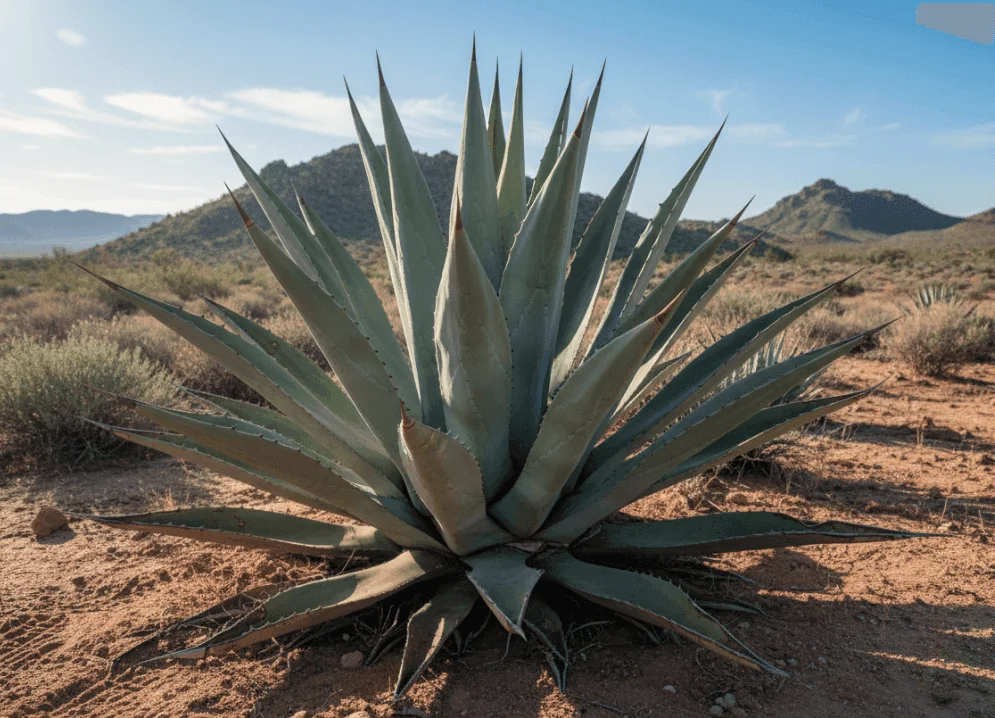
Tequila is a unique spirit with a protected designation of origin (Denominación de Origen), which means it can only be produced in specific regions of Mexico, mainly in the state of Jalisco. It may be made exclusively from blue agave (Agave tequilana Weber). This drink is deeply rooted in Mexican culture and is a symbol of national pride.
Did you know that every tequila is a mezcal, but not every mezcal can be tequila? This guide will explain why.
How tequila is made – from agave to bottle
The journey of tequila starts in the blue agave fields, and its production is a fascinating process that has a major impact on the final taste and quality.
Harvest (Jimá): At the heart of production is the manual harvest of ripe agave plants, which grow for 7 to 10 years. Skilled workers, known as jimadores, cut away the sharp leaves to reveal the core of the plant called the piña.
Cooking (Cocción): The harvested piñas are slowly cooked so that complex carbohydrates turn into fermentable sugars. The traditional method uses stone ovens (hornos), while modern distilleries often rely on faster stainless-steel autoclaves.
Crushing (Molienda): After cooking, the softened piñas are crushed to extract the sweet juice, aguamiel. Historically, this was done with a huge stone wheel called a Tahona, which is now mainly used by smaller, craft producers. Most distilleries today use modern mechanical crushers.
Fermentation (Fermentación): The extracted juice is mixed with water and yeast in fermentation tanks, where the sugars turn into alcohol. This process usually takes 2 to 5 days.
Distillation (Destilación): This is followed by double distillation in copper or stainless-steel stills, which is the standard for tequila production. The result is a clear and strong spirit.
Aging (Añejamiento): After distillation, tequila is either bottled straight away (in the case of Blanco tequila), or aged in oak barrels. The length of aging and the type of barrel (often ex-American bourbon or whisky) significantly influence the color, aroma, and taste of the final product.
Basic tequila categories: The key to reading the label
To choose well, it’s essential to understand the two main ways tequila is classified.
By agave content
100% de Agave: This label on the bottle is a mark of the highest quality. It means that all the sugar used for fermentation comes exclusively from blue agave. These tequilas offer a pure and complex agave flavor.
Mixto: This tequila must contain at least 51% of its sugars from agave, while the remaining (up to 49%) can come from other sources, such as cane sugar or corn syrup. Mixto tequilas are more affordable and are typically used in cocktails.
By aging time
Blanco (Silver/Plata): This tequila is not aged in barrels and is bottled immediately after distillation, or it may rest in stainless-steel tanks for up to two months. Its flavor is fresh, bright, and distinctly agave-forward. It’s ideal for discovering the true taste of agave and works perfectly in premium cocktails like a Margarita or Paloma.
Reposado (Rested): Reposado tequila ages in oak barrels for 2 to 12 months. This gives it a smoother, softer taste with notes of vanilla, caramel, and wood. It’s a versatile tequila, great both for sipping and for quality cocktails.
Añejo (Aged): This category ages in barrels of up to 600 liters for 1 to 3 years. Aging gives it a darker color and a complex, smooth flavor with notes of cinnamon, chocolate, and dried fruit. Añejo is designed mainly for slow sipping and tasting.
Extra Añejo (Ultra Aged): The most luxurious and mature category, which ages in barrels for more than 3 years. These tequilas are very complex, refined, and often expensive. In character, they can easily stand alongside high-end cognacs or well-aged whisky.
Joven (Gold): This is usually a mixto tequila colored with caramel to imitate the look of aged tequila. There are also quality Joven tequilas, which are blends of Blanco tequila with a small amount of aged tequila, but they are less common. Cheaper “gold” versions are mainly intended for mixed drinks.
How to choose the right tequila
Buying good tequila doesn’t have to be complicated if you know what to look for.
Look for “100% de Agave”
This is the first and most important step. Always make sure the label says “100% de Agave” or “100% Puro de Agave”. That way you know you’re getting a quality product made only from blue agave.
Check the NOM
Every bottle of genuine tequila must carry a NOM (Norma Oficial Mexicana), which is a four-digit number identifying the distillery where the tequila was produced. Using this number, you can look up online which other brands the distillery makes. If one distillery produces dozens of different brands, it may be a sign of large-scale, industrial production.
Region of origin – Highlands vs. Lowlands
Just like with wine, terroir also matters for tequila. Two main areas in Jalisco produce tequilas with distinct flavor profiles:
- Los Altos (Highlands): Agave grown at higher altitudes in red, mineral-rich soil tends to produce tequilas that are sweeter, fruitier, and more floral.
- El Valle (Lowlands): Tequilas from this volcanic region are typically earthier, with mineral and peppery notes.
Using price as a guide
Price can be a useful indicator of quality, but it’s not everything. Cheaper tequilas are often mixto and are better suited for cocktails. In the mid-price range, you’ll find good 100% agave tequilas that are great for both sipping and mixing. The most expensive bottles are usually long-aged Añejo and Extra Añejo tequilas aimed at serious enthusiasts.
“Mixto” is the term for tequila that is not made entirely from agave. Under Mexican law, every tequila must contain at least 51% of its sugars from blue agave.
How to serve and taste tequila properly
If you want to really enjoy tequila, forget some of the old habits.
Skip the salt and lime: The ritual with salt and lime (or cinnamon and orange with gold tequila) started as a way to mask the taste of low-quality mixto tequila. A quality 100% agave tequila is best enjoyed neat, so you can fully appreciate its complexity.
The right glass: Instead of a classic shot glass (caballito), use a stemmed tasting glass, ideally with a tulip shape (similar to a whisky or cognac glass). This helps the aroma open up and concentrate.
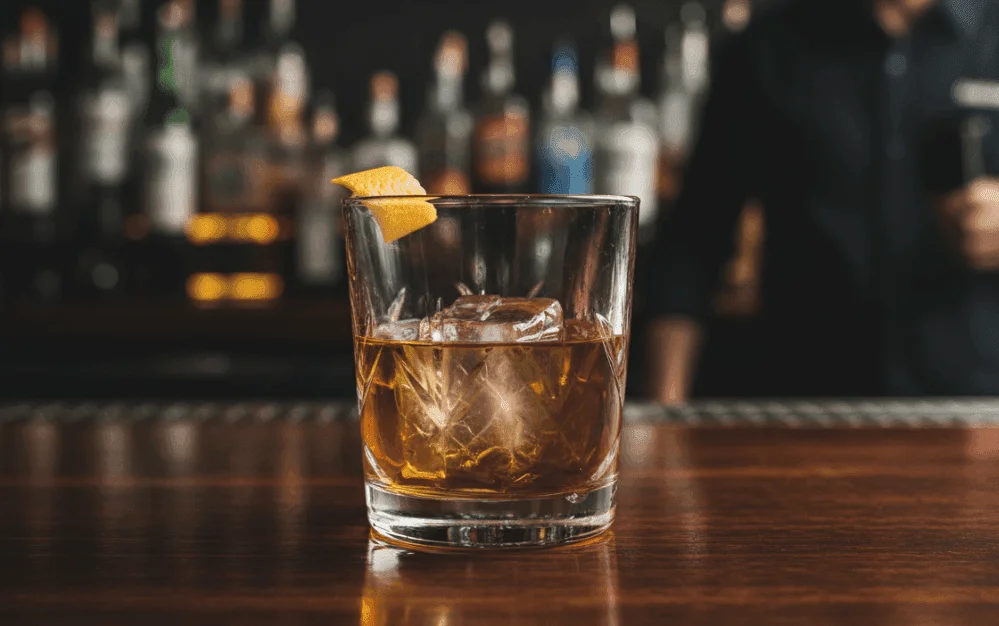
Serving temperature: The ideal temperature is room temperature, which allows all the flavor and aroma nuances to shine. Serving it too cold can mute the more delicate notes.
Food pairing: Tequila pairs very well with food. Try Blanco with light and fresh dishes such as ceviche or salads. Reposado works nicely with tacos or grilled meat. Añejo is a great match for chocolate desserts or can be enjoyed as a digestif.
Most popular cocktails
- Margarita: A classic made with tequila, lime juice, and orange liqueur.
- Paloma: A refreshing mix of tequila and grapefruit soda.
- Tequila Sunrise: A visually striking drink made with tequila, orange juice, and grenadine.
Overview of popular and recommended brands
Here are a few examples of brands worth trying in different categories:
| Category | Example brands |
|---|---|
| Premium and craft | Fortaleza, Ocho, Patrón, Don Julio |
| Great value for money | Olmeca Altos, Espolòn, El Jimador 100% Agave |
Summary and final tip
The world of tequila is incredibly diverse and full of flavors waiting to be discovered. The key is always to look for 100% de Agave on the label, as this is your guarantee of quality. Choose the tequila style based on how you plan to enjoy it – a fresh Blanco for cocktails, a versatile Reposado for almost any occasion, or a complex Añejo for slow sipping. Don’t be afraid to experiment and explore different brands and regions.
We hope this guide has opened the door to a deeper understanding of this fascinating drink. Cheers, or in Spanish, ¡Salud!
Frequently asked questions (FAQ)
Is there a worm in real tequila?
No, real tequila has never had a worm in it and never will. The presence of a larva in the bottle is a marketing trick linked to some types of mezcal, not tequila. Mexican law even bans the presence of a “worm” in tequila.
What is the main difference between tequila and mezcal?
There are three main differences:
Raw material: Tequila can only be made from blue agave, while mezcal can be produced from more than 30 species of agave.
Region: Tequila has a strictly defined production area, mainly in the state of Jalisco. Mezcal is made in other regions, most commonly Oaxaca.
Production and flavor: The agave hearts for mezcal are often roasted in underground pits, which gives it its characteristic smoky flavor that tequila usually doesn’t have.
How long does an open bottle of tequila last?
A properly sealed bottle of tequila, stored upright in a cool, dark place, will keep its quality for several years. Over time, very subtle changes in taste and aroma may occur due to oxidation, but unlike wine, it will not spoil.
Kategorie:
Články (Nejnovější / Podobné)

Vietnam: The Secrets of Phở, Strong Coffee, and Chaotic Streets
9/11/2026

Turkey: A Guide to Unforgettable Experiences
9/7/2026

France: A Guide to the Land of Wine, Art and History
8/31/2026

Spain: A Land of Passion, Sunshine and Unforgettable Experiences
8/28/2026
Italy: Complete Destination Guide
8/24/2026