Italy: Complete Destination Guide
Italy is a country that embodies the essence of European culture, art, and lifestyle. From the ruins of ancient Rome and the Renaissance treasures of Florence to the white beaches of Sardinia, it offers an incredible variety of experiences that attract millions of visitors every year.
This country is ideal for every kind of traveler – from those hunting for artistic gems and adventurers keen to conquer mountain trails to food lovers in search of authentic Italian cuisine. This guide will show you how to make unforgettable memories in Italy, no matter your budget, age, or interests.
Did you know that Italy has 55 UNESCO World Heritage Sites and that it welcomes over 90 million tourists every year?
History of Italy: From the Romans to the modern state
Italian history is one of the richest and most complex in Europe. The territory of today’s Italy was first ruled by the Etruscans, an ancient civilization that had a major impact on the development of the region. According to legend, Rome was founded on 21 April 753 BC by the brothers Romulus and Remus. After overthrowing Etruscan rule, a republic was established. Over centuries of expansion, the Roman Empire came to control a vast area around the Mediterranean and profoundly shaped the legal system, language, architecture, and culture of all of Europe.
Under the emperors, starting with Augustus, Rome became a superpower that was eventually halted by barbarian invasions in the 5th century AD. In 476 AD the Western Roman Empire collapsed and broke up into smaller kingdoms. This was followed by the Middle Ages, when papal power in Rome gradually increased and the Papal States emerged. During the medieval period, Italy was divided into a number of city-states and kingdoms, such as the Republic of Venice, the Florentine Republic under the Medici family, and other regional powers.
The period from the 14th to the 16th century brought the Renaissance, a cultural rebirth that produced countless geniuses. Leonardo da Vinci, Michelangelo, Raphael, Donatello – all of them worked in Italy and turned it into a hub of artistic and scientific innovation. Florence, Rome, and Venice became shining centers of learning and creativity. Despite this cultural boom, Italy remained politically fragmented for a long time and gradually fell under the rule of the French, the Spanish, and the Habsburgs.
On 17 March 1861, Italy was finally unified under Victor Emmanuel II as a single kingdom. Rome became the capital in 1871, after many centuries of papal rule. Modern Italy emerged as a secular nation state, went through a period of fascism under Benito Mussolini in the 20th century, and later became a founding member of the European Community, the predecessor of today’s European Union. This long and dramatic history is reflected in every street, every landmark, and in the culture of Italian cities.
Location, geography and climate
Location and geography of Italy
Italy is located in Southern Europe and occupies a strategic position in the Mediterranean. Its area is 301,318 km² and the country has the iconic boot shape stretching from north to south. Its northern border is formed by the Alps, which separate Italy from France, Switzerland, Austria and Slovenia. To the west, southeast and south, Italy is surrounded by the sea – specifically the Tyrrhenian Sea (home to the islands of Sardinia and Sicily), the Adriatic Sea (the eastern coast), the Ligurian Sea and the Ionian Sea. The total coastline is approximately 7,600 km.
The backbone of the mainland is formed by the Apennines, which run the entire length of the country. In the north lies the Po Valley, the most fertile part of Italy. In the Alps you will find Monte Bianco (4,807 m), whose summit Italy shares with France. Italy also includes the two largest Mediterranean islands – Sicily (25,708 km²) and Sardinia (24,090 km²). Sicily is home to Etna (3,350 m), one of the most active volcanoes in Europe. The country is divided into 20 regions, each with its own character, traditions and cuisine.
Climate and weather for travellers
Italy has very diverse weather depending on the region. In the south and coastal areas (Sicily, Sardinia, Campania), you’ll find a Mediterranean climate with dry, hot summers and mild, rainy winters. In the northern and central parts, a humid continental climate prevails, with colder winters and rainfall spread throughout the year. In the mountain areas of the Alps and Apennines, the climate is alpine, with snow in winter and cooler temperatures all year round.
| Month | Average daytime temperature | Average night-time temperature | Sea temperature | Weather and recommendations |
|---|---|---|---|---|
| January | 12–13°C | 3–4°C | 13°C | Chilly, snow in the mountains in some areas. Ideal for skiing in the Alps. |
| February | 13–14°C | 4–5°C | 12°C | Cold and damp. The Venice Carnival takes place. |
| March | 16–17°C | 6–7°C | 13°C | Spring weather, everything is in bloom. A good time for city breaks. |
| April | 20–21°C | 10–11°C | 15°C | Beautiful spring weather. An ideal month for travelling. |
| May | 25–26°C | 15–16°C | 19°C | Warm and sunny. Perfect weather, the tourist season starts. |
| June | 29–30°C | 19–20°C | 22°C | Hot and dry. Sea temperature is perfect for swimming. |
| July | 31–32°C | 21–22°C | 25°C | Very hot. Peak tourist season with the highest temperatures. |
| August | 31–31°C | 21–22°C | 25–27°C | Very hot. Italians are on holiday. Some places are overcrowded. |
| September | 27–28°C | 18–19°C | 24°C | Still warm, but it starts to cool down. Still good for swimming. |
| October | 22–23°C | 13–14°C | 20°C | Autumn weather, fewer tourists. Grape harvest. Ideal time to visit. |
| November | 17–18°C | 9–10°C | 17°C | Cooler with more rain. Getting ready for winter. |
| December | 13–14°C | 5–6°C | 14°C | Cold. Christmas period, lower prices. Snow in the mountains. |
The best time to visit depends on what you’re looking for. The period from May to October is generally considered ideal – the weather is pleasant, the sea is warm and the countryside is in full bloom. July and August are the peak of the main season, with the highest prices and the biggest crowds. If you want to avoid the masses and travel for less, April and autumn (September–October) are a great choice. Winter (December–February) brings lower prices and more peace in popular destinations, but because of the weather it’s better suited to city breaks and mountain activities.
Regions and types of destinations
Italy is officially divided into 20 regions, each with its own geography, culture and traditional specialities. For travellers, however, it’s more useful to think of it in terms of larger travel areas based on the type of experiences and interests.
Northern Italy: Elegance, lakes, and mountains
Lombardy is the economic heart of Italy, with Milan as its metropolis and a major hub for fashion and global business. This is where you’ll find the famous Lake Como, one of the most beautiful Alpine lakes, with the towns of Varenna and Bellagio as the very definition of romance. Lombardy is also home to Lake Garda, Italy’s largest lake, surrounded by vineyards and towns such as Riva del Garda and Salò.
Veneto is home to enchanting Venice, with its canals and Renaissance architecture. The whole region is steeped in the history of the powerful Venetian Republic, which was one of the most influential maritime powers for centuries. Trentino-Alto Adige is an autonomous region in the Dolomites with stunning Alpine scenery. The area has partly Austrian roots in both language and culture.
Piedmont in the northwest, with Turin as its capital, is famous for its vineyards producing world-renowned wines such as Barolo and Barbaresco. Liguria in the west, with the port city of Genoa and the picturesque Cinque Terre coastline, blends history, nature, and a truly authentic Italian way of life.
Central Italy: The soul of the Renaissance and Tuscan beauty
Tuscany (Toscana) is the essence of Italian romance. Its rolling hills dotted with cypress trees, vineyards, and medieval villages create the kind of scenery you know from Italian films and paintings. The capital is Florence, the cradle of the Renaissance and birthplace of modern art. Tuscan wines from the Chianti area are recognized and respected all over the world.
Umbria is the green heart of Italy, with towns like Assisi and Perugia, famous for their medieval architecture and spiritual atmosphere. Lazio surrounds Rome, the country’s capital and the heart of the ancient empire. Within Rome lies the Vatican, an independent city-state, home to the Pope and one of the greatest cultural treasures on the planet.
Southern Italy: Sun, sea, and striking contrasts
Campania, with Naples as its capital, is a region full of vibrant energy and rich history. Here you’ll find Pompeii with its preserved ruins, Herculaneum, and the majestic Vesuvius, an active volcano. The Amalfi Coast, with towns such as Amalfi, Positano, and Ravello, ranks among the most spectacular stretches of coastline in the world.
Apulia (Puglia) in the east, with Bari as its capital, is less well known than the northern regions but offers beautiful beaches, baroque architectural gems, and authentic Italian villages untouched by mass tourism. Calabria and Basilicata at the very southern tip of the Apennine Peninsula boast a rugged, untamed beauty.
Islands: Sicily and Sardinia
Sicily, the largest island in the Mediterranean, feels like a world of its own. It blends Greek, Arab, Norman, and Italian influences. The capital city, Palermo, is a cosmopolitan hub with striking Baroque architecture. Mondello Beach, located near Palermo, is one of the island’s most famous stretches of sand.
Sardinia is an island of breathtaking natural beauty, deep-rooted traditions, and crystal-clear beaches. The northeastern coastline, known as Costa Smeralda (the Emerald Coast), ranks among the most exclusive resorts in the Mediterranean.
Most famous landmarks and cities
Rome: The Eternal City
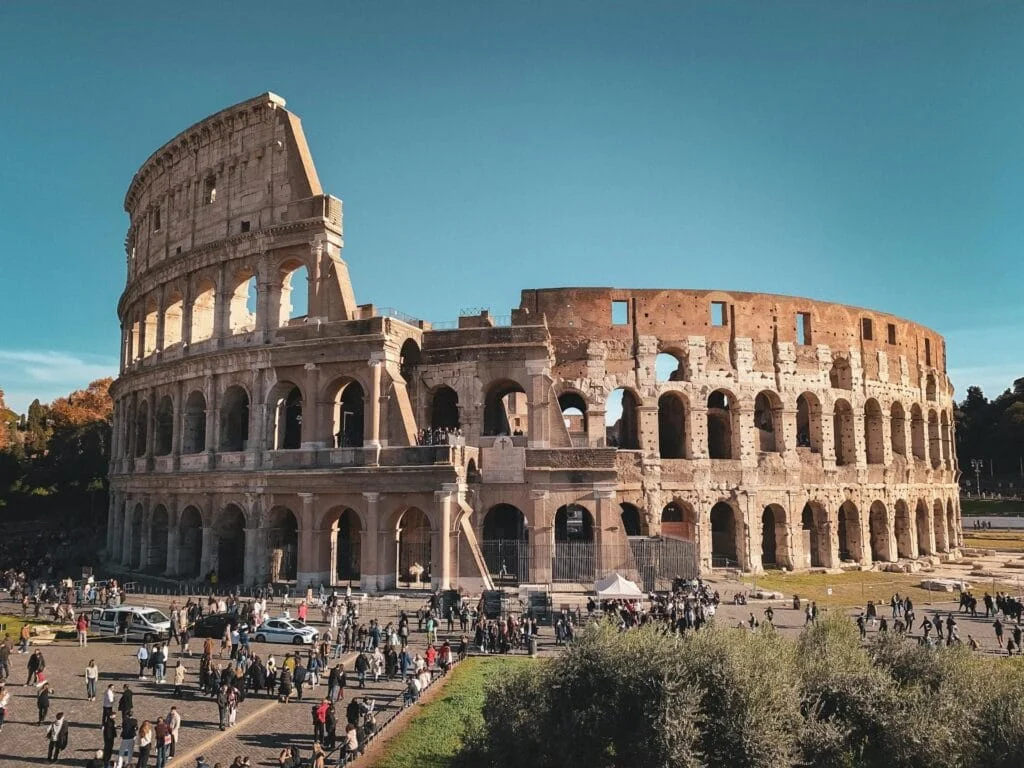
Rome is one of the oldest cities in the world and a key center of Italian, European, and global history. The Colosseum (also known as the Flavian Amphitheatre) was built in 70 AD and could hold up to 50,000 spectators watching gladiator games. Today it is one of the most visited monuments on the planet, attracting almost 10 million visitors every year. The Vatican, in the heart of Rome, is the smallest country in the world and home to the Sistine Chapel with Michelangelo’s ceiling, one of the greatest masterpieces in art history. The Pantheon, almost 2,000 years old, is one of the best-preserved ancient buildings anywhere.
Florence: Cradle of the Renaissance
Florence is the city where the Renaissance was born. Its main landmark is the Cathedral of Santa Maria del Fiore with the famous Brunelleschi dome. The Uffizi Gallery is one of the world’s best-known art museums, where you can admire works by Botticelli, da Vinci, Michelangelo, and many other masters. Ponte Vecchio is a medieval bridge over the Arno River, traditionally lined with goldsmiths’ shops.
Venice: City of canals
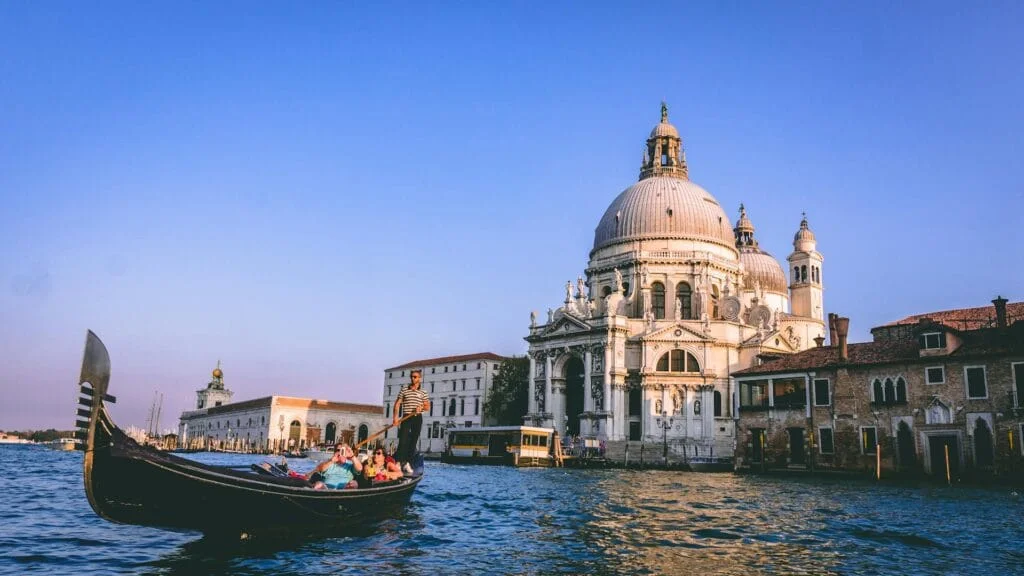
Venice is a truly unique destination – the entire city is built on a lagoon. There are no cars here; all transport is by gondola or boat. St. Mark’s Basilica dominates St. Mark’s Square and showcases stunning Byzantine architecture. The Doge’s Palace tells the story of the rich history of the Venetian Republic. The Biennale di Venezia is one of the most important contemporary art exhibitions in the world.
Milan: City of fashion and modern art
Milan is a global hub for fashion and design. Its main landmark is the Duomo di Milano, a Gothic cathedral on Piazza del Duomo. The Galleria Vittorio Emanuele II is both a shopping hotspot and an architectural gem. The convent of Santa Maria delle Grazie is home to da Vinci’s The Last Supper, one of the most famous paintings in the world.
Pisa: The Leaning Tower
Pisa is best known for its Leaning Tower, which serves as the bell tower of the local cathedral. Construction began in 1173, and after just five years the tower started to tilt because of the soft ground. Despite the lean, work continued and today the tower is inclined by 3.97 degrees. After restoration at the end of the 20th century, the tower is stable and safe for visitors.
Assisi: A Spiritual Center
Assisi in Umbria is home to the Basilica of St. Francis, considered one of the most important churches in Christianity and listed as a UNESCO World Heritage Site. Its ancient medieval streets and churches attract visitors looking for peace and spiritual reflection.
Natural beauty and national parks
The Dolomites
The Dolomites are part of the Alps in northern Italy, in the regions of Trentino-Alto Adige and Veneto. They are considered some of the most beautiful mountains in Europe, with dramatic rock towers and jagged peaks. The highest mountain in the Dolomites is Marmolada (3,343 m). The region is perfect for hiking and mountain biking, and for skiing in winter.
Lake Garda
Lake Garda is the largest lake in Italy (370 km²) and one of the cleanest lakes in Europe. The northern shore is framed by the Alps, while the southern part is lined with vineyards. The town of Riva del Garda on the northern side is known as a hub for water sports. Charming villages and small towns are dotted all around the lake.
Lake Como
Lake Como is one of the most romantic lakes in the Alps, with stunning mountain views. Its shores are lined with luxurious villas and peaceful towns such as Varenna, Bellagio and Menaggio.
Gran Paradiso National Park
Gran Paradiso was the first national park in Italy, established in 1922 in the regions of Piedmont and the Aosta Valley. The park covers an area of 730 km² and its highest peak reaches 4,061 m. The park is famous for its Alpine ibex, which were successfully saved from extinction here. It is ideal for high-altitude hiking and wildlife watching.
Pollino National Park
Pollino is the largest Italian national park, covering an area of 1,926 km², and lies on the border between Basilicata and Calabria. The park is a rich treasure trove of wildlife and plant life and offers wild, unspoiled nature. Its highest peak is Monte Pollino (2,248 m).
Cinque Terre National Park
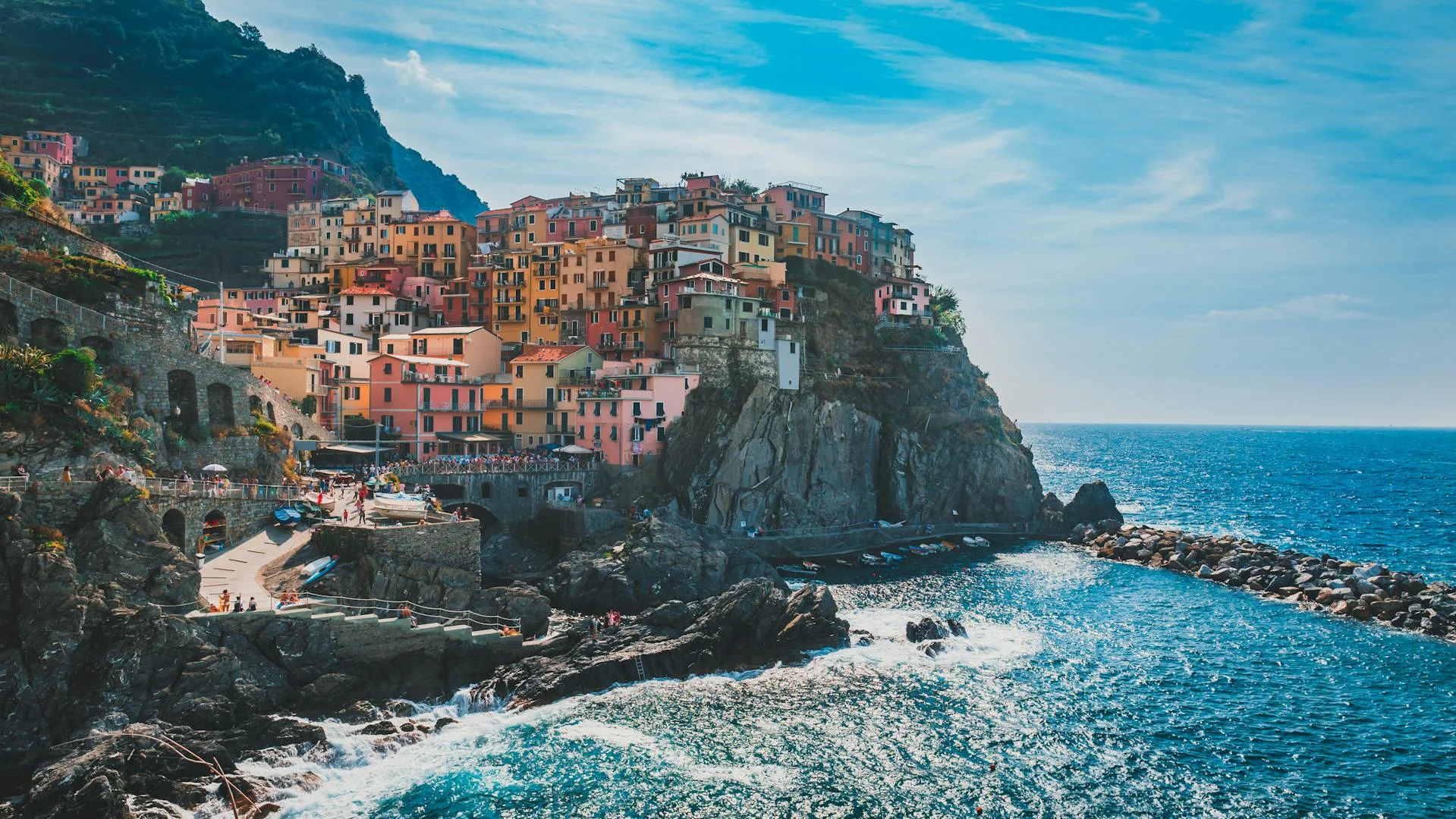
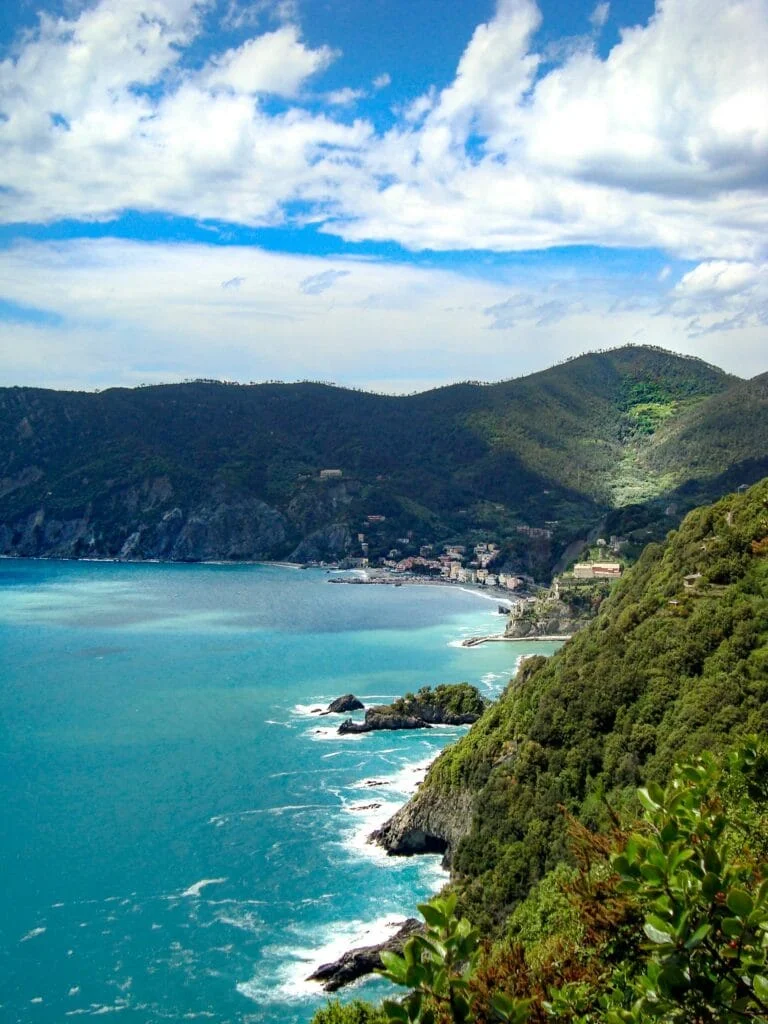
Cinque Terre in Liguria is a national park focused on protecting nature and local culture, with an area of just 38.6 km². The five villages – Riomaggiore, Manarola, Corniglia, Vernazza and Monterosso al Mare – are scattered along a rugged coastline where steep cliffs drop straight into the sea. In 1997, the area was added to the list of UNESCO World Heritage Sites.
Other major parks
Stelvio National Park, covering 1,307 km², is located in Lombardy and Trentino and is the largest Alpine park. Cilento National Park in Campania stands out for its beautiful beaches, caves and ancient ruins. Gargano National Park in Apulia is known for its deep forests and stunning coastline.
Wildlife and plants
Italy is home to a wide variety of animals and plants. In the mountains you can spot Alpine ibex, chamois and golden eagles. In the Asinara nature reserve in Sardinia, protected white donkeys live in the wild. The Mediterranean Sea is home to sea turtles, especially the loggerhead turtle (Caretta caretta), which nests on some Sardinian beaches. The plant life is just as rich – cypresses, olive trees, citrus trees, roses and lavender shape the Italian landscape. In the mountains you will find spruce, fir and pine trees.
The most beautiful beaches
Spiaggia dei Conigli, Lampedusa
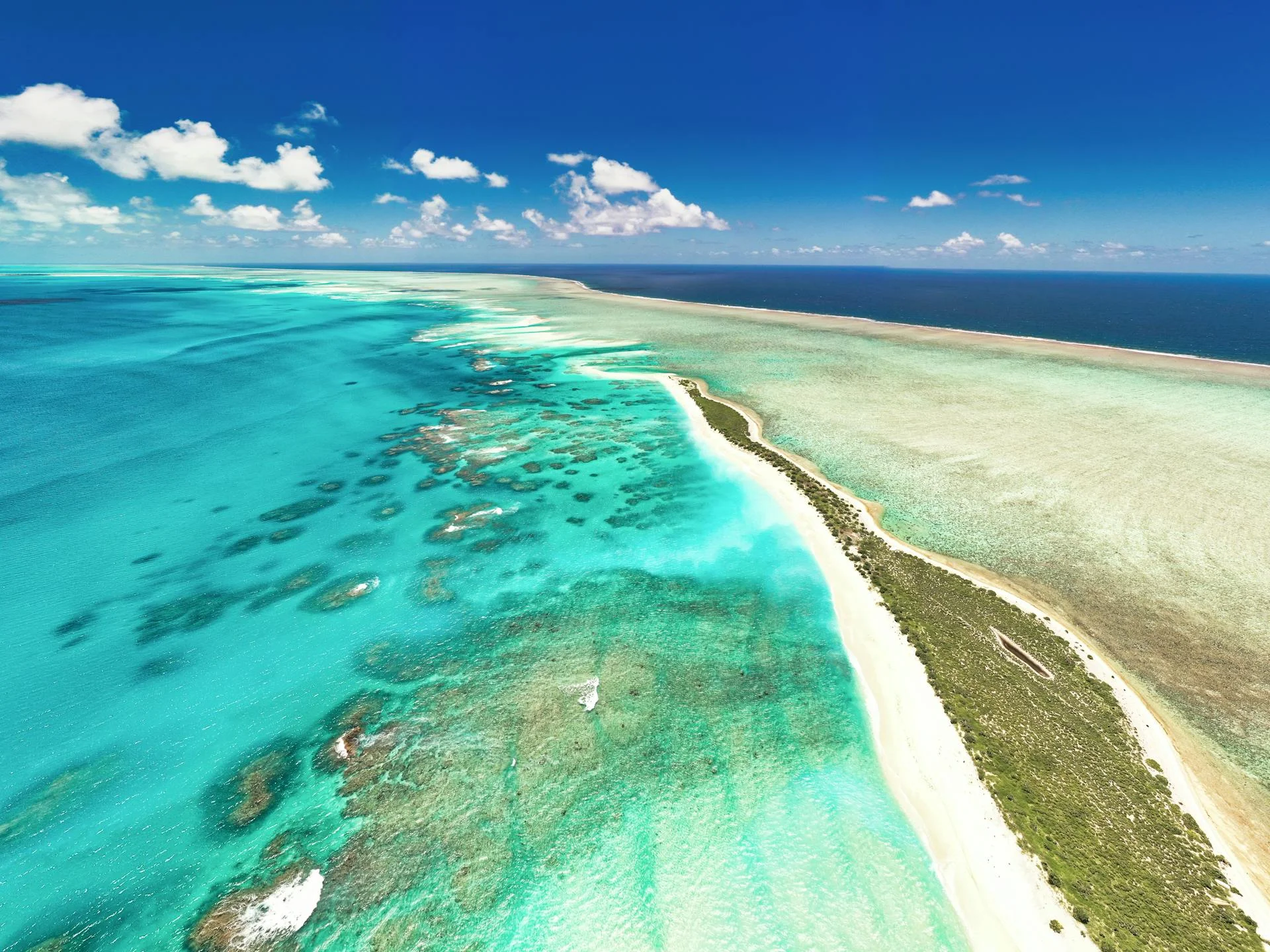
Rabbit Beach (Spiaggia dei Conigli) on the island of Lampedusa near Sicily is considered one of the most beautiful beaches in the world. It is known for its fine white sand, crystal-clear turquoise water and peaceful atmosphere. Protected sea turtles nest here and the beach has so far escaped mass tourism.
Cala Goloritzé, Sardinia
Cala Goloritzé on the east coast of Sardinia is a dramatic beach with towering limestone cliffs and crystal-clear turquoise water. The beach is only accessible on foot or by boat, which helps keep it unspoiled. The surrounding Gennargentu National Park offers mountain hiking trails.
Cala Violina, Tuscany
Cala Violina in the Maremma nature park in Tuscany is a beach where the sand makes sounds similar to a violin when you walk on it. The beach is a quiet spot surrounded by unspoiled nature.
Cinque Terre, Liguria
The beaches in Cinque Terre, especially near Monterosso al Mare, are small pebble and sandy beaches framed by colorful houses. They are perfect if you want to combine swimming in the sea with hiking.
La Pelosa, Sardinia
La Pelosa is a beach with fine white sand and shallow turquoise water that feels almost Caribbean. The beach is located close to the town of Stintino.
Activities and entertainment
Hiking and trekking
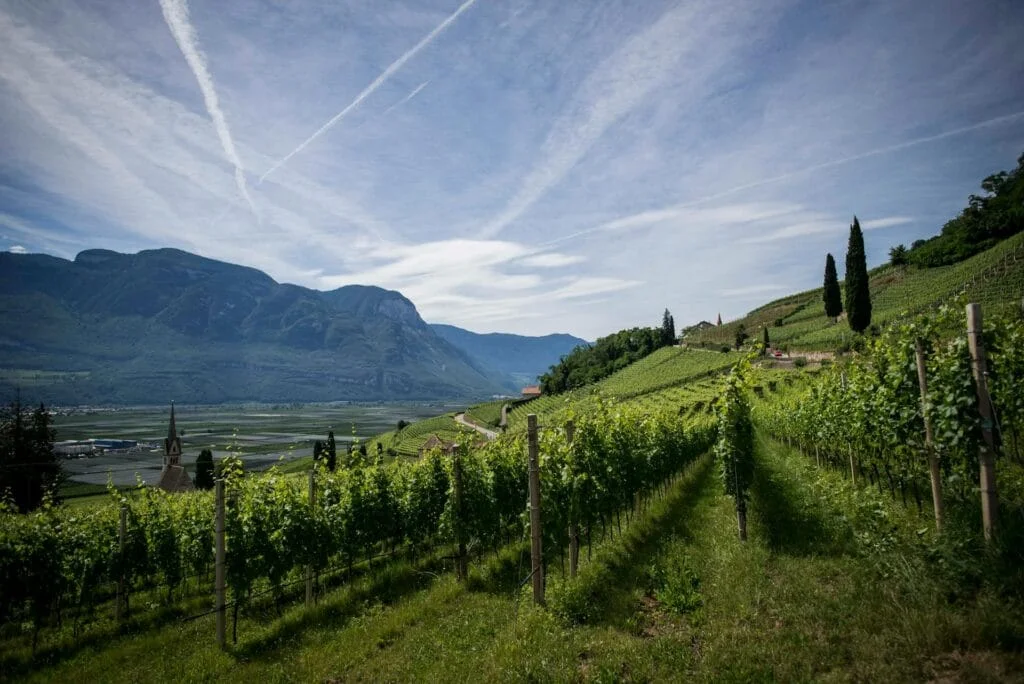
Italy offers endless options for hiking. The Dolomites are a paradise for high-altitude trekking with plenty of marked trails. Cinque Terre features the famous Sentiero Azzurro (Blue Trail) linking the five villages. Tuscany has many hiking routes that lead through vineyards and a medieval landscape. The terraced vineyards in Liguria are centuries old and offer stunning views.
Cycling and MTB
Northern Italy is ideal for cycling. Around lakes Como and Garda you’ll find bike paths running along the shores. Veneto offers flat cycling routes. Tuscany is popular for cycle touring through vineyards and rolling hills. The Dolomites are a classic destination for mountain biking.
Water sports
Lakes Garda, Como and Iseo are perfect for windsurfing, kitesurfing and sailing. The coasts of Amalfi and Sardinia are great for paddleboarding, diving and snorkeling. On the river Tiber in Rome you can also try rafting.
Skiing
Italy is one of the top skiing destinations in Europe. The Dolomites are home to world-class ski resorts. Cortina d'Ampezzo hosted the Winter Olympic Games in 1956 and will host them again in 2026. Valle d'Aosta and Piedmont are also well-known winter destinations.
Cultural and gastronomic experiences
Many regions offer wine tastings at local wineries. Visits to wineries in the Chianti area in Tuscany are very popular. Italian markets (mercato) such as Rialto in Venice or Ballarò in Palermo offer a lively atmosphere and plenty of local specialties. Cooking classes will teach you how to prepare traditional Italian recipes. Visits to cheese dairies, pizzerias and gelaterie are classic Italian experiences.
Nightlife
Rome, Florence, Milan and Venice have a vibrant club scene. Aperitivo (cocktail time before dinner) is a traditional ritual that usually starts around 6 p.m. Italian opera at La Scala in Milan or in the arena in Verona is a timeless cultural experience.
Gastronomy and culture
Typical Italian dishes and drinks
Pasta is at the heart of Italian cuisine and there are hundreds of shapes and varieties. Spaghetti alla Carbonara is a traditional Roman dish with a sauce made from eggs, pecorino cheese, guanciale (cured pork jowl) and black pepper. Penne all'Arrabbiata is a spicy dish with tomatoes and chilli. Pasta al Pesto from Liguria is made with a sauce of basil, pine nuts, Parmesan, garlic and olive oil.
Risotto is a typical northern Italian dish from Lombardy and Piedmont, prepared from short-grain rice (Arborio, Carnaroli) with butter, stock and Parmesan, which give it a creamy texture thanks to constant stirring. Risotto alla Milanese is colored yellow with saffron.
Pizza is an iconic Italian dish that originated in Naples. Pizza Margherita is made from dough, tomato sauce, mozzarella and basil. Minestrone is a thick, hearty vegetable soup with seasonal vegetables and rice or pasta.
Italian bread comes in many forms. Focaccia is a flatbread brushed with olive oil and sprinkled with salt, typical of Liguria. Pane toscano is Tuscan bread made without salt. Bruschetta is toasted bread topped with tomatoes and basil.
A typical menu in an Italian restaurant is made up of antipasto (starter), primo piatto (first course – pasta, soup or risotto), secondo piatto (second course – meat or fish) and dolce (dessert). Individual portions are smaller and the focus is on flavor and quality.
Italian wines
Italy is one of the world’s largest wine producers. Chianti from Tuscany is a world-famous red wine. Barolo and Barbaresco from Piedmont rank among premium red wines. Prosecco from Veneto is a popular sparkling wine. Amaretto is an almond liqueur. Limoncello is a lemon liqueur from the Amalfi Coast.
Italian cheeses and cured meats
Parmigiano-Reggiano (Parmesan) is a famous hard cheese from the Emilia-Romagna region. Mozzarella is a soft cheese commonly used on pizza. Ricotta is a delicate cheese used in both sweet and savory dishes. Prosciutto is dry-cured ham, with the best-known variety coming from Parma. Pancetta is Italian seasoned bacon.
Traditional desserts
Tiramisu is a traditional dessert from the Veneto region made with mascarpone cream, egg yolks, sugar, coffee and ladyfingers, often flavored with liqueur. Panna cotta is a creamy dessert. Panettone is a Christmas sweet bread with raisins and candied fruit, popular in Lombardy. Zabaglione is a sweet custard made from egg yolks, sugar and sweet wine.
Dining tips
Italian restaurants usually open around 12:00 for lunch and 19:00 for dinner. Breakfast (colazione) is most often eaten at a bar and typically consists of coffee and a sweet pastry. Lunch is usually between 12:00–14:00, and dinner between 19:30–22:00. Tipping is not mandatory, but in restaurants people usually leave 5–10% of the bill.
Cultural customs and festivals
Aperitivo is the time between the end of the workday and dinner (usually 18:00–19:30), when people enjoy cocktails and light snacks. This ritual reflects the Italian philosophy of "la dolce vita" – the sweet life.
The Venice Carnival takes place in February before Lent and is a celebration of elaborate costumes and masks. It is a unique opportunity for creative expression and for celebrating the city’s history.
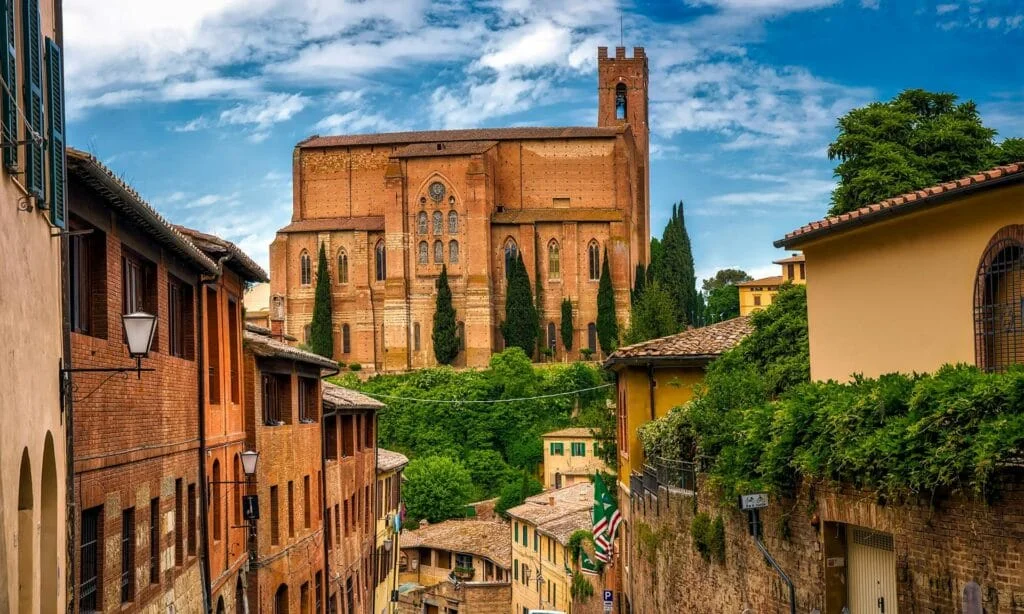
Palio di Siena is a traditional horse race held twice a year (in July and August) in the Piazza del Campo square in Siena. The race dates back to the Middle Ages and is celebrated with great passion.
Festa della Taranta (Night of the Tarantula) takes place in August in Salento in Apulia and celebrates traditional music and the pizzica dance.
Key practical information
Currency and payments
Italy uses the euro (EUR) as its currency. 1 euro = 100 cents. Unlike the Czech Republic, where the koruna is used, in Italy you have to pay in euros. Exchange offices and banks offer cash exchange, but rates vary. You usually get the best rate when you pay by card or withdraw money from an ATM. ATMs are available in all towns and larger villages. Card payments are accepted almost everywhere, but smaller restaurants or local shops may prefer cash. In mountain villages and more remote areas, cash is often essential.
Entry requirements and visas
Czech citizens can travel to Italy without a visa. As citizens of the European Union, you can travel with just a valid ID card or passport. Children must have their own travel document. The right of free movement allows you to stay for up to 90 days without any special permit.
For stays longer than three months, you must register with the local municipal office (Ufficio anagrafe). If you are travelling with pets (a dog or a cat), you need a European pet passport with valid rabies vaccination.
Safety and local customs
Italy is generally a safe destination, but pickpocketing and theft from cars are common, especially at tourist hotspots and on public transport. Be extra careful in crowds at train stations and on the metro; for example, bus line 64 in Rome to the Vatican is notorious. Never leave your belongings unattended on the beach. When parking your car, make sure it is locked and valuables are out of sight. In heavy city traffic, keep your car doors locked to avoid theft at junctions.
In some regions, such as Apulia, you may come across scammers posing as the fake financial police. If someone like this stops you, insist on calling the official police on 112.
Healthcare and insurance
Italy has a well-developed healthcare system and medical services are generally easy to access. As a Czech citizen, you are entitled to necessary medical care if you have a valid European Health Insurance Card (EHIC). It is strongly recommended to take out private travel insurance that also covers extra costs such as co-payments, dental treatment, or repatriation.
Vaccination
There are no mandatory vaccinations required for travel to Italy. It is recommended to have an up-to-date vaccination against tetanus and to consider vaccination against hepatitis A and B. In some rural and forested areas, tick-borne encephalitis occurs. It is advisable to consult a travel medicine specialist at least 6 weeks before departure.
Dangerous fauna and flora
In mountain and forest areas, you may encounter venomous snakes (vipers) and ticks. Insect stings (wasps, hornets) can be an issue in the summer months. Wear long trousers in grassy areas and use insect repellent. On beaches, watch out for sea urchins and stinging sea creatures (such as jellyfish).
Basic phrasebook
| Czech phrase | Italian |
|---|---|
| Hello / Good day | Buongiorno |
| Good evening | Buonasera |
| Good night | Buonanotte |
| Goodbye | Arrivederci |
| Please | Per favore |
| Thank you | Grazie |
| Thank you very much | Grazie mille |
| You're welcome | Prego |
| Yes | Sì |
| No | No |
| I don't speak Italian | Non parlo italiano |
| Do you speak English? | Parla inglese? |
| How much is it? | Quanto costa? |
| It's too expensive | È troppo caro |
| I'm hungry | Ho fame |
| I'm thirsty | Ho sete |
| Where is the toilet? | Dov'è il bagno? |
| Help! | Aiuto! |
| I'm calling the police | Chiamo la polizia |
| A train ticket | Un biglietto per il treno |
| Where is the station? | Dov'è la stazione? |
| Hotel | L'albergo |
| Number of people | Numero di persone |
Transport and logistics
How to get to Italy
By plane: Italy has several international airports. Milan Malpensa Airport and Rome Fiumicino are among the largest. Flights from the Czech Republic are available from Prague and other airports, often at competitive prices. A typical flight time is 1.5–2 hours.
By train: Italy has a well-developed rail network. There are direct night trains linking Central Europe with Italy, or you can travel with a change in Austria or Germany.
By car: From the Czech Republic you can travel by car via Austria. The journey takes 10–15 hours, depending on your final destination. You must have a driving licence, vehicle registration document and a green card.
Transport in Italy
Trains (Trenitalia, Italo): Italy has high-speed and express trains (Frecciarossa, Frecciargento, Italo). Regional trains are cheaper but slower. Tickets can be bought at stations or online.
Buses: FlixBus and other companies offer cheap intercity bus connections. They are usually cheaper than trains, but also slower.
Metro: Rome, Milan, Naples and Turin have metro systems. Tickets can be bought from ticket machines at stations and usually cost €1.50–2.
City buses: They are available in every city. Tickets are bought in newsstands (tabaccheria) or from machines and must be validated on board.
Taxi: Official taxis are usually white and must use a taximeter. Always insist that it is switched on, or order a taxi via apps (e.g. FreeNow, Uber).
Car rental: If you want to rent a car, you need a valid driving licence. A small car starts at around €30–50 per day. Italy drives on the right. Parking in city centres is limited and expensive. Motorways are tolled with a toll system.
Boat transport: On the lakes (Garda, Como) and between the islands there is regular ferry and boat transport.
Prices and travel budget
Low budget (€40–60 per person per day)
- Accommodation: Hostels or budget B&Bs ($27–$43 per night).
- Food: Breakfast at your accommodation, street food lunch (pizza al taglio, panini) for $5–$9, dinner in a budget restaurant or cooking your own meals ($16–$27 per day).
- Transport: Using public transport, regional trains and buses ($5–$11).
- Activities: Free attractions or low-cost activities ($5–$11) – many sights offer free entry on selected days.
- Best for: Students, backpackers, experienced travellers.
Mid-range budget (€80–€150 per person per day)
- Accommodation: 3–4 star hotels* or private apartments (€60–€100 per night).
- Food: Breakfast in a café, lunch in a trattoria, dinner in a standard restaurant (€40–€60 per day).
- Transport: City public transport, faster trains, occasional taxi or short-term car rental (€20–€40 per day).
- Activities: Entry to museums and landmarks (€15–€25), guided tours (€20–€40).
- Best for: Families, couples, travellers who value comfort and good quality.
Luxury budget (€250+ per person per day)
- Accommodation: 5 star hotels*, luxury boutique hotels, historic villas (€200+ per night).
- Food: Fine dining restaurants, including those with a Michelin star (€100+ per day).
- Transport: Luxury car rental, private driver (€100+ per day).
- Activities: VIP tours, private cooking classes, exclusive experiences (€50–€100+ per day).
- Best for: Demanding travellers looking for exclusivity and top-level comfort.
What is worth paying extra for?
- High-speed trains (Frecciarossa): They cost more, but they save you several hours of travel between major cities.
- Hotel with a view: A room with a view may be a bit more expensive, but the experience is often priceless.
- Private tours: They are more expensive, but you can avoid the crowds and get expert, in-depth commentary.
- Quality food: At least treat yourself once to dinner in a good restaurant – the value for money is often better than in Northern Europe.
How to plan the perfect trip
Choosing a region based on your travel style
First-timers should start with the main destinations: Rome (3–4 days), Florence (2–3 days) and Venice (1–2 days). This "big three" captures the essence of Italian culture, art and history. The combination is easy to get around and you’ll find full tourist services everywhere.
They should focus on Tuscany with Florence and Siena, Rome with the Vatican, and Milan with La Scala opera house. Plan time for galleries such as the Uffizi, the Vatican Museums, the Borghese Gallery and other top collections.
The best choices are the Amalfi Coast, Venice or Lake Como. These destinations offer a romantic, intimate atmosphere. A night ride in a gondola in Venice or relaxing on a beach tucked between cliffs on the Amalfi Coast is unforgettable.
They should choose destinations with beaches and plenty of activities: Sardinia, Sicily, Tuscany or Lake Garda. In Tuscany, kids can try horseback riding or visiting farms (agriturismo). Sicily and Sardinia offer safe beaches and a more relaxed pace.
Cities with good accessibility are ideal: Rome and Florence have a relatively flat city center and some sights are wheelchair-friendly. The lakes offer comfortable walks without demanding climbs. It’s important to choose hotels with an elevator in the city center.
They should head to the Dolomites for mountain biking, climbing, and trekking. Cinque Terre is great for hiking with breathtaking views. Lake Garda is perfect for windsurfing and kitesurfing.
Common planning mistakes
- Too many cities in a short time: Every city deserves at least 2–3 days. Avoid rushed travel and constant moving around.
- Traveling in peak season (July–August): Prices are at their highest and places are the most crowded. If you can, travel in May, June, September, or October.
- Not booking in advance: Hotels, trains, and tickets for major attractions sell out quickly in high season. Book at least 2–3 months ahead.
- Underestimating transport: Italian highways charge tolls and parking is expensive. Consider renting a car only if you plan to travel around the countryside.
- Ignoring the local language: Learning a few basic Italian phrases is a huge plus. Locals always appreciate it.
Sample itineraries
- Rome: 3 days (Colosseum, Pantheon, Vatican, Sistine Chapel)
- Florence: 2 days (Uffizi, cathedral, Ponte Vecchio)
- Venice: 2 days (St. Mark’s Basilica, gondola ride, Rialto market)
- Rome: 3 days
- Tuscany (Florence, Siena): 3 days
- Cinque Terre: 2 days (hiking, sea, picturesque villages)
- Milan: 2 days (Duomo, The Last Supper, flight home)
- Naples: 2 days (historic center, Pompeii, Vesuvius)
- Amalfi Coast: 3 days (cliffs, sea, Positano, Ravello)
- Sicily (Palermo, east coast): 5 days (Baroque towns, beaches, Etna, Taormina)
- Rome: 3 days (exploring more neighborhoods, departure)
- Milan and the lakes (Como, Garda): 4 days
- Venice: 2 days
- Dolomites: 3 days (hiking, mountain scenery)
- Florence and Tuscany: 4 days
- Rome: 3 days
- Amalfi Coast and Naples: 3 days
- Apulia or Sicily: 2 days for a taste of the south
Summary and final tip
Italy is a country that once cradled European civilization and still has a magnetic pull today. Whether you go for historic cities packed with art, a romantic seaside escape, mountain hiking in the Alps or serious food experiences, Italy will leave you with memories you won’t forget. The culture that gave birth to the Renaissance and shaped how the world sees beauty is alive in every street, in every dish, and in the Italian approach to life. The key to a great trip to Italy is solid planning, respect for local customs, staying alert to pickpockets and a willingness to let the country sweep you off your feet. Whichever region you choose, the memories you bring home will stay with you for the rest of your life. Ciao
Kategorie: