A guide to dried fruit, from choosing it to its effects on the body
Dried fruit is much more than just a quick sweet snack. It offers a concentrated source of energy, flavor, and nutrients that people have loved for thousands of years. Whether you are looking for a healthier alternative to candy, a quick energy boost on the go, or the perfect ingredient for your culinary creations, this guide will help you navigate the varied world of dried fruit and choose the best option.
More than just a sweet snack
Dried fruit is made by removing most of the water from fresh fruit, which shrinks it and preserves it. This process not only dramatically extends its shelf life, but also concentrates its natural sweetness, flavor, and nutritional value. Thanks to its convenience, long storage life, and high content of fiber, vitamins, and minerals, it has become a staple in diets around the world.
Types of Dried Fruit: From Local Apple Chips to Exotic Treats
Today’s market offers a huge range of dried fruits, from traditional local varieties to exotic specialties. Let’s take a look at the most common ones.
A household classic
- Dried prunes: They are known for their rich, sweet flavor and soft, chewy texture. Thanks to their high fiber content, they are ideal for supporting healthy digestion and are often used in baking as well as savory dishes, for example with meat.
- Dried apple rings: This popular treat has a pleasantly sweet-tart flavor and can be crisp or chewy, depending on how it was dried. They’re a great choice for healthy snacking, whether on their own or as part of homemade muesli.
- Dried apricots: Here, the key is to tell the difference between the two main types. Sulphured apricots have a bright orange colour, which comes from sulphur dioxide used as a preservative. Unsulphured apricots, often organic, have a naturally dark brown colour, a more intense flavour, and are considered the healthier option.
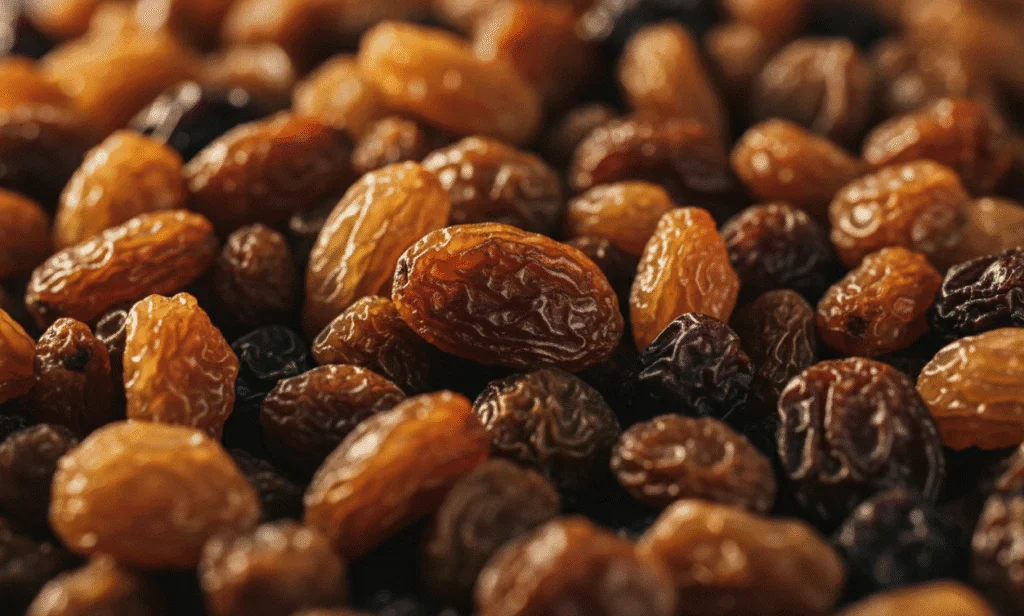
- Raisins and sultanas: These are dried grapes. While raisins are made from dark grape varieties and have a rich, sweet flavor, sultanas come from light-colored, seedless grapes and are usually paler and juicier. Both are indispensable for baking Christmas bread and sweet Easter loaves, and they also work well in porridge or salads.
Exotic fruits
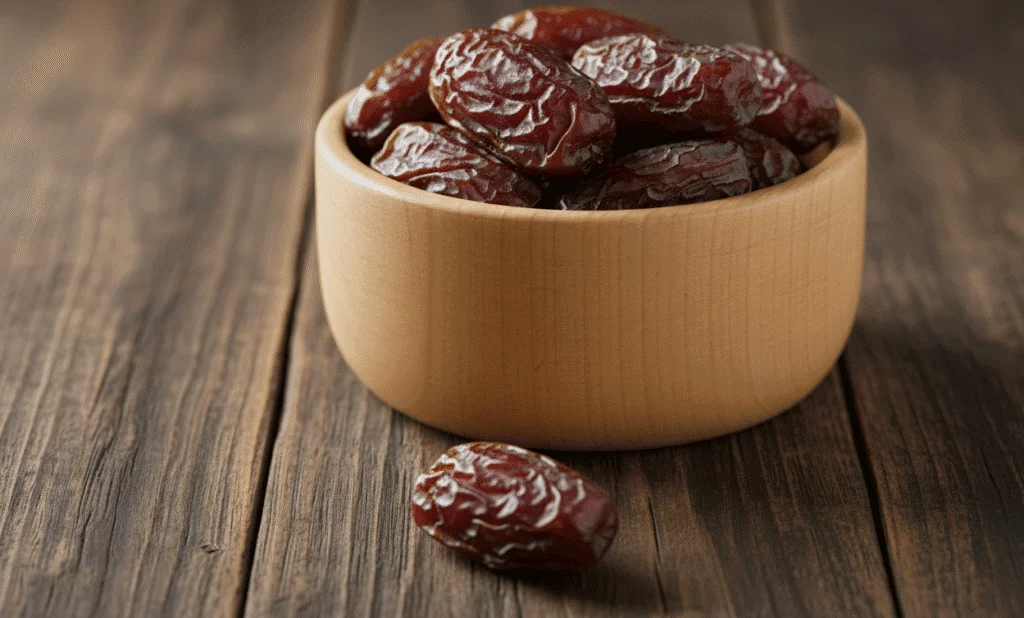
- Dried dates: Thanks to their honey-like sweetness and soft, almost caramel-like texture, they work as an excellent natural sweetener. They are a great source of quick energy and are often used as the base for raw desserts and energy bars.
- Dried figs: They have a distinctive sweet flavor with a subtle nutty note and a characteristic texture thanks to the tiny seeds inside. They are a rich source of fiber and calcium, which makes them a great addition to your diet.
- Dried mango: This tropical treat wins you over with its rich sweetness and pleasantly chewy texture. It’s a great exotic snack that gives you an energy boost and satisfies your sweet tooth.
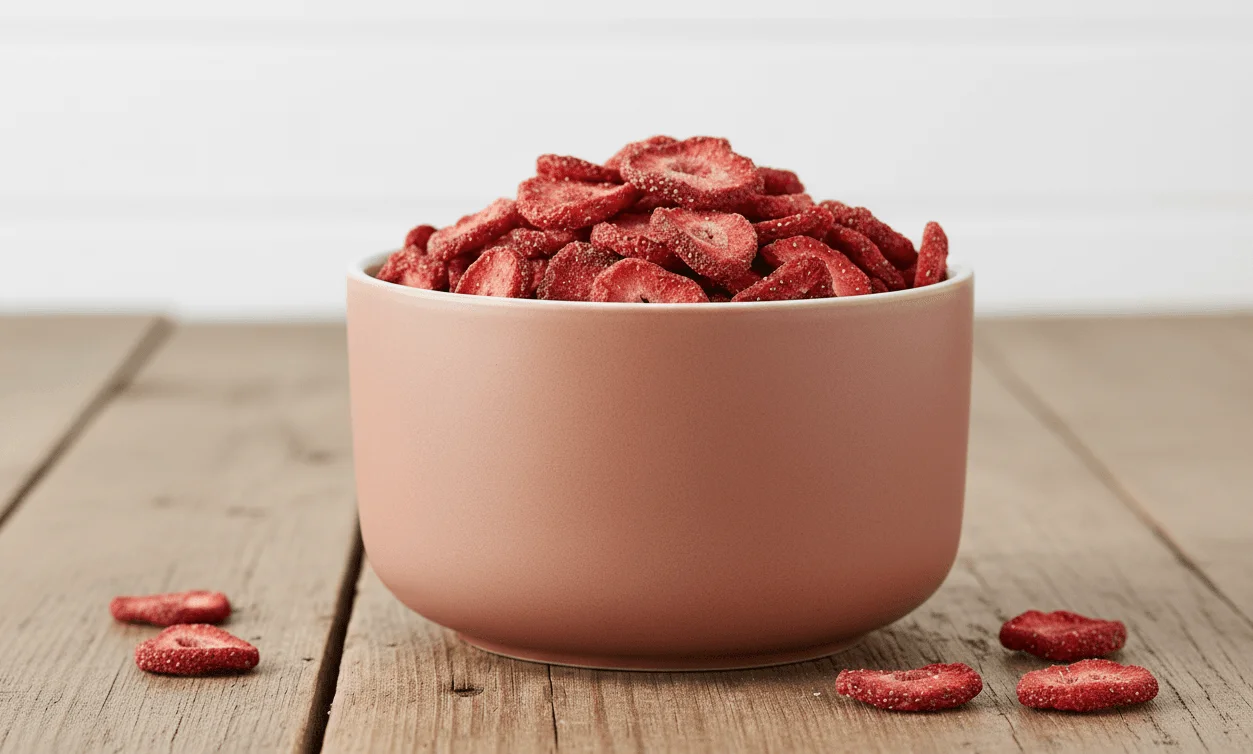
- Dried strawberries: They bring the concentrated sweet-tart taste of summer all year round. Most often, you’ll come across freeze-dried strawberries, which are wonderfully light, crisp, and retain as much flavor and nutrition as possible. They’re perfect for breakfast porridge, muesli, or as a healthy snack for kids. Traditionally dried strawberries are firmer and chewier.
- Goji (Chinese wolfberry): These small red berries have become popular as a superfood. They have a slightly bitter, distinctive flavor and are valued for their high antioxidant content.
Less common types
The world of dried fruit is even more varied. You can also come across dried bananas, which are a great source of potassium, sweet pineapple and papaya (often sweetened), or delicately sweet and crunchy mulberries.
Sure, here is a clear table of the dried fruit varieties mentioned, along with their key nutritional benefits.
Overview of Dried Fruits and Their Benefits
| Druh sušeného plodu | Klíčové vitamíny a minerály |
|---|---|
| Sušené švestky | Vláknina (pro trávení), vitamín K, draslík |
| Jablečné křížaly | Vláknina (pektin), draslík |
| Sušené meruňky | Vitamín A (beta-karoten), draslík, železo |
| Rozinky a sultánky | Železo, draslík, bór |
| Sušené datle | Draslík, hořčík, vláknina (rychlá energie) |
| Sušené fíky | Vápník, vláknina, draslík |
| Sušené mango | Vitamín A (beta-karoten), vitamín C |
| Sušené jahody | Vitamín C (zejména lyofilizované), mangan |
| Goji (kustovnice čínská) | Antioxidanty, vitamín C, železo |
| Sušené banány | Draslík, hořčík |
| Sušený ananas | Mangan, enzym bromelain |
| Sušená papája | Vitamín A, enzym papain |
| Sušená moruše | Železo, vitamín C, antioxidanty (resveratrol) |
Drying Methods and Their Impact on Quality
The way fruit is dried has a major impact on its final flavor, appearance, texture, and nutrient content.
Drying in the sun
This is the oldest and most traditional method, using the power of the sun’s rays. It is a slow process, but it can preserve the fruit’s natural, full flavor. This method is gentle, but it requires careful control of the conditions and is only suitable for areas with a hot, dry climate.
Hot air drying (in a dryer)
This is the most common commercial method, and it’s also used in home dehydrators. Hot air circulates around the fruit and efficiently removes moisture. The process is fast, hygienic, and fully controllable, which ensures consistent results. At higher temperatures, however, some vitamins may be partly lost.
Freeze-drying (lyophilization)
Freeze-drying is the most advanced and gentlest preservation method. The fruit is first deep-frozen, then the water is removed as vapor under very low pressure (sublimation). Thanks to this, the fruit keeps almost its original color, shape, and flavor, and above all retains the maximum amount of nutrients and vitamins. The result is light, crispy pieces. The only downside is the higher price due to the energy demands of the whole process.
Did you know that drying fruit is one of the oldest methods of food preservation, with a history going back thousands of years to ancient Mesopotamia? Back then, people dried dates and figs in the sun to make sure they had food for the winter months and long journeys.
Key parameters when choosing dried fruit
When buying dried fruit, it pays to check the label and the product’s appearance. They can tell you more about its quality than you might expect.
Added sugar and syrups (sweetened vs. natural)
It is essential to distinguish between dried fruit and candied (sweetened) fruit.
- Natural dried fruit is preserved simply by removing the water. Its sweetness comes solely from the naturally occurring sugars it contains.
- Candied or sweetened fruit is soaked in a sugar solution before drying, often glucose-fructose syrup. This significantly increases its calorie count and sugar content. A product like this is more of a sweet treat than a healthy snack. So always check the ingredients on the label.
Sulfuring (sulfur dioxide - E220)
Sulfur dioxide (SO2) is used as a preservative and to help fruit keep its original light color, which is most noticeable in apricots and light-colored raisins.
- Benefits: Prevents the growth of mold and bacteria and keeps it looking appealing.
- Disadvantages: In sensitive individuals, especially people with asthma, it may trigger unwanted reactions, such as headaches or stomach upset. Sulphuring also destroys some vitamins, such as B1.
- Recommendation: Whenever possible, choose unsulfured varieties. You can spot them by their darker, more natural color.
Quality and origin (organic vs. conventional)
The BIO certification guarantees that the fruit was grown without the use of synthetic pesticides and chemical fertilizers. By choosing a BIO product, you not only support environmentally friendly farming, but also have the assurance that you are eating fruit without unnecessary chemical residues.
Appearance and texture
Good-quality dried fruit should be supple and tender, not rock-hard or, on the other hand, soggy and sticky. A properly dried piece should not release any juice when squeezed. Avoid fruit that shows signs of mold, has an unnatural color, or smells musty.
Packaging and packing
The best choice is a sealed, resealable package that protects the fruit from moisture, air, and potential pests. A transparent section of the packaging also lets you visually check the quality of the contents before you buy.
Tips for Choosing and Buying
Not every type of dried fruit works well for every occasion. Here are a few practical tips based on how you plan to use it.
For healthy snacking and for children
For direct snacking and for the youngest eaters, always choose unsulphured and unsweetened varieties. Great options include dried apple slices, unsulphured apricots, prunes, or dates. Another fun and healthy choice is freeze-dried fruit, which kids love for its crunch.
For cooking and baking
When baking sweet treats such as braided Christmas bread or fruit loaf, raisins, sultanas, or even candied fruit (candied citrus peel) are often used. These ingredients give the dough the moisture and sweetness it needs. Chopped figs, dates, or apricots, on the other hand, are a great fit for breakfast porridge, yogurt, or salads.
For athletes and travel
Dried fruit is a concentrated source of quick, readily available energy. Dates, bananas, and figs make an ideal snack before, during, and after exercise or on long hikes, when you need to top up your energy with something small and lightweight.
What to watch out for – common mistakes
- Confusing dried fruit with candied fruit: Always check the ingredients list. If sugar or glucose syrup appears near the top, it is not pure dried fruit.
- Underestimating the calorie content: Dried fruit has a much higher concentration of sugar and calories than fresh fruit in the same volume because the water has been removed. That’s why it’s important to eat it in moderation.
- Recommended daily intake: In general, it is recommended to eat around 30 grams of dried fruit per day, which is about a small handful.
Proper Storage for Maximum Shelf Life
To keep dried fruit tasting great and to preserve its texture and nutritional value for as long as possible, it’s essential to protect it from four main enemies: heat, moisture, light, and air.
Ideal conditions
Store them in a cool, dry, dark place, such as a pantry or a well-ventilated cupboard. The ideal storage temperature is up to 15°C.
Suitable Containers
The best choice is airtight containers, ideally glass ones with a screw-top lid. They keep out air, moisture, and pests such as pantry moths.
Storage in the Fridge and Freezer
For longer storage, dried fruit can also be kept in the refrigerator or freezer.
- In the refrigerator (37–46 °F): In a tightly sealed container, the fruit will keep for up to several months.
- In the freezer (-18 °C): Freezing is ideal for long-term storage. Dried fruit will keep its quality in the freezer for well over a year.
Summary and a Final Tip
Choosing quality dried fruit isn’t complicated if you know what to look for. The key is to read the ingredient list on the label, choose unsulfured and unsweetened options, and pay attention to proper storage in airtight containers.
Remember that dried fruit is a great, healthy addition to your diet, but because of its high sugar concentration, it should be eaten in moderation. Think of it as a wholesome treat that gives you energy and adds new flavors and textures to your meals.
Frequently Asked Questions (FAQ)
Are dried fruits just as healthy as fresh ones?
Dried fruit retains most of its minerals and fiber, often in a more concentrated form. During heat drying, however, some heat-sensitive vitamins are lost, especially vitamin C. The biggest difference is the much higher concentration of sugar and calories for the same weight. Freeze-dried fruit retains the highest amount of nutrients.
How can I tell if dried fruit has gone bad?
Warning signs include any traces of mold, an unpleasant sour or musty smell, the presence of pests (such as moths and their webbing), or unusual hardness and a noticeable loss of the original color. If you’re not sure, it’s better not to eat the fruit.
Why are organic dried apricots brown instead of orange?
The bright orange color of conventional dried apricots comes from sulfur dioxide (E220), which is used as a preservative and prevents natural browning (oxidation) during drying. The dark brown color of organic or unsulfured apricots, by contrast, is a sign that they have not been chemically treated and reflects their natural appearance after drying.
Kategorie:
Články (Nejnovější / Podobné)

Vietnam: The Secrets of Phở, Strong Coffee, and Chaotic Streets
12/11/2025

Turkey: A Guide to Unforgettable Experiences
12/9/2025

France: A Guide to the Land of Wine, Art and History
12/6/2025

Spain: A Land of Passion, Sunshine and Unforgettable Experiences
12/5/2025

Poland: Complete Destination Guide
12/1/2025