Poland: Complete Destination Guide
Poland is one of the most attractive destinations in Central Europe and has seen a real tourism boom in recent years. Did you know that Poland is home to the oldest national park in Central Europe (Pieniny National Park, founded in 1932)? The country offers incredible variety: from historic cities steeped in culture and majestic mountains with national parks to the peaceful shores of the Baltic Sea. Thanks to its size (over 312,000 km²) and strategic position between Western and Eastern Europe, Poland has kept a strong sense of identity and gives visitors an authentic insight into Central European culture.
The history of Poland and its impact on the present day
Polish history is a story of resilience and cultural richness that still shows in every corner of the country. The origins of the Polish state go back to the year 966, when Duke Mieszko I was baptized and introduced Western Christianity to the land. This moment marked the birth of the Kingdom of Poland, which was formally established in 1025 under the rule of his son Bolesław the Brave. During the golden age under Casimir III the Great (14th century), Poland became one of the most stable and economically advanced countries in Europe.
The period from the 14th to the 16th century represents the peak of Polish power under the Jagiellonian dynasty. They expanded Polish territory and united the country with Lithuania into the powerful Polish–Lithuanian Union. A key clash took place in 1410 at the Battle of Grunwald, where Polish–Lithuanian forces decisively defeated the Teutonic Order. The Renaissance of the 16th century brought a boom in science and culture – this is the era of the famous astronomer Nicolaus Copernicus. A tragic turning point came with the Third Partition of Poland in 1795, when Russia, Prussia and Austria divided the country among themselves. Poland disappeared as an independent state, and its people lived in a partitioned land for 123 years until it regained independence in 1918.
The 20th century put Poland through its toughest test. The Second World War left deep scars – concentration camps, especially Auschwitz, became symbols of the horrors of the Holocaust. The historic centre of Warsaw was razed to the ground during the war, yet the Polish nation preserved its identity and rebuilt the city after the conflict. The communist era and the later Solidarity movement played a crucial role in bringing down the Iron Curtain in Europe. Today, Poland is a member of the European Union and NATO, which makes travel easy and safe for Czech citizens.
Location, geography and climate
Location and geography of Poland
Poland is located in Central Europe and holds a key position between the western and eastern parts of the continent. It borders Germany to the west, the Czech Republic and Slovakia to the south, Belarus and Ukraine to the east, and Lithuania and Russia (Kaliningrad region) to the north. On its northern side, Poland has access to the Baltic Sea, which makes it an important coastal destination in Central Europe. The country covers an area of 312,696 km², placing it among the larger European states.
The geographical layout of Poland is fascinating – more than two thirds of the country is made up of plains and lowlands. The northern part, especially Pomerania and Masuria, is known for its vast lakes and unspoiled nature left behind by the last glacier. The central-eastern area consists of low uplands and extensive forests. The south of the country is mountainous – southeastern and southern Poland is home to impressive mountain ranges. The Tatras (with the Rysy peak at 2,499 m) form a natural border with Slovakia and rank among the most beautiful mountain ranges in Europe. You will also find the Pieniny, Beskydy and several other ranges here, offering endless options for hiking and mountain tourism. The most important river in Poland is the Vistula, which flows from south to north and empties into the Baltic Sea. Other major rivers include the Oder, which forms part of the border with Germany, and the Bug, which flows through the eastern part of the country.
Weather and climate for travelers
Poland has a temperate climate with continental influences, shaped by maritime air from the north and continental air masses from the east. This makes the weather very changeable and at times hard to predict. Along the northern coast by the Baltic Sea, the climate is milder, with colder winters and summers that are not too hot. Inland, and especially in the east, the climate is more continental, with clearly defined and contrasting seasons.
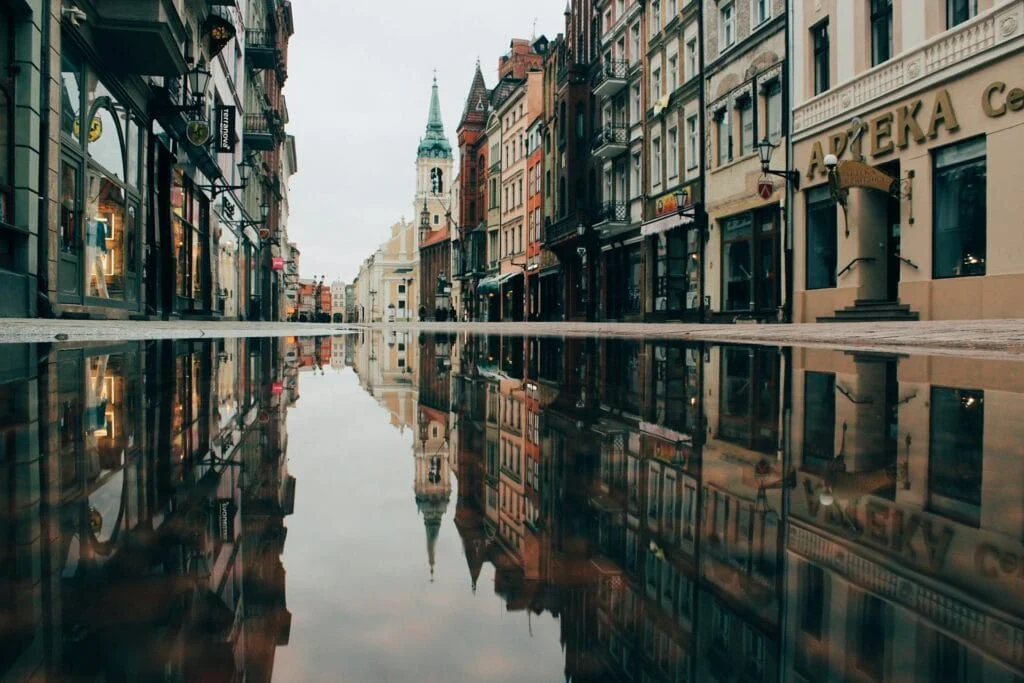
Winters in Poland are cold and, in the mountains, rich in snowfall. Average winter temperatures are around –3 °C in the lowlands, and in the mountains they can drop below –10 °C. Summers are warm, with average temperatures of around 20–22 °C, and in the lowlands, especially around Warsaw, they can climb to 30 °C. The transitional seasons – spring and autumn – are very pleasant and ideal for traveling.
| Month | Average daytime temperature | Average night-time temperature | Sea temperature (Baltic) |
|---|---|---|---|
| January | –2 °C | –5 °C | 3 °C |
| February | 0 °C | –4 °C | 2 °C |
| March | 6 °C | 1 °C | 3 °C |
| April | 14 °C | 7 °C | 6 °C |
| May | 20 °C | 12 °C | 11 °C |
| June | 24 °C | 16 °C | 17 °C |
| July | 26 °C | 18 °C | 19 °C |
| August | 25 °C | 17 °C | 19 °C |
| September | 20 °C | 13 °C | 16 °C |
| October | 14 °C | 8 °C | 11 °C |
| November | 7 °C | 3 °C | 7 °C |
| December | 1 °C | –3 °C | 4 °C |
The best time to visit Poland depends on the type of trip you have in mind. If you love beaches and summer travel, the best months are June to September, when the Baltic Sea is at its warmest (16–19 °C). For mountain hiking and outdoor activities, May to September is ideal, with the peak season in July and August. If you want to explore historic cities without the crowds, aim for April, May, September, and October, when the weather is still pleasant but the main sights are not packed with tourists. The winter months offer a magical view of snow-covered old towns and are great for winter sports in the mountains, but the weather tends to be cold and damp.
Regions of Poland and the most attractive destinations
Mazovia and Warsaw: The heart of the country
Warsaw, the capital of Poland, is a dynamic, modern city that stands out for its contrast between the historic center and contemporary architecture. During World War II, more than 80% of the city was destroyed, but the Poles rebuilt it with remarkable determination. The historic center with the Old Town Market Square (Rynek Starego Miasta) was restored so precisely that it was added to the UNESCO World Heritage List. Visitors can stroll through medieval streets lined with colorful townhouses, small cafés, and galleries. The Royal Castle stands as a symbol of Polish statehood and is open to the public. Other highlights include the Palace of Culture and Science, an iconic building from the socialist era with a stunning panoramic view of the city from the top. Warsaw also has extensive parks – especially Łazienki Park with its islands and the Saxon Garden, both perfect for relaxed walks.
Lesser Poland and Kraków: A legendary past
Krakow, the second-largest city in Poland, is without a doubt one of the most beautiful destinations in Europe. Its historic center dates back to the 13th century and this is where Polish kings were crowned. The main landmark is the vast Main Square (Rynek Główny) – one of the largest medieval squares in Europe – with the iconic Cloth Hall (Sukiennice) and St. Mary’s Basilica with its distinctive tower. Around the square stretches a maze of historic streets packed with cafés, restaurants, and shops. A truly unique area is the Jewish quarter of Kazimierz, once one of the most important centers of Jewish culture in Europe, which today still keeps its authentic atmosphere with many synagogues and memorials. From the square, the Royal Route leads straight to Wawel Castle, towering above the Vistula River and symbolizing Polish power and grandeur.
Not far from Krakow you’ll find several other must-see places. Oświęcim (Auschwitz), home to the Auschwitz-Birkenau complex, was the largest Nazi extermination camp. During World War II, around 1.1 million people were killed here, about 90% of them Jews. Visiting this site is emotionally demanding, but essential for understanding modern European history. The Wieliczka Salt Mine, one of the oldest in Europe, features underground chapels and lakes that feel truly magical. The town of Tarnów and the villages around Krakow offer an authentic glimpse into traditional Polish rural life.
Baltic Sea Coast: A sandy paradise
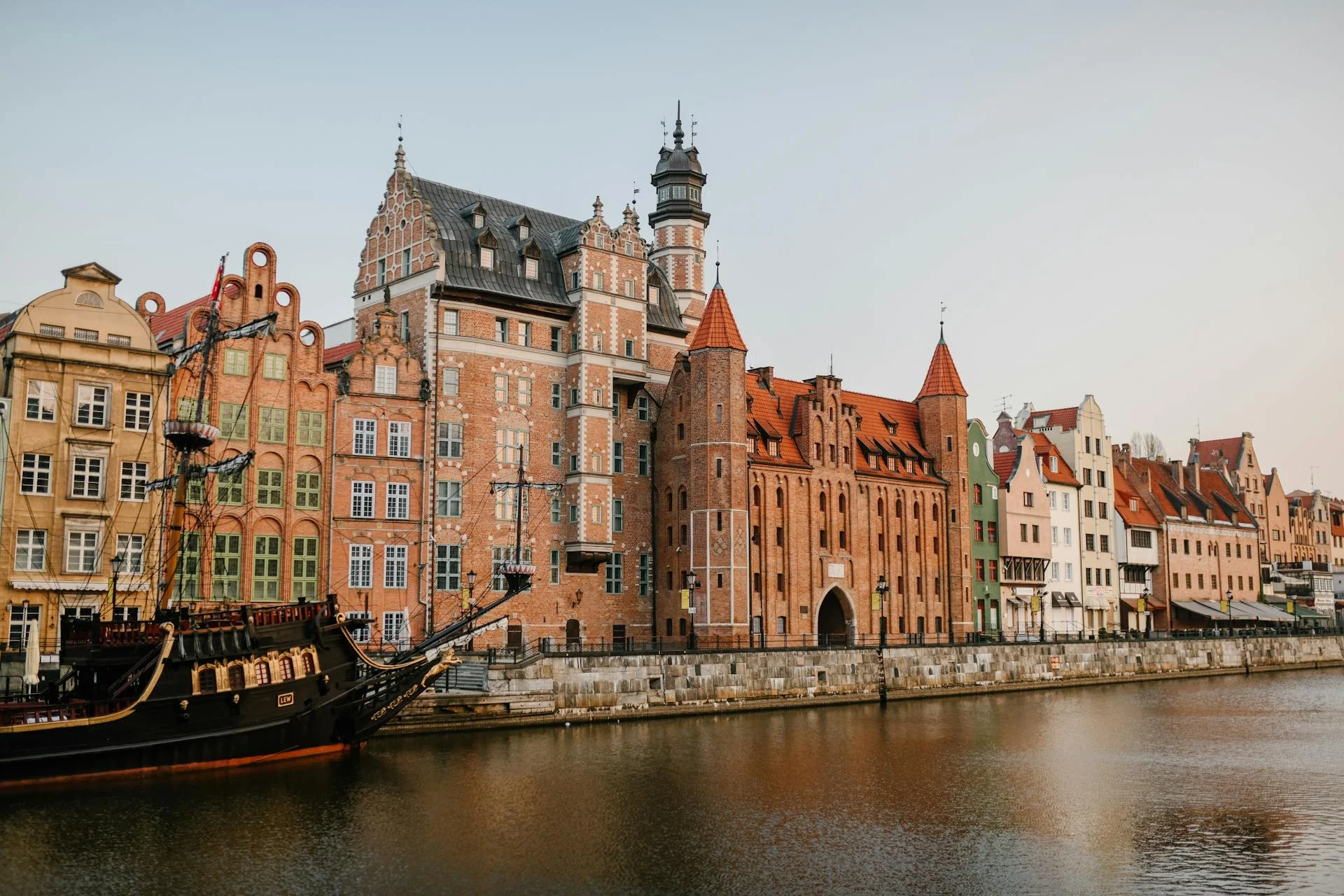
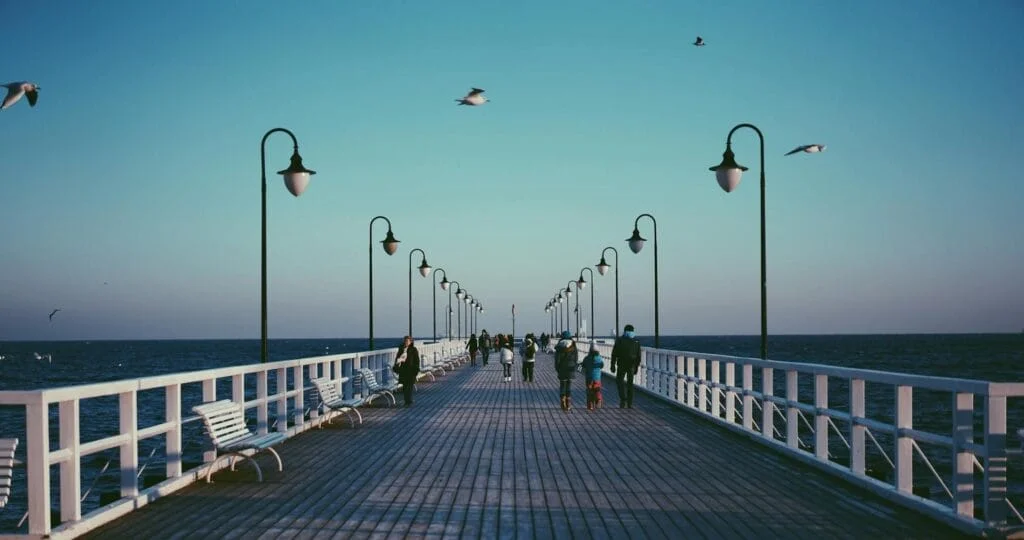
Poland’s Baltic coast offers long sandy beaches stretching for more than 400 km. The main city on the coast is Gdańsk, sometimes called the “Venice of the Baltic” thanks to its colorful townhouses reflected in the canals. Historically, Gdańsk was a very wealthy Hanseatic city and today it ranks among the most beautiful cities in Poland. A walk through the Old Town feels like stepping back in time – narrow cobbled streets, stunning Renaissance houses, St. Mary’s Church, and a harbor full of color and life. The pier in Sopot, the longest wooden pier in Europe, is a popular spot for strolls and offers gorgeous sea views.
The best-known beaches in the region include Stogi in Gdańsk (a wide beach with fine sand), Łeba (a beach in the heart of a national park with famous shifting dunes), and the Hel Peninsula (a 56 km long spit surrounded by the sea). The town of Kołobrzeg combines a historic center with modern spa facilities. You can explore the coastline via the Baltic Cycle Route, which runs along the entire Polish shore.
Pieniny National Park: A natural spectacle
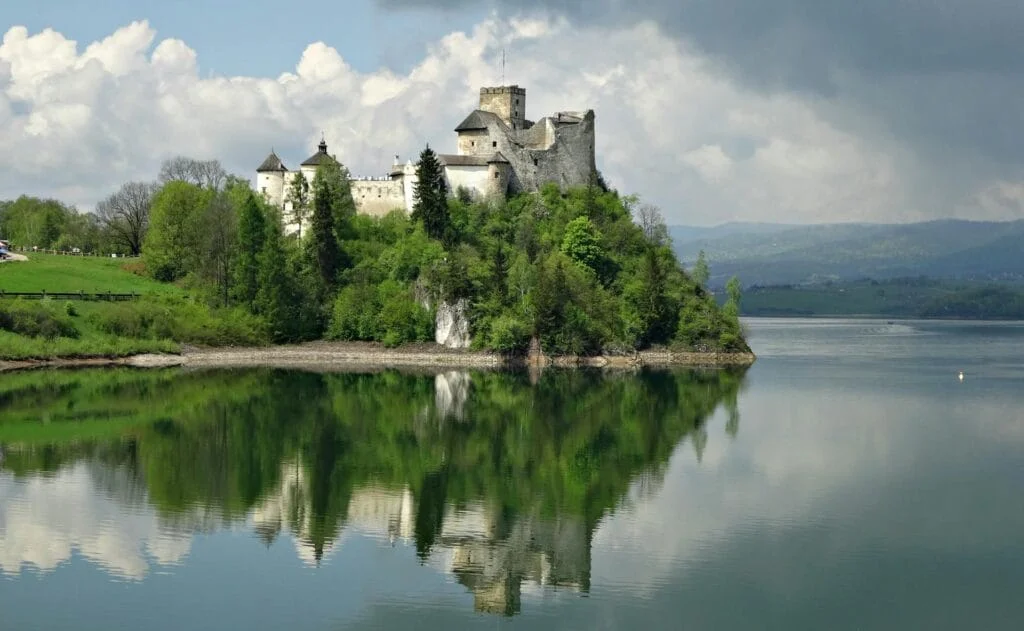
Pieniny National Park (Pieniński Park Narodowy) is the oldest national park in Poland (founded in 1932) and at the same time one of the smallest – it covers only 2,346 hectares. It lies on the border with Slovakia and its main landmark is the Three Crowns massif (Trzy Korony). The top attraction is the Dunajec River Gorge rafting trip – one of the most impressive outdoor experiences in Poland. As you float down the river on traditional wooden rafts or in a kayak, you’ll pass stunning limestone cliffs rising steeply from both sides of the river. The park is also home to the ruins of the 13th‑century Pieniny Castle. Visitors can head to the peaceful spa town of Szczawnica or the charming village of Krościenko.
Słowiński National Park: The Polish Sahara
Słowiński National Park (Słowiński Park Narodowy) lies on the Baltic Sea coast and is best known for its shifting sand dunes covering roughly 500 hectares – often called the “Polish Sahara”. Driven by westerly winds, the dunes move by about 10 meters each year. The highest dune, Łącka Góra, reaches up to 42 meters. The park also includes the lakes Łebsko and Gardno, which provide an important habitat for many bird and amphibian species. There are 34 kilometers of marked trails, perfect for hiking and cycling.
The Tatras and the Polish side of the Giant Mountains
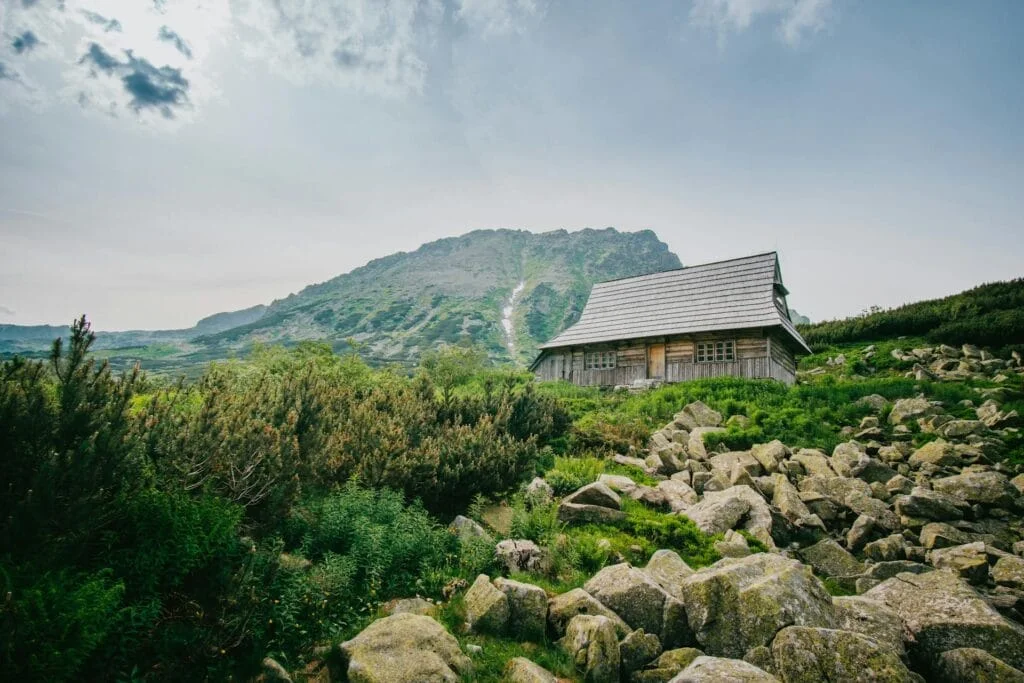
Poland’s southern border is formed by the High Tatras, the highest and most dramatic mountain range in the country. Even though the highest peak, Rysy (2,499 m), is not extremely high by global standards, the landscape has a distinctly alpine feel, with steep rock faces, mountain lakes and deep valleys. Tatra National Park offers countless hiking routes for every fitness level. The popular town of Zakopane is the heart of local mountain culture – you’ll feel like you’re in the “Polish Alps”, surrounded by traditional wooden chalets (Zakopane style), cozy taverns and spectacular views.
Further west of the Tatras you’ll find more beautiful mountain regions. The Polish side of the Giant Mountains (Karkonosze) offers relaxed mountain hiking, with trails leading through alpine meadows and forests. The town of Karpacz is an ideal base for day trips.
The most famous landmarks and cities
Malbork Castle: The largest Gothic fortress in the world
Malbork, despite its remote location northeast of Gdańsk, is one of the most breathtaking places in Poland. The castle was founded in 1274 by the Teutonic Order as a strategic stronghold. Over time, it grew into a monumental complex covering 21 hectares, making it the largest Gothic structure in the world and at the same time the largest brick building on the planet. In its current form, it consists of three main parts: the Upper Castle, the Middle Castle, and the Lower Castle. In the 14th‑century Palace of the Grand Masters, once the seat of the Order’s Grand Master, you can admire stunning ribbed vaults and masterful frescoes. The castle also houses an amber museum, the most important collection of its kind in the world. Malbork Castle was added to the UNESCO World Heritage List in 1997 and is without doubt the most valuable monument of Polish Gothic architecture.
Old Town of Warsaw: Reborn from the ashes
Warsaw’s Old Town is a powerful example of Poland’s extraordinary resilience. During World War II, its historic buildings were almost completely destroyed. After the war, Poles began a meticulous reconstruction of the medieval streets and houses, using historical drawings and old photographs as a guide. Today, the Old Town is one of the best restored historic centers in Europe and is listed as a UNESCO World Heritage Site. A walk through the Old Town takes you into a world of Gothic and Renaissance architecture. In the Royal Castle, you can explore historic interiors and impressive art collections.
Krakow: Rich in every way
Krakow could easily deserve a whole chapter of its own. The city feels like a single, coherent work of art – from the Main Market Square, through the traditional Jewish quarter of Kazimierz, all the way up to Wawel Hill. As you wander through the city, you’ll pass magnificent churches (especially St. Mary’s Basilica, with its bugle call played from the tower every hour), medieval market halls, narrow lanes lined with traditional souvenir shops, and finally the majestic castle.
Natural beauty and national parks
National parks of Poland
In Poland, around one tenth of the country’s area is protected as national parks or landscape reserves. In addition to the already mentioned Pieniny and Słowiński parks, the standouts include Tatra National Park, Białowieża Forest (an ancient forest on the border with Belarus, also on the UNESCO list), Kampinos National Park near Warsaw, and many others.
Masurian Lake District: Thousands of lakes
Northeastern Poland, especially the Mazury region, is dotted with thousands of lakes – a legacy of the last Ice Age. Among the largest are lakes Mamry and Śniardwy. The landscape is perfect for water sports (canoeing, windsurfing), fishing, and quiet relaxation. The main hubs of the region are Mrągowo and Mikołajki, a charming little town on the lakeshore.
Białowieża Forest: A primeval woodland
Białowieża Forest is a remnant of the original European primeval forest that once covered all of Central Europe. Rare animals live here, such as the European bison – a species that was wiped out in the wild and reintroduced thanks to captive breeding. You can also spot lynx, wolves, and other predators. The forest is home to an extraordinary variety of plants and fungi as well.
Typical Polish food and gastronomy
Polish cuisine: Traditional and hearty
Polish cuisine is filling, rich, and very tasty – ideal for cold continental winters. Traditionally it is based on beef, pork and poultry, plenty of potatoes, and cabbage. Simple ingredients, however, do not mean a simple end result.
The most famous Polish dishes you really should try:
- Bigos – Poland’s national dish, a stew of sauerkraut, mushrooms, and various kinds of meat. It is cooked for a long time and tastes even better the next day.
- Pierogi – stuffed dumplings made from unleavened dough, one of the symbols of Polish cooking. They can be filled with sauerkraut and mushrooms, curd cheese, meat, potatoes with onion, or sweet fillings like fruit. They are usually served with sour cream.
- Żurek – a thick, sour rye starter soup, often served with sausage, mushrooms, and a boiled egg. A very traditional dish that many Poles swear by as a hangover cure.
- Barszcz (Borscht) – beetroot soup with a meat broth base. It is healthy and full of flavor, especially in winter.
- Flaki – tripe soup, not everyone will fall in love with it right away, but it is a classic dish that many Poles adore.
- Gołąbki – cabbage rolls stuffed with minced meat and rice, braised in tomato sauce.
- Polish sausage (Kiełbasa) – various types of homemade sausages, either smoked or fresh. They are served with bread and mustard.
- Pączki – sweet doughnuts made from yeasted dough, filled with jam and dusted with powdered sugar. They are traditionally eaten on Fat Thursday.
Drinks and refreshments
- Vodka (Wódka) – Polish vodka is famous for a reason. Try it in traditional pubs or dedicated “vodka bars”.
- Polish beer (Piwo) – it may not be as renowned as Czech beer, but there are plenty of quality Polish beers that are well worth a try.
- Mead (Miód pitny) – a traditional drink with a long history in Poland.
- Coffee (Kawa) – Poles love coffee, and cafés (kawiarnie) are popular places to meet up and relax.
Restaurant hours and etiquette
Polish dishes are traditionally served with cream and bread, which is an essential part of almost every meal. Breakfast (Śniadanie) is served between 7 and 9 a.m. and is usually light. Lunch (Obiad) is the main meal of the day and typically includes soup and a main course. It is usually eaten around 1–2 p.m. Dinner (Kolacja) is lighter and is served around 6–7 p.m. Poles usually dine out in restaurants between 7:00 p.m. and 9:00 p.m.
In Polish restaurants, it is customary to leave a tip (napiwek) of 10–15% of the bill if you were happy with the service. In pubs, if you order at the bar, tipping is not required, but it is always appreciated.
Cultural festivals and traditions
Poland is a country of deep-rooted traditions and celebrations. Because the vast majority of the population is Catholic (over 90%), Easter and Christmas are the most important holidays.
Easter is linked to many traditional rituals. On Palm Sunday (Niedziela Palmowa), worshippers bring decorated “palms” to church. On Holy Saturday (Sobota Wielkanocna), people have baskets of food blessed in churches. Easter Monday (Śmigus-dyngus) is a joyful day marked by the custom of playfully dousing others with water.
Christmas is a time for family gatherings. During Advent, cities host Christmas markets. Christmas Eve dinner begins with the breaking of a blessed wafer – family members share it with one another as a symbol of mutual love and forgiveness.
Other important holidays and festivals include:
- All Saints’ Day (1 November) – a day to honour the dead, when Poles visit cemeteries and light candles.
- Independence Day (11 November) – a celebration of Poland’s regained independence.
- Dominican Fair in Gdańsk (July/August) – one of the biggest festivals in Poland, with live music, traditional culture and food.
- Kraków Nativity Scene Festival (December) – a unique competition showcasing traditional Kraków nativity scenes that are true works of art.
Key practical information for travellers
Currency and payments
The currency in Poland is the Polish zloty (PLN). The exchange rate is around $0.24–$0.26 for 1 PLN. Exchanging money in banks and exchange offices (kantor) in city centres is straightforward. ATMs (bankomat) are on almost every corner and are the easiest way to get local cash.
Card payments are standard in restaurants, shops and hotels in cities. Smaller rural businesses and markets mostly prefer cash. Tipping is not mandatory, but leaving 10–15% of the bill is common in restaurants and taxis.
Entry requirements and visas
For Czech citizens, travelling to Poland is straightforward. You only need a valid national ID card or a passport. No visa is required – both the Czech Republic and Poland are part of the Schengen Area and the European Union.
There are no mandatory vaccinations required for entry from the Czech Republic. It is recommended to have up-to-date tetanus vaccination.
Safety and local customs
The security situation in Poland is very good. Poland has low crime rates and visitors generally do not need to worry. As in any country, basic common-sense precautions apply:
- Protect your personal belongings, cash, and documents – especially in crowded places (train stations, markets, city centers) where pickpockets may operate.
- Do not leave valuables like watches, cameras, and mobile phones on display.
- In some areas, especially at night, avoid deserted streets on the outskirts of cities.
- Use guarded parking lots.
- Local customs are similar to those in the Czech Republic, but Poles are generally more religious and tradition-oriented. Respect for the Catholic faith and religious sites is important.
Healthcare and insurance
With the European Health Insurance Card (EHIC), you are entitled to necessary medical care in Poland. However, it is strongly recommended to take out travel insurance that covers all potential medical expenses. Pharmacies (apteka) are available in all towns and cities.
The emergency medical service is available on 999 and 112 (the general emergency number).
Poland’s fauna and flora
Poland is home to rich biodiversity. In its forests you can find European bison, lynx, wolves, and bears (especially in the southern mountains). There are also otters, beavers, and several species of foxes.
Among birds you can spot the golden eagle, white-tailed eagle, and various birds of prey. Around lakes and in river lowlands you will often see storks and herons. The common kingfisher is typical of clean rivers.
The flora includes mixed birch and spruce forests, pine trees on sandy dunes, and typical alpine vegetation in the mountains. Marshes and peat bogs are rich in orchids and other protected plant species.
Basic Polish phrasebook
| Czech phrase | Polish translation |
|---|---|
| Hello / Good day | Dzień dobry |
| Good night | Dobranoc |
| Please | Proszę |
| Thank you | Dziękuję |
| Thank you very much | Dziękuję bardzo |
| Yes | Tak |
| No | Nie |
| Excuse me | Przepraszam |
| How much is it? | Ile to kosztuje? |
| Do you speak Czech? | Czy mówi pan/pani po czesku? |
| I am from Czechia | Jestem z Czech |
| Where is the toilet? | Gdzie jest toaleta? |
| Help! | Pomoc! |
| Beer | Piwo |
| Water | Wodę |
| Food | Jedzenie |
| Good | Dobry |
| Bad | Zły |
| Cheap | Tanie |
| Expensive | Drogie |
Transport and logistics
How to get to Poland
By plane: The Czech Republic has very good flight connections with Poland. The main airports are:
- Warsaw Chopin Airport (WAW) – the largest and most important airport.
- Kraków-Balice Airport (KRK) – the main gateway to Kraków and southern Poland.
- Katowice Airport (KTW) – the third-largest airport, serving Upper Silesia.
- Gdańsk Lech Wałęsa Airport (GDN) – connects the Czech Republic with the Baltic coast.
By train: There are direct trains from Czechia to Kraków and Warsaw. This option is comfortable and gives you a chance to enjoy the scenery. The journey takes roughly 7–9 hours, depending on your destination.
By bus: Bus operators (e.g. Flixbus, RegioJet) link all major Czech cities with Polish ones. It is the cheapest option, but the trip usually takes longer.
By car: Driving is convenient and flexible. From the Czech–Polish border it takes about 5–7 hours to Warsaw and 4–6 hours to Kraków, depending on the route and traffic.
Getting around Poland
Trains: The Polish State Railways (PKP) operate a dense rail network. You can use both regional trains (Regio) and high-speed trains (Pendolino) between the biggest cities. Tickets can be bought online or directly at the station.
Buses: The bus network is very extensive and covers even smaller towns and villages. Flixbus and other carriers run between major cities, while smaller local companies (e.g. PKS) handle regional routes.
Car transport: Polish roads are generally in good condition. Highways are well maintained, but many of them charge tolls. Parking in city centres is usually paid.
Public transport: In large cities (Warsaw, Kraków, Gdańsk) you can use trams, buses and in Warsaw also the metro. A single ticket costs around 4–5 PLN, and there are also day and multi-day passes available.
Car rental
Renting a car gives you maximum flexibility. Prices start at roughly 25–50 EUR per day for a basic car. It’s recommended to:
- Book your car online in advance to get better rates.
- Have a valid driving licence (an international licence is not required for Czech drivers).
- Check the rental insurance terms carefully.
- Consider taking out comprehensive insurance.
- Know the Polish road rules.
Prices and travel budget
Poland is very budget-friendly, especially compared to the Czech Republic and Western Europe. Here’s an overview of average prices:
Daily budget per person
| Budget category | Accommodation | Food | Transport/Attractions | Total per day |
|---|---|---|---|---|
| Low budget | $13–18 | $9–13 | $7–9 | $29–40 |
| Mid-range | $35–53 | $18–27 | $13–18 | $67–98 |
| Higher | $89+ | $36–67 | $22+ | $147+ |
Indicative prices in Poland
- Accommodation: Hostel $13–27/night, average hotel $44–89/night.
- Food: Lunch in a bistro $9–16, dinner for two in a restaurant $36–67.
- Drinks: Beer in a pub $2–4, coffee in a café $2–4.
- Admission fees: Museums $4–13, national parks $2–7, entry to the former Auschwitz camp grounds is free (advance booking is recommended).
- Transport: Public transport ticket $1–1.30, intercity bus $9–36.
How to plan the perfect trip
First time in Poland: If you’re visiting Poland for the first time, start with Kraków and Warsaw. Both cities have a rich history, great tourist infrastructure, and are easy to get to. Add a side trip to the Baltic Sea or a day in the Pieniny Mountains.
Families with children: Take the kids to Warsaw (parks, museums), Kraków (castles and legends), and especially to the Tatra Mountains (easy hikes) or the Masurian Lakes (swimming). The Wieliczka Salt Mine is also a big hit with children.
Active holidays and nature: Head to the Tatra Mountains, Pieniny, the Białowieża Forest, and Słowiński National Park. The Masurian Lakes are also highly recommended for water sports.
Romantic getaway: Go to Kraków (romantic Old Town streets), Gdańsk (picturesque canals), and the Baltic Sea (long walks on the beach).
Solo travel: All of the options above work well. Poland is a safe country for solo travelers and people are generally friendly.
Seniors: Focus on historic cities (Kraków, Warsaw, Gdańsk) and easier nature spots (Słowiński National Park, Masurian Lakes, scenic train trips).
Sample itineraries
A week in Polish cities (7 days):
- Days 1–2: Warsaw (Old Town, castle, parks)
- Days 3–5: Kraków (Main Square, Wawel, Kazimierz, Auschwitz)
- Day 6: Gdańsk (Old Town, pier, beach)
- Day 7: Travel back home
10 days: Nature and history:
- Days 1–2: Warsaw
- Days 3–4: Kraków and Auschwitz
- Days 5–6: Tatra Mountains (Zakopane)
- Days 7–8: Pieniny (rafting on the Dunajec River)
- Days 9–10: Baltic coast (Gdańsk, Sopot)
2 weeks: Complete Poland:
- Days 1–3: Warsaw
- Days 4–6: Krakow and Auschwitz
- Days 7–8: Tatra Mountains
- Days 9–10: Białowieża Forest
- Days 11–12: Masurian Lakes
- Days 13–14: Baltic Coast (Gdańsk, Łeba, Słowiński National Park)
Most common planning mistakes
- Underestimating time and distances: Poland is larger than it looks. Allow plenty of time for getting from place to place.
- Trying to see too much in too little time: If you only have a week, don’t try to squeeze in Warsaw, Krakow, the Baltic coast and the Tatras. It’s better to visit fewer places and really get to know them.
- Ignoring the weather: Polish weather can be changeable, even in summer. Pack an extra warm layer and an umbrella.
- Disregarding local culture: Poland is a traditional country. Treat landmarks and local customs with respect.
- Keeping too fast a pace: There’s no point in rushing. Poland is best enjoyed slowly.
Summary and final tips
Poland is a country that will surprise you with its variety. From the rich history of medieval cities and beautiful natural scenery to friendly locals and hearty food, it has something for every type of traveler. Whether you’re into architecture and historic sights, outdoor adventures, or simply want to unwind on the beach, Poland delivers authentic, memorable experiences.
Whichever region you choose, the main goal is to enjoy your trip, recharge, and discover something new. Poland is more than just a destination – it’s a journey through Central European history that will stay with you. It’s absolutely worth it.
Kategorie: