From lightweight to cozy: find a blanket that helps you fully unwind

A blanket is much more than just a piece of fabric. It’s a symbol of home, warmth and safety. It’s your companion on chilly evenings, a reliable partner for movie marathons and a stylish accessory that can transform the look of an entire room. There are countless types of blankets, from light cotton throws to thick sherpa styles, and each works best in a different situation. This guide walks you through everything you need to know to choose a blanket you’ll want to snuggle into every single day.
Did you know that special weighted blankets can help improve sleep quality and reduce anxiety?
Types of blankets by material and use
The material is the be-all and end-all of every blanket. It determines how warm, soft and breathable it is, as well as how easy it is to care for.
Cotton blankets
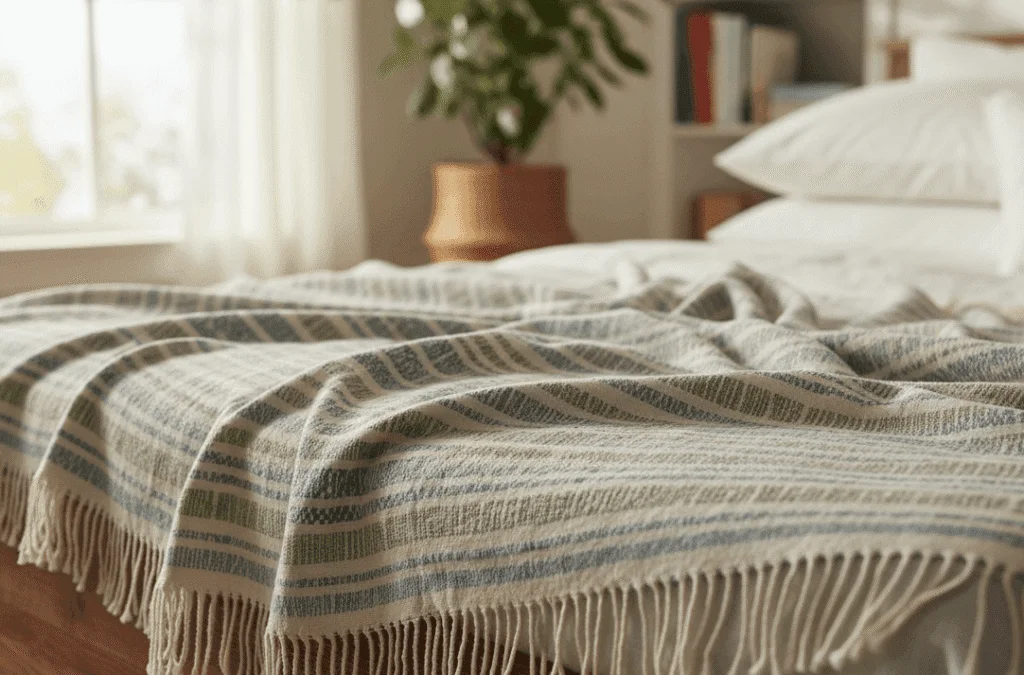
Cotton is a natural, time‑tested material that is breathable, hypoallergenic and absorbs moisture well. Cotton blankets are ideal for year‑round use – they feel pleasantly cool in summer and add a light, warm layer in winter. Thanks to their softness, they are a great choice for children and people with sensitive skin. They are easy to machine‑wash, which makes them a very practical option.
Fleece blankets
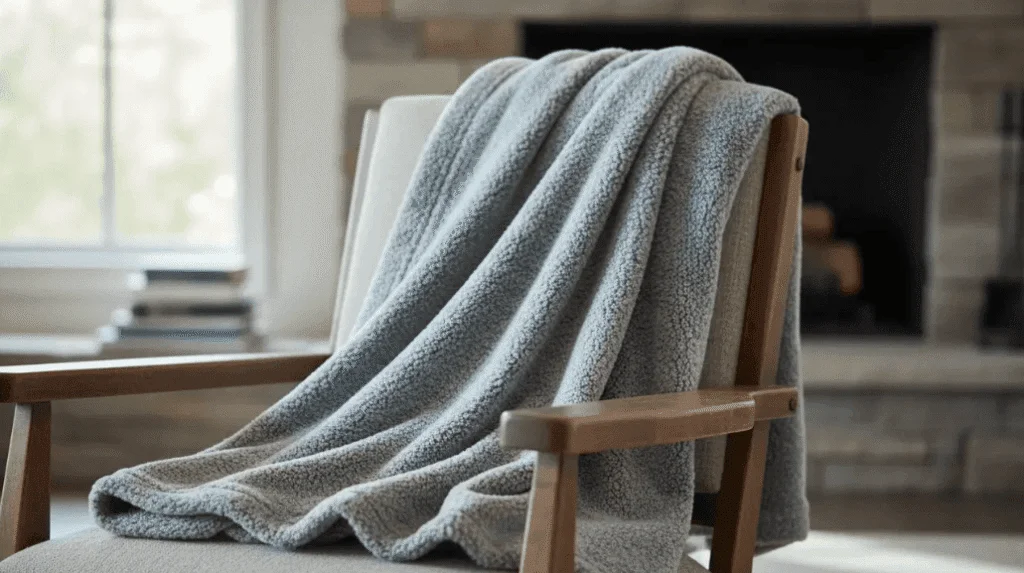
Fleece is a lightweight and affordable synthetic material (most often polyester) known for its excellent warmth. It’s very soft, quick‑drying and does not absorb moisture, so it’s ideal for curling up in front of the TV or as a travel blanket. The downside is lower breathability compared with natural materials and a tendency to pill after frequent washing.

Microplush and sherpa blankets
Microplush blankets (sometimes called microflannel) take softness to a new level. They’re made from extremely fine synthetic fibers, which makes them incredibly soft, velvety and warm. Sherpa blankets combine smooth microplush on one side and a sheep‑wool imitation (sherpa) on the other, creating the perfect blanket for winter evenings. They’re very popular for their high comfort, but just like fleece, they tend to be less breathable.
Wool blankets
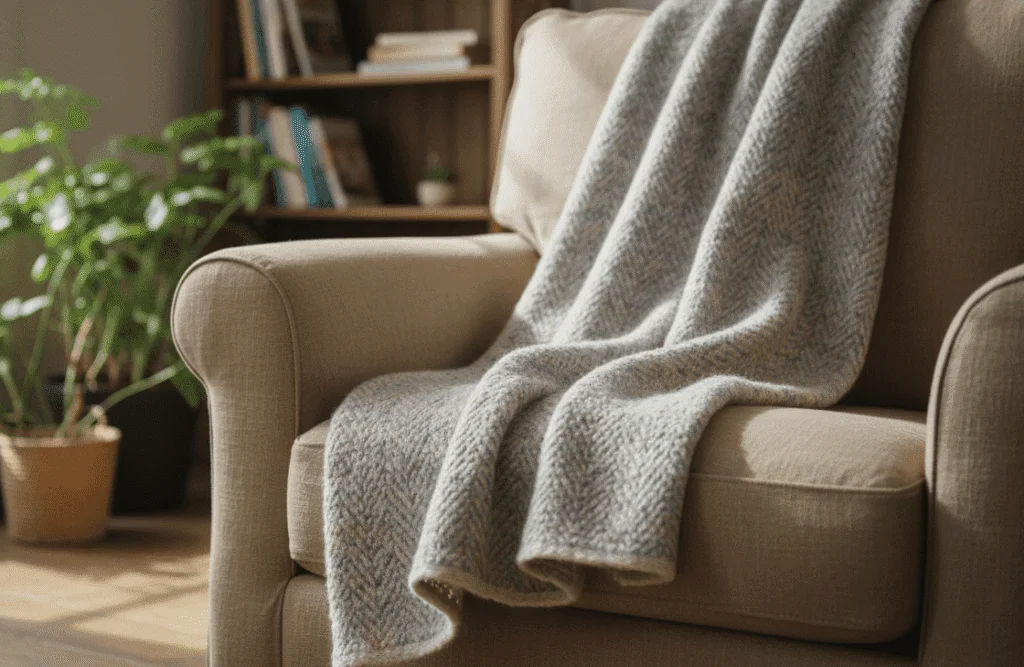
Wool is a premium natural material with excellent thermoregulating properties – it keeps you warm in winter and lets your skin breathe in summer. It can absorb a large amount of moisture without feeling wet to the touch, and it’s naturally antibacterial and resistant to odors. Wool blankets are an investment in quality and durability. They do, however, need gentler care, often dry cleaning or hand‑washing. Some people may find coarser wool itchy, in which case blankets made from fine merino wool are a great solution.
Acrylic blankets
Acrylic is a synthetic alternative to wool. It offers similar warmth and lightness at a much lower price. Acrylic blankets are soft, moth‑resistant and hold their color well. They are also suitable for people who are allergic to real wool. On the other hand, they’re less breathable and more prone to static electricity and pilling.
Quilted blankets (bedspreads)
These blankets, often referred to as bedspreads, are made from two layers of fabric (usually cotton or polyester) with a thin filling in between. They’re defined by the stitching that holds the layers together and creates a decorative pattern at the same time. Their main purpose is to serve as a stylish throw over a bed or sofa, but they also provide a light layer of warmth.
Key parameters when choosing a blanket
Besides the material, there are a few other factors you should keep in mind.
Material
As mentioned above, this is the most important parameter because it affects all other properties – warmth, breathability, softness and how demanding the care will be. Choose it based on how you plan to use the blanket most of the time.
Warmth and weight (g/m²)
The warmth of a blanket is closely linked to its weight (the weight of the material per square meter). As a rule of thumb, the higher the weight, the warmer and denser the blanket. For orientation:
- Summer and decorative blankets: around 200–300 g/m²
- All‑season and universal blankets: around 300–450 g/m²
- Winter and extra warm blankets: 450 g/m² and more
Size
The right size is crucial for comfort.
Standard size 150x200 cm: Ideal for one person on the sofa or as a throw on a single bed.
Large size 220x240 cm (and more): Suitable as a bedspread for a double bed or for snuggling up as a couple.
Care and washing
Always check the care label before you buy. While cotton and synthetic blankets can usually be machine‑washed without any issues, real wool blankets often need a gentler approach, such as hand‑washing or dry cleaning.
Design and color
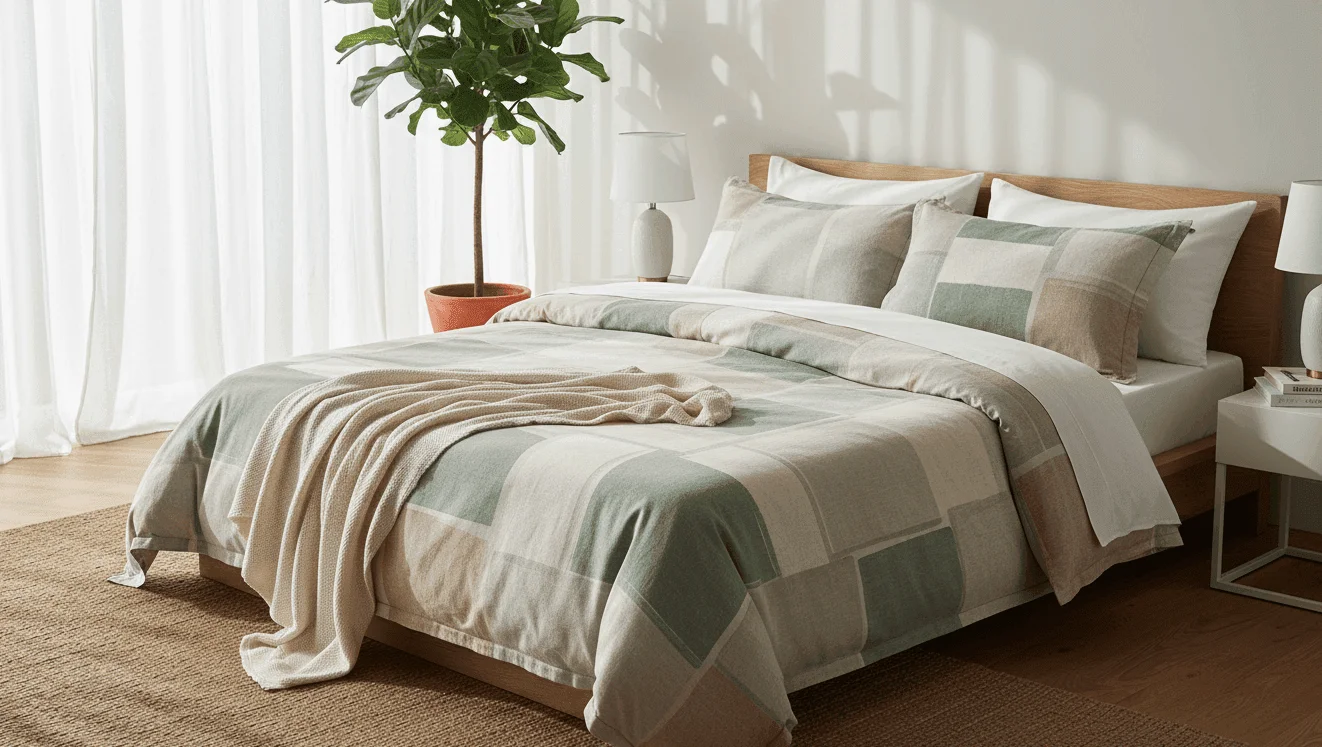
A blanket is no longer just a functional item. It’s an important decorative element that can make a room feel more inviting and pull the whole color scheme together. Choose colors and patterns that match your style, whether that’s a minimalist solid‑color throw or a bold blanket that becomes the focal point of the room.
How to choose a blanket based on your needs
We all have different priorities. See which of the following categories fits you best.
If you’re constantly cold, go for materials with maximum warmth. The best options are thick microplush, warm sherpa or a quality wool blanket with a higher weight. For extra warmth, you can also consider an electric heated blanket.

Allergy sufferers should focus on hypoallergenic and breathable materials that are easy to keep clean. A great choice is 100% cotton, which can be washed at higher temperatures to help eliminate dust mites. Synthetic blankets that don’t trap dust are also suitable.
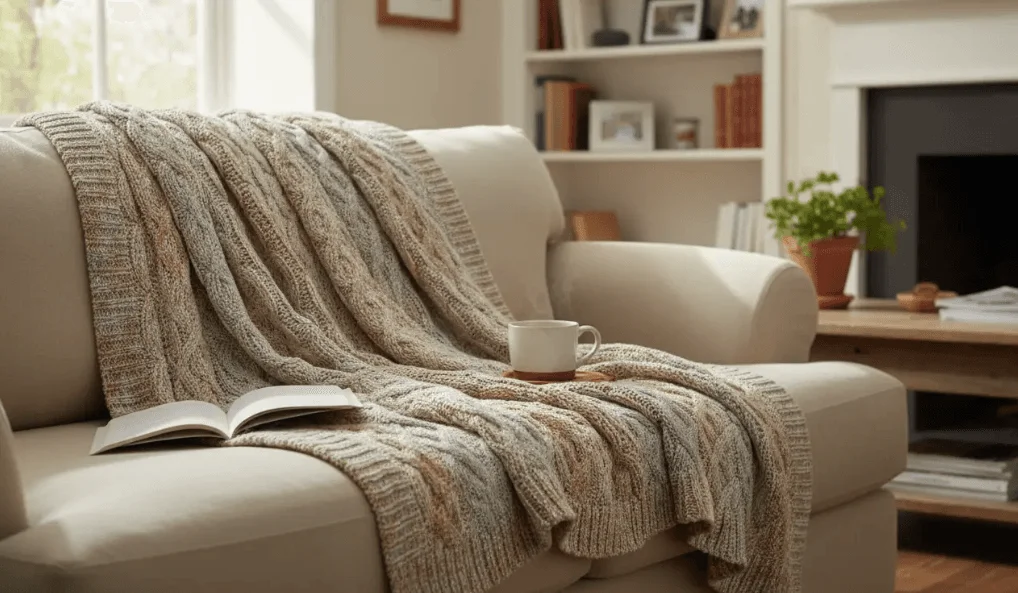
Here, design, durability and the right size are key. Quilted blankets, sturdier cotton throws or elegant knitted blankets work perfectly. Carefully measure the area you want to cover and add enough extra length for a nice overhang.

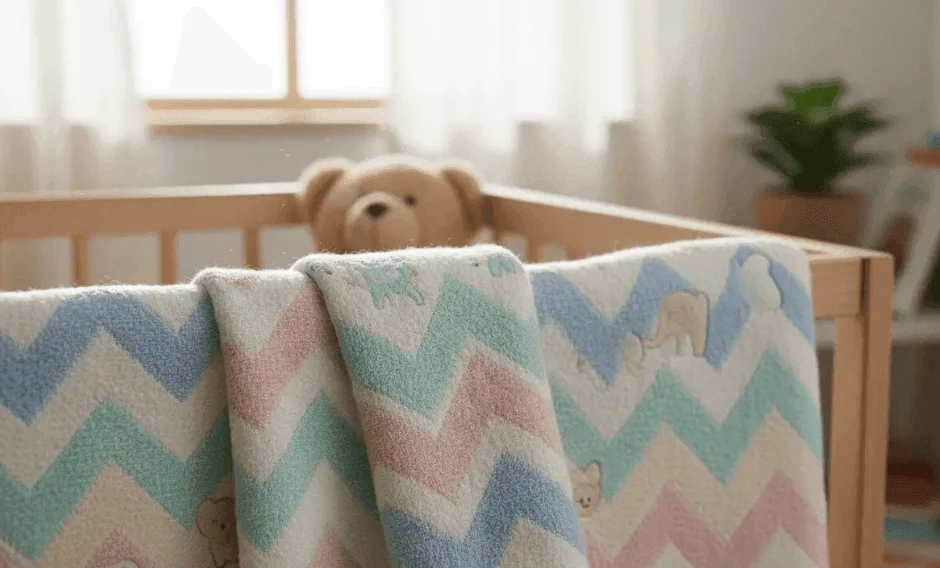
The top priorities are safety (OEKO‑TEX® certification), softness and easy care. Ideal options are blankets made from soft cotton or cuddly microplush with cheerful prints that you can easily throw in the washing machine.
The key features here are packability, low weight and durability. A lightweight fleece blanket or a dedicated picnic blanket with a practical waterproof backing will serve you very well.
Care and maintenance for a longer lifespan
- Washing: Always follow the care label. Wash most blankets on a gentle cycle at 30–40 °C with a lower spin speed. Use mild detergents.
- Drying: If the manufacturer allows it, tumble‑dry on low heat to fluff the blanket up nicely. Otherwise, let it air‑dry flat or over a line, but avoid direct sunlight so the colors don’t fade.
- Pilling: With fleece and acrylic blankets, pilling over time is normal. You can easily remove pills with a fabric shaver.
- Storage: Outside the main season, store blankets clean and dry, ideally in vacuum bags or breathable covers that protect them from dust and moths.
Prices and budget ranges
- Budget blankets (up to 500 Kč): In this range you’ll mainly find thinner fleece blankets or basic microfiber. They’re suitable for occasional use, for travel or as a blanket for your pet.
- Mid‑range (500 – 1 500 Kč): The sweet spot where you can get quality microplush, sherpa or cotton blankets. They offer an excellent balance of price, quality and durability, and are ideal for everyday use.
- Premium blankets (over 1 500 Kč): This category includes blankets made from luxurious materials such as pure wool (merino), cashmere, branded designer pieces or special weighted blankets. They’re worth the investment if you use a blanket daily and want uncompromising quality.
History and evolution of blankets
The road to the modern blanket has been a long one. The first “blankets” were simple animal hides that protected prehistoric people from the cold. With the development of weaving in ancient civilizations, the first woven wool and linen coverings appeared. The Industrial Revolution in the 18th and 19th centuries brought mass textile production, making blankets widely available to ordinary households.
The 20th century was marked by innovation and synthetic materials such as fleece, which revolutionized the market with its light weight and warmth. Today we see further innovations, including therapeutic weighted blankets, showing that the evolution of this simple yet essential household staple is far from over.

Conclusion
When choosing a blanket, focus on three key things: pick the right material for how you’ll use it, check the weight to get the warmth you want and choose a size that fits your needs. If you can, touch the blanket before buying. Nothing beats your own impression, because the best blanket is the one that feels just right to you.
Frequently asked questions (FAQ)
What is the difference between microplush and fleece?
Although both materials are synthetic (polyester) and very warm, the main difference lies in the fineness and length of the fibers. Microplush has longer, denser and much finer fibers, which makes it softer to the touch and more luxurious. Fleece has shorter, slightly coarser and more tangled fibers, is lighter and often cheaper.
How often should I wash a blanket I use on the sofa?
It depends on how often you use it. If you use the blanket every day, it’s best to wash it every 2–4 weeks. If it’s mainly decorative and you only cover yourself with it occasionally, washing it every 2–3 months or as needed is enough.
Can a weighted blanket help people without sleep disorders?
Yes. A weighted blanket works on the principle of deep pressure stimulation, which creates a feeling of safety and calm, similar to a hug. This effect can help reduce stress and overall tension even in people who don’t suffer from insomnia or anxiety. It may help you fall asleep faster and enjoy deeper, more restorative sleep.
Kategorie: