Complete Guide: How to Choose, Use, and Maintain a Wood-Burning Stove
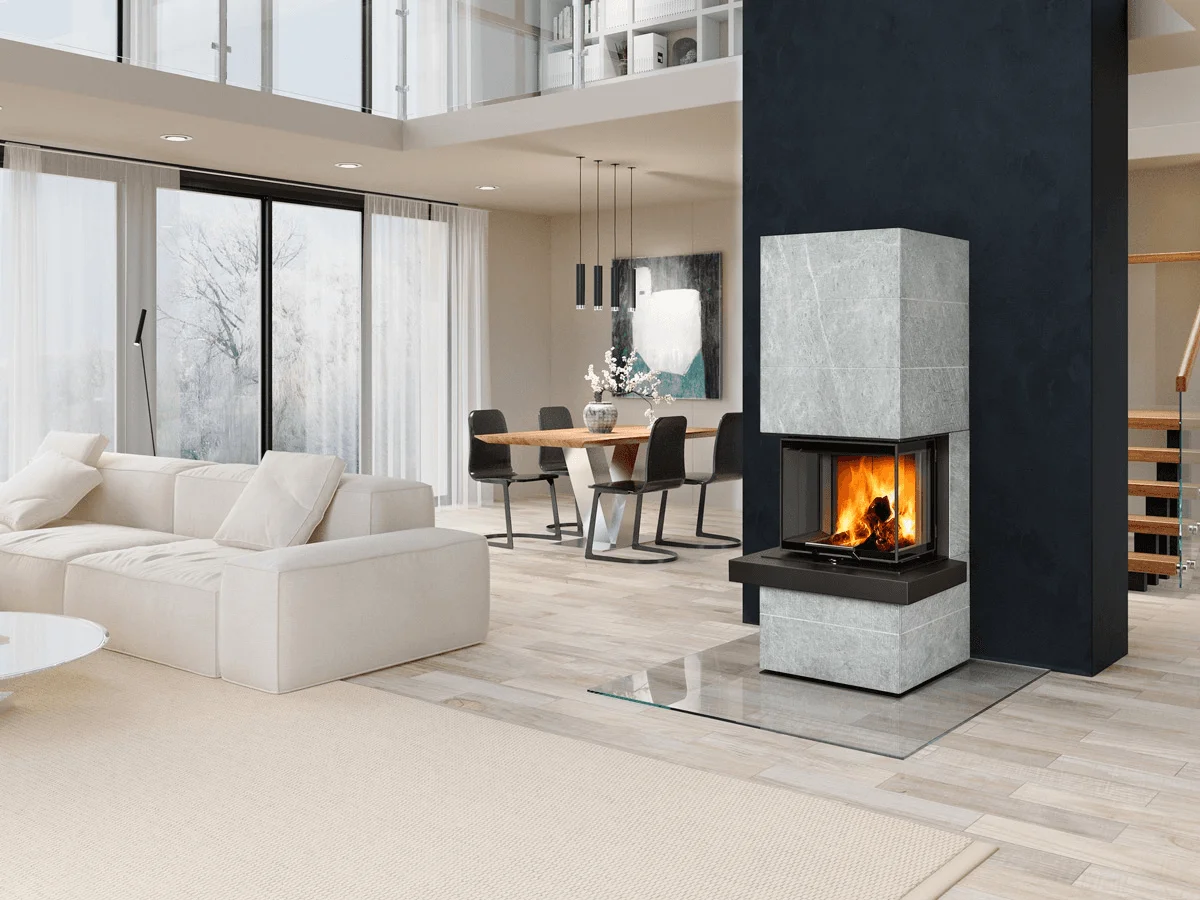
Wood-burning stoves offer the ideal blend of practicality and style. While an open fireplace is more of a decorative feature with low efficiency, a wood-burning stove is a fully fledged and highly efficient heating appliance. It can serve either as a supplementary heat source to warm up a room quickly, or as the main heating system for the whole house, especially when fitted with a hot water heat exchanger. Their growing popularity comes from the desire for energy independence, lower heating costs, and the one-of-a-kind atmosphere of crackling wood.
Modern stoves are divided into several main types: convection (fast heat), radiant/heat-retaining (long-lasting warmth), with a hot water heat exchanger (heating the whole house), and pellet stoves (automatic operation). Choosing the right model depends on the size of the space you want to heat, the quality of the insulation, and how often and intensively you plan to use it.
Did you know... modern wood-burning stoves can achieve combustion efficiency of over 80%, while open fireplaces often have efficiency below 20%? That means most of the heat from an open fireplace quite literally “goes up the chimney,” whereas an efficient stove keeps that heat in and puts it to good use.
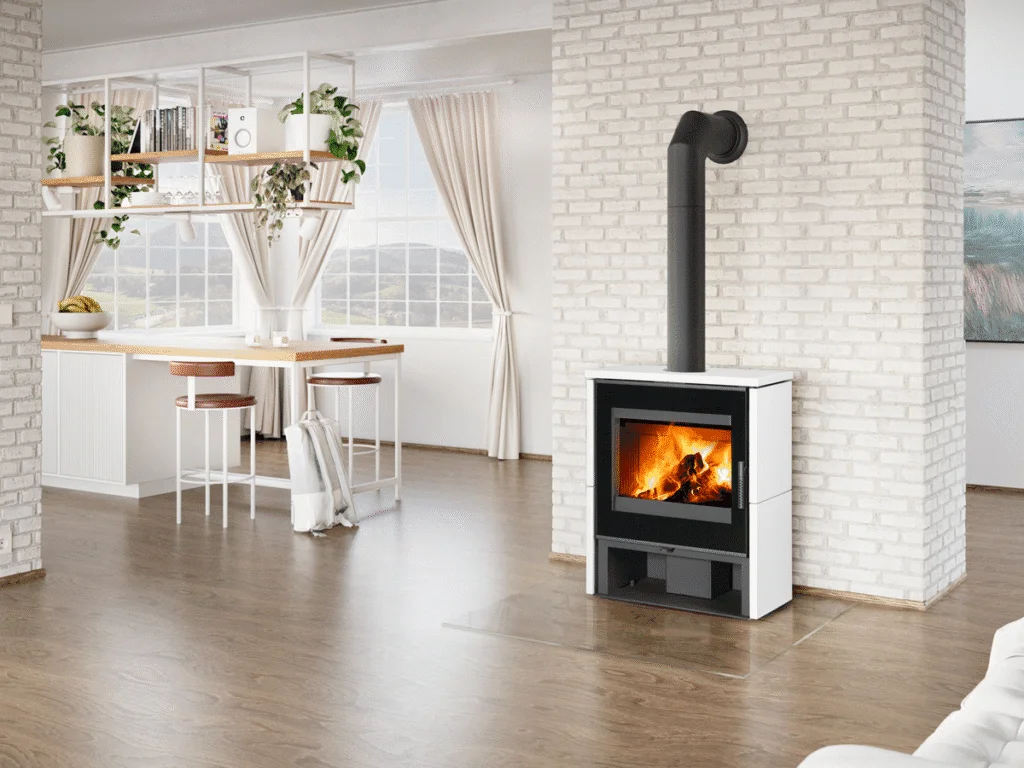
History and Development: From Clay to Tertiary Combustion
The history of home heating goes back a long way, but modern wood-burning stoves only began to appear with the rise of metallurgy. The first wider use of cast-iron stoves came in the 17th and 18th centuries, especially in Scandinavia and North America, where they replaced inefficient brick hearths. Cast-iron stoves were a major step forward because their enclosed design made it easier to control the fire and significantly reduced fuel consumption.
A major leap forward came in the 20th century, with a focus on efficiency and sustainability. Key innovations include:
- Secondary combustion (Airwash system): The introduction of preheated air into the upper part of the firebox. This air creates an airwash over the glass, which helps keep it clean, and above all ensures the burning off of unburned gases produced during primary combustion, which increases efficiency.
- Tertiary combustion: The most advanced stoves add a third air inlet that ensures complete burn-off of even the smallest particles and gases. This keeps emissions to a minimum and pushes efficiency above 85%.
- Hot water heat exchangers: Innovations in the 1990s made it possible to connect the stove to a central heating system, turning it from a secondary heat source into fully fledged central heating.
- Pellet technology: An automated system that started gaining popularity around the turn of the millennium.
Brands like Norway’s Jotul built their reputation on developing exceptionally durable cast-iron stoves, while Czech companies such as Romotop became pioneers in modern design and the use of hot-water heat exchangers.
How a Wood-Burning Stove Works: The Principle of Efficient Combustion
The way modern stoves work is based on controlled, staged combustion of the fuel (wood) and efficient heat transfer into the room. It is a technically advanced process.
Combustion stages and air supply
For efficient combustion, the stove uses three stages of air supply, each serving a different purpose:
- Primary air: It helps the wood catch quickly and burn intensely. The air is fed under the grate beneath the fuel and is used only when lighting the fire. In modern stoves, the primary air is fully closed once the operating temperature is reached.
- Secondary air (airwash system): Air is supplied above the firebox and directed down along the inside of the glass. First, it creates an air curtain that helps keep soot from settling on the glass (the so-called airwash system). Second, at high temperatures, volatile gases and combustion by-products are burned off here, after being released from the wood, which improves efficiency.
- Tertiary air: It is fed into the rear part of the firebox through special channels. It ensures the final burn-off of any remaining unburned particles and gases. This is essential for achieving maximum efficiency (over 85%) and meeting strict emission standards.
Main Parts and Mechanisms
| Část | Funkce a význam |
|---|---|
| Ohniště (Topeniště) | Prostor pro spalování paliva. U moderních kamen je obloženo šamotem, vermikulitem nebo litinou pro akumulaci tepla a ochranu pláště. |
| Deflektor (Kouřová clona) | Deska umístěná v horní části topeniště. Prodlužuje dráhu spalin před vstupem do komína, nutí kouř a plyny déle cirkulovat, čímž se předá více tepla plášti a spálí více zplodin. |
| Rošt a Popelník | Rošt podpírá palivo a propouští primární vzduch. Moderní kamna často používají pevné dno (bez roštu) pro lepší terciární spalování a pro hoření na popelu. |
| Teplovodní výměník (u modelů s výměníkem) | Ocelová nebo litinová nádoba, která je v přímém kontaktu s ohněm a spalinami. Předává teplo vodě pro ústřední vytápění. |
Types and Options: Which Stove Should You Choose
The wood stove market offers models tailored to different needs—from quick heat-up to all-day heating for the entire home.
Convection stove (Sheet metal with casing)
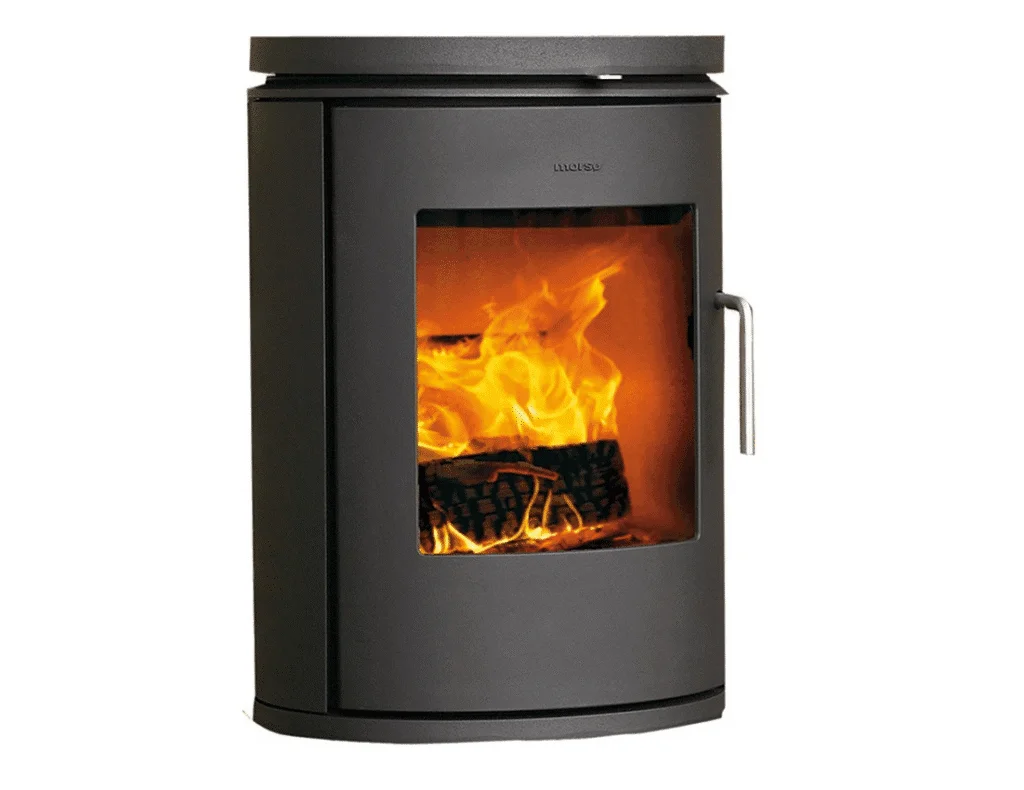
Convection stoves are ideal for users who need to heat a room quickly (for example, a cottage or as a supplementary heat source). They work on the principle of convection: air flows through the gap between the outer casing and the stove body, heats up quickly, and rises into the room. A thin steel casing is a typical feature. The main advantage is fast heat-up and a lower price. The downside is that the heat stops flowing immediately once the fire goes out, and the heating is less even.
Radiant stoves (cast-iron and tiled)
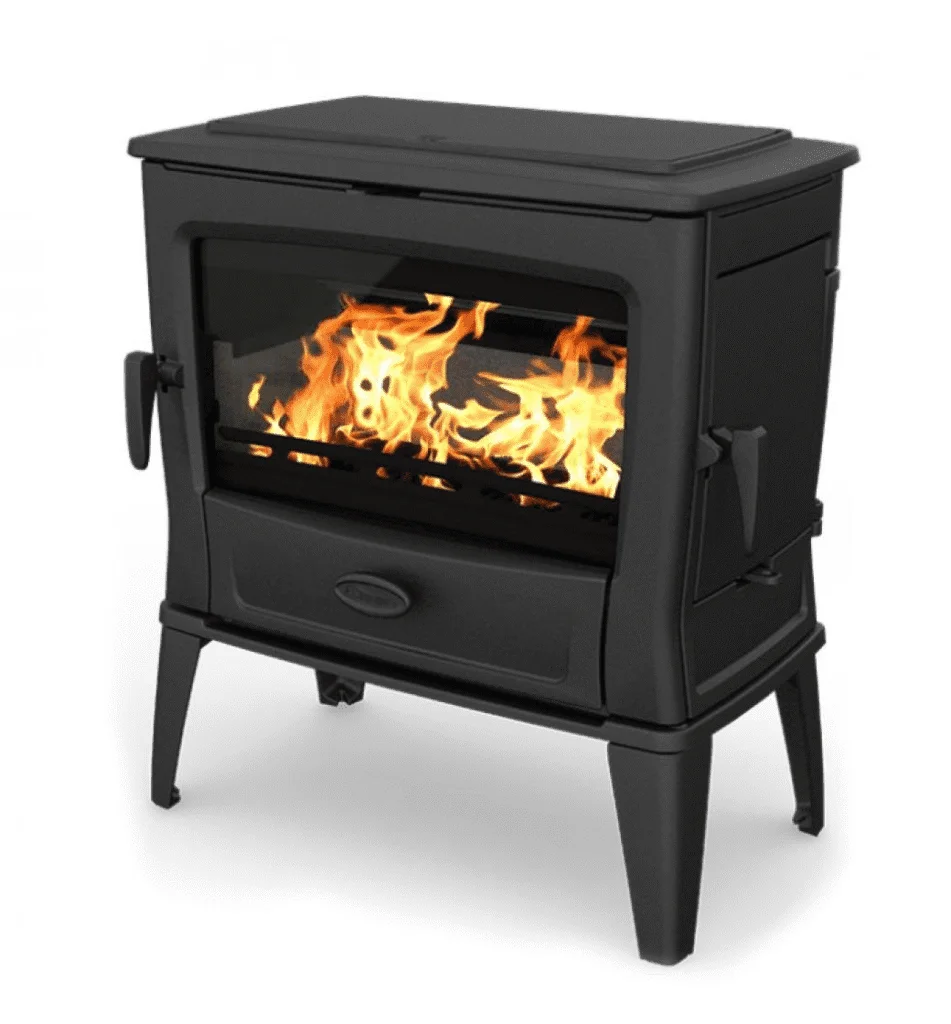
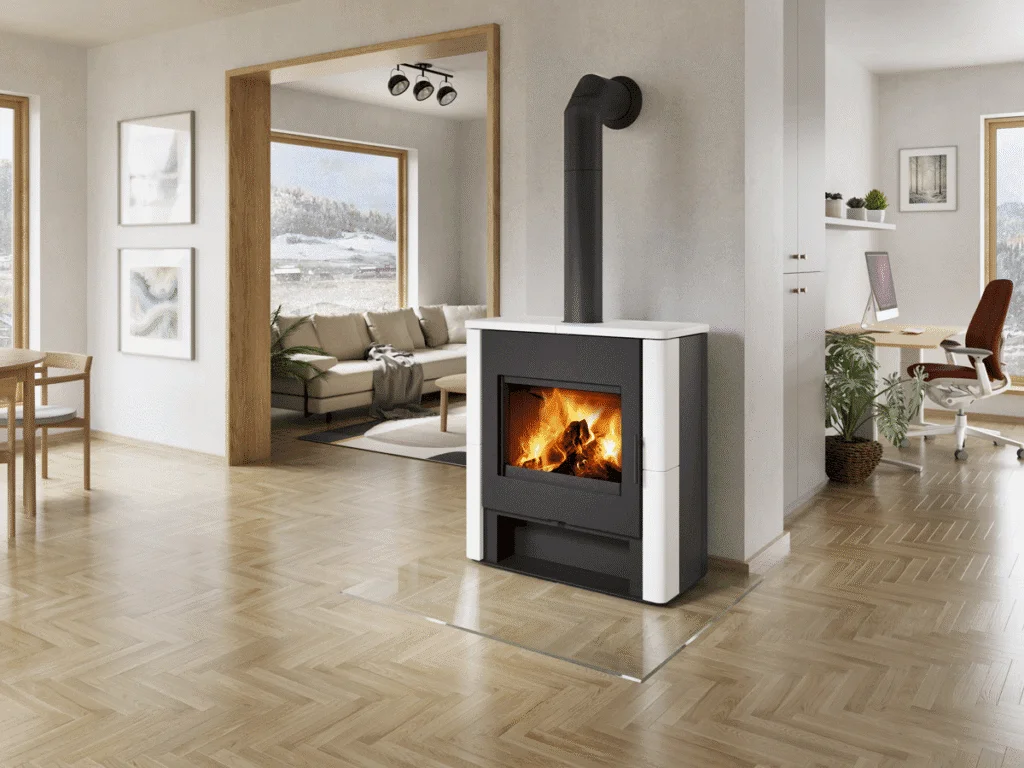
Radiant, also known as heat-retaining stoves, are a good fit for anyone who wants long-lasting, stable, and even heat. Tiled or heavy cast-iron stoves have a high heat storage capacity — they warm up slowly, but after the fire goes out, they keep radiating heat for many hours. A typical feature is their heavy cladding (ceramic, soapstone, solid cast iron). They suit people in well-insulated homes who want the house to stay warm even in the morning after loading the stove in the evening. The downside is a higher upfront cost and a slower heat-up time.
Stoves with a hot water heat exchanger
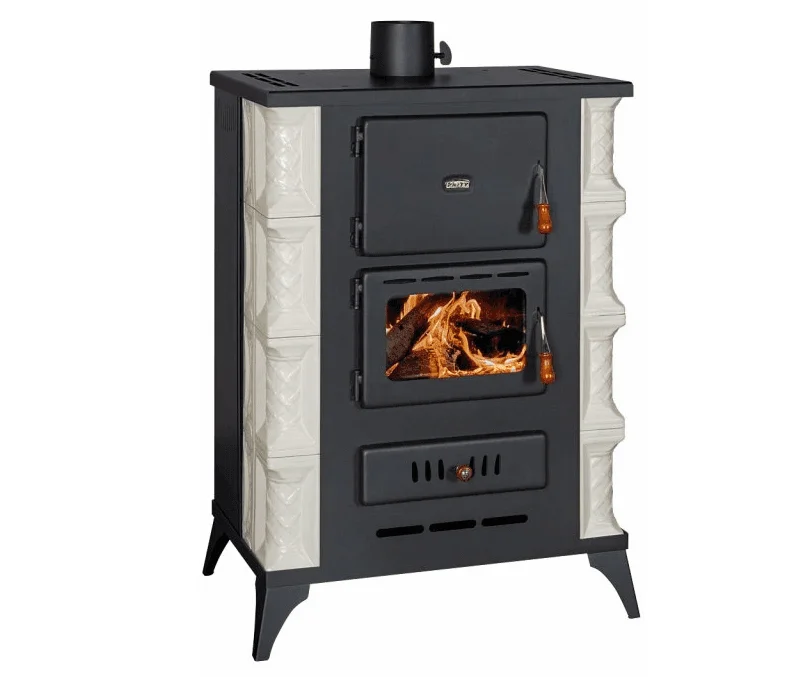
This type of stove is designed for users who want a fireplace stove as the main heat source for heating the entire house. The heat exchanger is built directly into the stove body and transfers heat from the fire to water, which is then distributed to radiators or underfloor heating. It offers high output (up to 70% of the heat goes into the water) and requires connection to a more complex heating system, including an external cooling circuit. The downside is more demanding installation and the need for regular refueling, as there is no automation.
Pellet stove
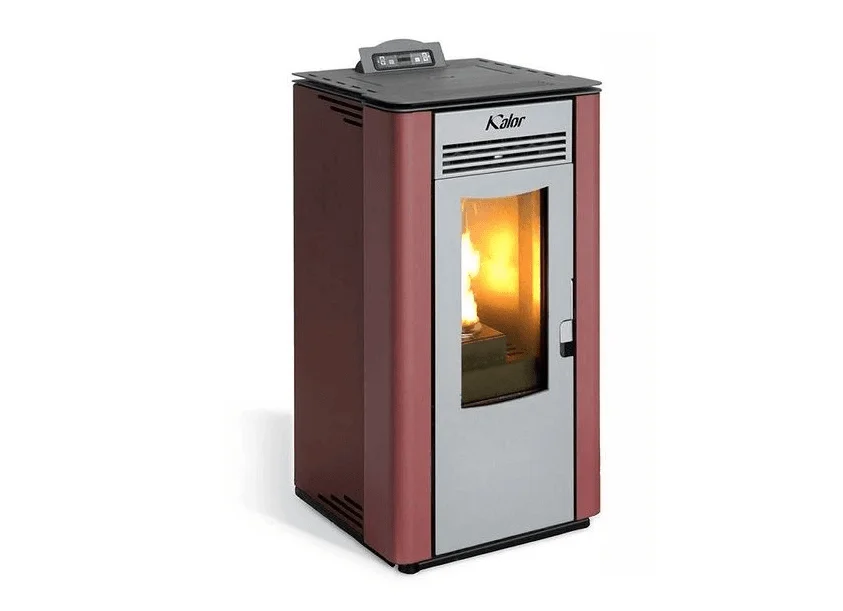
Pellet stoves are ideal for anyone looking for maximum comfort and automation. They use wood pellets as fuel, which are automatically fed from a hopper into the firebox. The stove features digital controls and a thermostat, and it can be programmed. It works well as a primary heat source for modern homes. The main benefits are high efficiency and clean operation. The downside is dependence on electricity (for the feed system and fan) and the higher purchase price of pellets.
Key parameters and features that make the difference
Choosing a stove is a technical decision, and you need to consider several key factors.
Nominal output (kW)
Nominal heat output is the most important parameter, as it shows how much heat the stove can produce efficiently. It should be chosen based on the home’s heat loss and the size of the room or volume the stove is meant to heat. Getting the sizing wrong is the most common mistake when buying a stove: An oversized stove (output that is too high) leads to overheating the room, so the user is forced to run it at too low an output. This results in incomplete combustion, lower efficiency, creosote buildup in the chimney, and blackening of the glass. As a rough guide, 1 kW of output will heat about 20 m³ in a well-insulated home (roughly 10 m²).
Combustion efficiency (%)
Combustion efficiency shows what percentage of the energy stored in the fuel (wood) is actually converted into useful heat. Good modern stoves should have an efficiency of over 80%, while the best models come close to 90%. High efficiency is a sign of smart design, high-quality tertiary combustion, and effective heat transfer.
Fire pit and outer casing material
Steel stoves (sheet metal with cladding) heat up quickly and cool down quickly, making them ideal for occasional use and fast heating. Cast iron stoves (solid cast iron) and stoves with heat-retaining cladding (fireclay, soapstone, tiles) take longer to warm up, but they hold heat long after the fire has gone out, which makes them ideal for all-day use and helps reduce wood consumption.
Option for external air intake (CPV)
External air supply (CPV) makes it possible to draw combustion air from outside or from another room, rather than from the heated living space. It is absolutely essential for low-energy and passive houses and also for homes with modern airtight windows and doors. Because the stove does not take oxygen from the room, it does not create negative pressure that could compromise safety or reduce efficiency.
Glass rinse system (Airwash)
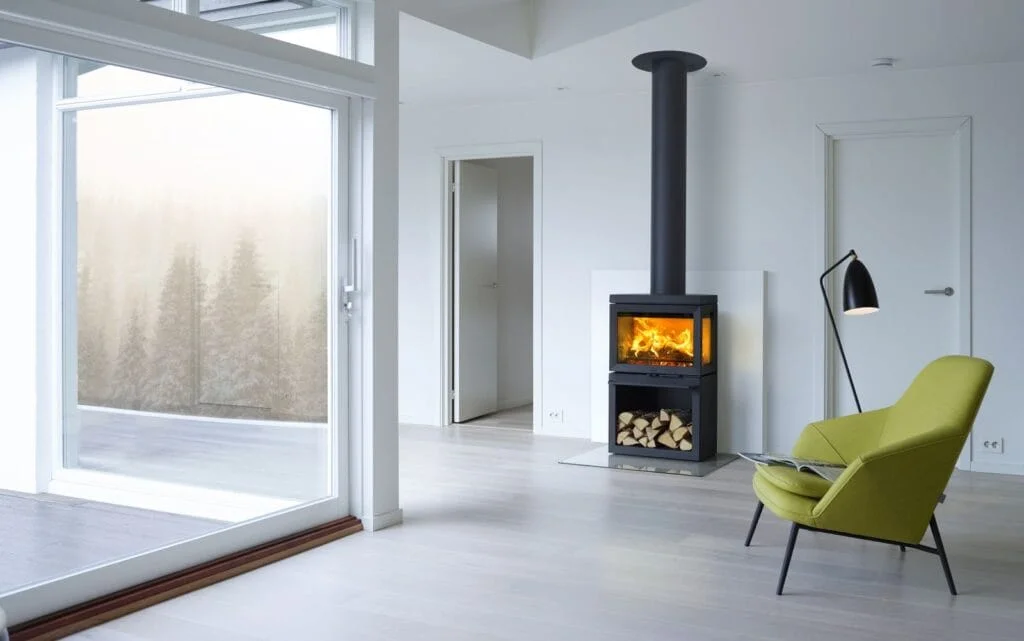
A quality stove should have an efficient airwash system, which is a controlled secondary air supply that creates a curtain of air between the glass and the fire. This keeps the glass clean and clear for longer, giving you an unobstructed view of the flames. However, the feature works at its best only when you burn dry wood and run the stove at full output.
Advice for Every Stove
Choosing a wood-burning stove calls for careful thought, so you don’t end up disappointed with the wrong heat output or stove type.
Always have your heat loss calculated
The best advice is not to buy a stove based on guesswork. Always consult a specialist or use online calculators to find the actual required nominal heat output (kW) that matches your heat loss and room volume. If the stove is undersized, it will never properly heat the room. If it is oversized, it leads to inefficient and dirty operation (blackened glass, tar buildup).
Thermal storage pays off for year-round heating
If you plan to use the stove regularly and for longer stretches throughout the heating season, it’s worth paying extra for heat retention. Tiled stoves or models with heavy cladding (ceramic, soapstone) take longer to heat up, but their steady, long-lasting warmth is the most comfortable and cost-effective option in the long run. Convective (sheet metal) stoves are better suited mainly for a quick boost of heat during the shoulder season.
Don’t forget the external air supply (CPV)
If you live in a new-build home, a low-energy house, or you have new airtight windows and heat recovery ventilation, it is essential for the stove to have an external air supply (CPV). Without it, the stove will not burn properly and may disrupt the home’s entire ventilation system, which can also be dangerous (risk of backdraft).
Maintenance, Use, and Lifespan: Tips to Keep It Heating Longer
Proper stove care is key to a long service life, high efficiency, and safe operation.
The right fuel is essential
Burning dry, seasoned hardwood with a moisture content below 20% is absolutely essential. Burning wet wood can cut performance by as much as 50%, causes tar buildup in both the stove and chimney, produces a lot of smoke, and dirties the glass. The wood should be split and stored under cover for at least two years. To help prevent tar buildup, it is crucial to always burn intensely (at full output) and not unnecessarily restrict the air supply, as that would lead to smoldering.
Cleaning and inspection
Regularly check the seals on the door and glass; worn seals reduce the stove’s efficiency because they let in uncontrolled air. Fireclay or vermiculite panels in the firebox should be replaced if they are cracked. You only need to remove ash when it gets in the way of refueling — with modern stoves, it’s recommended to leave a thin layer of ash at the bottom, which provides insulation and helps improve combustion. Regular chimney inspection is a legal requirement.
Repair vs. Replacement
With high-quality cast-iron or tiled stoves, it always makes sense to repair and replace wear parts (seals, fireclay panels, grate, baffle). With cheap thin-walled steel stoves, where the body burns through, the casing cracks, or the heat exchanger rusts through, it is often more cost-effective and safer to replace the stove with a new model, which will also offer higher efficiency and cleaner operation.
Best-Known Brands and Manufacturers: A Safe Bet on Quality
Investing in a trusted brand means reliable quality, a long warranty, easy access to spare parts, and top-tier performance.
Jotul
Norwegian tradition and a leader in the field. Jotul is known for its exceptionally durable cast iron stoves, with a lifetime warranty on the main cast-iron components. It focuses on both classic and modern Scandinavian design, along with high efficiency, making it ideal for year-round heating.
Romotop
A leading Czech manufacturer specializing in a wide range of modern steel and heat-storage stoves. Romotop offers a highly versatile model range with excellent efficiency and is a leader in the development of hot water heat exchangers. It stands out for its great price-to-performance ratio in the mid-range and premium segments.
Haas+Sohn
A traditional Austrian-Czech brand focused on a wide range of products, from more affordable sheet metal stoves to sophisticated models with automatic controls and hot water heat exchangers. They often stand out for offering solid value for money in the mid-range segment, with a strong focus on ease of use.
Price and Budget Categories
The price of a wood-burning stove directly reflects the quality of the materials, the thickness of the cast iron or steel, the efficiency of combustion, and the range of features it offers (such as a heat exchanger or automatic controls). In most cases, investing in a more expensive model pays off through lower fuel consumption and a longer service life.
Entry-level category (up to $652)
In this category, you’ll find simple sheet-metal or thin cast-iron stoves. They offer basic features (primary and secondary air control), but their efficiency is often below 80%. They’re suitable for occasional heating in a cottage or as a backup heat source. In this category, it usually doesn’t pay to cut costs too much if you plan to heat regularly.
Mid-range ($652–$1,739)
Here you’ll find high-quality steel stoves (convection) or moderately heavy cast-iron stoves. They offer efficiency above 80%, an external air supply, and often tertiary combustion as well. They’re ideal for both occasional backup heating and regular heating in a family home. In this category, it’s definitely worth paying extra for substantial heat-retaining cladding (fireclay, soapstone), because you’ll get much steadier and longer-lasting heat output after the fire has gone out.
Premium/Professional category ($1,740+)
This category includes tiled stoves, models with a hot water heat exchanger, pellet stoves with automatic controls, and premium cast iron units (e.g. Jotul). It offers maximum efficiency (85%+) and a long service life. The investment pays off if wood heating is your main or primary source of heat. In this case, the return comes through fuel savings, higher efficiency, reliability, and overall ease of use.
Summary and a Final Tip
A wood-burning stove is not only a cost-effective and eco-friendly way to heat your home, but also a great feature for creating a warm, cosy atmosphere. When choosing one, the key thing is to focus on the correct nominal heat output sizing — the stove must not be oversized. You also need to decide whether you want fast heat (convection) or long-lasting radiant heat (storage/cast iron). Don’t forget about an external air supply (CPV), which is essential in modern homes. Always invest in a model with high efficiency (over 80%), as this ensures low fuel consumption and clean burning. Whether you’re choosing a stove for year-round use or just for weekend comfort, keep in mind that the key to optimal performance is burning dry wood.
Frequently Asked Questions and Answers
What role does a flue damper play, and is it necessary for a wood-burning stove?
A flue damper (throttle damper) is used in the stovepipe to control chimney draft. With modern, high-efficiency stoves, it isn’t necessary and is often not used at all, because combustion is effectively controlled by regulating the primary, secondary, and tertiary air supply directly on the stove. A flue damper is used more often with fireplace inserts and open fireplaces.
What is tar buildup, and how can I prevent it?
Tar buildup (creosote formation) is a process in which a sticky, black layer of unburned residues settles on the walls of the firebox and chimney, and it can lead to a chimney fire. It happens when the combustion temperature is too low. The main way to prevent it is always to burn the fire hot, keep the air supply open enough (don’t choke it down), and above all use only dry wood (below 20% moisture). Burning wet wood is the most common cause of creosote buildup.
Can I burn brown coal briquettes in a fireplace stove as well as wood?
That depends on the specific stove model. Most stoves are primarily designed for burning wood, and brown coal briquettes (Brown Coal Briquettes - Briquettes) require the stove to be structurally approved for this type of fuel. If a stove is approved for wood only, burning coal could damage the grate or firebox and void the warranty, because coal burns hotter and for longer. Always check the manufacturer’s manual to make sure the stove meets the requirements.
Kategorie:
Články (Nejnovější / Podobné)
What is the difference between floor tiles and wall tiles?
11/12/2025

Hair Oils: A Complete Guide to Healthy Hair and Styling
11/12/2025
Flooring that fits you – tips, advice, and material comparisons
11/11/2025

The Ultimate Guide to Bedding: Your Key to Perfect Sleep
11/11/2025
The Ultimate Guide to Automatic Coffee Machines
10/27/2025