The Ultimate Guide to Automatic Coffee Machines
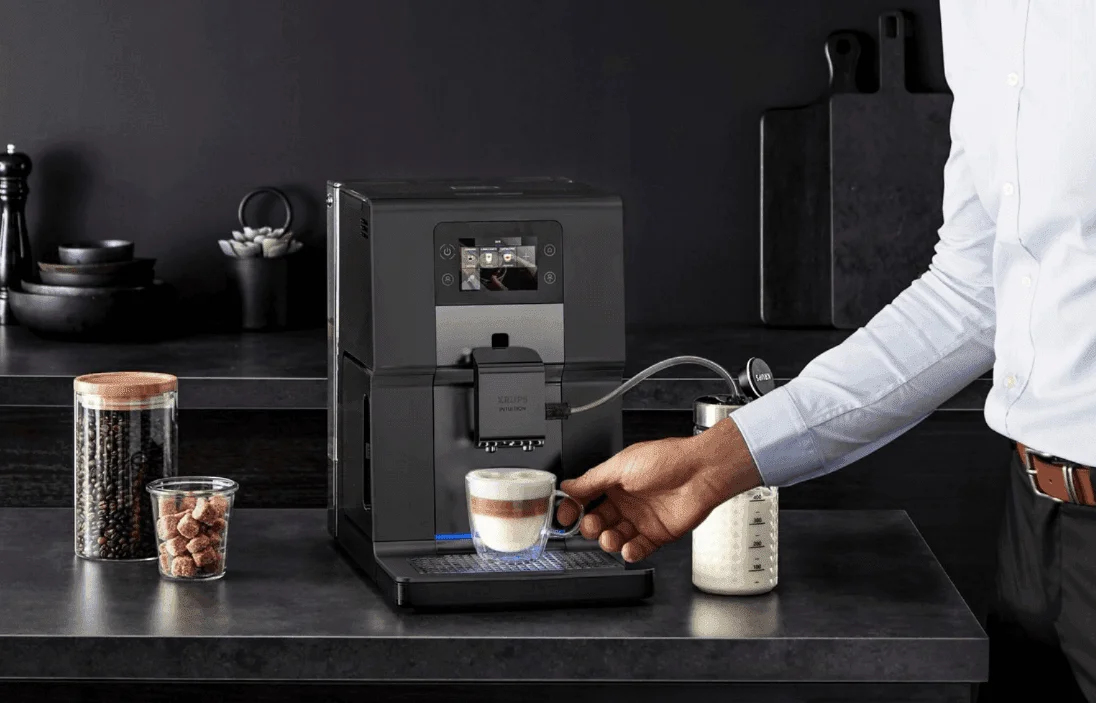
Imagine waking up every morning and, with just one press of a button, making a perfect espresso, cappuccino, or latte that tastes just like the one from your favorite coffee shop. That’s exactly what an automatic coffee machine lets you do. This guide walks you through everything you need to know – from how it works and which specs matter most to practical maintenance tips. The goal is that once you finish reading, you’ll know exactly which machine is the right fit for you.
Get to know the automatic coffee machine
An automatic coffee machine, often called a “bean-to-cup” machine, is a device that cuts coffee prep down to the bare minimum. All you do is pour in fresh whole beans, add water and, if needed, milk. The machine takes care of everything else – from grinding the beans and tamping the coffee to the actual extraction. Thanks to this all-in-one convenience, automatic coffee machines have become extremely popular not only at home, but also in modern offices, where they save time and still deliver consistently good coffee.
Did you know a properly set up home coffee machine can pull an espresso comparable to one from a good café? The key is freshly ground coffee that the machine processes right before extraction, which is its biggest advantage over other brewing methods.
How it all works: the journey from bean to cup
The way it works is both fascinating and very logical. Let’s look at the journey a coffee bean takes before it turns into a delicious drink.
- Grinding: After you press the button, the built-in grinder grinds a precisely measured dose of coffee to the selected grind size.
- Tamping: The ground coffee falls into the brewing unit, where a special mechanism compresses it into a firm puck.
- Extraction (brewing): Hot water (ideally at 88–96 °C) is forced through the tamped coffee at high pressure. This process creates a concentrated drink – espresso.
- Milk preparation: If you’ve chosen a milk-based drink, the automatic system draws milk, steams and froths it, then adds it to the cup. The used coffee grounds are then automatically ejected into a waste container.
The key components that make all this happen are:
- Grinder: The heart of the entire machine.
- Brewing unit: The place where coffee extraction happens.
- Pump: Generates the pressure needed for espresso.
- Heating system (thermoblock): Heats the water to the ideal temperature.
- Milk system: Handles milk frothing.
What types of automatic coffee machines are there?
Even though the main category is clear, you’ll come across several different approaches on the market. For the full picture, it’s good to know the alternatives too.
Fully automatic coffee machines (bean-to-cup)
This is the most common and most advanced type. They handle the entire process from grinding the beans to frothing the milk, all at the touch of a button. They’re ideal for homes and offices where people want maximum convenience without sacrificing flavor.
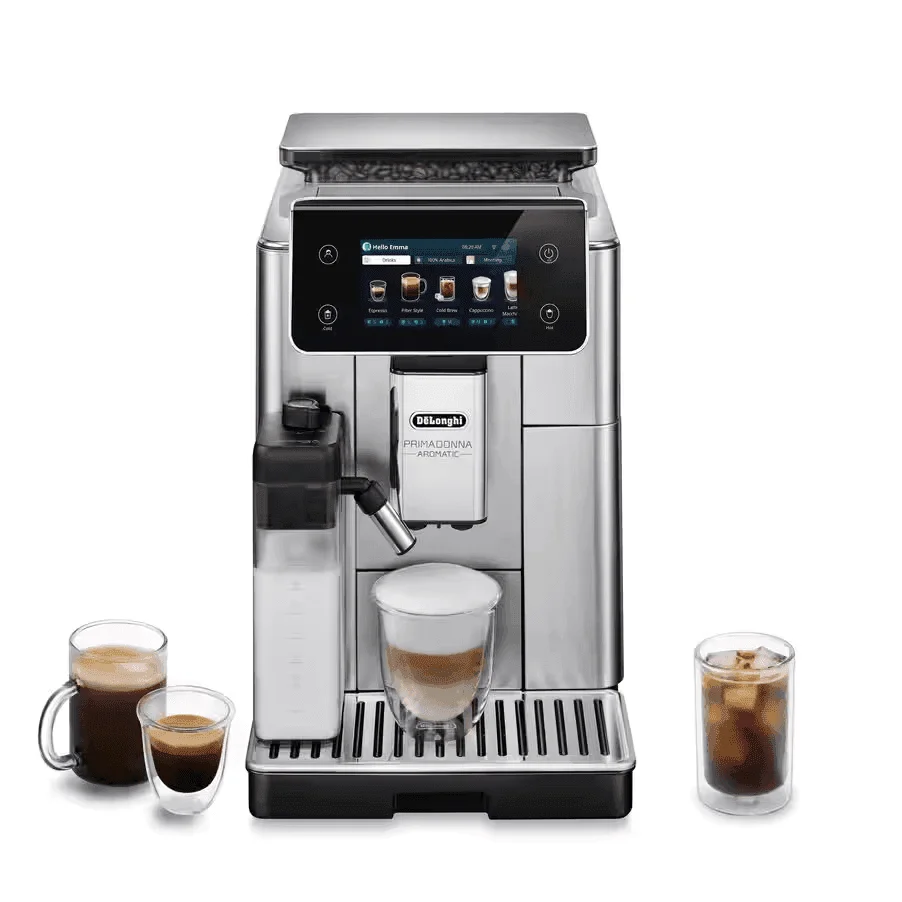
| Advantages | Disadvantages |
|---|---|
| Always freshly ground coffee | Higher purchase price |
| Wide options for tweaking flavor | Larger footprint |
| Automatic preparation of milk drinks | Requires regular maintenance |
Built-in coffee machines
These are fully automatic coffee machines designed for seamless integration into your kitchen cabinetry. They offer the same functions as freestanding models, but are neatly built in and free up space on your countertop.
Who are they for? Owners of modern kitchens who care about a unified, streamlined look and don’t want freestanding appliances cluttering the worktop.
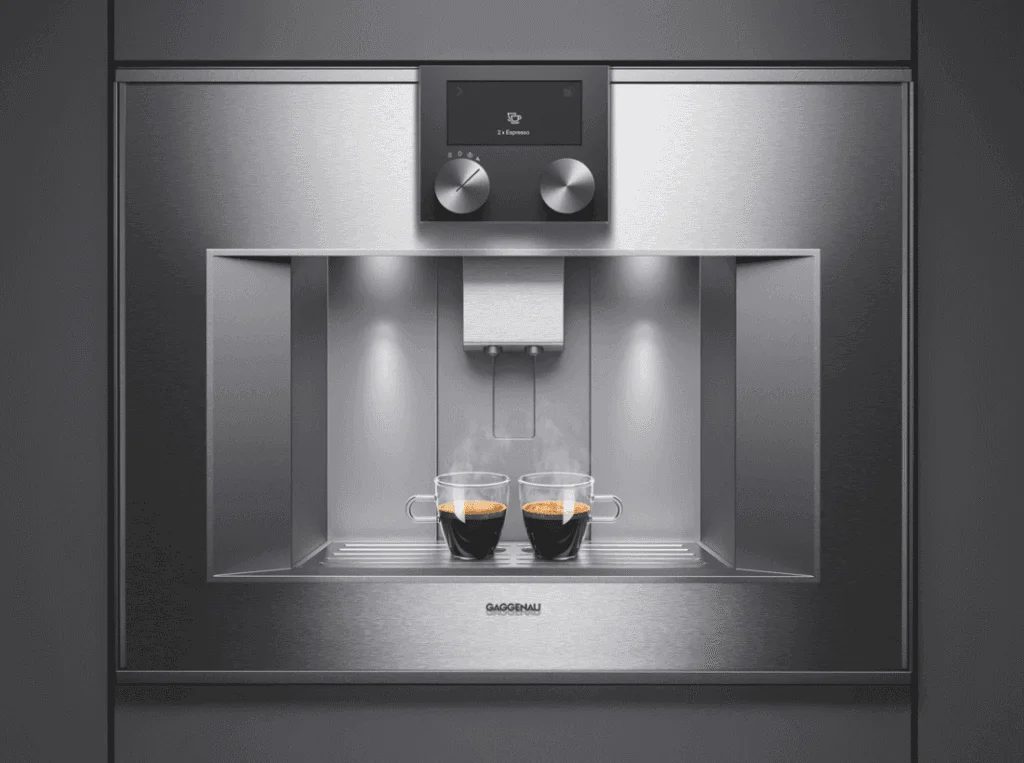
| Advantages | Disadvantages |
|---|---|
| Clean, elegant kitchen design | Very high purchase price |
| Saves space on the worktop | More complex installation and servicing |
| Often premium features and materials | Limited model selection |
Capsule coffee machines (for comparison)
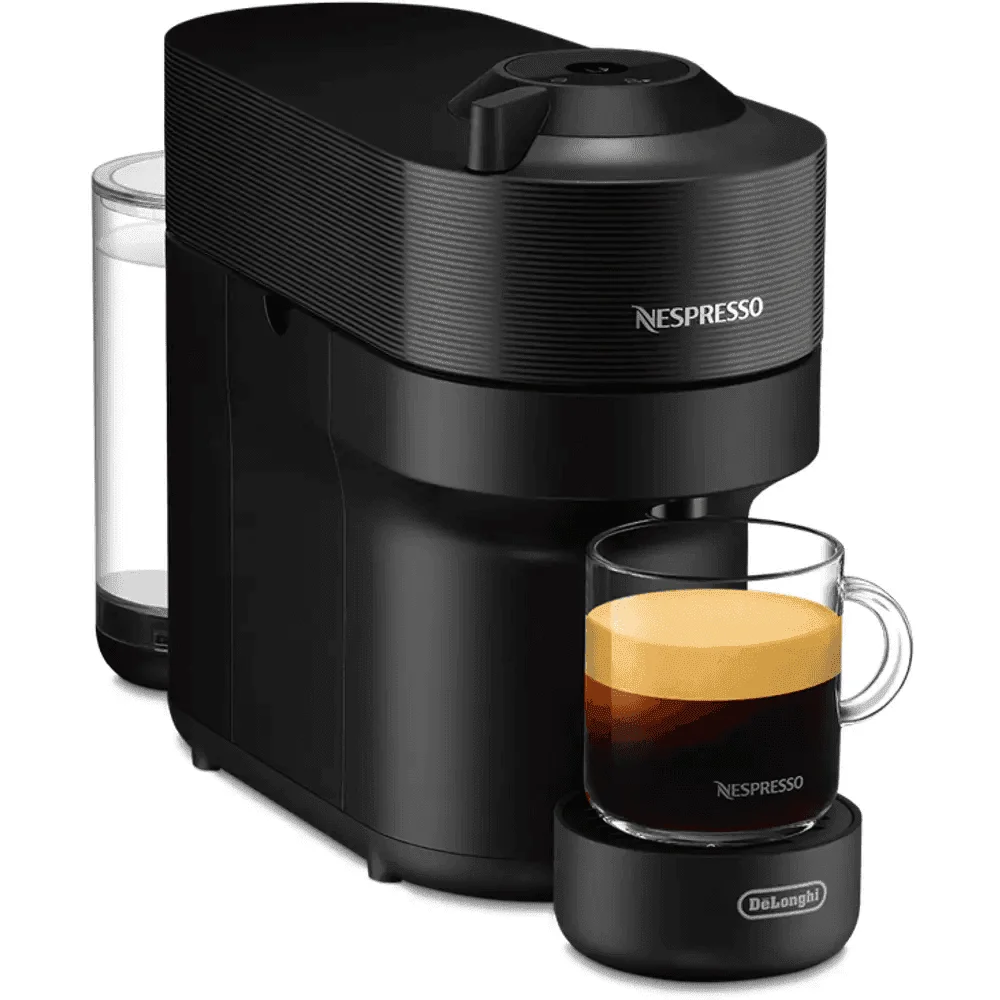
Although they’re not classic automatics, for many people they’re the first step into better coffee. They work with pre-packaged capsules. They’re a good fit if you only drink coffee occasionally, want virtually zero maintenance, and don’t mind paying more per cup.
| Advantages | Disadvantages |
|---|---|
| Extremely easy to use and clean | Higher running costs (capsule price) |
| Low purchase price | Less control over flavor and strength |
| Compact size | Environmental impact from used capsules |
What to focus on when choosing: key specs and features
The right model for you depends on several factors. To avoid disappointment, pay attention to the following features.
Grinder: the heart of every coffee machine
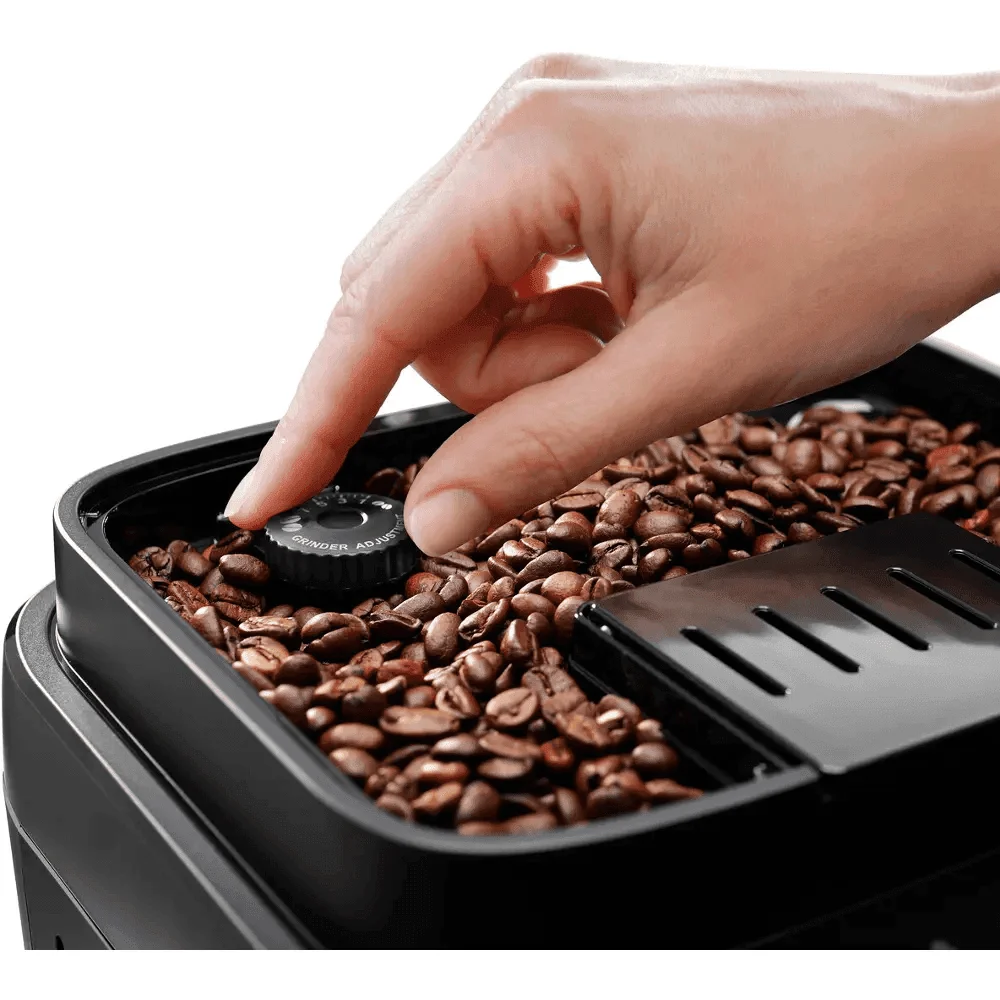
The quality of the grinder has a direct impact on how your coffee tastes. The most important thing is the ability to adjust the grind size, which lets you experiment and dial in your ideal flavor profile. You’ll come across two main types of burrs:
- Steel grinders: Very durable, reliable, and the most common option. Their strengths are long service life and precise grinding.
- Ceramic grinders: A bit quieter and they heat up less while grinding, which in theory helps preserve more aroma. However, they’re more prone to damage if, for example, a small stone gets into the beans. For most users, the difference in taste is hardly noticeable.
Pump pressure (bars)
Marketing materials often highlight high pressure, like 15 or even 19 bars. For authentic espresso, the ideal pressure at the brewing unit is around 9 bars. A higher pump rating mainly serves as a reserve to make sure you still get enough pressure even with a finer grind. So don’t choose a machine based on the highest number alone.
Milk system: the road to a perfect cappuccino
If you love milk-based drinks, the type of milk system is crucial.
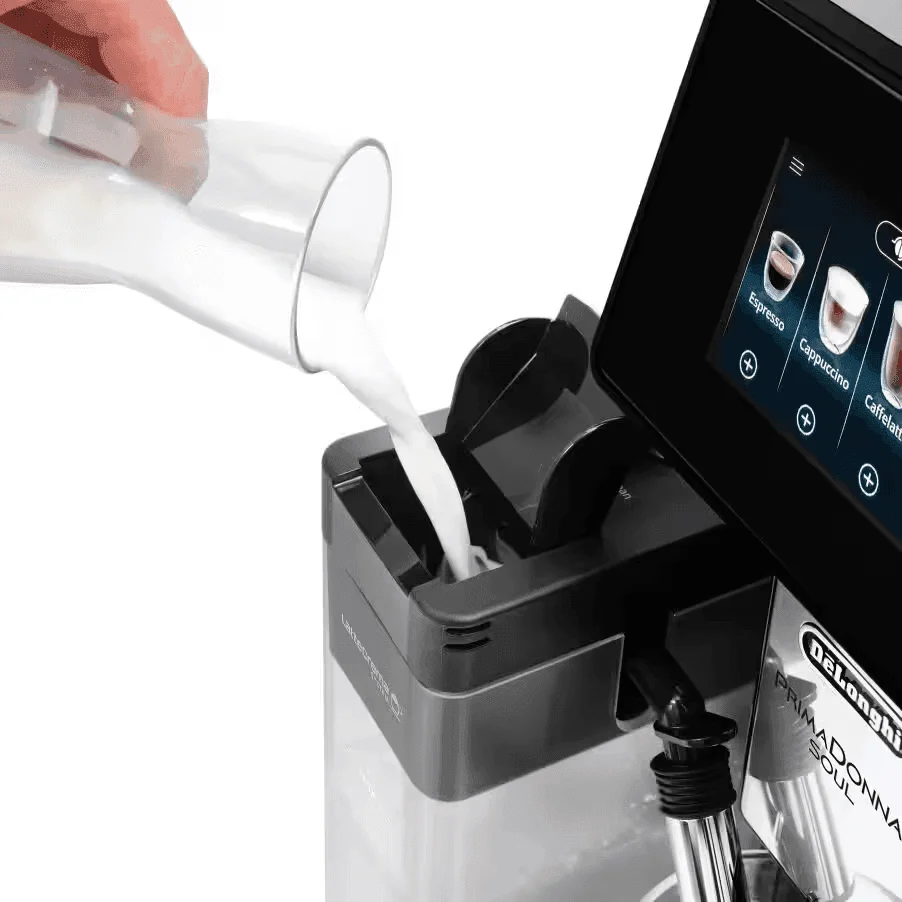
- Automatic milk carafe: The most convenient option. The machine draws milk from the container, froths it, and pours it straight into your cup. Ideal for cappuccino and latte fans who want one-touch preparation.
- Steam wand (Panarello): Requires manual work. You have to froth the milk yourself in a separate jug. This gives you more control over the texture of the foam, but it does take practice and a bit of skill.
Brewing unit and its maintenance
This is the key component where extraction takes place. There are two main types:
- Removable brewing unit: You can take it out and rinse it under running water, which lets you visually check how clean it is.
- Integrated (fixed) brewing unit: Cleaned automatically using cleaning programs and tablets. It’s more convenient, but you don’t have direct visual control over its condition.
Controls and display
Modern coffee machines come with different control systems.
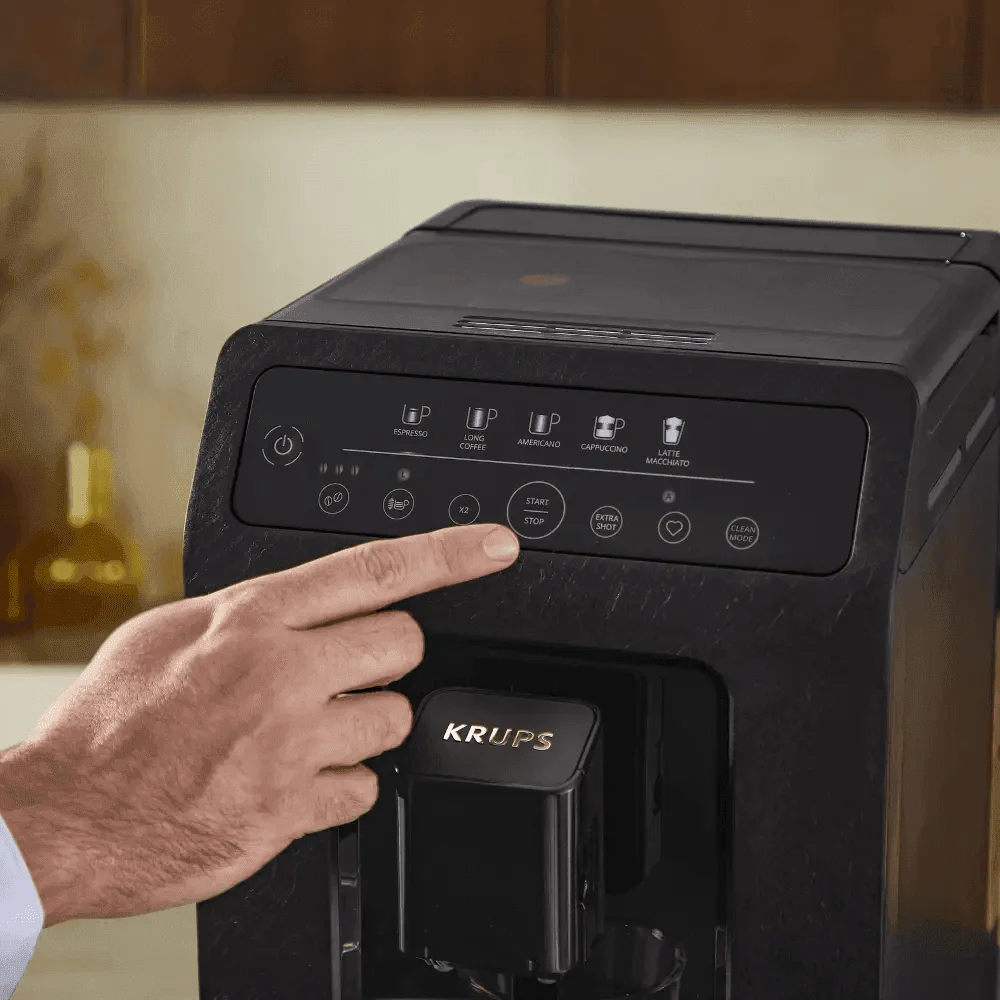
- Button controls with icons: Simple, intuitive, and reliable.
- Color touchscreens: More user-friendly and modern, often offering more settings and visual drink previews.
- Mobile app connectivity: The high-tech option that lets you control the machine remotely, save favorite recipes, or track usage statistics.
Drink customization options
The more you can adjust, the better you can tailor your coffee. Modern machines usually let you set:
- Coffee strength (amount of ground coffee)
- Water volume (drink size)
- Drink temperature
- Coffee-to-milk ratio
- User profiles that let each family member save their favorite settings.
Water tank and bean hopper size
This practical detail has a big impact on day-to-day comfort. For one person or a couple, a water tank of around 1.2 liters is usually enough. For a larger family or a small office, it’s better to choose 1.8 liters or more, so you’re not constantly refilling water.
How to choose the right coffee machine for you
To make choosing easier, think about what type of user you are.
For espresso and lungo lovers
If you mainly drink black coffee, focus on a high-quality grinder with as many grind settings as possible. The milk system isn’t a priority for you, so a basic steam wand is more than enough – or you can skip milk functions entirely.
For families with kids (and cappuccino fans)
Here, the key is a simple, fully automatic milk system, ideally with an integrated carafe. Easy cleaning of the milk circuit is absolutely essential. User profiles are a big plus, as everyone in the family can save their favorite drink.
For tech enthusiasts
If you love gadgets, look for models with a large touchscreen, Wi-Fi connectivity, and a mobile app. These features let you start a coffee from your bed, download new recipes, and keep a close eye on the machine’s status.
The most common buying mistakes: Don’t underestimate the need for regular cleaning – it’s critical for long-term reliability. Also avoid overly complicated controls that will put you off using the machine, and don’t focus only on the marketing number for maximum bar pressure.
Proper care: the key to long life and great taste
Even the best coffee machine needs regular care. Good maintenance not only extends the life of the machine, it also makes sure your coffee always tastes as it should.
- Daily care: At the end of each day, empty the drip tray and the coffee grounds container. If you’re making milk drinks, run the automatic milk system rinse.
- Weekly care: If your model has a removable brewing unit, rinse it under lukewarm water once a week and let it dry.
- Regular maintenance: The machine will prompt you when it’s time to run automatic programs, mainly:
- Descaling: Removes limescale from the internal system. How often you need to do it depends on water hardness, but using a water filter significantly extends the interval.
- Cleaning the coffee circuit: Special tablets remove coffee oils and residue.
- Replacing the water filter: Improves the taste of your coffee and protects the machine from limescale.
Which brands are worth it? Overview of the most popular manufacturers
There are several key players in the automatic coffee machine market. Here’s a quick overview of the best-known brands.
| Brand | Characteristics |
|---|---|
| De'Longhi | Italian market leader with a wide portfolio from entry-level to premium models. Offers excellent value for money. |
| Jura | Swiss premium brand focused on top-tier quality, innovative technology, and luxury design. Known for its integrated brewing unit and high reliability. |
| Philips / Saeco | A mix of innovation and tradition (Saeco is considered the inventor of the first automatic machine). Offers models with ceramic grinders and easy maintenance thanks to the AquaClean filter. |
| Siemens / Bosch | German engineering with an emphasis on smart features, quiet operation, and integration with the Home Connect app. |
| Krups | French brand often featuring compact designs with metal accents. Focuses on simplicity and reliability. |
How much should you spend? Price categories explained
Prices of automatic coffee machines vary depending on features and build quality. To make things clearer, we can divide them into three basic tiers.
Entry-level (up to $450)
In this range you’ll find reliable machines that make very good espresso and lungo. Milk drinks are prepared using a manual steam wand. Controls are usually button-based and the design is more functional than flashy.
Mid-range ($450 – $900)
The most popular and best-selling category. These machines offer fully automatic milk drink preparation, more customization options, better materials, and often color displays. This is the sweet spot for most households looking for the best balance of price and performance.
Premium (over $900)
This is where you’ll find the best the market has to offer. Expect luxury materials (such as stainless steel), large touchscreens, app connectivity, ultra-quiet grinders, or even two separate bean hoppers for different coffees. Aimed at the most demanding users.
Summary and a final tip
Choosing an automatic coffee machine may seem complicated, but in practice it’s quite straightforward. The most important thing is to be clear about what types of coffee you’ll drink most often and how much time you’re willing to spend on maintenance. For cappuccino lovers, a convenient milk system is crucial, while for fans of black coffee, a high-quality grinder with fine-tuned settings is the top priority. Also consider how many people will use the machine and choose the size of the tanks accordingly.
Whichever model you go for, the main thing is that the coffee you make with it tastes great and makes you happy every single day.
Frequently asked questions (FAQ)
Is a steel or ceramic grinder better?
Both materials have their own advantages. Steel grinders are generally more durable if a small stone or other hard particle accidentally gets into the beans. Ceramic grinders are quieter and generate less heat while grinding, which can slightly help preserve the coffee’s aroma. For the average user, however, the difference in taste is almost impossible to tell, and both types do an excellent job.
Can I use oily (dark-roasted) coffee beans in an automatic coffee machine?
It’s generally not recommended. Very dark-roasted, oily beans can gradually gum up and clog the grinding mechanism, which may eventually damage it. For automatic coffee machines, it’s best to choose a medium roast specifically intended for espresso.
How often do I need to descale the coffee machine?
It mainly depends on how hard your water is and whether you use a water filter. Most modern machines will alert you when descaling is needed via an indicator light or a message on the display. If you use a filter that softens the water, you’ll usually descale roughly once every few months. Without a filter, it can be as often as once a month. Regular descaling is absolutely essential for proper operation and a long service life.
Kategorie:
Články (Nejnovější / Podobné)
Complete guide to workshop heaters: How to choose, compare, and safely use a heat generator
11/17/2025
What Is a VPN and How Can It Change Your Online Life?
11/14/2025
Kefir vs. Acidophilus Milk: The Complete Guide to Probiotics, Choosing, and Health
11/12/2025
Hair Oils: A Complete Guide to Healthy Hair and Styling
11/12/2025

Fiji: A South Pacific paradise is waiting for you
11/1/2025