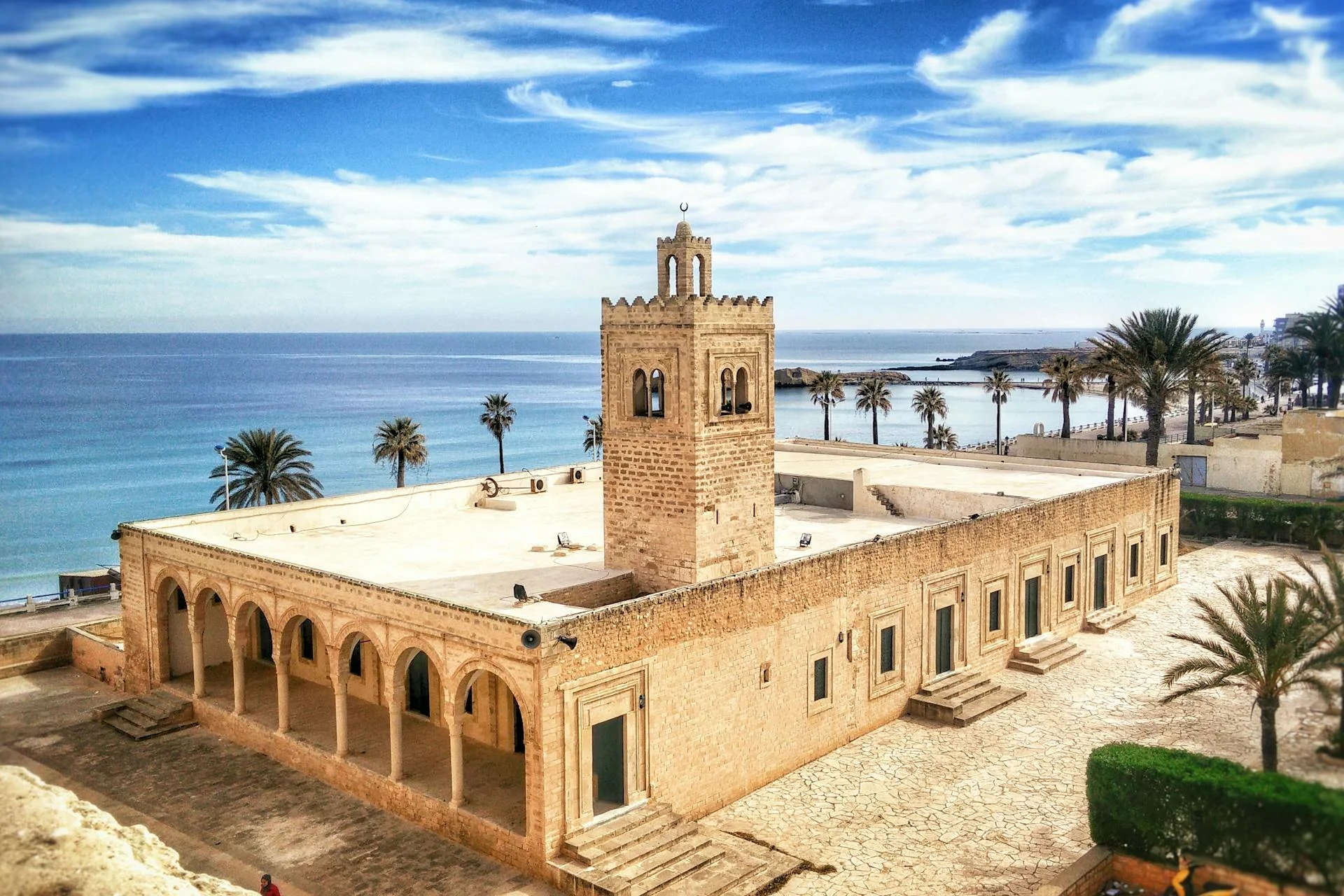
Fiji: A South Pacific paradise is waiting for you
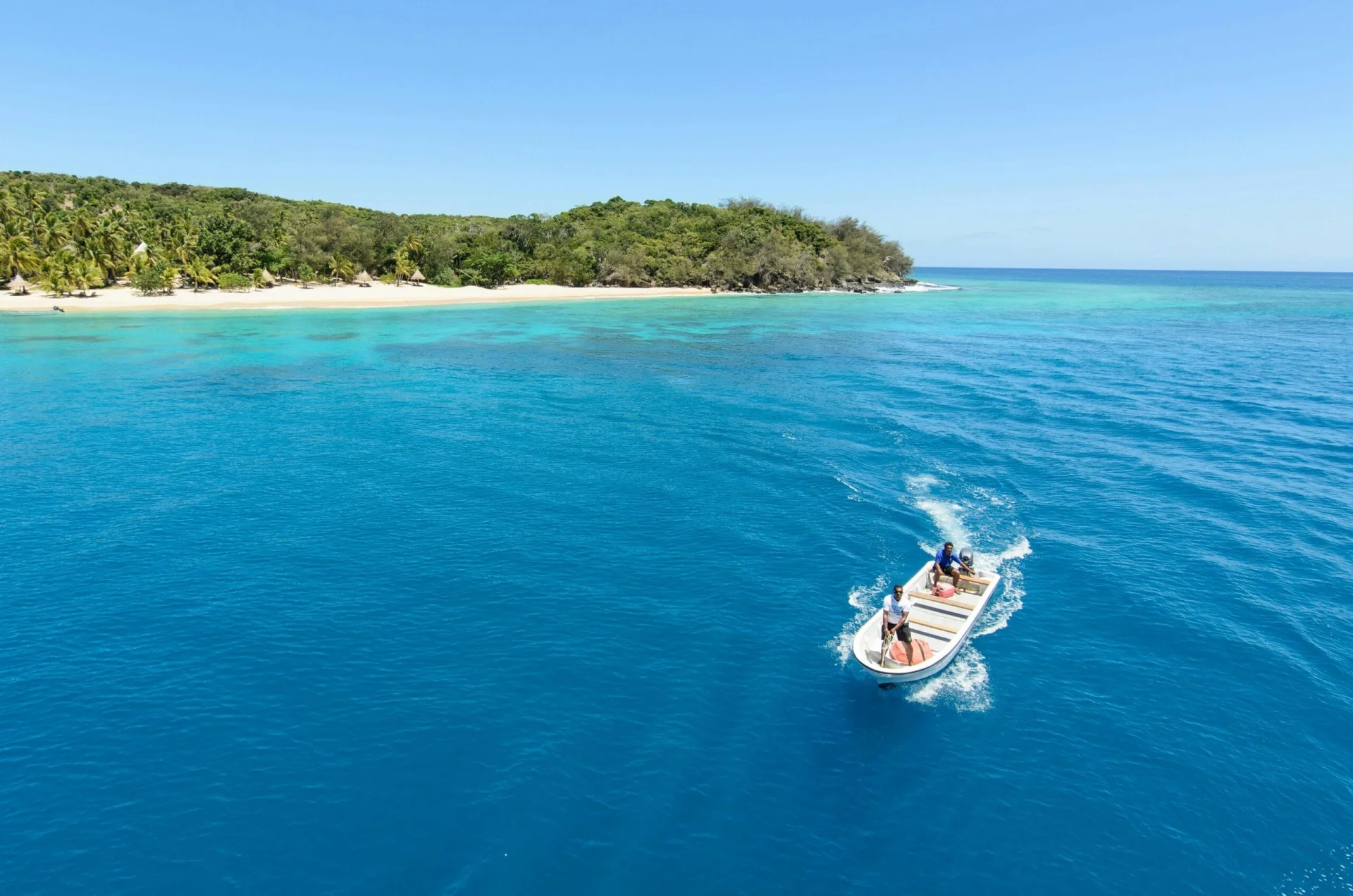
Fiji is one of the most sought-after destinations in the Pacific Ocean, and for good reason. This island nation of 332 islands combines stunning natural beauty, rich culture, and authentic experiences that stay with you long after you return home. Whether you’re after lazy days on white-sand beaches, diving among colorful coral reefs, exploring lush jungle, or getting to know the local way of life, Fiji has something for every type of traveler.
Did you know that Fiji is considered one of the safest destinations in the Pacific? On top of that, you’ll be greeted with one of the warmest welcomes in the world – the famous “Bula”, which means “good health” or “be well”.
Essential facts about Fiji
Fiji lies in the South Pacific, around 1,000 kilometers east of New Caledonia. The archipelago sits in the tropical zone, which makes it an ideal year-round destination. Fiji covers an area of 18,270 square kilometers, and its permanent population is around one million people. The capital city, Suva, is located on the island of Viti Levu, which is also the country’s largest and most populated island.
Fiji is officially known as the Republic of the Fiji Islands. It is made up of many volcanic and coral islands, and its highest peak – the extinct volcano Tomanivi – reaches an elevation of 1,323 meters. Key neighboring countries include Samoa (700 km to the northeast), Tonga (500 km to the east), and Vanuatu (800 km to the west). Fiji’s time zone is UTC+12 hours, which means it is always several hours ahead of most European countries.
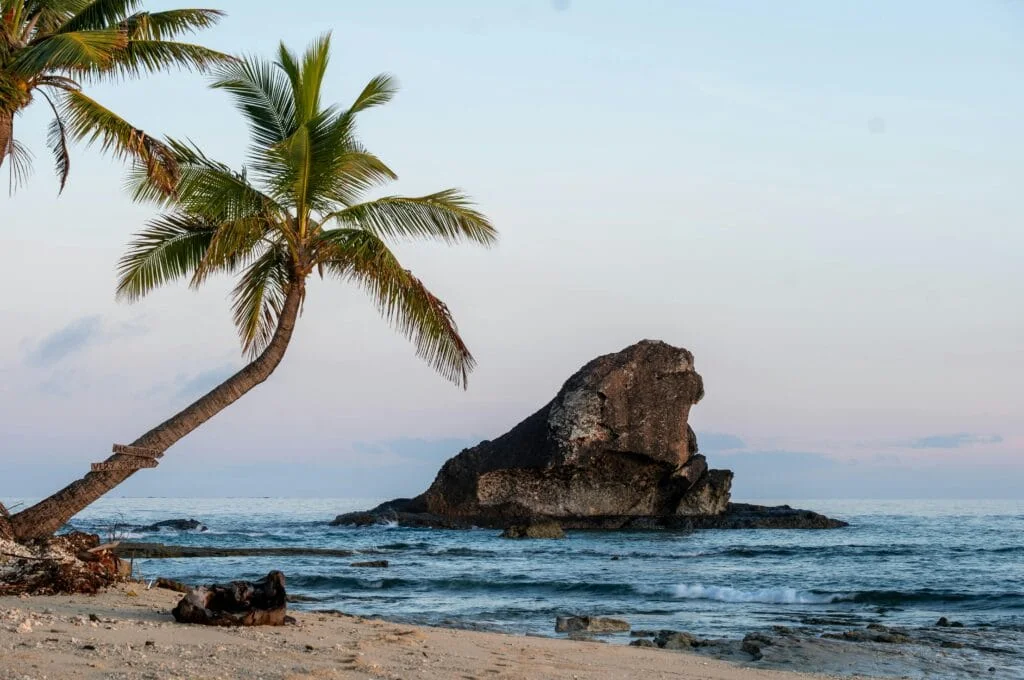
History and cultural influences
The settlement of Fiji has a rich and at times dramatic history. The first inhabitants arrived more than 3,000 years ago, sailing in from Melanesia and Polynesia. Their descendants, today’s iTaukei (indigenous Fijians), developed their own culture with traditional warfare and rituals that they themselves refer to as the “time of the devil”.
The first known European visitor was the Dutch navigator Abel Tasman, who reached Fiji in 1643. This was followed by a long period of isolation from the European world until the 19th century, when the British gradually took control of Fiji. In 1874, Fiji became a British colony, a status it held for almost 100 years. The British brought Indian laborers to Fiji to work on sugarcane plantations, which had a lasting impact on the islands’ demographic and cultural development. These Indian workers and their descendants – now known as Indo-Fijians – make up roughly 38% of the population and have had a major influence on trade, transport, and the overall economy.
A major milestone came in 1970, when Fiji gained independence from Great Britain. The following decades, however, were turbulent. In 1987, two military coups took place, triggered by ethnic tensions between indigenous Fijians and Indo-Fijians. Ongoing uncertainty led to large-scale emigration of the Indian population and to economic difficulties, but over time the situation gradually stabilized. The new 1997 constitution aimed to be fairer to both ethnic groups. Today, Fiji is a relatively stable country with a well-developed tourism industry and an economy built on tourism, fishing, and agriculture.
Fiji’s cultural diversity is truly fascinating. Around 52% of the population is Christian (mostly Methodists), 38% are Hindus and 8% Muslims. This religious and cultural mix creates a unique atmosphere where different traditions coexist and enrich one another. Indigenous Fijians are mostly of Melanesian origin, while Indo-Fijians come from southern India, and this diversity is reflected in the local food, language, and everyday customs.
Location, geography and natural features
Location and geographic features
Fiji lies on an isolated archipelago in the southern Pacific Ocean, specifically in Oceania. The archipelago consists of roughly 330 islands, about 110 of which are permanently inhabited. The largest islands are Viti Levu (the biggest), Vanua Levu (the second largest), Taveuni (the third largest) and smaller groups such as Yasawa, Mamanuca and Kadavu. Between these islands you’ll find a number of stunning lagoons and channels that form perfect natural harbours for boating and sailing.
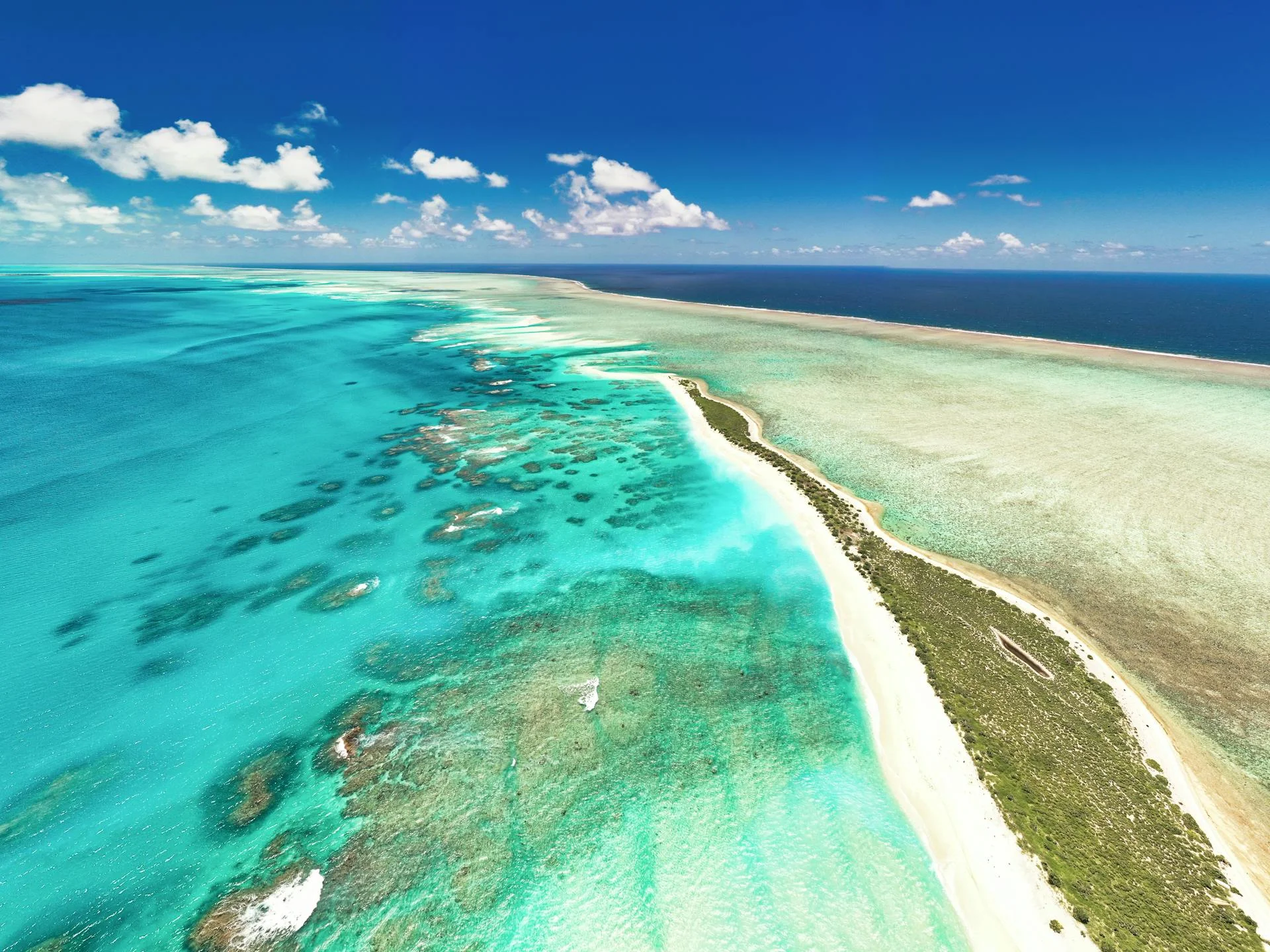
Geographically, Fiji is defined by volcanic mountains and coral reefs. The islands are not flat atolls but rather rolling terrain with mountains, valleys and dense tropical forests. This geographic variety creates spectacular scenery, from white-sand beaches to lush tropical rainforests in the hills. The coastline is fringed with coral reefs, which are among the most important ecosystems in the region and attract divers from all over the world.
Climate and weather: When to visit Fiji
Fiji has a tropical maritime climate with warm weather all year round. Average temperatures sit around 25–27 °C, with two distinct seasons: dry and wet.
The dry season (May to October) is the most popular time to visit. During these months, the weather is pleasantly sunny with lower humidity. Air temperatures hover around 26–27 °C, which is ideal for beach time, diving and snorkelling. The sea is crystal clear at this time of year and the water is comfortably warm.
The wet season (November to March) is marked by higher temperatures (28–30 °C), higher humidity, and heavier rainfall. Cyclones and tropical storms can occur in Fiji during the wet season. They are usually short-lived, but they can disrupt your travel plans. Even so, it is still possible to travel during these months – there are fewer tourists on the islands, accommodation is cheaper, and the landscape is much greener.
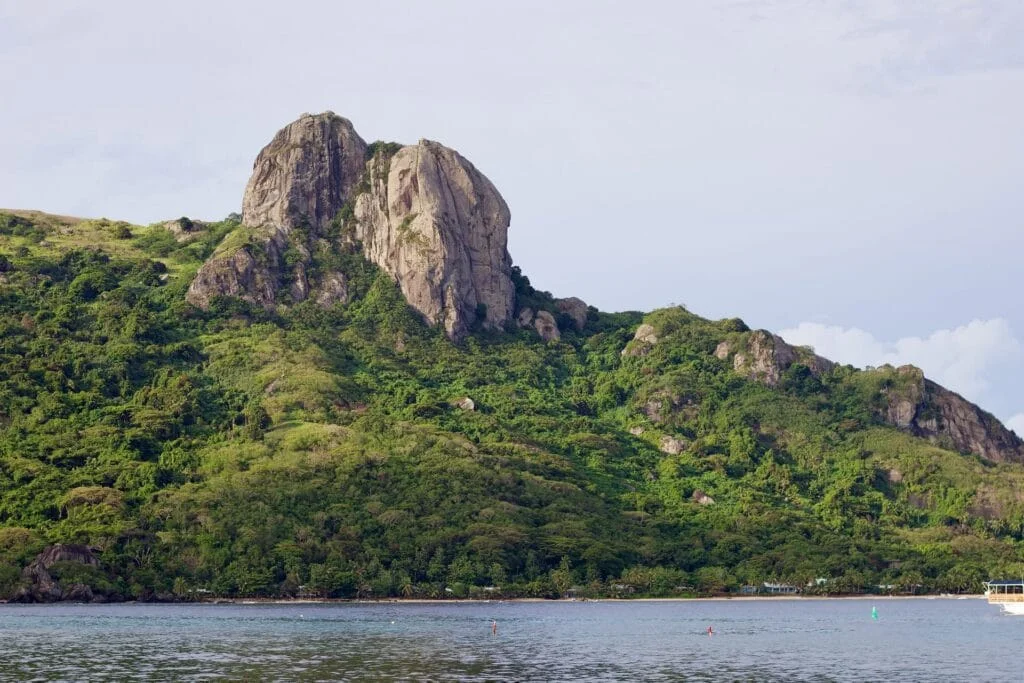
| Month | Dry/Wet season | Average max. temperature | Average min. temperature | Average rainfall (mm) | Description |
|---|---|---|---|---|---|
| January | Wet | 30 °C | 24 °C | 234–270 | Hottest month, very humid, cyclone risk |
| February | Wet | 30 °C | 24 °C | 153–251 | Warm and humid, less rain than in January |
| March | Wet | 29 °C | 24 °C | 219–402 | Humid weather, heavy rainfall, tropical storms |
| April | Transitional | 29 °C | 24 °C | 62–85 | Weather gradually improves |
| May | Dry | 27 °C | 23 °C | 50–75 | Start of the dry season, pleasant conditions |
| June | Dry | 27 °C | 21 °C | 48–54 | Fresh, sunny, ideal time for tourism |
| July | Dry | 26 °C | 22 °C | 27–48 | Coolest and driest month |
| August | Dry | 26 °C | 20 °C | 26–34 | Calm weather, minimal rainfall |
| September | Dry | 26 °C | 21 °C | 27–43 | Sunny, perfect for water sports |
| October | Dry | 27 °C | 23 °C | 79–106 | Temperatures rise, transitional period |
| November | Transitional | 28 °C | 23 °C | 125–142 | Start of the wet season, higher humidity |
| December | Wet | 29 °C | 24 °C | 215–234 | Hot and humid, leading into peak season |
The best time to visit is definitely from May to September, when the islands are in the dry season. During these months, the weather is at its most stable and sunny, and the risk of cyclones is very low. July and August are peak season – the weather is spot on, but prices are at their highest and the main spots can feel crowded. If you want a balance between good weather and lower prices, consider May or September, when the weather is still beautiful but there are fewer visitors. April and October are great shoulder months – the weather is generally fine and prices tend to be more reasonable.
The sea temperature stays around 24–28 °C all year, so swimming is always pleasant. During the dry season the water is cooler and clearer (around 24–25 °C), which is ideal for divers. In the wet season the water warms up (up to 28 °C), which is perfect if you prefer warmer seas.
Regions and types of destinations
Fiji can be logically divided into several main regions, each with its own character and atmosphere. The region you choose depends on the type of holiday you want – whether you’re after relaxation, adventure, culture, or a bit of everything.
Viti Levu: The heart of Fiji
Viti Levu is the largest island in Fiji and home to the capital city, Suva. The island is divided into several distinct areas, each offering something different. The western part is home to Nadi, where the main airport is located. This is the entry point for most visitors. In Nadi, tourism blends with traditional Fiji. You’ll find shopping options, restaurants, and a convenient starting point for your trip.
The southwest coast of Viti Levu is known as the Coral Coast – a shoreline of coral reefs. This stretch runs between Nadi and the capital Suva and is one of the most beautiful parts of the island chain. Along the Coral Coast you’ll find stunning beaches, modern resorts, and plenty of natural attractions. It’s an ideal spot if you want a beach holiday with easy access to tourist facilities.
Suva, the capital, lies on the eastern side of Viti Levu and is the administrative, cultural, and economic hub of the country. Suva is a modern city with museums, markets, and restaurants. Here you’ll find the Fiji Museum, the best place to learn about Fijian history and culture. For travellers who want to experience authentic Fiji, Suva is a great starting point.
Mamanuca Islands: An easily accessible paradise
The Mamanuca island group lies west of Viti Levu, close to Port Denarau, the main ferry port. This is the easiest and fastest way to reach the smaller islands. Mamanuca consists of about 20 islands, many of them focused on tourism. The trip from Port Denarau to the Mamanuca Islands takes roughly 30 minutes to 2 hours, depending on your final island.
The Mamanuca Islands are ideal if you’re short on time or want a mix of beach relaxation and easily accessible activities. You’ll find islands with full-service resort complexes, as well as more authentic islands with a traditional feel. Mamanuca is popular with families, honeymooners, and solo travellers alike.
Yasawa Islands: A remote island escape
The Yasawa group lies northwest of Viti Levu and sits farther out than the Mamanuca Islands. Getting to Yasawa takes about 3–5 hours by boat, but the reward is a more remote and less commercial island experience. Yasawa is made up of a long chain of islands with high ridges and stunning coastline. This is the place for travelers who want a more authentic island experience and prefer to stay away from the main tourist hubs.
The Yasawa Islands are home mainly to backpacker-style accommodation, offering a friendly vibe and budget-friendly stays. Even so, you’ll also find more upmarket resorts here. Yasawa is perfect for snorkeling, diving, hiking, and meeting people in the local villages. The popular “Bula Pass” gives you unlimited boat travel between the Yasawa Islands for several days, making them an ideal destination for island-hopping and day-to-day exploring.
Taveuni: Garden Island
Taveuni, known as the “Garden Island”, lies northeast of Viti Levu. It’s the third-largest island in Fiji and is home to lush rainforests, waterfalls, and unique flora and fauna. Taveuni is perfect for eco-conscious travelers and nature lovers. The island is far less populated than Viti Levu and offers a quieter experience, with nature right on your doorstep.
Taveuni is home to Bouma National Heritage Park – the most beautiful national park in Fiji. Here you’ll find three stunning waterfalls (Tavoro Falls is the main highlight), rainforests with rare wildlife, and a beautiful coastline. Taveuni is also home to Fiji’s most famous dive site – Rainbow Reef – which makes it a world-class diving hotspot.
Vanua Levu: Hidden charms
Vanua Levu is Fiji’s second-largest island and home to the town of Savusavu, often described as a “hidden Fijian paradise.” It’s a lesser-known destination, but it offers an authentic Fiji with beautiful nature, outdoor activities, and a more traditional culture. Vanua Levu has volcanic hot springs and attracts travelers who love them.
Savusavu on Vanua Levu is surrounded by vanilla plantations and coconut groves. The local economy is driven more by agriculture than tourism, so you’ll experience a more genuine side of Fiji. Vanua Levu is ideal for travelers who want to avoid the tourist crowds and are looking for a deeper cultural experience.
Kadavu: Untouched wilderness
Kadavu is a southern Fijian island and one of the least visited in the country. This is a destination for determined travelers who are looking for raw, untouched nature and authentic encounters with local culture. Kadavu offers superb dive sites and dramatic natural scenery, but compared with other parts of Fiji, the infrastructure is very limited.
Most famous landmarks and attractions
Natural wonders and national parks
Fiji boasts six national parks, each offering its own unique landscapes and ecosystems.
Bouma National Heritage Park on the island of Taveuni is considered the most beautiful of them all. The park covers roughly 15,000 hectares and protects pristine rainforest rich in wildlife and plant species. At its heart is the Lavena Coastal Walk – a scenic hiking trail that follows the coastline with stunning views of the ocean and lush jungle. The park is home to three main waterfalls – the Tavoro Falls (also known as Bouma Falls), which are an iconic attraction. The falls are surrounded by green banks and a natural pool where you can swim right under the cascading water. The trail through the park is well-marked and suitable for moderately fit hikers, but footwear with good grip is recommended, as the ground can be slippery. Entry to Bouma National Heritage Park is approximately $2–$5 per person.
Sigatoka Sand Dunes National Park lies near the town of Sigatoka on Viti Levu. This park protects a unique ecosystem of sand dunes reaching up to 60 meters in height. The dunes are not just a natural curiosity – they are also an archaeological site with evidence of human settlement dating back up to 3,000 years. The park covers 650 hectares and offers beautiful views of the sandy landscape and the sea. You can walk among the dunes and discover the diverse flora and fauna adapted to these harsh conditions. Entry is approximately $5 per person.
Koroyanitu National Heritage Park is located in the Abaca area near the town of Lautoka on the main island and is ideal if you want to combine hiking and mountain biking. The park features forested hills, picturesque waterfalls, and dense rainforest. You can explore Fiji’s wild nature on foot or by bike. Entry is low, at around $2.
Stunning waterfalls
Fiji is home to a number of beautiful waterfalls that are popular stops for travelers.
Tavoro Waterfalls (Bouma Falls) on Taveuni are the best-known and most visited waterfalls in Fiji. Three tiered cascades drop from heights of 20–50 meters into natural pools. The water is clear and refreshingly cool, and the whole area is surrounded by tropical vegetation. You can swim here and take great photos. The walk to the falls from the village of Lavena takes about 1–2 hours and is clearly marked. Entry (if it is not already included in the Bouma park fee) is approximately $2–$5.
Biausevu Waterfall is located near the town of Sigatoka and is easier to reach. The waterfall is not as large as Tavoro, but it is very accessible and suitable for families. The walk takes about 30 minutes and the entry fee is around $2.
Savulelele Waterfall (also known as Namosi Waterfall) is located in the mountainous region and reaches a height of 50 meters. Getting there is more demanding and involves trekking through rainforest, but the reward is a stunning view. The entrance fee is usually included in an organized tour, which costs around $45–$70.
Most beautiful beaches
Fiji is famous for its white-sand beaches and crystal-clear water. Here are the most popular ones:
Natadola Beach on Viti Levu is one of the most beautiful beaches in Fiji. It stretches for several kilometers and offers soft sand and blue water. Natadola is known for horseback riding along the beach and panoramic views. You can sunbathe, swim, and enjoy a range of water sports here. Natadola is also home to several luxury resorts.
Denarau Beach is located near Port Denarau on Viti Levu. This is a modern, tourist-focused area with a number of resorts, restaurants, and shops. The beach is sandy and safe for swimming. Denarau is ideal if you want to combine beach time with shopping and entertainment.
Paradise Beach in Pacific Harbour is a lesser-known but beautiful spot. The beach is quieter, with natural scenery and lovely views. Pacific Harbour offers a range of outdoor activities and serves as a gateway to the natural highlights of the Coral Coast.
South Beach and Sunset Beach on Mana Island (Mamanuca) offer a unique atmosphere – soft sand, palm trees leaning over the water, and gorgeous sunrises. Mana Island is home to several resorts in different price ranges.
Turtle Island is a special place where visitors can encounter sea turtles and learn about local environmental initiatives. The beach is clean and peaceful, with a strong focus on ecological care. Turtle Island is perfect if you want to relax in nature while knowing there is active environmental protection in place.
Unique cultural and historical attractions
Fiji Museum in Suva is the best place to explore Fijian history and culture. The museum features exhibitions on pre-colonial Fiji, British colonization, and modern history. You can learn about traditional Fijian customs, language, and the development of local society. Admission is approximately $3.50–$4.50.
Sri Siva Subramaniya Temple in Nadi is one of the largest Hindu temples in the South Pacific. The temple stands out for its colorful architecture and is an important place for Fiji’s Hindu community. Visitors are welcome as long as they respect local customs (removing shoes, modest clothing). Entry is free, but a small donation for maintenance is appreciated.
Garden of the Sleeping Giant is a botanical garden with more than 2,000 varieties of orchids and other tropical plants. It stretches across a beautiful property with bridges, walking paths, and views over the valley. It’s an ideal spot for plant lovers and photography enthusiasts. Admission is around 10–15 FJD.
Gastronomy and culture
Typical dishes and drinks
Fijian cuisine is a fascinating mix of traditional Melanesian recipes, Indian dishes, and Chinese influences. This layered fusion creates a unique flavor profile that makes eating your way around Fiji truly memorable.
Kokoda is one of the best-known Fijian dishes. It’s made from raw fish marinated in lemon juice and coconut milk. It’s seasoned with onion, tomatoes, and herbs, which gives it a refreshing and delicious taste. Kokoda is served as a starter or a light lunch and is perfect in tropical heat. It’s important that it’s made from very fresh fish to avoid any health risks.
Lovo is a traditional Fijian dish cooked in an earth oven. Different types of meat (chicken, pork, sometimes fish) and vegetables (taro, sweet potatoes) are wrapped in leaves and placed into a pit in the ground, where they are baked over hot stones. The result is wonderfully tender, flavorful food with a subtle earthy note. Lovo is usually prepared for special occasions and celebrations.
Rourou is a simple but tasty side dish. It’s made from taro leaves mixed with coconut milk and sautéed onion. The dish has a very distinctive, creamy, slightly sweet flavor. Rourou is served as a side or as a vegetarian main.
Palu Sami is made from taro leaves stuffed with meat and sauce. The dish is cooked in coconut milk, which gives it a rich, creamy taste. Palu Sami is quite filling, so it’s great when you’re really hungry.
Roti is a thin flatbread made from Indian-style dough, often filled with curry or rice. It’s very popular in Fiji, especially among the Indian and mixed communities. Roti can be eaten as a side or as a main dish. It’s inexpensive and tasty, which makes it ideal for travelers on a budget.
Curry is an Indian dish that has become extremely popular in Fiji. There are many versions – chicken, pork, fish, or vegetable curry. It’s served with rice or roti and can be very spicy or mild, depending on your taste. Locals often enjoy curry as a home-cooked meal, and restaurants usually offer their own house recipes.
The Fijian diet also includes plenty of fish and seafood. Fish is grilled, boiled, or fried and seasoned with coconut milk and local herbs. Coconut is used generously in almost every dish. Taro, sweet potatoes, and breadfruit are common sides and can be boiled, baked, or fried.
Fiji is also known for its abundance of fresh fruit – mangoes, papayas, pineapples, coconuts, bananas and many other tropical varieties. This fruit is often eaten on its own or used in desserts.
Fiji Water is the best-known drink originating from Fiji. It is pure water from an artesian aquifer on Viti Levu, exported all over the world and seen as a symbol of tropical luxury and purity.
Kava is a traditional Fijian drink made from the roots of the kava pepper plant. It has mild sedative effects and brings a feeling of calm and relaxation. Kava is traditionally served during social and ceremonial occasions. The drink has an earthy taste and is prepared by mixing powdered kava root with water. Locals usually drink kava during evening gatherings. For visitors, it is important to understand that drinking kava is part of a cultural ritual and should be approached with respect.
Fiji Bitter is a local beer brand that is very popular in Fiji. The beer is cold, crisp and ideal for cooling down in the tropical heat. There are other local beer brands as well, and rum is also very popular, especially in bars and restaurants.
Meal patterns and dining times
People in Fiji traditionally eat three main meals a day. Breakfast is usually served early in the morning, around 7–8 a.m. Hotels and resorts typically offer a buffet with both local and Western options. Among locals, breakfast tends to be simple, with dishes like bread, eggs, meat and local fruit.
Lunch is usually around 12–1 p.m. and tends to be light. Locals often have rice with chicken or fish and vegetables. In tourist areas, you will find a wide range of options from pizza to fish and seafood.
Dinner is the main meal of the day and is usually served around 6–7 p.m. It is generally more substantial and includes more dishes and chilled drinks. In resorts, dinner is often served in restaurants with various menu choices.
In Fiji, it is common to eat with your hands, especially in traditional villages or when visiting local families. Restaurants provide cutlery, but using it is not always strictly required. Restaurant etiquette is relaxed – tourists do not have to follow strict rules, but showing respect for local culture is always appreciated.
Cultural customs and festivals
Fiji has a rich cultural heritage that shows up in many aspects of daily life as well as during special occasions.
“Bula” is the most famous Fijian greeting and means “be well” or “hello”. It is used not only as a greeting, but also to express gratitude and friendliness. Local people are open and welcoming to visitors, and if you respect these customs, you will quickly feel like part of the community.
Sevusevu is a traditional welcome and respect ritual. When you visit a traditional village in Fiji, you will likely be asked to present a kava root (sevusevu) as a gift to the village chief. This ritual is very important to local people and should be carried out with respect.
Diwali (the Festival of Lights) is one of the biggest celebrations in Fiji. This Hindu festival focuses on the victory of good over evil and is marked by lighting candles and colourful decorations. The festival lasts several days and includes markets, music, and dancing.
Holi (the Festival of Colours) is celebrated in March and marks the arrival of spring. During this festival, people throw coloured powders, splash water, and enjoy traditional food and dancing.
Christmas and Boxing Day are important holidays in Fiji, even though the country is not primarily Christian. During this period, Fiji is lit up with Christmas lights and decorated for the holidays. It is traditional to celebrate for several days, go shopping, and spend time with family.
The Hibiscus Festival takes place in August in Suva and features dancing, music, and showcases of Fijian culture. It is a local, more authentic event compared to the large, tourism-focused festivals.
Key practical information
Travel documents and visas
Czech citizens do not need a visa in advance to enter Fiji. On arrival, the local immigration office will issue you a so‑called “visitor permit”. This permit is free of charge and is usually granted for up to four months. If you want to stay longer, you can extend it locally for up to six months in total.
However, there are a few conditions you need to meet:
- Your passport must be valid for at least six months after your planned departure date from Fiji.
- You must have a return or onward ticket from Fiji. You should be able to show proof that you plan to leave the country.
- You need to have sufficient funds for your stay in Fiji. Immigration officers may ask how much money you have available.
In the past, travellers had to pay a separate departure tax when leaving Fiji, but it is now usually included in the price of your ticket. It is still a good idea to double‑check this with your airline in advance.
Safety and local customs
Fiji is considered one of the safer destinations in the Pacific, but as everywhere, you should still stay alert.
Theft occurs mainly in larger towns such as Suva and Nadi. It is not recommended to carry large amounts of cash, expensive jewellery, or electronics with you. It is safer to keep valuables in the hotel safe.
Scams mainly target tourists, who are often approached by touts and sellers with “special” offers. Be careful when buying gemstones, coral, or other “rarities” – prices are often inflated and the quality can be questionable.
Safety after dark varies from place to place. In Suva and larger towns, it’s a good idea to take a taxi after dark instead of walking. In smaller towns and on the islands, safety is usually better.
During the wet season (November to March) there is a higher risk of mosquito-borne tropical diseases. Protect yourself from mosquitoes with repellent and long clothing, especially in the early morning and evening when mosquitoes are most active.
Culture and respect matter a lot in Fiji. Locals place strong emphasis on traditions, and if you treat them with respect, you’ll be welcomed more warmly. Avoid behaviour that could be seen as disrespectful. For example, don’t kiss your partner in public, wear modest clothing (especially in villages), and respect local customs. When visiting temples, take off your shoes and wear clothes that cover your shoulders and knees.
Currency and payments
The official currency in Fiji is the Fijian dollar (FJD), which is divided into 100 cents. Banknotes come in denominations of 2, 5, 10, 20, 50 and 100 dollars, while coins are 5, 10, 20 and 50 cents, and 1 and 2 dollars.
The current exchange rate is around 1 FJD = approximately $0.40–0.50 (rates change, so check the latest rate before you travel). It’s usually better to exchange money once you arrive – it tends to be more favourable than exchanging it in the Czech Republic. Banks and exchange offices are located in larger towns. On small islands there are no exchange offices or ATMs, so bring enough cash with you.
Payment cards are accepted in better restaurants, hotels, and shops, especially in Nadi and Suva. Some merchants add a 3–5% surcharge when you pay by card, so check this in advance. On small islands and in local eateries, you’ll need to pay in cash only. ATMs are available in major towns and at larger shopping centres.
Tipping is not strictly required in Fiji, but in larger and more upscale restaurants it’s common to leave around 10% of the bill. In local eateries and street food stalls, tipping is generally not expected.
Healthcare and vaccinations
Before travelling to Fiji, you should see your doctor to discuss any potential health risks and recommended vaccinations.
Vaccinations are not mandatory for Fiji, but some are recommended:
- Hepatitis A and B
- Typhoid fever
- Tetanus (check that your vaccination is up to date)
Malaria does not occur in Fiji. However, there is a risk of other mosquito-borne diseases.
Dengue fever: It is present in Fiji. Protect yourself from mosquitoes with repellents containing DEET, long clothing, and mosquito nets, especially in the morning and evening when mosquitoes are most active.
Travel insurance is strongly recommended. Healthcare in Fiji is not always at the same level as in Europe, especially on remote islands. Travel insurance will cover medical expenses, possible evacuation, and other services.
Healthcare in Fiji is concentrated in the main towns of Suva, Nadi, and Lautoka. Smaller hospitals and clinics are located in smaller towns and on the islands. Access to medical care on small islands can be limited, so it is wise to bring a first-aid kit with basic medicines (painkillers, remedies for digestive issues, antihistamines).
Electricity and electronics
The mains voltage in Fiji is 240 V at 50 Hz. Sockets are type I (the same as in Australia and New Zealand), so you will need an adapter for Czech plugs. It is very important to bring an adapter with you from the Czech Republic, as it may not be easy to find one locally.
On the main islands, electricity is widely available, but on some smaller islands power cuts can occur. Electricity is often generated by diesel generators, so outages are nothing unusual.
Internet and communication
Internet is available on the main islands and in tourist areas. Wi‑Fi is common in hotels and resorts, but on small islands the connection is slower or unavailable. Mobile internet is also available through local operators such as Vodafone and Digicel.
Phone calls can be made from card-operated public phones, with phone cards sold in shops. However, it is much more cost-effective to buy a local SIM card and top it up with credit. Roaming from the Czech Republic can be very expensive.
Fiji’s fauna and flora
Fiji has a unique ecosystem with a rich variety of animals and plants.
Animals
In Fiji you will come across a range of unusual and striking animals. Sea turtles are a symbol of Fiji, and visitors can encounter them at certain sites. Dolphins are also common in the surrounding waters and can sometimes be seen from the shore or from a boat. Sharks live in the local waters too, but they do not pose a threat to people as long as you behave sensibly in the sea.
In the jungle you can come across colorful parrots, flying foxes and other birds. The Fijian tree boa lives on Fiji and is venomous, but encounters with it are rare. The Fijian iguana is an endemic species and a protected animal.
In the lagoons you can spot coral fish, rays, sea stars and many other marine creatures. Snorkeling and diving are the best ways to explore this rich underwater world.
Plants
Coconut palms grow all over the islands and are one of the symbols of Fiji. Taro is a crop traditionally grown for food and plays an important role in the local economy. Hibiscus comes in many colors and is often seen in gardens and along roadsides. Orchids are very common in Fiji and the “Garden of the Sleeping Giant” features a collection of more than 2,000 varieties.
Bamboo grows in the jungle and is used in traditional building. Areca palms produce areca nuts, which locals traditionally chew. Vanilla is grown in certain parts of Fiji, especially on the islands of Vanua Levu and Taveuni.
Transport and logistics
How to get to Fiji
Air travel is the only practical way to get to Fiji from the Czech Republic. There is no direct flight from Prague to Fiji, so you will need to fly with one or two layovers. Typical routes go via Asia (Hong Kong, Seoul), Australia (Sydney) or New Zealand (Auckland). Total travel time ranges from 24 to 35 hours, depending on the number of connections.
The international Nadi International Airport (NAN) is the largest and most important airport in Fiji and serves as the main gateway for visitors. It is located on the western side of Viti Levu, about 10 kilometers from the town of Nadi. From the airport you can reach different parts of the islands by bus, taxi or rental car.
The second option is to fly to Nausori Airport (SUV) near Suva, which is the second-largest airport in Fiji. This airport is used mainly for domestic flights and for routes from a few nearby countries.
Return tickets from the Czech Republic usually cost between $1,100 and $2,000, depending on the season and how far in advance you book. The cheapest fares are typically available during the wet season (November to March), while the most expensive are in the dry season (July to September) and around Christmas.
Getting around Fiji
Buses are the cheapest way to get around the main islands. Local buses are older, often without windows, but they offer an authentic experience and connect almost everywhere. Express buses are modern, air-conditioned, and run between the main cities. They follow a fixed timetable and prices range from $7–$14 depending on distance.
The main bus companies are Sunbeam Transport and Pacific Transport, which run services from Nadi to Suva along the beautiful Coral Coast. The journey takes around 3.5–4 hours. You buy your ticket directly from the driver.
Taxis are available in larger towns and cities. They usually have a meter, but it’s a good idea to agree on the price in advance, especially for longer trips. Fares often go up at night.
Car rental is popular with travellers who want more freedom and flexibility. Rental prices start at about $28–$47 per day. Driving in Fiji is on the left, so if you’re not used to left-hand traffic, give yourself some time to adjust. Roads are generally in good condition, but can be rougher in the interior. When renting, always check the mandatory insurance and the terms for any potential damage.
Ferries between the islands are a fantastic experience and sometimes the only way to reach certain places. The main ferry port is Port Denarau near Nadi, with services to the Yasawa and Mamanuca islands. South Sea Cruises and other companies operate routes with varying frequency. Prices range from $23 to $70 depending on the destination.
Travel to the Yasawa and Mamanuca islands can be combined with the “Bula Pass”, a ticket system that allows unlimited travel between the Yasawa island chain for a set period (usually 5–15 days). The Bula Pass is ideal if you want to hop between several islands without buying separate tickets each time.
Air travel is available for domestic flights between the main islands. Fiji Airways and Northern Air operate flights from Nadi to Suva, Taveuni, and other destinations. Prices are higher than buses, but travel time is much shorter. Domestic flights are useful if you’re short on time and want to reach more remote islands.
Prices and trip budget
Price ranges and what to expect
Travel costs in Fiji vary a lot depending on your accommodation, food, and activities. Here’s an overview of three budget levels:
Daily budget: Around 50–80 FJD ($220–$350) on the main islands; 100–150 FJD ($440–$660) on the smaller islands (usually including meals).
On the main islands, you can stay in a hostel, cook your own meals in the shared kitchen, or eat in local eateries for 5–10 FJD. You’ll get around by local buses. On the smaller islands, you can book a bed in a shared dorm, with meals usually included in the room rate.
Daily budget: Around 150–250 FJD ($660–$1,100) on the main islands; 200–350 FJD ($880–$1,540) on the smaller islands.
On the main islands, you’ll stay in a nice hotel with breakfast, eat in local restaurants (20–40 FJD), and occasionally rent a car. On the smaller islands, you’ll book a private room (bungalow) with full board included.
Daily budget: Around 500+ FJD ($2,200+) on the main islands; 700+ FJD ($3,080+) on the smaller islands.
You’ll stay in luxury hotels and full-service resorts, dine at top restaurants, take catamaran trips, and treat yourself to spa treatments and other wellness services.
Typical prices
Here’s an overview of typical prices in Fiji by category:
- Accommodation: Hostel (bed) 30–80 FJD; 3* hotel 100–200 FJD; Resort (bungalow) 250–600 FJD; Luxury resort 1000+ FJD
- Food: Local buffet 5–10 FJD; Mid-range restaurant 20–40 FJD; Fine dining 80+ FJD; Beer 5–8 FJD
- Transport: Bus 1–30 FJD; Taxi (10 km) 15–20 FJD; Car rental (per day) 70–100 FJD; Ferry 50–150 FJD
- Activities: Diving (per dive) 150–200 FJD; Snorkeling trip 50–100 FJD; National park entrance 10–15 FJD
Basic phrasebook
| Czech | Fijian |
|---|---|
| Hello / Good day | Bula |
| Goodbye | Moce (Mothe) |
| Thank you | Vinaka |
| Thank you very much | Vinaka vaka levu |
| Please | Kerekere |
| Yes | Io (ee-o) |
| No | Sega (senga) |
| How are you? | Vacava tiko? |
| Good / Fine | Tiko vinaka |
| Food | Kakana |
| Water | Wai |
How to Plan the Perfect Trip
Choosing the Right Region
Your choice of region in Fiji depends on the type of holiday you want and your personal preferences.
For first-time visitors with limited time: We recommend a combination of Nadi (1–2 days) + Coral Coast (3–4 days) + Mamanuca Islands (2–3 days). This mix lets you see Fiji’s main highlights without too much moving around.
For nature and trekking lovers: Taveuni is your ideal destination, with Bouma National Heritage Park, Rainbow Reef for divers, and a slower, more relaxed pace of life.
For honeymooners: The Mamanuca Islands offer romantic beaches, upscale resorts, and a peaceful setting. The small island of Mana or Castaway Island are very popular choices.
For families: Viti Levu with the Coral Coast offers safe beaches, kid-friendly attractions (Kula WILD Adventure Park), and modern infrastructure.
For backpackers: The Yasawa Islands offer a friendly vibe, more affordable accommodation, and plenty of chances to meet other travellers.
Common Planning Mistakes
- Underestimating travel time: Getting between islands takes longer than you might expect. Allow extra time for transfers.
- Trying to visit too many places: If you only have a week, focus on 1–2 regions. It’s better to spend more time in one spot than to rush around.
- Ignoring cyclone season: During the wet season (November–March), flights and ferries can be delayed. Keep your plans flexible.
- Not booking in advance: Especially in peak season (July–September), hotels fill up fast. Reserve your accommodation ahead of time.
- Disregarding local culture: Respecting local customs opens doors and makes your stay much more pleasant.
Sample Itineraries
Day 1: Arrival in Nadi, relax at the hotel, get used to the climate
Day 2: Nadi – transfer to the Coral Coast by bus, downtime
Day 3: Coral Coast – snorkelling and beach time
Day 4: Day trip from the Coral Coast – Sigatoka Sand Dunes or a visit to a local village
Day 5: Transfer to Port Denarau, ferry to the Mamanuca Islands
Day 6: Mamanuca Islands – water sports, beach
Day 7: Return to Nadi and fly home
Day 1: Arrival in Nadi
Day 2: Nadi sightseeing (temple, market), transfer to the Coral Coast
Day 3: Coral Coast – diving or snorkeling
Day 4: Trip to Sigatoka Sand Dunes National Park
Day 5: Transfer to Port Denarau, ferry to the Yasawa Islands (first island)
Day 6–8: Island hopping around the Yasawa Islands, water sports, relaxation, visit to the Sawa-i-Lau caves
Day 9: Return to Nadi, last-minute shopping
Day 10: Flight home
Day 1–2: Nadi, acclimatization and exploring the area
Day 3–5: Coral Coast and the interior of Viti Levu
Day 6–9: Yasawa Islands (Bula Pass)
Day 10: Flight from Nadi to Taveuni
Day 11–13: Taveuni – Bouma National Heritage Park, diving on Rainbow Reef
Day 14: Return flight home via Nadi
Summary and final tips
Fiji is without a doubt one of the most beautiful and inspiring destinations in the Pacific. The mix of stunning nature, rich culture, and warm-hearted people creates an unforgettable experience you’ll remember for the rest of your life. Whether you choose the charming Coral Coast with its modern resorts, island-hopping adventures in the Yasawas, the eco-paradise of Taveuni, or peaceful downtime in the Mamanuca lagoons, Fiji gives you everything you need for a perfect holiday.
The key advantages are the best time to visit (May–September), safe and welcoming atmosphere, options for every budget, and endless ways to have fun and unwind. Remember, traveling around Fiji is about discovering paradise, meeting locals, tasting traditional dishes, and creating lasting memories. Fiji is waiting for you with open arms and the greeting “Bula”, which carries more warmth than words can describe. Set off on this journey – you’ll come back changed, enriched by the magic of a tropical paradise and the value of genuine human connection.
Kategorie: