How to choose a school backpack that brings joy and supports healthy posture
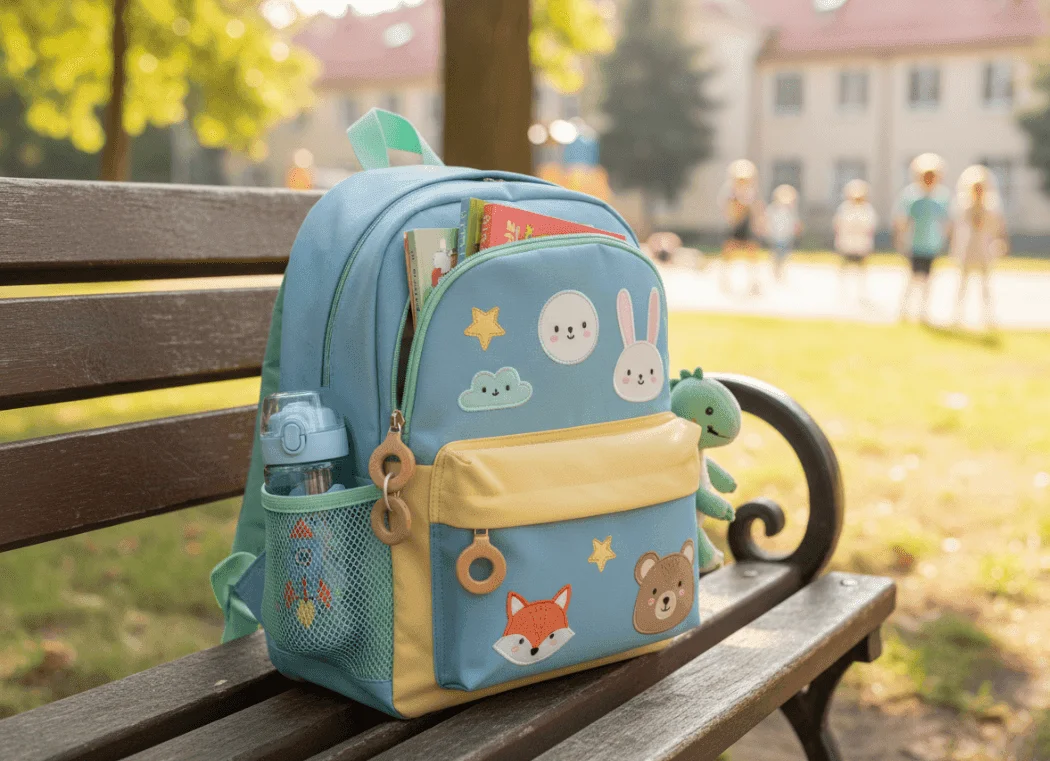
A school backpack is not just a practical way to carry textbooks and snacks. It’s an everyday companion that has a major impact on the healthy development of a child’s back, posture, and overall comfort. Whether you’re getting a bag ready for a brand‑new first grader or choosing a backpack for an experienced student, the selection process is very different. Investing in a high‑quality, well‑chosen backpack is above all an investment in your child’s health.
Did you know that…
…a fully loaded school backpack should not weigh more than 10–15% of your child’s body weight? We’ll show you how to choose one that won’t put unnecessary strain on their back.
Types of school backpacks by age
With every school year, not only the learning demands change, but also what the backpack needs to handle. What works perfectly for a first grader may not suit a teenager at all.
School satchels and backpacks for first graders (1st–3rd grade)
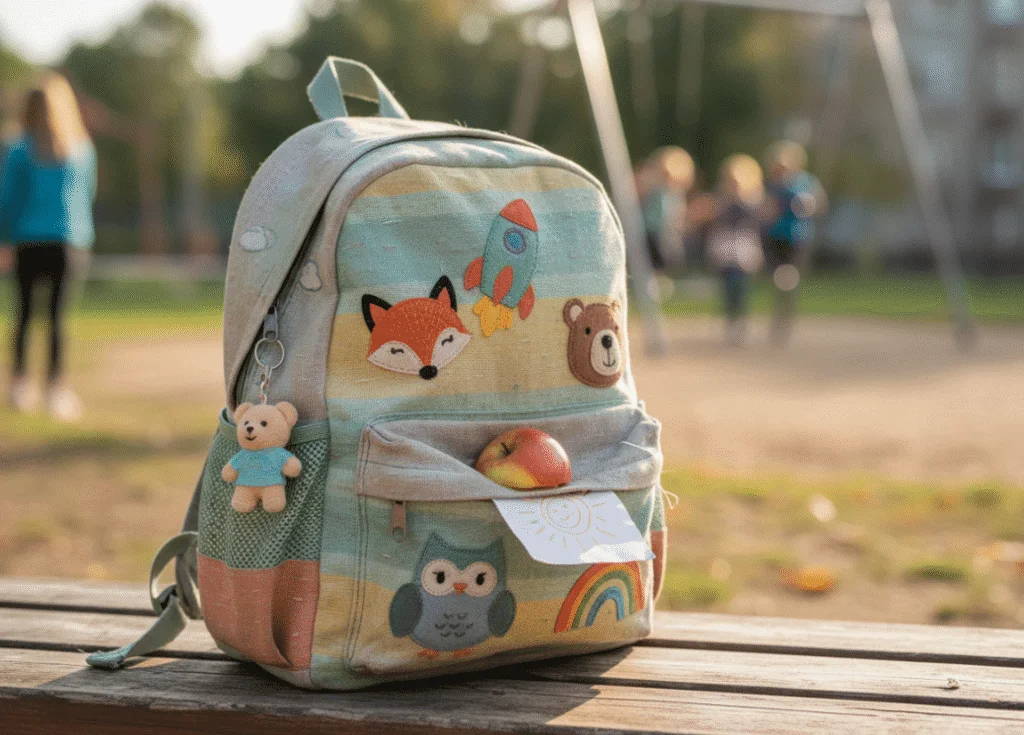
For the youngest pupils, ergonomics and simplicity matter most. The ideal choice is either a classic satchel with a firm structure that keeps its shape and is very easy to navigate, or a modern ergonomic backpack designed specifically for this age group. They are suitable for children in 1st to 3rd grade with a height of roughly 110–125 cm. The key features are firm, anatomically shaped, padded back support. Emphasis is placed on low weight of the backpack itself, ideally under 1000 grams and no more than 1200 grams. One main compartment keeps everything clear and easy to find, and there must be plenty of reflective safety elements on all sides. Typical volume ranges from 17 to 23 liters.
School backpacks for lower primary (3rd–5th grade)
As children grow, their needs change too. Backpacks for older kids in lower primary, roughly 3rd to 5th grade, already offer more space and a more mature look, while still maintaining a high ergonomic standard.
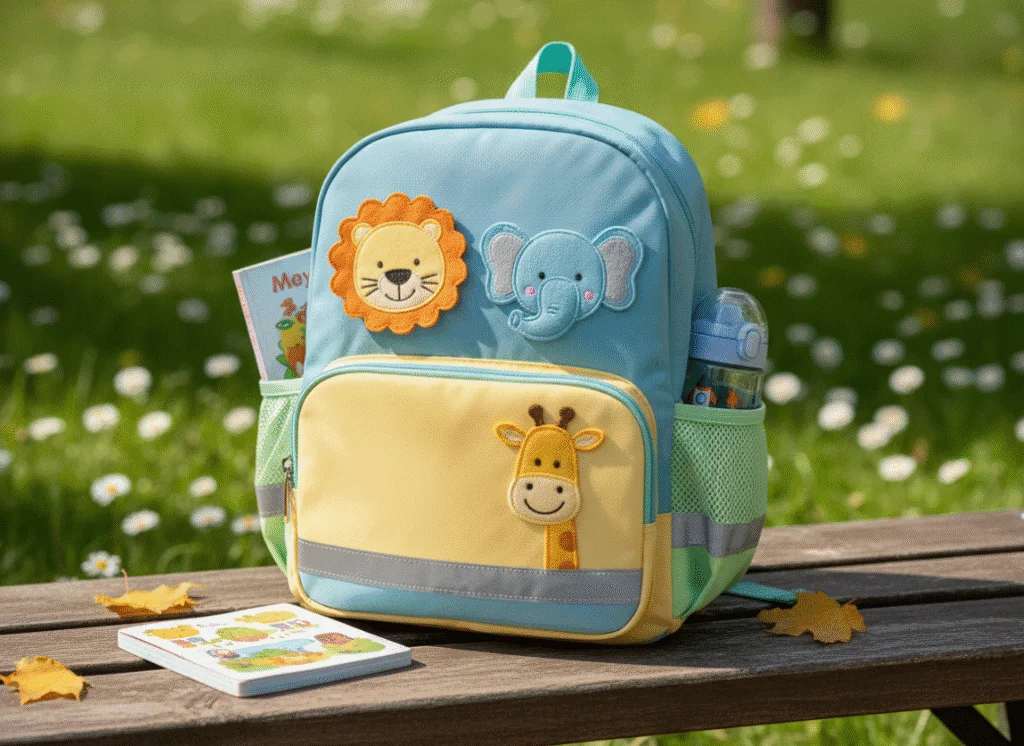
Ergonomics remains a priority and many backpacks in this category come with a height‑adjustable back system that lets you adapt the backpack to a growing child. They usually have two to three compartments for better organization and their look is moving away from fairy‑tale prints. The weight should not exceed 1.4 kg and the volume typically ranges from 20 to 27 liters.
Student backpacks for middle school (6th–9th grade)
At this age, from 6th to 9th grade, design and style start to play a much bigger role, but ergonomics should still stay front and center. Besides enough space, a padded compartment for a laptop or tablet becomes essential.
Even though the look is important, you still need a quality back system and adjustable straps. Materials are more durable to handle everyday wear and tear. The weight is usually around 1.5 kg and the volume goes up to about 25 to 34 liters.
Backpacks for high school and university students
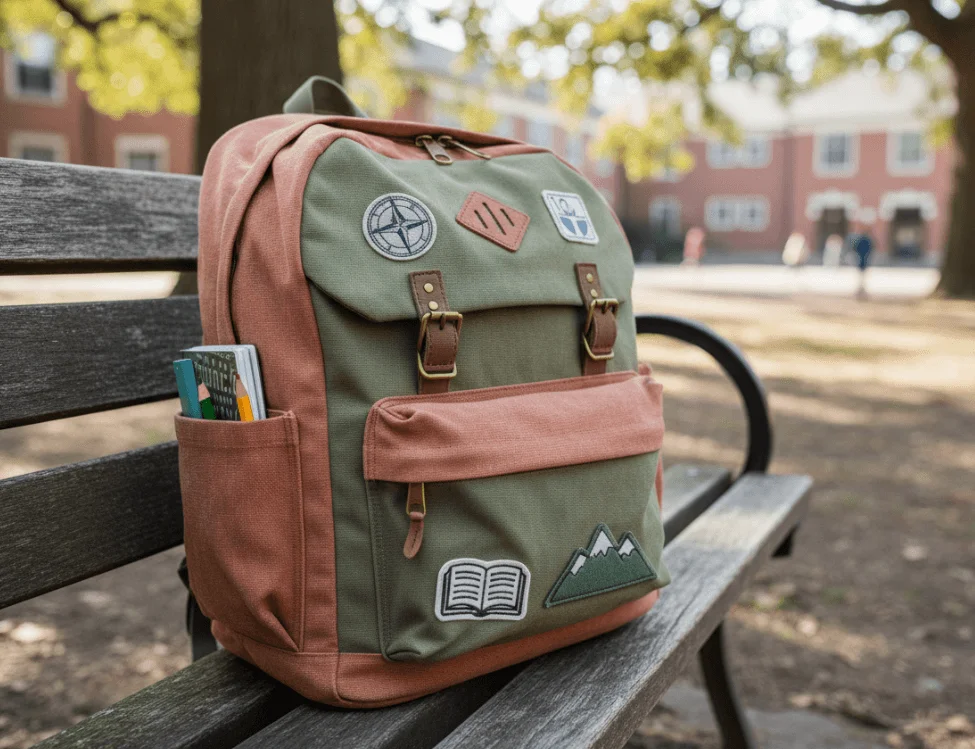
Here the priorities are clear: functionality, protection for electronics, and a modern, often minimalist design. The main feature is a secure laptop compartment and enough room for books and personal items. There’s a strong focus on durable, often water‑resistant materials. Popular extras include a built‑in USB port for charging a phone or hidden pockets for valuables. The volume of these backpacks usually ranges from 28 to 40 liters.
Key factors for a healthy back and safety
This is the most important part of the guide. The right parameters decide whether the backpack becomes a comfortable helper or an unnecessary burden.
Ergonomics and back system
The back panel of the backpack must be firm yet comfortable. Proper anatomical shaping follows the natural curve of the spine, with more pronounced padding in the lumbar area. Shoulder straps need to be wide enough, softly padded, and ideally shaped like an “S” so they don’t dig into the shoulders. A chest strap is also crucial, as it stops the shoulder straps from slipping off. For larger backpacks, a hip belt is a great help because it transfers part of the weight from the shoulders to the pelvis.
Weight of the empty backpack
Every gram counts. For first graders, the weight of an empty backpack should not exceed 1200 grams, and for middle school backpacks it should be no more than 1400 grams.
Size and volume
The backpack has to fit the child “just right”. It must not be wider than the child’s shoulders. The top edge should be at shoulder height, and the bottom edge should sit roughly at the hips.
Safety features
Plenty of reflective elements and materials on all sides of the backpack is absolutely essential. They improve your child’s visibility in low light, rain, or during the winter months.
Material and build quality
A good backpack should be able to take a beating. Look for a water‑repellent finish on the fabric and a reinforced bottom that keeps the bag stable. Quality zippers with large pullers are also important, as they make it much easier for children to open and close the backpack.
How to choose a backpack step by step
Buying a backpack is not something you should rush. Follow these steps.
Measure your child
Find out your child’s current height. It will help you narrow down the options and pick the right backpack size.
Check all the straps
Make sure all straps – shoulder, chest, and any hip belt – can be adjusted easily and stay in place once tightened. The backpack should sit close against the back.
Let your child help choose the design
Health and ergonomics come first, but your child has to like the backpack, otherwise they won’t enjoy wearing it. Try to find a balance between the parent’s functional requirements and the child’s taste.
💸 The most common mistakes when buying
- Buying an oversized backpack “to grow into”: A big backpack encourages overloading and never fits properly.
- Putting looks before ergonomics: A cool print will never make up for a poor back system.
- Buying without trying it on: Every child has a different body shape; a backpack is like shoes – it has to fit.
- Ignoring the weight of the empty backpack: A heavy bag is a burden even before you put anything inside.
Proper use and care
Buying a quality backpack is not the end of the story. How it’s used day to day is just as important.
How to wear and adjust a backpack correctly
Always wear the backpack on both shoulders. Regularly adjust the length of the shoulder straps to match the clothing. Tighten them so the backpack hugs the back closely. Fasten the chest strap and, if there is one, the hip belt as well.
How to pack it properly
Teach children a simple rule from the start: the heaviest items (textbooks, folders) belong as close to the back as possible. Lighter items, such as a pencil case or snack box, go into the front pockets. This keeps the center of gravity close to the body, which is much kinder on the back.
How to clean a backpack
Most manufacturers do not recommend machine washing, as it can damage the back system and protective coatings. Everyday dirt is usually easy to remove with a damp cloth and mild soapy water. Before you put the backpack away for the holidays, always clean it thoroughly and let it dry completely.
Overview of well‑known brands
There are many brands on the market that specialize in school backpacks and focus on healthy development for children.
| Brand type | Examples |
|---|---|
| Ergonomic backpack specialists | Topgal, Bagmaster, Ergobag, Step by Step, Boll |
| Sports and lifestyle brands | Nike, Adidas, Vans, Dakine, Fjällräven |
Prices and what to expect for them
The price of a quality ergonomic backpack may seem higher at first glance, but it reflects the cost of development, testing, and the use of premium materials. In the price range up to $65 you’ll find basic models where you need to check the ergonomics especially carefully. The sweet spot is usually between $65 and $110, where you’ll find most certified backpacks from specialist brands. Above $110 you get premium models, often sold as sets with extra accessories or with more advanced features.
Summary and a final tip
When choosing a school backpack, focus on three main pillars: the right size for your child’s body, solid ergonomics for a healthy back, and enough reflective elements for maximum safety. The final decision should always be a sensible compromise between the parent’s health requirements and the child’s preferred design.
A well‑chosen backpack is one of the best investments you can make for a comfortable and healthy start to every school day. Take your time choosing, so it serves your school‑age child as well as possible.
💬 Frequently asked questions (FAQ)
What does it mean when a backpack has a health certificate, and is it important?
It means the backpack has been independently tested by experts (for example orthopedists or physiotherapists) and meets strict ergonomic standards. For the youngest schoolchildren, a certificate (for example from ITC Zlín or the German IGR and AGR) is a very important guideline and a guarantee of quality.
Is a satchel or a backpack better for a first grader?
A satchel with a rigid structure and one main compartment is easier to navigate, stands firmly on the floor, and helps children keep things organized. Modern ergonomic backpacks for first graders, however, often combine the advantages of both – they have a firm back and bottom, but are softer overall and often lighter. The choice depends mainly on the child’s preferences and what they are used to.
How often should we buy a new backpack?
It depends on how fast your child grows and how worn the backpack is. The key is to check regularly whether the backpack still fits properly – whether it is not too short and whether the straps are not already at their maximum length. One quality backpack usually lasts 2–3 school years. For backpacks with an adjustable back system, it can be even longer.
Kategorie:
Články (Nejnovější / Podobné)
Work Safety Glasses: Complete Eye Protection Guide and Buying Advice
11/11/2025
Protein without the confusion: from choosing the right one to proper dosing
11/9/2025

Amino acids that drive performance – how they work and why they matter
11/8/2025
All About Pepper Sprays: How to Protect Yourself Effectively and Legally
11/4/2025
Fiji: A South Pacific paradise is waiting for you
11/1/2025