How to choose the best cat food for your cat
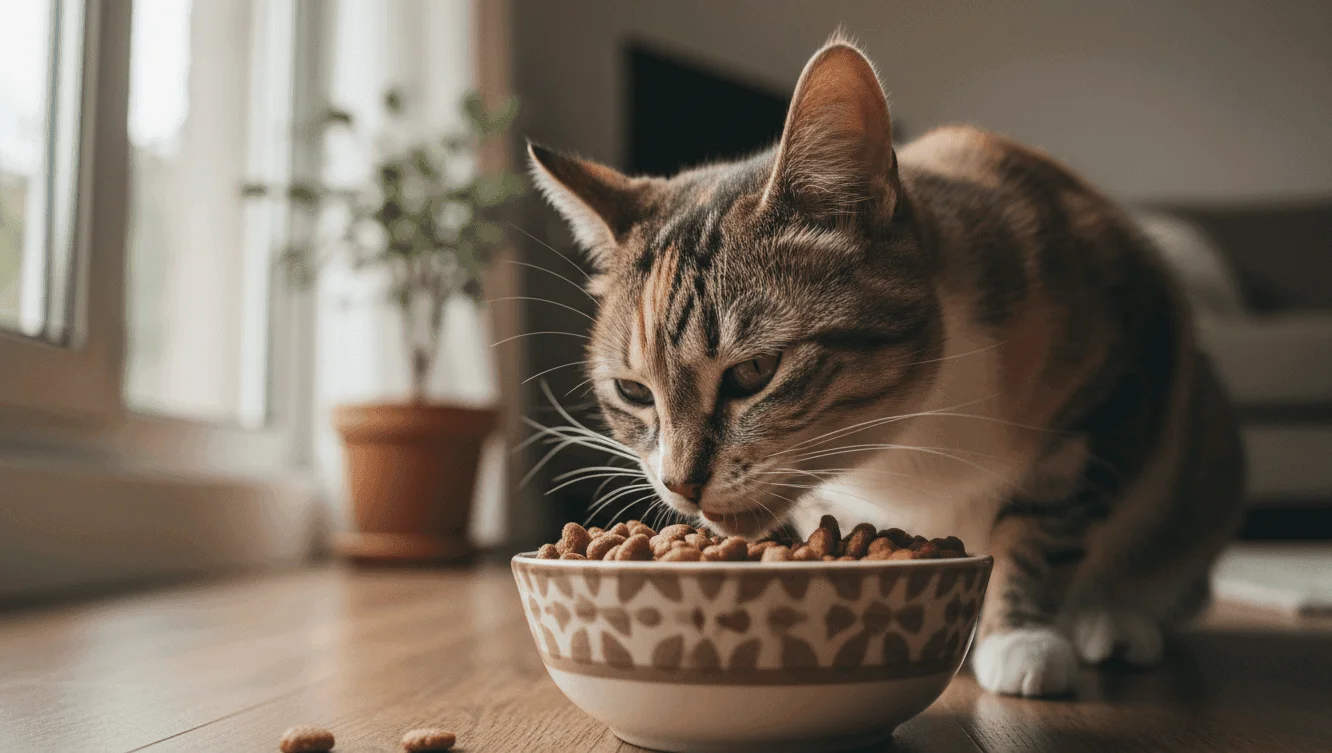
Choosing the right dry food is one of the most important decisions you’ll make as a cat owner. It’s not just about what your cat likes to eat, but mainly about her health, vitality and overall wellbeing. High‑quality food is the foundation for a strong immune system, a shiny coat, healthy teeth and proper organ function. This complete guide walks you through the world of cat kibble and helps you pick the best option for your feline friend.
Did you know that cats are strict carnivores and don’t digest grains well? That’s why quality food is the key to your cat’s health and a happy life.
How to navigate different types of dry food
The cat food market is huge and can be overwhelming. To make it easier, we can divide foods into several basic categories by age, specific needs and overall quality.
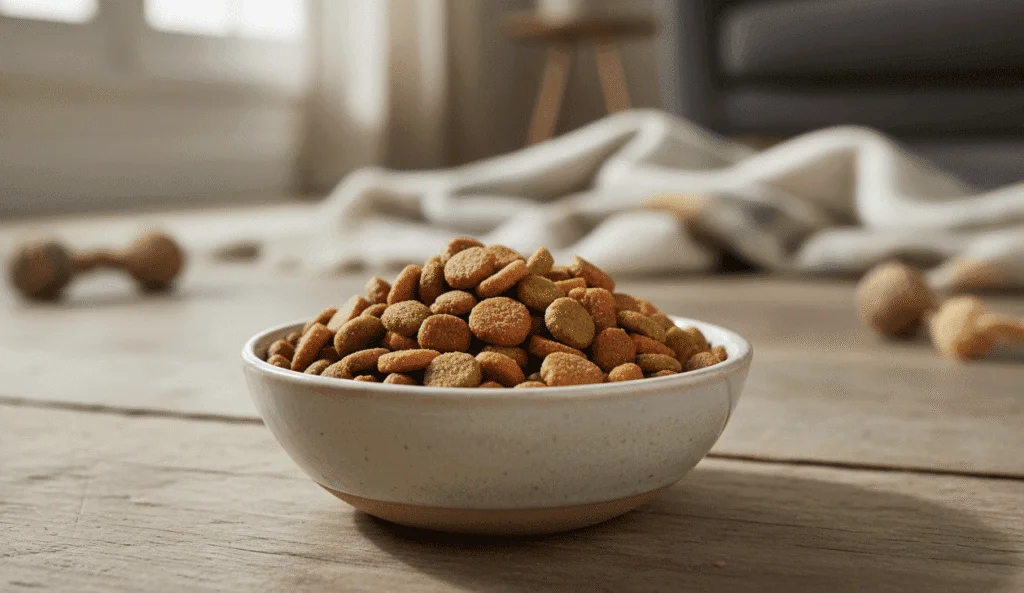
By your cat’s age
Each life stage comes with different nutritional needs.
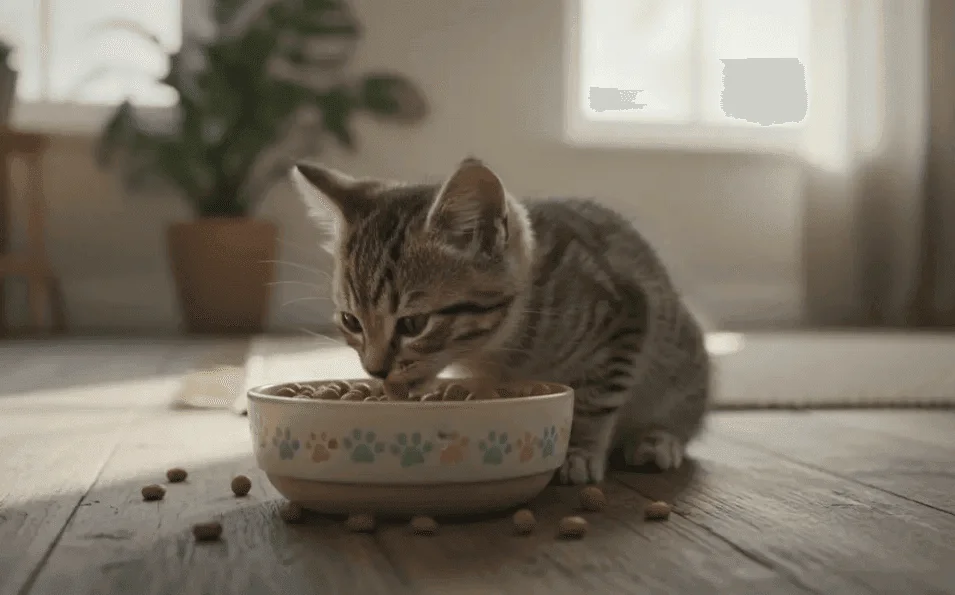
Kittens grow and develop incredibly fast, so they need food with a high content of quality animal protein and fat to provide enough energy and building blocks for healthy muscles, bones and organs. Look for foods labelled “Kitten” or “Junior”.
Adult cats (usually from 1 year of age) need a balanced diet that keeps them in good shape while helping to prevent weight gain. Adult formulas should offer a balanced ratio of protein, fat and other nutrients to support overall vitality.
As cats get older, their metabolism slows down and the first health issues may appear. Senior dry food often has a reduced calorie content to help maintain a healthy weight and is enriched with ingredients such as glucosamine and chondroitin for joint support, plus antioxidants to boost immunity.
By specific needs
Many cats have special requirements, and manufacturers respond with tailored formulas.
After neutering, cats tend to gain weight and are more prone to urinary tract issues. Special formulas for neutered cats have a lower fat and calorie content and include ingredients (such as cranberries) that support urinary tract health.
Indoor cats are generally less active, so they need food that helps with weight control. These formulas often contain more fibre to reduce the formation of hairballs in the stomach.
If your cat struggles with allergies or digestive issues, hypoallergenic dry food can help. These recipes usually contain one type of animal protein (so‑called monoprotein foods) and are free from common allergens such as wheat, soy or beef.
As mentioned earlier, cats are not built to digest large amounts of carbohydrates. Grain‑free dry food replaces wheat, corn and other grains with more digestible sources such as potatoes, peas or lentils. It’s especially suitable for cats with sensitive digestion or gluten intolerance.
By quality
The price of dry food usually reflects the quality of the ingredients used.
| Category | Characteristics |
|---|---|
| Economic | Basic dry food you often find in supermarkets. Typically contains less meat and more grains and animal by‑products. It may include artificial colours and preservatives. |
| Premium | A solid middle ground. Offers better recipes with a higher meat content, improved digestibility and often added functional ingredients to support your cat’s health. |
| Superpremium and holistic | The highest category of cat food. Characterised by a very high proportion of fresh or dehydrated meat, usually grain‑free and free from chemical preservatives and colourants. Holistic foods also include herbs, fruit and vegetables to support the body as a whole. |
What to watch out for when choosing: key factors
Reading the ingredient list is the most important skill when choosing dry food. Don’t be fooled by attractive packaging or marketing slogans.
Ingredients – the be‑all and end‑all
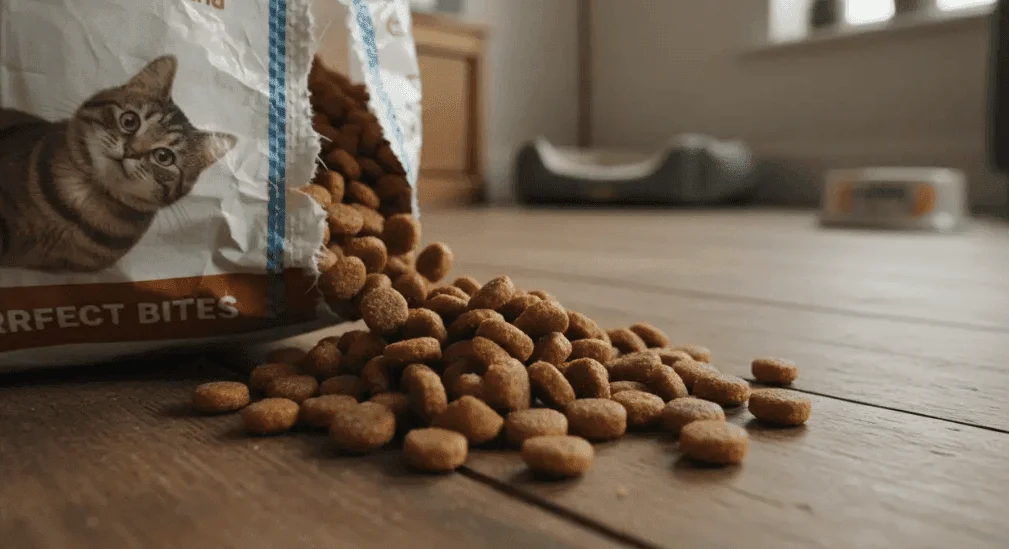
Meat should always be listed first in the ingredients. Look for specific descriptions such as “fresh chicken”, “dehydrated lamb” or “chicken meal”. Be cautious with vague terms like “meat and animal derivatives”, which can hide lower‑quality ingredients.
Cats need a diet rich in animal protein. In quality dry food, protein levels should be around 30% or higher. Fats are an important energy source; look for quality animal fats (e.g. chicken fat) or fish oil.
If the food contains carbohydrates, give preference to better options such as sweet potatoes, peas or rice over wheat and corn, which can be harder for cats to digest and may trigger allergies.
Quality food should not contain artificial colours, chemical preservatives (e.g. BHA, BHT), flavour enhancers or large amounts of salt.
Taurine is essential, as cats cannot produce it themselves and it is crucial for heart and eye health. Omega‑3 and Omega‑6 fatty acids are also important for healthy skin and coat, and antioxidants (vitamins E and C) support the immune system.
Other important factors
These factors directly affect your cat’s energy needs and should guide your choice. A more active cat will need a higher‑calorie diet than a cat that spends most of the day sleeping.
If your cat has specific health issues such as kidney or liver disease, diabetes or food allergies, you must discuss food choice with your vet, who will likely recommend a special veterinary diet.
Smaller kibble is better for kittens, while larger pieces can help adult cats clean their teeth mechanically and reduce plaque buildup.
How to choose the right dry food: a practical guide
- Evaluate your cat: Before you start shopping, clarify the basics: How old is she? Is she neutered? Does she live strictly indoors? Does she have any health issues or a sensitive stomach? Is she active or more of a couch potato?
- Read the ingredient list carefully: Learn how to read labels. The first ingredient is the most important – it should be meat. Check the protein and fat content and avoid foods with lots of grains and artificial additives.
- Start with a smaller bag: Cats are notoriously picky. Before you buy a big bag, get a smaller one to see if your cat likes the new food and digests it well.
- Watch out for common mistakes:
- Sudden food change: Transition to a new food must be gradual, ideally over 7–10 days, to avoid digestive upset.
- Ignoring the recommended feeding amount: Follow the manufacturer’s guidelines, but adjust the portion to your cat’s current body condition and activity level.
- Choosing only by price: The cheapest dry food can end up costing you more in vet bills.
Storage and feeding amounts
Proper storage is crucial for keeping kibble fresh, tasty and nutritious. Store it in a dry, cool and dark place, ideally in the original bag placed inside an airtight container. This helps prevent fat oxidation and vitamin loss.
Feeding amounts should follow the recommendations on the packaging, but always take your cat’s individual needs into account. Regularly check her weight and body condition and adjust the daily portion if needed.
Most popular brands and manufacturers
There are many quality brands on the market. Here’s a brief overview of a few of them:
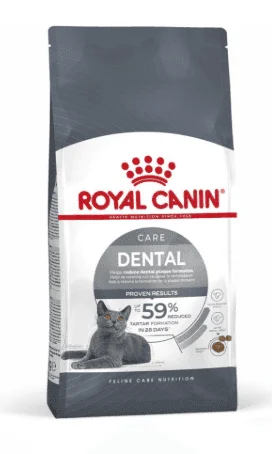
Royal Canin
This brand is known for its scientific approach to nutrition. It offers a wide range of products tailored to specific needs by breed, age, lifestyle and health issues. It is often recommended by veterinarians.
Brit Care
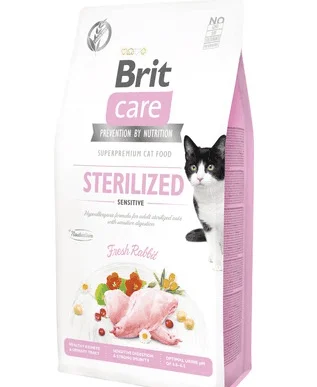
This Czech brand offers superpremium hypoallergenic foods. Their recipes are often grain‑free, with a high meat content and a very good price‑to‑quality ratio.
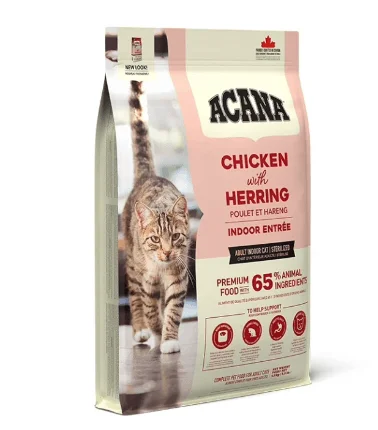
Acana / Orijen
These Canadian brands rank among the top in holistic and grain‑free nutrition. They stand out for their biologically appropriate formulas with an extremely high share of fresh, regional meat and a minimum of carbohydrates.
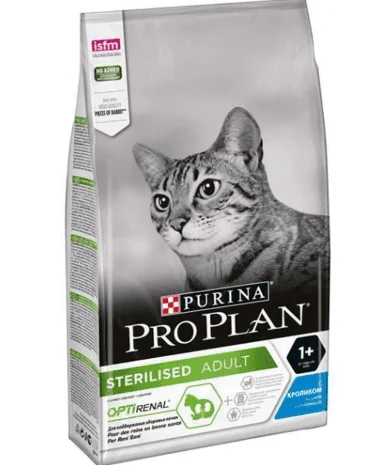
Purina Pro Plan
This is a premium line from a well‑known manufacturer, focused on science‑based recipes. It offers foods for different life stages and specific needs, including veterinary diets.
Summary and final tip
When choosing dry food for your cat, one golden rule applies: read the ingredient list and choose according to your cat’s individual needs, not by advertising or pretty packaging. Every cat is unique, and what works for one may not suit another. Be patient and don’t be afraid to try several brands until you find the right one. Remember that investing in quality food is the best investment in your four‑legged companion’s health and longevity.
Frequently asked questions (FAQ)
How should I switch to a new dry food so my cat doesn’t get digestive issues?
The transition should be gradual and take about 7 to 10 days. Start by mixing a small amount of the new food (around 25%) into the current one. Every 2–3 days, increase the share of the new food and reduce the old one until you fully switch over.
Can I combine dry food with wet food (pouches or cans)?
Yes, combining dry and wet food is actually highly recommended. Kibble helps keep teeth healthy and is practical for free‑feeding during the day. Wet food is more appealing in terms of taste and, most importantly, provides extra moisture, which is crucial for preventing urinary tract problems.
Is grain‑free dry food suitable for every cat?
For most cats, grain‑free food is an excellent choice because it better matches their natural carnivore diet. It is especially suitable for cats with sensitive digestion, allergies or gluten intolerance. A healthy cat that has no trouble digesting grains can also do well on quality dry food with a low content of easily digestible grains such as rice. The most important thing is always the overall ingredient quality and a high proportion of animal protein.
Kategorie:
Články (Nejnovější / Podobné)
Kefir vs. Acidophilus Milk: The Complete Guide to Probiotics, Choosing, and Health
11/12/2025

Work Safety Glasses: Complete Eye Protection Guide and Buying Advice
11/11/2025
Protein without the confusion: from choosing the right one to proper dosing
11/9/2025

Amino acids that drive performance – how they work and why they matter
11/8/2025
What creatine does to your body – facts every athlete should know
11/7/2025