What creatine does to your body – facts every athlete should know
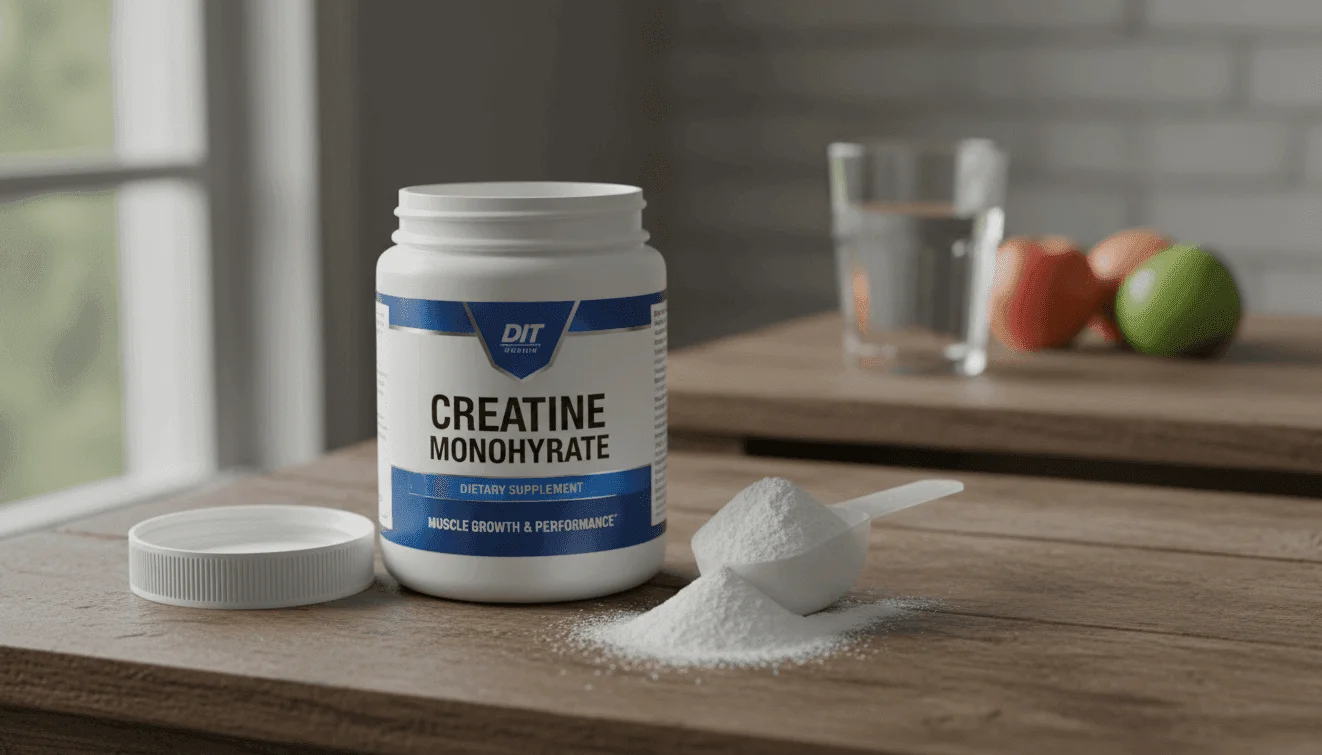
Creatine is without a doubt one of the best-known and most widely used supplements in the fitness and sports world. Whether you’re new to the gym or a seasoned athlete, you’ve probably heard of it. Its popularity is no accident – it’s backed by decades of research and proven results. This article serves as a complete guide and buying advisor so you can find all the key information in one place.
Simply put, creatine is a substance that our body produces in small amounts in the liver, kidneys, and pancreas. It’s also found in foods like red meat and fish. Its main role is to supply your muscles with fast energy. That’s why it’s so popular for increasing strength, explosive power, and supporting muscle growth. There are several forms of creatine on the market, but one of them is considered the undisputed gold standard.
Did you know that creatine is one of the most thoroughly researched supplements in the world, with more than 500 studies confirming its effectiveness and safety?
What is creatine and how does it work in the body?
To understand why creatine works so well, we need to look at how our muscles get energy. For short, very intense efforts such as heavy lifts or sprints, the body primarily uses an energy system called the ATP-CP system (adenosine triphosphate–creatine phosphate).
Think of ATP as an instantly available “battery” for muscle work. The problem is that this battery runs out in just a few seconds. This is where creatine comes in, specifically its stored form in the muscles – creatine phosphate. It acts as a rapid backup that can recharge ATP almost immediately, allowing you to squeeze out a few extra reps or lift slightly heavier weight. More creatine in your muscles means more fast energy available for your performance.
Creatine also has another important property. It pulls water into muscle cells, which improves their hydration. This process, known as cell hydration, not only makes your muscles look fuller, but also creates an anabolic environment that supports protein synthesis and reduces muscle breakdown. Your muscles are better nourished and have better conditions for growth.
Types of creatine: Which one is right for you?
The supplement market offers several forms of creatine. Here’s an overview of the most common ones so you can choose the best option for your needs.
Creatine monohydrate
Creatine monohydrate is the absolute gold standard. It’s the most researched, most effective, and at the same time the most affordable form of creatine. It’s suitable for absolutely everyone, from complete beginners to professional athletes. Its effectiveness has been confirmed by hundreds of studies. The only minor downside for some people can be slightly worse solubility in water or a more sensitive stomach. This small issue is effectively solved by its micronized version.
Creatine hydrochloride (HCl)
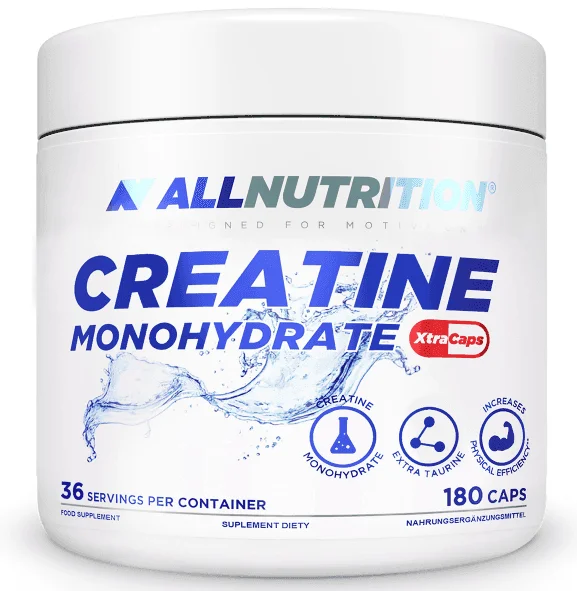
This form is often marketed as a more modern alternative with better solubility and absorption, supposedly allowing for smaller doses. It’s suitable for people who, for whatever reason, don’t tolerate monohydrate well. Although it is significantly more expensive, scientific evidence that creatine HCl is more effective than good old monohydrate is very limited. For most users, it’s simply not worth the extra money.
Kre-Alkalyn (buffered creatine)
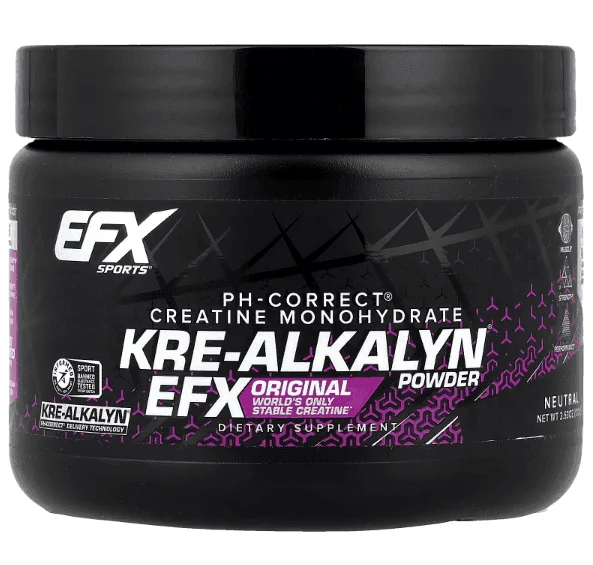
Kre-Alkalyn is essentially creatine monohydrate with an added alkaline substance (such as baking soda) to increase the pH. Marketing claims suggest that this makes it more stable in the acidic environment of the stomach and prevents it from converting into ineffective creatinine. However, independent studies have not shown Kre-Alkalyn to be more effective in practice than standard monohydrate.
Other forms (e.g. ethyl ester, citrate, malate)
You may also come across other forms on the market, such as creatine ethyl ester, citrate, or malate. These variants are often part of various multi-ingredient blends. Their effectiveness, however, has never been proven to be higher than that of monohydrate. In the case of creatine ethyl ester, it has even been shown to be less effective because a large part of it breaks down into inactive creatinine before it can be absorbed.
Key factors when choosing creatine: what to look for
When choosing creatine, you don’t need to compromise. A quality product can be recognized by a few simple indicators.
Purity and trademark (Creapure®)
The most important quality factor is purity. You want to be sure you’re buying 100% creatine without unnecessary or potentially harmful contaminants. The best quality marker on the market is the Creapure® trademark. This is a patented raw material produced in Germany that guarantees the highest possible purity and is tested to be free from unwanted substances such as dicyandiamide (DCD) and dihydrotriazin (DHT). If you see the Creapure® logo on the product label, you can count on top quality.
Product form
Creatine is most commonly sold as a powder or in capsules/tablets.
- Powder form is the most economical and most common. It allows flexible dosing and you can easily mix it into water, juice, or a protein shake.
- Capsules or tablets offer maximum convenience, precise dosing, and no taste. They’re ideal for travel or for anyone who doesn’t like the taste or texture of powder. However, they are always more expensive per gram of creatine.
Micronization
This term refers to a process where creatine particles are ground down to a much smaller (micro) size. Micronized creatine dissolves much better and faster in water, which can reduce the risk of mild digestive issues such as bloating in more sensitive users.
Added ingredients
Some products contain added ingredients, most often simple carbohydrates (such as dextrose), intended to improve creatine absorption by increasing insulin levels. While this combination does work, the best and most cost-effective option is to buy pure creatine and get your carbs from a regular source such as fruit juice, or take creatine together with your post-workout meal.
How to dose and use creatine correctly
Proper use is key to getting the best results. Fortunately, the science here is very clear.
Loading phase vs. steady dosing
There are two main approaches to dosing:
- Loading phase: This method is designed to saturate your muscles with creatine as quickly as possible. For 5–7 days you take a higher dose, typically 20 grams per day split into 4 doses of 5 grams. After this phase, you switch to a maintenance dose.
- Steady dosing: A simpler and equally effective method. From day one you take a constant maintenance dose of 3–5 grams per day. Your muscles reach full saturation in roughly 3–4 weeks. For most people, this approach is more comfortable and easier on digestion.
The end result of both methods is the same; the only difference is how quickly your muscles become saturated with creatine.
Cycling vs. continuous use
Older advice suggesting that creatine should be cycled (for example 2 months on, 1 month off) is now considered an outdated myth. Modern scientific studies clearly show that long-term, continuous use of creatine in recommended doses is safe and effective. There is no real reason to stop taking it if you tolerate it well.
When should you take creatine?
Consistency is what matters most! You need to take creatine every day, including rest days, to keep its levels in your muscles high. The exact timing during the day is not crucial, but if you want to squeeze out every bit of benefit, taking it after training together with a source of carbs and protein may slightly improve absorption and uptake into the muscles.
The importance of hydration
Because creatine draws water into muscle cells, it’s absolutely essential to maintain adequate fluid intake throughout the day. Drinking more fluids supports creatine’s function and helps keep your body properly hydrated.
Most popular brands and manufacturers
There are many quality brands on the market. The choice often comes down to personal preference and the balance between price and quality.
| Brand | Characteristics |
|---|---|
| Brands using Creapure® | These brands (e.g. Reflex Nutrition, MyProtein, Nutrend, GF Nutrition) offer premium quality and a guarantee of exceptional purity thanks to German Creapure® raw material. They’re a safe bet. |
| Brands with excellent price/performance ratio | Brands like GymBeam, Prom-in or Vilgain offer high-quality standard and micronized monohydrate at very competitive prices, making them an ideal choice for most users. |
| Brands with a wide product range | Companies such as Extrifit or Czech Virus offer various creatine forms, including flavored versions, capsules, or multi-ingredient products for those looking for a more specific solution. |
Final summary
Creatine is a safe, legal, and extremely effective supplement for anyone looking to improve strength, performance, and muscle growth. For 99% of users, the clear best and most cost-effective option is a high-quality micronized creatine monohydrate, ideally with Creapure® certification, which guarantees top-level purity. Whatever form you choose, remember that the real key to success isn’t the brand or exact timing, but regular long-term use combined with solid training and a well-structured diet.
Frequently asked questions and myths (FAQ)
There are still quite a few myths surrounding creatine. Let’s clear up the most common ones.
Does creatine damage the kidneys?
This is one of the oldest myths. Large scientific studies on healthy individuals have not found any negative effects of creatine on kidney function, even with long-term use lasting several years. Problems may only arise in people with pre-existing kidney disease, who should always consult their doctor before taking creatine.
Do I need to stop taking creatine while cutting?
Quite the opposite. Dropping creatine during a cutting phase is a big mistake. When you’re in a calorie deficit aiming to lose fat, you also risk losing muscle mass and strength. Creatine helps you maintain high strength levels and protects your muscle mass from breakdown. It holds water inside the muscle, not under the skin, so it won’t ruin your definition or make you look “watery”.
Does creatine cause hair loss?
This myth comes from a single small study that found increased DHT (dihydrotestosterone) levels in rugby players after a creatine loading phase. DHT is a hormone linked to hereditary hair loss. However, this study has never been replicated with similar results, and DHT levels were still within the normal range. There is no solid scientific evidence to support a direct link between creatine use and hair loss.
Kategorie:
Články (Nejnovější / Podobné)

Do You Know the Difference Between Vitamin D2 and D3?
11/14/2025
Treadmill that keeps you on pace – your trainer at home
11/11/2025
Protein without the confusion: from choosing the right one to proper dosing
11/9/2025
Amino acids that drive performance – how they work and why they matter
11/8/2025

How to Choose Children’s Teas: A Parent’s Guide
10/24/2025