Before You Buy a Smart Ring: What It Can Do, How It Works, and Which One Is Worth It

Step into a world where cutting-edge technology meets sleek design right on your finger. Smart rings are quickly becoming a game-changing accessory for anyone who wants to understand their body better without giving up style or comfort. This article is your all-in-one guide and buying advisor, taking you from the basics to practical tips on choosing, comparing, and caring for the right ring.
Step into the world of smart rings
A smart ring is a compact wearable device packed with advanced sensors for tracking your health and activity. Unlike smartwatches, which constantly compete for your attention with notifications, a ring is a discreet observer. Its main job is to collect data and give you valuable insights about your body through a mobile app.
Why are they becoming so popular? The answer lies in their key benefits. Above all, it’s discretion and comfort, because you’ll barely notice it on your finger, which makes it comfortable to wear 24/7 — yes, even while sleeping, when its benefits are greatest. Closely tied to that is long battery life. Thanks to the lack of a display, these rings can run for several days on a single charge, typically 4 to 7, which is significantly longer than most smartwatches. Last but not least, there’s measurement accuracy, since the close contact with the skin and arteries in the finger allows it to collect highly accurate data on heart rate and body temperature.
The goal of a smart ring is to make your path to better health easier. With clear data and practical guidance, it helps you improve your sleep, manage stress, and understand how your lifestyle affects your recovery.
Did you know that the first smart rings appeared more than ten years ago, but it was only modern sensors and miniaturization that turned them into a truly practical tool for health tracking?
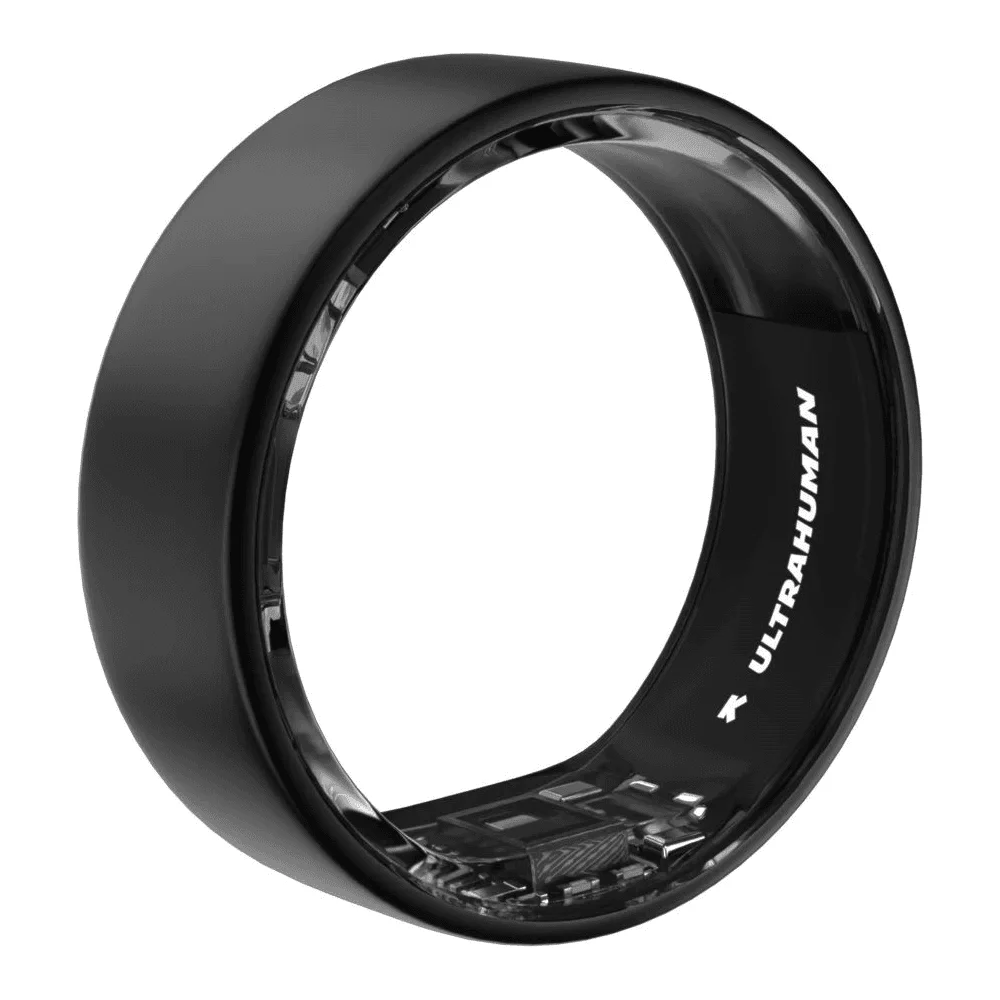
How does a smart ring work?
This small technological marvel is literally packed with sensors that quietly and continuously collect data about your body. Let’s take a look at the most important ones.
Optical sensor (PPG)
Using light beams that shine through the skin, it measures changes in blood flow. From this data, it gathers information about heart rate, its variability (HRV)—a key indicator of stress and recovery—and blood oxygen saturation (SpO2).
Body temperature sensor (NTC)
It measures even the slightest changes in your skin temperature. This data is essential for accurate sleep cycle analysis and can even help spot an illness early or track your menstrual cycle.
3D accelerometer
This sensor tracks your every move. It counts your steps, monitors your physical activity, and automatically detects when you fall asleep and when you wake up.
All the data collected is synced to the mobile app on your smartphone using Bluetooth technology. The real magic happens in the app, where raw data is turned into clear graphs, scores, and personalized recommendations that help you better understand your body’s signals.
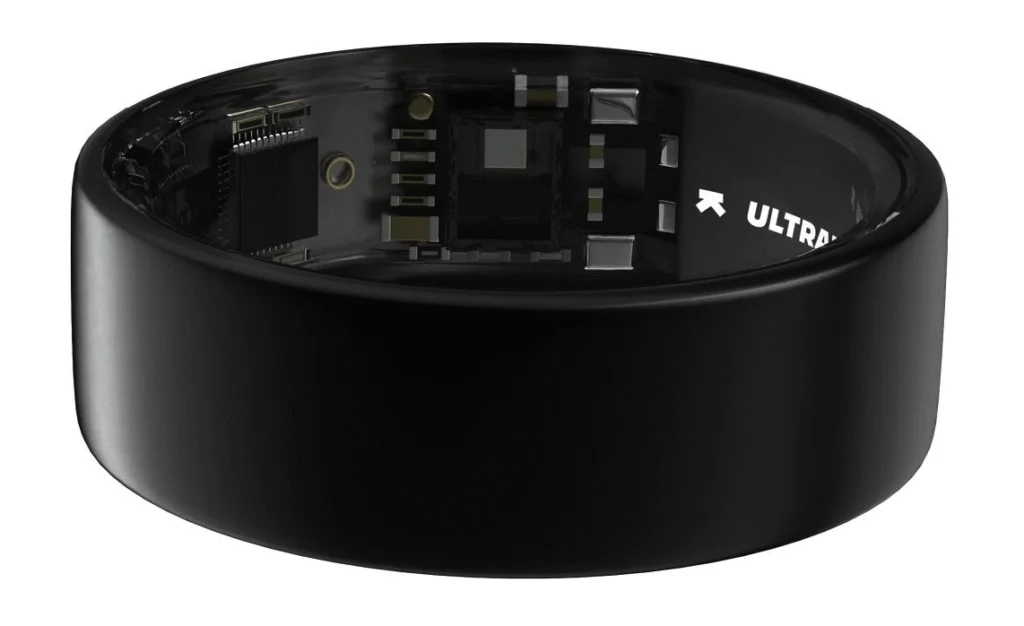
Key parameters to consider when choosing
When choosing a smart ring, it’s important to consider a few key factors that will affect how happy you are with it. This is the most important section and will serve as your buying guide.
Design, Materials, and Comfort
The outer shell of the rings is most often made from durable, lightweight titanium, a material widely used in the aerospace industry. The inner side, which stays in constant contact with the skin, is usually coated with hypoallergenic resin for maximum comfort. Manufacturers offer a range of finishes, from polished to matte, often using PVD coating for better scratch resistance.
Choosing the right size is key. Because the ring needs to fit snugly but comfortably, most reputable manufacturers will first send you a sizing kit after you place your order. Don’t overlook this step—it’s essential for the sensors to work properly.
Battery Life and Charging
Battery life is one of the biggest strengths of smart rings. Most models typically last 4 to 7 days on a single charge. Several factors affect battery life, such as how often the ring syncs data with your phone or whether advanced features are enabled, for example continuous SpO2 monitoring. Charging is done using a small, proprietary wireless or magnetic charger and usually takes around 1–2 hours.
Durability and Water Resistance
Smart rings are designed to be worn 24/7, so they’re built to last. They typically offer water resistance up to 50 or even 100 meters, which means you can shower, wash your hands, or swim in a pool without worrying. The titanium construction is very durable, but it’s not completely immune to scratches, especially when it comes into contact with harder metals, such as gym weights.
Compatibility and Mobile App
Before you buy, always make sure the ring is compatible with your phone’s operating system (iOS or Android). The mobile app is the brain of the whole system, and its quality is absolutely crucial. A good app should be clear, intuitive, and above all able not just to display data, but also to interpret it. Look for an app that gives you clear recommendations and helps you understand the connection between your lifestyle and the values it tracks.
Key Features and Metrics to Track
Smart rings can track a surprisingly wide range of data. Let’s take a closer look at the benefits each feature can offer you.
Sleep Analysis
This is the flagship feature of smart rings. Thanks to their comfortable fit and highly accurate temperature tracking, they can give you remarkably detailed insight into the quality of your rest. The ring monitors individual sleep stages (light, deep, and REM sleep), along with their duration and balance. It measures total sleep time, nighttime wakefulness, and overall sleep efficiency. The result is a sleep score that gives you a quick, clear picture every morning of how well you recovered overnight.
Activity tracking
The ring reliably tracks step count, distance covered, and estimated calories burned. Some models can automatically detect different types of activity, such as walking, running, or cycling. That said, for serious athletes who need precise pace and route data (GPS), a sports watch is still the better choice. A ring is more of an excellent companion for monitoring all-day movement and post-workout recovery.
Measuring Health Metrics
The ring continuously tracks key health metrics:
- Heart rate: Tracks your resting heart rate day and night, which is a great indicator of overall fitness.
- Heart rate variability (HRV): One of the most important metrics. HRV reflects the state of your autonomic nervous system. Higher HRV points to good recovery and low stress levels, while lower HRV can signal overtraining, an oncoming illness, or not enough rest.
- Blood oxygen saturation (SpO2): Measures the level of oxygen in your blood, which can help detect possible breathing issues during sleep.
- Body temperature: Tracks deviations from your normal baseline, which is a sensitive indicator of how your body responds to illness, strain, or hormonal changes.
Readiness Score
This is a core concept behind many smart rings. It’s a combined score that uses an analysis of your sleep (quality and duration), your activity from the previous day, and key metrics (HRV, resting heart rate, body temperature) to show how ready your body is for the day ahead. It tells you whether it’s a good time for a hard workout or if you’d be better off choosing rest and recovery.
Other smart features
Some rings also offer features beyond health tracking:
- NFC payments: Selected models let you make contactless payments simply by holding the ring up to the terminal.
- Gesture control: Some rings let you control music playback or presentations with simple hand gestures.
- Silent alarm: The ring can wake you with gentle vibrations without disturbing your partner.
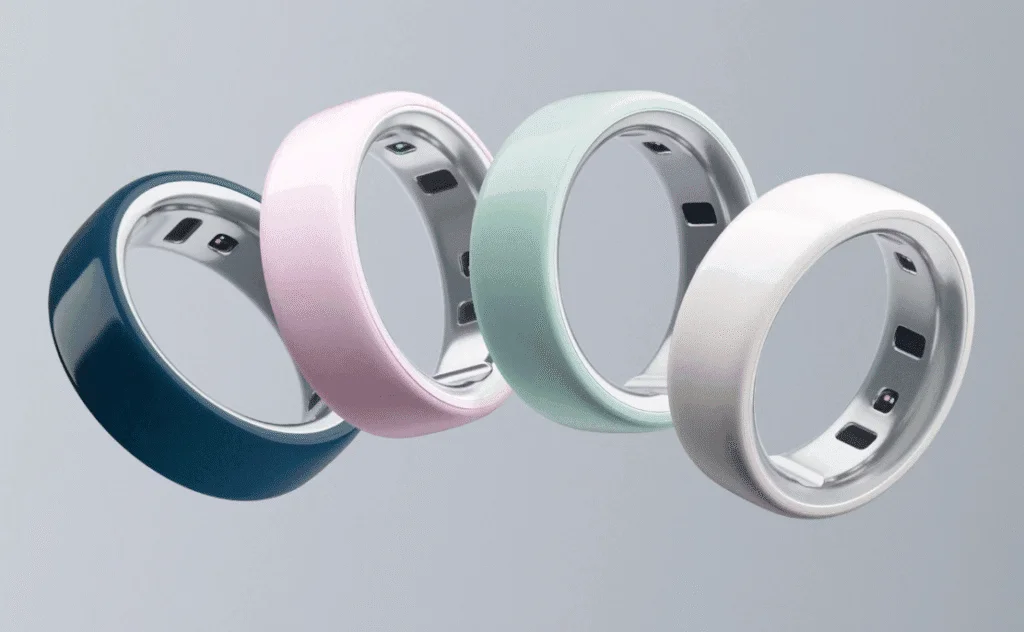
How to choose a smart ring that fits you?
To choose the right model, it’s important to be clear about what you expect from the ring.
For better sleep and recovery
If your main goal is to improve sleep quality and recover better, focus on models known for top-tier sleep tracking, accurate temperature monitoring, and HRV measurement. You’ll benefit from detailed charts and in-app guidance that help you spot bad habits and build a healthier sleep routine.
For athletes and active individuals
If you’re an active athlete and looking for a complement to your sports watch, a ring is a great fit for tracking recovery and all-day activity. Metrics like readiness score and activity score give you valuable feedback on how your body is responding to training load.
For tech enthusiasts and minimalists
For those who love technology and appreciate sleek, understated design, a ring is the ideal gadget. Focus on premium materials, distinctive finishes, and extra features such as NFC payments that highlight your style.
For women (menstrual cycle tracking)
Thanks to extremely accurate, continuous body temperature tracking, some rings are an excellent tool for menstrual cycle tracking. They can predict the different phases of the cycle, giving women a deeper understanding of their bodies. This feature is available, for example, in Oura, Ultrahuman, and RingConn rings.
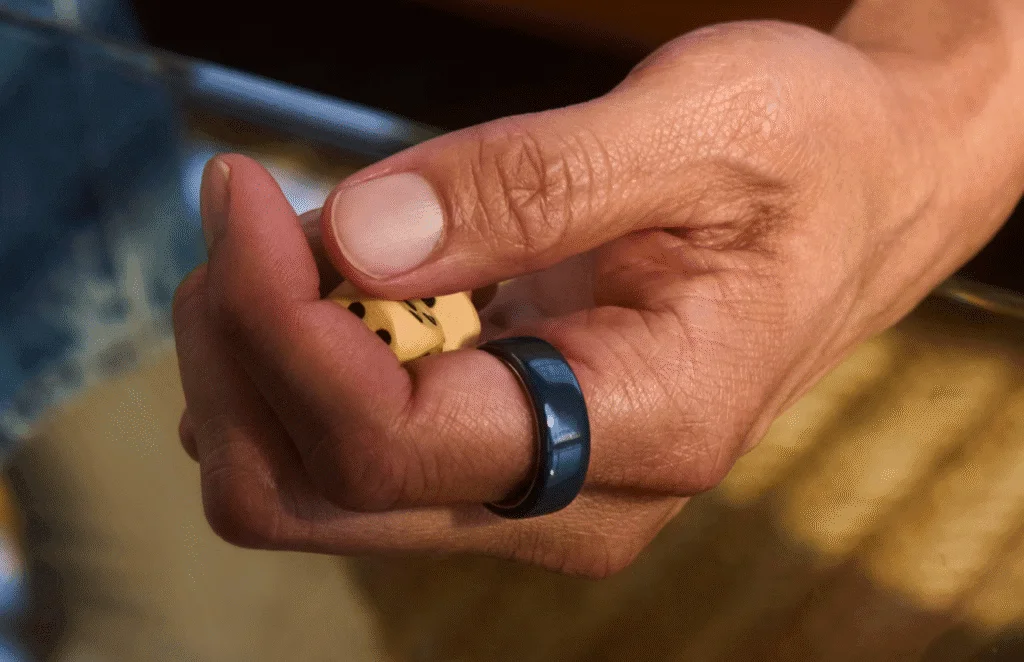
The Best-Known Brands on the Market
Several key players have emerged in the smart ring market.
Oura Ring
A pioneer and the current market leader. Oura is known for its science-backed approach, highly accurate sleep and body temperature tracking, and polished app. To get full access to detailed insights and reports, though, you need to pay a monthly subscription.
Ultrahuman Ring AIR
Oura’s main competitor, gaining popularity especially in the biohacking community. It offers very similar features, but its biggest advantage is that it does not require a monthly subscription. The app places a strong emphasis on metabolic health and circadian rhythm.
RingConn Smart Ring
It offers a more affordable alternative that also works without a subscription. What sets it apart from the competition is the unique charging case, which doubles as a power bank and can fully recharge the ring several times while you're on the go.
| Značka | Hlavní výhoda |
|---|---|
| Oura | Vědecky podložená analýza spánku a špičková aplikace |
| Ultrahuman | Bez předplatného, zaměření na bio-hacking a metabolické zdraví |
| RingConn | Výhodná cena, bez předplatného a praktické nabíjecí pouzdro |
Pricing and subscription model
Smart ring prices usually range from $304 to $652. The price varies depending on the brand, as well as the finish you choose (for example, gold versions cost more).
The key difference is the pricing model, which can have a major impact on the total cost:
- One-time purchase: Brands like Ultrahuman and RingConn include all features and insights in the price of the ring. Once you buy it, there are no extra fees.
- Purchase + subscription: The market leader, Oura, requires a monthly fee after the trial period ends (currently around 6 EUR) to access detailed insights, reports, and all advanced features.
When is each model worth it? If you prefer a one-time purchase and don’t want to commit to recurring payments, subscription-free models are the obvious choice. If you don’t mind a monthly fee and want what’s widely seen as the top option in the field, backed by the largest body of research, Oura is still the gold standard.
Care, Maintenance, and Lifespan
To help your ring last as long as possible and measure accurately, it’s a good idea to follow a few basic guidelines:
- Cleaning: Clean the ring regularly with a soft cloth and water. Avoid harsh chemicals that could damage the sensors or the finish.
- Charging: To help the battery last as long as possible, try to keep the charge between 20% and 80%. Don’t leave the ring on the charger longer than necessary once it reaches 100%.
- Lifespan: As with any electronic device with a built-in battery, the ring has a limited lifespan. Expect the battery to start losing capacity after 2 to 4 years of use, and it cannot be replaced.
Summary and what to watch out for
A smart ring is a fascinating and useful piece of technology that can give you valuable insight into your health. When choosing one, the most important thing is to be clear about your main goal—whether that’s sleep tracking, activity monitoring, or simply a stylish tech accessory.
We strongly recommend not underestimating the choice of the right size using a sizing kit, because both comfort and measurement accuracy depend on it. Whichever model you choose, a smart ring is a fascinating piece of technology that helps you better understand your own body.
Frequently Asked Questions (FAQ)
Can I wear a smart ring while working out at the gym?
Answer: Yes, but caution is recommended. Materials like titanium are very durable, but they can still get scratched when they come into contact with barbell shafts or other metal equipment. Some users prefer to take the ring off during strength training to avoid damage or uncomfortable pressure.
How accurate is heart rate measurement compared to a chest strap?
Answer: For measurements at rest (during the day or at night while sleeping), the accuracy of the ring’s optical sensors is very high and comparable to chest straps. During intense exercise with rapid heart rate changes, however, a chest strap is still the most accurate standard. A ring is ideal for tracking long-term trends and resting values, not for real-time data during demanding workouts.
Will a smart ring replace a smartwatch?
Answer: Rather, it complements them extremely well. The ring stands out for comfortable, continuous, and accurate tracking of sleep and recovery metrics. Smartwatches, on the other hand, offer a display for notifications, GPS for precise workout tracking, calling features, and a broader range of apps. The choice between them—or a combination of both—depends entirely on your personal priorities.
Kategorie:
Články (Nejnovější / Podobné)
Hair Oils: A Complete Guide to Healthy Hair and Styling
6/10/2026
Work Safety Glasses: Complete Eye Protection Guide and Buying Advice
6/1/2026

Protein without the confusion: from choosing the right one to proper dosing
5/15/2026

Amino acids that drive performance – how they work and why they matter
5/8/2026

Fiji: A South Pacific paradise is waiting for you
4/6/2026