Oil under the microscope: which one is best for cooking and which for salads
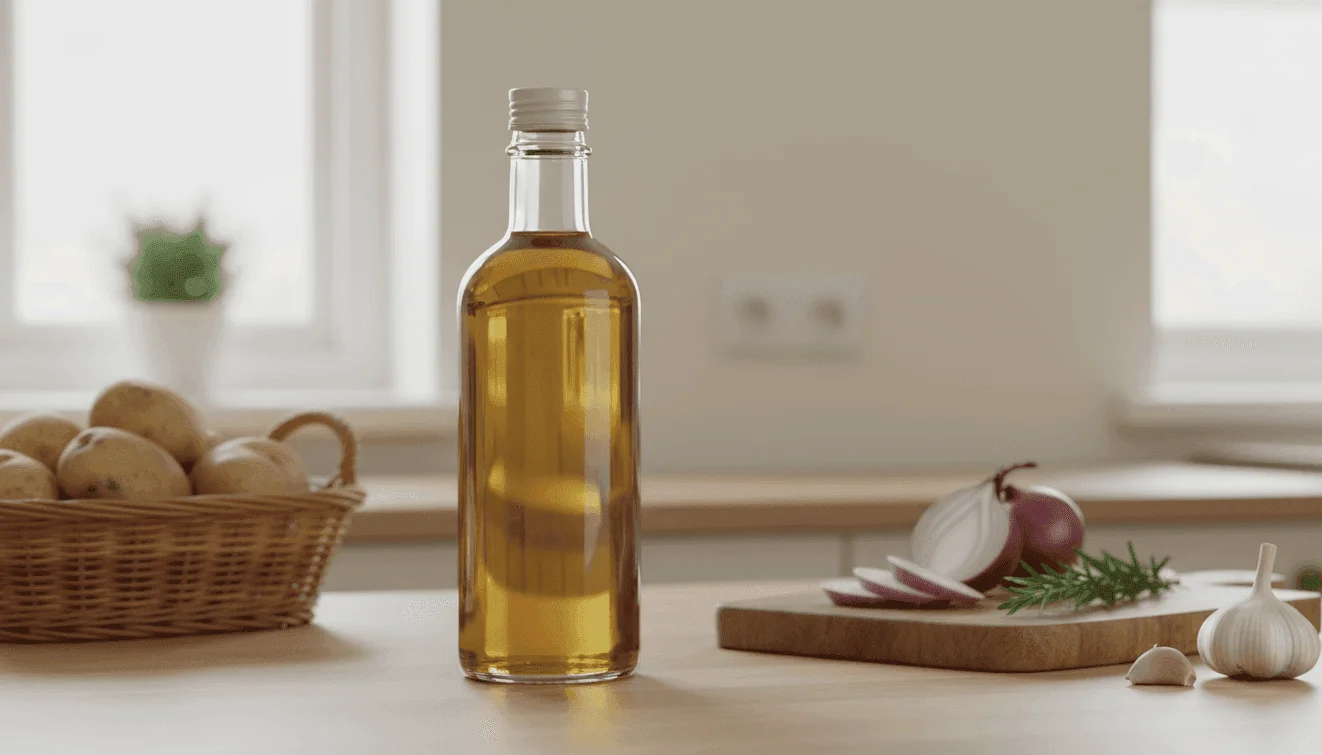
Kitchen oils are an absolutely essential part of every kitchen. They are not only used for frying, but also carry flavour, give food texture and are an important part of a balanced diet. There is a huge number of types that differ not only in taste and smell, but also in how they are used and in their health benefits. Choosing the right oil can take your food to a new level, while the wrong choice can completely ruin it.
This guide serves as a complete encyclopedia and shopping assistant, so you have all the important information in one place.
Did you know that the right oil can completely change the taste of a salad, while the wrong one can ruin the whole dish or even release harmful substances at high temperatures?
Types of kitchen oils by origin and processing
We can divide oils into several basic categories based on the raw material they are made from and the way they are processed. These factors determine their key properties – taste, heat stability and nutritional value.
Vegetable oils from seeds
This is the most common and most affordable group of oils. As the name suggests, they are obtained by pressing the seeds of various oil crops. Their properties, especially taste and heat stability, differ a lot depending on whether they are refined (industrially cleaned at high temperatures), which makes them neutral in taste and better for cooking, or cold-pressed, which keep a stronger taste and smell of the original raw material, but have a lower smoke point.

Sunflower oil is one of the most universal and most common oils in our kitchens. Its refined version is ideal for everyday cooking, baking and gentle frying thanks to its neutral taste and higher heat stability, while cold-pressed sunflower oil has a pleasant, slightly nutty taste, so it is great for salads. Almost every household can use it. It is widely available and has a good price. A disadvantage of common types is a lower content of omega-3 fatty acids compared to some other oils.
Rapeseed oil is often considered one of the healthiest oils for cooking, mainly thanks to its balanced ratio of fatty acids and high smoke point in its refined form. It is an ideal choice for people who want a universal oil suitable for cooking, baking and frying. Its taste is very mild, almost neutral, which is useful when preparing most dishes. It offers a great price-to-performance ratio and its nutritional profile is very good. Some people may not like its specific, although very mild, smell.
Oils from fruits
Unlike the previous category, these oils are not pressed from seeds, but directly from the flesh of the fruit. Because of that, they often keep a very strong and specific taste and are valued for their nutritional properties, especially in their unrefined, virgin form.
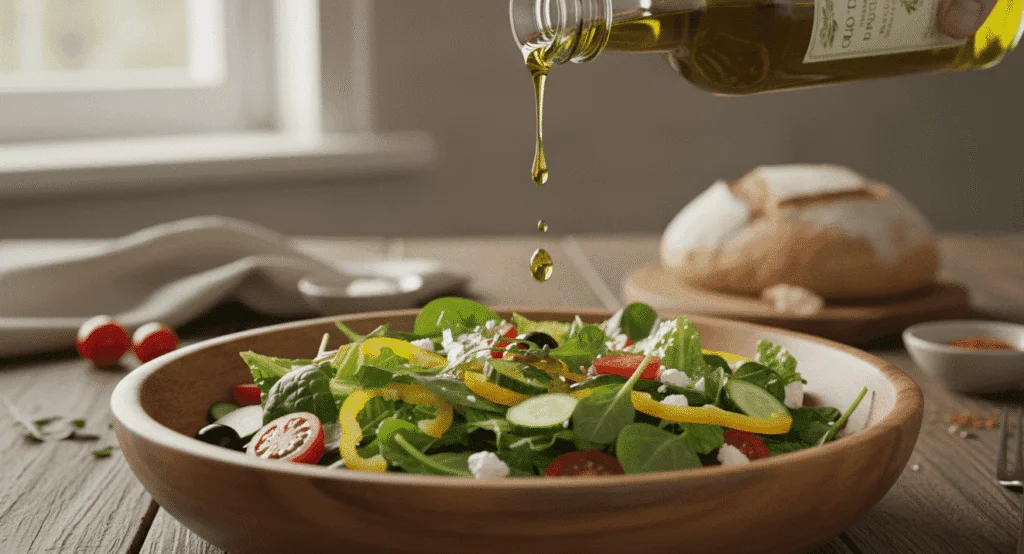
Olive oil is without question the base of Mediterranean cooking and a symbol of a healthy lifestyle. It is divided into several quality categories, the most important are extra virgin, virgin and refined. Extra virgin olive oil is the highest quality, it is obtained from the first cold pressing and is meant mainly for cold dishes, where its fruity, sometimes even slightly spicy taste stands out. Virgin oil has slightly higher acidity, but is still very good. Refined olive oil is a mix of refined and virgin oil and is suitable for gentle cooking. Olive oil is popular with fans of Italian, Greek or Spanish food. Its main advantage is its excellent taste and high content of antioxidants. Its disadvantages are the higher price and the fact that extra virgin oil is not suitable for frying at high temperatures.
Avocado oil is a modern and more and more popular alternative with a mild, slightly buttery taste. Its big advantage is a very high smoke point, up to 270 °C, even in the unrefined version, which makes it a very universal oil for both cold and hot dishes. It is a good choice for people who want one healthy oil for both cold and hot cooking, including quick stir-frying and frying. Its mild taste does not cover the taste of other ingredients. The main and almost only disadvantage is its much higher price compared to common oils.
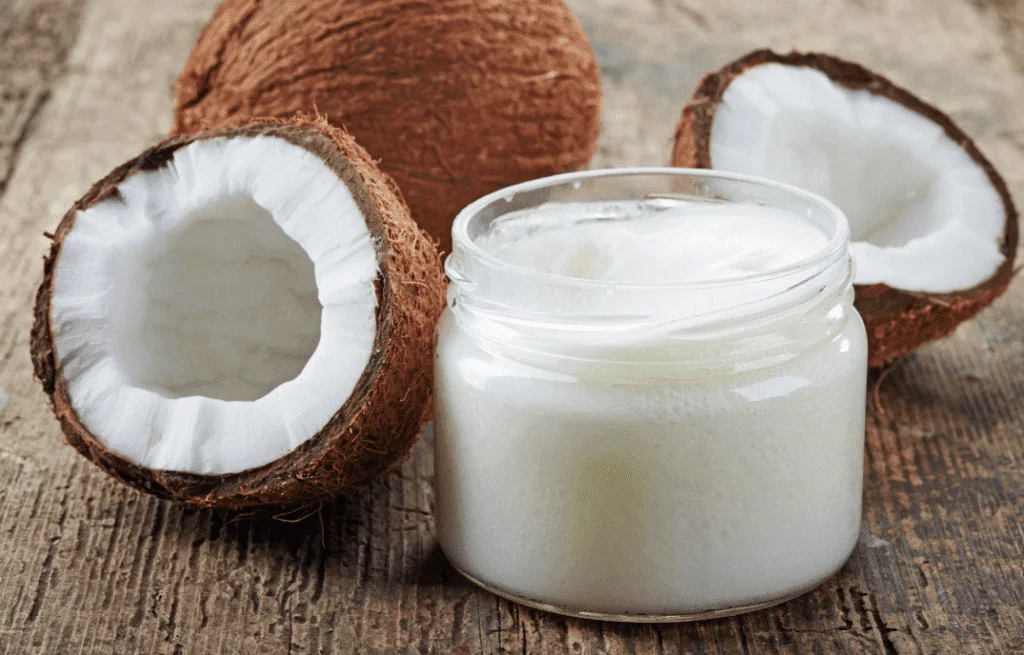
Coconut oil is special because it is solid at room temperature. It is made from the flesh of coconuts and exists in two basic variants: virgin, which has a strong coconut smell and taste, and refined, which has no taste or smell. It is popular with fans of Asian and Indian cooking, it is great for baking as a vegan replacement for butter and thanks to its heat stability it is also suitable for gentle frying. Its advantages are long shelf life and a special taste that can make desserts or curries more interesting. Its disadvantage is a high content of saturated fatty acids, and experts still discuss their effect on health.
Nut and seed oils
This special group of oils is typical for its very strong taste and smell, which clearly reflect the original raw material. These are usually cold-pressed oils that are not suitable for cooking at high temperatures. High heat would destroy not only their valuable and delicate nutrients, but also their unique taste, which is the main reason they are so valued.
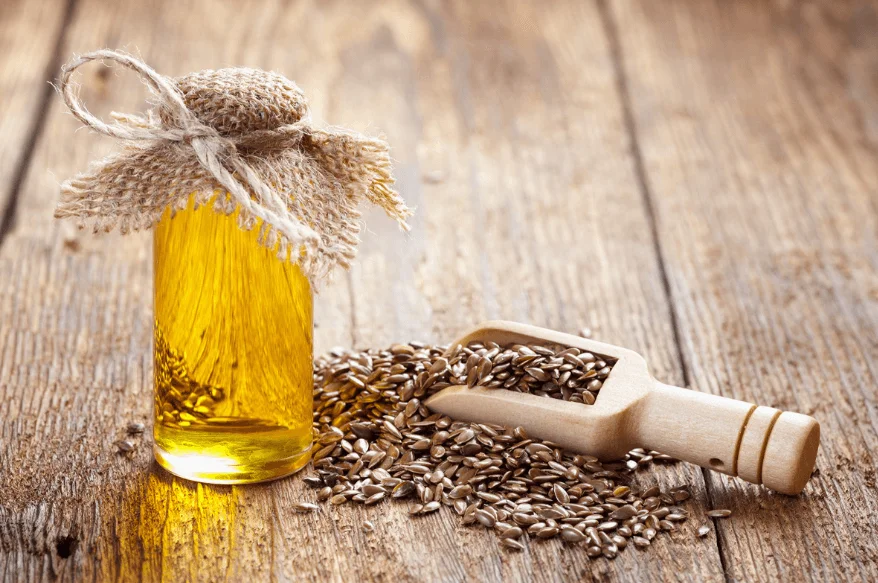
Flaxseed oil is known for its extremely high content of omega-3 fatty acids, which are important for heart and brain health. However, it is very sensitive to oxidation, which means it goes rancid quickly. It is used only in cold dishes. It is appreciated mainly by people who focus on a healthy lifestyle and use it to enrich salads, cottage cheese spreads or smoothies. It has a specific taste, slightly bitter for some people. Its main advantage is its excellent nutritional profile, while its disadvantages are the need to store it in a cool, dark place and to use it quickly after opening.
Pumpkin seed oil is a dark green, thick oil with an intense and unmistakable nutty taste. It is a traditional part of Austrian and Slovenian cooking, where it is used to season a wide range of dishes. It is great for food lovers who like to experiment and want to give their meals a new taste. It works very well in vegetable salads, for drizzling on creamy soups (especially pumpkin soup) or even on desserts, such as vanilla ice cream. It has a very strong taste and aroma. It offers a unique taste experience, but it is used only in cold dishes.
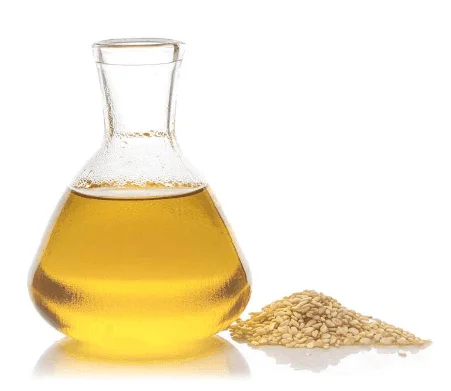
Sesame oil is an essential part of Asian cooking. There are two main types: light, pressed from raw seeds, which has a mild taste and a higher smoke point suitable for stir-frying, and dark (toasted), pressed from toasted seeds. The dark variant is better known for its very strong, nutty aroma and taste. If you love Asian dishes, you will almost certainly need toasted sesame oil – it is used almost only for seasoning finished dishes, and in marinades and dressings. Its advantage is the ability to give food an authentic taste, but its strength is also a disadvantage – you only need a few drops, otherwise it will cover all other flavours.
What makes each oil special in terms of nutrients?
Here is a table that sums up the main nutritional benefits of the oils mentioned.
| Type of oil | Main nutritional benefits |
|---|---|
| Sunflower oil | Rich source of vitamin E and omega-6 fatty acids. |
| Rapeseed oil | Balanced ratio of omega-3 and omega-6 fatty acids, source of monounsaturated fats. |
| Olive oil | High content of monounsaturated fats (oleic acid) and antioxidants (polyphenols). |
| Avocado oil | Rich in monounsaturated fats and vitamin E. |
| Coconut oil | Contains medium-chain triglycerides (MCT), which the body can easily turn into energy. |
| Flaxseed oil | One of the richest plant sources of omega-3 fatty acids (alpha-linolenic acid, ALA). |
| Pumpkin seed oil | Source of antioxidants, polyunsaturated fats and minerals, especially zinc. |
| Sesame oil | Rich in antioxidants (sesamol and sesaminol) and vitamin E. |
Key parameters for choosing the right oil
When choosing an oil, it is important to think about several key properties that determine how suitable it is for a specific use.
Smoke point
This is the most important parameter for hot cooking. The smoke point is the temperature at which the oil starts to burn and break down, which not only destroys its taste and nutritional value, but also leads to the formation of harmful, potentially carcinogenic substances. For frying and deep-frying, it is therefore necessary to choose oils with a high smoke point.
| Type of oil | Approximate smoke point (°C) |
|---|---|
| Avocado oil (refined) | 270 °C |
| Rapeseed oil (refined) | 204 °C |
| Sunflower oil (refined) | 232 °C |
| Olive oil (extra virgin) | 160–190 °C |
| Flaxseed oil (cold-pressed) | about 107 °C |
| Pumpkin seed oil (cold-pressed) | about 140 °C |
Processing method: refined vs. cold-pressed
The difference between these two processing methods is very important. Cold-pressed oils are obtained only by mechanical pressing without the use of high temperatures. Thanks to this, they keep the maximum amount of nutrients and their natural taste and smell. They are ideal for cold dishes. Refined oils go through a cleaning process at high temperatures and sometimes with the use of chemicals, which removes taste, smell and colour, but also some vitamins. Their advantages are a much higher smoke point and longer shelf life, which makes them suitable for cooking at higher temperatures.
Taste and aroma
The taste of the oil has a strong effect on the final dish. When frying and baking we usually prefer neutral oils (refined rapeseed, sunflower) that do not cover the taste of other ingredients. In cold dishes we often look for oils with a strong character. Fruity notes of extra virgin olive oil go very well with vegetable salads, while the nutty taste of pumpkin seed or sesame oil gives the food a more exotic touch.

Nutritional composition
For health, it is important to look at the composition of fatty acids. In general, we should prefer oils rich in unsaturated fatty acids, especially monounsaturated (for example in olive and rapeseed oil) and polyunsaturated. Polyunsaturated fats also include essential omega-3 and omega-6 fatty acids, which the body cannot make on its own. Their correct ratio is important, and in our diet omega-6 often dominates. Good sources of beneficial omega-3 are, for example, flaxseed oil and rapeseed oil.
How to choose oil for specific uses
Each cooking method needs a different type of oil. With the right choice, you will get great taste and a safe meal.
Oils for cold dishes (salads, dressings, seasoning finished meals)
This is where high-quality cold-pressed oils with a strong taste work best. An ideal choice is extra virgin olive oil, which is the base for dressings such as vinaigrette. To make your food more interesting and more nutritious, you can use flaxseed oil (rich in omega-3) or pumpkin seed oil for its intense nutty taste. Never heat these oils.
Oils for gentle cooking and sautéing (stewing, sauté)
For these purposes, oils with a medium to higher smoke point and a less strong taste are suitable. Refined rapeseed oil, refined sunflower oil or regular olive oil (a mix of refined and virgin) work well here.
Oils for frying and deep-frying
Here, a high smoke point is the top priority. The best choices are refined rapeseed oil, special high-oleic sunflower oil or avocado oil. These oils are stable at high temperatures and do not transfer smells between fried foods.
Oils for baking
When baking cakes and sweet dishes, we usually prefer neutral oils in taste, such as refined rapeseed or sunflower oil. If we want the oil to give the baked goods a special taste and make them more moist, we can use, for example, coconut oil.
Proper storage and shelf life of oils
To keep oils in good quality, taste and nutritional value for as long as possible, proper storage is very important. The biggest enemies of oils are light, heat and air (oxygen), which cause oxidation, known as rancidity. Oils should therefore be stored in dark, well-closed bottles in a cool and dry place, ideally in a pantry. Very sensitive oils, such as flaxseed oil, must be stored in the fridge after opening and used as soon as possible.
How to recognise spoiled oil? You can easily recognise rancid oil by its unpleasant, musty or bitter smell and taste, which can remind you of old nuts or glue. Such oil is no longer safe to eat and you should throw it away.
Prices and budget categories
The prices of kitchen oils can differ a lot depending on the type, quality and processing method.
Low-price category (up to 100 CZK/litre)
In this category you will mostly find common refined oils, such as sunflower and rapeseed. They are ideal for everyday cooking, baking and frying, where you do not need a special taste.
Middle category (100–400 CZK/litre)
Here you will find higher-quality refined oils and basic extra virgin olive oils from supermarkets. The customer gets better taste and often higher nutritional value. It is a good compromise for people who want better oil but do not want to spend money on premium products.
Premium category (over 400 CZK/litre)
This category includes high-quality extra virgin olive oils from small producers, organic cold-pressed oils (flaxseed, pumpkin seed) and special oils such as avocado oil. Investing in a more expensive oil is worth it especially for cold dishes, where its unique taste and aroma really stand out and enrich the meal.
Summary and final tip
There is no single universal oil that is perfect for everything. The key to success in the kitchen is to understand the differences between the oils and use them in the right way. For an optimal basic set, we recommend having at least two main types of oil at home: one high-quality cold-pressed oil (for example extra virgin olive oil) for cold dishes and seasoning, and one heat-stable refined oil (for example rapeseed oil) for cooking, baking and frying. With this basic pair, you can prepare most dishes and you can be sure that you cook both tasty and in a healthy way.
Most common questions and answers (FAQ)
Is coconut oil really as healthy as they say?
Coconut oil became very popular as a “superfood”, but experts are more careful when they rate it. It contains a high amount of saturated fatty acids, which makes it a heat-stable fat suitable for baking and gentle frying. Its health benefits are still being discussed and it should not replace oils with a higher content of unsaturated fats, such as olive oil or rapeseed oil, in your diet.
Can I use olive oil for frying?
It depends on the type. Extra virgin olive oil has a lower smoke point (around 160–190 °C) and burns at high temperatures, so it is not suitable for frying. You would destroy its valuable substances and taste. On the other hand, refined olive oil (often labelled simply as “olive oil”) has a higher smoke point and can be used for gentle frying or sautéing.
What exactly does the term “extra virgin” mean?
“Extra virgin” is the label for the highest quality of olive oil. It means that the oil was obtained only by mechanical methods (cold pressing) from the best olives, without the use of heat or chemicals. It must also meet strict criteria for acidity, which must be very low, and it must have perfect taste and smell.
Kategorie: