How to Choose the Right Board Game?
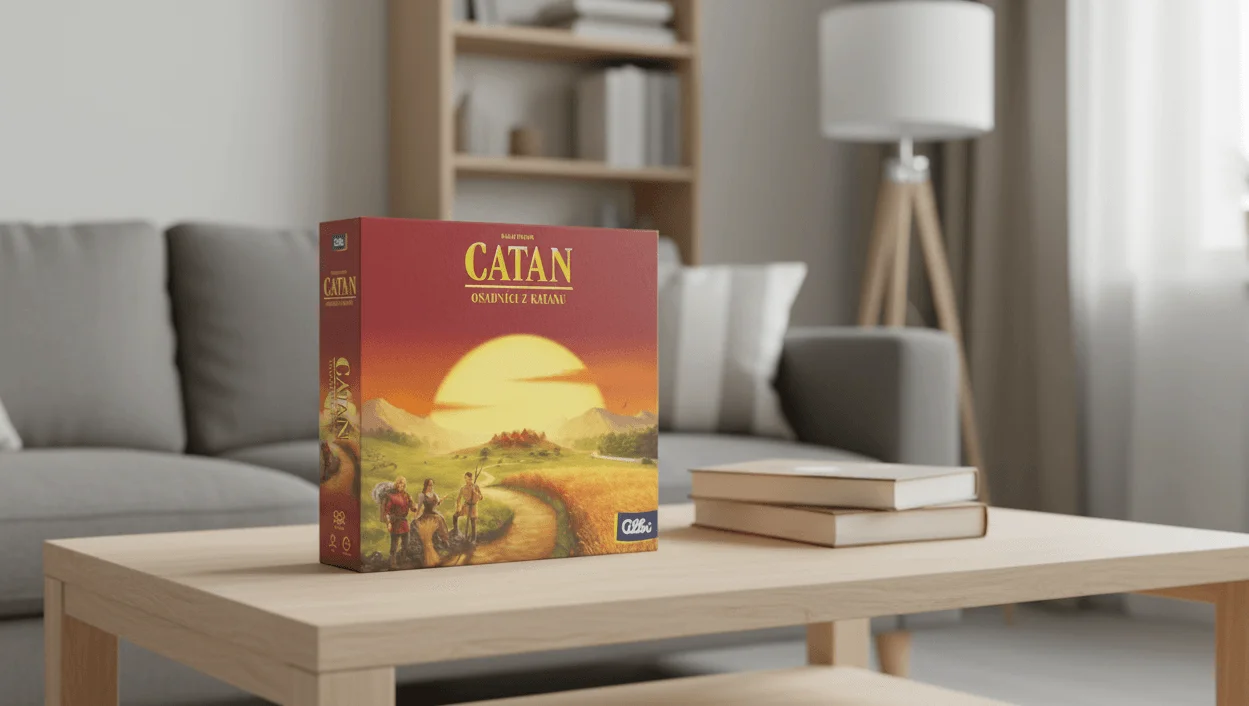
Step into a world where strategy meets fun, stories come to life on the tabletop, and time spent together takes on a whole new dimension.
Modern board games are booming and have become a phenomenon that brings generations together.
It’s no longer true that board games are just “Ludo” or Monopoly.
Today’s market offers an incredible range of games for every occasion—whether you’re after fun for a family game night, a strategic challenge for a group of friends, or a quick party game.
This guide walks you through everything you need to know to choose a game that suits you perfectly and will bring you enjoyment for years to come.
Did you know? The world’s most expensive board game, the Charles Hollander Royal Diamond chess set, sold for more than $2 million and is made of gold and diamonds.
Genres and Types of Board Games
Finding your way through the huge number of games can feel tricky at first. The key is to understand the main genres, each of which offers a different kind of experience.
Family Games
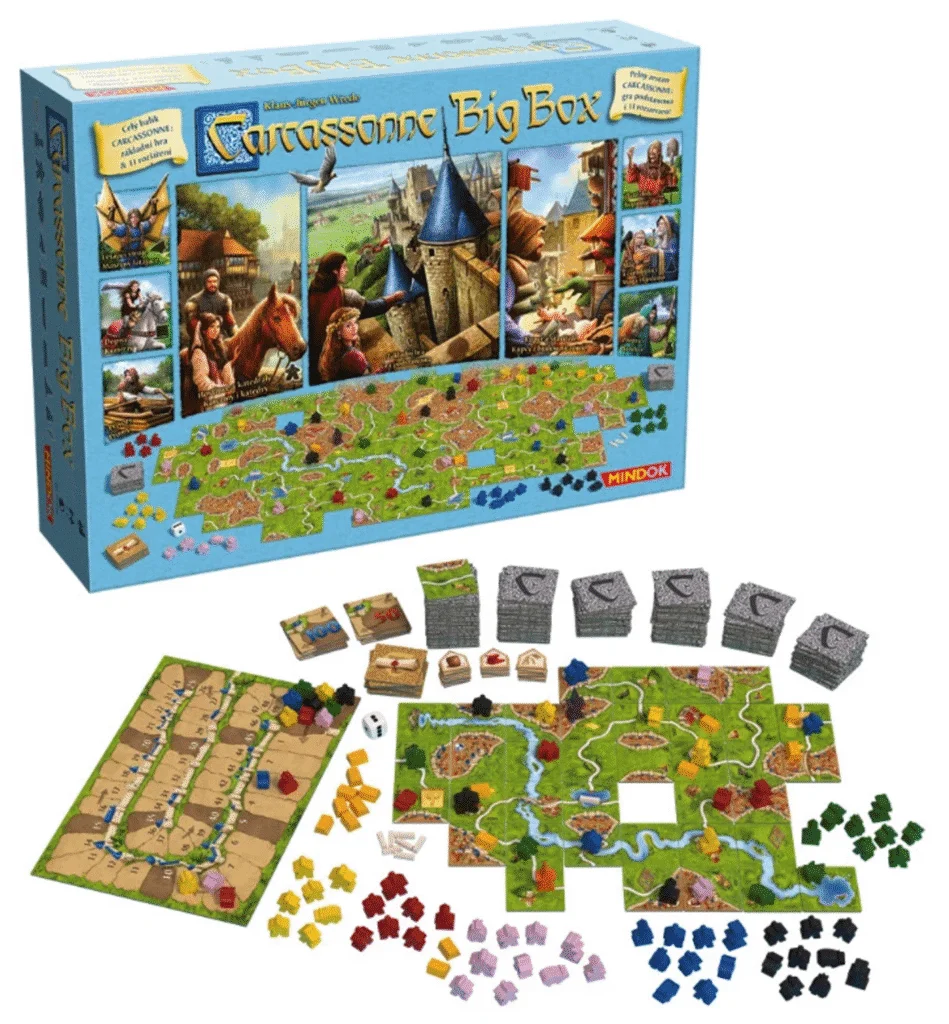
Family games are an ideal choice for playing with children, but they also work brilliantly as a gateway into the world of board games for complete beginners. They feature simple rules that are quick to explain, and a game usually lasts no more than 45 minutes. Their themes are designed to appeal across generations. The main strength of these games lies in their high accessibility and their ability to entertain a wide range of players. For more experienced gamers, however, they may lack strategic depth and rely more heavily on luck.
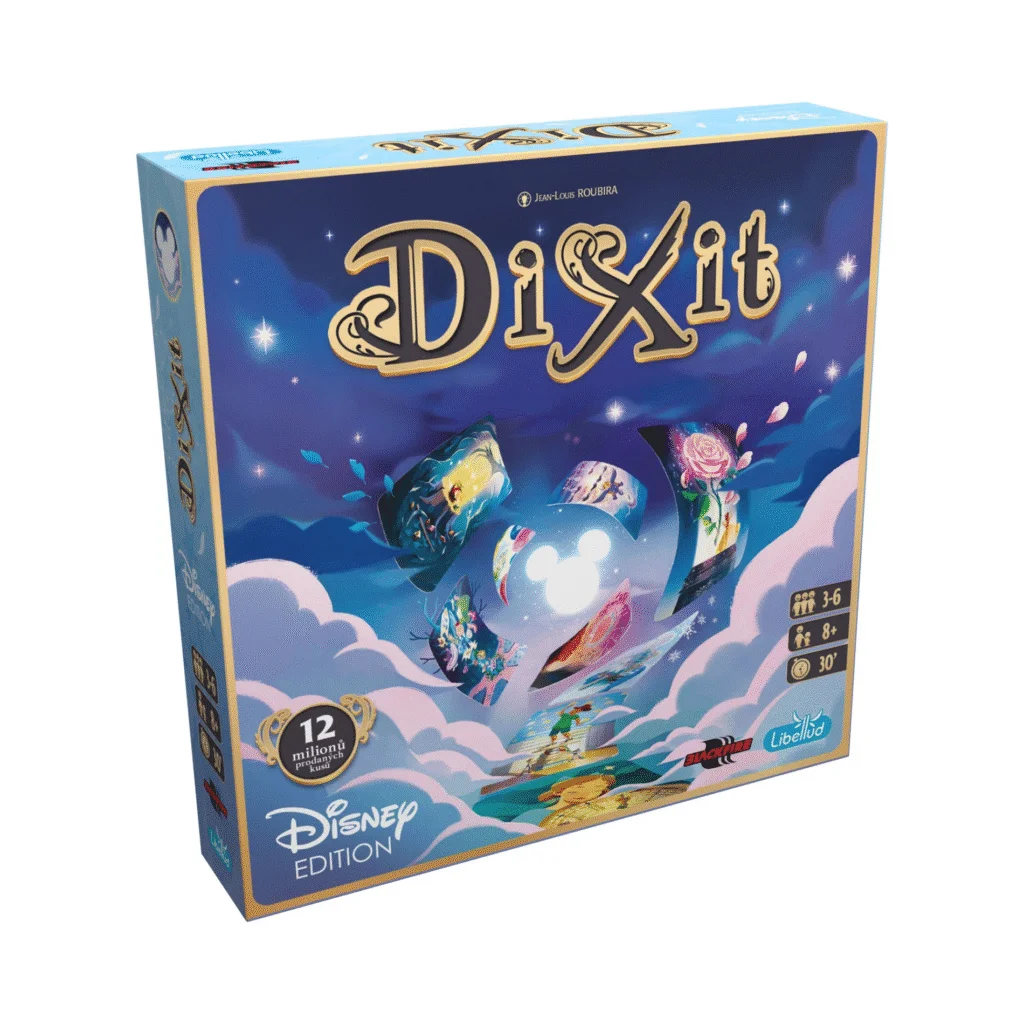
Examples: Tickets, please!, Carcassonne, Karak, Dixit.
Strategy Games (Eurogames)
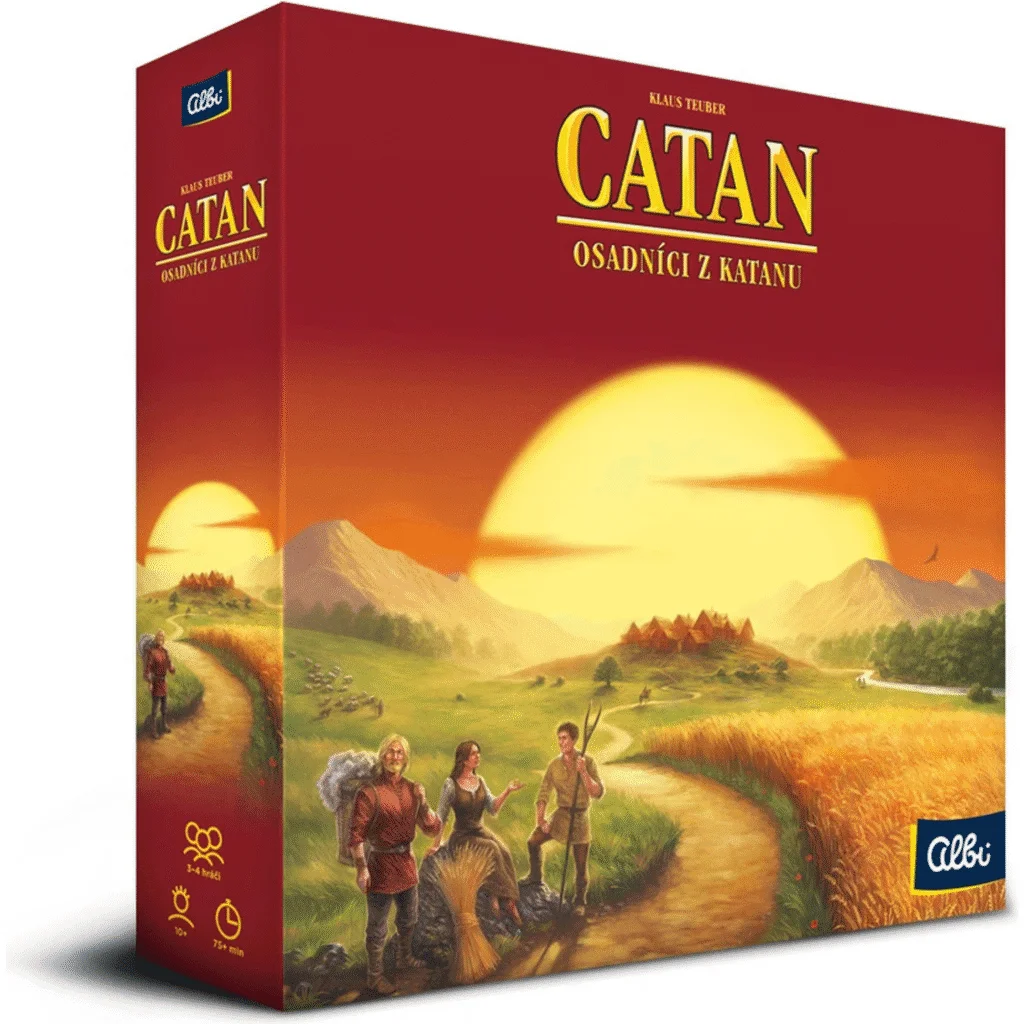
Strategy games, often referred to as Eurogames, are made for players who love planning, optimization, and thinking ahead. Unlike other genres, the focus is mainly on strategy and game mechanics rather than luck. The themes often revolve around economics or building, and player conflict tends to be indirect — you compete for resources and points, but there is no direct attacking. The reward for more demanding rules and potentially longer playtime is strong strategic depth and a real sense of control over the game.
Examples: Catan, Ark Nova, Brass: Birmingham, Lost Ruins of Arnak.
Thematic Games (Ameritrash)
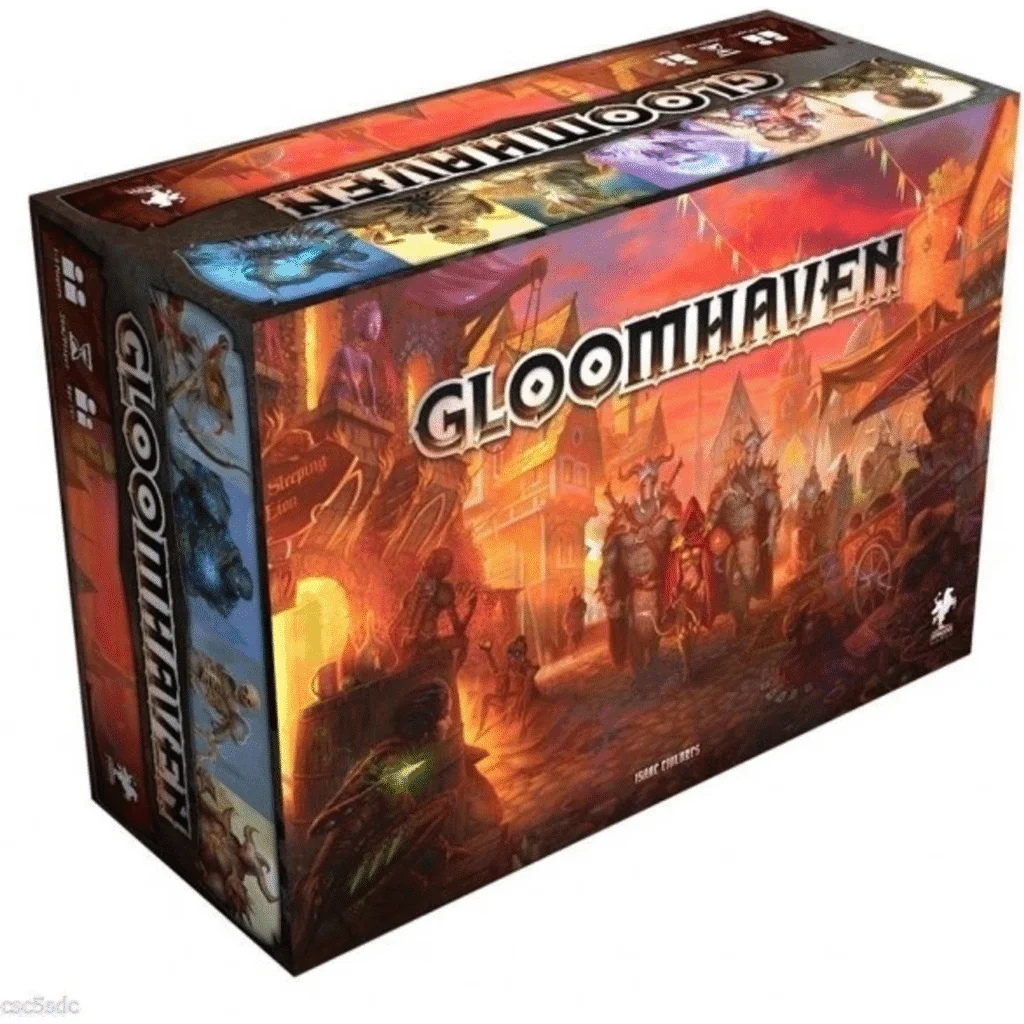
For players who are mainly looking for a strong story, rich atmosphere, and don’t mind direct conflict, thematic games are the way to go. Story and theme take center stage here, supported by detailed plastic miniatures, special dice, and illustration-filled cards that pull you right into the action. In these games, luck plays a major role, and clashes between players are a common part of the experience. That’s what makes them so epic and memorable, even if it comes at the cost of longer playtime, more complex rules, and a stronger element of chance.
Examples: Gloomhaven, Twilight Imperium, Arkham Horror, Nemesis.
Party Games
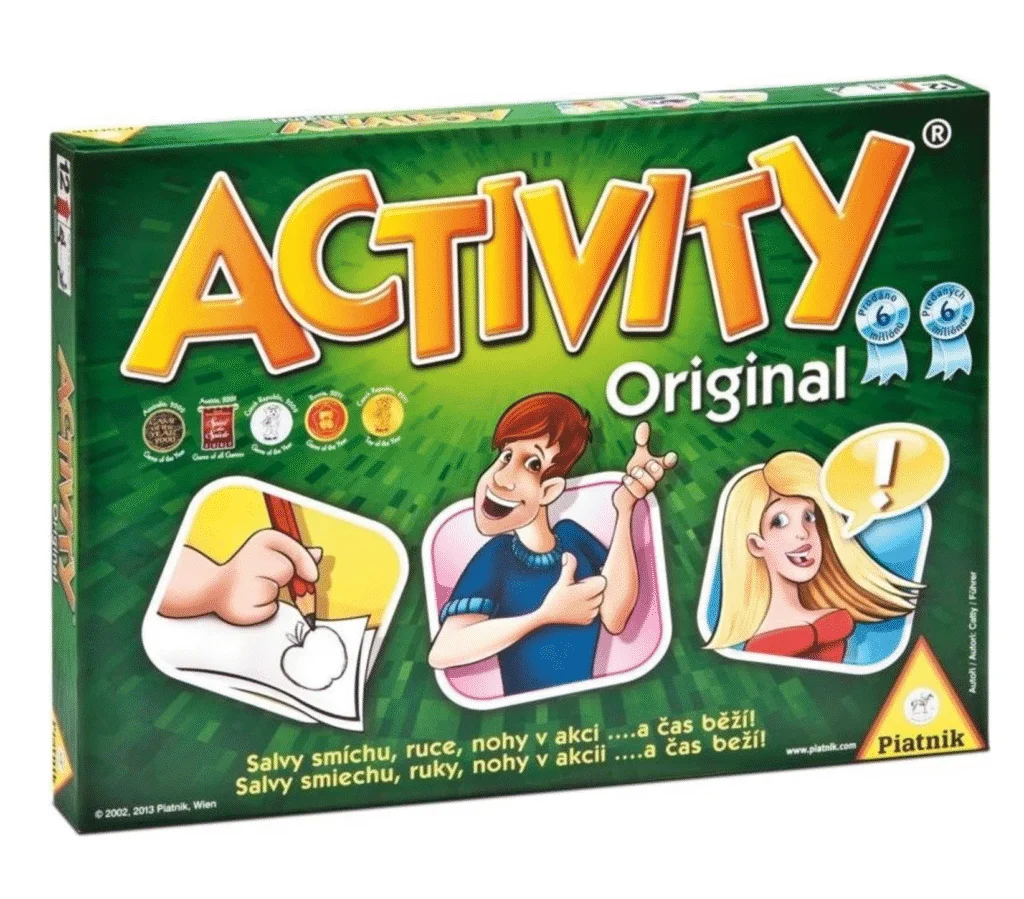
As the name suggests, party games are designed for larger groups at celebrations, parties, or get-togethers with friends. Their main goal is to entertain and get the fun going. They have very simple rules, a quick pace, and often revolve around communication, creativity, observation, or bluffing. They work brilliantly as an icebreaker and are guaranteed to get any event going. They may not be the best fit, however, for players who prefer deep strategic thinking.
Examples: Codenames, Activity, Exploding Kittens, Time's Up!.
Cooperative games
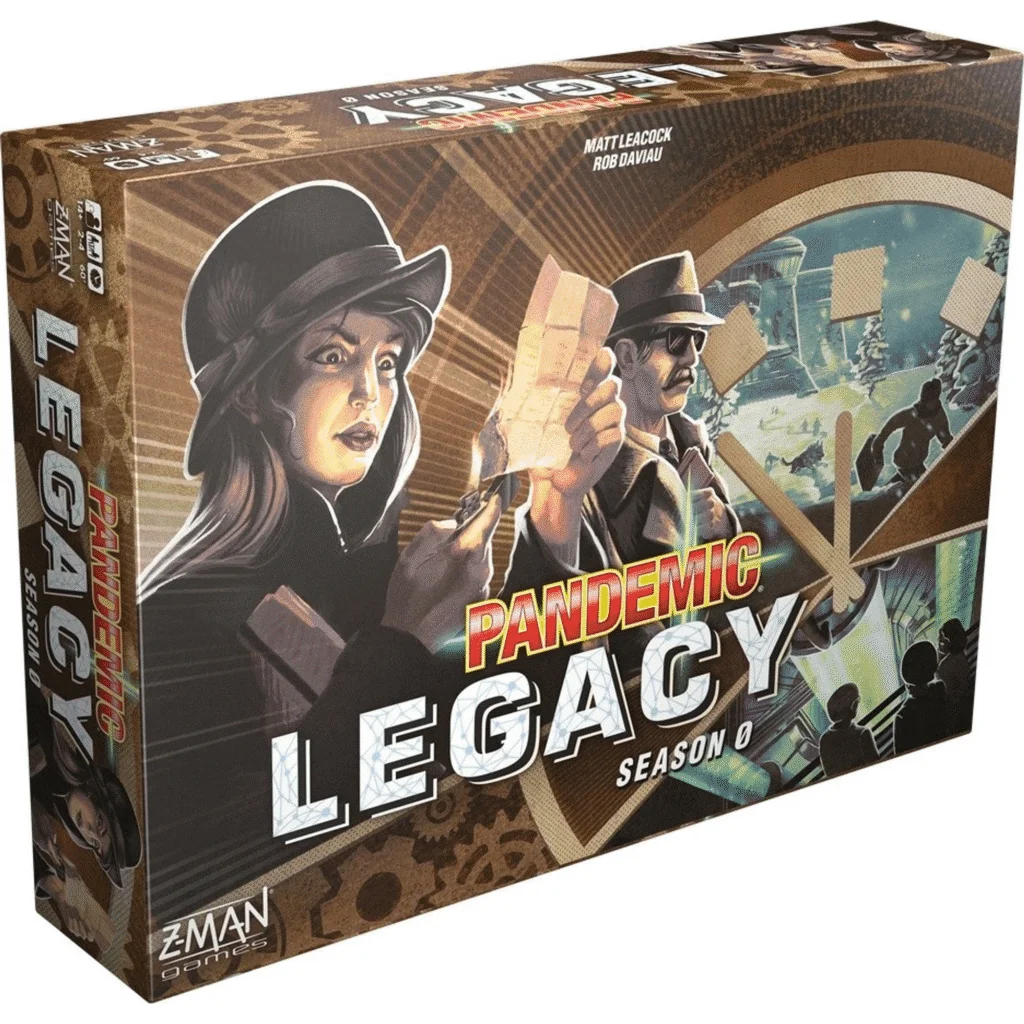
A unique category is cooperative games, in which all players work together against the game itself. They are ideal for groups that want to cooperate and win or lose as one team. The goal is to complete a specific task before the game’s losing condition is triggered. This approach builds team spirit and removes the frustration that can come from competing against each other. That said, it’s worth watching out for the alpha player syndrome, where one more experienced player starts telling everyone else what to do.
Examples: Pandemic, Spirit Island, Mysterious Chambers.
Games for Two Players
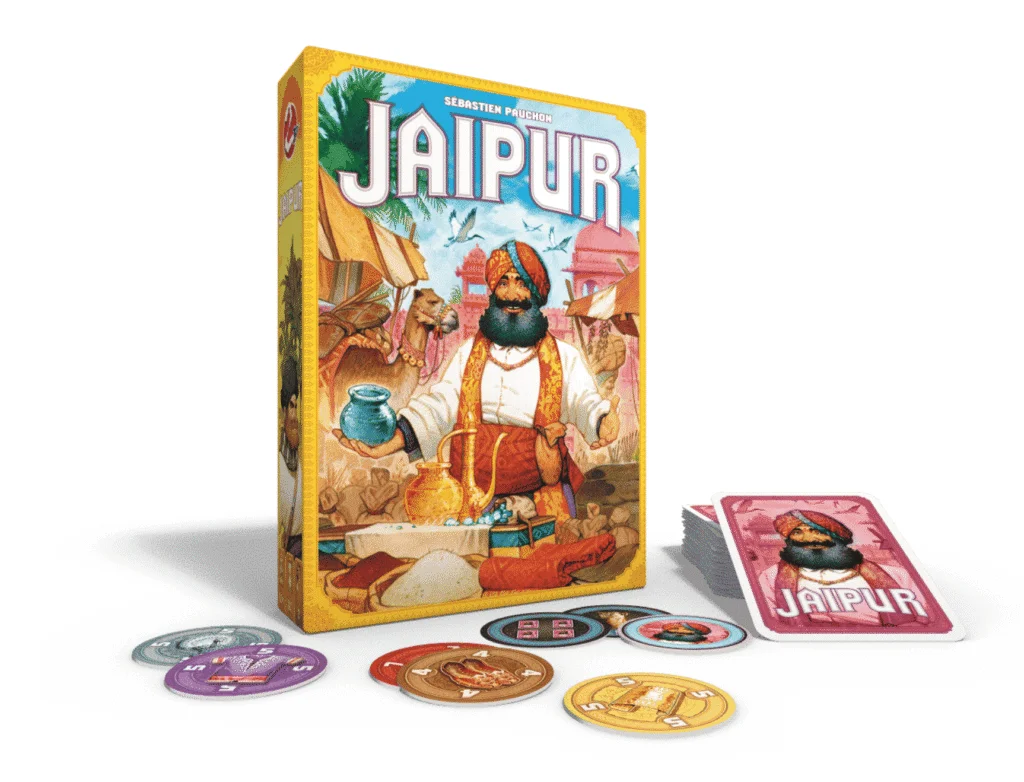
For couples, friends, or siblings who usually play as a pair, there’s a wide range of games designed specifically for two-player matchups. Unlike multiplayer games, which don’t always work at their best with just two players, these dedicated two-player titles offer a perfectly balanced experience that’s often fast-paced and highly tactical. Their obvious downside is that you can’t really bring them to the table with a larger group.
Examples: 7 Wonders Duel, Patchwork, Chess, Jaipur.
Abstract games
Abstract games fall completely outside the usual categories because they don’t have a specific theme or story. At their core are pure logic, strategy, and finely tuned gameplay mechanics with little to no randomness. They are especially appealing to fans of logical challenges and players who care less about narrative and more about the intellectual contest itself. While the lack of a theme may not appeal to everyone, these games have often stood the test of centuries and offer virtually endless replayability.
Examples: Chess, Go, Checkers, Azul.
Key parameters to consider when choosing
When choosing a game, it’s worth looking at a few practical details you’ll find on every box. They’ll help you rule out games that wouldn’t be a good fit for your group.
This detail is crucial. Most games are designed for a certain range of players, such as 2–4, but they often also have an ideal player count where they work best. A game made for 3–5 players may not be nearly as fun with just two. If you usually play as a pair, focus on games designed specifically for two players. For bigger groups, there are party games that can handle 8 or more people.
How long do you want to play? The range is huge—from five-minute “filler” games to epic titles that can take up an entire afternoon. To start with, or for playing with kids, games that last up to 60 minutes are ideal. More experienced players, on the other hand, often enjoy complex games that can run for several hours.
The information on the box (for example, 8+) is a good guide, but it’s not set in stone. It’s not just about how complex the rules are, but also the theme of the game (for example, horror games are not suitable for young children) and the skills it requires (reading, strategic thinking). For younger children, choose games that match their abilities.
How hard is the game to learn? Some games you can explain in three minutes, while others will have you studying the rules for an hour. For beginners, games with simple rules are the best fit. A great indicator of complexity is the community rating on BoardGameGeek.com (BGG), where players rate complexity on a scale of 1–5.
Is knowledge of a foreign language necessary for playing?
- Language-independent games: They don’t contain any text on the game components (cards, board). You only need to know the rules in Czech, and anyone can play the game.
- Language-dependent games: They include text on cards or other components that is important for gameplay. If the game has not been localized into Czech, you need to know that language.
How competitive do you want to be?
- Low interaction: Everyone is more or less doing their own thing, and players affect each other only minimally, for example by taking shared action spaces.
- High interaction: Players can get in each other’s way, attack one another, steal resources, and fight head-to-head for the win.
How long will the game keep you entertained? High replay value comes from variety. This is shaped, for example, by a modular game board that changes every session, a large number of cards and random events, or the presence of several different strategies that can lead to victory.
How to Choose a Game That Fits You
Now let’s put theory into practice. Here are specific tips for different situations.
A game for complete beginners
Focus on so-called gateway games. Look for simple rules, a shorter playtime (30–60 minutes), and an approachable theme. Family games, easy co-op games, or party games are ideal.
Recommended: Ticket to Ride, Carcassonne, Dixit.
A game for families with children
The key is the recommended age range and a theme that appeals to both kids and adults. The game should feel fair and shouldn’t punish mistakes too harshly. Games that involve building, exploring, or a sense of adventure work especially well.
Recommended: Karak, Dobble, Catan Junior.
Game for Two Players
If you mainly play as a couple, invest in games designed specifically for two players. These “duel” games are often more strategic and more exciting than multiplayer games played by just two people.
Recommended: 7 Wonders Duel, Patchwork, Schotten Totten.
Party game or game for a larger group
The ideal party game should be fast-paced, easy to explain, and playable with a larger group. It should spark laughter and interaction. Good choices include games built around words, guessing, creativity, or quick reflexes.
Recommendations: Codenames, Activity, Secret Hitler.
Game for experienced players
If your shelves are already full of games, you’re probably looking for a fresh challenge. Focus on complex strategy games (heavy euro) or epic thematic games. Look for deep gameplay mechanics, strong replay value, and a longer playtime.
Recommended: Brass: Birmingham, Gloomhaven, Dune: Imperium.
🧰 What to watch out for when buying
- Don’t buy based on looks alone: A nice-looking box doesn’t guarantee a great game.
- Ignoring the player count: Buying a game for 4 players when you usually play as a pair can easily lead to disappointment.
- Underestimating the complexity: Buying a complex game for beginners can put the whole group off.
- Watch reviews: Before you buy the game, check out video reviews (for example on YouTube) that show you what the gameplay is really like.
Core Game Mechanics (Explanation of Terms)
When reading reviews, you’ll come across a few specific terms. Here’s what the most common ones mean.
| Mechanika | Stručné vysvětlení |
|---|---|
| Worker Placement | Hráči postupně umisťují své figurky (pracovníky) na akční pole na herním plánu, aby získali suroviny nebo provedli specifické akce. Pole je často blokováno, jakmile ho někdo obsadí. |
| Deck Building | Každý hráč začíná s malým, slabým balíčkem karet. Během hry si z veřejné nabídky kupuje nové, silnější karty, kterými si postupně vylepšuje svůj balíček. |
| Draftování karet | Hráči dostanou do ruky určitý počet karet, jednu si vyberou a zbytek pošlou hráči po své levici. To se opakuje, dokud se všechny karty nerozeberou. |
| Set Collection | Cílem je sbírat sady stejných nebo různých typů karet, dílků či žetonů. Za kompletní sady hráči získávají vítězné body. |
| Area Control | Hráči se snaží získat a udržet kontrolu nad určitými oblastmi na herním plánu tím, že v nich mají převahu svých figurek nebo vlivu. |
Tips for a Better Gaming Experience:
- Learning the rules: Before the first game, read through the rules yourself and ideally watch a video tutorial.
- Explaining the game to others: Don’t read the rules word for word. Explain the main objective of the game first, then go through the individual actions and rules step by step.
- Atmosphere: Don’t underestimate the setting. Themed background music can make the gaming experience far more immersive.
What are expansions, and when should you get them?
Expansions are add-on packs that bring new elements to the base game, such as new characters, cards, rules, or game boards. It’s best to pick them up once you’ve played the base game enough to know it well and feel ready for fresh content and more variety.
Summary and a Final Tip
Choosing a board game may seem like a science, but in reality you only need to answer three basic questions: Who is the game for? Who will I be playing it with most often? And how much time do we have for it? If you answer them honestly, you’re well on your way to finding a gem that will enrich your time together. Remember, the best game isn’t the one with the highest rating or the prettiest miniatures, but the one that makes it to your table regularly and with genuine enthusiasm. Don’t be afraid to experiment, try new genres, and explore this fascinating world.
💬 Frequently Asked Questions (FAQ)
Where can I find Czech rules for a game that was purchased abroad?
Many Czech publishers and community websites offer Czech rulebooks as downloadable PDFs. A great resource is the Zatrolené hry portal, where the community translates and shares rulebooks for thousands of games. You can also often find them on BoardGameGeek.com in the "Files" section for the specific game.
What does the term "legacy game" mean, and who is it suitable for?
A legacy game is a unique type of game that changes permanently as you play. Players place stickers on the board, tear up cards, write on components, and unlock mysterious envelopes with new content. Every decision has a lasting impact on future sessions, and the game tells a complete story across a campaign of around 12–15 plays. It’s a great fit for a regular gaming group that can meet consistently and wants to experience a one-of-a-kind, cinematic adventure.
Kategorie: