The Complete Guide to Brandy: Cognac, Armagnac, and Buying Tips for Everyone
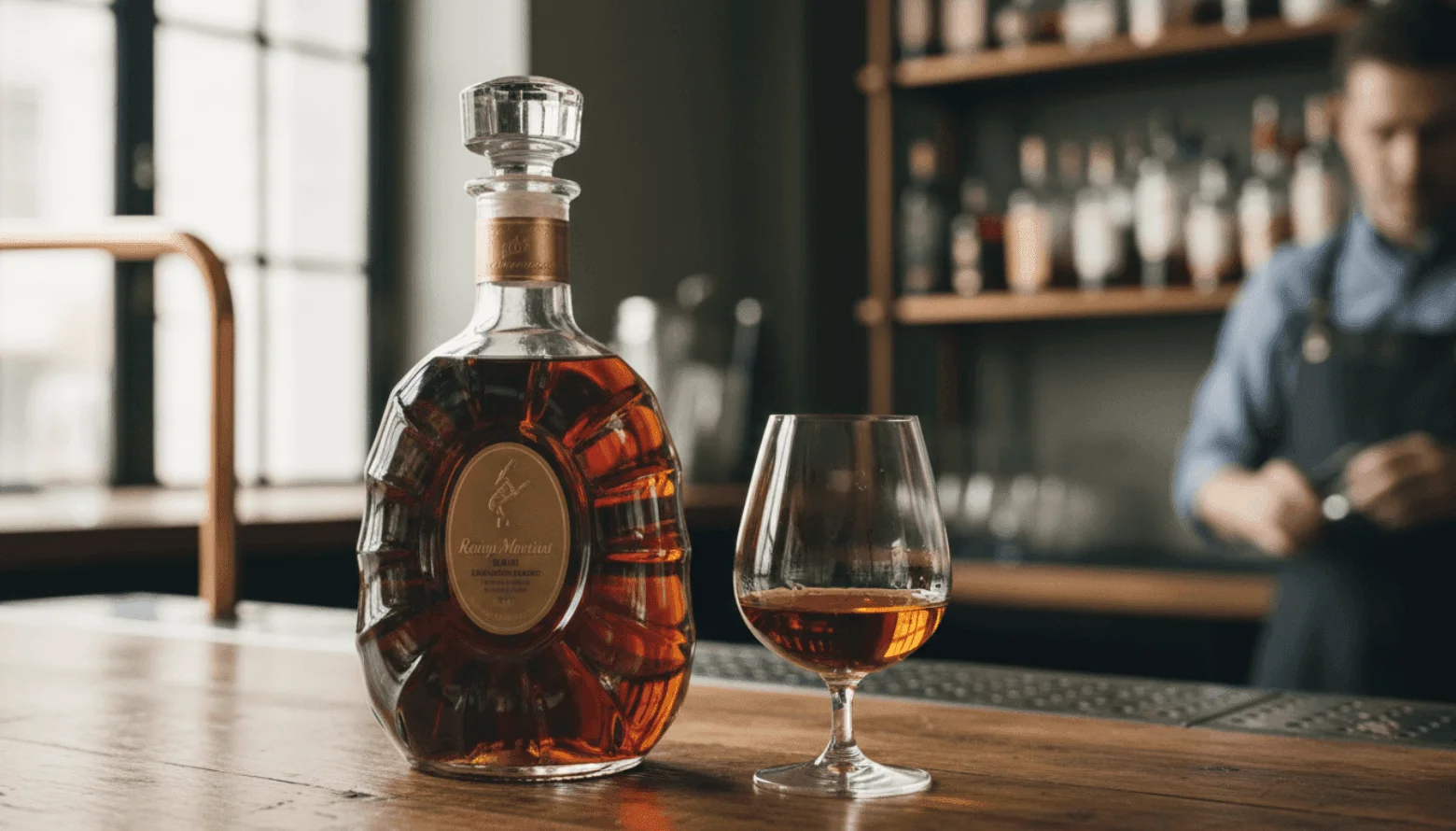
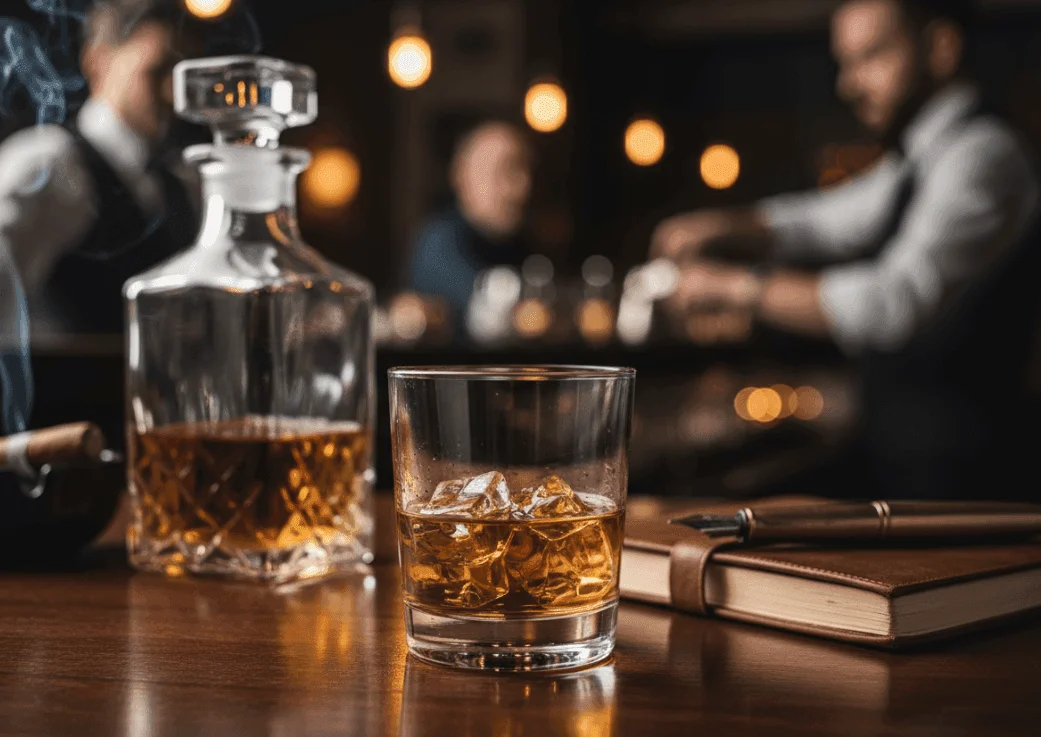
Brandy (short for the Dutch word brandewijn, meaning “burnt wine”) is a general term for a spirit made by distilling wine. It is a complex, elegant and often sophisticated drink, meant mainly for slow sipping, but it’s also an essential ingredient in many classic and modern cocktails such as the Sidecar or Brandy Alexander.
Brandy is essentially grape-based eau-de-vie, but its world is far more diverse than a single category. There is a wide range of key types and classifications closely tied to specific geographic regions and governed by strict rules. The most famous and respected include Cognac and Armagnac from France, which have become synonymous with luxury wine-based spirits.
Did you know: Every Cognac is a Brandy, but not every Brandy is a Cognac. Cognac is a protected designation of origin (AOC) that can only be used for wine distillate made under strict rules in the delimited Cognac region in western France. The same applies to Armagnac.
History and evolution: From wine to spirit
The roots of wine distillation go back to ancient times, but the modern form of brandy as we know it today began to take shape in the 16th and 17th centuries. Dutch merchants played a key role. They travelled to the French regions of Bordeaux and Charente (today’s Cognac) to buy wine, but discovered that it spoiled during long sea voyages. The solution was to distil the wine into a more concentrated and stable product – brandewijn. The original idea was to dilute the distillate with water at its destination, but over time it turned out that aging in oak barrels gave the drink unique and delicious qualities.
Major milestones came in the 19th century with the formalisation of production methods and the definition of protected zones, especially in the Cognac and Armagnac regions. These rules guaranteed quality and a distinctive character. The development of brandy was shaped by famous families and houses that still dominate the market today – for example Hennessy, Martell, Rémy Martin and Courvoisier, often collectively referred to as “The Big Four”.
Production and aging process (How Brandy is made)
Making brandy is a kind of alchemy that transforms simple, acidic white wine into a complex, rich spirit.
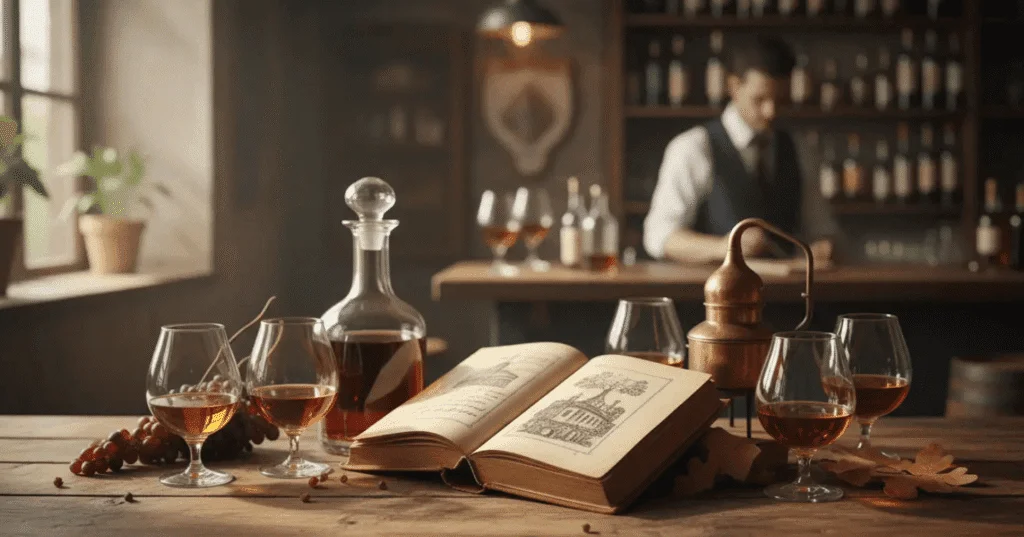
Wine distillation (Birth of Eau-de-vie)
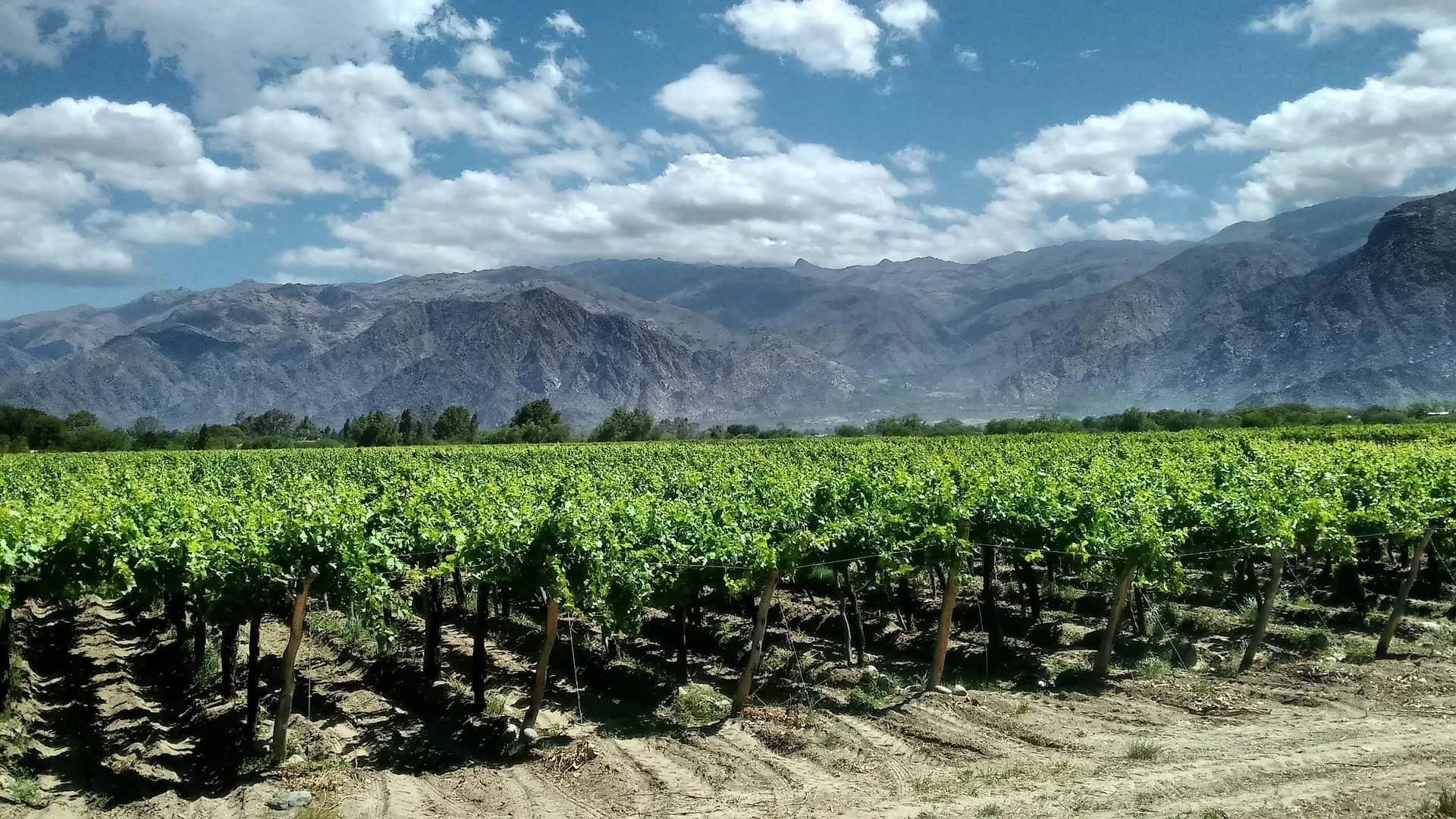
Everything starts with the distillation of wine (often from the Ugni Blanc grape), which produces a clear spirit known as eau-de-vie (“water of life”). The key difference between various types of brandy lies in the distillation method:
- Pot Still distillation: Used for Cognac and some premium Armagnacs. It takes place in copper pot stills and always involves double distillation (the Charentais method). This method is slower and more expensive, but the resulting spirit is gentler, less alcoholic at the start and has a more refined, fruitier and cleaner character.
- Column Still (continuous) distillation: Used for most Armagnac (single continuous distillation). This process runs non-stop and the resulting spirit retains more of the wine’s original aromatic compounds, which gives it a more rustic, earthy and complex flavour even at a younger age.
Aging in oak barrels
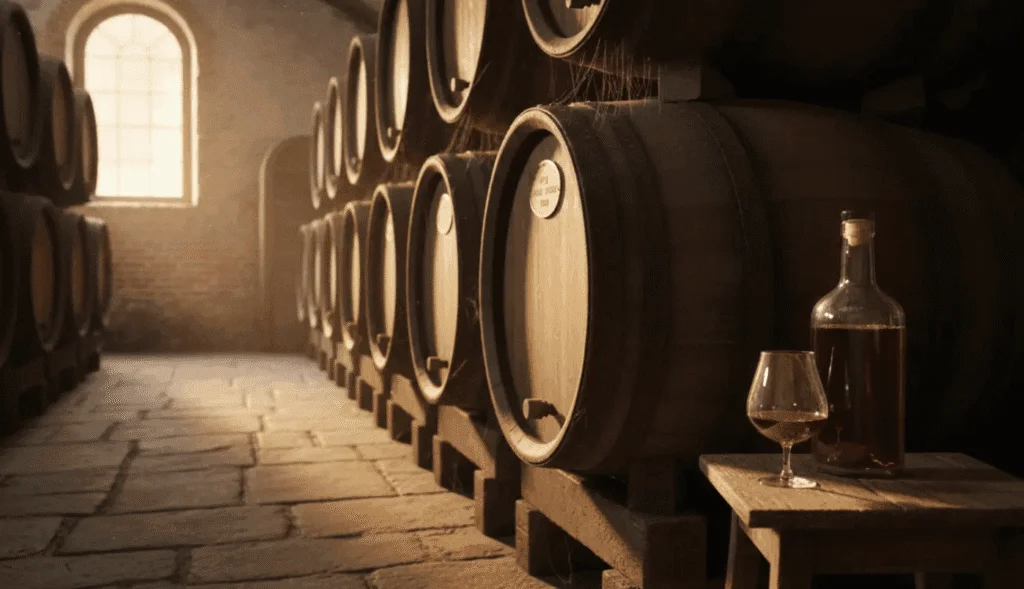
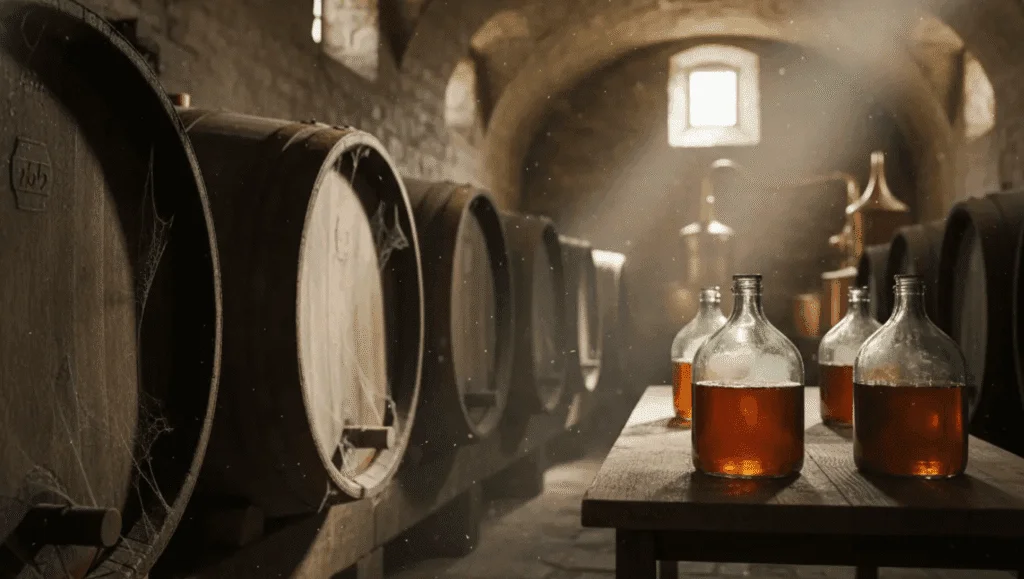
After distillation, the eau-de-vie is laid down in oak barrels for long-term aging, which is the key process that determines the final colour, taste and aroma.
Brandy is aged almost exclusively in French oak, often from the Limousin or Tronçais forests, which has ideal porosity for slow oxidation and the release of tannins and aromatic compounds. During aging, several things happen:
- Oxidation: Contact with oxygen through the pores of the barrel softens the spirit and creates new, complex flavours (vanilla, spice, nuts).
- Extraction: The spirit takes on colour (from pale gold to deep amber) and tannins from the oak.
- Angel’s Share: Each year, a portion of alcohol and water evaporates into the air (on average 2–3 % per year). This concentrates the alcohol and intensifies the flavour.
Types and styles of Brandy (Geographical classification)
Geographical origin is absolutely crucial for brandy, because it gives the drink a unique character protected by specific production rules (Appellation d'Origine Contrôlée – AOC).
Cognac
Cognac is the essence of elegance and refinement. It is produced in the Charente region of France, exclusively by double pot distillation. The process is strictly regulated, including grape growing (Ugni Blanc is dominant) and aging times. Cognac is known for its delicate, floral and fruity character with notes of vanilla and oak. It is ideal for those who want a smooth and approachable brandy.
Armagnac
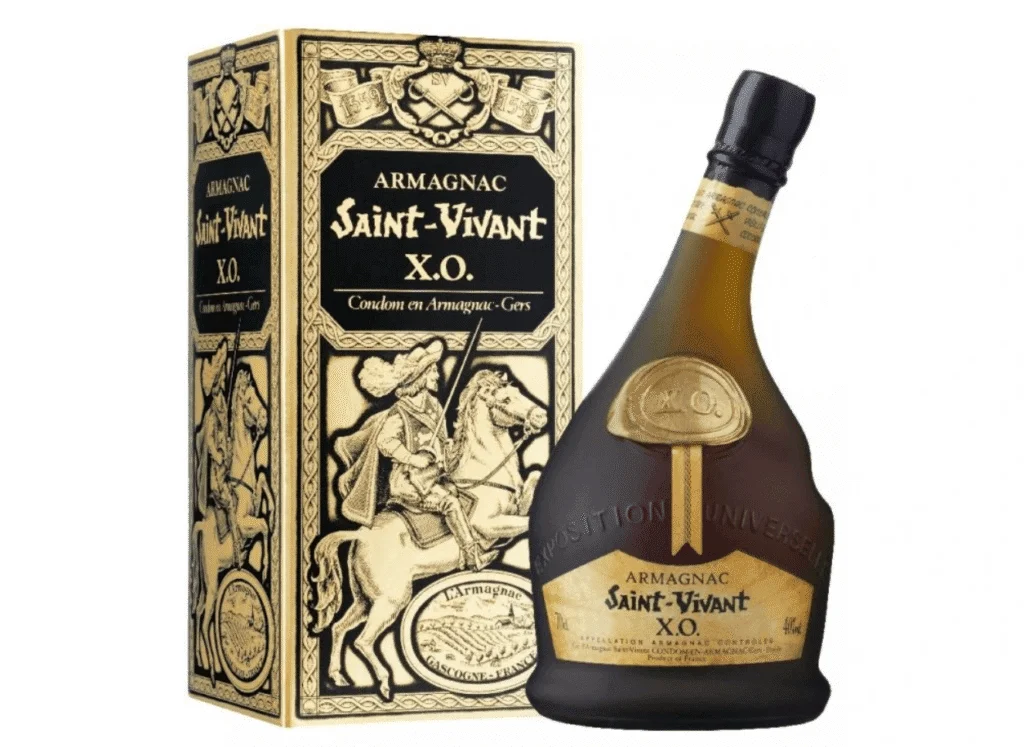
Armagnac is historically older but less well-known than Cognac. It is produced in the Gascony region in southern France, mainly by single continuous distillation. As a result, Armagnac is often more rustic and full-bodied, with a more earthy, spicy flavour and pronounced notes of dried fruit and plums. It suits drinkers who enjoy a bolder and more authentic character.
Brandy de Jerez
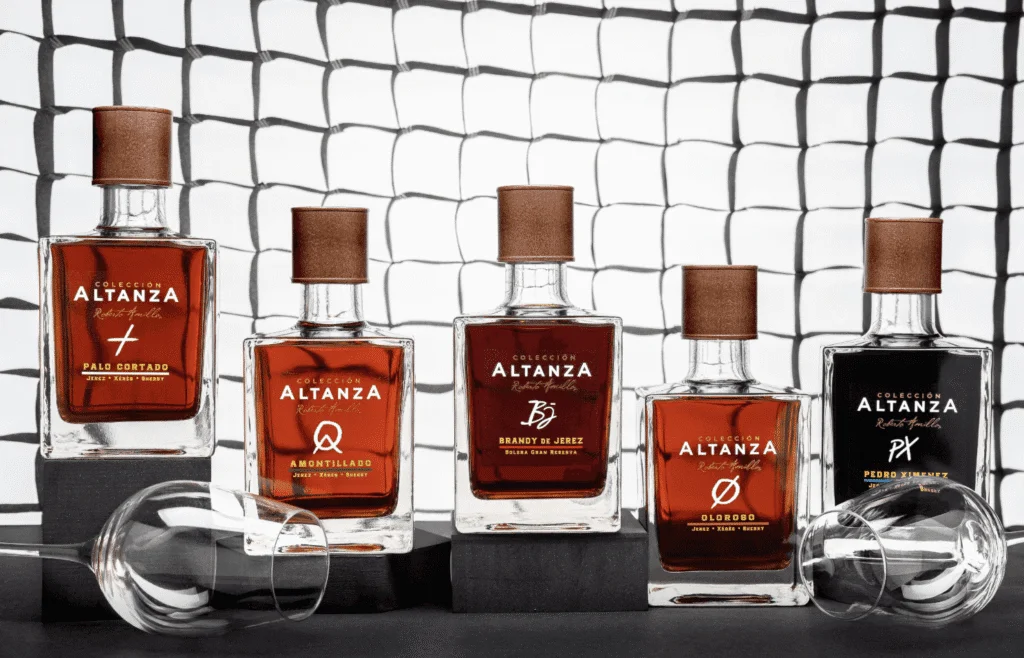
This Brandy comes from the Andalusia region of Spain, the same area where sherry is produced. Its uniqueness lies in the Solera system, where younger spirit is gradually blended with older spirit in a series of barrels, ensuring a consistent average age and character. Brandy de Jerez typically has a sweet-leaning, caramel and velvety profile.
Other world brandies
The world of brandy is broad. It includes, for example, Pisco from Chile and Peru, which is often an unaged (clear) brandy with intense fruity and floral notes. There is also Greek Metaxa, which is technically a brandy but is blended with Muscat wine and herbal extracts. You can also find quality brandies from the USA, Australia and South Africa.
Key parameters when choosing: Classification, aging and flavour
When buying brandy, the most important thing to look at is the classification, which tells you the minimum barrel-aging time of the spirit.
Age classifications (VS, VSOP, XO, XXO, Vintage)
These abbreviations are crucial for Cognac and help you judge quality and price. They indicate the minimum age of the youngest eau-de-vie in the blend:
| Abbreviation | Name | Minimum age of youngest component | Typical flavour (what to expect) |
|---|---|---|---|
| VS | Very Special | 2 years | Fruity, lively, ideal for cocktails. |
| VSOP | Very Superior Old Pale | 4 years | Balanced, light oak notes, smoother. |
| XO | Extra Old | 10 years (since 2018, previously 6 years) | Complex, ripe fruit, spicy, long finish. |
| XXO | Extra Extra Old | 14 years | Very rare, extremely complex, top tier quality. |
| Vintage | Millésime | Indicates year of distillation | Typical for Armagnac; not a blend. |
Type of cask and aging time
Aging time is critical, but the type of cask matters too. For Cognac and Armagnac, French oak is preferred, especially Limousin and Tronçais. These oaks release more tannins and aromatic compounds that give the spirit notes of vanilla, clove and liquorice. Longer cask aging leads to a deeper colour, softer taste and a higher price.
Flavour profile and aroma (Tasting notes)
Brandy offers a wide spectrum of flavours. Young brandies are fruity (grapes, citrus) and floral. With age, more spicy (cinnamon, clove) and woody (vanilla, toast) notes appear. In old XO or Vintage spirits, the key term is rancio – a distinctive and highly prized aroma that develops only after many years in cask. It is often described as a mix of walnuts, mushrooms, leather and aged cheese, and is a hallmark of top quality and complexity.
Alcohol content
The typical alcohol range for brandy starts at around 40 % ABV (Alcohol by Volume) and can be higher for some cask-strength releases.
Grape varieties
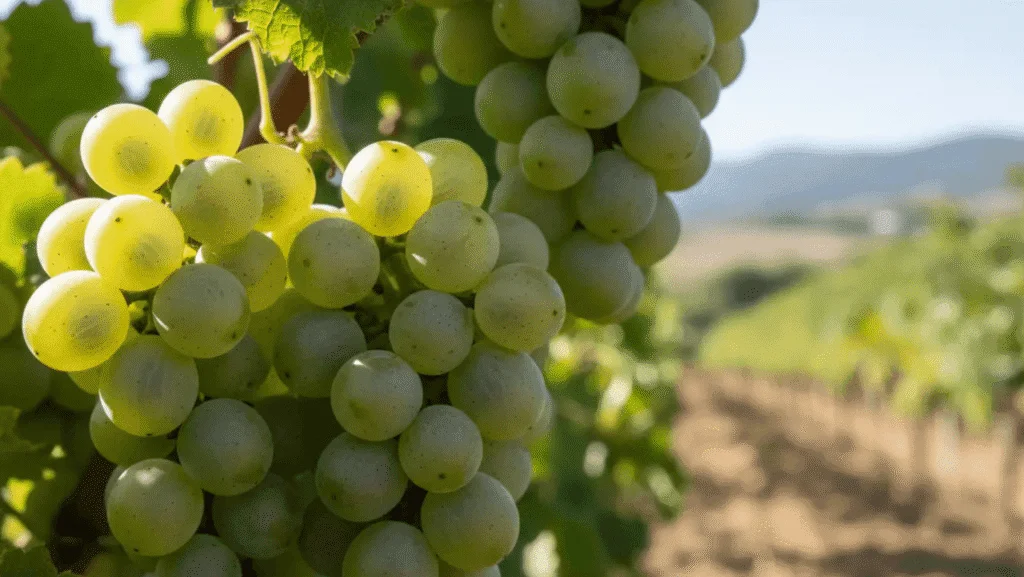
For French Brandy (Cognac, Armagnac), the dominant variety is Ugni Blanc (also known as Trebbiano). It produces wine with high acidity and low alcohol, which is ideal for distillation and long aging. It is often blended with varieties such as Colombard and Folle Blanche.
Choosing and recommendations: How to pick the right Brandy
The right brandy for you depends on your experience, budget and, most importantly, how you plan to use it.
Brandy for beginners and for cocktails
If you are just getting into brandy or you are looking for a quality base for cocktails (such as the Sidecar or Sazerac), reach for VS (Very Special) expressions. They are more affordable, with a lighter, fresher fruity character and mix very well.
Brandy for enthusiasts and as an investment
For slow sipping, where you can really enjoy the complexity and length of the finish, XO (Extra Old) or XXO are ideal choices. These older spirits are silky, with deep notes of dried fruit, spice and rancio. Rare bottles of Vintage Armagnac (with a specific distillation year) are excellent as an investment and as a memorable birthday gift.
When to choose Cognac and when Armagnac
Choose Cognac if you prefer refined smoothness, elegance and more delicate fruity notes. It is also a good option if you like to mix premium cocktails.
Choose Armagnac if you are looking for an intense, rustic and distinctive experience. Armagnac is perfect for those who enjoy pronounced notes of dried fruit, plums and earthiness.
What to watch out for
When buying, always check that it carries a protected designation of origin (AOC) – such as Cognac, Armagnac or Brandy de Jerez. Cheap brandies of unknown origin may lack depth and proper barrel aging. Avoid bottles that use confusing names imitating classic classifications but without any guarantee of quality or origin. It is better to pay a bit more for a VSOP from a recognised region than for a questionable XO from an “unprotected” area.
Serving, storage and shelf life
Proper serving and storage are essential if you want to get the most out of your bottle.
Right temperature and glassware
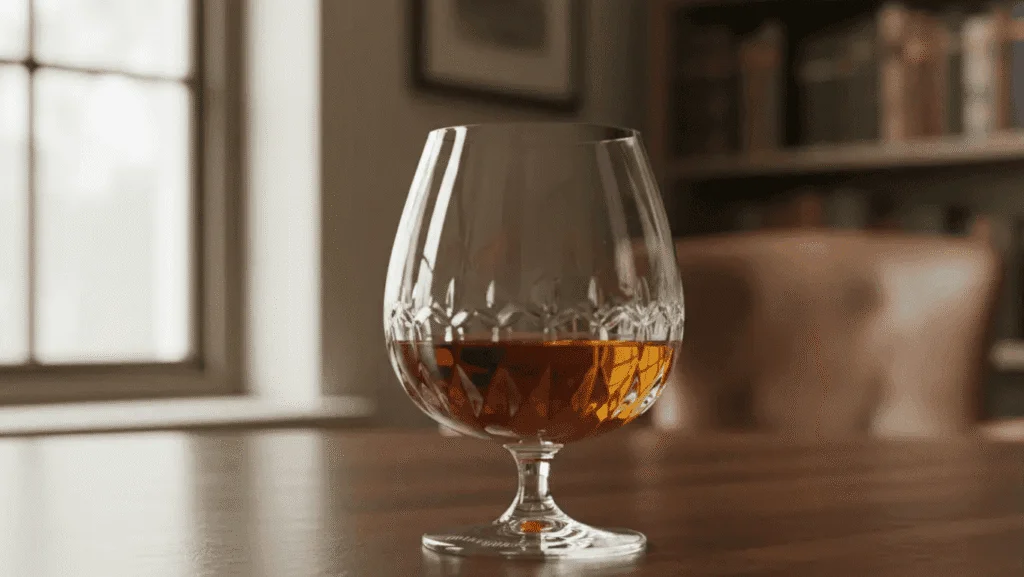
Brandy is best served at room temperature or slightly cool (not straight from the fridge, which mutes the aroma). Forget about warming the glass over a candle – too much heat releases harsh alcohol vapours and ruins the delicate bouquet.
- Tulip glass: This is the ideal choice. Its bowl narrows towards the rim, concentrating the aromas and allowing you to fully appreciate the flavour profile.
- Snifter (Balloon glass): The classic, balloon-shaped glass. It looks elegant, but the wide opening lets the aromas escape too quickly. Use it rather for younger and less complex bottles.
Pairing with food and cigars
Brandy, especially older expressions, is an excellent digestif. It pairs wonderfully with:
- Chocolate: Dark chocolate with at least 70 % cocoa.
- Cheese: Hard, aged cheeses, especially Parmesan or mature Cheddar.
- Coffee: An ideal way to round off a rich meal.
- Cigars: Older, robust brandies (XO, Armagnac) pair beautifully with full-bodied Cuban cigars (e.g. Cohiba, Partagás), where they balance each other’s intensity.
Storage rules and shelf life
An unopened bottle of brandy has a practically unlimited shelf life if stored correctly. Keep it upright (so the spirit does not damage the cork), in a cool, dark place (away from direct sunlight). An opened bottle will keep its peak quality for about 6 months; after roughly a year and a half, the aroma and flavour will gradually but noticeably fade due to oxidation.
Most famous brands and producers
A handful of key players dominate the brandy market and set the benchmark for quality and style.
Cognac – The Big Four and the premium segment
By far the best known are Hennessy, Martell, Rémy Martin and Courvoisier, which together account for roughly 80 % of total production. All of them offer a wide range from VS to XO and premium lines. There are also smaller, family-run houses (such as Frapin, Delamain) that focus on single-estate Cognacs.
Armagnac – Family houses and Vintage specialists
Armagnac is characterised by smaller, more traditional producers (for example Darroze, Samalens, Laballe). These houses often specialise in Vintage (Millésime) bottlings, which are an excellent choice for collectors and investors.
| Brand | Key characteristic |
|---|---|
| Hennessy | The largest producer in the world, innovative, strong global presence, focus on the luxury XO segment. |
| Rémy Martin | Specialist in Fine Champagne Cognac (blend of Grande and Petite Champagne), strong emphasis on Ugni Blanc. |
| Martell | The oldest of “The Big Four”, often uses oak from the Tronçais forest, known for a lighter and fruitier style. |
| Courvoisier | Famous for its history, often said to have been favoured by Napoleon, well-balanced with a floral character. |
| Darroze | In Armagnac, a specialist in Single-Vintage, small casks, no chill filtration, very intense character. |
Summary and final tip
Whether it is a delicate Cognac, a rustic Armagnac or an exotic Pisco, brandy is a drink with a rich history and almost endless depth of flavour. When choosing a bottle, focus on the age (VS, VSOP, XO), the region (Cognac for finesse, Armagnac for character) and a price level that matches the experience you expect.
If you are unsure, start with a proven VSOP from a well-known producer – it gives you an excellent balance of quality and price. Then work your way up to older vintages and explore the layers of rancio. The world of brandy is far too rich to stop at just one bottle. Enjoy the journey.
Frequently asked questions (FAQ)
What is the difference between Fine Champagne and Grande Champagne Cognac?
Grande Champagne refers to Cognac that comes exclusively from the most prestigious terroir in the Cognac region. The local chalky soil produces eau-de-vie with the greatest potential for long aging. Fine Champagne is a legal designation meaning it is a blend of Grande Champagne (at least 50 %) and Petite Champagne Cognac. Both types are considered very high quality, but Grande Champagne sits at the very top.
What does the term Millésime (Vintage) mean for Armagnac?
Millésime, or Vintage, is a very important designation for Armagnac. Unlike Cognac, which is always a blend of spirits from different years, a Vintage Armagnac comes from a single harvest and distillation year. It must not be blended with other vintages. These bottles are popular as birthday gifts (matching the year of birth) and offer a unique insight into the character of that particular year.
Why is Brandy more often sold in gift boxes and decanters compared to other spirits?
Brandy, especially Cognac and older Armagnac, has long been associated with luxury, prestige and celebration. Many years of aging make it a rare and expensive product. Producers therefore invest in premium gift packaging and crystal decanters to visually match the exclusivity and price of what is inside. This reinforces its image as an ideal gift and a symbol of status.
Kategorie: