Argentina: Wild Nature, Bold Flavors and the Rhythm of Tango
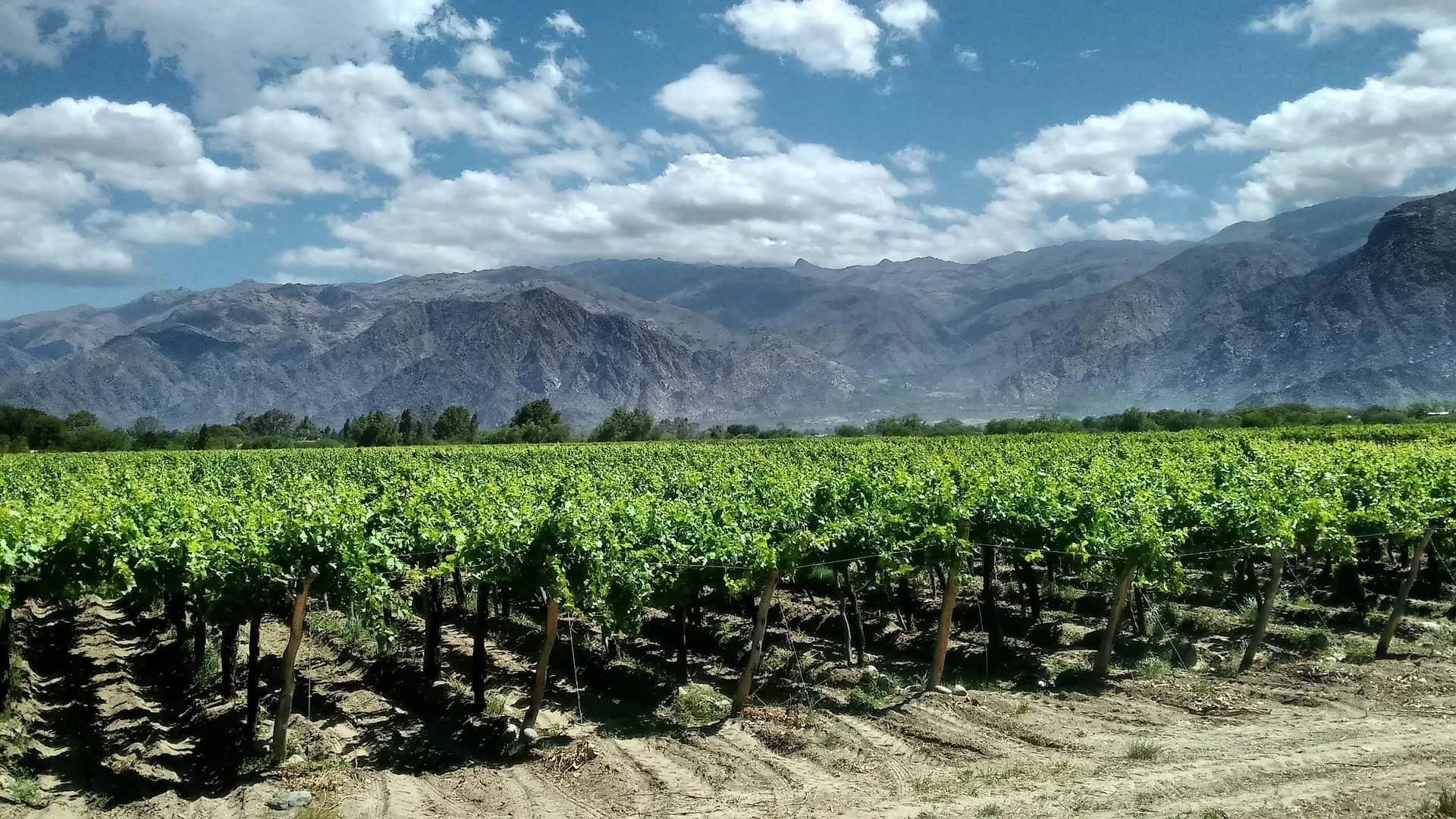
If you’re after the wildest landscapes in Argentina, head to El Chaltén. This small mountain town is famous for its proximity to two iconic peaks – Monte Fitz Roy (3,405 m) and Cerro Torre. The scenery is rugged, the valleys feel untouched, and the hikes between the mountains are unforgettable.
El Chaltén is, without exaggeration, one of the best trekking destinations in South America. The most famous routes are Laguna de los Tres (8–10 hours), Laguna Torre (6–7 hours) and the trek around Fitz Roy. The atmosphere of the town is shaped by budget hostels and cozy pubs where travelers from all over the world meet.
Ushuaia: The southernmost city in the world
Ushuaia is known as the southernmost city in the world. It is the gateway to Antarctica and the harsh southern polar region. This port city is an ideal starting point for boat trips through the Beagle Channel and across the Drake Passage. The landscape around Ushuaia is dotted with forests, lakes and glaciers.
Ushuaia serves as a base for those planning a cruise to Antarctica or wanting to see the southernmost reaches of the world. It is also home to one of the most famous national parks – Tierra del Fuego, where you can experience unspoiled nature that has remained here for hundreds of years.
Most famous landmarks and cities
Teatro Colón in Buenos Aires
Teatro Colón is one of the most beautiful opera houses in the world and is a major cultural symbol in Argentina. This stunning Neo-Renaissance building opened in 1908 and has hosted world-famous artists from Anna Pavlova to Luciano Pavarotti. The interior of Teatro Colón is designed with remarkable elegance – a marble staircase, gilded mirrors and exquisite architecture. It is also home to the Argentine National Ballet. Even if you do not have a ticket for a performance, you can still explore the building on a guided tour.
Casa Rosada and the main square
Casa Rosada (the Pink House) is the official residence of the Argentine president and one of the most iconic political buildings in South America. This pink palace stands on Plaza de Mayo, the historic heart of Buenos Aires, where all the key political moments in Argentine history have taken place. The square is surrounded by historic buildings, a cathedral, and it is the main gathering place for public demonstrations.
Basilica of Our Lady of Luján
Luján is the main pilgrimage site for Argentine Catholics, and hundreds of thousands of pilgrims come here throughout the year. The Basilica of Our Lady of Luján is a magnificent Neo-Gothic church with twin towers, whose construction took many years (starting in 1887). For many Argentines, this place is the spiritual heart of the country.
Natural wonders and national parks
Los Glaciares National Park
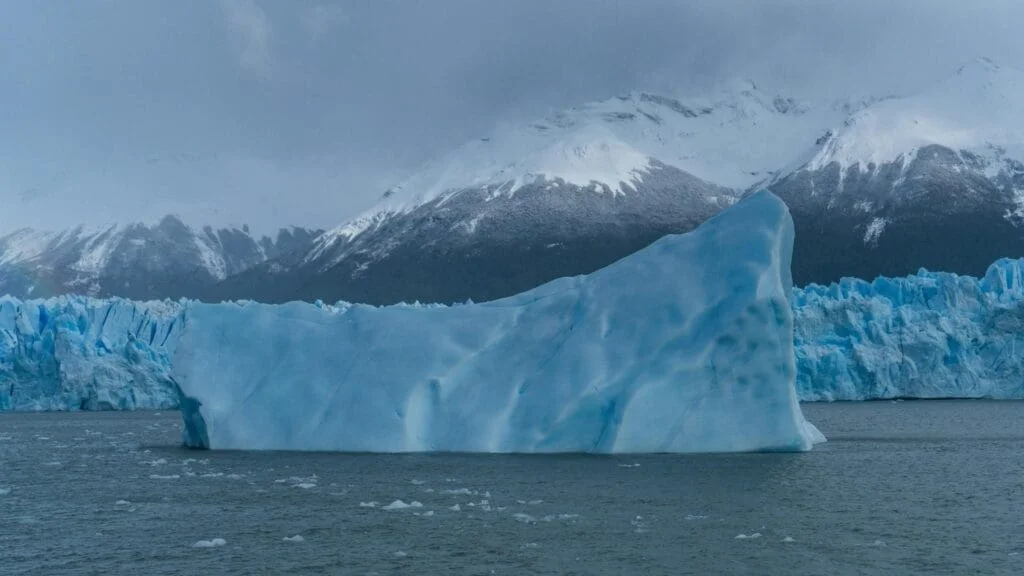
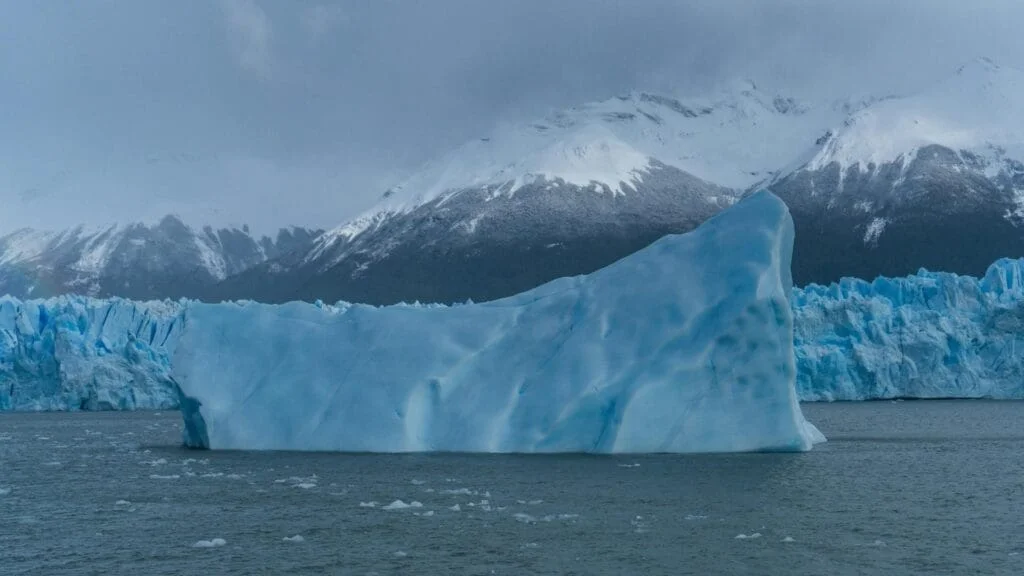
Los Glaciares stretches across southern Patagonia and protects the local glacial landscape. Its most famous attraction is the Perito Moreno Glacier, one of the few glaciers in the world that is still advancing rather than retreating. This glacier rises up to 60 meters high and towers over Lake Argentino. The glacier moves every day, and from time to time huge chunks of ice break off with a deafening roar and crash into the water.
In Los Glaciares you can also visit lakes such as Viedma and del Desierto, with the option of glacier trekking. Local wildlife includes pumas, guanaco llamas and various bird species, including condors.
Iguazú National Park
Iguazú was added to the UNESCO World Heritage List in 1984 and is considered one of the most important natural sites on the planet. The national park covers over 67,000 hectares and features more than 275 individual waterfalls. The most powerful of them is the Garganta del Diablo (Devil’s Throat), which plunges from a height of 82 meters.
The flora in Iguazú is incredibly dense and diverse. The fauna includes coatis, jaguars, capybaras, and especially caimans and anacondas.
Talampaya National Park
Talampaya protects the hot desert landscape in northwestern Argentina. This area is perfect for exploring prehistoric Argentina and its rich paleontological heritage. The landscape is dominated by massive red rock formations, often called the “Argentinian Grand Canyon”, along with Mesozoic-era geological formations.
Lake Nahuel Huapi
Lake Nahuel Huapi in Patagonia is one of the largest lakes in Argentina, known for its stunning deep-blue color. The lake is surrounded by mountains and forests, creating perfect scenery for camping, fishing and boating. The lake covers 557 square kilometers and reaches depths of up to 434 meters.
Most beautiful beaches
Mar del Plata
Mar del Plata is Argentina’s best-known beach resort. The beaches here are long and sandy, with pleasantly warm water in summer. The city is packed with hotels, bars and restaurants, and during the summer months it becomes a hotspot for the Argentine elite. The climate is warm and humid, ideal for swimming.
Pinamar
Pinamar is a quieter alternative to Mar del Plata. This spot is popular with local families and offers a more laid‑back experience. The beach is clean and sandy, with a natural maze of dunes and a pine forest in the background.
Miramar
Miramar is another beach town on the Atlantic coast, just a few dozen kilometers from Mar del Plata. This destination is known for its natural diversity and spa facilities.
Caleta Olivia
Caleta Olivia lies in Patagonia on the Atlantic shore and offers cooler water temperatures and raw, unspoiled scenery. It’s popular with travelers who are looking for less commercialized beaches and want to get a feel for traditional fishing life.
Activities and entertainment
Argentina offers a wide range of activities for every type of traveler. In Buenos Aires you can enjoy famous tango shows, dance with locals in traditional dance halls, and taste Argentine steak in top‑rated steakhouses. For sports fans, football is a must – visiting the Boca Juniors or River Plate stadium and seeing a local derby is an unforgettable experience.
Nature lovers can enjoy trekking in Patagonia, which ranks among the most beautiful in the world. You can choose from easy day hikes to multi‑week expeditions. Climbing peaks like Monte Fitz Roy and Cerro Torre offers serious technical challenges for experienced mountaineers. Water sports such as rafting, canoeing, and fishing are popular on the lakes and rivers of northern Argentina.
Paragliding is popular in the Andean valleys, especially around Salta and Córdoba. The slopes in Bariloche are the hub of winter sports, where you can learn to ski or snowboard. Cycling is a favorite activity and Argentina offers bike routes for every skill level. Photography is becoming increasingly popular – especially in Patagonia and around Iguazú, where photographers from all over the world come to shoot.
Gastronomy and culture
Typical food and drink
Argentine cuisine is one of the best‑known in South America. Steak, or “carne”, is the heart of Argentine cooking and Argentines are proud of the quality of their beef. Preparation is simple – a cut of meat is placed directly over hot coals or on the grill and seasoned with coarse salt. Just as important is “chimichurri”, an herb sauce with vinegar and olive oil that is served with every steak.
Other iconic Argentine dishes include empanadas – baked or fried pastry pockets filled with meat, cheese, or vegetables. Asado is the Argentine style of barbecue, where all kinds of meat are prepared – ribs, sausages, and offal. It’s a tradition Argentines keep at family gatherings and get-togethers with friends. Choripán is a simple sandwich with grilled sausage and chimichurri.
Milanesa is a thin slice of meat, coated in breadcrumbs and fried. Puchero is a hearty meat and vegetable stew, especially popular in the colder months.
We also can’t leave out Argentine sweets. Dulce de leche is a sweet caramel spread used in many desserts – from crepes to ice cream. Alfajores are sweet cookies filled with dulce de leche and often covered in chocolate. Medialunas are Argentine croissants typically served for breakfast.
Among Argentine drinks, you’ll find maté, a traditional herbal drink similar to tea, sipped from a hollowed-out gourd (calabash) through a metal straw (bombilla). It’s shared with friends and is an important part of Argentina’s social life. Wine (vino) is clearly a key part of Argentine culture. Mendoza and the surrounding regions produce wines of world-class quality. Beer (cerveza) is also very popular, and Argentina has its own breweries such as Quilmes.
Cultural customs and festivals
Argentina is a country that loves celebrations and traditions. Tango is its most famous cultural phenomenon and has a deep history. It emerged in the poor neighborhoods of Buenos Aires at the end of the 19th century and was closely linked to immigrants and the working class. Today, tango is listed as UNESCO Intangible Cultural Heritage and is a core part of Argentine identity.
Carnival is another major festival, especially in the northern parts of Argentina. In February and March, street parades with colorful costumes, music, and dancing take over cities, particularly in Salta and Jujuy.
Argentine football is not just a sport, it’s a religion. The Argentine football league has a long history, and the rivalry between Boca Juniors and River Plate is legendary. Weekend matches are events that can bring entire cities to a standstill.
Drinking maté is also a cultural ritual. In Argentina, maté is served in social settings – families and friends sit in a circle and share one gourd, passing it around in turn. It’s a custom that highlights solidarity and friendship.
Key practical information
Currency and payments
The official currency of Argentina is the Argentine peso (ARS). The exchange rate has been very unstable in recent years and changes frequently.
The best way to exchange money is at banks or exchange offices in larger cities. If you’re planning a trip around Argentina, it’s recommended to bring cash in US dollars, which you can easily exchange. Credit cards are accepted in cities and larger restaurants, but in the countryside and small villages, cash is essential.
Tipping in Argentina is usually around 10% in restaurants and bars. For taxi drivers, it’s enough to round the fare up. In hotels, tipping is voluntary, but it’s customary to leave something for the staff.
Entry requirements and visas
Czech citizens can enter Argentina without a visa and stay for up to 90 days. The only requirement is a valid passport that is valid for at least 6 months from the date of entry. Rules can change, so it’s a good idea to check the latest information on the website of the relevant embassy.
Safety and local customs
Safety in Argentina is generally good, but as in any large country, caution is advised. In Buenos Aires, it’s recommended to avoid some outlying neighborhoods after dark. Street theft is not uncommon, so it’s sensible to leave valuables in the hotel safe and carry only what you really need.
Argentinians are generally friendly and welcoming. It’s common to shake hands and greet people clearly. When you enter a shop or restaurant, it’s customary to say “Buenos días” (Good morning) or “Buenas tardes” (Good afternoon). Argentinians are proud of their culture and history, so if you show interest in their traditions, they’ll be happy to tell you more.
Healthcare and vaccinations
Healthcare in Argentina is of good quality, especially in Buenos Aires and larger cities. Hospitals are modern and doctors are well trained. For Czech travelers, no vaccinations are mandatory, but vaccination against hepatitis A and B and typhoid is recommended. Malaria occurs in some parts of northern Argentina, so it’s wise to consult your doctor before you go.
Travel insurance is absolutely essential and you should arrange it before departure. Medical care for foreigners is expensive and without insurance it could become a serious financial burden. You’ll find pharmacies in every town.
Fauna and flora
Argentina is home to unique wildlife. In Patagonia and the Andes you can find jaguars, pumas, guanaco llamas, rhea ostriches and various species of hares. Around the Iguazú Falls there are caimans, capybaras, jaguars, anacondas and hundreds of bird species.
The flora is just as diverse. The Andean region is home to high-altitude flowers. The Patagonian steppes are covered with wind-resistant grasses. The tropical rainforests of northern Argentina hide giant trees, fig trees and various palm species. The vineyards in Mendoza are the heartland of the Malbec grape, which produces world-famous wines.
Basic phrasebook
| Czech phrase | Translation |
|---|---|
| Hello / Good day | Buenos días / Buenas tardes / Buenas noches |
| Thank you | Gracias / Muchas gracias |
| Please | Por favor |
| Excuse me / I’m sorry | Disculpe / Lo siento |
| How much is it? | ¿Cuánto cuesta? |
| Where is the toilet? | ¿Dónde está el baño? |
| I speak only a little Spanish | Hablo un poco de español |
| What’s your name? | ¿Cómo te llamás? / ¿Cuál es tu nombre? |
| Beer, please | Una cerveza, por favor |
| Steak, please | Un bife, por favor |
| I’m from the Czech Republic | Soy de la República Checa |
| I don’t speak Spanish | No hablo español |
| Help! | ¡Ayuda! |
| Cheers! (when toasting) | ¡Salud! |
Transport and logistics
How to get to Argentina
The main international airport in Argentina is Ministro Pistarini International Airport (EZE), located about 23 km southwest of Buenos Aires. The airport is modern and well connected to the rest of the world. Flights from Prague to Buenos Aires always include at least one layover, usually in Paris, Madrid, or Amsterdam. The total travel time is usually 15–18 hours, depending on the connections.
Return flights to Buenos Aires typically cost between $880 and $1,540, depending on the season and the airline. The cheapest tickets are usually outside the main tourist season.
From the airport to downtown Buenos Aires you can take a taxi, a shuttle bus, or book a private transfer. Many hotels also offer their own pick-up service.
Getting around the country
There are several ways to travel around Argentina. Buses are the cheapest and most common option for long-distance travel. The bus network covers the whole country and the coaches are modern and comfortable. Sleeper buses (sleeper/cama) are popular for overnight routes, for example from Buenos Aires to Patagonia.
Trains in Argentina are not as widespread as in Europe, but there are a few important routes, such as between Buenos Aires and the cities of Córdoba or Mar del Plata.
Car rental is available in Buenos Aires and most major cities. Prices usually range from $40 to $60 per day. Roads in Argentina are generally in good condition, but you need to be extra careful in the mountains and in rural areas. Driving is on the right-hand side.
Flying is the best option for very long distances, especially if you are travelling from Buenos Aires down south to Patagonia. Domestic flights are relatively affordable, but it’s wise to book them in advance.
In Buenos Aires there is a metro system (Subte), which is the fastest way to get around the city. It’s clean, safe, and inexpensive.
Prices and budget
Argentina can be a fairly affordable destination, but prices vary a lot depending on the region and your travel style.
Budget traveler: 30–50 USD per day
In this range, you’ll stay in hostels with shared dorms, eat in cheap diners or at street food stalls, and get around mainly by bus. Hostel accommodation usually costs 10–20 USD per night, street food is about 3–7 USD per meal, and bus tickets are relatively cheap. You’ll enjoy a basic travel experience without much comfort, but you’ll keep your costs low.
Mid-range (comfortable): 60–120 USD per day
In this category, you’ll book a private room in a small hotel or guesthouse, eat in good restaurants, and use domestic flights for longer distances. Accommodation costs around 30–60 USD per night, and a meal in a good restaurant is about 15–25 USD per person. This is the most common budget range for most travelers.
Luxury budget: 150+ USD per day
Here you choose top hotels, dine in the most famous restaurants, hire private guides, and fly in first or business class. Hotels cost around 100–300 USD per night, meals in the best restaurants are about 40–60 USD per person, and overall you won’t be missing anything in terms of comfort and service.
Argentina is more affordable for travelers than Western Europe. Your main expenses will be the flight ticket and possibly car rental. Food and accommodation are generally very reasonably priced.
How to plan the perfect trip
Choosing the right region for your travel style
For a first-time visitor, it’s a good idea to spend the first 3–4 days in Buenos Aires, then visit Iguazú (2–3 days), and finish in Patagonia (for example El Calafate, 3–4 days). This is a solid sample itinerary that covers cultural, natural, and urban highlights.
For families with children, Buenos Aires is a great base with lots of parks and activities. The beaches in Mar del Plata are also ideal. Iguazú makes for a fantastic family trip, but it does require a bit of physical fitness. Long bus journeys can be tiring for younger kids.
For solo travelers, Argentina is an excellent choice. Hostels in Buenos Aires and other cities are full of travelers from all over the world, so it’s easy to meet people. Argentina is relatively safe and the infrastructure works well for independent travel. Hiking around El Chaltén or Bariloche is often the highlight of the trip for many solo travelers.
Planning mistakes
One of the biggest mistakes is underestimating distances. Argentina is huge and getting from place to place takes time. If you want to really enjoy your trip, you need to allow enough time – at least 2–3 weeks. A month is ideal.
Another common mistake is not booking things in advance. In peak season (December–February and July–August), flights and hotels are expensive and often sold out. It’s important to book them at least a few weeks ahead.
Many travelers also underestimate altitude sickness. When you head into the Andes, it’s important to acclimatize slowly and give your body time to adjust to the higher elevation.
Sample itineraries
- Day 1: Arrival in Buenos Aires. Stay in Palermo and stroll around the neighborhood.
- Day 2–3: Buenos Aires. Teatro Colón, Casa Rosada, La Boca, Recoleta and an evening tango show.
- Day 4: Flight to Iguazú. Visit the Brazilian side of the falls.
- Day 5: Argentine side of Iguazú. Devil’s Throat and a boat trip under the waterfalls.
- Day 6–7: Flight back to Buenos Aires. Relax, last-minute shopping and departure.
- Day 1–2: Arrival in Buenos Aires. Basic orientation and rest after the flight.
- Day 3: Flight to Bariloche. Walk along Lake Nahuel Huapi.
- Day 4–5: Bariloche. Hiking, a boat trip or skiing in winter.
- Day 6: Bus or flight to El Calafate.
- Day 7–8: El Calafate. Visit the Perito Moreno Glacier and, if you like, a glacier trek.
- Day 9–10: Back to Buenos Aires. Last day in the city and departure.
- Day 1–2: Arrival in Buenos Aires and city sightseeing.
- Day 3: Flight to Salta. Tour of the colonial city center.
- Day 4–5: Salta. Trip to the Cafayate Valley with wine tasting, or head north to the Hill of Fourteen Colors.
- Day 6–7: Transfer to Jujuy Province. Explore the historic Quebrada de Humahuaca valley.
- Day 8: Flight to Mendoza.
- Day 9–10: Mendoza. Visit wineries, taste Malbec and relax.
- Day 11–12: Trip to the Andean foothills or transfer to Córdoba.
- Day 13–14: Explore Córdoba, return to Buenos Aires and fly home.
Summary and final tip
Argentina is a country of endless options and unforgettable experiences. From the vibrant culture of Buenos Aires and the natural wonders of Iguazú and Patagonia to the traditions of the northwest – Argentina has something for everyone. Whether you’re after adrenaline, peace and quiet, culture or nature, Argentina delivers.
The main highlights of Argentina are undeniable – tango, Argentine steak, stunning landscapes and warm-hearted people. But the real magic lies in how all these elements come together to create a truly unique experience. It’s not just about ticking off places on a map, but about immersing yourself in the Argentine spirit.
When you’re making your final decision about the trip, ask yourself one key question: what draws you more – cities, nature, or a mix of both? Use your answer to choose the right itinerary. No matter which regions you go for, stay open to unexpected encounters, local traditions and the opportunities that pop up along the way. Argentina isn’t a destination you just pass through – it’s a place that changes you.
When you think of South America, you probably picture tango, endless plains, wine, and passion. Argentina is exactly that – a country of passion, beauty, and endless opportunities for travelers. It’s not just about sightseeing; it’s about diving deep into one of the most dynamic cultures in the world.
The most famous icons include Buenos Aires with its electrifying nightlife, incredible wineries, the majestic Iguazú Falls, Argentine steak, often considered the best on the continent, and Patagonia with its glaciers. But Argentina is much more than that – it’s a blend of several worlds in one place.
Did you know that Argentina has more than 2,300 wineries and is the second-largest wine producer in the world? From the lowland pampas and the Andes to the Atlantic resorts, every region offers something new and exciting.
Historical roots of Argentina
Argentina has gone through an exceptionally rich history that has shaped its character today. Before Europeans arrived, indigenous tribes lived here – the Mapuche, Diaguita, and Querandí were the dominant groups, adapting to very different climates, from mountain valleys to the Patagonian steppe. In 1536, the first European settler, Pedro de Mendoza, arrived, but he was killed in battle with local tribes. It was not until 1580 that Buenos Aires was truly founded by Juan de Garay. In the centuries that followed, Argentina developed as part of the Spanish colonial empire, focusing mainly on cattle breeding and silver mining.
Independence came in 1810 during the so-called May Revolution, when Buenos Aires declared autonomy from Spain. Full independence was achieved in 1816. The following decades were marked by civil conflicts between federalists and unitarians, but over time Argentina stabilized and became one of the richest countries in the world. Under General Juan Manuel de Rosas and later President Domingo Faustino Sarmiento, Argentina industrialized and attracted tens of thousands of European immigrants, especially from Italy and Spain. This migration fundamentally shaped Argentine culture – Italian, English, French, and German influences are all reflected in modern society.
The twentieth century brought a turbulent era, especially military coups and dictatorships. The Falklands War in 1982 was a traumatic experience for the Argentine nation, but it also became a catalyst for the return to democracy. Today, Argentina is a stable democracy with a strong cultural identity, proudly carrying the legacy of gauchos, tango, and football.
Location, geography, and climate
Location and geographical features
Argentina stretches across the second-largest part of the South American continent, covering roughly 2.78 million square kilometers. Geographically, it lies between 22° and 56° south latitude and 53° and 73° west longitude. The Atlantic Ocean forms its eastern border, while to the west rise the majestic Andes Mountains, which create a natural border with Chile. In the north, Argentina borders Bolivia and Paraguay, and in the northeast it meets Brazil and Uruguay.
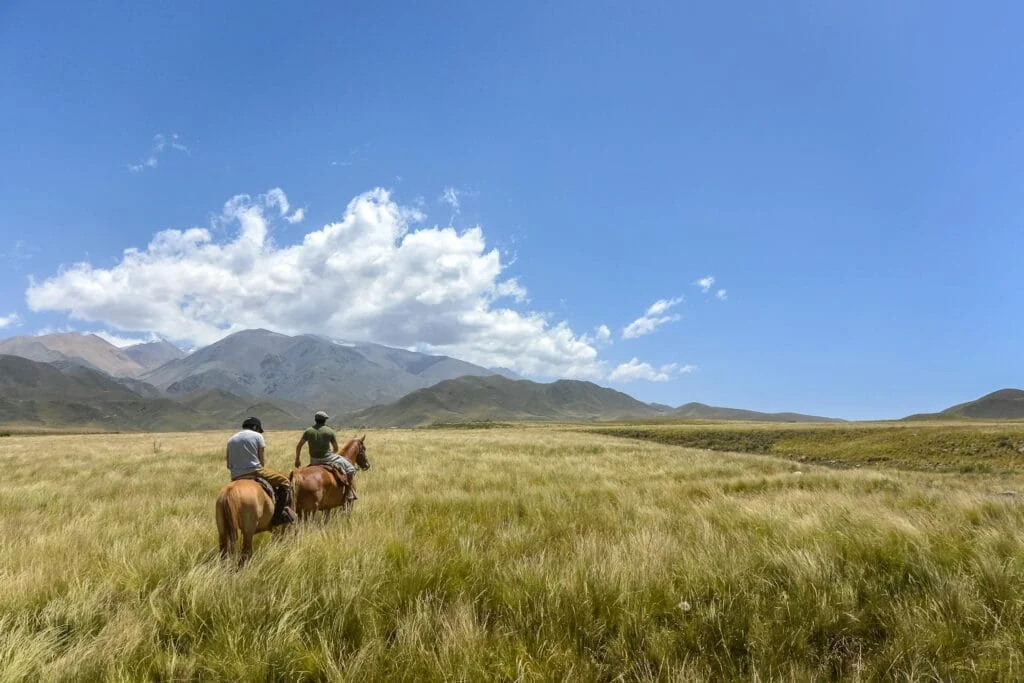
Geographically, Argentina can be divided into several main regions. The northwest is defined by the high Andes with many mountain valleys that are ideal for agritourism. The northeast, with the provinces of Misiones and Entre Ríos, is centered around river systems and stunning waterfalls. The central region is home to the famous pampas – vast plains perfect for cattle ranching and agriculture. Patagonia dominates the south with its glaciers, lakes, and wild, rugged landscapes. Near the ocean, you’ll find pleasant seaside resorts and well-known beaches.
Climate and weather for travelers
Argentina’s climate is remarkably diverse. While the northern parts of the country have a subtropical to tropical climate with high humidity, southern Patagonia experiences subarctic conditions with windy days and lower temperatures. Central Argentina, including Buenos Aires, has a humid subtropical climate, which means hot summers and mild winters.
The best time to visit depends on which region you choose. In general, the Argentine spring (September to November) and autumn (March to May) are ideal – temperatures are mild, there is plenty of sunshine, and the weather is fairly stable. Summer (December to February) in Buenos Aires and the northern parts of the country is very hot and humid, which is not great for demanding outdoor activities, but it’s perfect for beach trips. Patagonia is best visited in the summer months (from December to February), when temperatures are most stable and visibility in the national parks is at its best.
| Month | Average temperature | Weather type | Best for |
|---|---|---|---|
| January to March | 20–28 °C | Warm, humid | Beaches, Patagonia (summer) |
| April to May | 15–22 °C | Mild, stable | Travel in general |
| June to August | 8–16 °C | Cool, especially in the south | Skiing, winter activities |
| September to November | 15–25 °C | Warm, nature in bloom | Travel in general |
| November to December | 22–28 °C | Hot | Beaches, Iguazú |
Regions and their unique charm
Buenos Aires: The Paris of Latin America
Buenos Aires, often called the “Paris of South America”, is the heart of Argentina and the main gateway to the entire subcontinent. This layered, port-linked city has long been the center of Argentine culture, politics, and industry. But Buenos Aires is not just about politics – it’s a city of art, food, and nightlife.
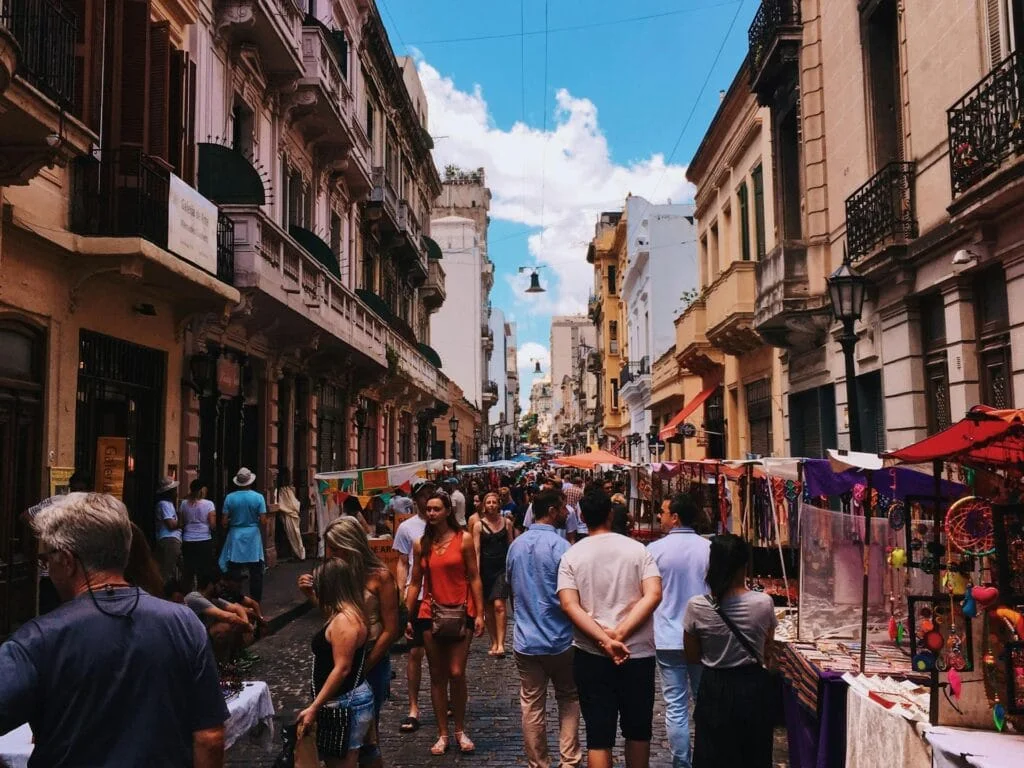
The best-known neighborhood is La Boca, famous for its iconic colorful houses and as the birthplace of tango. Puerto Madero is a modern district built in the former docks, packed with contemporary buildings and restaurants. San Telmo is a bohemian area full of antique shops, galleries, and a lively street scene. Recoleta is an elegant, bourgeois neighborhood with old palaces, museums, and a famous cemetery where many key historical figures are buried. In Palermo you’ll find some of the city’s best bars, cafés, and restaurants that rank among the world’s top spots.
People come to Buenos Aires for one simple reason – where else in South America can you find this kind of mix of European sophistication, Latin American passion, and modern energy? The average visitor spends 3–5 days here, which is enough time to see the main historic sights, try an Argentine steak, enjoy a tango show, and walk through the most famous neighborhoods.
Salta and the Andean Northwest
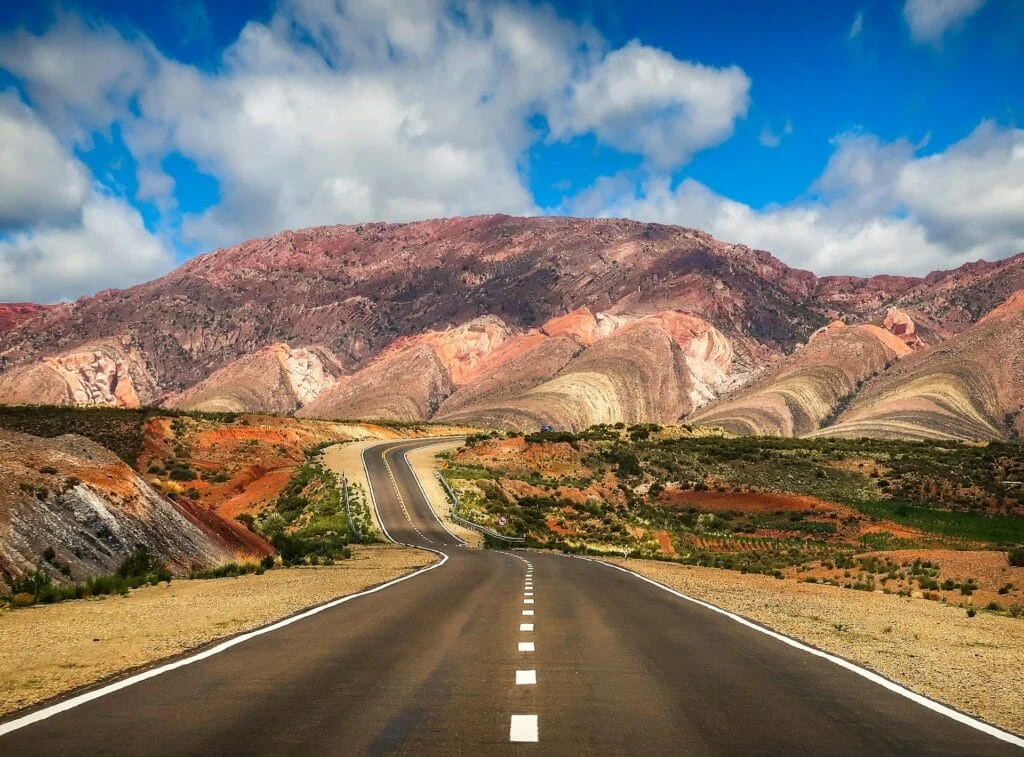
Salta lies deep in the Andean valleys in the northwest and reflects traditional, old-world Argentina rather than modern urban life. The city is considered a cultural treasure of the country – this is where original traditions, music, and customs shaped by strong Indigenous roots have been preserved. From here you can head out on trips to the Cafayate valley with its vineyards, mountain villages where time seems to have stopped, or to Serranía de Hornocal, home to one of the most stunning natural sights – the “Hill of Fourteen Colors” with its multicolored geological layers.
Salta is ideal for travelers looking for authenticity and natural wonders. Locals are warm and welcoming, the food scene is built on traditional recipes, and the markets buzz with life.
Mendoza and its vineyards
When people talk about Argentine wine, they usually mean Mendoza. This province at the foot of the Andes is the home of the famous Malbec, along with many other grape varieties. The landscape around Mendoza is dry and mountainous, crisscrossed with long rows of vineyards.
Visiting Mendoza is not just about wine tasting – it’s about diving into the world of agriculture that drives the entire regional economy. Here you’ll visit family-run vineyards (the so‑called bodegas), which preserve local traditions and produce wines that can easily compete on the world stage. The best-known areas around Mendoza are Valle de Uco and Maipú. The average stay is 3–4 days, during which you can visit the key wineries, taste a wide range of wines, and take in the beautiful scenery.
Iguazú Falls: A natural wonder
Niagara Falls has to share its fame with Iguazú. Iguazú is one of the largest waterfall systems in the world, stretching along the border between Argentina and Brazil. The Argentine side gives you a more up-close, intimate experience, while the Brazilian side offers sweeping panoramic views. Ideally, you should visit both sides.
Near Iguazú you’ll find a national park that protects a vast area of tropical forest rich in wildlife – coatis, caimans, capybaras, and jaguars. Most travelers stay around Iguazú for 2–3 days, which is enough time to see the falls from different angles and head out on a jungle safari.
Córdoba and central Argentina
Córdoba is the second-largest city in Argentina and an important industrial and educational hub. The University of Córdoba, founded in 1613, is one of the oldest on the continent and remains a center of intellectual life to this day. The city’s architecture blends colonial and modern styles, and the atmosphere is more relaxed than in Buenos Aires, yet there’s still plenty going on culturally.
Close to Córdoba lies the beautiful Sierras mountain range with lakes and protected natural areas – Lake San Roque and its surroundings are ideal for camping, fishing, and trekking. This region is popular with travelers who want to escape the city without having to go all the way to the southern tip of Patagonia.
Bariloche and the Patagonian lakes
Bariloche stretches along the shore of Lake Nahuel Huapi in the heart of Argentine Patagonia. The town has a distinctly European feel (you’ll see plenty of Swiss-style chalets and chocolate shops) and is heavily focused on winter sports and summer outdoor activities. The surrounding Nahuel Huapi National Park is a paradise for hikers, climbers, and nature lovers. The lakes here are clear and beautiful, and forests frame the entire landscape.
In winter (June–August), Bariloche turns into a major ski resort with modern lifts and solid infrastructure. In summer it’s all about trekking, camping, and water sports.
El Chaltén and the Patagonian mountains
If you’re after the wildest landscapes in Argentina, head to El Chaltén. This small mountain town is famous for its proximity to two iconic peaks – Monte Fitz Roy (3,405 m) and Cerro Torre. The scenery is rugged, the valleys feel untouched, and the hikes between the mountains are unforgettable.
El Chaltén is, without exaggeration, one of the best trekking destinations in South America. The most famous routes are Laguna de los Tres (8–10 hours), Laguna Torre (6–7 hours) and the trek around Fitz Roy. The atmosphere of the town is shaped by budget hostels and cozy pubs where travelers from all over the world meet.
Ushuaia: The southernmost city in the world
Ushuaia is known as the southernmost city in the world. It is the gateway to Antarctica and the harsh southern polar region. This port city is an ideal starting point for boat trips through the Beagle Channel and across the Drake Passage. The landscape around Ushuaia is dotted with forests, lakes and glaciers.
Ushuaia serves as a base for those planning a cruise to Antarctica or wanting to see the southernmost reaches of the world. It is also home to one of the most famous national parks – Tierra del Fuego, where you can experience unspoiled nature that has remained here for hundreds of years.
Most famous landmarks and cities
Teatro Colón in Buenos Aires
Teatro Colón is one of the most beautiful opera houses in the world and is a major cultural symbol in Argentina. This stunning Neo-Renaissance building opened in 1908 and has hosted world-famous artists from Anna Pavlova to Luciano Pavarotti. The interior of Teatro Colón is designed with remarkable elegance – a marble staircase, gilded mirrors and exquisite architecture. It is also home to the Argentine National Ballet. Even if you do not have a ticket for a performance, you can still explore the building on a guided tour.
Casa Rosada and the main square
Casa Rosada (the Pink House) is the official residence of the Argentine president and one of the most iconic political buildings in South America. This pink palace stands on Plaza de Mayo, the historic heart of Buenos Aires, where all the key political moments in Argentine history have taken place. The square is surrounded by historic buildings, a cathedral, and it is the main gathering place for public demonstrations.
Basilica of Our Lady of Luján
Luján is the main pilgrimage site for Argentine Catholics, and hundreds of thousands of pilgrims come here throughout the year. The Basilica of Our Lady of Luján is a magnificent Neo-Gothic church with twin towers, whose construction took many years (starting in 1887). For many Argentines, this place is the spiritual heart of the country.
Natural wonders and national parks
Los Glaciares National Park
Los Glaciares stretches across southern Patagonia and protects the local glacial landscape. Its most famous attraction is the Perito Moreno Glacier, one of the few glaciers in the world that is still advancing rather than retreating. This glacier rises up to 60 meters high and towers over Lake Argentino. The glacier moves every day, and from time to time huge chunks of ice break off with a deafening roar and crash into the water.
In Los Glaciares you can also visit lakes such as Viedma and del Desierto, with the option of glacier trekking. Local wildlife includes pumas, guanaco llamas and various bird species, including condors.
Iguazú National Park
Iguazú was added to the UNESCO World Heritage List in 1984 and is considered one of the most important natural sites on the planet. The national park covers over 67,000 hectares and features more than 275 individual waterfalls. The most powerful of them is the Garganta del Diablo (Devil’s Throat), which plunges from a height of 82 meters.
The flora in Iguazú is incredibly dense and diverse. The fauna includes coatis, jaguars, capybaras, and especially caimans and anacondas.
Talampaya National Park
Talampaya protects the hot desert landscape in northwestern Argentina. This area is perfect for exploring prehistoric Argentina and its rich paleontological heritage. The landscape is dominated by massive red rock formations, often called the “Argentinian Grand Canyon”, along with Mesozoic-era geological formations.
Lake Nahuel Huapi
Lake Nahuel Huapi in Patagonia is one of the largest lakes in Argentina, known for its stunning deep-blue color. The lake is surrounded by mountains and forests, creating perfect scenery for camping, fishing and boating. The lake covers 557 square kilometers and reaches depths of up to 434 meters.
Most beautiful beaches
Mar del Plata
Mar del Plata is Argentina’s best-known beach resort. The beaches here are long and sandy, with pleasantly warm water in summer. The city is packed with hotels, bars and restaurants, and during the summer months it becomes a hotspot for the Argentine elite. The climate is warm and humid, ideal for swimming.
Pinamar
Pinamar is a quieter alternative to Mar del Plata. This spot is popular with local families and offers a more laid‑back experience. The beach is clean and sandy, with a natural maze of dunes and a pine forest in the background.
Miramar
Miramar is another beach town on the Atlantic coast, just a few dozen kilometers from Mar del Plata. This destination is known for its natural diversity and spa facilities.
Caleta Olivia
Caleta Olivia lies in Patagonia on the Atlantic shore and offers cooler water temperatures and raw, unspoiled scenery. It’s popular with travelers who are looking for less commercialized beaches and want to get a feel for traditional fishing life.
Activities and entertainment
Argentina offers a wide range of activities for every type of traveler. In Buenos Aires you can enjoy famous tango shows, dance with locals in traditional dance halls, and taste Argentine steak in top‑rated steakhouses. For sports fans, football is a must – visiting the Boca Juniors or River Plate stadium and seeing a local derby is an unforgettable experience.
Nature lovers can enjoy trekking in Patagonia, which ranks among the most beautiful in the world. You can choose from easy day hikes to multi‑week expeditions. Climbing peaks like Monte Fitz Roy and Cerro Torre offers serious technical challenges for experienced mountaineers. Water sports such as rafting, canoeing, and fishing are popular on the lakes and rivers of northern Argentina.
Paragliding is popular in the Andean valleys, especially around Salta and Córdoba. The slopes in Bariloche are the hub of winter sports, where you can learn to ski or snowboard. Cycling is a favorite activity and Argentina offers bike routes for every skill level. Photography is becoming increasingly popular – especially in Patagonia and around Iguazú, where photographers from all over the world come to shoot.
Gastronomy and culture
Typical food and drink
Argentine cuisine is one of the best‑known in South America. Steak, or “carne”, is the heart of Argentine cooking and Argentines are proud of the quality of their beef. Preparation is simple – a cut of meat is placed directly over hot coals or on the grill and seasoned with coarse salt. Just as important is “chimichurri”, an herb sauce with vinegar and olive oil that is served with every steak.
Other iconic Argentine dishes include empanadas – baked or fried pastry pockets filled with meat, cheese, or vegetables. Asado is the Argentine style of barbecue, where all kinds of meat are prepared – ribs, sausages, and offal. It’s a tradition Argentines keep at family gatherings and get-togethers with friends. Choripán is a simple sandwich with grilled sausage and chimichurri.
Milanesa is a thin slice of meat, coated in breadcrumbs and fried. Puchero is a hearty meat and vegetable stew, especially popular in the colder months.
We also can’t leave out Argentine sweets. Dulce de leche is a sweet caramel spread used in many desserts – from crepes to ice cream. Alfajores are sweet cookies filled with dulce de leche and often covered in chocolate. Medialunas are Argentine croissants typically served for breakfast.
Among Argentine drinks, you’ll find maté, a traditional herbal drink similar to tea, sipped from a hollowed-out gourd (calabash) through a metal straw (bombilla). It’s shared with friends and is an important part of Argentina’s social life. Wine (vino) is clearly a key part of Argentine culture. Mendoza and the surrounding regions produce wines of world-class quality. Beer (cerveza) is also very popular, and Argentina has its own breweries such as Quilmes.
Cultural customs and festivals
Argentina is a country that loves celebrations and traditions. Tango is its most famous cultural phenomenon and has a deep history. It emerged in the poor neighborhoods of Buenos Aires at the end of the 19th century and was closely linked to immigrants and the working class. Today, tango is listed as UNESCO Intangible Cultural Heritage and is a core part of Argentine identity.
Carnival is another major festival, especially in the northern parts of Argentina. In February and March, street parades with colorful costumes, music, and dancing take over cities, particularly in Salta and Jujuy.
Argentine football is not just a sport, it’s a religion. The Argentine football league has a long history, and the rivalry between Boca Juniors and River Plate is legendary. Weekend matches are events that can bring entire cities to a standstill.
Drinking maté is also a cultural ritual. In Argentina, maté is served in social settings – families and friends sit in a circle and share one gourd, passing it around in turn. It’s a custom that highlights solidarity and friendship.
Key practical information
Currency and payments
The official currency of Argentina is the Argentine peso (ARS). The exchange rate has been very unstable in recent years and changes frequently.
The best way to exchange money is at banks or exchange offices in larger cities. If you’re planning a trip around Argentina, it’s recommended to bring cash in US dollars, which you can easily exchange. Credit cards are accepted in cities and larger restaurants, but in the countryside and small villages, cash is essential.
Tipping in Argentina is usually around 10% in restaurants and bars. For taxi drivers, it’s enough to round the fare up. In hotels, tipping is voluntary, but it’s customary to leave something for the staff.
Entry requirements and visas
Czech citizens can enter Argentina without a visa and stay for up to 90 days. The only requirement is a valid passport that is valid for at least 6 months from the date of entry. Rules can change, so it’s a good idea to check the latest information on the website of the relevant embassy.
Safety and local customs
Safety in Argentina is generally good, but as in any large country, caution is advised. In Buenos Aires, it’s recommended to avoid some outlying neighborhoods after dark. Street theft is not uncommon, so it’s sensible to leave valuables in the hotel safe and carry only what you really need.
Argentinians are generally friendly and welcoming. It’s common to shake hands and greet people clearly. When you enter a shop or restaurant, it’s customary to say “Buenos días” (Good morning) or “Buenas tardes” (Good afternoon). Argentinians are proud of their culture and history, so if you show interest in their traditions, they’ll be happy to tell you more.
Healthcare and vaccinations
Healthcare in Argentina is of good quality, especially in Buenos Aires and larger cities. Hospitals are modern and doctors are well trained. For Czech travelers, no vaccinations are mandatory, but vaccination against hepatitis A and B and typhoid is recommended. Malaria occurs in some parts of northern Argentina, so it’s wise to consult your doctor before you go.
Travel insurance is absolutely essential and you should arrange it before departure. Medical care for foreigners is expensive and without insurance it could become a serious financial burden. You’ll find pharmacies in every town.
Fauna and flora
Argentina is home to unique wildlife. In Patagonia and the Andes you can find jaguars, pumas, guanaco llamas, rhea ostriches and various species of hares. Around the Iguazú Falls there are caimans, capybaras, jaguars, anacondas and hundreds of bird species.
The flora is just as diverse. The Andean region is home to high-altitude flowers. The Patagonian steppes are covered with wind-resistant grasses. The tropical rainforests of northern Argentina hide giant trees, fig trees and various palm species. The vineyards in Mendoza are the heartland of the Malbec grape, which produces world-famous wines.
Basic phrasebook
| Czech phrase | Translation |
|---|---|
| Hello / Good day | Buenos días / Buenas tardes / Buenas noches |
| Thank you | Gracias / Muchas gracias |
| Please | Por favor |
| Excuse me / I’m sorry | Disculpe / Lo siento |
| How much is it? | ¿Cuánto cuesta? |
| Where is the toilet? | ¿Dónde está el baño? |
| I speak only a little Spanish | Hablo un poco de español |
| What’s your name? | ¿Cómo te llamás? / ¿Cuál es tu nombre? |
| Beer, please | Una cerveza, por favor |
| Steak, please | Un bife, por favor |
| I’m from the Czech Republic | Soy de la República Checa |
| I don’t speak Spanish | No hablo español |
| Help! | ¡Ayuda! |
| Cheers! (when toasting) | ¡Salud! |
Transport and logistics
How to get to Argentina
The main international airport in Argentina is Ministro Pistarini International Airport (EZE), located about 23 km southwest of Buenos Aires. The airport is modern and well connected to the rest of the world. Flights from Prague to Buenos Aires always include at least one layover, usually in Paris, Madrid, or Amsterdam. The total travel time is usually 15–18 hours, depending on the connections.
Return flights to Buenos Aires typically cost between $880 and $1,540, depending on the season and the airline. The cheapest tickets are usually outside the main tourist season.
From the airport to downtown Buenos Aires you can take a taxi, a shuttle bus, or book a private transfer. Many hotels also offer their own pick-up service.
Getting around the country
There are several ways to travel around Argentina. Buses are the cheapest and most common option for long-distance travel. The bus network covers the whole country and the coaches are modern and comfortable. Sleeper buses (sleeper/cama) are popular for overnight routes, for example from Buenos Aires to Patagonia.
Trains in Argentina are not as widespread as in Europe, but there are a few important routes, such as between Buenos Aires and the cities of Córdoba or Mar del Plata.
Car rental is available in Buenos Aires and most major cities. Prices usually range from $40 to $60 per day. Roads in Argentina are generally in good condition, but you need to be extra careful in the mountains and in rural areas. Driving is on the right-hand side.
Flying is the best option for very long distances, especially if you are travelling from Buenos Aires down south to Patagonia. Domestic flights are relatively affordable, but it’s wise to book them in advance.
In Buenos Aires there is a metro system (Subte), which is the fastest way to get around the city. It’s clean, safe, and inexpensive.
Prices and budget
Argentina can be a fairly affordable destination, but prices vary a lot depending on the region and your travel style.
Budget traveler: 30–50 USD per day
In this range, you’ll stay in hostels with shared dorms, eat in cheap diners or at street food stalls, and get around mainly by bus. Hostel accommodation usually costs 10–20 USD per night, street food is about 3–7 USD per meal, and bus tickets are relatively cheap. You’ll enjoy a basic travel experience without much comfort, but you’ll keep your costs low.
Mid-range (comfortable): 60–120 USD per day
In this category, you’ll book a private room in a small hotel or guesthouse, eat in good restaurants, and use domestic flights for longer distances. Accommodation costs around 30–60 USD per night, and a meal in a good restaurant is about 15–25 USD per person. This is the most common budget range for most travelers.
Luxury budget: 150+ USD per day
Here you choose top hotels, dine in the most famous restaurants, hire private guides, and fly in first or business class. Hotels cost around 100–300 USD per night, meals in the best restaurants are about 40–60 USD per person, and overall you won’t be missing anything in terms of comfort and service.
Argentina is more affordable for travelers than Western Europe. Your main expenses will be the flight ticket and possibly car rental. Food and accommodation are generally very reasonably priced.
How to plan the perfect trip
Choosing the right region for your travel style
For a first-time visitor, it’s a good idea to spend the first 3–4 days in Buenos Aires, then visit Iguazú (2–3 days), and finish in Patagonia (for example El Calafate, 3–4 days). This is a solid sample itinerary that covers cultural, natural, and urban highlights.
For families with children, Buenos Aires is a great base with lots of parks and activities. The beaches in Mar del Plata are also ideal. Iguazú makes for a fantastic family trip, but it does require a bit of physical fitness. Long bus journeys can be tiring for younger kids.
For solo travelers, Argentina is an excellent choice. Hostels in Buenos Aires and other cities are full of travelers from all over the world, so it’s easy to meet people. Argentina is relatively safe and the infrastructure works well for independent travel. Hiking around El Chaltén or Bariloche is often the highlight of the trip for many solo travelers.
Planning mistakes
One of the biggest mistakes is underestimating distances. Argentina is huge and getting from place to place takes time. If you want to really enjoy your trip, you need to allow enough time – at least 2–3 weeks. A month is ideal.
Another common mistake is not booking things in advance. In peak season (December–February and July–August), flights and hotels are expensive and often sold out. It’s important to book them at least a few weeks ahead.
Many travelers also underestimate altitude sickness. When you head into the Andes, it’s important to acclimatize slowly and give your body time to adjust to the higher elevation.
Sample itineraries
- Day 1: Arrival in Buenos Aires. Stay in Palermo and stroll around the neighborhood.
- Day 2–3: Buenos Aires. Teatro Colón, Casa Rosada, La Boca, Recoleta and an evening tango show.
- Day 4: Flight to Iguazú. Visit the Brazilian side of the falls.
- Day 5: Argentine side of Iguazú. Devil’s Throat and a boat trip under the waterfalls.
- Day 6–7: Flight back to Buenos Aires. Relax, last-minute shopping and departure.
- Day 1–2: Arrival in Buenos Aires. Basic orientation and rest after the flight.
- Day 3: Flight to Bariloche. Walk along Lake Nahuel Huapi.
- Day 4–5: Bariloche. Hiking, a boat trip or skiing in winter.
- Day 6: Bus or flight to El Calafate.
- Day 7–8: El Calafate. Visit the Perito Moreno Glacier and, if you like, a glacier trek.
- Day 9–10: Back to Buenos Aires. Last day in the city and departure.
- Day 1–2: Arrival in Buenos Aires and city sightseeing.
- Day 3: Flight to Salta. Tour of the colonial city center.
- Day 4–5: Salta. Trip to the Cafayate Valley with wine tasting, or head north to the Hill of Fourteen Colors.
- Day 6–7: Transfer to Jujuy Province. Explore the historic Quebrada de Humahuaca valley.
- Day 8: Flight to Mendoza.
- Day 9–10: Mendoza. Visit wineries, taste Malbec and relax.
- Day 11–12: Trip to the Andean foothills or transfer to Córdoba.
- Day 13–14: Explore Córdoba, return to Buenos Aires and fly home.
Summary and final tip
Argentina is a country of endless options and unforgettable experiences. From the vibrant culture of Buenos Aires and the natural wonders of Iguazú and Patagonia to the traditions of the northwest – Argentina has something for everyone. Whether you’re after adrenaline, peace and quiet, culture or nature, Argentina delivers.
The main highlights of Argentina are undeniable – tango, Argentine steak, stunning landscapes and warm-hearted people. But the real magic lies in how all these elements come together to create a truly unique experience. It’s not just about ticking off places on a map, but about immersing yourself in the Argentine spirit.
When you’re making your final decision about the trip, ask yourself one key question: what draws you more – cities, nature, or a mix of both? Use your answer to choose the right itinerary. No matter which regions you go for, stay open to unexpected encounters, local traditions and the opportunities that pop up along the way. Argentina isn’t a destination you just pass through – it’s a place that changes you.
Kategorie: