Discover the Magic of Snorkeling – How to Choose the Perfect Snorkel Without Losing Your Breath
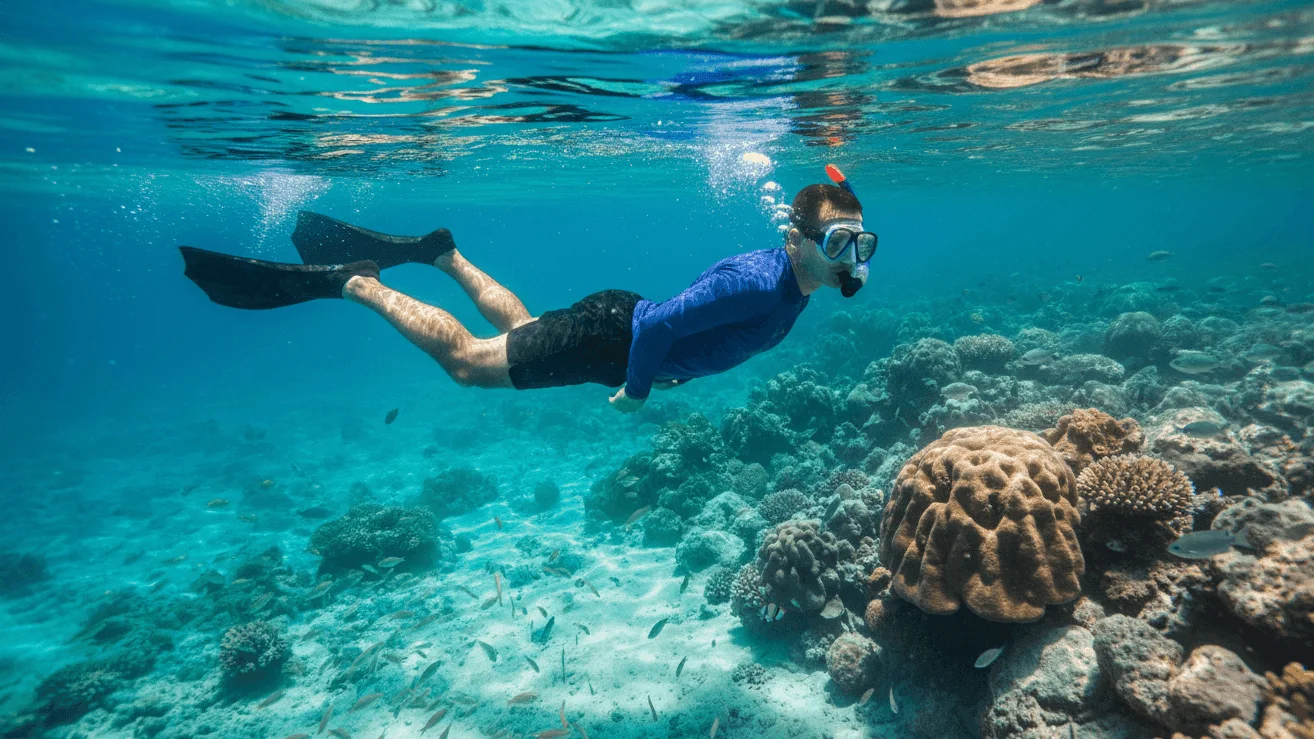
A snorkel is essentially an extended breathing tube that has become a staple for anyone who wants to explore the underwater world without heavy scuba gear. It lets you keep your head in the water while breathing comfortably, which is crucial for recreational activities like snorkeling, surface swimming, or freediving training. The right snorkel boosts not only comfort, but also the safety and efficiency of your movement at the surface.
While most people picture a simple curved tube, modern technology has brought a wide range of designs to the market. The main types are classic (wet), semi-dry, dry snorkels, and full-face masks. Each type offers a different level of comfort and water sealing.
Did you know: The maximum length of a snorkel tube is limited by the risk of carbon dioxide (CO2) build-up? A tube that is too long (usually over 40 cm) increases the so-called dead space, where exhaled, CO2-rich air stays and is then inhaled again.
Types and variants of snorkels
When choosing a snorkel, it is crucial to understand how each type differs in sealing and how it prevents water from getting in.
Classic (wet) snorkel
This is the simplest and most affordable option. It consists only of a tube and mouthpiece, with no valves or splash guards. It is ideal for experienced swimmers and freedivers who value low breathing resistance, low weight, and a hydrodynamic shape. The downside is that water easily enters the tube in waves or when you briefly dive under, so you need to master the technique of forcefully blowing water out after each surfacing.
Semi-dry snorkel
This type is a compromise between simplicity and comfort, as it has a special cover or splash guard fitted to the top of the tube. This barrier reduces the amount of water entering due to waves or splashing at the surface, but keep in mind that the snorkel is not completely watertight. When the tube is fully submerged, water will get inside, but it is an excellent choice for recreational snorkeling in moderate waves.
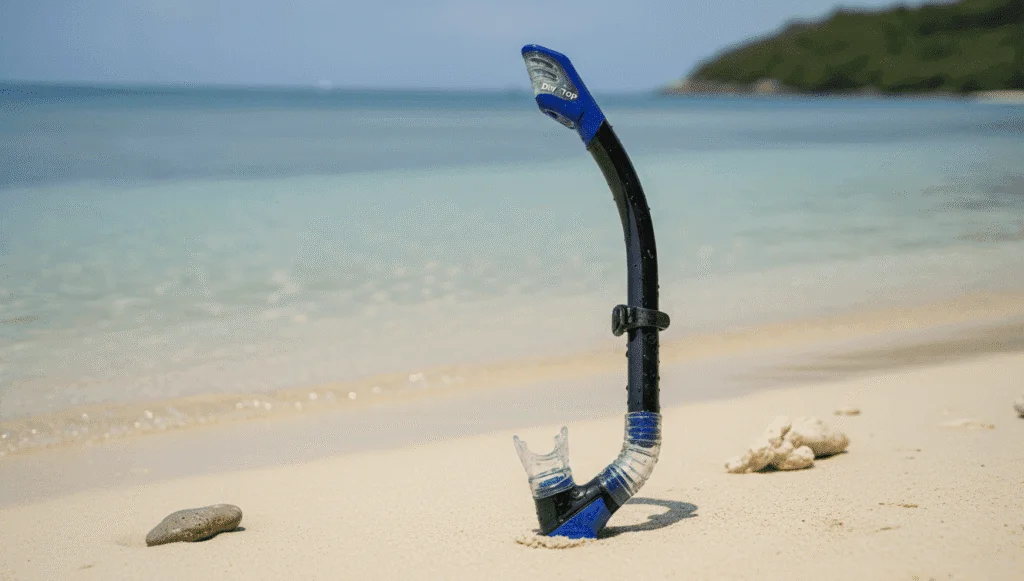
Dry snorkel (Dry Top)
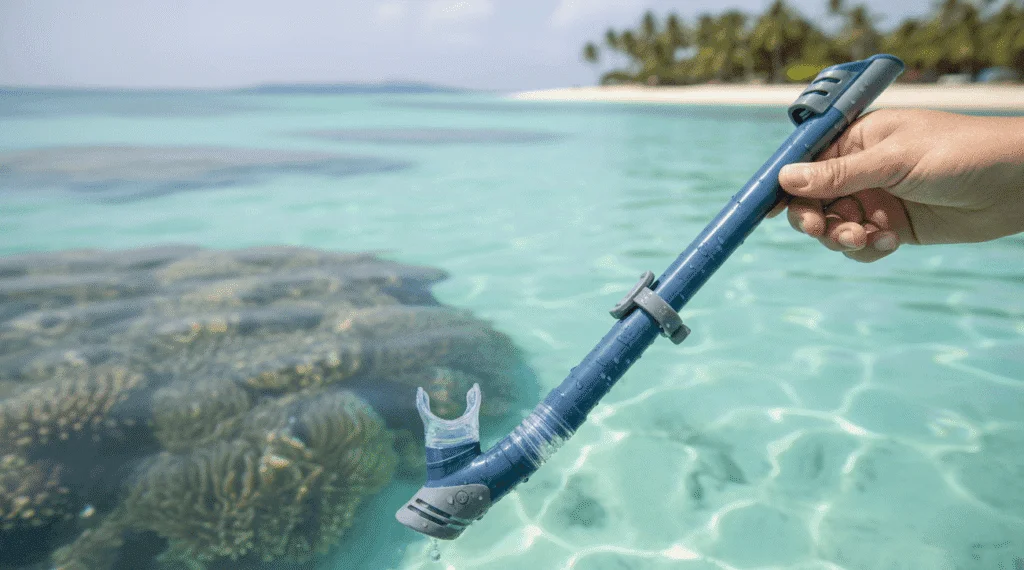
Dry Top snorkels are currently the most popular choice for beginners and recreational swimmers who want maximum comfort. The key feature is a float valve system at the top of the tube, which rises due to buoyancy when submerged and mechanically seals the opening. This prevents water from entering the tube even when it is fully underwater, making it ideal for beginners, children, and swimmers who frequently duck-dive and do not want to deal with water entering the snorkel.
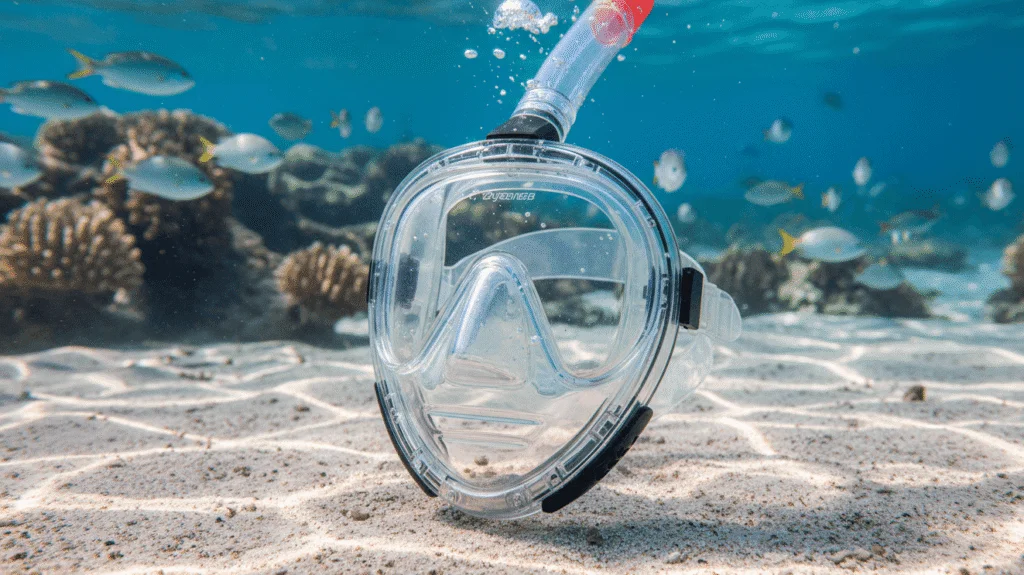
Full-face snorkeling mask
This option combines a mask and snorkel into one unit and allows natural breathing through both nose and mouth. The mask has an integrated snorkel and a special design with a dual air circulation system, where exhaled air is routed away from the viewing area through separate channels to reduce fogging. It is crucial to focus on quality and manufacturer certification, because poorly designed cheap models may not separate the channels properly, which can lead to CO2 build-up and cause nausea or discomfort.
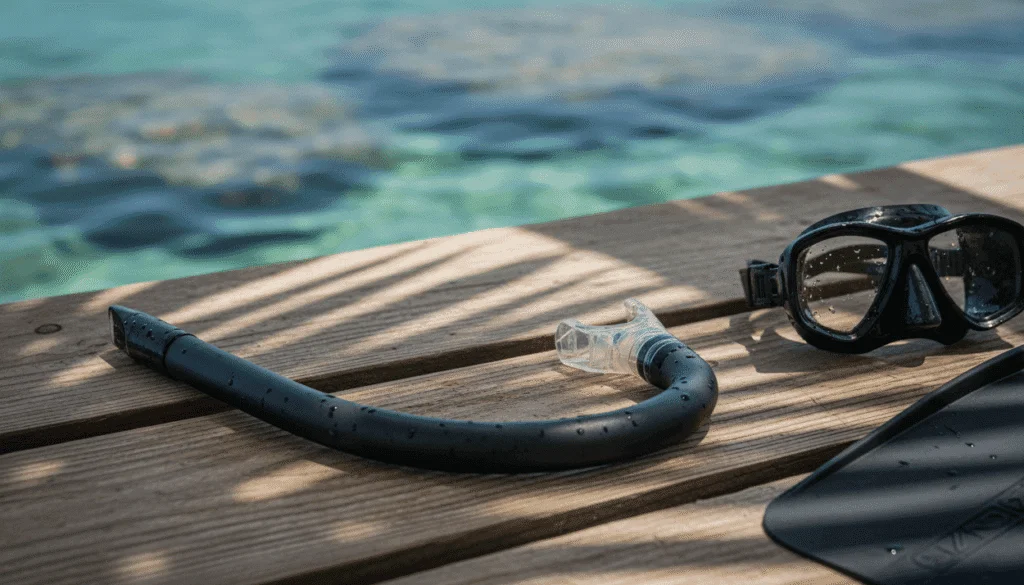
Special snorkels (e.g. for freediving/swimming)
These snorkels are designed for maximum performance and specific training purposes. They are often very simple, without valves, with a hydrodynamic profile to minimise drag in the water, which freedivers appreciate. Swimming snorkels, on the other hand, are often centrally positioned (in front of the face) so swimmers can work on their technique without having to turn their head to breathe.
Key parameters and features
When buying a snorkel, focus on the following technical details, as they determine comfort and reliability.
Mouthpiece material and ergonomics
The mouthpiece is the most important part of the snorkel because you hold it in your mouth the entire time you are in the water. A good mouthpiece should be made of soft hypoallergenic silicone that is flexible, comfortable, reduces jaw fatigue, and resists UV radiation and salt over time. Cheap mouthpieces made of PVC or hard rubber are usually uncomfortable, cause pressure points, and may crack over time, so silicone is the clear choice for comfort and durability.
Tube design and length
The length and diameter of the tube affect both breathing resistance and safety. A longer tube increases the risk of rebreathing CO2, so the standard length for adults is optimised. A wider tube diameter reduces breathing resistance, making breathing much easier, so adults should generally choose wider tubes, while children are better off with a smaller diameter to limit the inhaled volume.
Purge Valve at the bottom of the tube
The purge valve is a one-way mechanism located at the lowest point of the snorkel, usually below the mouthpiece. It is designed for easy removal of small amounts of water from the tube. Any water that gets past the mouthpiece collects at the valve, and a gentle, steady exhale is enough to push it out. This feature is a major relief, because you no longer have to blast all the water out through the top of the tube as with a classic snorkel.
Dry Top Mechanism
The key feature of dry snorkels is the mechanical float system at the top. When submerged, the water’s buoyancy lifts a small float that seals the top of the tube and stops water from entering. When choosing a snorkel, make sure the mechanism is well-made and protected against sand or salt, which could jam the float and stop it from working properly.
Attachment to the mask
The way the snorkel attaches to the mask strap is important for stability and comfort. Modern snorkels use quick-release, swivel or sliding clips that should be secure (so the snorkel does not rotate) yet allow quick height and angle adjustment. Proper setup ensures the tube sits at the right height and the mouthpiece rests comfortably in your mouth.
Flexible joint
Some snorkels have a flexible silicone section between the mouthpiece and the rigid tube. This flexible part lets the mouthpiece move more comfortably and allows the tube to drop away from the face when scuba diving, so it does not get in the way. However, it can slightly increase breathing resistance, and water may collect in this area, which you will need to blow out after surfacing.
Selection and recommendations
Your choice of snorkel should reflect your swimming skills and how you plan to use it.
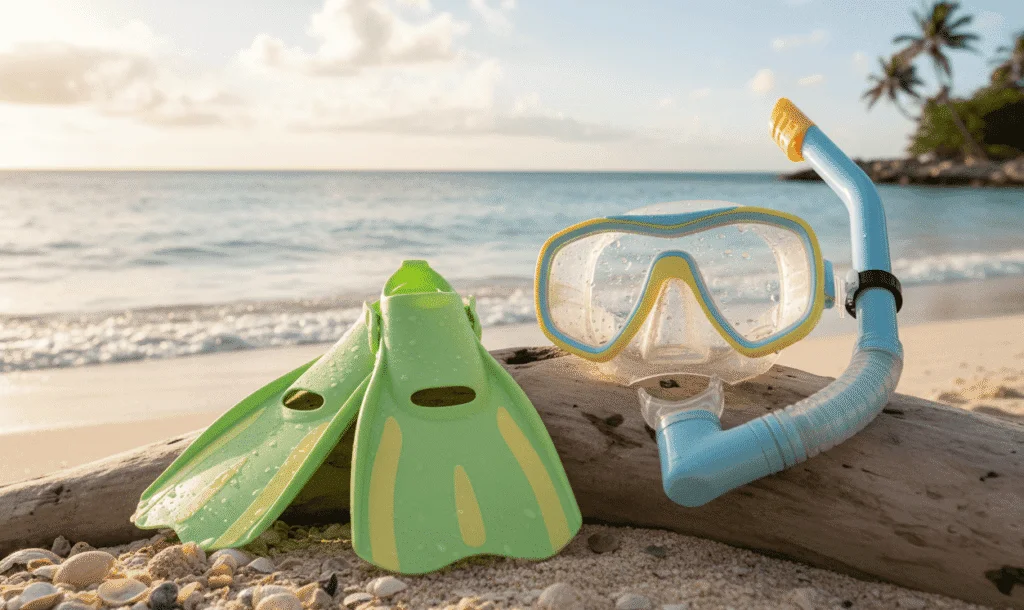
Snorkel for beginners and children
For maximum comfort and less stress from water entering the tube, we strongly recommend a dry snorkel with a purge valve. These models offer the highest user comfort because water does not get in even when submerged, and any small amount that does enter is easily cleared via the valve. Children also need a smaller, softer mouthpiece that fits comfortably in their mouth.
Snorkel for advanced users and freediving
Advanced swimmers and freedivers should look for a simple but hydrodynamic tube without valves and flexible joints. Here the rule is “the fewer features, the better”, because removing valves reduces breathing resistance and the chance of mechanical failure. The goal is a smooth, straightforward tube that creates minimal drag underwater – typically a classic (wet) or semi-dry model.
Snorkel for travel and packing in a suitcase
If packability and easy transport are your top priorities, look for models with a fully flexible silicone tube that can be rolled up into a small case. These collapsible snorkels are ideal for travellers who want their gear to take up as little space as possible in their luggage, although they are usually more expensive than standard models.
Maintenance, use and lifespan
Proper care will extend the life of your gear and keep all functions working reliably.
Proper care after use
Salt and chlorine are the biggest enemies of silicone and plastics, so you should thoroughly rinse your snorkel in clean fresh water after every use. Do not leave it to dry in direct sunlight, which will gradually degrade silicone and plastic parts. Instead, let it dry naturally in the shade, which is the best way to care for flexible silicone components.
Valve maintenance
The purge valve at the bottom of the tube and the Dry Top system are prone to clogging with sand or salt, which can cause them to jam and fail. Regularly check that the valves move freely and seal correctly. If they get clogged, gently rinse them under running water to restore the reliability of the dry mechanism.
Storage
To maintain its optimal shape, a snorkel should be stored flat and horizontally. If you bend the tube by force or leave it at the bottom of a bag under heavy items, it can become permanently deformed, which will ruin its hydrodynamic shape. The mouthpiece should also hang freely to avoid being permanently compressed.
What to do when the snorkel floods (clearing the tube)
If you use a classic (wet) or semi-dry snorkel, you need to clear the water forcefully after surfacing. Once you are back at the surface and the top of the snorkel is above water, exhale sharply and powerfully (the Blasting technique). The force of the exhale pushes the water out through the tube. With snorkels that have a purge valve, a gentler, smoother exhale is enough, because the valve helps the water drain out more easily.
Most popular brands and manufacturers
There are many manufacturers on the market, but some brands are synonymous with quality and decades of experience in diving equipment.
Cressi
Cressi is a traditional Italian brand with a long history and a wide product range. It is known for its Italian build quality, refined and often very stylish design, and strong presence in the segment of reliable dry snorkels.
Mares
Mares is one of the world’s leading diving brands with a strong focus on innovation. It is respected for its high-quality silicone mouthpieces and well-engineered valves, with a clear emphasis on top-tier diving standards and functionality.
Aqua Lung / U.S. Divers
Aqua Lung, originally associated with Jacques-Yves Cousteau, is a major force in the diving industry. Its products are known for their reliability and robust build, with a focus on diving standards and recreational sets that offer good value for money.
Prices and budget categories
The price of a snorkel usually reflects the quality of the materials, the reliability of the valves, and the comfort of the mouthpiece.
Budget (up to 300 Kč)
In this range you will mainly find basic wet snorkels with mouthpieces made from harder rubber or PVC, which are not suitable for long sessions. They are fine for occasional or emergency use, but due to lower material quality and the lack of valves, you should not expect top comfort or a long lifespan.
Mid-range (300 Kč – 800 Kč)
This price bracket offers the best value for money for recreational swimmers. Here you will find most quality semi-dry and dry snorkels with soft silicone mouthpieces and fully functional purge valves. This is the ideal choice for regular snorkeling, where you can already count on reliable performance and good materials.
Premium (over 800 Kč)
Premium models are designed for professionals and demanding users. These snorkels often feature special hydrodynamic shapes to minimise drag, the highest-grade silicone, and the most advanced Dry Top systems. This category also includes high-end full-face masks from reputable manufacturers, where safety and comfort are the top priorities.
If you plan to snorkel for more than 30 minutes a day or you are a beginner, it pays to spend more and move up a price tier. Investing in a quality silicone mouthpiece and a reliable Dry Top system will reward you with outstanding comfort and a worry-free experience in the water.
History and development
The idea of a snorkel is surprisingly old. The first mentions go back to ancient civilisations, where people used primitive breathing tubes made from hollow reeds or bamboo. These simple tools allowed hunters to see underwater while still being able to breathe.
A major turning point came in the 20th century with the development of diving. Rubber and plastic materials started to be used, making it possible to create anatomically shaped mouthpieces and tubes. Key innovations included the use of silicone at the end of the 20th century, which transformed comfort, and the introduction of the purge valve, which made clearing water much easier. The biggest change came with Dry Top technology at the turn of the 20th and 21st centuries, when float mechanisms ensured that water did not enter the tube during a dive. This opened up snorkeling to the general public, including children and less confident swimmers.
Summary and final tip
When choosing a snorkel, keep three key points in mind: snorkel type, mouthpiece material, and the presence of valves. Beginners should go for a dry snorkel with a purge valve, while advanced users will appreciate the simplicity and low resistance of a classic tube.
When making your final decision, focus on comfort. You will often hold the snorkel in your mouth for hours at a time, so the mouthpiece should be made from soft, ergonomically shaped silicone. Comfort is what ultimately decides whether you enjoy snorkeling or not, and a good mouthpiece is an investment that always pays off.
Frequently asked questions
How do I know if my snorkel is properly matched to my dive mask?
Your snorkel is correctly matched if the clip holds firmly on the mask strap and is adjusted so that the mouthpiece sits comfortably at your mouth without you having to lean forward or twist your neck. The top of the tube should be upright to maximise its height above the surface, and the tube itself should sit close to your head to reduce drag in the water.
Is it better to buy a snorkel separately or in a set with a mask?
For maximum quality and a better fit, we recommend buying the mask and snorkel separately. A set is usually cheaper and more convenient, but the mask or snorkel in the bundle is often a compromise in terms of quality. Buying individual components lets you get a mask that seals perfectly on your face and does not leak, and a snorkel that suits your style of swimming or diving and is made from quality silicone.
Why can’t I breathe with a snorkel at greater depths?
The reason is hydrostatic pressure. Water pressure increases rapidly with depth – even at just one metre, the pressure on your chest is already so strong that you would not be able to generate enough force to inhale through the tube. A snorkel is therefore intended only for breathing at or just below the surface and is used primarily for surface swimming.
Kategorie: