Brazil: A Guide to a Miraculous Destination
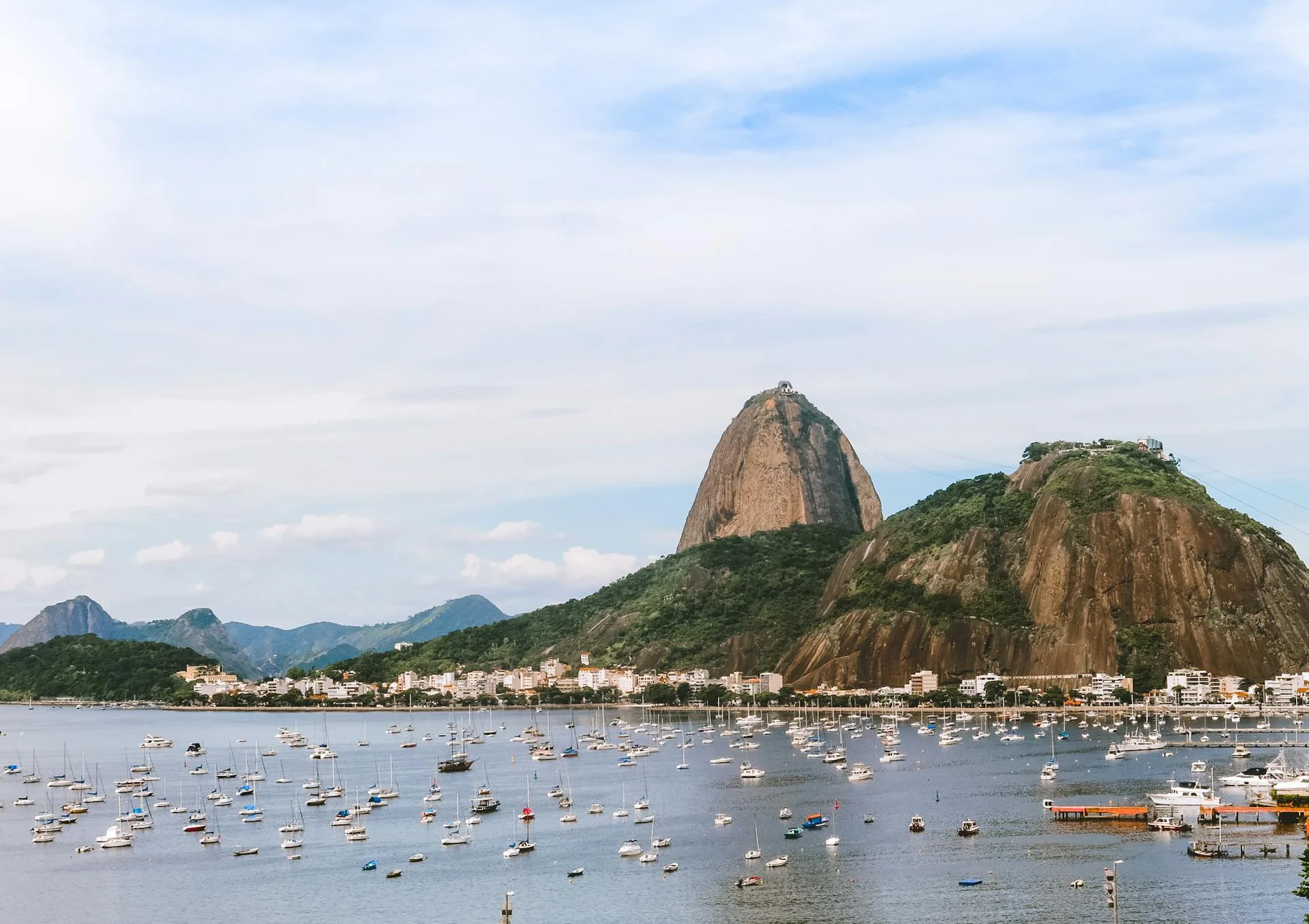
Brazil is a destination that brings together an exceptional mix of exotic nature, vibrant culture, warm-hearted locals, and endless optimism. Whether you’re drawn to the golden sands of Copacabana with views of Christ the Redeemer, the countless Iguazu Falls ranked among the seven natural wonders of the world, or the depths of the Amazon rainforest crossed by the largest river on the planet, Brazil will win you over for good.
This vast country, shaped by a unique culture born from the blending of European, African, and Indigenous traditions, offers experiences you’ll remember for the rest of your life. From Carnival in Salvador, the biggest street party in the world, to exploring historic towns like Ouro Preto with its gold-adorned churches, Brazil is an ideal destination for travelers looking to combine beach relaxation, outdoor adventure, and a deep dive into authentic local culture.
Brief introduction to Brazil
Brazil proudly holds the title of the largest country in South America and the fifth largest country in the world. It covers more than 8.5 million square kilometers and is home to almost 210 million people, making it the most populous nation on the continent. From your very first encounter, it’s clear why this country is so captivating – it combines world-class natural riches with a rich history and a lively, expressive culture.
Did you know that Brazil ranks among the countries with the highest biodiversity? Sixty percent of the Amazon rainforest lies within its borders, the largest tropical rainforest on Earth, home to millions of plant and animal species, many of which have not yet been described by science.
History of Brazil
Conquest and colonization
The story of Brazil begins in 1500, when Portuguese navigator Pedro Álvares Cabral landed on its coast. His original destination was India, but the weather pushed him off course and opened the way for Europe to discover this new land. The country was named after the pau-brasil tree, used to produce red dye. At first, the Portuguese paid Brazil little attention – they were more interested in wealthy India and gold deposits in Africa. Colonization only intensified once rivals such as the Spanish and the French started moving into the region. Fearing he might lose this territory, the Portuguese king sent an expedition in 1532 led by Martim Afonso de Sousa to establish the first permanent settlements, São Vicente and Piratininga.
The captaincy system and the rise of sugar production
The king chose a unique system for governing Brazil – he divided it into 15 hereditary captaincies, which he granted to Portuguese nobles called donatários. In return, these landowners were responsible for bringing in settlers, defending the territory, and developing its economy. The system turned out to be only partly successful – settlements were often attacked by Indigenous peoples and European pirates. In 1548, the captaincies were therefore brought back under central control and a governor-general was appointed. A turning point came with the cultivation of sugarcane, which became the backbone of Brazil’s economy and drew in a huge amount of slave labor – first from Indigenous communities, later from Africa. In this tragic way, Brazil’s unique culture was born, shaped by the legacy of all three continents.
The golden age and independence
At the beginning of the 18th century, Brazil became the epicenter of a gold rush – vast deposits of gold and diamonds were discovered in the Minas Gerais region. The number of settlers grew exponentially. In 1763, the capital was moved from Salvador to Rio de Janeiro, symbolizing a shift in power and influence within the colony. A crucial moment came in 1808, when Napoleon Bonaparte occupied Portugal. The Portuguese royal court fled to Brazil, which then became the center of the Portuguese Empire. In 1815, Brazil was elevated to the status of a kingdom and, together with Portugal and the Algarve, formed the United Kingdom. After the royal family returned to Europe in 1821, and under the leadership of Pedro I, Brazil declared its independence on 7 September 1822. Unlike most other Latin American countries, the transition to independence was relatively peaceful, without large-scale bloodshed.
Location, geography and climate
Location and geography
Brazil is the fifth-largest country in the world and covers almost half of South America. Its territory stretches from the equator down into the southern temperate zone, which explains its huge variety of climate zones and ecosystems. Brazil borders ten countries – Venezuela, Guyana, Suriname, French Guiana, Colombia, Peru, Bolivia, Paraguay, Argentina and Uruguay. Only Chile and Ecuador do not share a border with Brazil.
Geographically, Brazil can be seen as a country made up of several main regions. In the northwest lies the Amazon Lowlands, crossed by the world’s largest river – the Amazon, stretching for more than 7,000 kilometers. In the east and southeast rises the Brazilian Highlands (Planalto Brasileiro), covering roughly 4 million square kilometers and made up of plateaus and valleys. In the south you’ll find the La Plata Lowlands. The best-known mountain ranges are Serra do Espinhaço and Serra da Mantiqueira. Visitors should also keep in mind that Brazil is bordered by the Atlantic Ocean, which forms a coastline 7,491 kilometers long.
Climate and weather for travelers
Brazil is located in the Southern Hemisphere, so the seasons are the opposite of those in Central Europe. Summer runs from December to March, while winter lasts from June to September. The country spans five distinct climate zones, which means you can experience completely different weather in different regions at the very same time.
In the northern part (the Amazon), the climate is equatorial – hot, humid, and rainy. The average daytime temperature stays around 25 °C all year. The rainy season usually lasts from November to May. Areas along the eastern and southeastern coast (Rio de Janeiro, Salvador, Bahia) enjoy a tropical climate with temperatures between 18–30 °C. These areas are popular year-round, although the summer months (December–March) bring more rain. The inland plateau (Brasília, Cerrado) has a subtropical to tropical climate with temperatures around 15–26 °C. The southern regions (Rio Grande do Sul, Santa Catarina) have a subtropical climate with changeable temperatures and occasional cold spells.
| Month | Typical weather / Temperature (Description) |
|---|---|
| July–September | Winter season, the driest and coolest period; temperatures 15–26 °C, ideal for inland areas |
| October–April | Summer season, more rainfall; temperatures 22–35 °C, ideal for the coast |
| December–March | Hottest and rainiest months; temperatures reach yearly highs, very humid |
| May–September | Dry season; less rain, more pleasant weather; ideal for traveling |
When to go – month-by-month guide
To plan your trip effectively, you need to understand how the climate changes month by month. June to September is considered the best time to visit Brazil, especially if you’re heading to the Amazon or the inland regions. There’s less rain and the temperatures are more comfortable. November to December brings warm and drier weather along the coast. Many travelers rate November and December highly because of their ideal conditions. January to March are the hottest months, with high humidity and frequent rain. This is also carnival season in February, which draws millions of visitors, so prices go up and you need to book several months in advance. April and May mark the shift from summer to autumn – the weather is still fine, but rainfall increases. July and August are the coolest months in some areas, especially inland, but it’s still warm overall. In mountain regions above 1,000 meters, nights can get chilly.
| Month | Average daytime temperature | Average night-time temperature | Sea temperature |
|---|---|---|---|
| January | 28–32 °C | 20–22 °C | 26–28 °C |
| February | 28–31 °C | 20–22 °C | 27–28 °C |
| March | 27–30 °C | 19–21 °C | 26–27 °C |
| April | 26–28 °C | 18–20 °C | 25–26 °C |
| May | 24–26 °C | 16–18 °C | 23–24 °C |
| June | 22–24 °C | 14–16 °C | 21–22 °C |
| July | 21–23 °C | 13–15 °C | 20–21 °C |
| August | 22–24 °C | 14–16 °C | 21–22 °C |
| September | 24–26 °C | 16–18 °C | 22–23 °C |
| October | 26–28 °C | 18–20 °C | 24–25 °C |
| November | 27–29 °C | 19–21 °C | 25–26 °C |
| December | 28–31 °C | 20–22 °C | 26–27 °C |
Regions and types of destinations
Southeast region – the heart of Brazil
The Southeast region is considered Brazil’s main tourist hub. This is where you’ll find the largest cities – São Paulo and Rio de Janeiro, which attract millions of visitors every year. The area combines modern infrastructure with rich history and stunning natural scenery.
Rio de Janeiro is a city of legendary beaches, a one-of-a-kind atmosphere, and iconic landmarks. It lies on the southeastern coast and is home to almost 6 million people in the city itself and another 13 million in the wider metropolitan area. Rio is known for its stark social contrasts, vibrant nightlife, stunning beaches, and views of Sugarloaf Mountain. The city is a hub of Brazilian bossa nova, football, and carnival.
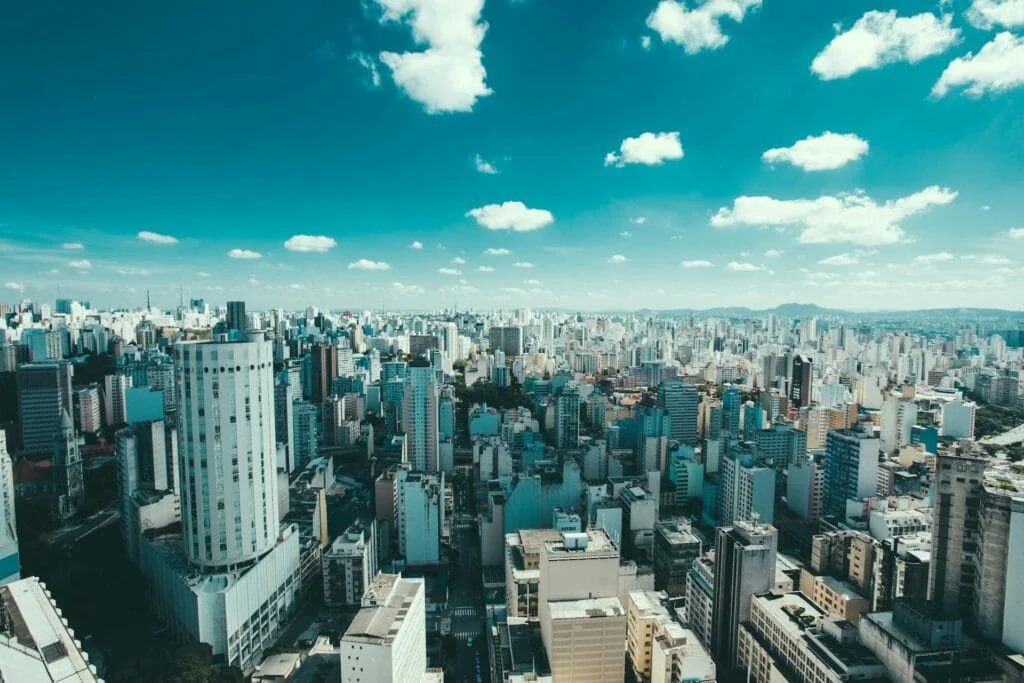
São Paulo is the largest city in Brazil and the biggest metropolis in the Southern Hemisphere, with a population of around 23 million people in the metropolitan area. It is the economic and cultural heart of the country – a center of art, fashion, architecture, and nightlife. São Paulo is like the New York of Latin America, packed with world-class museums, galleries, outstanding restaurants, and shops.
Other important cities include Belo Horizonte, known for its modern architecture and easy access to the historic town of Ouro Preto.
Northeast region – Bahia and the “Golden Coast”
Northeastern Brazil is colorful, authentic, and deeply rooted in local traditions. This part of the country, home to states such as Bahia, Pernambuco, Ceará, and Rio Grande do Norte, is famous for its beautiful beaches, rich Afro-Brazilian heritage, and lively culture.
Salvador, the capital of Bahia, was once the capital of all Brazil. It has roughly 2.4 million inhabitants and is the country’s third-largest city. It is the cradle of Afro-Brazilian culture and hosts the largest street carnival in the world. The historic center of Pelourinho, with its colorful houses and hidden corners, is a UNESCO World Heritage Site. Museums, churches, and art-focused alleyways reflect the deep roots of African traditions.
Recife and Olinda in the state of Pernambuco are ideal destinations for lovers of history and art. Olinda is especially charming thanks to its pastel-colored architecture.
Fortaleza in the state of Ceará is known for its beaches and modern infrastructure. It is an ideal base for exploring the surrounding beaches and sand dunes.
Central-West – Cerrado and Brasília
The Central-West of Brazil is made up of the states of Goiás, Mato Grosso, and Mato Grosso do Sul. This region is defined by mixed savanna and forest formations known as the Cerrado. The landscape is shaped by low trees, grasslands, and areas with unique botanical diversity.
Brasília, Brazil’s modern capital, was purposefully built in the geographic center of the country. Completed in 1960 according to the plans of architect Oscar Niemeyer, Brasília is an architectural marvel with a perfectly geometric layout and futuristic buildings. It is an ideal destination for travelers interested in modern architecture.
Northern region – Amazon and wild nature
Northern Brazil is home to the Amazon Rainforest and is one of the most beautiful and fascinating regions in the world. The Amazon lies mainly in the state of Amazonas, which is the largest state in Brazil. The biggest city is Manaus, located at the meeting point of the Amazon River and the Rio Negro. From Manaus, boat trips into the Amazon, wildlife watching, and visits to indigenous tribes turn into truly unforgettable experiences.
Southern region – Rio Grande do Sul, Santa Catarina and Paraná
The southern part of Brazil has a subtropical climate and historically attracted European immigrants. This area is known for its beautiful beaches, mountain scenery, and rich culture. The states of Santa Catarina and Paraná offer a mix of natural attractions – from mountains and forests to long sandy beaches.
Most famous landmarks and cities
Christ the Redeemer (Cristo Redentor) – Rio de Janeiro
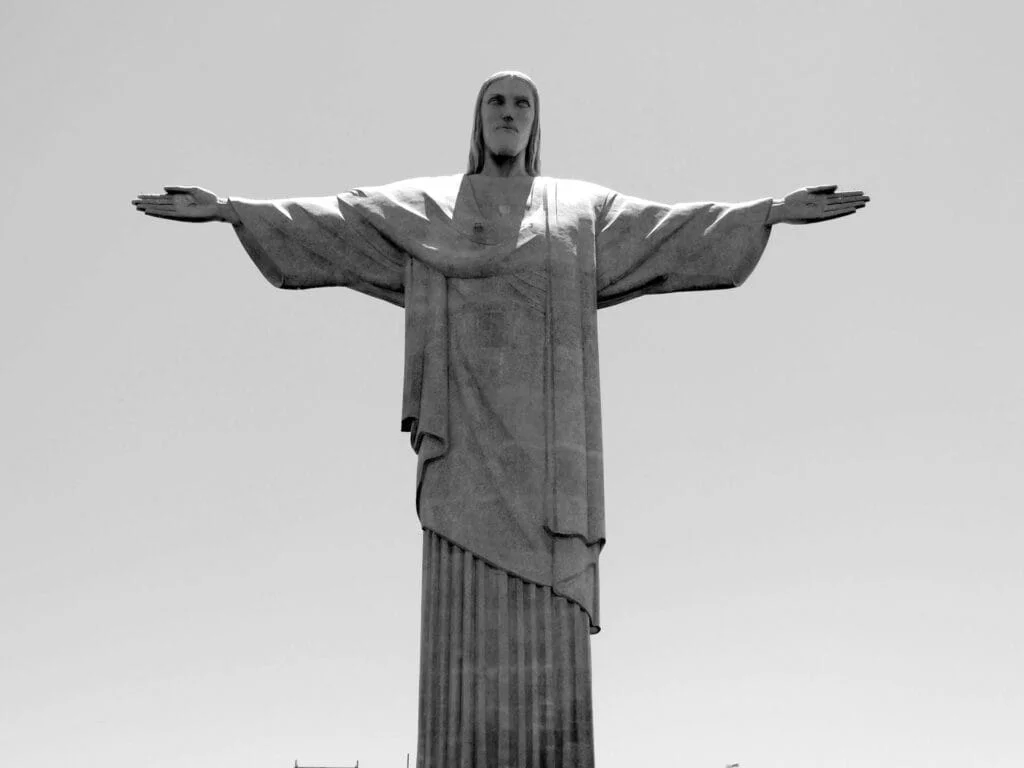
The monumental Christ the Redeemer statue is one of the New Seven Wonders of the World and the most famous Brazilian landmark. It stands on Corcovado Hill at an altitude of 710 meters above the city of Rio de Janeiro. The statue itself is 30 meters tall and reaches 38 meters including its pedestal. Its outstretched arms span 28 meters. Built from reinforced concrete and soapstone, it weighs around 700 tons and was constructed between 1922 and 1931. The foundation stone was laid in 1922 and the statue was officially unveiled on October 12, 1931. The construction was funded through donations from the faithful. Since 2012, the statue and the surrounding natural sites have been listed as a UNESCO World Heritage Site. The terrace by the statue offers a stunning view of Rio de Janeiro – you can see the beaches of Copacabana and Ipanema, the Maracanã stadium, and Sugarloaf Mountain.
Iguazu Falls – national park on the border of Argentina and Brazil
Iguazu Falls form the largest waterfall system in the world. They lie on the Iguazu River on the border between Argentina and Brazil and consist of 275 separate cascades stretching over a total width of 2,700 meters. The average water flow is 1,756 cubic meters per second. In 2011, the falls were named one of the New Seven Natural Wonders of the World and in 1984 they were added to the UNESCO World Heritage List. Every year, more than a million visitors come here to take in this spectacular natural show.
The waterfalls are accessible from both the Brazilian and Argentine sides. The Brazilian side offers sweeping panoramic views and perfect photo spots, while the Argentine side lets visitors get right up close to the falls themselves. Walkways take you incredibly close to the thundering water. The most breathtaking viewpoint is the so‑called “Devil’s Throat” (Garganta del Diablo). Near the waterfalls you’ll also find a Bird Park with more than eight hundred bird species, including toucans, macaws and hummingbirds.
Ouro Preto – a historic town with Baroque architecture
Ouro Preto (“Black Gold” in Czech) is one of the most historically valuable towns in Brazil. It lies in the state of Minas Gerais at an altitude of 1,150 meters above sea level in the Serra do Espinhaço mountains. The town was founded in 1698 by Antônio Dias de Oliveira and at the beginning of the 18th century it became the center of the Brazilian gold rush. At that time, it was the most populous city in Latin America. After the local mineral wealth was exhausted, its importance declined sharply and today it has just under 80,000 inhabitants.
Ouro Preto has preserved its original charm with winding streets, 17th–18th century Baroque architecture and stunning viewpoints. The historic center is listed as a UNESCO World Heritage Site. Highlights include the church Igreja de São Francisco de Assis with a spectacular interior by sculptor and architect Aleijadinho, the Museu da Inconfidência museum and Casa dos Contos. The gold mine Mina da Passagem is one of the largest that are open to the public. During Easter, the town is decorated with colorful flower carpets, creating a magical atmosphere.
Salvador – the historic Pelourinho district and the cultural heart of Brazil
Salvador is the capital of the state of Bahia and the third-largest city in Brazil. It was founded in 1549 and served as the capital of the Portuguese colony until 1763. Thanks to its privileged position during the colonial era, Indigenous, European and African cultural influences met and blended here. To this day, the city is one of the most important centers of Afro-Brazilian culture.
The historic center around the Pelourinho district has been a UNESCO World Heritage Site since 1985. The name Pelourinho comes from the pillory that once stood here and was used to punish enslaved people. Today it is a neighborhood full of colorful Renaissance and Baroque houses from the 16th–18th centuries, narrow streets, galleries, restaurants and bars. The city spans a height difference of up to 80 meters, which is bridged by the famous Elevador Lacerda, a historic elevator dating back to 1873.
Natural wonders and national parks
Amazon rainforest
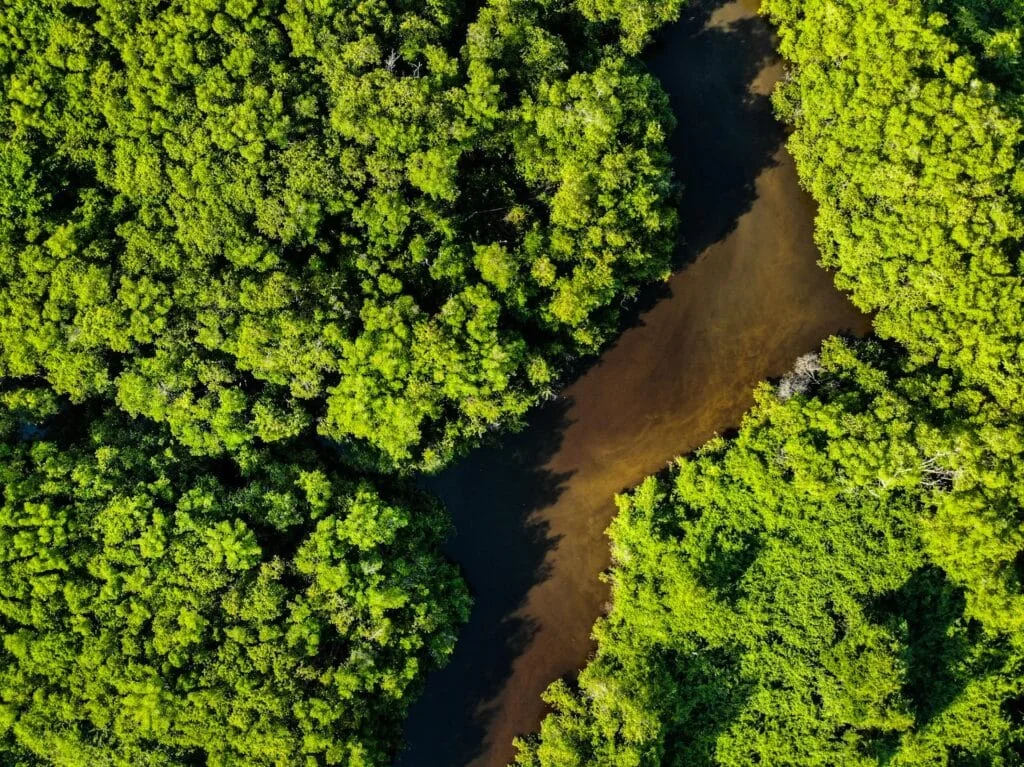
The Amazon Rainforest is the largest and most important tropical rainforest on the planet. Sixty percent of its total area lies in Brazil, which means an enormous stretch of untouched wilderness. In the distant past, when Africa and South America formed a single continent, the Amazon was part of the Congo River system and flowed in the opposite direction. The Amazon Rainforest is recognized as the most biodiverse region on Earth. Although the local soil is not naturally fertile, archaeologists have discovered thick layers of man‑made black earth called Terra Preta, proving that ancient civilizations here used advanced farming systems.
A trip to the Amazon usually starts in the city of Manaus, located at the confluence of the Amazon River and the Rio Negro. River cruises let you observe unique wildlife – from piranhas, caimans and river dolphins to jaguars. When visiting indigenous communities, travelers can learn traditional skills such as hunting and preparing local dishes.
Deforestation of the Amazon Rainforest is one of the major environmental issues today. In April 2021 alone, 581 square kilometers of forest disappeared, an area comparable to the Prague-West district.
Pantanal – the largest tropical wetland
Pantanal is the largest tropical wetland in the world. It stretches mainly across the states of Mato Grosso and Mato Grosso do Sul and is home to an incredible variety of wildlife. During the dry season (June–September), animals gather around the remaining water sources, creating fantastic opportunities for photography. Key species include capybaras (the world’s largest rodents), jaguars, green anacondas, caimans and countless bird species.
Cerrado – a savanna with the highest biodiversity
Cerrado is Brazil’s savanna and the country’s second-largest biome, covering 23 percent of its territory. It lies mainly in the central part of Brazil and is home to 856 bird species, 277 mammal species and more than 10,000 plant species, 45 percent of which are endemic to the Cerrado. It feeds three major South American river systems – the Amazon, Paraguay and São Francisco basins. The landscape is made up of plateaus and valleys with diverse vegetation formations, similar to savannas in Africa and Australia. Particularly fascinating animals include the maned wolf (a solitary canid), threatened and endemic bird species, and striking beauties such as macaws.
Chapada dos Veadeiros National Park
This national park in the state of Goiás is famous for its spectacular waterfalls, canyons and stunning scenery. The local plateaus contain some of the oldest rocks on Earth. The park offers beautiful hiking trails and great wildlife-watching opportunities.
The Most Beautiful Beaches
Copacabana – the symbol of Rio de Janeiro
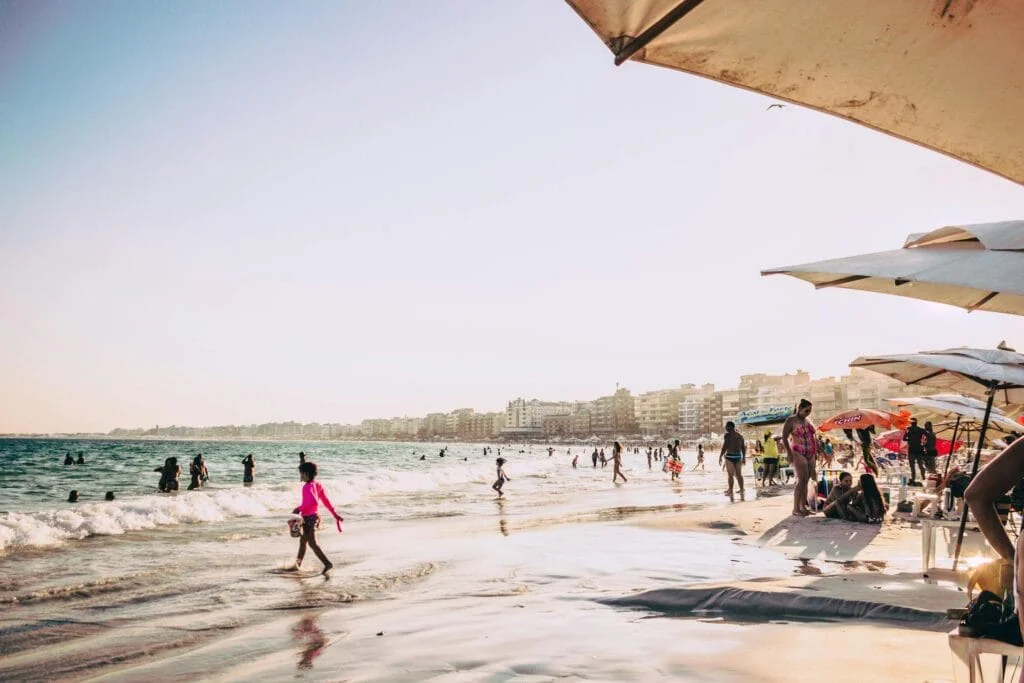
Copacabana is Brazil’s most famous beach and one of the best-known in the world. It stretches for 4 kilometers of fine sand lined with dozens of hotels, restaurants, and bars. The luxurious Copacabana Palace hotel dominates the beachfront and is one of the most iconic hotels in Latin America. Copacabana is as much a symbol of Rio de Janeiro as Sugarloaf Mountain and the Christ the Redeemer statue. Although the growing population and influx of tourists have affected water quality and beach cleanliness, it still keeps its charm and vibrant energy. Because of the high number of visitors, pickpocketing is more common here, especially at night and during Carnival.
Ipanema – Rio’s second most beautiful beach
Ipanema is the second most famous beach in Rio de Janeiro and one of the most renowned in the world. Its name comes from an Indigenous word meaning “restless water.” Ipanema is in the southern part of the city, between Copacabana and Leblon beaches. It became world-famous thanks to the song “Garota de Ipanema” (The Girl from Ipanema) by composers Antônio Carlos Jobim and Vinícius de Moraes from the 1960s, which turned into a global symbol of the Brazilian lifestyle.
The beach is divided into several sections called “postos,” each popular with different groups – surfers, families, the LGBTQ+ community, and others. Ipanema is known for its chic vibe that blends laid-back beach life with a sense of style. It is surrounded by galleries, boutiques, design stores, and trendy restaurants. The view from the beach of the Morro Dois Irmãos (Two Brothers) mountain is iconic, and the sunsets here are considered some of the most beautiful in the world.
Leblon – a luxury beach for demanding visitors
Leblon sits right next to Ipanema in the southern part of Rio de Janeiro. Unlike Ipanema, Leblon is more upscale, with pricier restaurants, nightclubs, boutiques, and residences of the local elite. The beach is cleaner and less crowded. It is an ideal choice for anyone looking for a mix of beach life and a sophisticated atmosphere.
Fernando de Noronha – an island group for divers and surfers
Fernando de Noronha is a small archipelago off Brazil’s northeastern coast, about 350 kilometers from the mainland. As a UNESCO World Heritage Site, Fernando de Noronha is a beautifully preserved paradise with unspoiled nature both above and below the water. The famous Cacimba do Padre beach offers perfect waves for experienced surfers, especially from December to March. Other highlights include spectacular snorkeling with abundant marine life and scenic hiking trails. Visitors pay an environmental protection fee, which varies depending on the length of their stay.
Saquarema – the capital of Brazilian surfing
Saquarema in the state of Rio de Janeiro is known as the surfing capital of Brazil. The beach of Itaúna in Saquarema offers consistent waves that work for all skill levels and often reach 2.5 to 3 meters. The best conditions are from April to June and from September to November. Saquarema regularly hosts international surfing competitions.
Other beaches and coastal destinations
Prainha in Rio de Janeiro is a stunning white-sand beach surrounded by a nature reserve, located less than an hour from the city center. It’s less crowded than Copacabana and Ipanema. Jericoacoara in the state of Ceará is excellent for year-round stays, with temperatures between 28–35 °C and a pleasant breeze. Canoa Quebrada in Ceará and Porto de Galinhas in Pernambuco are ideal spots for beginner surfers. Maracaípe in Pernambuco is one of Brazil’s most famous surf breaks, while nearby Cupe Beach is the top choice for experienced surfers.
Activities and entertainment
Brazil offers an exceptionally wide range of activities for every type of traveler. On the beaches you can swim, play volleyball, try futevôlei (a sport created on Brazilian beaches that combines soccer and volleyball), go kayaking, or ride a jet ski. Adrenaline seekers can enjoy paragliding, windsurfing, and especially surfing.
In the Amazon, you can take river cruises, watch wildlife, go jungle trekking, and meet indigenous communities. Buggy safaris across the dunes in the northeastern states are very popular. In the national parks, you can enjoy hiking and photographing natural scenery. The nightlife in Rio de Janeiro, São Paulo, and Salvador is unique – clubs, bars, and dance halls keep the music going until dawn. Cultural highlights include visiting art studios, bossa nova concerts, and samba dance schools. Shopping options are excellent, especially in São Paulo and Rio de Janeiro, where you can discover Brazilian fashion and design.
Gastronomy and culture
Typical Brazilian food
Feijoada is the most famous Brazilian dish, a hearty mix of black beans cooked with various cuts of pork and smoked meats. Its history is tied to African slaves, who were given the less desirable pieces of meat. Feijoada is traditionally served on Saturdays with white rice, orange slices, and a spicy sauce. It’s a very filling dish with a rich, bold flavor.
Acarajé is probably the most famous Brazilian street food, especially popular in the northeast of the country. It is a deep-fried ball made from a batter of peeled beans, onion and spices. It is traditionally served split open and filled with spicy vatapá sauce (a thick sauce made from shrimp, coconut milk, nuts and spices) and other toppings. Acarajé has its roots in Nigerian cuisine.
Pão de queijo (cheese bread) is a small, warm cheese roll with a soft, chewy texture. It is a popular breakfast or snack all over Brazil.
Moqueca is a fish dish similar to a stew, made with white fish, tomatoes, onions, garlic, coconut milk and palm oil. It is a specialty from the state of Bahia.
Brigadeiro is a sweet treat made from condensed milk, cocoa and butter, rolled into balls and coated in chocolate sprinkles. It is very popular at children’s parties and is part of every Brazilian celebration.
Açaí is a thick, dark purple pulp made from açaí palm berries, served in bowls in Brazil with granola, fruit and honey. It is a healthy and tasty breakfast or snack.
Picanha is an excellent cut of beef (rump cap) grilled over an open flame, especially popular in the southern parts of Brazil.
Pastel is a deep-fried pastry made from thin dough and filled with a variety of fillings – from meat to cheese and hearts of palm.
Drinks
Caipirinha is the best-known Brazilian cocktail, made with cachaça (a sugarcane spirit), lime, sugar and ice. It is a great refreshing drink for hot weather.
Açaí juice is a fiber-rich drink, often blended with water or other fruit.
Maté is a traditional stimulating drink, especially popular in the south of the country. It is served in a typical gourd called a calabash with a metal straw (bombilla).
Suco de laranja (orange juice) is the most common fruit juice in Brazil, typically freshly squeezed.
Meal times and etiquette
In Brazil, breakfast (café da manhã) is usually served early in the morning, around 7–9 a.m. It typically includes bread or pastries, butter, cheese, fruit and coffee. Lunch (almoço) is the main meal of the day and is served between 11:30 a.m. and 2 p.m. Restaurants often offer affordable daily menus (prato feito) with rice, beans, salad and meat. An afternoon snack (lanche) is eaten between 3–5 p.m. Dinner (jantar) is a lighter meal and is served between 7–10 p.m.
In restaurants, it is customary to leave a tip of 10 to 15 percent of the total bill, unless it is automatically added to the check. Table manners in Brazil are similar to those in Europe, and people usually eat with a knife and fork. In cafés, strong coffee similar to espresso is served, called “cafezinho”.
Cultural customs and festivals
Brazil is a country of festivals and celebrations. The Carnival is by far the biggest Brazilian festivity. It takes place in February or early March, in the week before Ash Wednesday. The most famous carnivals are in Rio de Janeiro, where spectacular samba school parades are held in the Sambadrome, and in Salvador, which hosts the world’s largest street carnival with millions of participants. Brazilians dress up in costumes, dance, sing, and celebrate for several days and nights.
Samba is the best-known Brazilian music and dance style. It originated in Rio de Janeiro and blends African and Portuguese influences. It is danced with fast hip and foot movements in a distinctive rhythm.
Bossa nova is a calmer and more sophisticated music style that emerged in Brazil in the 1950s. It combines samba with jazz influences.
Capoeira is a traditional Brazilian martial art that combines elements of dance, acrobatics, and music. It developed as a form of self-defense used by African slaves. Today, capoeira is listed as UNESCO Intangible Cultural Heritage.
Customs and behavior: Brazilians are friendly, open, and talkative. When meeting, they usually shake hands and kiss on the cheek. Personal space is smaller than in Europe, so physical contact is common. Brazilians are very family-oriented and enjoy spending time with their loved ones.
Key practical information
Currency and payments
The Brazilian real (BRL, symbol R$) is the official currency. One real is divided into 100 centavos. The exchange rate is around 1 BRL = $0.24 (November 2025). Coins are issued in denominations of 5, 10, 25 and 50 centavos and 1 real. Banknotes come in denominations of 2, 5, 10, 20, 50, 100 and 200 reais.
Currency exchange: Czech crowns cannot be exchanged directly in Brazil. It is best to exchange dollars or euros at banks or authorized exchange offices (câmbio), which usually offer a better rate. It is a good idea to exchange smaller amounts gradually.
Card payments: You can pay by card in many places in Brazil – in supermarkets, restaurants, hotels, shopping malls, and even at some street stalls. In large cities and tourist areas, card payments are standard. In smaller towns and villages, foreign cards may sometimes be a problem.
ATM withdrawals: ATMs are available in Brazil, but not all of them accept foreign cards. Look for ATMs marked with Cirrus, Plus, or your card provider’s logo. The withdrawal process can vary – sometimes you need to insert the card, enter your PIN, remove the card, and only then continue with the transaction. Withdrawing cash from an ATM is often more cost-effective than exchanging money at a currency exchange office.
Tipping: In Brazil, it is customary to leave a 10–15 percent tip in restaurants (if it is not added automatically). In bars and cafés, a 10 percent tip is standard. In taxis, fares are usually rounded up.
Entry formalities and visas
Passport: Citizens of the Czech Republic need a valid passport that is valid for at least 6 months from the date of entry into Brazil.
Visa: Citizens of the Czech Republic do not need a visa for tourist stays of up to 90 days. The Brazilian Federal Police usually do not allow an extension of visa-free stays.
Documents required on arrival: On entry, the Brazilian Federal Police may, in exceptional cases, ask for:
- Proof of purpose of stay (tourism, conference, etc.)
- Proof of accommodation (hotel reservation, invitation letter)
- Return air ticket
- International health insurance
- Proof of sufficient funds for your stay (credit card, bank statement, cash)
Entry form: On arrival in Brazil, you must fill in an immigration card. You keep one part and hand it back when you leave the country.
Exit stamp: When leaving for neighbouring countries by land, make sure you get an exit stamp from the Brazilian border authorities in your passport. Without an exit stamp (which travellers sometimes have to request themselves at smaller crossings), you may run into problems when entering Brazil again.
Customs regulations: On entry into Brazil, you must declare any cash amounts over 10,000 BRL. It is forbidden to bring drugs and narcotic substances into Brazil.
Safety and local customs
Safety in Brazil calls for extra caution, especially in large cities such as Rio de Janeiro, São Paulo and Salvador. Crime is concentrated mainly in poor neighbourhoods (favelas). The main risks are pickpocketing and muggings.
Safety tips:
- Whenever possible, move around in a group.
- Take only the cash you really need to the beach or into town; you can pay by card in many places.
- At night, use taxis or Uber even for short distances.
- Never leave your bags or drinks unattended.
- Watch out for pickpockets on the beaches, especially on Copacabana.
- Avoid visiting favelas without a vetted local guide.
- Crime increases during Carnival – be especially careful.
- If your passport is stolen, file a report at a police station and contact the Czech consulate.
In case of a mugging: Hand over everything the attackers ask for, stay calm and do not try to fight back. Your safety matters more than your belongings.
Healthcare and vaccinations
Health insurance: It is strongly recommended to have good-quality international health insurance with sufficient coverage for Brazil. The standard of healthcare varies – in big cities you will find modern but expensive private clinics, while public hospitals may have limited equipment and capacity.
Vaccinations: Not mandatory, but vaccination against yellow fever (especially if you are travelling to the Amazon), tetanus, diphtheria, and hepatitis A and B is recommended. Consider visiting a travel medicine clinic well in advance.
Health issues: Traveller’s diarrhoea is common. Carry anti-diarrhoeal medication and a basic first-aid kit. Tap water is not always safe to drink; stick to filtered, boiled, or bottled water. Mosquitoes can transmit dengue fever, Zika, and malaria (mainly in the northern regions) – use repellents with a high DEET content and wear long-sleeved clothing.
Medical services: In emergencies, call 192 for an ambulance. In Rio de Janeiro and São Paulo there are high-quality private clinics that accept international insurance.
Fauna and flora
Brazil is home to some of the most diverse ecosystems on the planet. In the Amazon, you may encounter the jaguar (the largest wild cat in the Americas), the green anaconda (the heaviest snake in the world), the Amazon river dolphin (the pink freshwater dolphin), piranhas, the capybara (the largest rodent), and countless species of monkeys, poisonous frogs, and birds. In the Pantanal, the main attractions are capybaras, jaguars, caimans, and anacondas. In the Cerrado, you can spot the maned wolf, the giant anteater, macaws, and various reptiles.
Brazil’s plant life is just as fascinating – from giant trees in the Amazon and orchids to cacti in the Cerrado. Bromeliads, lianas, and ferns are everywhere in the forests. Rubber trees, cacao trees, and passion fruit vines are economically important crops.
Basic glossary
| Czech phrase | Translation into Portuguese |
|---|---|
| Hello / Good day | Bom dia |
| Good evening | Boa noite |
| Goodbye | Tchau / Até logo |
| Yes | Sim |
| No | Não |
| Please | Por favor |
| Thank you | Obrigado (said by a man) / Obrigada (said by a woman) |
| You’re welcome | De nada |
| Excuse me / I’m sorry | Desculpe |
| My name is… | Meu nome é… |
| Nice to meet you | Muito prazer |
| How are you? | Tudo bem? / Como você está? |
| Do you speak English? | Você fala inglês? |
| I don’t speak Portuguese | Eu não falo português |
| How much is it? | Quanto custa? |
| Where is…? | Onde fica…? |
| Toilet | Banheiro |
| Water | Água |
| Beer | Cerveja |
| Food | Comida |
| Restaurant | Restaurante |
| The bill, please. | A conta, por favor. |
| Help! | Socorro! |
Transport and logistics
How to get to Brazil
The most common way to get to Brazil is by plane. The main international airports are:
- São Paulo (GRU) – Guarulhos Airport is the largest and busiest in the country and the main gateway to Brazil.
- Rio de Janeiro (GIG) – Galeão Airport is the second most important international airport.
- Other major airports are in Brasília (BSB), Salvador (SSA) and Recife (REC).
Transport in Brazil
Transport from the airport to the city center (Rio de Janeiro - GIG):
- Uber/Apps: Often the cheapest and fastest option.
- Taxi: You can book official taxis with fixed rates at the counter in the arrivals hall.
- Express bus (Frescão): Air-conditioned buses running to the city center and the main beaches.
- BRT + Metro: A combination of the rapid bus (BRT) and metro is the cheapest option, but it can be less convenient with luggage.
Bus: Brazil has an extensive and relatively cheap long-distance bus network. Buses are usually comfortable, with air conditioning and toilets. On longer routes you can pay extra for a sleeper seat (leito). Delays are common. For safety reasons, night buses are not recommended on some routes.
Plane: Given the huge distances, domestic flights are the best way to travel between regions. Several low-cost airlines operate here (GOL, Azul, LATAM).
Metro: Rio de Janeiro and São Paulo have modern and safe metro systems. In Rio, the metro has three main lines. Getting around by metro is cheap and efficient.
Taxi and Uber: Uber and similar apps are very popular in Brazil and usually cheaper than regular taxis. Taxis use a meter, but it’s a good idea to keep an eye on the route in your navigation app.
Car rental: You can rent a car if you want to travel independently. It’s recommended to have an international driving licence. Parking in big cities is complicated and expensive. Traffic can be chaotic. Some roads charge tolls.
Prices and trip budget
Budget – Low-cost (Backpacker)
- Accommodation: $15–$30 (bed in a hostel)
- Food: $18–$35 per day (street food, pay-by-weight restaurants – por quilo)
- Transport: $5–$9 per day (public transport)
- Activities: $13–$30 (some museums have free-entry days)
- Total: $50–$105 per day
Budget – Mid-range (Comfortable travel)
- Accommodation: $50–$110 (3* hotel, Airbnb)
- Food: $45–$80 per day (better restaurants)
- Transport: $13–$27 per day (Uber, taxi, domestic flights)
- Activities: $45–$90 (paid attractions, organized tours)
- Total: $155–$305 per day
Budget – Luxury
- Accommodation: from $175 (4–5* hotel, luxury resort)
- Food: from $110 per day (top restaurants, fine dining)
- Transport: from $65 per day (private transfers, business class)
- Activities: from $155 (private guides, exclusive experiences)
- Total: from $500 per day
When it pays to spend more
- Domestic flights: They save you days of travel compared to buses.
- Hotel with a view: In Rio or Salvador, it’s worth paying extra for a sea or city view.
- Guided tours to the Amazon or Pantanal: A good guide and solid facilities will make or break your experience.
- Good restaurant: Brazilian food is excellent – enjoy it in a quality restaurant.
How to plan the perfect trip
Choosing the right region for your travel style
- First time in Brazil / Family trip: Rio de Janeiro and the nearby beaches are ideal. The infrastructure is excellent and tourist areas are generally safe.
- Nature lover: The Amazon for exploring the rainforest, the Pantanal for wildlife watching, Iguazu Falls for breathtaking scenery.
- Beach and surf enthusiast: The northeastern coast (Bahia, Ceará) for beautiful beaches, Fernando de Noronha for an exclusive experience, Saquarema for experienced surfers.
- Culture and history buff: Ouro Preto for baroque architecture, Salvador for Afro-Brazilian culture, Rio de Janeiro for modern culture and landmarks.
- Active traveler: Rio de Janeiro for beach workouts and water sports, the Amazon for trekking, national parks for hiking.
What to watch out for when planning
- Book early for peak season (November–March) – flight and accommodation prices can easily double.
- Carnival (February/March) – If you want to take part, book 3–6 months in advance. Prices are 2–3 times higher.
- Common mistakes: Going to Carnival without a reservation, long-distance night travel by bus or car, ignoring safety advice, not carrying enough cash for small expenses.
- Myths: Brazil is not as dangerous as people often claim if you follow basic safety rules. Not everyone speaks English, so learn a few basic phrases in Portuguese. Brazil is much more than just Rio and São Paulo.
Sample itineraries
The best of Brazil (14 days):
- Days 1–4: Rio de Janeiro – Copacabana, Ipanema, Sugarloaf Mountain, Christ the Redeemer statue.
- Days 5–7: Iguazú Falls – Brazilian and Argentinian side.
- Days 8–11: Salvador – historic Pelourinho district, Afro-Brazilian culture, beaches.
- Days 12–14: Return flight from Rio de Janeiro or São Paulo.
Natural wonders (14 days):
- Days 1–3: Arrival in Manaus, preparation for the Amazon trip.
- Days 4–7: Amazon – river cruise, jungle trekking, wildlife watching.
- Days 8–11: Pantanal – safari, spotting jaguars and capybaras.
- Days 12–14: Iguazú Falls and departure.
Beaches and history (10 days):
- Days 1–4: Rio de Janeiro – beaches and landmarks.
- Days 5–7: Ouro Preto – history and baroque architecture.
- Days 8–10: Salvador and nearby beaches.
Summary and final tip
Brazil is a country of endless possibilities and unforgettable experiences. Whether you choose the golden sands of Copacabana, where you can soak up the sun and relax with views of Christ the Redeemer, or head deep into the Amazon rainforest to admire raw, untamed nature, Brazil will not disappoint. If you’re drawn to history and culture, there’s the baroque town of Ouro Preto with its gold-adorned architecture, or Salvador, the heart of Afro-Brazilian traditions, bursting with color and music. Iguazú Falls is a natural wonder that exceeds every expectation.
The key to a successful trip is staying flexible and open to new experiences. Brazilians are warm and welcoming, and they manage to overcome everyday challenges with good humor and optimism. Their love of music, dance, and life is contagious and will become an essential part of your travel memories. Whichever region you choose, the main thing is that your journey helps you unwind, discover something new, and create truly memorable experiences.
Kategorie: