Sri Lanka: Guide to the Pearl of the Indian Ocean
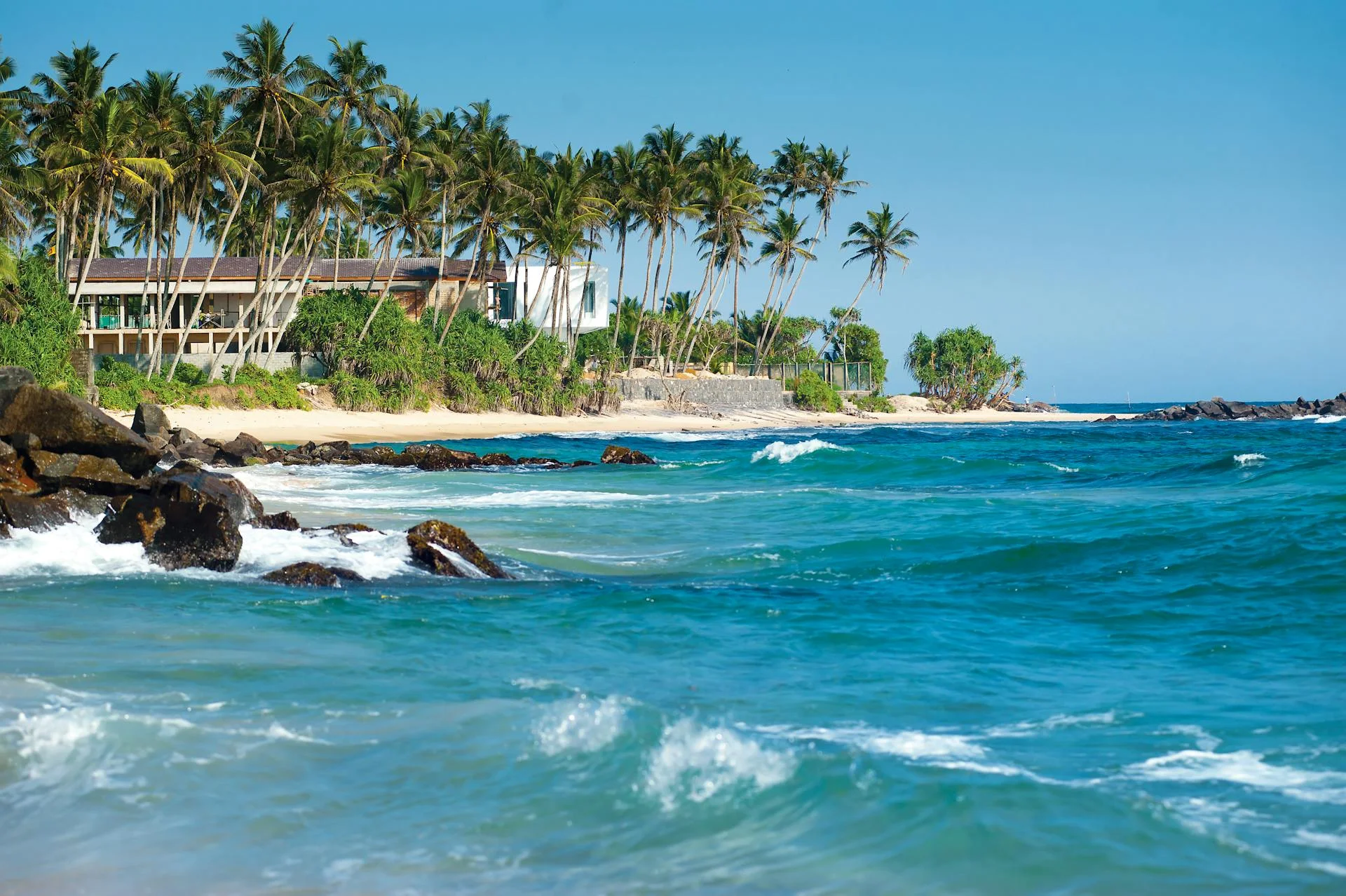
Sri Lanka, also known as the “Pearl of the Indian Ocean”, is a destination you really should not skip. This island nation in South Asia offers a unique mix of thousand-year-old historical sites, stunning palm-fringed beaches, and endless tea plantations covering its hill country.
Did you know that Sri Lanka is one of the smallest yet most diverse places on Earth? On just 66,000 square kilometers you will find everything – from ancient Buddhist temples and UNESCO archaeological sites to peaceful beaches perfect for both surfing and relaxing. Unlike many other destinations, Sri Lanka has kept its authenticity and the warmth of its people, who will surprise you with their smiles and genuine hospitality.
History of the country: Millennia of civilization and change
Sri Lanka has one of the longest continuous histories in the world, stretching back more than a thousand years. The beginnings of Sri Lankan civilization date to the sixth or fifth century BC, when the Sinhalese arrived on the island from the Bay of Bengal region and subdued the original nomadic Vedda people. In the fourth century BC, the first major kingdom was founded with its capital in Anuradhapura, which became one of the most powerful and long-lasting states in history. The city flourished for an incredible 1,300 years and turned into the main center of Buddhism in Sri Lanka.
The third century BC brought a major turning point when Prince Mahinda, son of the Indian emperor Ashoka, arrived and began spreading the Buddha’s teachings. Buddhism soon became the soul of Sri Lankan culture, and its influence is still visible today. In the eleventh century, the capital moved to Polonnaruwa, which then thrived especially under King Parakramabahu I in the twelfth century, when monumental buildings and gardens were built here. Over time, however, the Sri Lankan kingdom weakened under raids from South India, and political power shifted to the southwest.
The arrival of Europeans in 1505 marked the start of a fundamental transformation of the island. The Portuguese arrived, led by Lourenço de Almeida, and gradually took control of the most powerful Sinhalese kingdoms, while only the mountainous Kingdom of Kandy remained independent, resisting until the 18th century. In the seventeenth century, the Dutch gained control of the coastal areas and built a network of canals. The British arrived in 1796 and, in 1815, became the first European power to conquer even the seemingly impregnable Kandy, taking control of the entire island.
British colonial rule brought major changes – railways and roads were built and tea, rubber, and coconut plantations were established. Cheap laborers from India were brought in to work on the plantations, mainly Tamils, which had long-term consequences for the island’s ethnic makeup. Sri Lanka (known as Ceylon at the time) became a crown colony in 1802 and remained under British control until February 1948, when it gained independence as a dominion within the British Commonwealth. In 1972, the country was renamed from Ceylon to Sri Lanka and became a socialist republic. The last quarter of the twentieth century was marked by a tragic 26-year civil war between the Sinhalese Buddhist majority and the Tamil minority, which ended only in 2009 and left deep scars on the nation’s soul.
Location, geography, and climate
Location and geographical features
Sri Lanka lies in the Indian Ocean, southeast of the Indian subcontinent, separated from it by the Gulf of Mannar and the Palk Strait. The distance from India is roughly 30 kilometers. This island nation covers an area of 66,000 square kilometers, which makes it one of the smaller countries in the world – for comparison, it is about the same size as the Czech Republic. Sri Lanka is shaped like a drop falling from the Indian subcontinent and is sometimes called the “Teardrop of the Indian Ocean”. Between India and Sri Lanka stretches a chain of coral reefs known as Adam’s Bridge, which, according to legend, is where Adam first set foot on earth after being expelled from paradise.
The island consists mainly of flat to gently rolling coastal plains that gradually rise towards the interior. In the central and southern part lies the mountainous Central Highlands, which reach their highest point at Pidurutalagala (2,524 meters above sea level). These highlands naturally divide the island in terms of climate and rainfall – the windward side (west and south) is much wetter, while the leeward northeast is drier. The most important river is the Mahaveli Ganga, which forms a number of stunning waterfalls and is a key source of water for the entire island.
Climate and the best time to visit
Sri Lanka lies in the tropics, and its climate is warm, humid, and shaped by the monsoons. The island is influenced by two monsoon seasons, which create clear differences between parts of the year and between the southwest and northeast of the island. As a traveler, you need to choose the right time to visit based on which region of Sri Lanka you want to explore, because some parts of the island have suitable weather almost all year round.
| Month | Key characteristics |
|---|---|
| January | Best for the west, south coast and highlands; dry and sunny |
| February | Ideal for similar regions; still dry and warm |
| March | Still excellent in the west and south; temperatures rise significantly |
| April | Transitional period; start of the monsoon in the west; good for the north and east |
| May | Heavy rainfall in the west and south; ideal for the east and north |
| June | Yala monsoon in the west; sunny days return to the northeast |
| July | Monsoon continues in the west; hot and humid |
| August | Monsoon peak; good time for the east coast |
| September | Still monsoon season; weather gradually improves |
| October | Heavy rainfall across the island; the rainiest month |
| November | Transitional period; weather slowly improves |
| December | Start of the main season; ideal for the west and south coast |
The main tourist season runs from December to April, when the west and south coasts and the Central Highlands have the most stable weather with very little rain. Average coastal temperatures sit around 28–32 °C, while in the Central Highlands the temperature drops with altitude. For the north and east coast, the best months are May to September, when rainfall is much lower. The months of May, October and November are among the wettest. October is generally considered the least suitable month because of the high rainfall across the whole island.
The Central Highlands around Nuwara Eliya and Ella are much cooler – average night temperatures drop below 10 °C and rain is common for most of the year. This, however, creates stunning green scenery and a pleasantly fresh climate. Ocean water stays between 26–29 °C all year round, which makes it perfect for swimming.
Regions and types of destinations: Traveler’s guide
Sri Lanka naturally breaks down into several clearly defined regions, each offering its own experiences and highlights.
Cultural Triangle: The heart of Sri Lankan history
The Cultural Triangle formed by the cities of Anuradhapura, Polonnaruwa and Kandy (with Sigiriya and Dambulla at its center) is an absolute must in any itinerary. This UNESCO World Heritage area is home to the country’s oldest and most important historical sites. Traveling between these places takes you deep into the history of Buddhism and Sinhalese civilization.
West and south coast: Beaches and relaxation
The west and south coasts are a paradise for beach lovers. These areas are ideal for relaxing, swimming, and water sports from December to April. You’ll find the best tourist facilities and services in resorts such as Bentota, Hikkaduwa, and Mirissa.
Hill Country: Tea plantations and nature
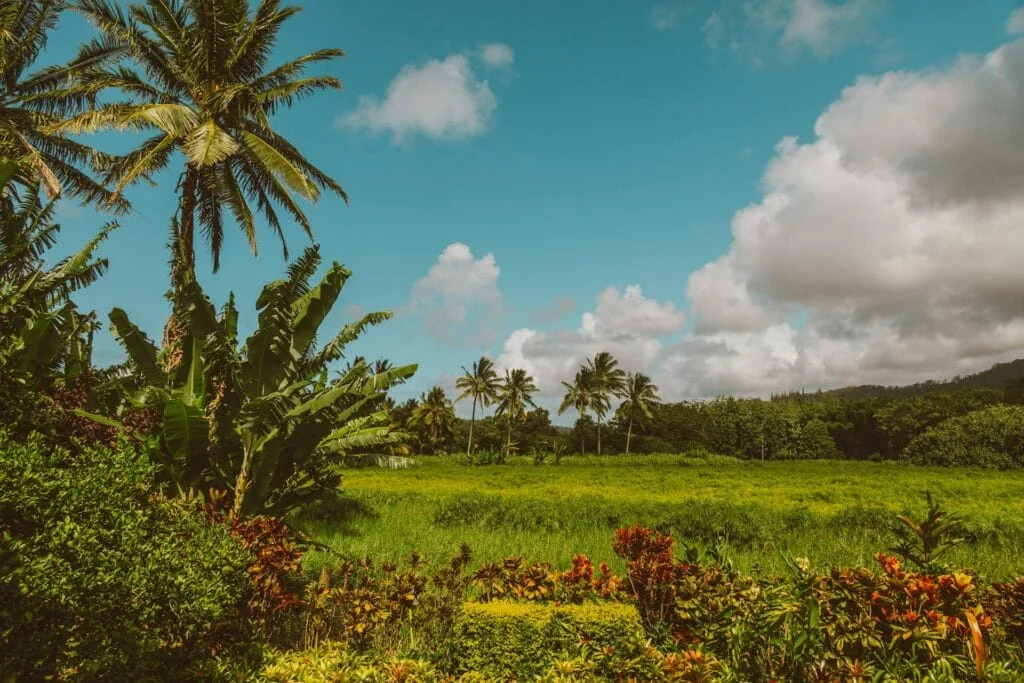
The central highlands around the towns of Kandy, Nuwara Eliya, and Ella offer breathtaking scenery, endless tea plantations, and mountain treks. This region is perfect for anyone looking for cooler weather, natural beauty, and cultural experiences.
North and East Coast: Authenticity and safari
The northern and eastern parts of the island are less developed for tourism and offer a more authentic experience. This area is home to the Yala and Udawalawe national parks, famous for their safari trips.
Most famous landmarks and cities: UNESCO and cultural treasures
Sigiriya – Lion Rock and a fortress in the clouds
Sigiriya, also known as Lion Rock, is one of the most famous and most photographed places in Sri Lanka. This archaeological site includes the ruins of a royal palace built in the fifth century by King Kassapa I. Its natural landmark is a granite monolith rising about 180 meters above the surrounding plain, creating a stunning contrast. The way to the top is made up of 1,270 steps that lead through several levels of ruins.
On the way up, you’ll come across the famous frescoes of bare-breasted women, the so-called “Cloud Maidens”, of which 22 remain from the original 500 or so. These paintings are considered the pinnacle of Sinhalese art. At the top, you’ll also find the remains of an extensive system of gardens, irrigation channels, and pools. Sigiriya is easiest to reach from the nearby towns of Dambulla or Polonnaruwa.
Polonnaruwa – The second royal city
Polonnaruwa became Sri Lanka’s second capital after Anuradhapura was destroyed in 993. The city flourished especially during the reign of King Parakramabahu I in the twelfth century, when it was transformed into a magnificent garden city with monumental buildings. The archaeological park features extensive ruins, including the Royal Palace, temples, and monasteries. The most famous site is Gal Vihara, a group of four Buddha statues carved into the rock, considered the finest example of Sinhalese sculpture.
In Polonnaruwa, you can also explore the ornate Brahmanic structures built by the Chola dynasty. The city is part of the Cultural Triangle and is especially magical at sunrise and sunset, when the ruins are bathed in golden light.
Anuradhapura – The oldest sacred city
Anuradhapura was founded around a cutting from the sacred fig tree (the Bodhi tree), which was brought here in the 3rd century BC, and went on to become one of the longest continuously inhabited cities in the world. It served as the political and religious center of Ceylon for an incredible 1,300 years, until it was attacked by invaders in 993. After the invasion, the city was abandoned for centuries and swallowed by dense jungle, until it was rediscovered by British archaeologists. Today, it is home to a vast archaeological park with palaces, monasteries, and monumental stupas.
The main highlight is the ancient Bodhi tree (Jaya Sri Maha Bodhi), one of the most sacred places for Buddhists, along with the monumental stupas surrounding it. It’s best to visit early in the morning, when the weather is more pleasant and there are fewer tourists.
Kandy – The last royal city and spiritual heart
Kandy was the last independent kingdom in Sri Lanka and remains the spiritual heart of Buddhism to this day. The city lies in a valley surrounded by hills at an altitude of roughly 500 meters, which gives it a stunning backdrop. Kandy is home to the Temple of the Tooth Relic (Sri Dalada Maligawa), where one of the most sacred Buddhist relics in the world is kept. According to tradition, the relic arrived in Sri Lanka in the 4th century and became a symbol of the right to rule.
The city is also famous for the Kandy Esala Perahera festival, held every year in July and August, and considered one of the largest and most colorful festivals in Sri Lanka. The streets come alive with lavishly decorated elephants, traditional dancers, and musicians in a ten-day-long procession.
Dambulla – Cave temples filled with art
Dambulla is home to a complex of five cave temples, ranked among the most important Buddhist monuments in Sri Lanka from an architectural point of view. The temple complex was founded as early as the 1st century BC and contains more than 150 Buddha statues in various sizes, along with wall paintings covering the interiors. The largest cave is decorated with beautiful frescoes depicting scenes from the Buddha’s life.
Dambulla lies about 145 kilometers northeast of Colombo and is often combined with Sigiriya as part of a day trip. The temple is an active monastic community, so you should respect local customs – wear appropriate clothing (covering shoulders and knees) and take off your shoes before entering.
Natural beauty and national parks: Encounters with wilder nature
Udawalawe National Park – The kingdom of elephants
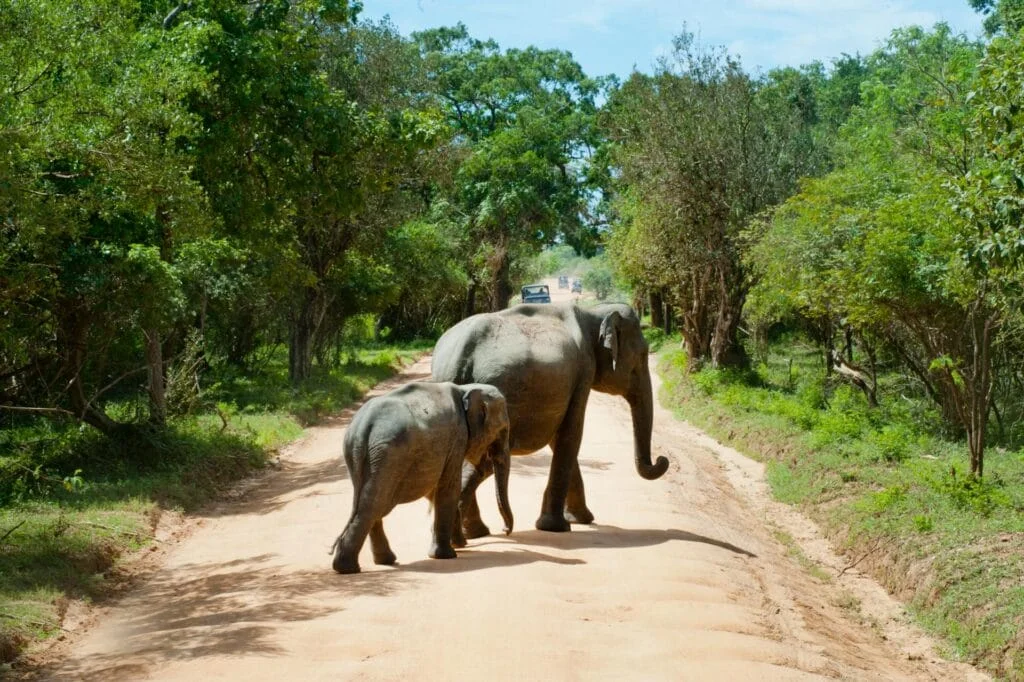
Udawalawe National Park is one of the most visited parks in Sri Lanka and is especially famous for its large elephant population. The park stretches along the border of the Sabaragamuwa and Uva provinces and was originally established as a sanctuary for wild animals displaced during the construction of a dam. Around 250 wild elephants live in the park, and you can watch them from a safe distance during a jeep safari. The park is also home to large populations of water buffalo, crocodiles, several species of deer, monkeys and birds.
Safaris usually set off early in the morning to avoid the heat and increase your chances of seeing active animals. A safari can last from three hours to a full day. The park is located about 200 kilometers southeast of Colombo.
Yala National Park – The most famous safari in Asia
Yala National Park is the largest and most famous national park in Sri Lanka, stretching across the southeast of the island all the way to the sea. The park is renowned for having the highest density of leopards in the world, giving visitors the best chance to see leopards in the wild anywhere in Asia. Besides leopards, you can also spot elephants, sloth bears, several species of antelope, crocodiles and many bird species.
The park is made up of dry vegetation with grasslands and scrub, creating ideal conditions for wildlife viewing. It lies about 300 kilometers southeast of Colombo and is most easily reached from the town of Tissamaharama.
Horton Plains – World's End and mountain landscapes
Horton Plains is the highest national park in Sri Lanka, located in the Central Highlands at an altitude of around 2,200 meters. The park is famous for its hike to “World's End”, an 800-meter cliff that offers stunning views all the way to the ocean when visibility is good. The trail leads through rolling terrain covered with grass and stunted trees, creating an atmosphere that feels more like alpine meadows than tropical Sri Lanka.
The hike to World's End takes about 3–4 hours and is of moderate difficulty. It’s best to start very early in the morning to catch a beautiful sunrise and avoid the mist that often hides the views later in the day. In the park you can also see sambar deer and various bird species.
The most beautiful beaches: Stay by the sea
Mirissa – Sunsets and whale watching
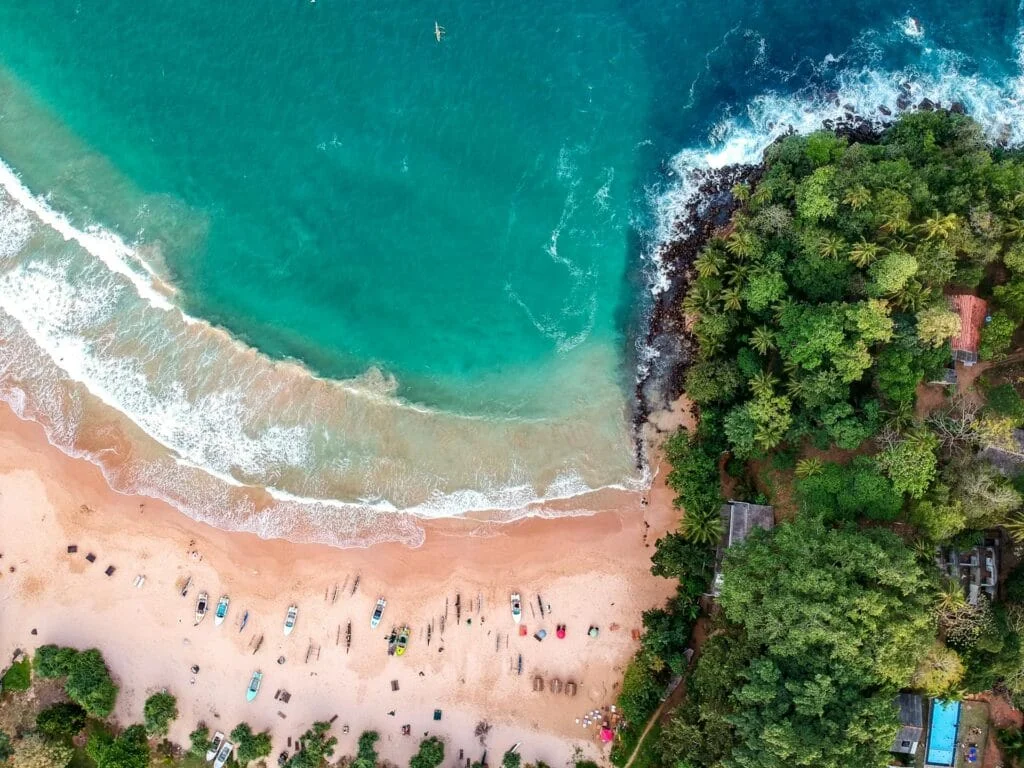
Mirissa is a smaller, quieter beach in the south of Sri Lanka, known for its stunning sunsets and golden sand. The beach is lined with palm trees and is less crowded than some of the more popular resorts. Mirissa has become a famous spot for whale and dolphin watching, especially from November to April, when you can see blue whales and sperm whales. Various tour operators offer boat trips to watch these marine mammals.
The town has a lively evening vibe with bars and restaurants right on the beach, where you can enjoy local food and cocktails. Mirissa is located about 165 kilometers southeast of Colombo.
Bentota and Beruwala – Long sandy beaches
Bentota and Beruwala are connected by a long sandy beach, which ranks among the most beautiful in Sri Lanka. The beach is lined with palm trees and offers shallow waters that are ideal for families with children. Beruwala is perfect if you’re after peace and quiet, while Bentota offers a wide range of water sports.
Both places have good infrastructure with hotels, restaurants, and shops. They are located roughly 60–70 kilometers south of Colombo and are easy to reach.
Hikkaduwa – Coral reef and nightlife
Hikkaduwa, located 100 kilometers southeast of Colombo, is a popular beach for travelers who want a mix of relaxation and fun. The beach is known for its coral reefs, which are ideal for snorkeling. Travelers can enjoy glass-bottom boat trips and explore the underwater world. The beach also has a vibrant nightlife with clubs and bars that really come alive in the high season.
There are also several sea turtle conservation projects in the area, where you can see injured turtles and learn more about their protection.
Unawatuna – Historic backdrop and beach
Unawatuna is a small beach near the historic city of Galle, offering a mix of natural beauty and cultural heritage. The crescent-shaped beach is surrounded by palm trees and has relatively calm waters. The nearby city of Galle with its UNESCO-listed fort and old pastel-colored houses creates a magical setting for photography and cultural exploration.
Unawatuna is a good choice if you want to combine beach relaxation with historical experiences. It is located about 150 kilometers south of Colombo.
Activities and entertainment: What to do in Sri Lanka
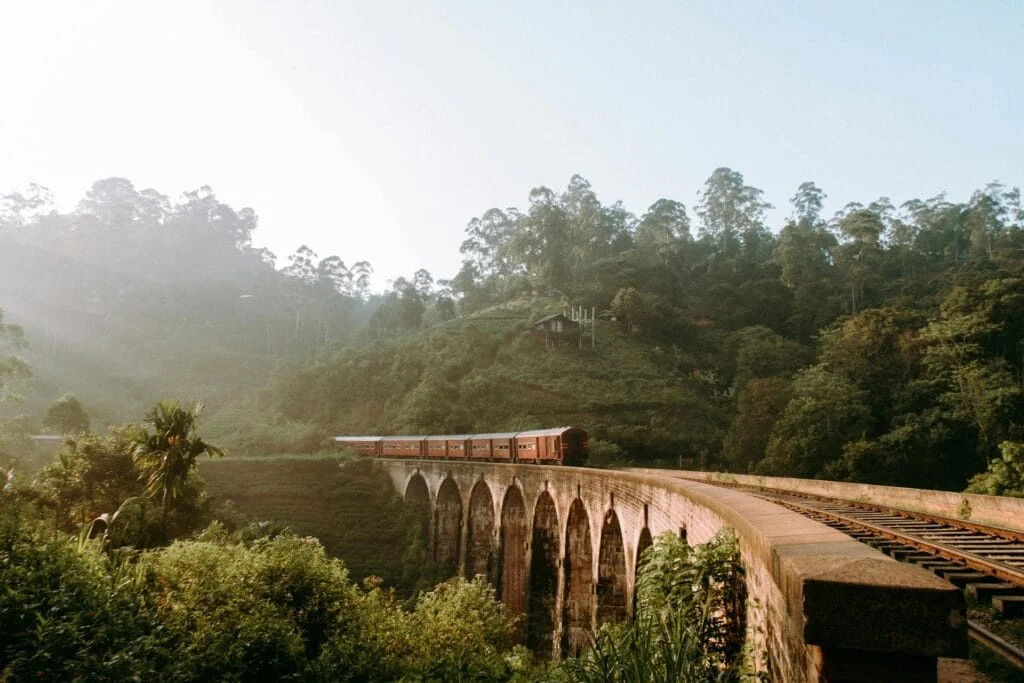
Sri Lanka offers countless activities for every type of traveler. History lovers can dive into ancient temples and archaeological sites. Mountain trails winding through tea plantations provide a good workout and beautiful views – a popular choice is the train journey from Kandy to Ella, which is an experience in itself.
Coastal areas are all about water sports – surfers will love the waves in Hikkaduwa and Arugam Bay, while diving enthusiasts will be amazed by the coral reefs. If you’re after peace and quiet, yoga and wellness retreats are ideal. Nightlife is centered around larger resorts such as Mirissa and Hikkaduwa. Cultural experiences include visiting temples and joining festivals like the Esala Perahera in Kandy or the Sinhala and Tamil New Year in April.
Travelers can also enjoy traditional Ayurvedic massages, browsing local markets, and shopping for handicrafts. Nature lovers can go birdwatching and spot wildlife in the national parks.
Gastronomy and culture: Flavors and traditions
Typical food and drink: Taste Sri Lanka
Sri Lankan cuisine is one of the oldest and spiciest in Asia, known for its generous use of spices and exotic ingredients. The backbone of the traditional diet is rice and curry, with curries made from a blend of spices, coconut milk, and vegetables or meat. Local curry is not as thick as Indian curry; it’s juicier and uses more coconut milk.
The most famous dish is “Rice and Curry”, a plate of rice served with several types of curry (beef, chicken, fish, or vegetarian), plus various sides such as sambol – a very hot paste made from chili, coconut, and lime. Another popular dish is Kottu Roti, chopped roti flatbread mixed with vegetables and meat, cooked on a hot griddle. Hoppers are thin pancakes made from rice flour, fried in a special deep pan that gives them their distinctive bowl shape.
Sri Lankan tea (Ceylon Tea) is world‑famous and many travelers buy it as a souvenir. Street stalls sell fresh king coconuts, with the water drunk straight from the nut. Fish lovers should try Ambul thiyal, a traditional tuna dish marinated in a spicy sauce. For dessert, go for Watalappan, an egg custard with cardamom and caramel.
In Sri Lanka, it’s common to eat with your hands (your right hand), especially in local restaurants. Tap water is not recommended – buy bottled water and avoid ice in drinks.
Cultural customs and festivals: Traditions and celebrations
Buddhism has a deep influence on Sri Lankan culture and shapes every aspect of daily life. When visiting temples, you should enter barefoot and dress modestly (with shoulders and knees covered). As a sign of respect, slightly bow when you approach Buddha statues. White clothing is commonly associated with religious ceremonies in Sri Lanka.
One of the biggest festivals is Vesak Poya, which celebrates the Buddha’s birth, enlightenment, and death. It usually takes place in May and people mark it by decorating homes and temples with lanterns. Kandy Esala Perahera is a ten-day festival held in July and August, when the city turns into a colourful parade with elephants, dancers, and music. The Sinhalese and Tamil New Year is celebrated in April and is a time for family gatherings. Deepavali, the Hindu festival of lights, is celebrated in October or November.
Local customs include greeting others with a slight bow and a warm smile. Sri Lankans are naturally kind and hospitable. In private homes, it is polite to accept any refreshments that are offered.
Key practical information: Before you go
Currency and payments: How to handle your money
The official currency of Sri Lanka is the Sri Lankan rupee (LKR). Banks and exchange offices are available in every larger town and at the airport. It’s a good idea to exchange some money right after you land to cover your initial expenses.
Credit cards are accepted in most hotels and restaurants in tourist areas, but in smaller villages and rural regions you will need cash. ATMs are widely available in cities. A usual tip in restaurants is 10% of the bill, although it is not always mandatory.
Entry requirements and visas: What you need
Tourists from the Czech Republic need a visa to enter Sri Lanka. You can arrange a tourist visa online in advance through the official ETA (Electronic Travel Authorization) portal, or on arrival at the airport. Applying online is recommended. The visa usually allows a 30-day stay.
You need a passport valid for at least 6 months from the date of entry into Sri Lanka. Immigration officers may also ask to see a return ticket and proof of sufficient funds for your stay.
Safety and local etiquette: How to behave
Sri Lanka is generally considered a safe destination. Crime levels are relatively low. The main safety risks are linked to traffic – local drivers can be reckless and roads are sometimes in poor condition. It’s best to avoid travelling at night.
Watch out for pickpockets in tourist areas. Women travelling alone should be cautious at night. When visiting temples and sacred sites, respect local traditions – wear appropriate clothing (covering shoulders and knees), take off your shoes before entering, and keep noise to a minimum.
Healthcare and vaccinations: Medical care
Vaccination against hepatitis A, typhoid fever, and tetanus is recommended. Discuss your vaccinations with your doctor well before you travel. Malaria is now very rare in Sri Lanka, but mosquito protection (repellents) is advised because of dengue fever.
Healthcare is good in major cities, but in remote areas it can be limited. Comprehensive travel insurance that covers medical expenses is strongly recommended. Drink only bottled water. Wash all fruit and vegetables thoroughly before eating them, or peel them.
Fauna and flora: Nature in Sri Lanka
Sri Lanka is home to exceptional biodiversity, with more than 100 species of mammals, hundreds of bird species, and many rare plants. The symbol of the island is the Sri Lankan elephant, with a population estimated at around 6,000 animals.
Other key species include the Sri Lankan leopard, the island’s only big cat, which lives mainly in Yala National Park. The red slender loris is a unique nocturnal primate with large eyes. The island is home to more than five species of sea turtles, which come here to lay their eggs on local beaches. Two species of crocodiles live in the rivers and wetlands. The highland areas around Nuwara Eliya and Ella are famous for their tea plantations, first planted here by the British and now an integral part of the landscape.
Basic phrasebook: Useful expressions
Although English is widely spoken in tourist areas, knowing a few basic phrases in Sinhala is always welcome and locals really appreciate it.
| Czech phrase | Translation into Sinhala |
|---|---|
| Hello / Hi | Ayubowan |
| Thank you | Istuti |
| Yes / No | Ow / Na |
| How much is it? | Kíyada? |
| Where is the toilet? | Väsikiliya koheda? |
| It’s delicious! | Hari rasai! |
| Water | Vatura |
| Help! | Udav karanna! |
Transport and logistics: How to get around Sri Lanka
How to get to the country
The main international airport in Sri Lanka is Bandaranaike International Airport (CMB), located about 30 kilometers north of Colombo. The airport is well connected to major air hubs in Europe and the Middle East. From the airport you can reach central Colombo by bus, taxi, or ride-hailing services such as Uber.
Direct flights from the Czech Republic are not common, so expect at least one layover in cities such as Istanbul, Doha, or Dubai.
Transport within the country
Train travel is one of the most popular and scenic ways to get around Sri Lanka. Trains are divided into three classes. Journeys are slow, but the views are unforgettable, especially on the route from Kandy to Ella, which runs through tea plantations and mountain passes. It’s best to buy tickets for popular routes in advance.
Buses are the cheapest way to travel and will get you almost anywhere. There are state-run buses (cheap but often crowded) and private buses (usually air-conditioned and faster). Trips can be long and delays are common.
Hiring a car with a driver is a comfortable and safe option for independent travelers. Local traffic is chaotic, so driving yourself is not recommended.
Tuk-tuks (motorized three-wheelers) are ideal for shorter distances in towns and cities. Always agree on the price beforehand.
Organized tours with a guide and driver are very popular and often offer the best mix of comfort, safety, and useful information.
Prices and travel budget: Financial planning
Sri Lanka is a relatively affordable destination, although prices vary depending on your travel style.
Low-budget (backpacker): A daily budget is around $32–$48. A hostel bed costs about $6–$12 per person, meals in local eateries $4–$8, and buses and trains are very cheap.
Mid-range budget: A daily budget is around $60–$100. A comfortable hotel or guesthouse costs $32–$60 per night, and meals in nicer restaurants $8–$16. This budget also allows you to hire a car with a driver for some parts of your trip.
Luxury budget: Daily costs start at $140. Stays in luxury hotels start from $80 per night, and meals in high-quality restaurants are $20–$40. This budget includes private transport and organized excursions.
In general, it’s worth paying extra for certain experiences – for example, a ticket for a panoramic carriage on the train or a professional guide at historical sites.
How to plan the perfect trip: Tips and strategies
Choosing the right region for your travel style
For first-timers and families with children: It’s a good idea to start in the south (beaches like Bentota, Mirissa) and then visit Kandy and the elephant orphanage. This route offers a mix of relaxation and activities without overly long travel days.
For history and culture lovers: The Cultural Triangle (Anuradhapura, Polonnaruwa, Sigiriya, Dambulla) together with Kandy is an absolute must. Plan to spend 5–7 days in this area.
For solo travelers and backpackers: Sri Lanka is relatively safe for solo travel and the travel community is very welcoming. A popular route is the inland train journey (Kandy, Ella) combined with a stay on the south coast.
For nature lovers and photographers: Combine national parks (Yala, Udawalawe, Horton Plains) with mountain regions (Ella, Nuwara Eliya). The best light for photography is early in the morning and at sunset.
Typical planning mistakes and how to avoid them
One of the most common mistakes is trying to squeeze too much into a short trip. Sri Lanka may be small, but distances feel longer because of slower transport and road conditions. It’s best to spend at least 10–14 days on the island. Another mistake is underestimating travel time – always allow for longer journeys than what maps or timetables suggest.
Many travelers also ignore the weather and monsoon seasons. Traveling at the wrong time of year can mean constant rain. Always book your accommodation and train tickets in advance, especially in peak season.
Sample itineraries for different trip lengths
One week in Sri Lanka (7 days): Colombo (arrival) → Cultural Triangle – Dambulla and Sigiriya (2 days) → Kandy (1 day) → Ella by train and tea plantations (2 days) → south beach (Mirissa) and departure from Colombo (2 days).
Two weeks (14 days): Colombo (1 day) → Cultural Triangle (3 days) → Kandy (2 days) → Ella (2 days) → Yala or Udawalawe National Park (1 day) → south coast (Mirissa, Tangalle) (3 days) → Galle (1 day) → departure from Colombo (1 day).
Three weeks (21 days): Gives you enough time to add more stops to the two-week itinerary, such as the ancient cities of Anuradhapura and Polonnaruwa in the Cultural Triangle, a trek to Adam’s Peak, or a visit to the less touristy east coast (Trincomalee, Arugam Bay).
Summary and final tip: Why you’ll want to come back
Sri Lanka is a truly unique destination that will win you over with its diversity and friendly vibe. Whether you’re drawn to historic sites, natural scenery, water sports, or simply relaxing on the beach, Sri Lanka delivers memorable experiences. The key to a great trip is staying flexible with your plans – unexpected moments are part of the adventure.
The main highlights of Sri Lanka – its ancient Buddhist culture, wild elephants in national parks, stunning tea plantations winding through the highlands, and golden beaches with a calm ocean – make the island an ideal destination for every type of traveler. Sri Lanka will not disappoint you, and there’s a good chance you’ll want to come back.
Kategorie: