Bahamas: Travel Guide and Destination Encyclopedia
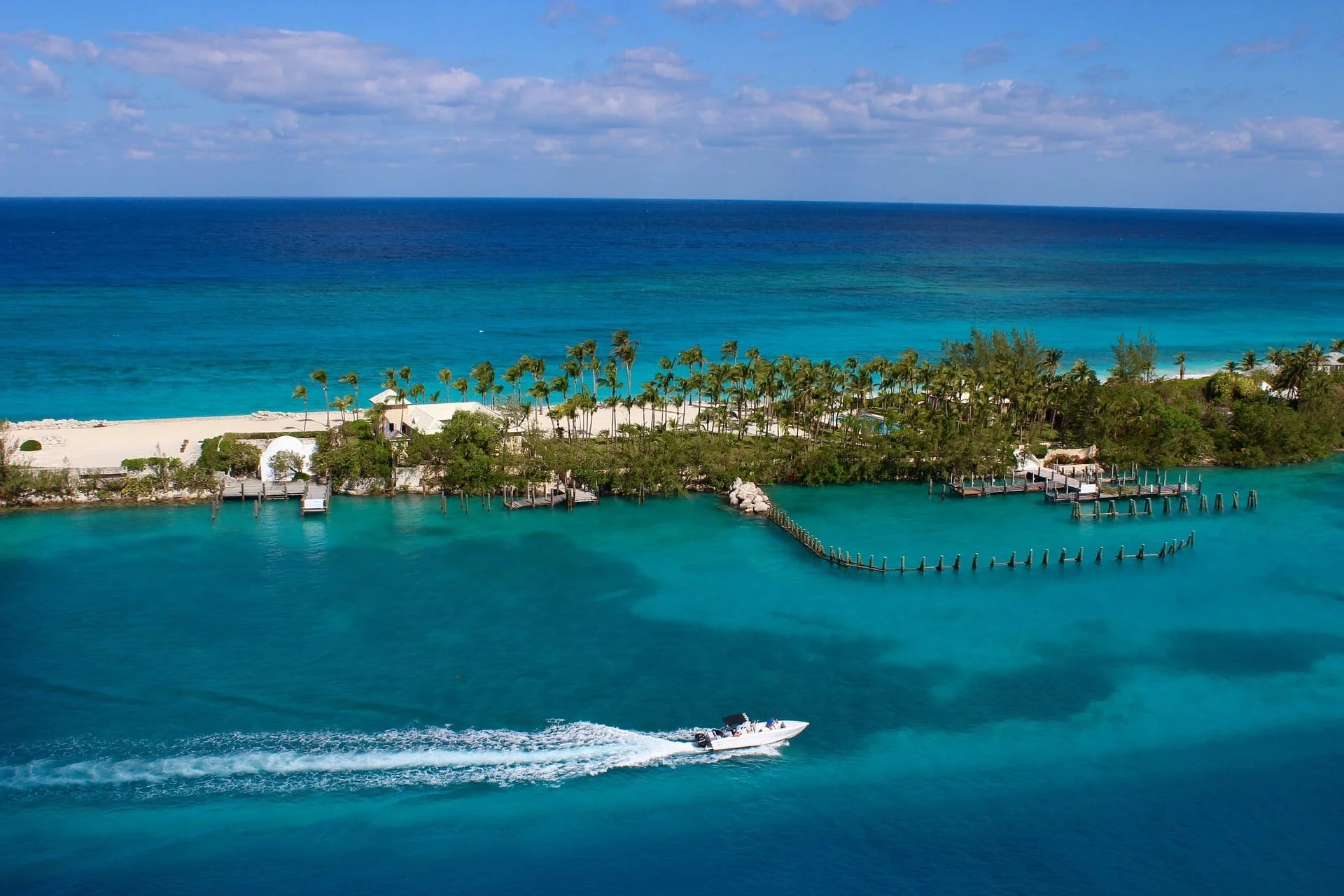
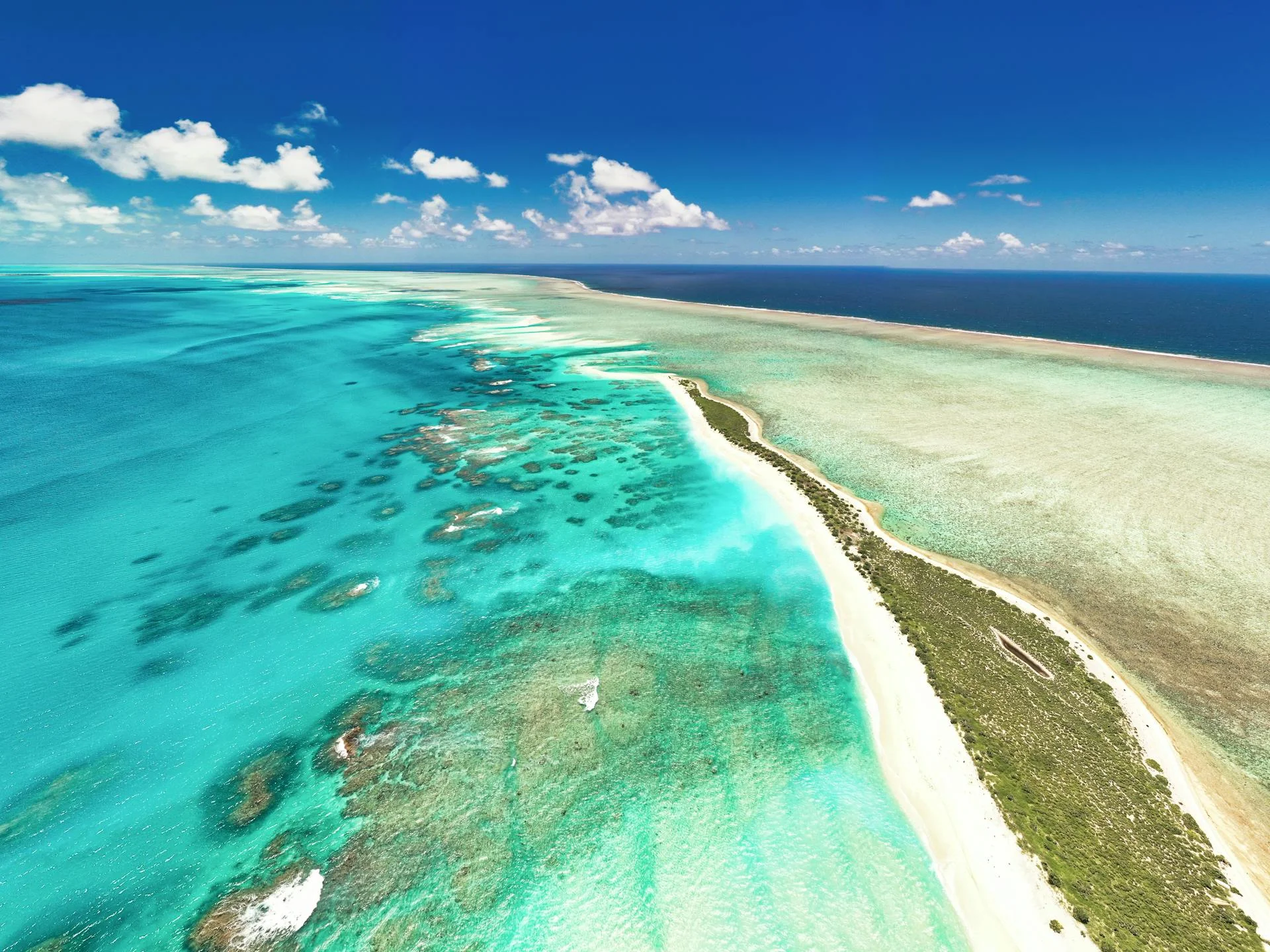
The Bahamas are an island paradise in the Atlantic Ocean, lying southeast of Florida and northeast of Cuba. The archipelago is made up of more than 700 islands and 2,400 coral reefs. It’s a destination that blends stunning natural scenery, rich culture, and unforgettable experiences for every type of traveler. Whether you’re after pure relaxation on dreamy white-sand beaches, adrenaline-packed water sports in crystal-clear seas, exploring historic landmarks, or diving into authentic Bahamian culture, the Bahamas deliver exactly what you’re looking for. Did you know the islands’ name comes from the Spanish term “baja mar”, meaning “shallow sea”, which perfectly captures the character of the local clear waters? These islands have captured the hearts of travelers from all over the world with their unique charm and the warm hospitality of their people.
History of the Bahamas: From the first settlers to independence
The story of the Bahamas reaches far back into the past, when the islands were first settled by Indigenous Taíno and Lucayan peoples between 500 and 800 AD. These original inhabitants, who came from mainland South America, were skilled seafarers who navigated between Caribbean islands in dugout canoes (boats carved from tree trunks). The Lucayans settled in the Bahamas and their population gradually grew to around 40,000 people. They were experienced fishermen and farmers who built a thriving community. Their settlements were denser in the southern and central Bahamas and thinned out toward the north, reflecting both their migration patterns and how long they had lived on each island.
In 1492, Christopher Columbus arrived in the Bahamas during his first voyage to the New World and landed on an island he named San Salvador (its original name was Guanahani). Columbus claimed the islands for Spain, marking the start of European colonization. The Spanish gradually captured the Indigenous population and forced them into slavery in the gold mines of Cuba and Haiti. Those who remained eventually died out due to disease and brutal treatment. By the early 17th century, the Bahamas were largely deserted, although English settlers and later all kinds of adventurers began to move in.
In 1717, the Bahamas officially became a British colony and entered a period of rapid development. During the 18th century, the islands turned into a major hub of the transatlantic slave trade, with tens of thousands of Africans brought to the Bahamas to work on plantations. Their descendants now make up roughly 85% of the Bahamian population, and their cultural legacy is deeply woven into Bahamian traditions, music, and religion. In the early 20th century, the Bahamas became a key base for informal trade during Prohibition in the United States, serving as a transshipment point for smuggled alcohol.
Independence came much later. The Bahamas gained internal self-government in January 1964 and became an independent state on 10 July 1973, when it became a fully sovereign member of the Commonwealth. The first Prime Minister was Lynden Pindling, a legendary leader still honoured today as the “father of the Bahamian nation” for his role in securing independence and shaping the modern Bahamian state. From the 1990s onwards, waves of refugees from Haiti began arriving in the Bahamas, trying to escape poverty and political chaos at home, which further enriched the country’s cultural diversity.
Location, geography and climate
Location and geography of the Bahamas
The Bahamas are located in the Caribbean region of the Atlantic Ocean, specifically in the area known as the Lucayan Archipelago. Their basic geographic coordinates are 72°–79° west longitude and 21°–27° north latitude. The island nation covers an area of roughly 13,940 square kilometres and is made up of more than 700 islands and cays (pronounced “keys”, small islets) and almost 2,400 coral reefs. The highest point in the Bahamas is Mount Alvernia at just 63 metres above sea level, which reflects the very low elevation of all the islands in the archipelago. The lowest point is the Atlantic Ocean. The best-known and most populated island is New Providence, home to the capital city, Nassau.
The Bahamas have no high mountains or steep coastlines. Instead, they are defined by a long chain of low limestone and coral islands with expansive beaches stretching along more than 3,000 kilometres of coastline. Most of the land lies only a few metres above sea level. The individual islands are separated by turquoise bays and channels. Key islands include Paradise Island, Grand Bahama, Andros (the largest island in the Bahamas), Bimini, Eleuthera, Exuma and Harbour Island.
Climate and weather for travellers
The Bahamas have a tropical climate strongly influenced by the northeast trade winds and the warm Gulf Stream. Temperatures stay between 20–32 °C throughout the year, with February the coolest month at around 21 °C on average and August the hottest at around 28 °C. Annual rainfall ranges from 1,100 to 1,600 millimetres.
There are two main seasons in the Bahamas: the dry season (November–April) and the wet/hurricane season (May–October). The best time to visit is traditionally from November to April, when the weather is dry, temperatures are pleasant and the risk of hurricanes is minimal. In summer, both temperatures and humidity rise and there is a risk of tropical storms, although direct hits on the islands are relatively rare.
Weather and when to go: Month-by-month overview
| Month | Average daytime temperature | Average night-time temperature | Sea temperature |
|---|---|---|---|
| January | 25 °C | 20 °C | 23 °C |
| February | 25 °C | 20 °C | 23 °C |
| March | 26 °C | 21 °C | 24 °C |
| April | 28 °C | 22 °C | 25 °C |
| May | 30 °C | 24 °C | 26 °C |
| June | 31 °C | 25 °C | 28 °C |
| July | 32 °C | 26 °C | 29 °C |
| August | 32 °C | 26 °C | 30 °C |
| September | 31 °C | 25 °C | 29 °C |
| October | 29 °C | 24 °C | 28 °C |
| November | 27 °C | 22 °C | 26 °C |
| December | 26 °C | 21 °C | 25 °C |
The best time to visit is clearly from November to April. July and August are the hottest months, perfect for beach days and water sports, but the risk of hurricanes is higher. May and October tend to be more humid with more frequent rain.
Regions and types of destinations
Nassau and Paradise Island: The heart of tourism
Nassau, the capital of the Bahamas on New Providence Island, is a lively hub of culture, commerce, and tourism. This cosmopolitan port blends a historic feel with modern luxury. Nassau is home to the main international airport (NAS), the gateway for millions of travelers each year. The city is known for its shopping districts, casinos, world-class restaurants, and vibrant nightlife. Bay Street, the main shopping street, is lined with colonial-style buildings and modern stores.
Paradise Island, originally known as Hog Island, sits right next to Nassau and is connected to it by bridges. The island is home to the famous Atlantis resort, one of the largest and most luxurious hotels in the Caribbean, featuring huge aquariums and a sprawling water park. Paradise Island offers top-tier beaches and leisure facilities.
Exuma: A kingdom of beaches and natural wonders
Exuma is a chain of islands south of Nassau, known as one of the most beautiful and romantic destinations in the Bahamas. The archipelago is famous for the Exuma Cays Land and Sea Park, the first protected Bahamian park, established in 1958, which covers 176 square kilometers. The national park is home to rich wildlife, including sea turtles and countless fish species. Near Staniel Cay you’ll find the famous Thunderball Grotto, an underwater cave that appeared in several James Bond movies.
Another highlight is the famous Pig Beach (Big Major Cay), where wild pigs live, swim in the sea, and greet visitors. On Compass Cay you can swim close to nurse sharks, which are used to people and generally considered safe.
Harbour Island: Pink beach and peaceful moments
Harbour Island, also known as Briland, is a small islet off Eleuthera that’s very popular with visitors. The island is famous for its Pink Sands Beach, one of the most beautiful beaches in the world. The beach is covered with unique pink sand, colored by tiny shells of marine organisms (foraminifera) mixed with white sand. It stretches for more than 3.5 kilometers and offers some of the softest sand you can find anywhere.
The town of Dunmore Town on Harbour Island is a picturesque settlement with colorful houses that create a romantic atmosphere. The main means of transport on the island are golf carts, which give the place a unique and laid-back feel.
Bimini: A legendary island on the edge
Bimini, the westernmost part of the Bahamas, lies just 80 kilometers from Florida. It consists of four main islands and has a population of around two thousand people. The main town is Alice Town on North Bimini.
Bimini is a legendary spot for sport fishing, especially for tuna, swordfish, and marlin in the nearby Gulf Stream. The island is also home to the mysterious Bimini Road, an 800-meter-long formation of limestone blocks discovered underwater in 1968. For many years, this formation was linked to the myth of Atlantis, although scientists tend to see it as a natural structure. Ernest Hemingway spent part of his life here, and the island inspired him to write his famous novel “The Old Man and the Sea”.
Andros: The largest and least populated
Andros is the largest island in the Bahamas, yet it remains one of the least populated and most unspoiled. The island is known for its deep underwater sinkholes (blue holes) and incredibly rich marine life, making it a true diver’s paradise. The most famous site is the Andros Barrier Reef, the third-largest barrier reef in the world, which runs along the island’s eastern coast. Andros is also home to the longest known system of underwater freshwater caves in the world. For travelers focused on nature and ecotourism, Andros is an ideal destination.
Most famous landmarks and cities
Fort Fincastle: Historic fortress in Nassau
Fort Fincastle sits on top of Bennet's Hill, the highest point on New Providence Island. This steamship-shaped fort was built in 1793 under the command of Lord Dunmore, the royal governor at the time, to protect Nassau from pirates.
The fort was built in a strategic location and served not only as a military stronghold, but also as a lighthouse for more than a century. Visitors can see replicas of the cannons that once defended the town. You can reach the fort via the famous 65 steps of the Queen's Staircase, carved into the rock in the same year as the fort.
Fort Fincastle is now open to the public daily from 8:00 a.m. to 5:00 p.m. Admission is about $5. From the top, you get one of the best views of Nassau.
Queen's Staircase: An architectural gem
Queen's Staircase is a major historical and cultural attraction. These 65 limestone steps were carved into the rock in 1793 by enslaved people and were meant to serve as an escape route from Fort Fincastle. The staircase was later named in honor of Queen Victoria. The steps are surrounded by lush tropical greenery and a small waterfall, creating a very photogenic setting. Entry is free.
Nassau Straw Market: The heart of local culture
Nassau Straw Market is a lively, colorful market in downtown Nassau that every traveler should see. It offers handmade products from Bahamian artisans – from woven straw baskets and hats to coral jewelry, paintings, local spices, and traditional souvenirs. Bargaining is part of the experience and an important part of local culture and fun. A visit to the market is not only a chance to pick up souvenirs, but also a great way to experience Bahamian hospitality.
Atlantis Resort: A modern icon
Atlantis Resort on Paradise Island is one of the largest and most luxurious hotel complexes in the Caribbean. Opened in 1998, the resort has become a symbol of the destination. It includes more than 3,000 rooms, several casinos, dozens of restaurants and bars, a huge aquarium, and a large water park. Although Atlantis is primarily a hotel destination, many of its attractions are open to day visitors – you can, for example, buy a pass to the Aquaventure water park or visit The Dig, a massive aquarium inspired by the legend of Atlantis.
Natural beauty and national parks
Exuma Cays Land and Sea Park: A protected treasure
Exuma Cays Land and Sea Park is the largest and most important protected area in the Bahamas, established back in 1958. The park covers 176 square kilometers and includes dozens of islands, shallow lagoons, and massive coral reefs. As the first park of its kind in the Caribbean, it ranks among the world’s true natural rarities. The park is home to countless marine species, including sea turtles, stingrays, lobsters, and thousands of fish species. Shroud Cay within the park is a special protection zone for sea turtles, making it a key nesting and breeding site.
Thunderball Grotto: The underwater cave from Bond movies
As mentioned in the Exuma section, Thunderball Grotto is an underwater cave system west of Staniel Cay. The cave has several entrances – at high tide you can swim in through underwater openings, while at low tide there are also dry access points. The interior is lit by natural light streaming through holes in the ceiling, creating a stunning visual effect. The cave became famous in 1965 in the James Bond movie “Thunderball” and later appeared in other Hollywood films such as “Never Say Never Again” (1983) and “Into the Blue” (2005).
Dean's Blue Hole: The deepest blue hole in the world
Dean's Blue Hole on Long Island is the deepest known saltwater blue hole in the world, plunging down to 202 meters. This breathtaking natural wonder is mesmerizing at first sight – a perfect dark blue circle set in the middle of a shallow turquoise sea. While casual divers should stay in the shallows around the hole, where you’ll find beautiful coral formations, experienced divers can enjoy an adrenaline-fueled deep diving experience here.
Lucayan National Park: The longest underwater caves
Lucayan National Park is located on Grand Bahama Island and is home to one of the longest mapped underwater cave systems in the world. Visitors can explore these fascinating underground passages and spot unusual creatures such as blind cave fish and several species of bats. The park also includes Gold Rock Beach, one of the most beautiful beaches on the island.
Best beaches
Pink Sands Beach: A pink legend
Pink Sands Beach on Harbour Island is without a doubt the most famous beach in the Bahamas and one of the most beautiful in the world. It stretches for 3.5 kilometers and is covered in its signature pink sand. The color comes from the shells of microscopic red and pink foraminifera that mix with the white sand. The lower the sun is on the horizon, the more intense the pink shade appears. The sand is extremely fine and does not overheat in the sun, so it stays comfortable even on hot summer days.
Cable Beach: A Nassau Classic
Cable Beach in Nassau is one of the most popular and easiest-to-reach beaches in the capital. It stretches for several kilometers and offers every service a traveler could want – from sunbed and umbrella rentals and water sports to nearby restaurants and bars. The beach is named after the underwater telegraph cable that was laid here at the end of the 19th century. Cable Beach is ideal for families and for anyone looking for a convenient and safe place to swim.
Gold Rock Beach: Natural Magic
Gold Rock Beach on Grand Bahama Island is a stunning beach that is part of Lucayan National Park. It is known for its golden sand and crystal-clear water. At low tide, the beach widens dramatically and reveals hundreds of meters of rippled sand. It’s perfect for travelers who want a quieter atmosphere and a closer connection to nature.
Cabbage Beach: A Postcard Paradise
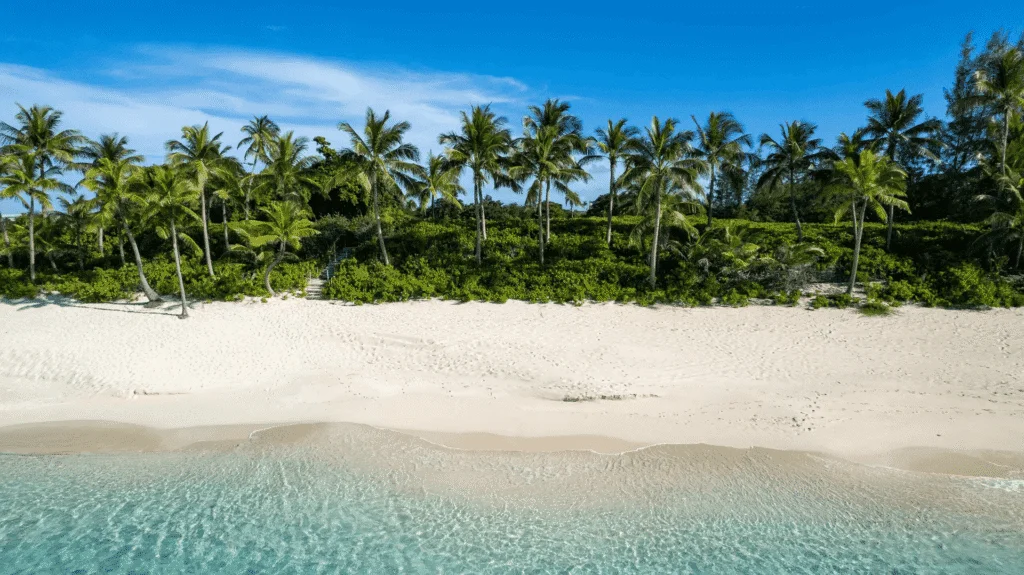
Cabbage Beach on Paradise Island stretches for 3 kilometers and looks like it’s straight out of a postcard – with white sand, turquoise water, and towering palm trees. It’s a classic tourist hotspot and offers full facilities, including water sports rentals and beachfront restaurants. The water is warm and shallow, making it suitable for swimmers of all levels.
Love Beach: A Peaceful Hideaway
Love Beach in Nassau is a smaller, less crowded beach that offers more peace and privacy. It’s ideal for those who want to escape the crowds and spend time in a more relaxed setting. At low tide, small pools appear with fish and other marine life, which makes the beach interesting for casual wildlife watching as well.
Activities and Entertainment
Diving: Exploring the Underwater World
Diving is one of the most popular activities in the Bahamas. Andros Island is one of the best places to dive thanks to its barrier reef. New Providence Island offers shark diving and shipwreck exploration. For those chasing deeper, more intense experiences, Dean's Blue Hole on Long Island and Thunderball Grotto in Exuma are standout destinations. Divers can expect encounters with many species of fish, corals, sea sponges, and occasionally large pelagic creatures.
Snorkeling: Discovering Shallow Waters
Snorkeling is a more accessible alternative to scuba diving and gives you stunning views of the underwater world without needing special gear or certification. Paradise Cove on Grand Bahama Island lets you snorkel right along the reef just off the beach. Big Major Cay in Exuma offers a unique mix of snorkeling and meeting the famous swimming pigs.
Fishing: A shot of adrenaline
Sport fishing is one of the most traditional activities in the Bahamas. Grand Bahama is recognized worldwide as the sport fishing capital. The island offers ideal conditions for catching blue marlin, swordfish, tuna, and other big game fish, especially from March to September. The nearby Gulf Stream, a warm ocean current, brings large fish from deeper waters right up to the shore.
Water sports: Fun on the water
The Bahamas offer just about every water sport you can think of – from jet skiing, paddleboarding, kayaking, and water skiing to parasailing. Beaches like Cable Beach and Cabbage Beach provide equipment rentals and instructor services.
Swimming with animals: Unusual encounters
One of the most unique experiences in the Bahamas is swimming with pigs on Pig Beach in Exuma. These wild but friendly pigs are used to visitors and happily pose for photos in exchange for treats. On Compass Cay you can swim with nurse sharks, which rest in the shallows and are generally harmless.
Golf: A game with a view
Golf in the Bahamas is a luxury experience with sweeping ocean views. Paradise Island is home to The Ocean Club Golf Course, an award-winning golf course. Sandals Emerald Bay in Exuma is another renowned destination, with a course designed by Greg Norman.
Festivals and cultural events
Junkanoo is the national festival of the Bahamas, celebrated on December 26 (Boxing Day) and January 1 (New Year’s Day), as well as every Saturday in summer. The festival is a spectacular celebration with colorful costumes, dancing, music, and street parades. Organized groups of up to 1,000 people spend almost the entire year preparing their costumes and choreography. The biggest Junkanoo celebrations take place on Bay Street in Nassau.
Gastronomy and culture
Typical dishes and drinks
Bahamian cuisine is all about seafood and fish. The most famous and highly prized delicacy is conch – a large sea mollusk prepared in many different ways. Conch salad is a simple but excellent dish made with raw conch meat, onion, bell pepper and citrus juice. Conch fritters are deep-fried dough balls with pieces of conch.
Other popular dishes include grouper, which is served grilled, stewed or baked. Crawfish (spiny lobster) is another renowned specialty. Fish stew, a hearty soup made from fish and vegetables, is traditionally served for breakfast.
For dessert, you’ll often find coconut cake, pineapple tart and guava duff, a steamed pudding served with a rum sauce.
The most popular local cocktail is the Bahama Mama, made with several types of rum and fruit juices. Switcha is a refreshing non-alcoholic drink made from limes, water and sugar, similar to lemonade.
Meal times and restaurant etiquette
In the Bahamas, breakfast is usually served between 7:00 and 10:00, lunch between 12:00 and 14:00 and dinner between 18:00 and 22:00. Restaurant etiquette is fairly relaxed. Tipping is very important in the Bahamas and is generally expected. In restaurants, people usually leave 15–20% of the bill. In bars, the standard is $1–2 per drink.
Cultural customs and festivals
Besides Junkanoo, there are several other festivals in the Bahamas. Bahamas Independence Day (10 July) is celebrated with parades and live music. Emancipation Day (the first Monday in August) commemorates the abolition of slavery in the British Empire. Local culture is strongly shaped by the music styles of reggae and calypso. Bahamians are known for their warmth and hospitality. Saying “Good morning” or “Good afternoon” is a common courtesy.
Key practical information
Currency and payments
The official currency of the Bahamas is the Bahamian dollar (BSD), which is pegged to the US dollar (USD) at a 1:1 rate. US dollars are widely accepted throughout the Bahamas, so you usually don’t need to exchange money.
Credit cards (Visa, Mastercard) are accepted in most tourist areas, larger shops and restaurants. Outside the main hubs, it’s better to carry some cash. ATMs are available in Nassau and on the larger islands.
Tipping is expected and usually ranges from 15–20% in restaurants, $1–2 per drink in bars, and is left at your discretion for taxi drivers or guides.
Entry formalities and visas
Czech citizens can enter the Bahamas without a visa for up to 90 days for tourism. The requirements are:
- Passport valid for at least 6 months from the planned date of departure from the Bahamas.
- Return ticket or proof of onward travel.
- Proof of sufficient funds to cover your stay.
It is strongly recommended to have travel insurance that covers medical expenses.
Safety and local customs
The Bahamas are generally a safe destination, but it is sensible to follow basic safety precautions. In Nassau, extra caution after dark is recommended, especially outside the main tourist areas. Keep valuables, documents and larger amounts of cash in the hotel safe. Watch out for pickpockets at markets and in crowded places. Local customs call for respect towards the culture. Bahamians are welcoming and friendly, so show basic courtesy and a genuine interest in local life.
Healthcare and vaccinations
Healthcare is of good quality in Nassau and on Grand Bahama Island, where you will find modern hospitals. On smaller islands, medical services can be limited. Travel insurance is essential.
No mandatory vaccinations are required, but vaccination against hepatitis A and B and tetanus is recommended. Tap water in Nassau and Freeport is considered safe to drink, but to be on the safe side, it is better to drink bottled water. Using insect repellent is advisable for protection against insects, especially mosquitoes and sand flies.
Fauna and flora
Bahamian wildlife includes many species of fish, sea turtles, dolphins and crustaceans. You can also see flamingos, Bahama parrots and iguanas. Insects range from butterflies to bothersome mosquitoes and sand flies, especially during the rainy season. The vegetation is typically tropical, with palm trees, mangroves and many flowering plants such as hibiscus and bougainvillea. Be careful around the manchineel tree, as all parts of this tree are poisonous.
Basic glossary
| Czech phrase | English phrase |
|---|---|
| Dobrý den / Ahoj | Good morning / Hello |
| Dobrou noc | Good night |
| Jak se máte? | How are you? |
| Děkuji | Thank you |
| Prosím | Please / You're welcome |
| Promiňte / S dovolením | Excuse me / I'm sorry |
| Nemluvím anglicky | I don't speak English |
| Kolik to stojí? | How much is it? |
| Kde je toaleta? | Where is the restroom? |
| Pomoc! | Help! |
| Je to bezpečné? | Is it safe? |
| Chutná to výborně! | This is delicious! |
| Chtěl/a bych si objednat... | I would like to order... |
| Vodu, prosím | Water, please |
| Pivo, prosím | Beer, please |
| Na shledanou | Goodbye |
Transport and logistics
How to get to the Bahamas
The main airport is Lynden Pindling International Airport (NAS) in Nassau. Direct flights from Europe are rare; most routes include a layover in the USA (for example Miami or Atlanta) or in Canada. Other international airports are located in Freeport (FPU) on Grand Bahama Island and in Exuma (GGT). You can also get to the Bahamas by boat, for example by ferry from Florida or as part of a cruise.
Getting around the Bahamas
Car rental is the easiest way to get around Nassau and the other larger islands. Rental companies usually require a minimum age of 21 years (sometimes 25). Driving in the Bahamas is on the left-hand side of the road.
Taxis are available, but fares are not set by a meter, so it is essential to agree on the price in advance.
Public transport in Nassau and Freeport includes minibuses (jitneys). Fares are very cheap (around $1.25), but buses do not run on fixed schedules and are often crowded.
Ferries and water taxis connect Nassau with Paradise Island and other nearby islands. Between the more remote islands (the so-called Out Islands), mail boats and private ferries operate. Air travel between islands is provided by small planes and is the fastest way to get around.
On Harbour Island, the main means of transport are golf carts, which you can rent.
Prices and travel budget
Approximate budgets by category
Low-budget trip (backpackers):
- Accommodation: $25–55 per night in a hostel or simple guesthouse.
- Food: $17–30 per day at local food stalls and budget restaurants.
- Activities: $8–20 – mainly free beaches.
- Total daily budget per person: approx. $65–120
Mid-range budget:
- Accommodation: $65–150 per night in a 3-star hotel.
- Food: $35–65 per day in mid-range restaurants.
- Activities: $45–85 for typical activities (snorkeling, boat trips).
- Total daily budget per person: approx. $150–300
Luxury budget:
- Accommodation: from $215 per night in a 5-star resort.
- Food: from $85 per day in premium restaurants.
- Activities: from $105 for private and exclusive experiences.
- Total daily budget per person: from $425
When it pays to spend more
- Boat trips: Private or small-group trips to remote islands and beaches (for example in Exuma) are worth it because they offer a more authentic experience and a break from the crowds.
- Diving: A quality dive center with experienced instructors is an investment in both safety and the overall experience.
- Well-located accommodation: A hotel right on the beach or in the heart of the action saves you both time and money on transport.
How to plan the perfect trip
Choosing the right region
First-timers and families:
If you are visiting the Bahamas for the first time, it’s best to start in Nassau and Paradise Island, which offer the strongest infrastructure, good safety, and a wide range of activities. For families with children, Atlantis Resort and Cable Beach are ideal choices.
Experienced travelers and adventurers:
If you’re after a more authentic experience, head to the islands of Exuma (Pig Beach, Thunderball Grotto), Andros (diving), Harbour Island (Pink Sands Beach), and Bimini (fishing).
Couples and romance:
Harbour Island with its romantic Pink Sands Beach, the luxurious Paradise Island with vibrant nightlife, and the quieter Eleuthera are perfect for couples.
Seniors and relaxation seekers:
Nassau and Paradise Island are a good fit thanks to their convenient infrastructure and overall safety. Cable Beach is less demanding than the more remote beaches on other islands.
Common planning mistakes
- Too many islands in too little time: Getting between islands is both time-consuming and expensive. It’s better to spend more time on one or two places.
- Underestimating your budget: Food, accommodation, and services are more expensive than in the Czech Republic. Allow an extra 15–20% for unexpected costs.
- Ignoring hurricane season: The period from June to November is cheaper, but the risk of hurricanes can seriously disrupt your holiday.
- Booking too late: During peak season (December–April), places fill up fast. Book your accommodation and flights at least 2–3 months in advance.
Sample itineraries
One week in Nassau and Paradise Island (7 days):
- Day 1: Arrival, check-in, and getting your bearings in Nassau.
- Day 2: Tour of downtown Nassau (Fort Fincastle, Queen's Staircase, Straw Market).
- Day 3: Relaxing on Cable Beach, water sports.
- Day 4: Visit to Atlantis Resort (Aquaventure water park, aquarium).
- Day 5: Boat trip with snorkeling.
- Day 6: Stroll around Paradise Island, dinner with a view.
- Day 7: Departure.
10 days of natural beauty (Exuma + Nassau):
- Days 1–2: Arrival in Nassau, city sightseeing.
- Days 3–7: Flight to Exuma. Boat trips: Exuma Cays Land and Sea Park, Thunderball Grotto, Pig Beach, swimming with sharks at Compass Cay.
- Days 8–9: Beach time and relaxation on Exuma (for example, Tropic of Cancer Beach).
- Day 10: Return to Nassau and departure.
Two-week adventure trip (14 days):
- Days 1–3: Nassau and Paradise Island.
- Days 4–6: Flight to Bimini, sport fishing, exploring the island.
- Days 7–10: Flight to Exuma, discovering natural attractions.
- Days 11–13: Flight to Eleuthera, visit to Harbour Island and Pink Sands Beach.
- Day 14: Return to Nassau and departure.
Summary and final tip
The Bahamas offer an ideal mix of natural beauty, rich culture, and unforgettable experiences for every type of traveler. From luxury resorts in Nassau and the laid-back island vibe on Harbour Island to the wild nature of Exuma and Andros – everyone can find their own perfect spot here. Pink sand beaches, swimming with pigs, underwater caves featured in famous movies, the world’s third-largest barrier reef, and deep blue holes create a unique setting you simply will not find anywhere else.
Cuisine based on fresh seafood, the vibrant culture showcased by the Junkanoo festival, and the warmth of the local people make your stay feel authentic and rewarding. Whether you choose a week of relaxation, a two-week adventure, or a month of exploring, the Bahamas give you the flexibility and variety to build your ideal holiday.
The key is to pick the right time to visit (avoid the peak hurricane season), plan your budget carefully, and take it slow. The more time you spend in one place, the deeper your experience will be. Balance downtime with activities, arrive with an open mind, and have at least a rough idea of the places you want to see. Whether you go for classic Nassau, romantic Harbour Island, or adventurous Exuma, the Bahamas are sure to win you over and leave you with lasting memories.
Kategorie: