How to Choose a Tent and Make It Through Every Adventure

Whether you're planning a weekend at a Czech campsite, a fully loaded mountain trek, or just a stylish hideaway at a summer festival, a tent will be your temporary home. That’s why choosing the right one is absolutely essential for your comfort, safety, and overall experience. It’s not just a roof over your head, but a dependable travel companion that will protect you from rain, wind, and unwelcome insect visitors. This complete guide will help you navigate the wide range of options and choose the best tent for exactly what you need.
Did you know the most advanced ultralight one-person tents weigh less than a water bottle, yet still protect you reliably even in a mountain storm?
Types of Tents by Intended Use
The basic question you need to ask yourself is: “Where and how will I use the tent most often?” The answer will point you to the right category and save you a lot of hassle and money. Every activity puts different demands on a tent. While at a campsite you’ll appreciate space and comfort, on a mountain trek you’ll be counting every gram.
Hiking and Trekking Tents
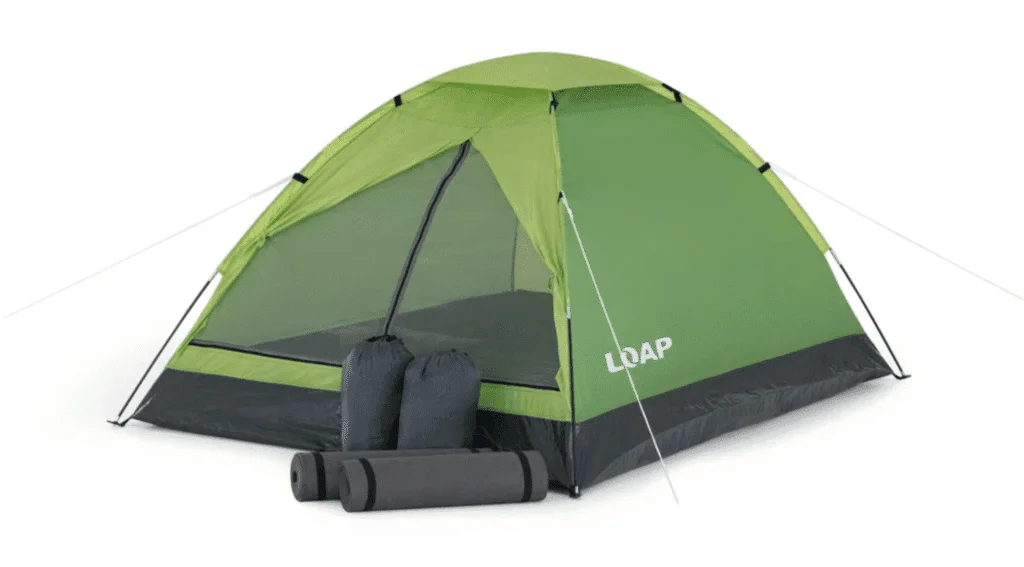
The most versatile and popular category, aimed at finding the ideal balance of weight, packability, and durability. They’re designed to be easy to carry in a backpack while still providing reliable protection. They’re a great fit for hikers, cycle tourists, paddlers, and weekend adventurers.
Family tents
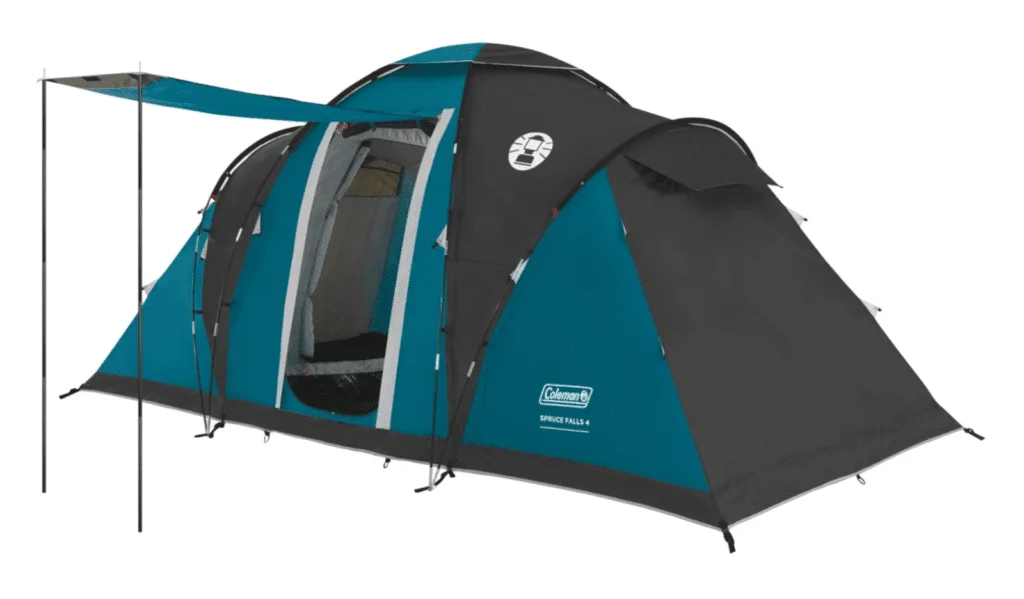
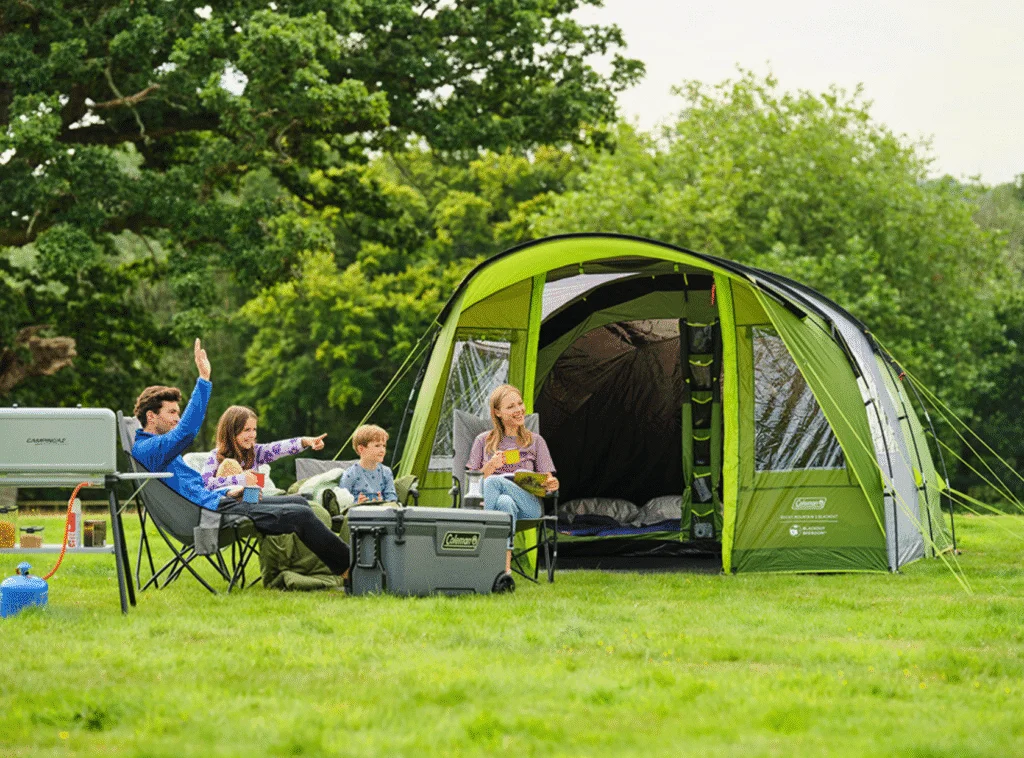
The main priority here is space and maximum comfort. These tents are tall, often let you stand up inside, and are usually divided into several bedrooms and a roomy vestibule that works as a living area or gear storage. They’re ideal for camping in one place when you’re arriving by car.
Expedition and Winter Tents
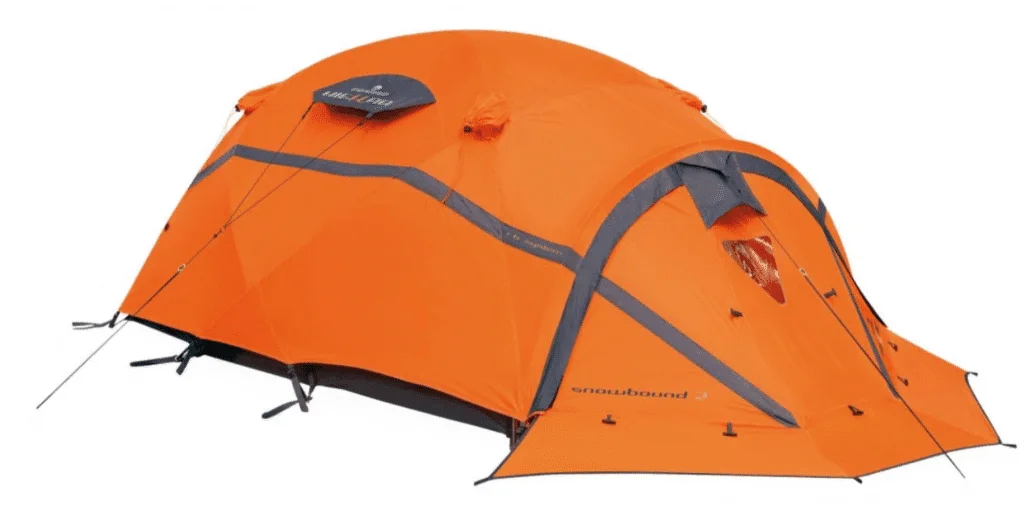
Designed for the harshest conditions, such as high mountains, strong winds, or heavy snowfall. They stand out for their extreme stability, highly durable materials, and high waterproof rating, and often include special features such as snow flaps for better insulation.
Ultralight tents
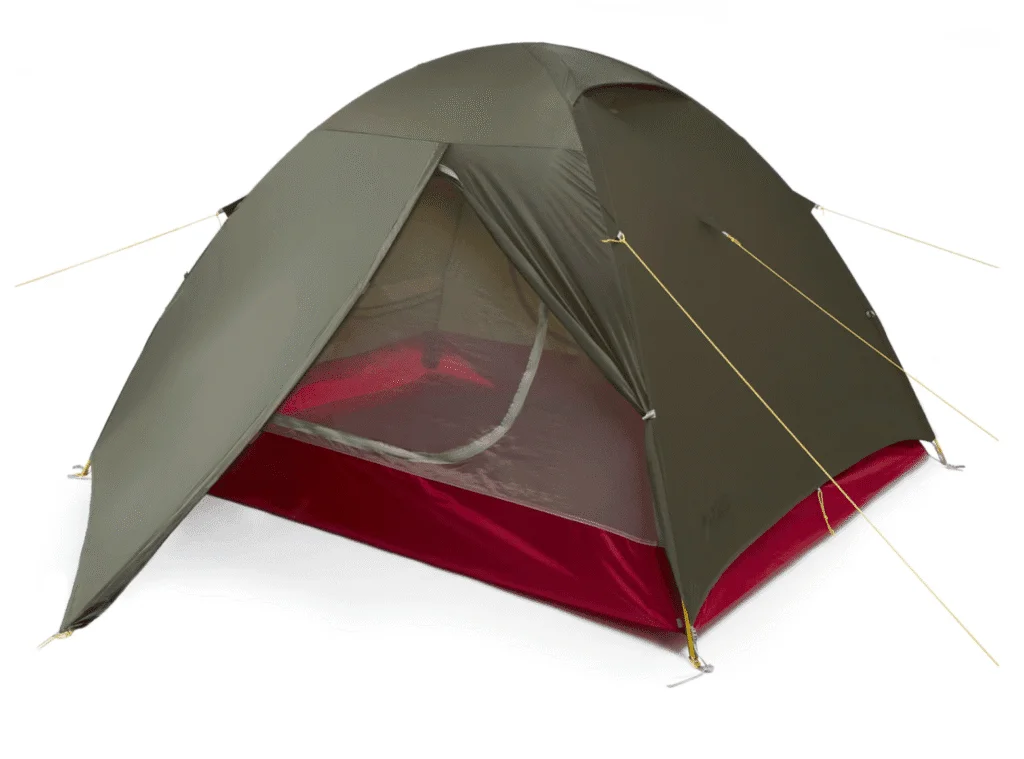
For minimalists, long-distance trekkers, and racers who see weight as the top priority. These tents are made from the latest ultra-light materials. The lower weight often comes at the cost of less interior space, thinner fabrics, and sometimes a more complicated setup.
Festival and Beach Tents
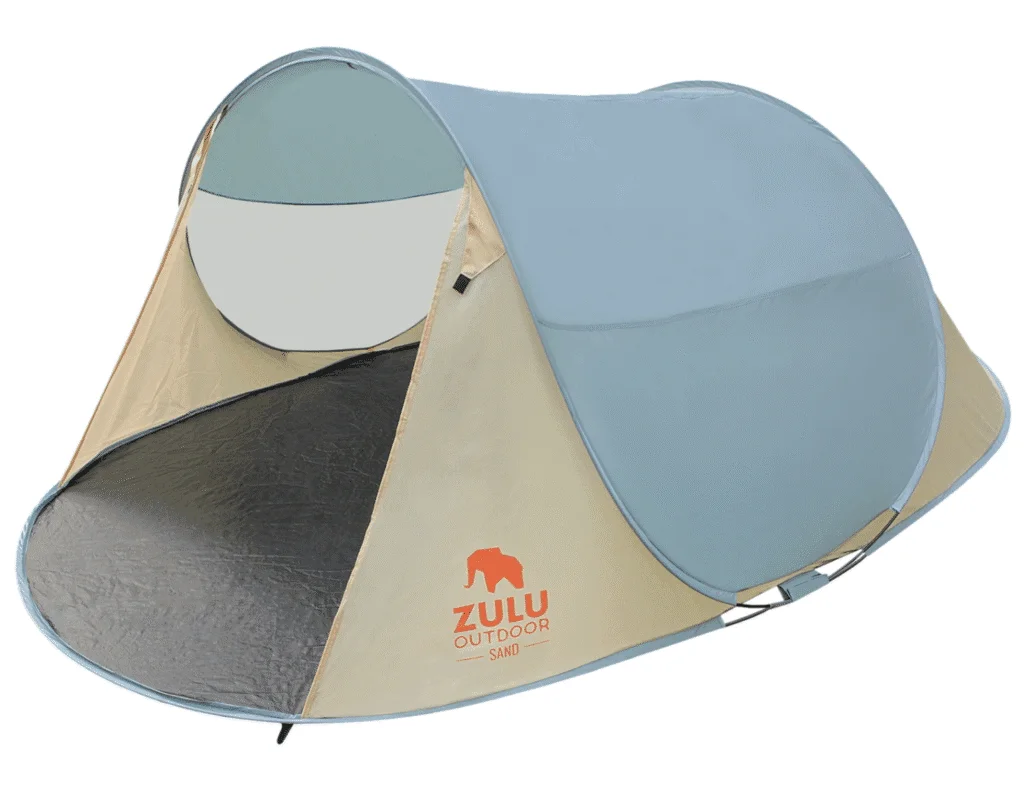
Simple, budget-friendly shelters designed for light-duty use. Their main purpose is to provide shade from the sun or protection from light rain. They are quick and easy to set up, but they are not built to handle strong wind or steady rain.
Types of Tents by Construction
The shape of a tent affects more than just how it looks. Above all, it has a big impact on stability, interior space, and how easy it is to pitch.
Dome tents (igloo)
The most common and very popular type. The structure is made up of two or more crossing poles, which makes the tent freestanding – it holds its shape even without being staked down. It’s easy to pitch and stable, which makes it a great choice for most activities.
Tunnel tents
This design offers an excellent balance between interior space and weight. It consists of several parallel arches. The downside is that the tent is not freestanding and requires careful anchoring to stay stable. It is a great choice for family camping or cycle touring.
A-frame tents
A classic design that now feels a bit retro, shaped like the letter “A”. It consists of two vertical poles and one horizontal ridge pole, over which the rainfly is draped. Setup is very simple, and the tent is nicely stable when the wind blows lengthwise. On the downside, the sloping walls leave you with less usable interior space.
Inflatable tents
A modern solution designed mainly for family camping. Instead of traditional poles, they use sturdy inflatable air tubes that are pumped up with a hand pump. Their biggest advantage is a very quick and easy setup, which even one person can handle.
Key Parameters: What All Those Numbers Actually Mean
Technical specifications may seem complicated at first glance, but understanding them is essential to making the right choice.
Capacity (number of people)
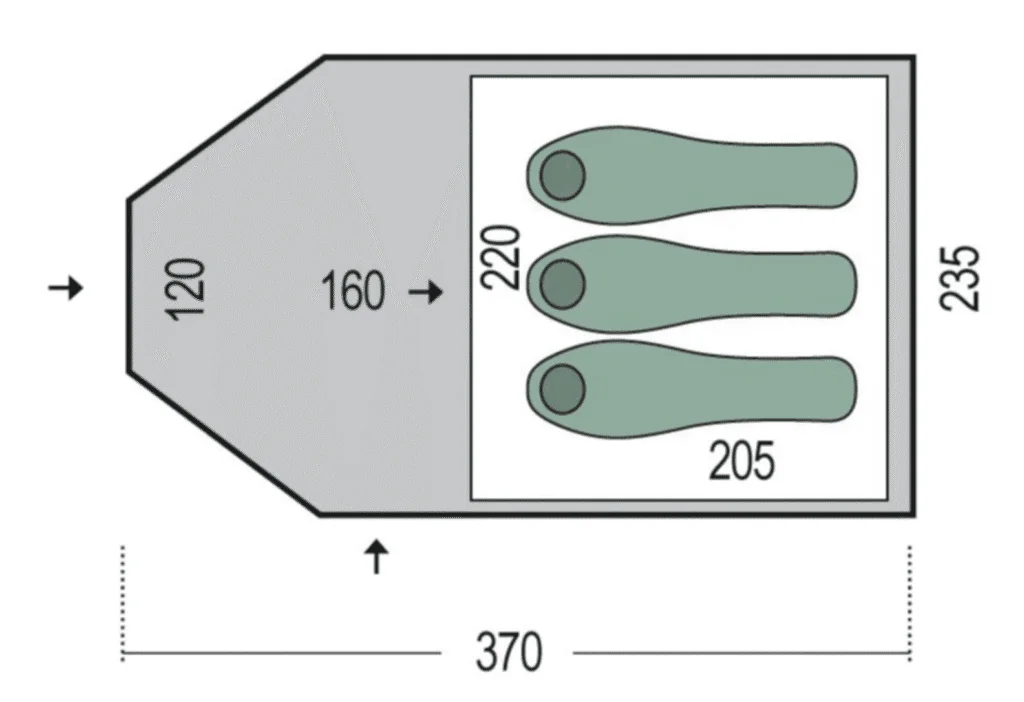
The manufacturer’s rating shows the maximum number of people the tent can fit. For better comfort, especially on longer trips, it’s best to choose a tent with capacity for one extra person. That gives you valuable space for storing backpacks and other gear. Don’t forget about the vestibule size either, as it’s ideal for keeping wet shoes and backpacks or for cooking in bad weather.
Water column
One of the most important figures, which indicates the material’s resistance to water pressure, is measured in millimetres (mm). The higher the value, the more waterproof the material is. You should keep an eye on two values. For the rainfly (outer shell), a rating of around 3,000 mm is sufficient for regular camping in mild conditions, while for mountain hiking and areas with frequent rain, it’s better to choose 5,000 mm and above. Since you put much greater pressure on the floor, for example when kneeling, it should always have a higher hydrostatic head rating. The minimum for everyday use is 5,000 mm, while for demanding conditions it should be 10,000 mm and above.
Weight and packability
If you’ll be carrying the tent on your back, every gram matters. That’s why low weight is crucial for hiking and expedition tents. With family tents that you transport by car, on the other hand, this factor isn’t nearly as important. Always check the tent’s total weight, including pegs and the stuff sack, as well as its packed size, so you can be sure it will fit in your backpack or car trunk.
Seasonal use
Tents are divided into three-season models, designed for use from spring through fall. They are built to provide good ventilation while still protecting you from typical rain and wind. For year-round use, including winter conditions, there are four-season (winter) tents. These have a sturdier construction, more durable materials, and are designed to withstand strong winds and snow load.
Tropical material and flooring
You’ll most often come across polyester, which is more resistant to UV radiation and stretches less when wet, and nylon, which is generally lighter and stronger. To boost durability, fabrics are often reinforced with a Ripstop finish (a woven grid) that helps stop any tear from spreading further. Waterproofing is then provided by coatings, most commonly polyurethane (PU) or silicone treatment, which is lighter and more durable, but also more expensive.
Rod Material and Construction
The poles form the tent’s frame and have a major impact on its stability and weight. More affordable fiberglass is heavier and less durable, so it’s better suited to recreational tents. For active hiking, duralumin (an aluminum alloy) is the ideal choice, as it’s much lighter, stronger, and more flexible.
| Materiál | Vlastnosti |
|---|---|
| Sklolaminát | Levnější, těžší, méně odolný. Při zlomení se třepí a může poškodit tkaninu. Vhodný pro rekreační a festivalové stany. |
| Dural (slitina hliníku) | Lehčí, výrazně pevnější, pružnější a dražší. Ideální volba pro turistické a expediční stany. |
Number of entrances and ventilation
Two entrances are a very practical feature, especially for multiple people, because you won’t have to climb over the others at night, and they also improve airflow. Well-designed ventilation openings are absolutely essential for reducing condensation inside the tent. Thanks to them, you won’t wake up to a damp interior in the morning.
How to Choose the Right Tent Step by Step
Let’s sum up the theory in a practical guide that will walk you through the selection process.
Ask yourself the key questions
Before you dive into the options, honestly ask yourself:
- How many people do I need the tent for? (Keep the +1 rule in mind for extra comfort).
- Where and in what season will I use it most often? (Camping in Croatia, a trek through the Low Tatras, a festival?).
- Will I carry it on my back, or transport it by car? (Is weight and packability a priority?).
- What is my budget? (How much am I willing to invest in my comfort and safety?).
Choose by activity
- Weekend hiker in the Czech Republic: The ideal choice is a three-season dome tent for 2–3 people with duralumin poles and a flysheet waterproof rating of around 3,000 mm.
- Family heading to the seaside or a campsite: Look for a roomy tunnel or inflatable tent with multiple bedrooms and a large vestibule, where weight is not the main concern.
- Mountain crossing: Focus on a lightweight hiking or ultralight tent with low weight, duralumin poles, and a higher waterproof rating.
- Festival-goer: A basic dome or pop-up tent will do the job, where the main priorities are a low price and easy setup.
What to watch out for when buying
- Underestimating weight: If you’re planning hiking trips, even an extra pound can really catch up with you by the end of the day.
- Overestimating the waterproof rating: An extremely high waterproof rating isn’t always necessary and often means a higher price and more weight. For everyday use, standard values are more than enough.
- Buying without trying it first: If possible, try setting up the tent in the store or at a trade show. You’ll quickly see whether the setup is straightforward and whether the interior space suits you.
- Overlooked details: Pay attention to the quality of the zippers, taped seams, reflective elements on the guy lines, and interior pockets for small items.
Construction, Maintenance, and Lifespan
A quality tent is an investment that will reward you with many years of reliable use when properly cared for.
Proper Construction and Anchoring
Always check the spot where you plan to pitch your tent first, and clear away any sharp rocks or branches. For maximum stability in windy conditions and to make sure the rainfly works properly, it is essential to always tension all the guy lines.
Cleaning and Drying
The basic rule is: always pack your tent completely dry! Even leftover moisture can lead to mold, which can permanently damage the material. If you have to pack the tent while it’s wet, set it up at home as soon as possible and let it dry out. For cleaning, use only lukewarm water and a soft sponge. Never wash the tent in a washing machine and do not use harsh cleaning products.
Storage
Store the tent in a dry, dark place during the off-season, ideally laid out loosely (for example in a larger box or a breathable bag), rather than packed tightly in its original compression sack.
Minor fixes
Most tents come with a basic repair kit that includes patches and a repair tube (sleeve) for a broken pole. A small hole in the rainfly can be easily sealed with a special self-adhesive patch.
The Best-Known Brands and Manufacturers
There are many manufacturers on the market, ranging from budget-friendly brands to premium specialists.
Husky, Pinguin, Hannah
Traditional and very popular Czech brands that offer excellent value for money. Their range covers everything from hiking tents to family tents and is a great choice for a wide range of users.
Coleman, Vango
Internationally recognized specialists in family and camping tents. They focus on comfort, space, and innovative features such as inflatable structures and blackout bedrooms.
MSR, Big Agnes, Terra Nova
Premium brands for demanding users, climbers, and fans of ultralight gear. They offer top-tier materials, innovative design, and extremely low weight, which is reflected in the higher price.
Forclaz (Decathlon)
A popular choice for beginners and casual users. Tents from Forclaz (formerly Quechua) stand out mainly for their low price and simplicity, which makes them ideal for a first camping experience.
Price and Budget Categories
The price of a tent depends on the materials used, the technology, and the brand.
| Cenová kategorie | Co očekávat |
|---|---|
| Základní (do 3 000 Kč) | Sklolaminátové pruty, nižší vodní sloupec, vyšší hmotnost. Vhodné pro občasné přespání v nenáročných podmínkách (festival, zahrada). |
| Střední třída (3 000 – 10 000 Kč) | Nejlepší poměr cena/výkon. Duralové pruty, spolehlivý vodní sloupec, kvalitní materiály a nižší hmotnost. Ideální pro aktivní turistiku a pravidelné kempování. |
| Prémiové (nad 10 000 Kč) | Špičkové, ultralehké materiály, expediční parametry, maximální odolnost, nízká hmotnost a dlouhá životnost. Pro náročné uživatele a expedice. |
When is it worth paying extra?
If you plan to use your tent often, in tougher conditions, or carry it on your back, investing in a higher-quality (and more expensive) model is definitely worth it. It’s an investment in your comfort, safety, and peace of mind.
Summary and a Final Tip
Choosing the right tent isn’t rocket science, but it does take some thought. Always start with the key triangle: intended use – capacity – weight. Be clear about what you expect from your tent, and don’t be tempted by a low price alone or by extreme specs you may never actually use. Before making your final decision, read online reviews, watch videos, or get advice from a specialist store.
Whichever tent you choose, keep in mind that the best adventures begin the moment you unzip the entrance.
Frequently Asked Questions (FAQ)
What hydrostatic head is sufficient for regular camping in the Czech Republic?
Answer: For regular summer use in Czech conditions, where you may get caught in rain showers, a flysheet waterproof rating of around 3,000 mm and a groundsheet rating of 5,000 mm is sufficient. These values provide reliable protection and peace of mind.
What does it mean when a tent is “freestanding”?
Answer: A freestanding tent holds its shape on its own as soon as you thread the poles through the structure, even without using stakes. You can easily pick it up and move it to another spot. This is typical of dome tents. Even so, you should always stake it out properly to keep it stable in the wind.
Is a single-wall or double-wall tent better?
Answer: For the vast majority of conditions, a double-wall tent (inner tent + outer rainfly) is a much better choice. The outer layer protects against rain, while the breathable inner tent significantly reduces condensation, so you won’t wake up damp in the morning. Single-wall tents are lighter, but they’re better suited to specific expedition or ultralight use where keeping weight to an absolute minimum is the top priority.
Kategorie: