Papua New Guinea: Destination Guide to Oceania’s Untouched Paradise
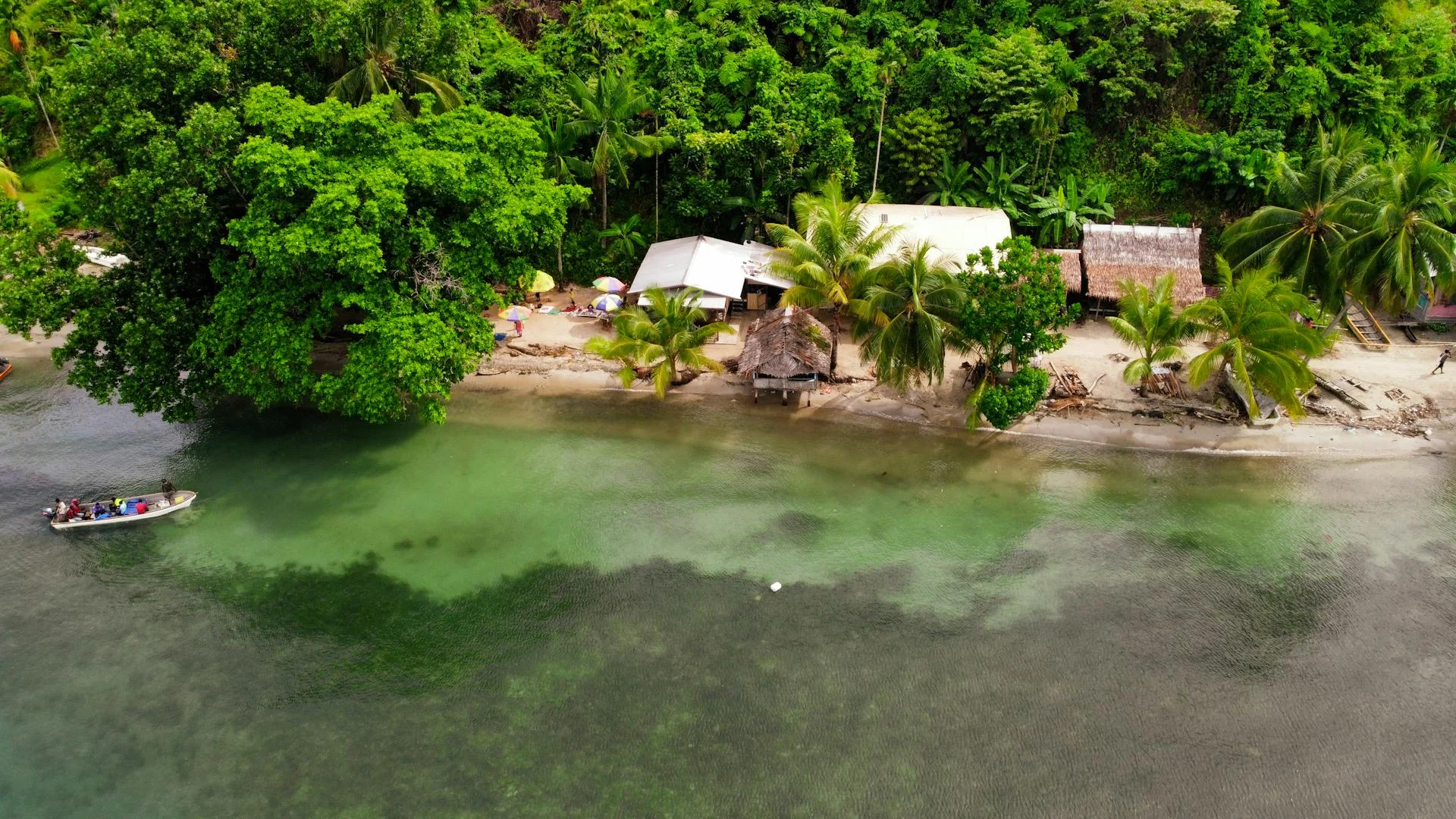
Papua New Guinea is one of the last places on Earth where tribal communities still follow ancient traditions and where natural riches remain almost untouched by modern civilization. The world’s second-largest island, split between Indonesia and the independent state of Papua New Guinea, is the Pacific’s final frontier of adventure – a place where rugged highlands meet primeval rainforest, coral reefs hide unknown marine life, and traditional tribes come face to face with the modern world.
This destination is not for everyone – it demands preparation, respect for local culture, and a willingness to accept a certain level of risk and physical effort. But that’s exactly why it represents the raw, unfiltered side of Oceania, where real adventures still exist.
Did you know that Papua New Guinea has more than 800 living languages – more than any other country in the world? This linguistic variety reflects an extraordinary level of cultural diversity and the isolation of individual tribes, turning every visit into a genuine journey of discovery.
History of the country and its development
The history of Papua New Guinea is a story of colonization, resistance, and a gradual search for identity in the modern world. The earliest inhabitants of the islands arrived here from Southeast Asia roughly 30,000 to 40,000 years ago, making this one of the oldest centers of human civilization outside Africa. The ancient Papuan tribes developed their own cultures, religions, and traditions, many of which have survived in a relatively unchanged form to this day.
European colonization marked a major turning point in the region’s history. In 1828, the Dutch claimed the western part of New Guinea, which became part of the Dutch East Indies. While the west gradually fell under Dutch influence, the eastern part was divided among other powers. From 1885, the northern section was controlled by Germany, which established a trading hub in Rabaul. Great Britain took over the southern part and handed it to Australia for administration in 1906. This period of German and British rule brought technological progress, but also the enslavement of local people and exploitation of natural resources.
World War I brought an end to the German presence. Australian forces occupied the territory and administered it under a League of Nations mandate until the mid-20th century. World War II hit Papua New Guinea with intense fighting between Japanese and Allied troops. The Kokoda Track, a legendary military route, became the scene of heroic battles between Australian soldiers and the Japanese army.
After the war, the country began gradually preparing for independence. In 1972, the first democratic elections were held, and in December 1973 Papua New Guinea gained internal self-government. Full independence came on 16 September 1975, when the independence of Papua New Guinea was officially declared. This date is now a national holiday. The first prime minister was Michael Somare, who became a symbol of freedom and nation-building. Since then, the country has been working to build its own identity, overcome ethnic conflicts, and achieve economic stability.
Location, geography and climate
Location and geography
Papua New Guinea is located in the eastern part of the island of New Guinea, the second-largest island in the world, and extends into the South Pacific. Its geographic coordinates are 141°–156° east longitude and 0°–11° south latitude. The country lies in the heart of Melanesia and is surrounded by strategically important borders. On the west, it shares a land border with the Indonesian provinces of West Papua, Central Papua, Highland Papua, South Papua, Southwest Papua and Papua. On the east, it is separated from the Solomon Islands by a sea strait near the island of Bougainville. To the south, it is separated from Australia by the Torres Strait, which is only 150 kilometres wide at its narrowest point.
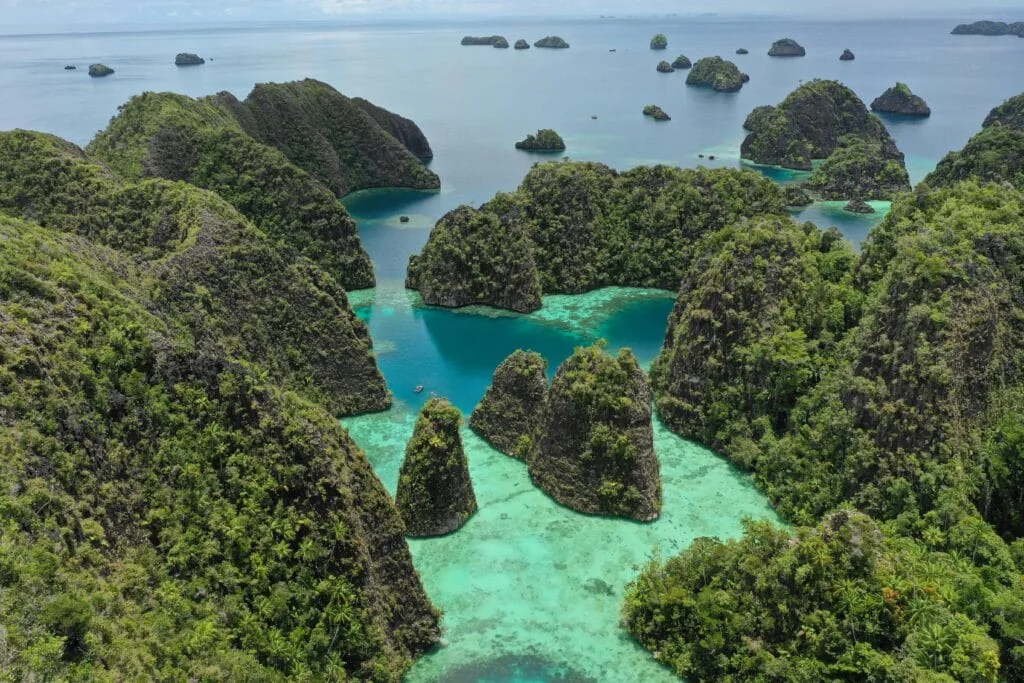
The total area of Papua New Guinea is 462,840 square kilometres, of which 80% is taken up by the main island of New Guinea and the remaining 20% consists of roughly 600 other islands. The largest archipelagos include the Bismarck Archipelago, the D'Entrecasteaux Islands, the Louisiade Archipelago and Bougainville. This geographic diversity creates a complex mosaic of natural regions and climate zones.
The country’s topography is extremely rugged. Almost 93% of the territory is covered by tropical rainforest, one of the oldest and most diverse ecosystems on the planet. A massive Central Range runs through the middle of the main island, made up of several distinct mountain massifs. The most important include the Coastal Range, Snowy Mountains, Müller Range and Bismarck Range. The highest mountain in Papua New Guinea, and in all of Oceania, is Mount Wilhelm, with an elevation of 4,509 metres, known in local languages as Enduwa Kombuglu. The provinces of Simbu, Western Highlands and Madang meet in the area around Mount Wilhelm.
Waterways consist of powerful rivers and lakes. The longest river in PNG is the Fly, stretching 1,150 kilometers across the south and forming vast swamps. In the north flows the Sepik River, the third-largest river in the world by water volume, with a length of 1,126 kilometers. The Sepik is the lifeline of the region, with traditional tribes living along its banks, renowned for their artistic wood carvings. The largest freshwater lake is Lake Murray, located in the southern part of the country. Mountain ranges separate deep, sharply cut river valleys with numerous rapids and waterfalls.

Climate and weather for travelers
Papua New Guinea lies in a tropical zone strongly influenced by monsoon currents, which brings hot, humid, and rainy weather. Coastal temperatures stay stable all year, ranging between 25 and 30 °C, and in the capital Port Moresby the average temperature is around 27 °C throughout the year. In the highlands, temperatures drop sharply – at night they can fall to freezing (0 °C) and during the day they rarely exceed 20 °C. On peaks above 4,000 meters, a snow cover can occasionally appear.
Rainfall is high across the country and is one of the key features of the climate. Average annual rainfall is around 3,000 millimeters, and in the mountains it can reach up to 6,000 millimeters. In the capital Port Moresby, which sits in a relatively sheltered position, the annual total is just 1,040 millimeters – the lowest of all major cities.
Travelers should distinguish between two main seasons. The dry season runs from May to October and is the best time to visit. During these months, the weather is most stable, stronger winds blow along the coast, and overall humidity is lower. The rainy season lasts from December to March, when the country is drenched in heavy downpours. Showers often arrive suddenly and with great intensity, especially in the afternoon and at night. In the mountains, it rains almost every day even in the dry season, particularly in the afternoon.
Weather and when to go – Month-by-month guide
| Month | Average daytime temperature (°C) | Average night-time temperature (°C) | Weather characteristics | Best activities |
|---|---|---|---|---|
| January | 27 | 22 | Warm, rainy (first rainy season) | Swimming, diving, snorkelling |
| February | 27 | 22 | Hot, very rainy (peak of the rainy season) | Indoor activities |
| March | 27 | 22 | Warm, still rainy | Swimming, fewer tourists |
| April | 27 | 22 | Transitional, sunnier | Start of the trekking season |
| May | 26 | 21 | Dry, pleasant (start of the dry season) | Trekking, hiking |
| June | 25 | 20 | Dry, cooler (best month) | All activities, trekking |
| July | 25 | 20 | Dry, coldest | Trekking, Mount Hagen festival |
| August | 25 | 20 | Dry, windy | Trekking, festivals |
| September | 25 | 21 | Dry, warm | Trekking, nature activities |
| October | 26 | 21 | Transitional, warming up | Trekking, still stable weather |
| November | 26 | 21 | Warm, start of the rains (second rainy season) | Swimming, hiking |
| December | 27 | 22 | Hot, rainy | Swimming, short season |
The best time to visit Papua New Guinea is the period from June to September, when the weather is at its most stable. This four‑month window brings the lowest humidity, the least rainfall and the most predictable conditions. Outside the dry season, travel is not recommended – the end of the year (December to March) comes with unpredictable weather and higher crime rates, and around Easter (April–May) many services are harder to access because roads are often impassable and transport is frequently delayed.
Regions and types of destinations
Port Moresby and the Central Region
Port Moresby, the capital of Papua New Guinea, lies on the southwest coast and is the country’s largest city with roughly 193,000 inhabitants. Although it is the political and administrative hub and the main entry point for most international travellers, it tends to divide opinion – on one hand it is a modern city with hotels, restaurants and government offices, on the other it struggles with higher crime rates and serious social and economic issues. Still, Port Moresby offers several interesting sights for more adventurous visitors.
The Parliament House is an architectural symbol of independence and democratic tradition. The building was designed with traditional Papuan architectural elements in mind and offers guided tours where you can learn more about the country’s political system. The National Museum and Art Gallery of Papua New Guinea gives you deep insight into local culture, history, and natural wealth. Exhibits include traditionally carved masks, weapons, World War II photographs, and displays about local tribes.
Turtle Beach near Port Moresby is a popular spot for relaxing and watching marine life. The beach is named after the sea turtles that come here to nest during a certain time of the year. Gordons Market, the local market, is a lively hub where you can buy traditional art, dolls, weapons, and other local souvenirs directly from the makers.
The Central Region also includes Owers' Corner, located about 50 kilometers from Port Moresby. It serves as the starting point for the legendary Kokoda Track, which is described in more detail in the section dedicated to nature hikes.
Western Highlands Province
Mount Hagen, the third-largest city in Papua New Guinea, sits at an altitude of 1,677 meters in the heart of the Western Highlands Province. This mountain town is known for its pleasant climate and, importantly, for the absence of malaria thanks to the high elevation. Mount Hagen is especially famous for the Mount Hagen Cultural Show, one of the biggest and best-known cultural festivals in Papua New Guinea.
The country’s third-largest city has a special charm. It spreads across a valley dominated by the Mount Hagen mountain massif, located 24 kilometers away, which gave the town its name. The regional economy is based on agriculture, pig farming (pigs play a central role in the local economy and cultural rituals), and light industry. The Mount Hagen Festival, traditionally held in August, is a grand parade of tribes and groups showcasing traditional dances, music, and costumes. Thousands of locals take part, and the event also attracts international visitors.
Eastern Highlands Province
Goroka, the capital of the Eastern Highlands Province, lies at an altitude of 1,600 meters in rugged mountain terrain. The town is considered the industrial hub of the highlands, with trout farming, pig breeding, beekeeping, and vegetable growing. Goroka is also renowned for its Papua New Guinea coffee, which ranks among the finest in the world.
Goroka hosts the Goroka Show, a major cultural festival held every September that, similar to Mount Hagen, brings together thousands of traditionally dressed participants from remote villages. For coffee lovers, a visit to the Goroka Coffee Museum is a must – here you can learn about the history and the full process of growing and processing this valuable crop.
Kundiawa and Simbu Province
Kundiawa, the capital of Simbu Province, is the starting point for many mountain adventures. The town sits at an altitude of around 1,600 metres and is known as the gateway to some of the toughest treks in the country. Near Kundiawa you’ll find the Keu Cave, a historic burial site with a fascinating past, where local people once placed the mummified remains of their ancestors.
Kundiawa is also the main base for multi-day treks to the summit of Mount Wilhelm. The route leads through traditional villages, ancient rainforest and past mountain lakes. The Wahgi River, which flows through Kundiawa, is famous as one of the best rafting spots in the world – its wild rapids, deep gorges, waterfalls and suspension bridges strung across the riverbed make it an exceptionally appealing destination for adventure seekers.
Madang Province
Madang, on the north coast of the main island, is often described as one of the most beautiful towns in the entire Pacific. It lies in a sheltered bay and is surrounded by lush greenery, fragrant flowers and avenues of trees. The town was once called Friedrich-Wilhelmshafen, a reminder of its German colonial past.
Thanks to its safety and well-developed infrastructure, Madang is attracting more and more travellers. The town offers quality accommodation, restaurants and travel services. The Madang market is a lively hub of local life, packed with stalls selling fish, fruit, vegetables and traditional handicrafts.
Along the coast, coral reefs stretch out like hidden treasures. Madang ranks among the best places for diving and snorkelling, with courses available for both beginners and experienced divers. The waters around Madang are home to just over five hundred fish species and hundreds of types of coral.
Rabaul and East New Britain
Rabaul, formerly the provincial capital, lies on the northeast coast of New Britain, the largest island in the Bismarck Archipelago. In the local Kuanua language, the word Rabaul means “mangroves”, which densely cover the area around the town. Rabaul is closely tied to military history – especially to the events of the Second World War.
During the First World War, the town served as the centre of German administration. In the Second World War, it was occupied by the Japanese in 1942 and Rabaul became their main base in the South Pacific. The town is literally criss-crossed with tunnels – an estimated 600 to 2,000 kilometres of tunnels cut through the island, used as shelters and storage during the war. The Japanese bunker of Admiral Yamamoto and the Bita Paka war cemetery, located about an hour’s drive southeast of Rabaul, are popular stops for visitors interested in history.
In 1994, Rabaul was devastated by a volcanic eruption and heavy ash fall. The capital was moved to nearby Kokopo, although Rabaul has been gradually reclaiming its place on the map. Today, the town draws visitors mainly with its volcanic activity and striking natural scenery.
Rabaul is also home to the active Tavurvur volcano, which you can hike up to enjoy sweeping panoramic views of the surrounding landscape. The town is ringed by thermal springs and hot water that seeps out from the beach and mixes with the ocean – a strange yet unforgettable experience.
Sepik Region
Sepik is the area around PNG’s most important river – the Sepik River, the third-largest river in the world by water volume, stretching 1,126 kilometers. The Sepik River is a vital lifeline for the tribes living along its banks. Its course is similar to the Amazon, but the region is even more remote and exotic.
The indigenous people along the Sepik are especially famous for their wood carvings and scarification – body decoration with scars and tattoos that form part of their traditional rituals and culture. A network of villages and traditional communities lines the river, where many people still follow age-old ways of life. Traveling along the Sepik River takes you right into the heart of traditional Papua New Guinea.
Bougainville Island
Bougainville is the largest island outside the main island of New Guinea and has a complex place in PNG’s history. The island is known for its copper deposits and the Panguna mine, once one of the largest open-pit mines in the world. Over time, the island became the scene of political and military conflict and is considered a politically and security-wise unstable area.
Because of safety concerns, Bougainville rarely appears in mainstream travel guides and is not recommended for most visitors. Although the island boasts stunning nature and rich cultural traditions, it has a higher incidence of armed conflict.

Most famous landmarks and cities
Jacksons International Airport (Port Moresby)
Jacksons International Airport is PNG’s only international airport and serves as the main gateway to the country. The airport in Port Moresby is named in honor of Eddie Jackson, a pilot who died here in a plane crash. While the airport is not a landmark in the traditional sense, it is a symbolic place where every journey to PNG begins.
Parliament House
Parliament House in Port Moresby is an architectural symbol of statehood and independence. The building was designed with traditional Papuan architectural elements in mind and represents a blend of traditional and modern styles. The parliamentary chambers are open to the public and offer a chance to see democratic institutions at work.
Kokoda Track and military heritage
The Kokoda Trail (also Kokoda Track), stretching 96 kilometers across the Owen Stanley Range from Owers' Corner near Port Moresby to the village of Kokoda, is one of the most famous treks in Asia and the Pacific. The trail is not just a natural route – it is a powerful reminder of World War II. From July to November 1942, intense fighting took place here between Australian troops and the Japanese army. Australian soldiers carried out a legendary tactical withdrawal that became a symbol of courage and resilience.
Today, the route runs mainly through the land of the Koiari people and cuts through ancient rainforest. The trek takes 4 to 12 days, depending on your fitness level and preparation. The trail is extremely demanding – daytime temperatures climb above 30 °C, nights are cold, and high humidity and torrential rain make the journey physically exhausting. Many sections are hard to reach and going without a guide is not safe. The fastest recorded time to complete the trail is 16 hours and 34 minutes during the Kokoda Challenge Race in 2008, but for most travellers a timeframe of 4 to 12 days is realistic.
Mount Wilhelm
Mount Wilhelm, standing at 4,509 metres, is the highest mountain in Papua New Guinea and all of Oceania. In local languages it is known as Enduwa Kombuglu. Although it is not a technically difficult climb, the physical effort is considerable. The ascent crosses three distinct ecosystems – tropical forests at lower elevations, temperate forests in the mid-altitudes, and alpine meadows with rocky terrain higher up.
The route starts with access from Kundiawa and reaching the summit takes 3 to 4 days. The trail leads through traditional villages, rainforest and past alpine lakes. Night-time temperatures on the summit can drop close to freezing, even though daytime temperatures hover around 20 °C. The views from the top are stunning – you can see the Jimi Valley, the Bismarck Range and the northern coastline. On a clear day, you get sweeping views across three provinces – Simbu, Western Highlands and Madang.
Natural beauty and national parks
Sepik River
The Sepik River, at 1,126 kilometres long, is one of the most important waterways in PNG and the third-largest river in the world by water volume. It flows through the northern part of the main island and forms a vast lowland plain. Travelling along the Sepik offers one of the most authentic insights into the traditional life of Papuan tribes.
The river is home to rich wildlife – including crocodiles, river trout, piranha-like fish and many other species. The vegetation along the river is dense, and the ancient rainforest reaches right down to the water’s edge. Tribes along the Sepik are best known for their art – especially wood carvings that represent ancestors and nature spirits. Traditionally, carvers created small figurines and masks with ritual and religious meaning.
Trips on the Sepik are usually organized as four- to seven-day expeditions. Canoes or small motorboats take you under the rainforest canopy, past villages with traditional stilt houses and through areas where life has changed very little since pre-colonial times.
Lake Murray
Lake Murray is the largest freshwater lake in PNG and one of the largest in Asia and the Pacific. It spreads across the southern part of the country and is surrounded by ancient rainforest. The lake is home to a variety of freshwater fish and bird species.
Tribes living on the lake’s shores traditionally rely on fishing and farming. The lake is becoming an increasingly popular destination for travelers looking for a mix of natural beauty and cultural experiences.
Volcanoes and hot springs
Papua New Guinea lies on the Pacific Ring of Fire and has many active and dormant volcanoes. Mount Tavurvur near Rabaul is one of the most famous – visitors can hike up to the summit and look down into the caldera. At night you can sometimes see glowing magma.
Across the country you’ll find thermal and hot springs, a clear sign of ongoing volcanic activity. Around Rabaul in particular, you can see hot water seeping directly onto the beach and mixing with the ocean. These natural phenomena attract both travelers and scientists.
Coral reefs and underwater ecosystems
Papua New Guinea is home to some of the most colorful coral reefs in the world. The areas around Madang, Kokopo and Rabaul offer excellent conditions for diving and snorkeling. The reefs are home to hundreds of fish species, mollusks and many other marine creatures.
In deeper waters you’ll also find historic shipwrecks from World War II – there are dozens of them, and they make for fascinating dive sites. The wrecks are often covered in coral and have become thriving habitats for marine life.
Forest ecosystems and wildlife
The ancient tropical rainforest that covers 93% of PNG is one of the most diverse ecosystems on the planet. The forests are home to thousands of plant species, including orchids, palms and trees with medicinal potential. The forest also shelters a remarkable range of wildlife.
Papua New Guinea is home to roughly 200 to 250 mammal species, including distinctive animals such as cuscuses (tree-dwelling marsupials), tarsiers, and small kangaroos. The forests are also home to various species of primates and monkeys. Birdwatchers can spot more than 700 bird species, including the iconic birds of paradise, which were historically hunted for their spectacular feathers.
Crocodiles deserve a special mention, as they can be seen in rivers and lakes. PNG is home to both large crocodile species – the Johnston’s crocodile (Crocodylus johnstoni) and the saltwater crocodile (Crocodylus porosus).
Best beaches
Turtle Beach (Port Moresby)
Turtle Beach, not far from Port Moresby, is named after the sea turtles that nest here during certain times of the year. The beach has soft sand and is relatively calm, although around Port Moresby travelers should follow stricter safety precautions. The beach is a good spot for watching marine life and unwinding by the water.
Beaches around Madang
Madang is surrounded by a stunning coastline with several nearby beaches. The beaches are sandy, with crystal-clear water and views of the coral reefs. Conditions for diving and snorkeling are excellent. The Corals Coast, an area near Madang, is one of the top places for coral viewing.
Beaches around Rabaul
Rabaul is ringed by dramatic beaches with volcanic sand. In many places, the shoreline blends with hot water from thermal springs, creating a unique and memorable experience. The beaches are suitable for swimming and diving, but you do need to be cautious – volcanic activity can affect safety conditions.
Beaches on Dango Island
The islands around PNG, especially Dango Island near Kokopa, offer picture-perfect beaches with ideal conditions for diving and snorkeling. The waters around the islands are clear and rich in marine life.
Activities and entertainment
Travel in Papua New Guinea is full of adventure and options for active travelers. Trekking and hiking rank among the most popular activities – from the Kokoda Track and Mount Wilhelm to many other routes. Diving and snorkeling attract those who love the underwater world – coral reefs and wrecks offer truly memorable experiences.
Rafting on the Wahgi River is a full-on adrenaline rush for anyone chasing excitement. The river is famous for its wild character and attracts rafters from all over the world. Birdwatching in the ancient rainforests is a dream for ornithologists – you can spot birds of paradise and hundreds of other species.
Cultural experiences here are truly unique – visiting tribes, watching traditional dances, joining local festivals, or simply talking with local people. Photography is a big draw – colorful tribes, stunning landscapes, and wildlife offer endless photo opportunities.
Hunting and fishing trips can be arranged for those who are interested. Some areas even allow you to take part in traditional hunts. Yachting and sailing are possible around the islands. Historical tours are available for anyone interested in World War II – you can visit military sites, bunkers, and cemeteries.
Gastronomy and culture
Typical food and drinks
Papua New Guinean cuisine is simple and deeply traditional, with roots going back thousands of years. Unlike Western cuisines, local food is not heavy on complex spices and layered flavors, but it is very authentic and based on ingredients that are readily available on the spot.
Mumu is a traditional cooking method where food is prepared in an underground oven. Hot stones are placed into a pit in the ground, then covered with meat (chicken, beef, or pork), vegetables, and herbs wrapped in large leaves. The opening is sealed with palm leaves and everything is left to slowly steam and roast. Meat cooked this way has a distinctive smoky aroma. Pig roasted in mumu is a favorite dish during celebrations and rituals.
Kaukau (sweet potatoes) are a staple of the traditional diet and are usually cooked in the mumu with salt. Saksak is a starchy extract from a palm tree and is the cheapest and most common side dish. Rice and sweet potatoes are the basic sides served with other meals.
On the coast and around the lakes, you can enjoy excellent fish and seafood. Freshly caught local fish, simply prepared with lime and salt, are a real delicacy. It’s best to choose local fish rather than imported products.
Fruit plays a key role in the local diet – bananas, coconuts, pineapples, melons, papayas, and mangoes are eaten all the time. The fruit here has outstanding flavor – mango in particular tastes very different from what you usually find in the US.
Alcohol – among local beers, the main ones are SP Lager Beer (South Pacific), owned by Heineken, and Niugini Ice Premium Beer. Beer is often served warm because of the lack of refrigeration, although this is slowly improving. It’s recommended to drink only bottled water, even in higher-end hotels.
Cultural customs and festivals
The culture of Papua New Guinea is deeply rooted in traditional customs passed down from generation to generation. Although contact with the modern world is gradually changing these traditions, many tribes still hold on to their age‑old practices.
Masks and body decoration are an essential part of traditional festivals and rituals. Men often paint their bodies, wear face masks and dress in traditional costumes. Women rub their bodies with ash, wear grass skirts and also paint themselves. Each tribe has its own styles and symbols.
Betel (betel nut) is a popular part of social interaction – locals chew it and offer it to travellers. Chewing betel stains teeth and gums red and plays an important role in social rituals.
Pigs are a key symbol of wealth and social status. They are used as a form of payment and play a role in funerals and weddings. For example, a traditional bride price is paid in a set number of pigs.
Festivals and cultural events
Mount Hagen Show (August) is the biggest and best‑known festival in PNG. This two‑day event brings together dozens of traditionally dressed groups from different tribes who showcase their dances, music and customs. The festival is mainly a local affair – around 80% of participants are locals and only about 20% are international visitors.
Goroka Show (September) is the second major festival, where tribes once again come together to present their cultural heritage. The whole event is filled with the atmosphere of traditional life and mutual respect between tribes.
The Mask Festival on New Ireland (July) focuses mainly on traditional masks and their symbolism.
Kutubu Festival (September), the Crocodile Festival (August), the Frangipani Festival (September), the Canoe and Kundu Festival (November), the Enga Show (August) and the Morobe Show (October) are other cultural events held throughout the year.

Key practical information
Currency and payments
The Papua New Guinea kina (PGK) is the national currency. 1 kina is divided into 100 toea. Banknotes come in denominations of 2, 5, 10, 20, 50 and 100 kina. Coins are issued in 5, 10, 20 and 50 toea and 1 kina.
Cash payments are the norm – restaurants and shops in smaller towns often accept only cash. In more upscale hotels and larger cities, credit cards are accepted, but it’s always safer to carry some cash with you.
ATMs are available in Port Moresby and other major towns, but they sometimes don’t work. Currency exchange offices can be found at airports, in hotels and in larger cities. Australian dollars, US dollars and euros are easy to exchange.
Tipping in restaurants is not customary and can sometimes even be seen as offensive. If you want to show your appreciation, you can leave a small amount, but it’s neither required nor expected.
Entry formalities and visas
A passport is absolutely essential and must be valid for at least 6 months after your planned departure from the country. Your passport must also have at least four blank pages.
A visa is mandatory for citizens of the Czech Republic. Visas are not issued on arrival at the airport. You must obtain your visa in advance at a PNG embassy or consulate abroad. In Europe, visas are processed in Brussels and London. In Asia, there are missions in Kuala Lumpur and Jakarta. In Australia, in Brisbane and Sydney.
Visa requirements include a valid passport, one photo, a completed application form, a return air ticket and proof of accommodation booking. The administrative fee is around $45 and processing usually takes about one week.
The visa is valid for 60 days and can be extended in the country. On arrival, you will need to fill in an arrival and departure card.
Safety and local customs
The security situation in Papua New Guinea is complex. Crime is a serious issue especially in Port Moresby and Lae. The most common problems are theft, armed attacks and kidnappings, particularly in the outskirts of cities. Bougainville Island and the Southern Highlands Province are considered politically and security-wise unstable areas, and travel there is not recommended.
Safety guidelines: Avoid unfamiliar neighborhoods at night. Keep valuables in the hotel safe and carry only a reasonable amount of cash. Make copies of your travel documents. If you plan to travel outside major cities, it is strongly recommended to travel with a professional tour operator or guide. Agencies often arrange armed escorts for excursions.
Natural hazards include active volcanoes – always check the current volcanic activity before visiting. In the sea, watch out for sharks and crocodiles – do not swim without local advice. In the forests, be careful of venomous snakes and spiders.
Cultural sensitivity: Indigenous people place great importance on traditional behavior. The roles of men and women in traditional communities are not the same as in Western countries – be mindful of this. Taking photos of people without permission can be seen as offensive. When visiting tribes, always ask if it is okay to take pictures.
Healthcare and vaccinations
Vaccinations are not mandatory unless you arrive from an area where yellow fever occurs – in that case, an international vaccination certificate is required. Otherwise, your standard travel vaccinations are sufficient (tetanus, hepatitis A and B, typhoid, etc.).
Malaria is present at lower altitudes, especially along the coast and in lowland areas. In mountain regions above 1,600 meters, malaria does not occur. For lower-lying areas, antimalarial medication is recommended.
Healthcare in the country is not of a high standard, so it is strongly recommended to take out comprehensive travel insurance that includes repatriation in case of serious illness. In Port Moresby you will find better medical facilities. In smaller places, conditions are very basic.
Water – Drink only bottled water, tap water is not safe. Buy water in unopened, original packaging.
Fauna and flora
Papua New Guinea is home to one of the most diverse ecosystems on the planet. An ancient rainforest covers 93% of the country and is home to thousands of plant species, many of which are used in medicine.
Animals that travelers may encounter include crocodiles in rivers and lakes, various species of monkeys and primates, cuscuses (tree-dwelling marsupials), flying foxes, various species of snakes (some venomous), and more than 700 species of birds, including the iconic birds of paradise.
In the sea you will find coral reefs with hundreds of species of fish, molluscs, and other marine life. Sea turtles are an important part of the local ecosystem.
When walking through the jungle, watch out for venomous species and unfamiliar animals – there is no need to be afraid as long as you keep your distance and treat them with respect.
Basic glossary
| Czech phrase | Translation (Pidgin) |
|---|---|
| Hello / Good day | Gutpela moning |
| Good evening | Gutpela aftanun |
| Thank you | Tenk yu |
| Please | Plis |
| Yes | Yes |
| No | No |
| Excuse me / I’m sorry | Soremapela |
| I don’t know | Mi no save |
| How much does it cost? | Haumas i kos? |
| Do you speak English? | Yu ken toktok Inglish? |
| Toilet / Restroom | Haus pekpek i stap we? |
| Health / Cheers | Gudpela |
| Food | Kaikai |
| Water | Wara |
| Beer | Bia |
Transport and logistics
How to get into the country
Air travel is practically the only way to reach PNG from Europe. Jacksons International Airport in Port Moresby is the only international airport. The main airlines flying to PNG are:
- Air Niugini (the national carrier) – flies to Singapore, Kuala Lumpur, Hong Kong, Tokyo, Manila, Honolulu, Nadi (Fiji), Brisbane and Sydney.
- Airlines of Papua New Guinea – operates only routes to Cairns and Brisbane.
- Virgin Australia – connects Port Moresby and Brisbane four times a week.
From Prague you can get to Port Moresby with various connecting combinations – for example British Airways + Philippine Airlines, Qatar Airways + Air Niugini, Sichuan Airlines + Air Niugini, Finnair + Qantas or Emirates. The journey takes 25 to 40 hours and a one-way ticket starts at around $620.
Typical transfer hubs include London, Doha, Chengdu, Helsinki or Dubai. The shortest route is usually via Brisbane (the flight from Brisbane takes only about 3 hours).
Sea transport is only possible from the Solomon Islands or nearby islands. Ferries arrive daily at the ports of Madang, Lae and Port Moresby. This option is time-consuming, but it offers a very authentic experience.

Transport within the country
Air travel is also the main way of getting around within PNG. Domestic flights are operated by:
- Air Niugini
- Airlines Papua New Guinea
Flights between the main cities are relatively frequent, but prices are high (considering the short distances and the size of the aircraft).
Bus and rail transport does not exist. Traveling by land is not traditionally common in PNG and the infrastructure is limited.
Car rental – In Port Moresby, Mount Hagen, Goroka, Madang and Rabaul you can find car rental companies. Rental prices are high and without a guide it is hard to navigate the forested and muddy roads. Traffic rules are similar to those in Australia – you drive on the left. Most vehicles are on the road only during daylight – driving at night is dangerous. Insurance is recommended and often mandatory.
Local transport – PMV (public motor vehicles) – small buses that run on local routes in different regions. Buses are usually crowded and stop frequently. Fares are very cheap.
River cruises – On the Sepik, Fly and other rivers, trips are organized on small motorboats or traditional canoes. These cruises are an important part of the travel experience.
Prices and travel budget
Papua New Guinea is not a cheap destination. Accommodation and food are expensive – more or less on the same level as in Australia. Below are examples of different budget ranges:
Low budget (backpacker)
- Daily budget: around $65 per person
- Accommodation: Mission and school dorms for 120 kina per night or homestays with locals for 20–50 kina
- Food: Cheap street food for 20 kina, fruit and fresh produce from markets
- Activities: Free activities (walks, cultural encounters)
- Price for two weeks: Approximately $1,800 for two people
Mid-range budget (traveler)
- Daily budget: around $130 per person
- Accommodation: Mid-range hotels for $110–145 per room
- Food: A mix of cheap and mid-range restaurants
- Activities: Organized tours and some paid activities
- Price for two weeks: Approximately $3,600 for two people
High budget (tourist)
- Daily budget: over $220 per person
- Accommodation: Luxury hotels for $220–$310 per room
- Food: High-end restaurants
- Activities: All paid activities and private guides
- Price for two weeks: Approximately $6,200 for two people
When it pays to spend more: It’s worth investing in a good guide, as it improves safety and helps you understand the local culture. Air travel is safer than local transport. Better hotels offer more reliable services. Organized tours are safer than travelling completely on your own.
How to plan the perfect trip
Choosing the type of trip by traveler
For beginners: It’s a good idea to start in Port Moresby, where you can recover from the long flight, get a first feel for the country, and take short trips around the city. Then you can move on to the north coast (Madang), which is safer and has better services. After that, Rabaul and the surrounding coastline can be very interesting.
For families: Madang and the surrounding area are recommended – it’s safer, services are better and the climate is milder. Rabaul offers plenty of activities for children – beaches, volcano viewing, easy trekking.
For solo travelers: You can choose between the Kokoda Track (challenging but an amazing experience), climbing Mount Wilhelm (trekking plus culture), or a cruise on the Sepik River (a unique cultural experience). Solo travel requires extra caution and a solid grasp of safety rules.
For seniors: Madang is a good choice thanks to its slower pace, or Port Moresby for better access to healthcare. Intense trekking is not recommended.
What to watch out for
Booking in advance is recommended for larger cities. In small, remote areas, advance booking is more difficult.
Common mistakes: Travelling in the rainy season (December–March), when services are less reliable. Going to remote areas without a guide. Underestimating how physically demanding trekking routes can be. Carrying large amounts of cash. Travelling without local recommendations can be risky.
Myths: That PNG is too dangerous to visit (with care, you can travel safely). That there’s no infrastructure (partly true, but the main towns are equipped). That there’s nothing to do here (the opposite is true – there’s a lot to experience).
Sample itineraries
A week in the cities (7 days)
- Day 1–2: Port Moresby (parliament building, museum, Turtle Beach)
- Day 3–4: Madang (beaches, diving, market)
- Day 5–6: Rabaul (volcanoes, hot springs, military heritage)
- Day 7: Return to Port Moresby
Ten-day combination (10 days)
- Day 1–2: Port Moresby
- Day 3–5: Start of the Kokoda trek (or a shorter option)
- Day 6–7: Goroka (culture, coffee plantations)
- Day 8–10: Ascent of Mount Wilhelm (or treks in the surrounding area)
Two weeks of full-on adventure (14 days)
- Day 1–2: Port Moresby
- Day 3–7: Trek along the Kokoda Track
- Day 8–9: Goroka (culture)
- Day 10–12: Ascent of Mount Wilhelm
- Day 13–14: Madang (relaxation and beaches)
Conclusion and final tip
Papua New Guinea is not a destination for everyone – it calls for flexibility, good fitness, cultural sensitivity, and a willingness to accept the unexpected. But this is exactly what makes PNG one of the last great adventures on Earth. Whether you choose a laid-back stay in Madang with swimming and diving, a physically demanding trek along the Kokoda Track, a spiritual experience visiting local tribes, or a mix of everything, it’s important to remember that people still live here whose culture and traditions go back thousands of years. Respect for locals, flexibility in your plans, and an open mind to new experiences are the key ingredients of a successful trip. What matters most is that your journey really helps you relax and discover new places – no matter which region you decide to visit.
Kategorie: